
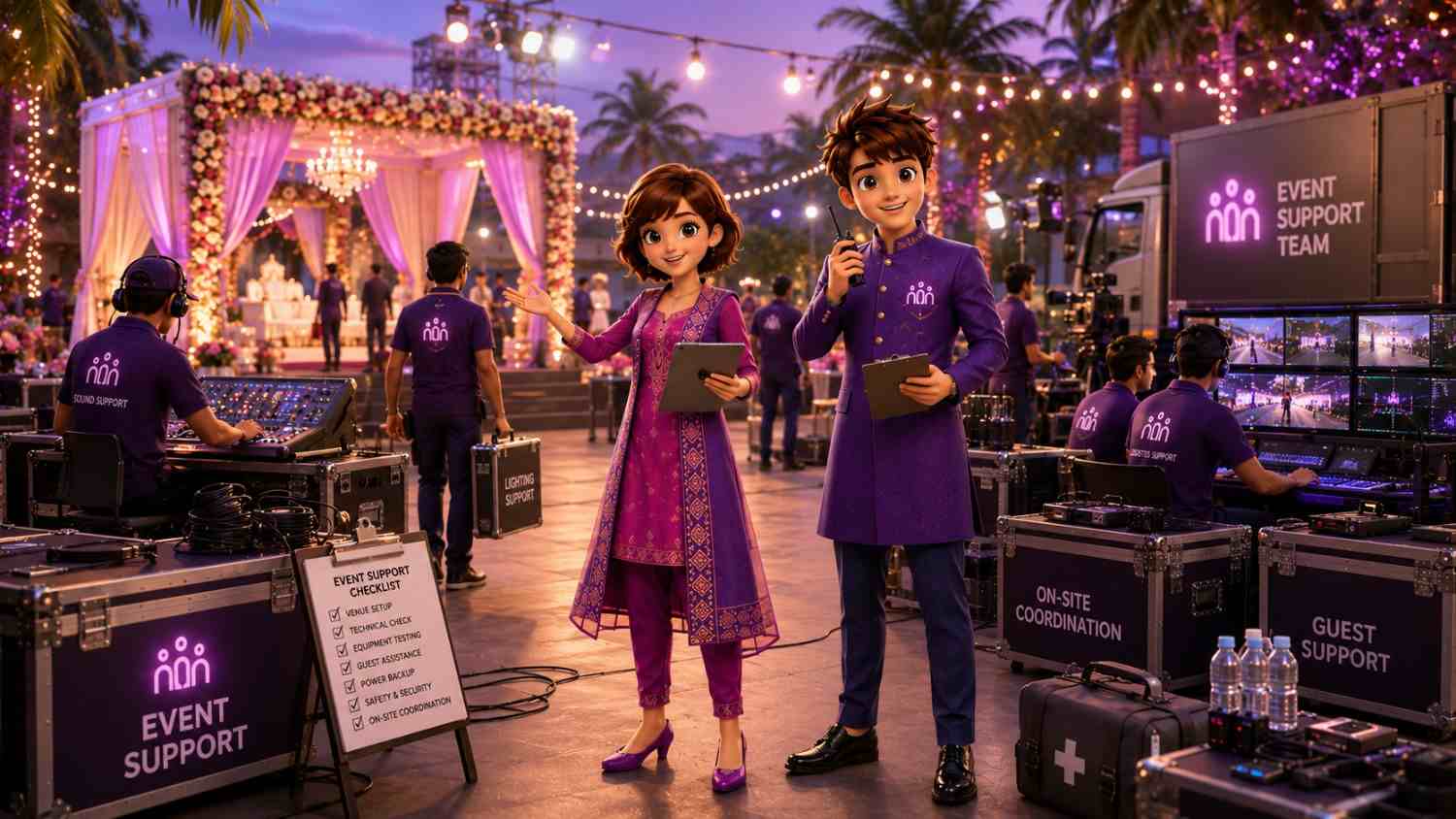
Event Support Services
Everything Under Control.
Discover reliable event support services for smooth operations, guest assistance, safety, logistics and on-ground coordination—so every celebration runs seamlessly.
◆Event Support & On-Ground Services◆
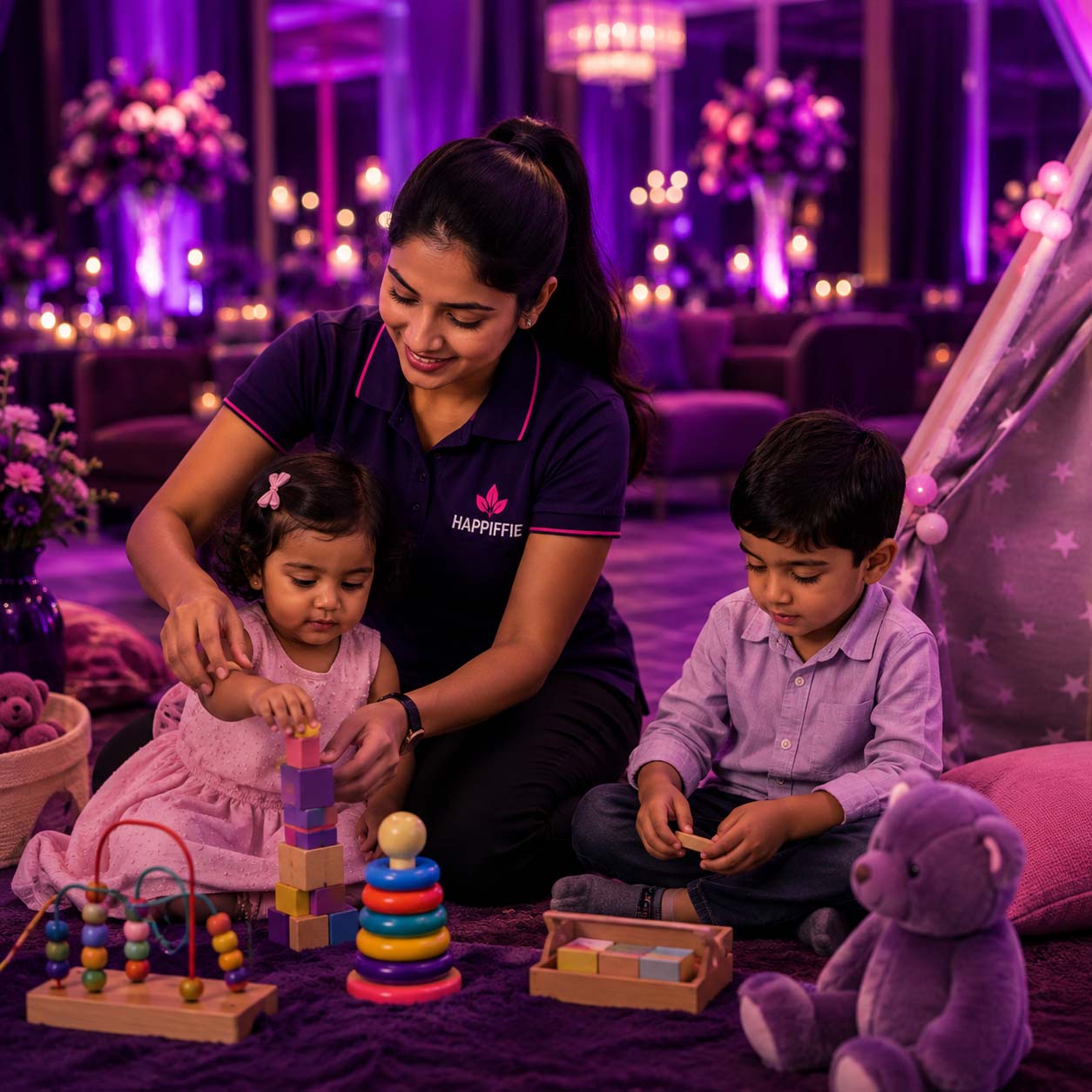
From guest assistance and security to logistics, housekeeping and backstage coordination, get the support your event needs to run smoothly.
 Explore →
 Explore →
 Explore →
 Explore →
 Explore →
 Explore →
 Explore →
 Explore →
 Explore →
 Explore →
 Explore →
 Explore →
 Explore →
 Explore →
 Explore →
 Explore →
 Explore →
 Explore →
 Explore →
 Explore →
 Explore →
 Explore →
 Explore →
 Explore →
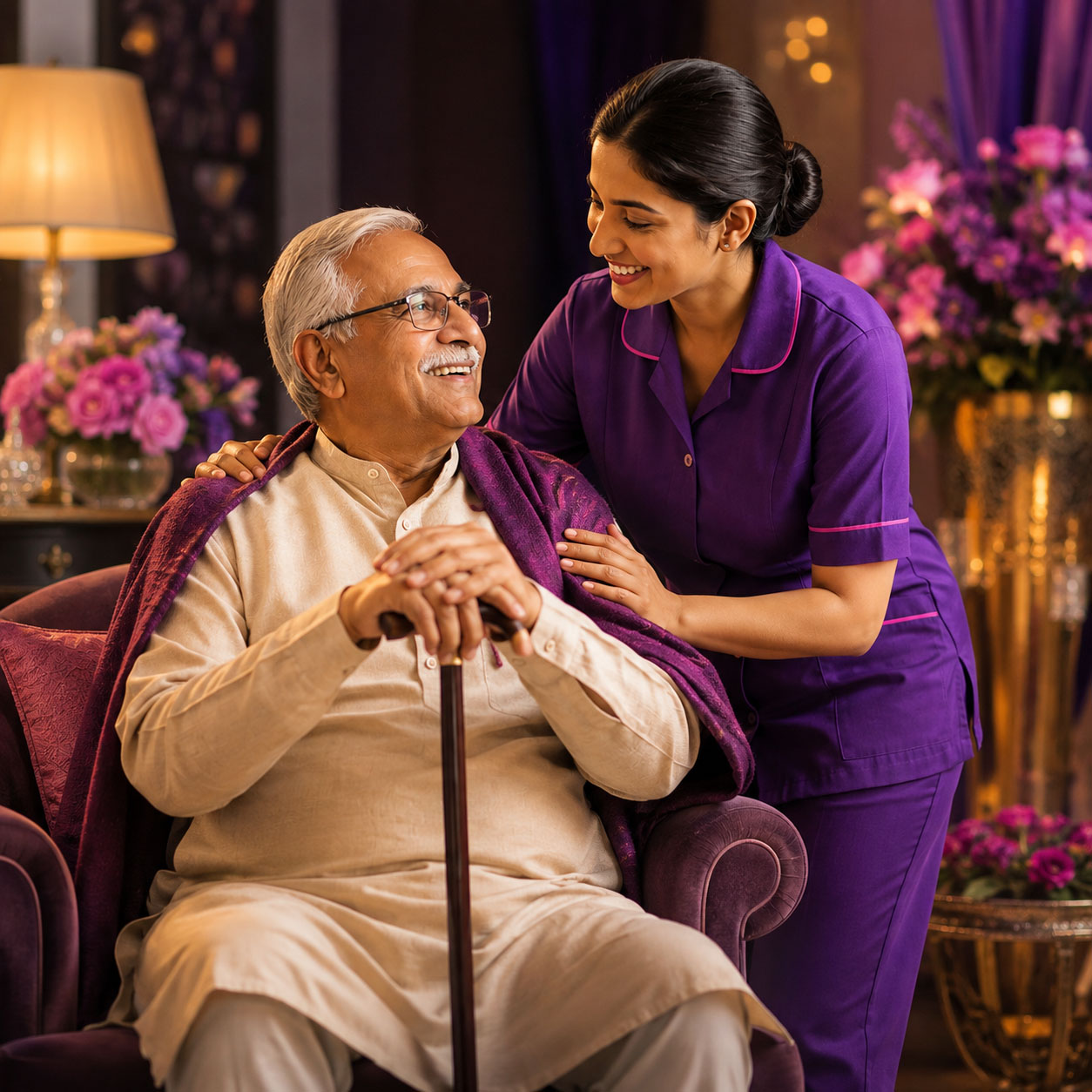 Explore →
 Explore →
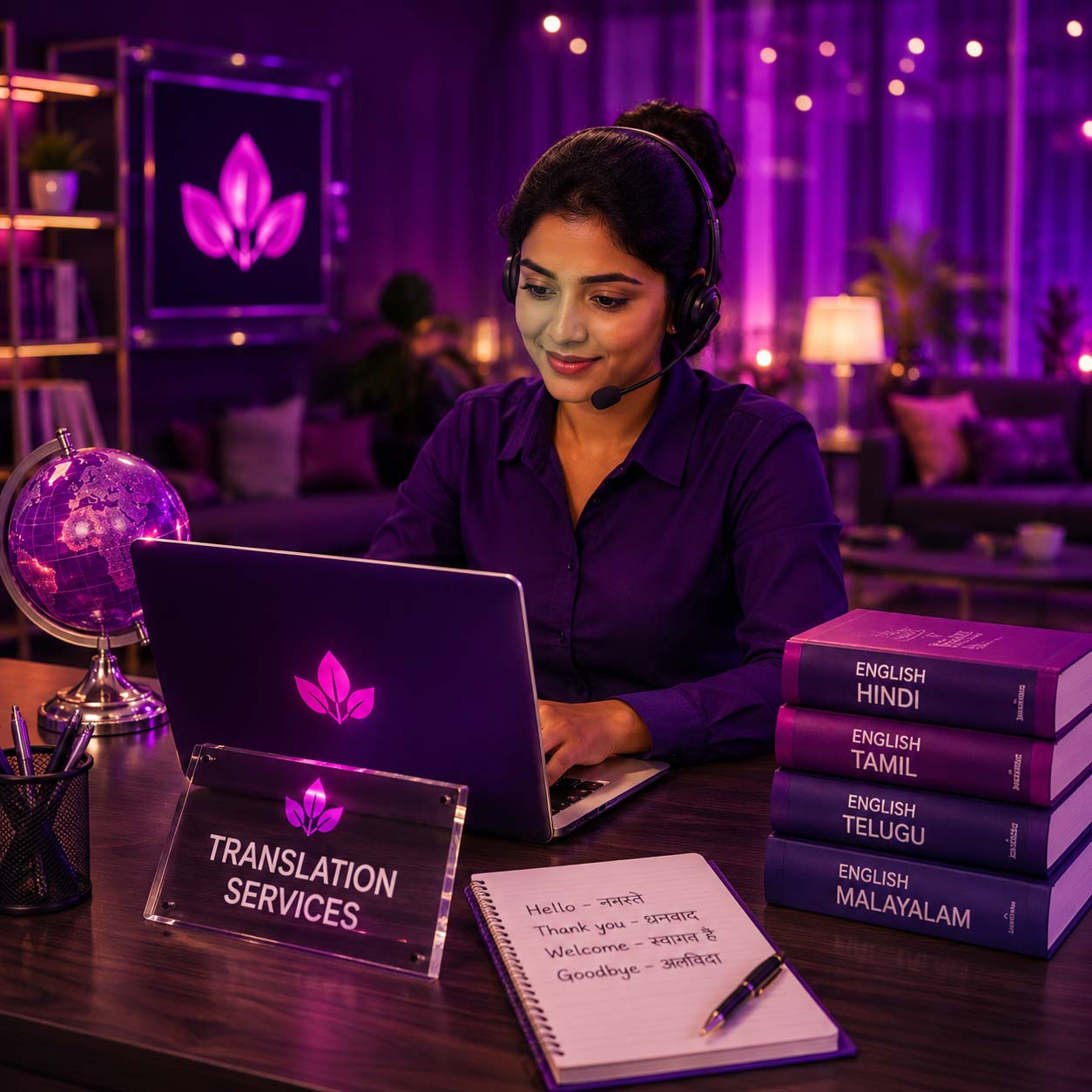 Explore →
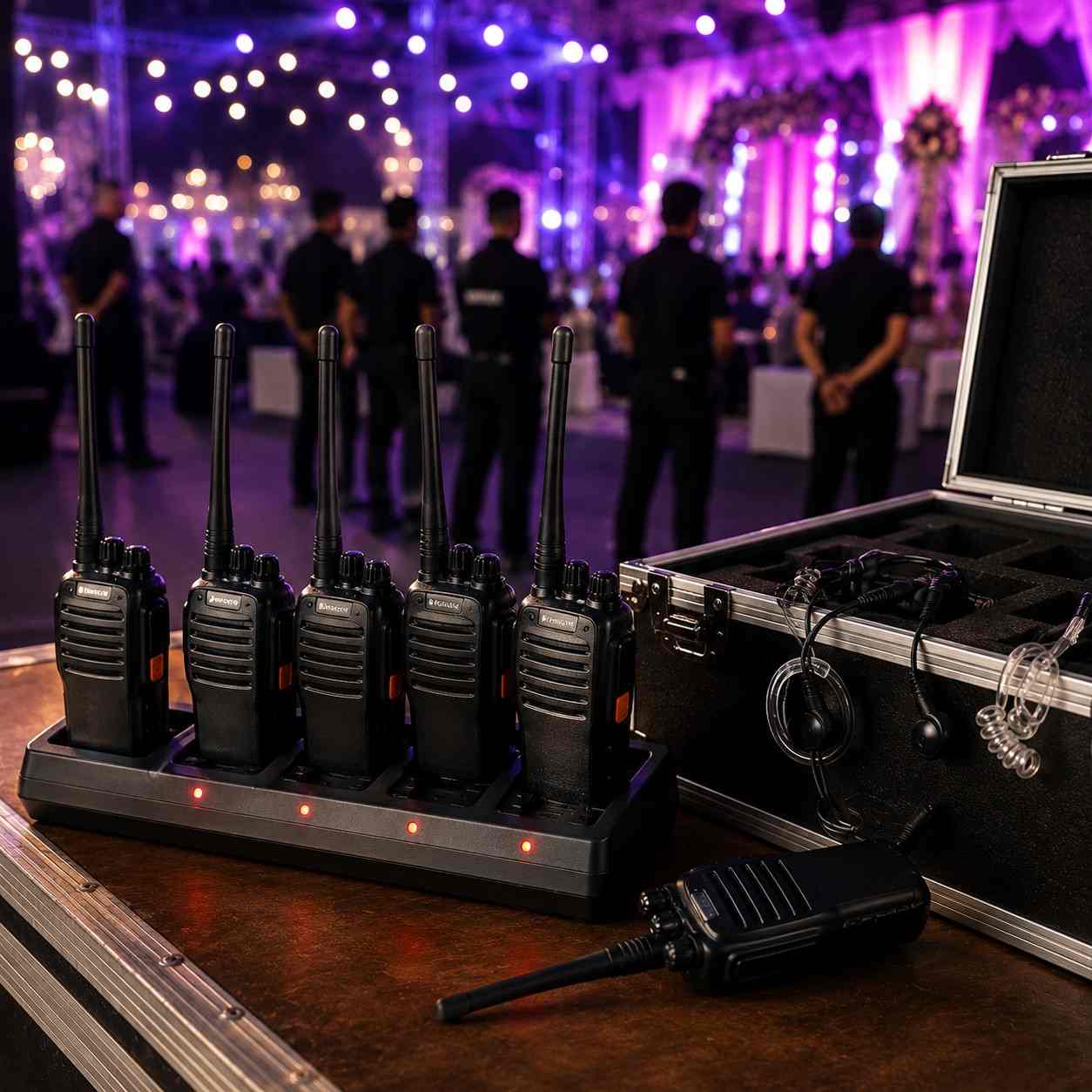 Explore →
Need Support to Keep Your Event Running Smoothly?
From guest assistance and event safety to logistics, housekeeping, licenses and on-ground coordination
Support & Compliance Services
◆A successful event is not only about great décor, entertainment, food, or production. Behind every well-executed event is a strong support system that helps manage safety, coordination, permissions, documentation, communication, and operational requirements.
Support & Compliance Services help event organizers manage the practical and regulatory aspects of an event so that the celebration, business gathering, festival, wedding, or large-scale production can run smoothly.
From event medical support and crowd management to licensing assistance, security coordination, communication systems, safety planning, and operational support, these services provide the infrastructure required to manage events responsibly and efficiently.
Whether you are organizing a private celebration, wedding, corporate event, concert, festival, exhibition, sporting event, or large public gathering, the right support and compliance professionals can help reduce operational risks and improve the overall event experience.
What Are Event Support & Compliance Services?
Event support and compliance services cover the operational, safety, coordination, and regulatory requirements involved in planning and executing an event.
Depending on the type and scale of the event, support may include:
- Event medical support
- First-aid services
- Ambulance coordination
- Crowd management
- Event security coordination
- Emergency response planning
- Fire-safety coordination
- Event permissions and licensing assistance
- Music licensing support
- Public performance licensing
- Communication systems
- Walkie-talkie rental
- Event staff coordination
- Parking and traffic coordination
- Venue compliance support
- Safety planning
- Risk assessment
- Emergency evacuation planning
- Operational support
- On-site event coordination
The exact requirements depend on the event, location, venue, audience size, activities, and applicable laws and regulations.
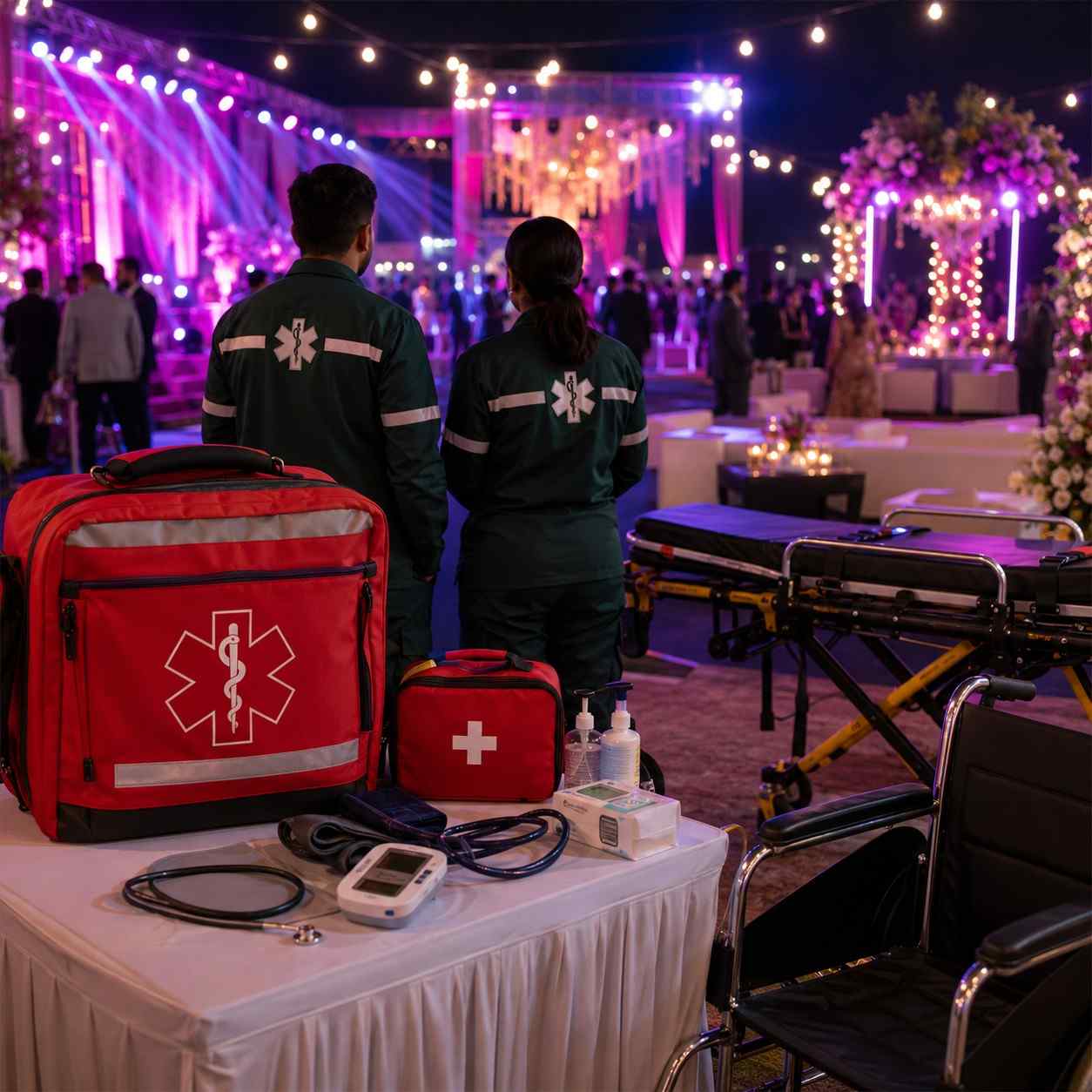
Event Medical Support
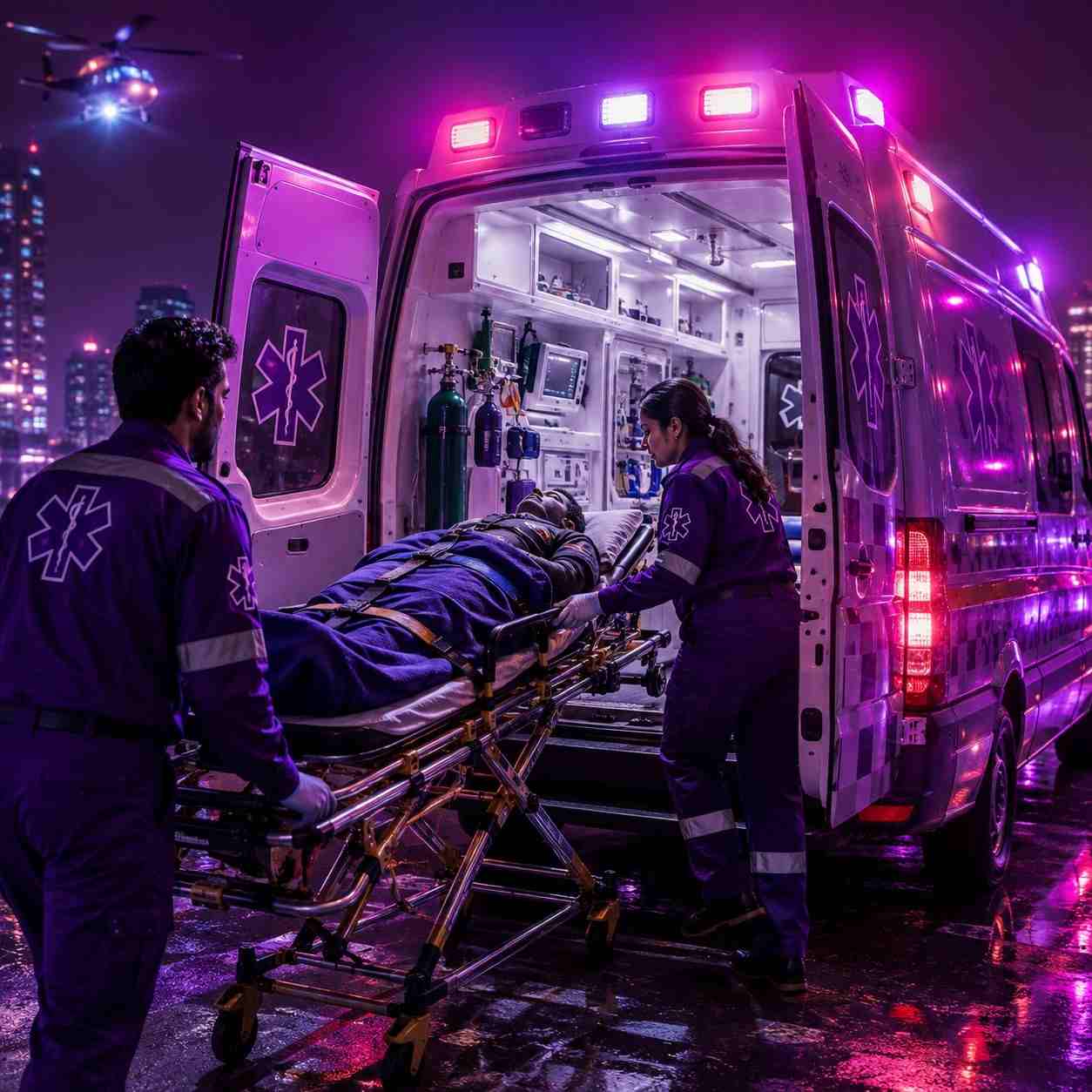
Having appropriate medical support is an important consideration for events, particularly those involving large crowds, outdoor environments, physical activities, long operating hours, or high guest volumes.
Depending on the event requirements, medical support may include:
- Qualified medical personnel
- First-aid stations
- Emergency medical response
- Ambulance coordination
- Medical equipment
- On-site medical teams
- Emergency escalation procedures
- Coordination with nearby medical facilities
Medical planning should be based on the event's size, venue, risk profile, accessibility, and local requirements.
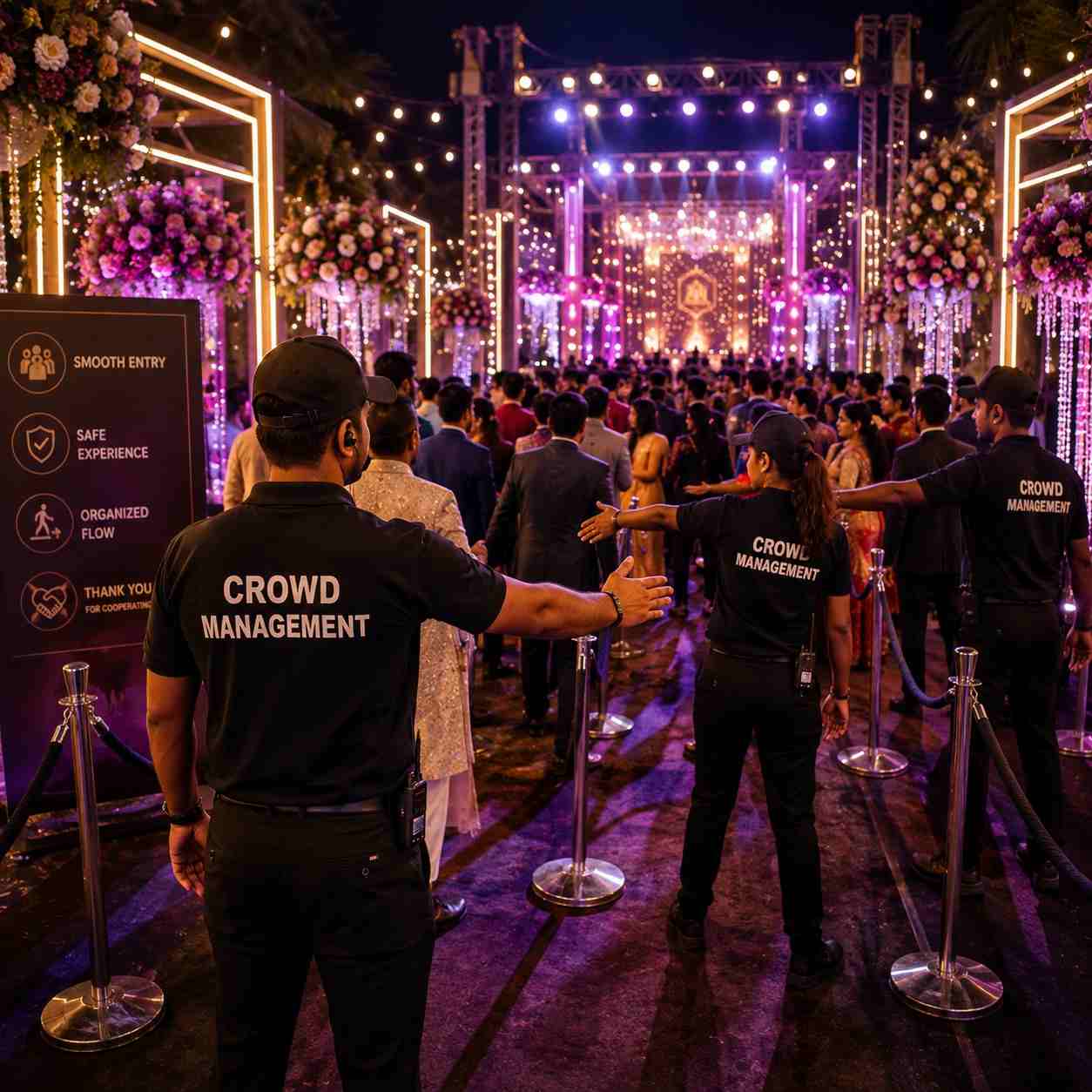
Crowd Management
Crowd management helps maintain safe and organized movement of guests throughout an event.
Professional crowd-management teams can assist with:
- Entry and exit management
- Queue management
- Guest movement
- Restricted-area control
- Stage-area management
- Emergency access routes
- Crowd-flow planning
- Venue capacity management
- VIP movement
- Gate coordination
- Emergency response coordination
Crowd management is particularly important for concerts, festivals, exhibitions, religious gatherings, sporting events, public celebrations, and large weddings.
Event Security Support
Security planning helps protect guests, staff, performers, equipment, and event infrastructure.
Depending on the event, security support may include:
- Security personnel
- Entry monitoring
- Access control
- VIP security coordination
- Backstage security
- Restricted-area monitoring
- Parking-area monitoring
- Asset protection
- Incident response
- Security coordination with venue teams
Security requirements should be assessed according to the event profile and applicable regulations.
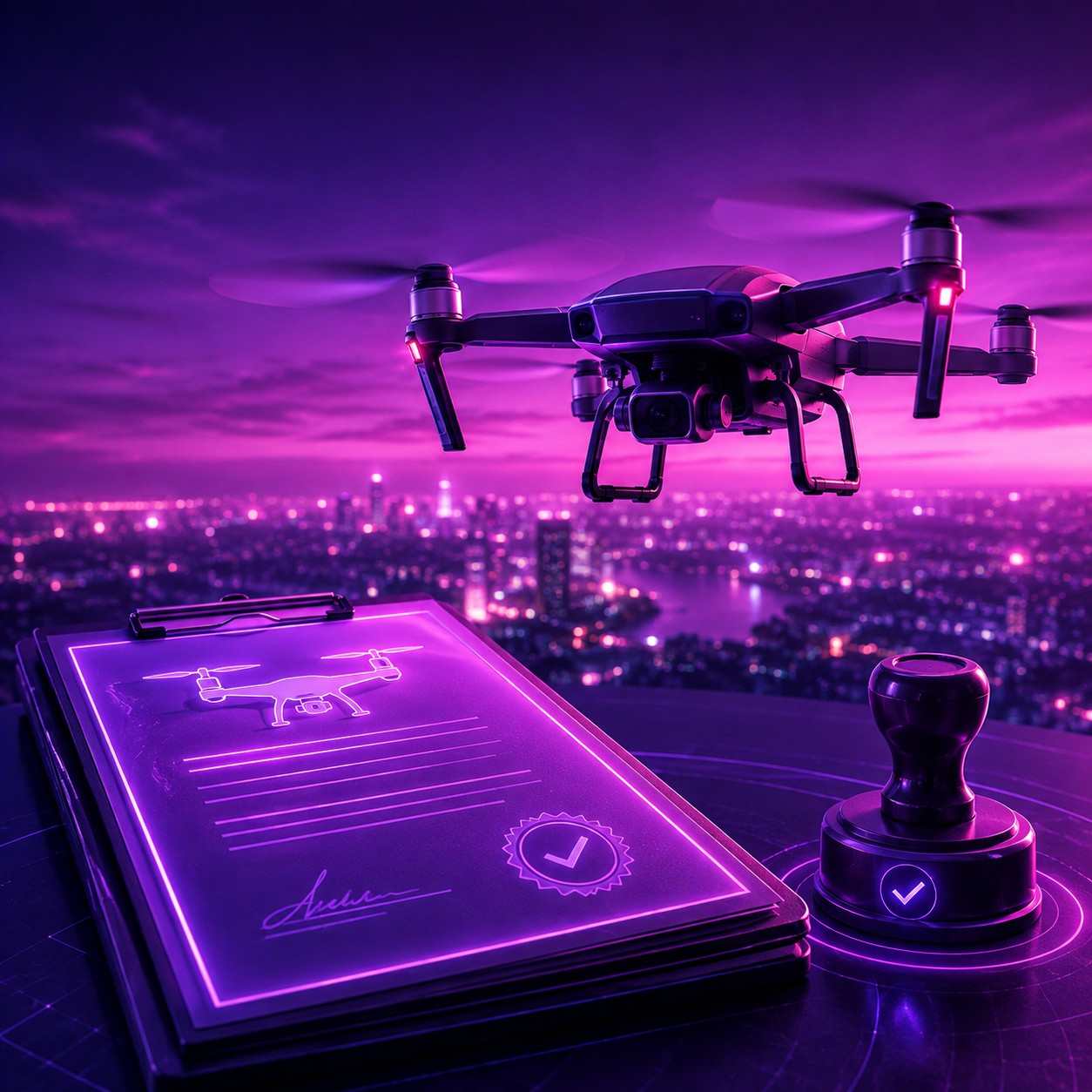
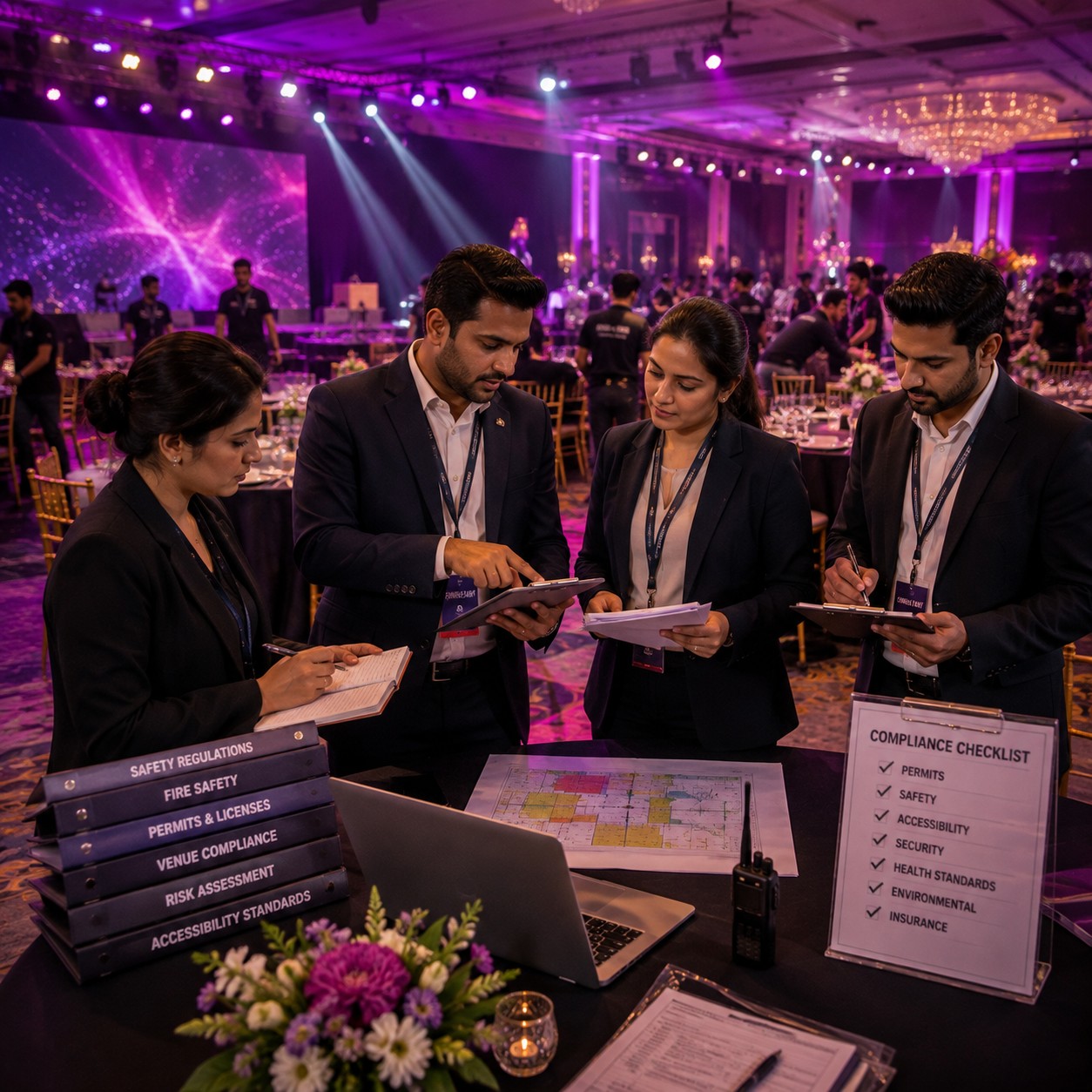
Licensing & Permission Support
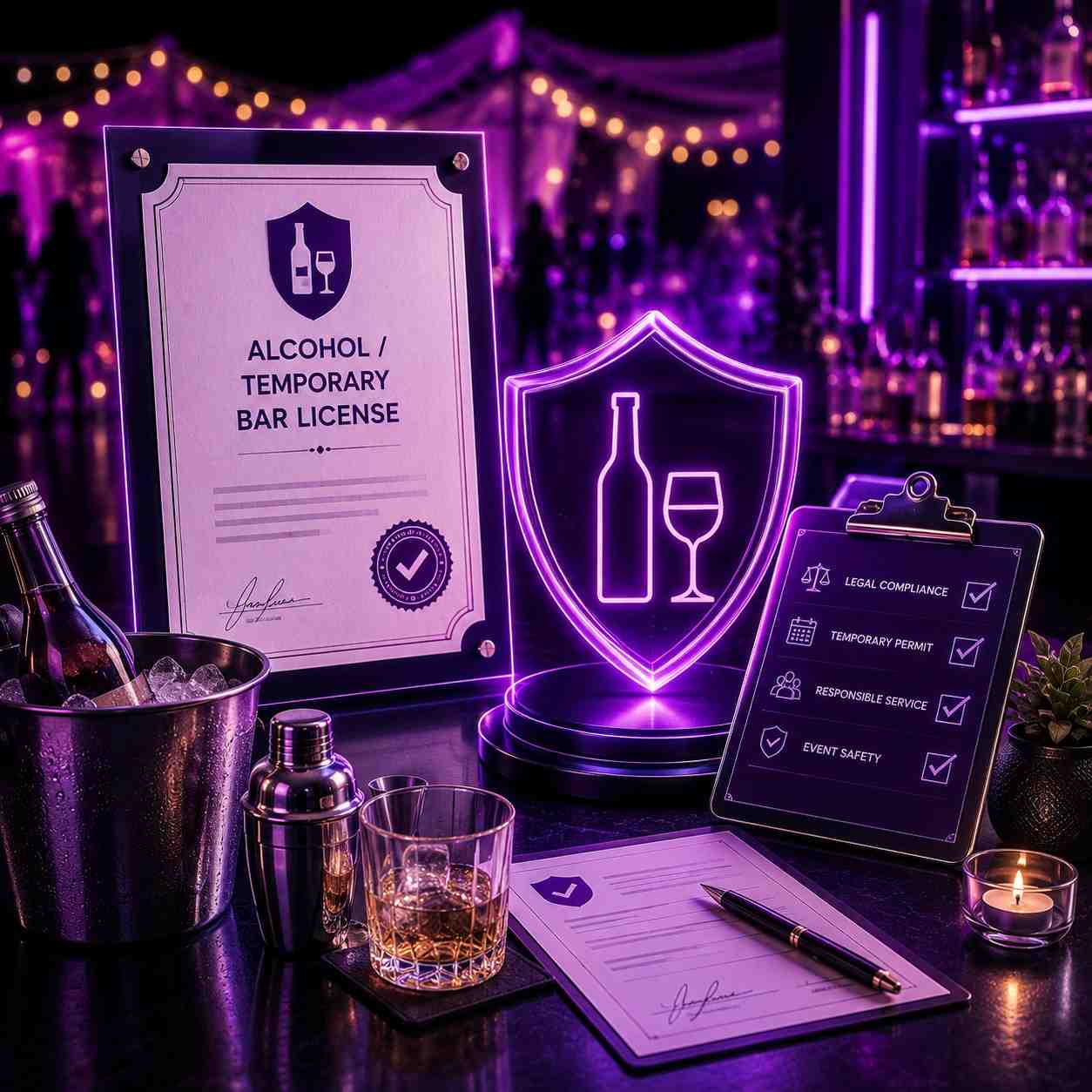
Many events involve permissions, licenses, approvals, or compliance requirements. These can vary significantly depending on the event type, venue, city, activities, and local authorities.
Support professionals can help organizers identify and coordinate relevant requirements such as:
- Event permissions
- Venue-related approvals
- Music licensing
- Public performance permissions
- Fire-safety requirements
- Temporary event permissions
- Outdoor event approvals
- Special-effects permissions
- Food and beverage-related compliance
- Advertising and branding permissions
The exact approvals required should always be confirmed with the relevant authorities and venue.
Music Licensing Support
Events that use recorded music or public performances may require appropriate music licensing depending on the circumstances and applicable law.
Music licensing support can help event organizers understand:
- Whether a license may be required
- Which type of license may apply
- Event-specific requirements
- Venue responsibilities
- Music usage considerations
- Documentation and coordination
Professional guidance can help reduce the risk of overlooking important licensing requirements.
Walkie-Talkie & Event Communication
Large events require effective communication between event managers, security teams, production crews, venue staff, technicians, and other operational teams.
Walkie-talkies and professional communication systems can help coordinate:
- Security
- Event management
- Production
- Catering
- Hospitality
- Technical teams
- Stage management
- Parking
- Guest services
- Emergency response
Communication requirements can be planned according to venue size, team structure, event duration, and operational complexity.
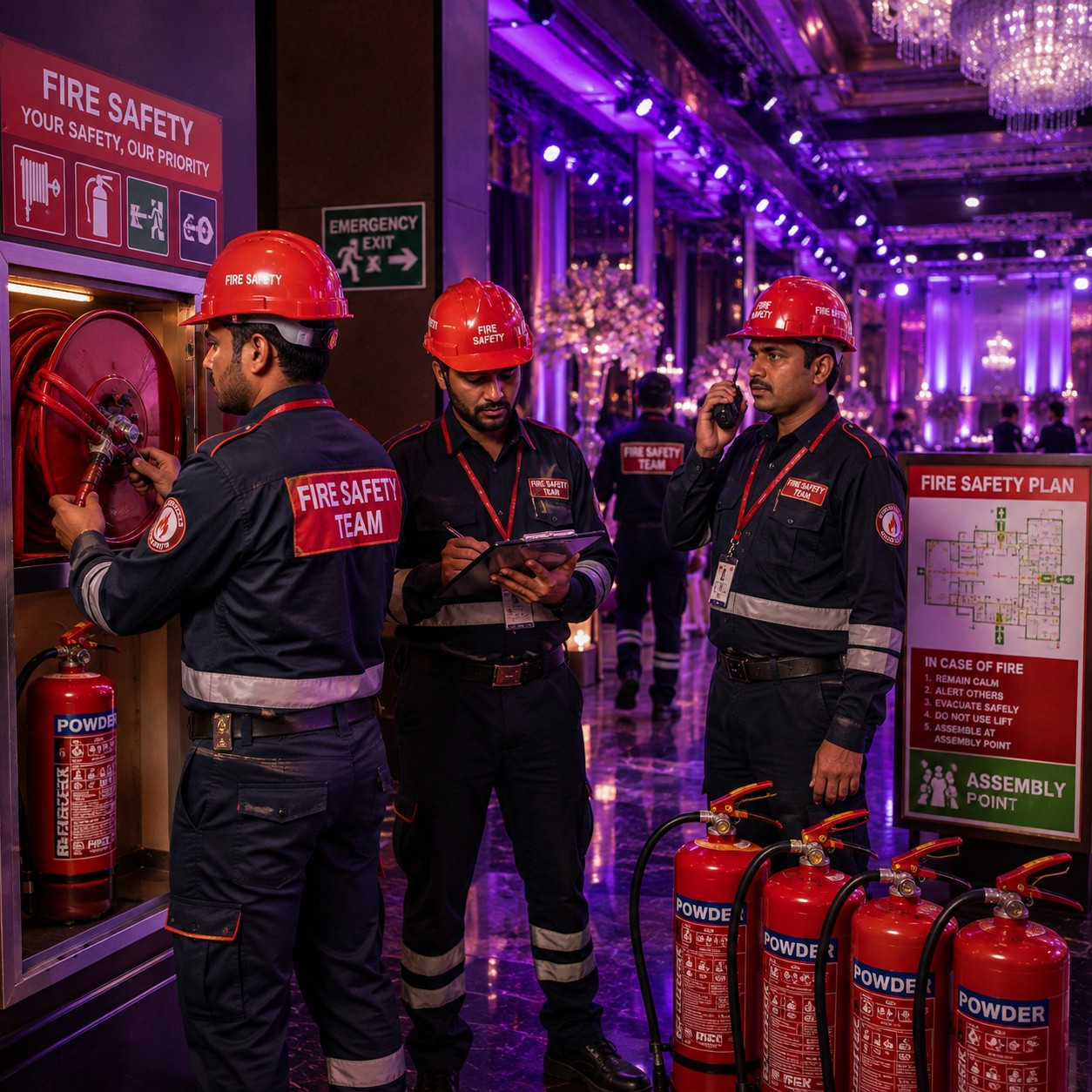
Fire & Emergency Safety Support
Emergency planning is an essential part of responsible event management.
Depending on the event, safety planning may include:
- Emergency exits
- Evacuation routes
- Fire-safety coordination
- Emergency communication
- First-aid arrangements
- Ambulance access
- Emergency contact procedures
- Crowd-flow planning
- Risk identification
- Coordination with venue safety teams
Events involving large audiences, temporary structures, special effects, fireworks, stages, or outdoor installations may require additional safety planning and approvals.
Support for Weddings & Private Celebrations
Even private celebrations can benefit from professional operational support.
Support services can assist with:
- Guest management
- Parking coordination
- Security
- Medical support
- Event communication
- Vendor coordination
- Emergency planning
- Music licensing requirements
- Fire-safety coordination
- Special-effect compliance
This is particularly valuable for large weddings, destination weddings, outdoor celebrations, and events with multiple vendors and activities.
Support for Corporate Events
Corporate events often have additional operational requirements related to professionalism, venue policies, guest access, brand compliance, and documentation.
Support services may be useful for:
- Conferences
- Annual meetings
- Award ceremonies
- Product launches
- Brand activations
- Corporate parties
- Exhibitions
- Seminars
- Networking events
- Large employee gatherings
Professional support can help coordinate different teams and ensure operational requirements are addressed before and during the event.
Support for Festivals & Large-Scale Events
Large festivals and public events can involve thousands of attendees and multiple operational teams.
Support requirements may include:
- Crowd management
- Medical teams
- Security
- Emergency response
- Fire safety
- Communication systems
- Entry and exit management
- Parking coordination
- Vendor coordination
- Licensing and permissions
- Stage and production safety
Early planning is particularly important for large-scale events because approvals, staffing, equipment, and emergency planning can require significant coordination.
Why Support & Compliance Services Matter
Event-related risks can often be reduced through proper planning.
A professional support team can help organizers:
- Identify operational requirements
- Coordinate multiple service providers
- Prepare for emergencies
- Improve guest safety
- Manage event communication
- Understand applicable permissions
- Coordinate with venues and authorities
- Maintain operational discipline
- Respond quickly to unexpected situations
Compliance should not be treated as an afterthought. It should be incorporated into the event plan from the beginning.
Choosing the Right Support & Compliance Provider
When selecting an event support provider, consider:
- Experience with similar events
- Service coverage
- Location and venue familiarity
- Qualified personnel
- Safety procedures
- Licensing knowledge
- Emergency response capabilities
- Communication systems
- Team size
- Availability
- Documentation
- Insurance or certifications where applicable
- Coordination with venue and authorities
For complex events, choose providers who can coordinate effectively with event planners, production teams, venues, security, medical teams, and other vendors.
Frequently Asked Questions
1. What are Support & Compliance Services for events?
Support and compliance services help manage the safety, operational, communication, licensing, permission, and regulatory aspects of an event.
2. Why are compliance services important for events?
Events may involve legal, safety, licensing, venue, fire, music, crowd, and operational requirements. Proper planning helps organizers identify and address applicable requirements before the event.
3. Do all events require the same permissions?
No. Requirements vary based on the event type, location, venue, guest count, activities, timings, entertainment, special effects, and local regulations.
4. Can event support include medical assistance?
Yes. Depending on the event, services can include first-aid teams, qualified medical personnel, ambulances, medical stations, and emergency response coordination.
5. What is crowd management?
Crowd management involves planning and controlling the movement of attendees to help maintain orderly entry, exit, queues, stage areas, restricted zones, and emergency access routes.
6. Do corporate events need support and compliance services?
Large corporate events can benefit from operational support for guest management, security, medical assistance, communication, venue compliance, licensing, emergency planning, and other requirements.
7. What is music licensing for events?
Music licensing relates to permissions that may be required when music is publicly performed or played at an event. The applicable requirements depend on the circumstances and relevant law.
8. Can I get walkie-talkies for my event?
Yes. Professional event communication equipment such as walkie-talkies can be arranged for event managers, security teams, production crews, venue staff, and other operational teams, subject to applicable requirements.
9. Do outdoor events require additional safety planning?
Outdoor events can involve additional considerations such as weather, crowd movement, emergency access, temporary structures, power systems, fire safety, medical access, and venue-specific requirements.
10. Can support services help with event permissions?
Experienced providers can help identify and coordinate relevant permissions and documentation. However, the specific authority requirements and final approvals depend on the event location and applicable regulations.
11. Are medical and security services useful for weddings?
Yes. Large weddings, destination weddings, outdoor celebrations, and high-guest-count events can benefit from medical, security, crowd-management, parking, and emergency-response support.
12. How early should I arrange compliance services?
It is best to assess compliance and operational requirements during the early planning stage. Large events may require additional time for permissions, staffing, equipment, venue approvals, and coordination.
13. Can support services coordinate with my event planner?
Yes. Support providers can work alongside event planners, production companies, venues, security teams, vendors, and other event professionals to coordinate operational requirements.
14. How much do event support and compliance services cost?
Pricing depends on the event type, location, duration, guest count, number of personnel, equipment, permissions, risk profile, and services required. A customized quotation is generally necessary.
15. What information is needed to plan event support?
Useful information includes the event type, date, location, venue, expected attendance, event timings, activities, stage or production setup, special effects, guest profile, and specific support requirements.
16. Can compliance services be arranged for festivals and concerts?
Yes. Large festivals and concerts may require extensive planning involving crowd management, medical support, security, communication systems, fire safety, permissions, and emergency response.
17. Who is responsible for event compliance?
Responsibility can be shared between the event organizer, venue, vendors, contractors, and relevant authorities depending on the requirement. Professional support providers can assist with coordination, but organizers should confirm their legal responsibilities for the specific event.
Plan With Confidence
A memorable event should feel seamless for guests, but achieving that experience requires careful planning behind the scenes.
From medical support and crowd management to communication systems, licensing assistance, security coordination, fire safety, and operational planning, Support & Compliance Services provide the foundation for safer and better-organized events.
Explore experienced support professionals, compare services based on your event requirements, and build a reliable operational plan that keeps safety, compliance, coordination, and guest experience at the centre of your event.