
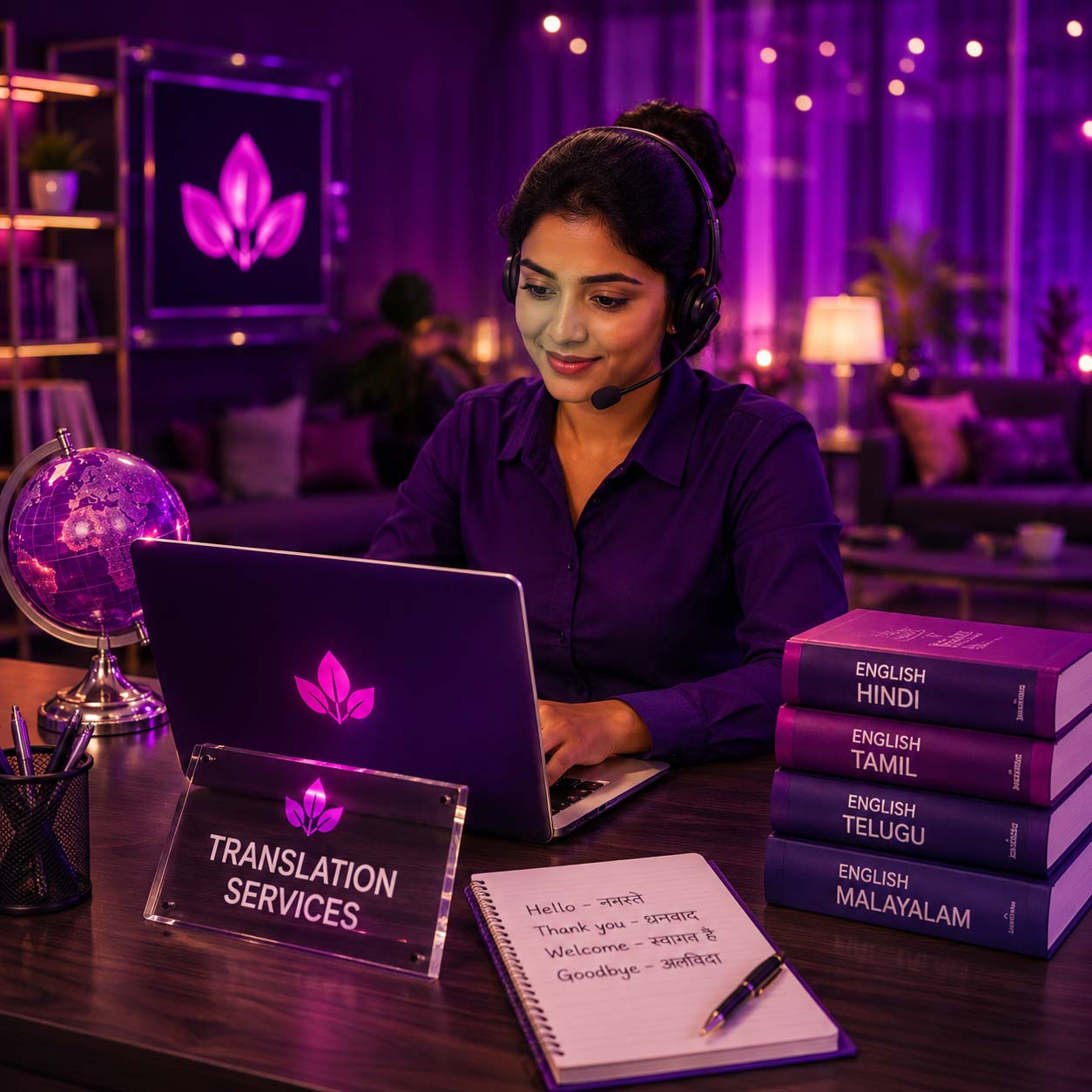
Ceremony Translation Services
Make ceremonies more inclusive with ceremony translation services providing professional event interpreters, language support, and multilingual assistance for cultural programs, traditional ceremonies, conferences, celebrations, and diverse gatherings.
Explore Event Support Services


Explore Other Experiences





Explore by Occasion



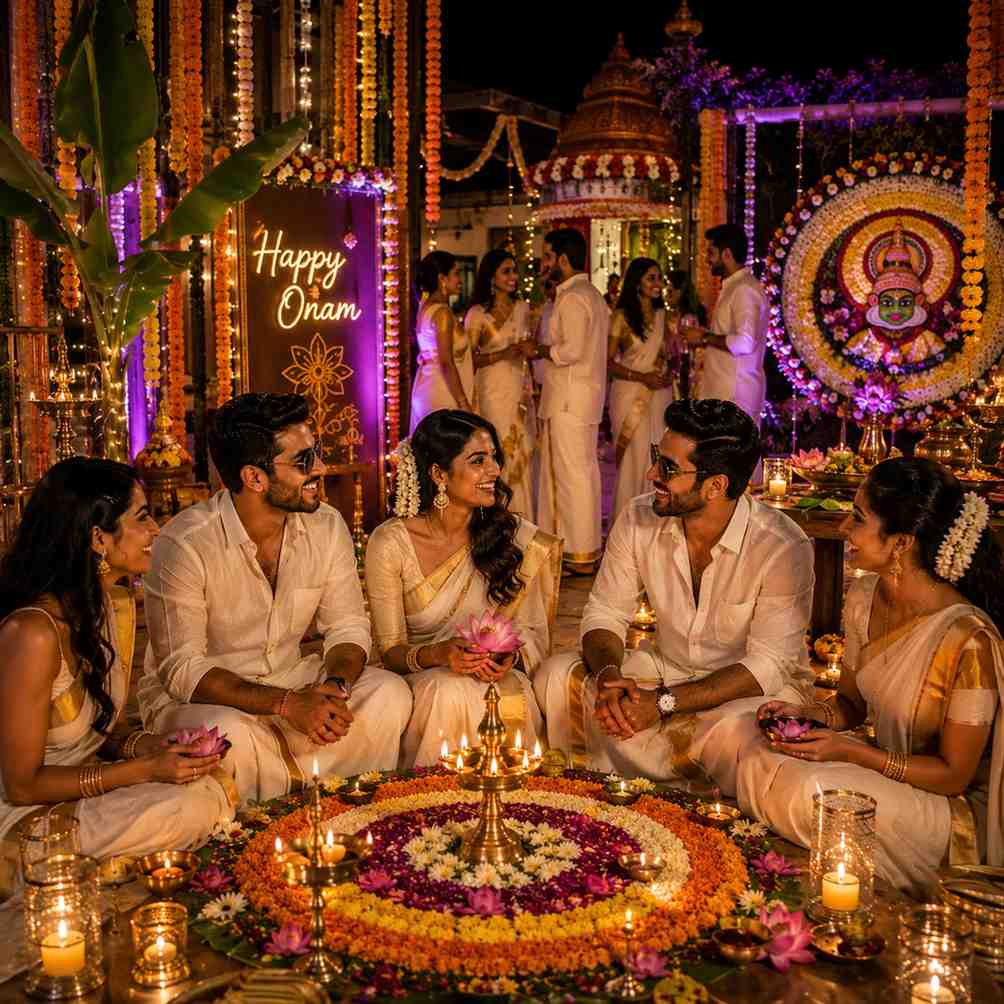
Ceremony Translation Services for Multilingual Events
◆Events and ceremonies often bring together guests, speakers, performers, and participants who communicate in different languages. Clear communication can help everyone understand important announcements, presentations, rituals, instructions, and cultural elements throughout the gathering.
Ceremony Translation Services provide event interpreters, language support, multilingual assistance, ceremony interpretation, and event translation for cultural programs, conferences, celebrations, and other gatherings.
Happiffie helps event organisers discover professional language assistance for functions where multilingual communication is an important part of the guest experience.
Event Interpreter Services
An event interpreter helps facilitate spoken communication between people who use different languages.
Depending on the event format, interpretation may be required for speakers, guests, presenters, performers, organisers, or participants.
The language combination, event duration, subject matter, and interpretation format should be discussed with the service provider before the event.
Language Support
Language support can help organisers communicate important information to a diverse audience.
Support may be useful for event announcements, guest instructions, speaker presentations, ceremony proceedings, registration assistance, and other communication requirements.
A planned language support arrangement can help reduce communication barriers during the gathering.
Multilingual Assistance
Multilingual assistance is useful when an event involves guests or participants who speak multiple languages.
Professional interpreters can help facilitate communication between organisers and attendees while supporting a more inclusive event environment.
The required languages should be confirmed before booking.
Ceremony Interpretation
Ceremonies may include speeches, rituals, readings, blessings, introductions, and other proceedings that require clear understanding.
Ceremony interpretation can help guests follow important spoken content when the original language is not familiar to everyone attending.
This can be particularly relevant for culturally diverse family and community gatherings.
Event Translation
Event translation can involve written materials as well as spoken communication.
Depending on the requirements, organisers may need translation support for invitations, programs, schedules, menus, signage, presentations, information sheets, or other event materials.
Written translation requirements should be provided to the service provider in advance.
Cultural Program Translation
Cultural programs may feature traditional performances, speeches, storytelling, educational presentations, and ceremonial content.
Language support can help audiences understand the meaning and context of these presentations.
This can make cultural programs more accessible to multilingual attendees.
Conference Interpretation
Conferences can include speakers, delegates, professionals, and attendees from different linguistic backgrounds.
Interpretation support may be required for presentations, panel discussions, workshops, meetings, or networking sessions.
The conference schedule and subject areas should be shared with interpreters beforehand where possible.
Multilingual Event Services
Multilingual event services can support gatherings that require communication across several languages.
Depending on the provider, services may include event interpretation, written translation, guest language assistance, and multilingual communication support.
The exact service package should be matched to the event's requirements.
Event Language Assistance
Event language assistance can support attendees who need help understanding event information or communicating with organisers.
This may be useful at registration desks, information counters, ceremony areas, conference sessions, and other guest-facing locations.
Language assistance can be arranged according to the expected attendance and event structure.
Interpreter Services for Celebrations
Weddings, anniversaries, family gatherings, religious ceremonies, and cultural celebrations can include guests from different linguistic backgrounds.
Interpreter services can help guests understand speeches, announcements, ceremonial proceedings, and other important moments.
This can help families create a more inclusive experience for their guests.
Wedding Ceremony Interpretation
Weddings involving multilingual families may include traditional rituals, readings, speeches, and announcements in different languages.
Interpretation can help guests follow the proceedings without changing the original ceremonial format.
Couples can discuss the ceremony schedule and required languages with the interpreter in advance.
Religious and Cultural Ceremonies
Religious and cultural ceremonies may involve specialised terminology, traditional expressions, prayers, readings, or ritual instructions.
When interpretation is required, it is useful to work with professionals who understand the relevant language context and can communicate the intended meaning appropriately.
The specific requirements should be discussed before the ceremony.
Guest Communication
Clear guest communication can be especially important for large or multilingual gatherings.
Interpreters or language assistants may help guests understand directions, schedules, venue information, seating arrangements, and other event-related instructions.
This can make navigation easier for attendees who are not fluent in the primary event language.
Speaker and Presenter Support
Speakers may need interpretation support when presenting to an audience that speaks another language.
Interpreters can facilitate communication between presenters and attendees depending on the selected interpretation format.
Providing presentation materials in advance can help interpreters prepare for specialised terminology.
Simultaneous Interpretation
Simultaneous interpretation involves interpreting spoken content while the speaker continues presenting.
It can be useful for conferences, large presentations, seminars, and other events where continuous multilingual communication is required.
Technical equipment may be necessary depending on the venue and interpretation setup.
Consecutive Interpretation
Consecutive interpretation involves interpreting after the speaker pauses.
This format can work well for smaller meetings, ceremonies, interviews, speeches, and conversational settings.
The choice between consecutive and simultaneous interpretation depends on the event format and communication requirements.
Written Event Translation
Some events require written translation alongside spoken interpretation.
Materials may include schedules, ceremony programs, presentation content, menus, instructions, informational documents, and guest communications.
Providing source documents early can allow translators sufficient preparation time.
Language Requirements Planning
Language requirements should be identified during the early planning stages.
Organisers can determine which languages are required, where interpretation will be needed, how many sessions require support, and how long the service will be required.
Early planning can help coordinate interpreters with the event schedule.
Interpreter Preparation
Professional interpreters may benefit from receiving event materials before the function.
Agendas, speaker information, terminology, ceremony details, presentations, and other relevant documents can help them prepare for specialised vocabulary.
Preparation can support more consistent communication during the event.
Venue and Technical Requirements
Interpretation requirements can vary depending on the venue and event format.
Large conferences may require interpretation equipment, audio systems, booths, microphones, or receiver devices.
Smaller ceremonies may require simpler arrangements. The venue and service provider should confirm technical requirements in advance.
Choosing Ceremony Translation Services
When selecting Ceremony Translation Services, consider the required languages, event type, number of attendees, interpretation format, duration, subject matter, venue, technical requirements, and interpreter experience.
For cultural and ceremonial programs, it can also be useful to discuss terminology and event-specific content before the gathering.
Why Choose Happiffie?
Happiffie helps organisers discover solutions for Ceremony Translation Services, event interpreters, language support, multilingual assistance, ceremony interpretation, conference interpretation, and cultural event support.
Whether you are planning a wedding, cultural program, conference, family gathering, or multilingual celebration, Happiffie helps you explore language services suited to the communication requirements of the occasion.
Professional interpretation can help organisers provide clearer communication while allowing speakers and participants to engage with a diverse audience.
Conclusion
Multilingual communication can be an important part of creating an accessible and welcoming event experience. Professional interpreters and translators can support ceremonies, cultural programs, conferences, celebrations, and gatherings where multiple languages are used.
Ceremony Translation Services can provide event interpretation, language support, multilingual assistance, written translation, and conference interpretation according to the requirements of the function.
With Happiffie, organisers can discover language assistance solutions that help connect speakers, guests, families, and participants across different languages.
Frequently Asked Questions
1. What are Ceremony Translation Services?
They provide language and interpretation support for ceremonies, cultural programs, conferences, celebrations, and multilingual gatherings.
2. What does an event interpreter do?
An event interpreter facilitates spoken communication between people who use different languages during a function or gathering.
3. Can interpreters support wedding ceremonies?
Yes. Wedding ceremony interpretation can help multilingual guests understand speeches, announcements, readings, and ceremonial proceedings.
4. What is the difference between translation and interpretation?
Translation generally refers to written content, while interpretation refers to spoken communication.
5. What is simultaneous interpretation?
It involves interpreting spoken content while the speaker continues talking and is commonly used for conferences and larger presentations.
6. What is consecutive interpretation?
It involves interpreting after the speaker pauses and can be suitable for smaller ceremonies, meetings, speeches, and conversations.
7. Can written event materials be translated?
Yes. Depending on the provider, written materials such as programs, schedules, menus, presentations, and guest information may be translated.
8. Should interpreters receive event materials in advance?
Providing relevant materials beforehand can help interpreters prepare terminology and understand the event structure.
9. Can interpretation be provided for cultural programs?
Yes. Cultural programs can benefit from interpretation when performances, speeches, storytelling, or presentations are delivered in languages unfamiliar to part of the audience.
10. Do conferences require special interpretation equipment?
Some conferences may require microphones, receivers, interpretation booths, audio systems, or other technical equipment depending on the interpretation format and venue.
11. How do I choose an event interpreter?
Consider the required languages, event type, duration, audience size, interpretation format, subject matter, experience, and technical requirements.
12. Why choose Happiffie for multilingual event services?
Happiffie helps organisers discover event interpreters, language support, multilingual assistance, ceremony interpretation, conference interpretation, and cultural event language services for diverse gatherings.