
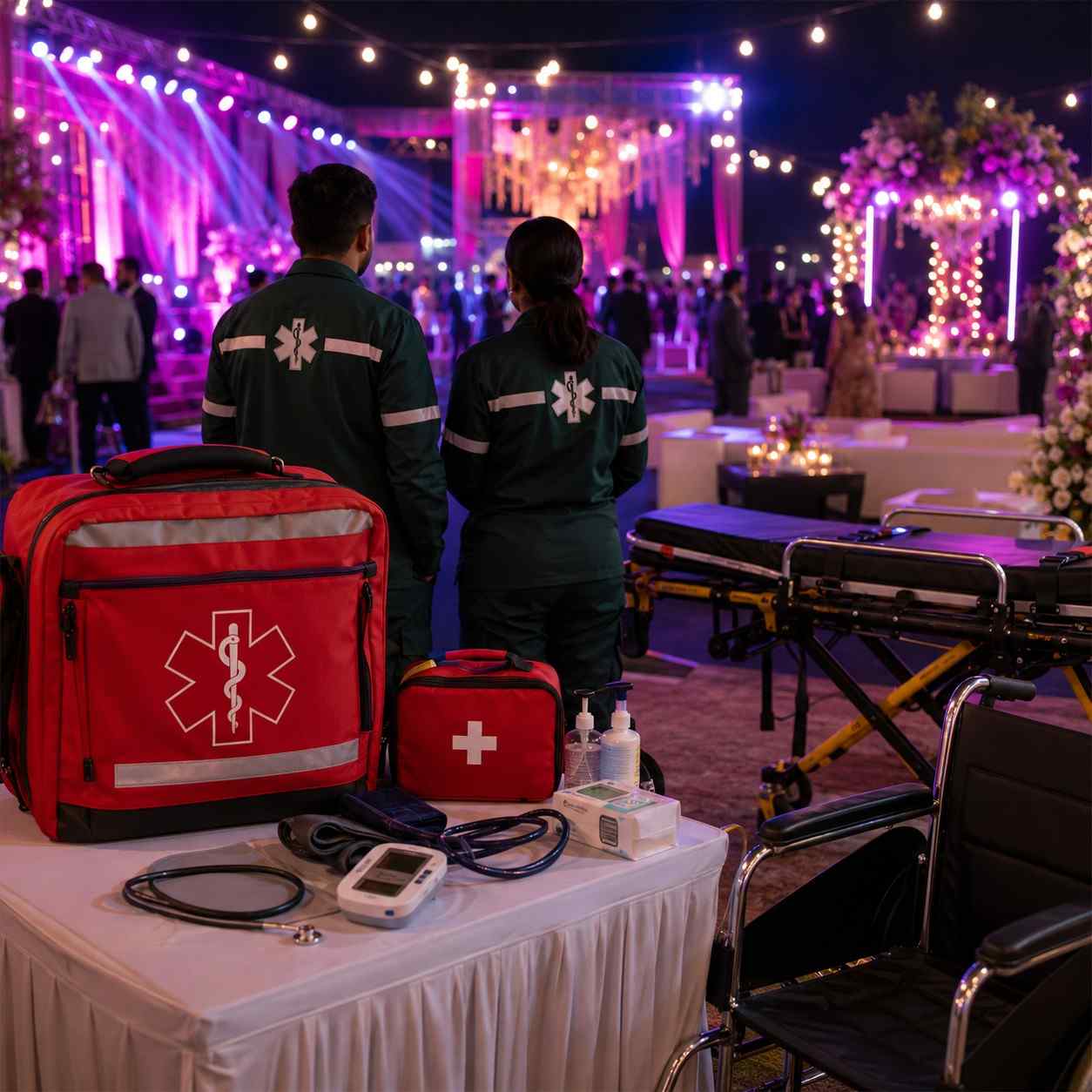
Event Medical Support
Help keep guests and event teams supported with Celebration Medical Support featuring on-site first aid, trained medical personnel, emergency response assistance, basic medical facilities, and event health support for weddings, concerts, festivals, corporate events, and large gatherings.
Explore Event Support Services


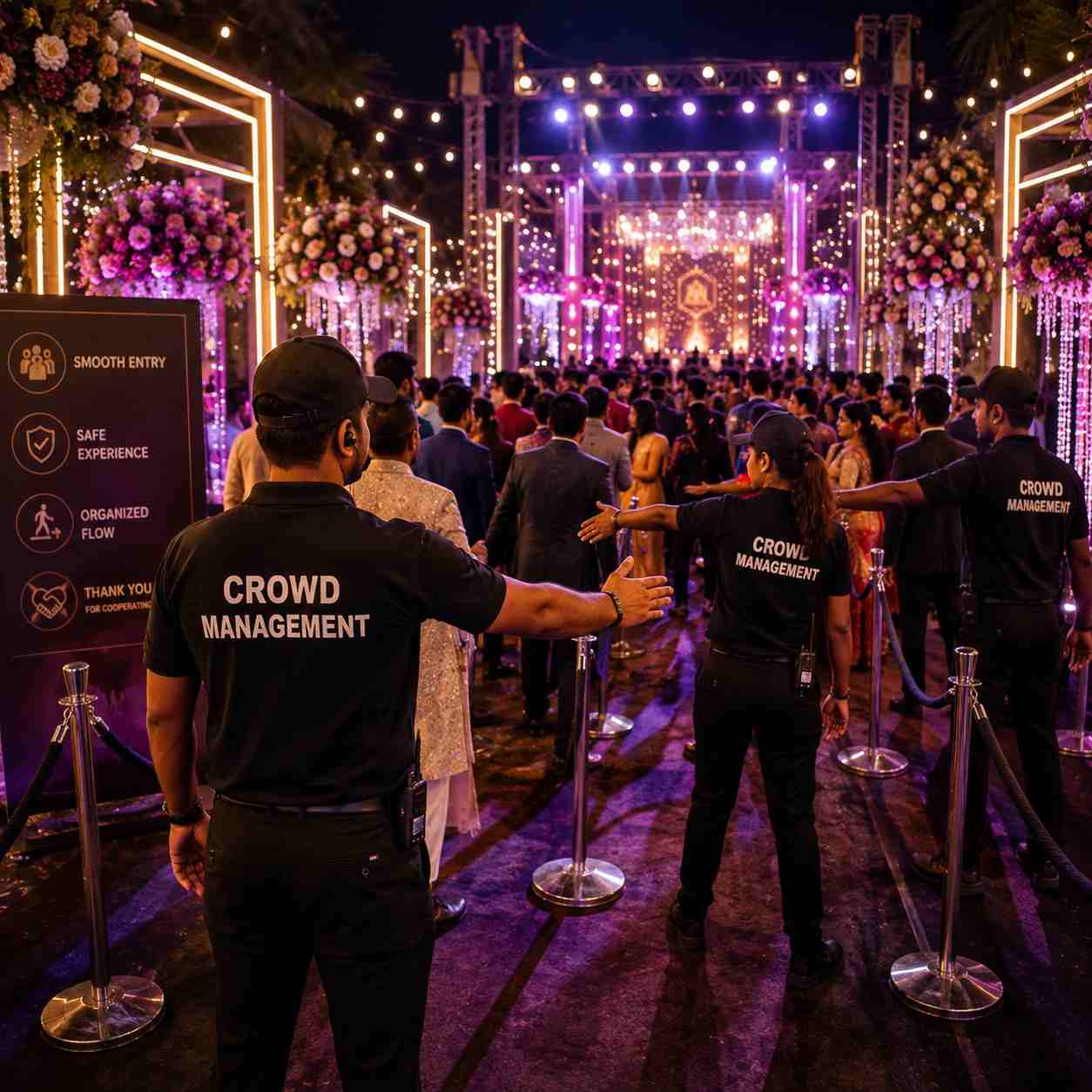

Explore Other Experiences









Explore by Occasion




Celebration Medical Support
◆Celebration Medical Support provides professional healthcare and emergency assistance for weddings, marriage receptions, corporate events, festivals, concerts, exhibitions, sports events, community gatherings, and large celebrations. These services help organisers prepare for unexpected medical situations and provide timely first aid and healthcare support during the event.
From trained first aid teams and onsite doctors to ambulances, emergency response coordination, basic medical stations, and guest assistance, professional medical support helps create a safer and more prepared event environment.
Happiffie helps couples, families, corporate organisations, event planners, venues, and organisers discover qualified medical support providers who can coordinate first aid personnel, doctors, nurses, ambulances, medical equipment, emergency response teams, and onsite healthcare arrangements based on the event's requirements.
Why Medical Support Matters at Celebrations
Large gatherings can involve heat, dehydration, minor injuries, food-related illness, fatigue, falls, allergies, or other unexpected health situations.
Having trained medical personnel available can help event teams respond quickly to minor incidents and coordinate appropriate emergency care when more serious situations occur.
Medical preparedness provides additional confidence for organisers, guests, families, and event staff.
Every celebration deserves a safe and well-prepared environment.
Types of Celebration Medical Support
Medical arrangements can be customised according to the event size, venue, duration, guest profile, location, and risk level.
Popular services include first aid teams, onsite doctors, event nurses, paramedic teams, medical stations, ambulance standby, emergency response coordination, basic health assistance, guest medical support, event medical planning, and healthcare coordination.
Each event can have a medical plan suited to its specific requirements.
First Aid Teams
Trained first aid personnel can provide initial assistance for minor injuries and common event-related incidents.
Services may include basic wound care, dressing assistance, assessment of minor injuries, support for fainting or dehydration, and emergency escalation when necessary.
First aid teams provide an immediate point of medical assistance during celebrations.
Onsite Doctor Services
An onsite doctor can provide professional medical assessment during larger or higher-risk events where medical supervision is appropriate.
Doctors can assess guests or staff experiencing health concerns and determine whether further medical attention or hospital care may be required.
Availability and scope of medical services should be agreed with the healthcare provider before the event.
Event Nurse Services
Event nurses can support onsite medical stations, guest assistance, basic health monitoring, first aid coordination, and communication with doctors or emergency services.
Nursing support can be particularly useful for long-duration events and large gatherings.
Paramedic and Emergency Response Teams
Paramedic teams can provide trained emergency support and assist with stabilisation and coordination while advanced medical care is being arranged.
They can work alongside ambulances, onsite doctors, event security, and venue teams.
Professional emergency planning helps establish clear response procedures before guests arrive.
Ambulance Standby Services
Ambulance services can be arranged for events where rapid transportation to a medical facility may be required.
Depending on the provider, ambulance options may include basic or advanced medical equipment and trained medical personnel.
The appropriate ambulance type should be determined according to the event's location, risk assessment, and healthcare requirements.
Onsite Medical Stations
A dedicated medical station provides a designated location where trained medical personnel can attend to guests and staff.
Medical stations may include basic first aid supplies, examination equipment, seating, privacy arrangements, and essential medical resources based on the provider's scope.
Clearly identified medical stations make assistance easier to locate during busy celebrations.
Emergency Medical Planning
Professional event medical planning identifies potential risks and establishes procedures for responding to medical incidents.
Planning may include medical station locations, emergency contact numbers, ambulance access routes, hospital information, staff communication procedures, evacuation routes, and coordination with venue security.
A clear response plan helps reduce confusion during emergencies.
Wedding and Marriage Reception Medical Support
Marriage receptions can involve large guest groups, extended celebrations, outdoor venues, dancing, elaborate catering, and long event hours.
Medical support can help address minor injuries, dehydration, exhaustion, falls, allergic reactions, and other unexpected situations while coordinating emergency care when necessary.
Couples and planners can select medical support based on guest numbers, venue type, event duration, and location.
Outdoor Celebration Medical Support
Outdoor events may require additional planning for heat, weather exposure, uneven surfaces, crowd movement, and access to emergency vehicles.
Medical teams can be positioned at accessible locations and coordinate with event security and venue management.
Weather and environmental conditions should be considered when preparing the medical plan.
Festival and Concert Medical Teams
Festivals and concerts may involve large crowds, high activity levels, outdoor conditions, loud environments, and extended event durations.
Dedicated medical teams, first aid points, emergency response procedures, and ambulance coordination can support guest safety during large-scale events.
The scale of medical coverage should reflect the event's size and risk assessment.
Corporate Event Medical Support
Corporate conferences, annual celebrations, award functions, exhibitions, product launches, and business gatherings can include onsite first aid and medical support.
Medical arrangements can provide assistance to employees, delegates, speakers, visitors, and event staff.
Food and Allergy Emergency Support
Large celebrations involve catering and diverse food preferences, making it important for organisers to have procedures for responding to guests who experience food-related health concerns or allergic reactions.
Medical personnel can assess emergencies and coordinate appropriate professional treatment.
Catering teams should continue to maintain proper food safety and allergen communication practices.
Heat and Dehydration Support
Outdoor weddings, festivals, daytime ceremonies, and summer events can expose guests to heat and dehydration.
Medical teams can provide initial assistance and advise guests when further medical attention is required.
Organisers can also provide drinking water, shaded areas, seating, and appropriate ventilation as preventive measures.
Guest Medical Assistance
Some guests may require support due to existing medication needs, mobility concerns, fatigue, or other personal circumstances.
Medical support teams can provide appropriate assistance within their professional scope and help coordinate further care when required.
Guest privacy and confidentiality should always be respected.
Emergency Hospital Coordination
When a situation requires treatment beyond the event's medical capabilities, emergency teams can coordinate transportation and communication with an appropriate medical facility.
Event planners should identify nearby hospitals and emergency routes during the planning stage.
Medical Equipment and First Aid Supplies
Depending on the provider and event requirements, medical setups may include first aid kits, examination equipment, emergency supplies, stretchers, wheelchairs, oxygen support, and other appropriate resources.
Equipment availability should always be confirmed with the healthcare provider before booking.
Medical Support for Destination Weddings
Destination weddings may take place at resorts, beaches, heritage properties, remote venues, or locations away from the couple's regular healthcare network.
Medical planning can include local healthcare contacts, nearby hospitals, ambulance access, onsite medical personnel, and emergency transportation arrangements.
Early coordination is especially important for remote venues.
Accessibility and Guest Care
Medical planning should consider guests with mobility limitations, elderly attendees, children, and others who may require additional assistance.
Accessible pathways, seating, emergency vehicle access, and clear communication can improve the overall guest experience.
Medical Privacy and Confidentiality
Healthcare providers should handle guest health information responsibly and maintain appropriate privacy and confidentiality.
Organisers should avoid collecting unnecessary medical information and should share sensitive information only when necessary for legitimate event safety purposes.
Professional Medical Staffing
Medical personnel should be appropriately qualified, licensed, trained, and experienced for the services they provide.
Organisers should verify provider credentials, staffing levels, equipment availability, response procedures, and emergency escalation protocols before the event.
Medical Risk Assessment
A medical risk assessment can consider guest numbers, venue layout, event duration, outdoor conditions, alcohol service, physical activities, crowd density, accessibility, distance from healthcare facilities, and other relevant factors.
The assessment helps determine the appropriate level of medical support.
Emergency Contact and Communication Planning
Event teams should establish clear communication between medical personnel, security teams, venue management, event coordinators, and emergency services.
Emergency contact lists, communication channels, medical station locations, and access routes should be shared with relevant staff before the event begins.
Post-Event Medical Reporting
Where appropriate and permitted, healthcare providers can maintain records of medical incidents and services provided during the event.
Such reporting can help organisers identify safety improvements for future celebrations while protecting guest privacy.
Plan Celebration Medical Support with Happiffie
Happiffie helps couples, families, event planners, venues, corporations, and organisers discover professional medical support providers for weddings, marriage receptions, festivals, concerts, exhibitions, corporate functions, and other celebrations.
Whether you need a first aid team, onsite doctor, event nurse, paramedic team, ambulance standby, medical station, or emergency response coordination, Happiffie helps you find suitable professionals based on your event requirements.
From medical planning and staffing to first aid supplies, ambulance coordination, emergency access, hospital information, and onsite support, Happiffie helps organisers create safer and better-prepared celebrations.
Frequently Asked Questions
What is Celebration Medical Support?
Celebration Medical Support provides trained healthcare and emergency assistance for weddings, receptions, corporate events, festivals, concerts, exhibitions, and other gatherings.
Is medical support necessary for a marriage reception?
The requirement depends on factors such as guest numbers, venue, duration, location, activities, and risk level. Larger or higher-risk celebrations may benefit from dedicated medical support.
What does an event first aid team do?
A first aid team can provide initial assistance for minor injuries and common event-related incidents and coordinate escalation when professional emergency care is required.
Can I arrange an onsite doctor for a wedding?
Yes. Qualified healthcare providers may offer onsite doctor services depending on availability, location, event requirements, and the scope of medical support requested.
Can an ambulance be kept on standby?
Yes. Ambulance standby services can be arranged for eligible events where rapid emergency transportation may be required.
What medical services are useful for large events?
Large events may consider first aid teams, onsite doctors, nurses, paramedics, medical stations, ambulance standby, emergency response planning, and hospital coordination.
How can organisers prepare for medical emergencies?
Organisers can identify medical personnel, emergency contacts, nearby hospitals, ambulance access routes, medical station locations, communication procedures, and escalation protocols before the event.
Does Happiffie provide emergency medical treatment?
Happiffie helps organisers discover and coordinate with professional medical service providers. Actual medical assessment, treatment, and emergency care are provided by qualified healthcare professionals.
How can Happiffie help arrange Celebration Medical Support?
Happiffie connects event organisers with qualified medical professionals and providers offering first aid teams, onsite doctors, nurses, paramedics, ambulance services, medical stations, emergency planning, and healthcare coordination for Marriage Receptions and other celebrations.