
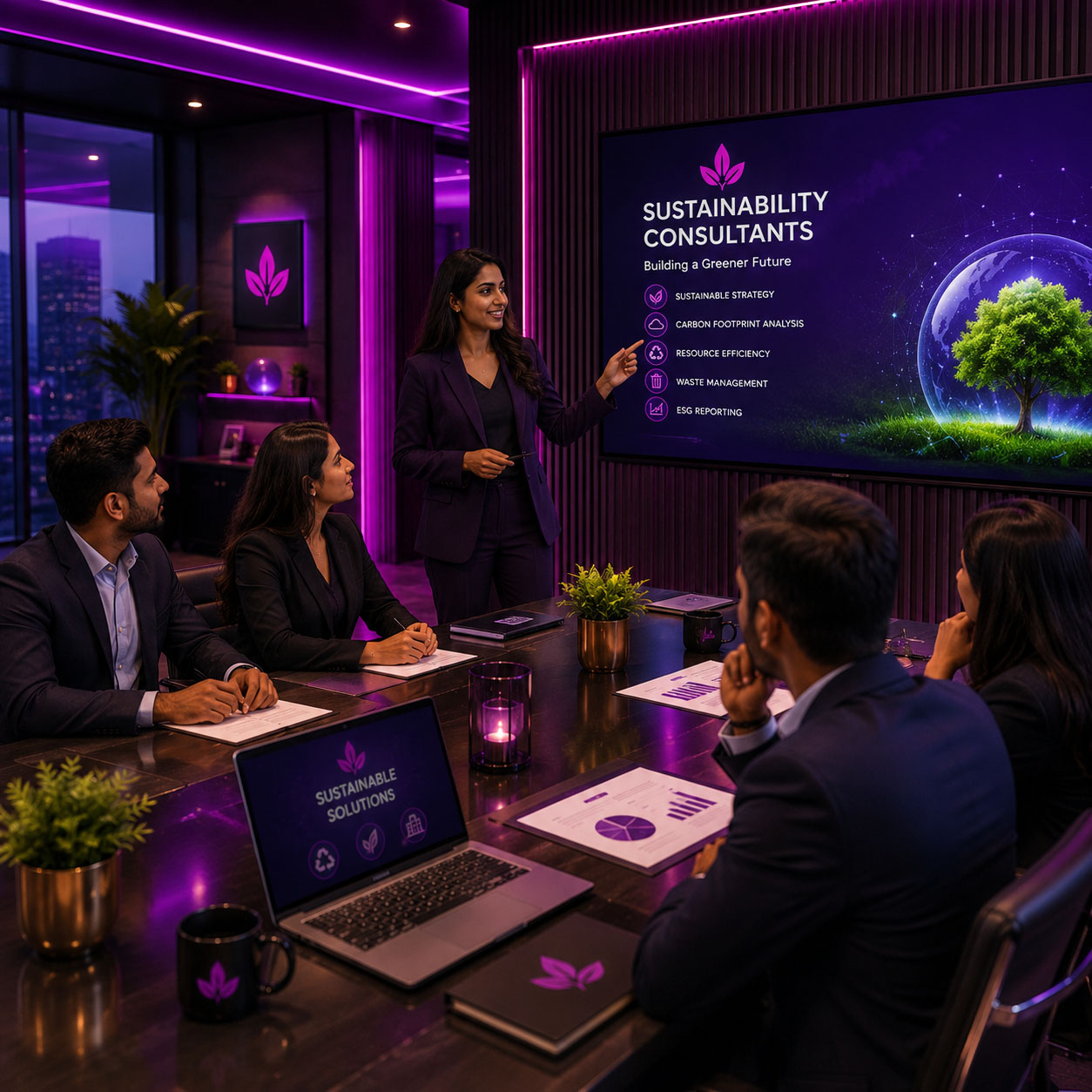
Celebration Sustainability Consultants
Create more responsible gatherings with celebration sustainability consultants offering green planning, carbon reduction strategies, resource-conscious practices, and practical eco-friendly solutions for business gatherings, conferences, celebrations, and special events.
Explore Event Support Services



Explore Other Experiences















Explore by Occasion



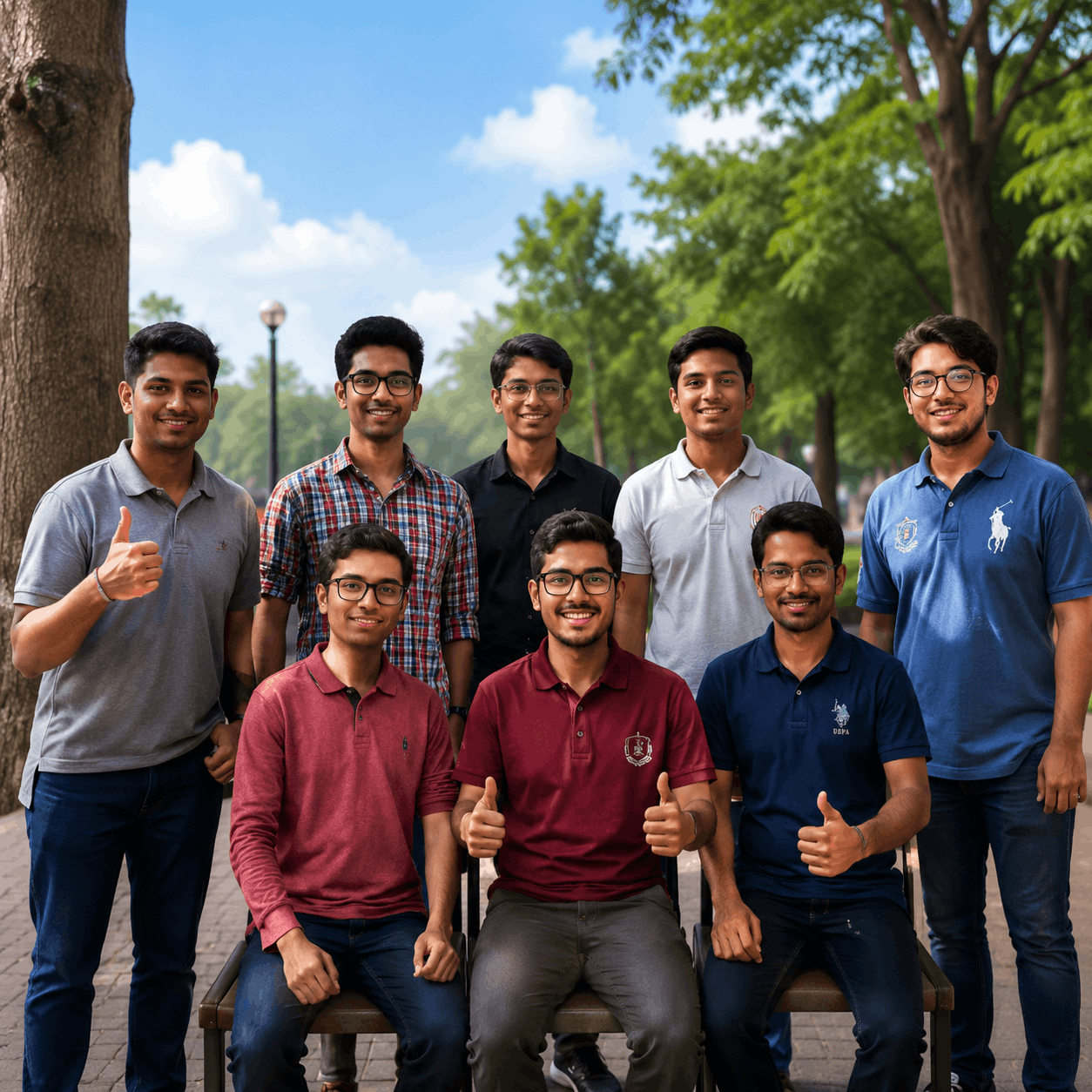


Celebration Sustainability Consultants for Green Events
◆Modern celebrations and business gatherings increasingly require thoughtful planning around environmental impact, resource use, waste, and operational efficiency. Sustainable event planning can help organisers make more responsible choices while maintaining the quality and experience expected from the occasion.
Celebration Sustainability Consultants provide professional guidance for green planning, carbon reduction strategies, eco-friendly practices, resource efficiency, and sustainable event solutions.
Happiffie helps organisers discover sustainability-focused solutions for business gatherings, celebrations, conferences, and other functions where responsible event planning is an important consideration.
Green Planning
Green planning integrates environmental considerations into different stages of event preparation.
Organisers can review venue choices, transportation, materials, catering, energy use, waste handling, and other event requirements when developing a more sustainable approach.
A structured plan can help identify practical opportunities to reduce unnecessary resource consumption.
Carbon Reduction
Carbon reduction strategies focus on identifying areas of an event that may contribute to carbon emissions.
Depending on the event, considerations can include transportation, energy consumption, logistics, accommodation, food services, and material usage.
Sustainability consultants can help organisers assess these areas and develop appropriate reduction strategies.
Eco-Friendly Practices
Eco-friendly practices can be incorporated into different parts of an event.
Organisers may consider reusable materials, responsible procurement, efficient resource use, appropriate waste management, and other environmentally conscious approaches.
Specific practices should be selected based on the event format, venue, budget, and available resources.
Resource Efficiency
Resource efficiency focuses on making effective use of the materials, energy, water, equipment, and other resources required for an event.
Planning resources carefully can help reduce unnecessary consumption while supporting smooth event operations.
This approach can be applied to both small celebrations and large business gatherings.
Sustainable Solutions for Business Gatherings
Business gatherings such as conferences, seminars, meetings, networking sessions, and professional functions may involve significant use of venues, travel, catering, printed materials, and technical equipment.
Sustainability planning can help organizers review these requirements and identify opportunities for more responsible resource use.
Sustainable Event Planning
Sustainable event planning considers environmental factors alongside the practical requirements of delivering a successful function.
This may include reviewing suppliers, venue operations, transportation, catering, materials, energy use, and waste management.
A structured approach helps ensure sustainability considerations are included from the early planning stages.
Venue Considerations
The choice of venue can influence the sustainability profile of an event.
Organisers may consider factors such as accessibility, energy efficiency, existing facilities, waste management arrangements, and resource use.
Reviewing venue-related factors early can help align the location with the event's sustainability objectives.
Sustainable Transportation Planning
Transportation can be an important consideration for gatherings where attendees, staff, suppliers, and equipment need to travel.
Organisers can review travel requirements and explore practical approaches that may reduce unnecessary transportation impacts.
The appropriate strategy depends on attendee locations, venue accessibility, event scale, and available transportation options.
Responsible Procurement
Responsible procurement involves considering environmental factors when selecting products, services, and suppliers.
Event teams can review material requirements, supplier practices, reusable options, and resource needs as part of the procurement process.
This can help integrate sustainability considerations into purchasing decisions.
Sustainable Catering
Catering is another area where sustainability planning can be considered.
Organisers may review food sourcing, menu planning, portion management, service materials, packaging, and food waste handling.
The appropriate approach depends on the catering format and the facilities available at the venue.
Waste Reduction
Reducing unnecessary waste can form an important part of sustainable event planning.
Organisers can review materials used for invitations, signage, décor, packaging, food service, and other event requirements.
Where practical, reducing excessive materials and selecting reusable alternatives can support more efficient resource use.
Energy Efficiency
Events may require lighting, sound systems, screens, air conditioning, staging equipment, and other electrical systems.
Energy efficiency planning can involve reviewing equipment requirements and operational schedules.
Efficient use of event resources can help organisers manage energy consumption as part of the overall sustainability strategy.
Reusable Event Materials
Reusable materials can help reduce dependence on single-use items.
Depending on the event, organisers may consider reusable décor, service materials, signage structures, display components, and other event resources.
The suitability of reusable options depends on the event design and operational requirements.
Sustainable Event Operations
Sustainable event operations involve applying environmental considerations throughout the delivery of the function.
This can include staff practices, waste handling, resource monitoring, supplier coordination, energy management, and post-event review.
Consistent operational practices can help translate sustainability plans into practical event activities.
Carbon-Conscious Event Planning
Carbon-conscious planning involves identifying event activities that may contribute to emissions and considering ways to reduce their impact.
Transportation, energy use, logistics, accommodation, and catering may all be reviewed as part of this process.
The specific priorities will depend on the type and scale of the event.
Sustainability for Large Gatherings
Large gatherings may require more extensive planning because of higher attendee numbers, larger venues, greater catering requirements, and increased resource use.
Sustainability consultants can help organisers consider environmental factors across different operational areas.
This can provide a structured framework for integrating responsible practices into large-scale functions.
Sustainability for Celebrations
Weddings, birthdays, anniversaries, family gatherings, and other celebrations can also incorporate sustainability considerations.
Organisers may review décor, catering, transportation, invitations, gifting, venue operations, and waste handling.
Small changes across multiple areas can contribute to a more resource-conscious celebration.
Sustainability Assessment
A sustainability assessment can help organisers review different aspects of an event before making planning decisions.
Areas for consideration may include resource consumption, waste, transportation, energy, procurement, and supplier practices.
The assessment process can help identify areas where sustainability improvements may be appropriate.
Sustainability Goals
Establishing clear sustainability goals can help guide event planning.
Goals may focus on reducing waste, improving resource efficiency, reducing unnecessary consumption, or incorporating more environmentally responsible practices.
The goals should be realistic and aligned with the event's operational requirements.
Monitoring Sustainable Practices
Monitoring helps organisers understand whether planned sustainability measures are being implemented.
Event teams can review areas such as waste handling, resource use, procurement, and operational practices throughout the planning and delivery process.
This can support more consistent implementation.
Post-Event Sustainability Review
Sustainability planning can continue after an event concludes.
Organisers can review what worked well, identify areas for improvement, and document useful practices for future gatherings.
A post-event review can help build a more consistent approach to sustainable event planning over time.
Why Choose Happiffie?
Happiffie helps organisers discover solutions from Celebration Sustainability Consultants and explore green planning, carbon reduction, eco-friendly practices, resource efficiency, and sustainable event solutions.
Whether you are planning a business gathering, conference, wedding, celebration, or other function, Happiffie helps you explore approaches that incorporate sustainability into different stages of event preparation.
The right sustainability support can help organisers review environmental considerations while maintaining practical event requirements.
Conclusion
Sustainability can be integrated into many areas of event planning, from venue selection and procurement to transportation, catering, energy use, waste reduction, and post-event review.
Celebration Sustainability Consultants can provide guidance around green planning, carbon reduction, eco-friendly practices, resource efficiency, and sustainable solutions for business gatherings and celebrations.
With Happiffie, organisers can discover sustainability-focused solutions designed to support more responsible and resource-conscious event planning.
Frequently Asked Questions
1. What do Celebration Sustainability Consultants do?
They provide guidance for incorporating sustainability considerations into event planning, operations, resource use, waste management, and other relevant areas.
2. What is green event planning?
Green event planning considers environmental factors when making decisions about venues, materials, transportation, catering, energy, waste, and event operations.
3. How can sustainability consultants support carbon reduction?
They can help organisers identify areas associated with event emissions and develop appropriate strategies for reducing unnecessary environmental impact.
4. What are eco-friendly event practices?
These may include responsible procurement, reusable materials, waste reduction, efficient resource use, and other environmentally conscious planning approaches.
5. Can business gatherings use sustainability consulting?
Yes. Conferences, seminars, meetings, networking sessions, and other business gatherings can incorporate sustainability considerations into their planning and operations.
6. Can weddings and celebrations be planned sustainably?
Yes. Weddings, birthdays, anniversaries, and family celebrations can consider sustainability across areas such as décor, catering, transportation, gifting, materials, and waste.
7. What is resource efficiency?
Resource efficiency focuses on using materials, energy, water, equipment, and other event resources effectively while reducing unnecessary consumption.
8. Why is sustainable catering important?
Catering involves food, packaging, service materials, transportation, and waste. Reviewing these areas can help organisers identify opportunities for more responsible resource use.
9. How can events reduce waste?
Organisers can review material requirements, consider reusable options, improve waste segregation, and reduce unnecessary single-use materials where practical.
10. What is a sustainability assessment?
It is a review of relevant event activities and resources to identify sustainability considerations and potential areas for improvement.
11. Should sustainability goals be established before an event?
Establishing goals during the planning stage can provide direction for decisions involving resources, waste, procurement, transportation, and other sustainability-related areas.
12. Why choose Happiffie for sustainability planning?
Happiffie helps organisers discover solutions for green planning, carbon reduction, eco-friendly practices, resource efficiency, and sustainable event planning for business gatherings, celebrations, and other functions.