
Government VIP Protocol
Government VIP protocol services coordinate official guest handling, protocol officers and security liaison arrangements for state ceremonies and government functions.
Explore Event Support Services


Explore Other Experiences



Explore by Occasion


Government VIP Protocol
◆Government and state ceremonies often involve senior officials, dignitaries, invited representatives and official delegations. These events require careful coordination to ensure that guests are received, guided and accommodated according to the established protocol for the occasion.
Government VIP protocol services provide structured support for official guest handling, protocol coordination and communication with relevant security and administrative teams. The exact procedures depend on the nature of the ceremony, the participating officials and the applicable government or institutional requirements.
The Art of Government VIP Protocol
VIP protocol involves coordinating the formal arrangements associated with official guests and dignitaries. This can include arrival procedures, reception, movement within the venue, seating, introductions and departure arrangements.
A protocol plan helps event organisers and officials understand responsibilities before the ceremony begins. It can also establish communication channels between protocol personnel, venue representatives and other authorised teams.
Official Guest Handling
Official guest handling focuses on providing appropriate assistance to invited dignitaries and representatives throughout the event. Protocol personnel can coordinate arrival, reception and movement according to the approved programme.
The level of assistance depends on the status of the guest, event requirements and established protocol procedures.
Protocol Officer Services
A protocol officer can serve as a coordination point for official guest arrangements. Responsibilities may include reviewing the event programme, coordinating guest movements, communicating protocol requirements and supporting formal ceremonial arrangements.
The officer works within the instructions and procedures established by the relevant government department, institution or event authority.
State Ceremony Protocol
State ceremonies can involve formal programmes, official welcomes, ceremonial proceedings and participation by senior government representatives. Protocol arrangements should reflect the established requirements for the specific occasion.
Advance coordination can help ensure that guest movements, seating, introductions and ceremonial timings are aligned with the approved programme.
Security Liaison
Security liaison involves communication between authorised event representatives and the relevant security personnel. The purpose is to ensure that protocol arrangements and security requirements are appropriately coordinated.
Protocol staff should not replace security personnel. Instead, they can provide the event and guest information needed by authorised security teams while following established procedures.
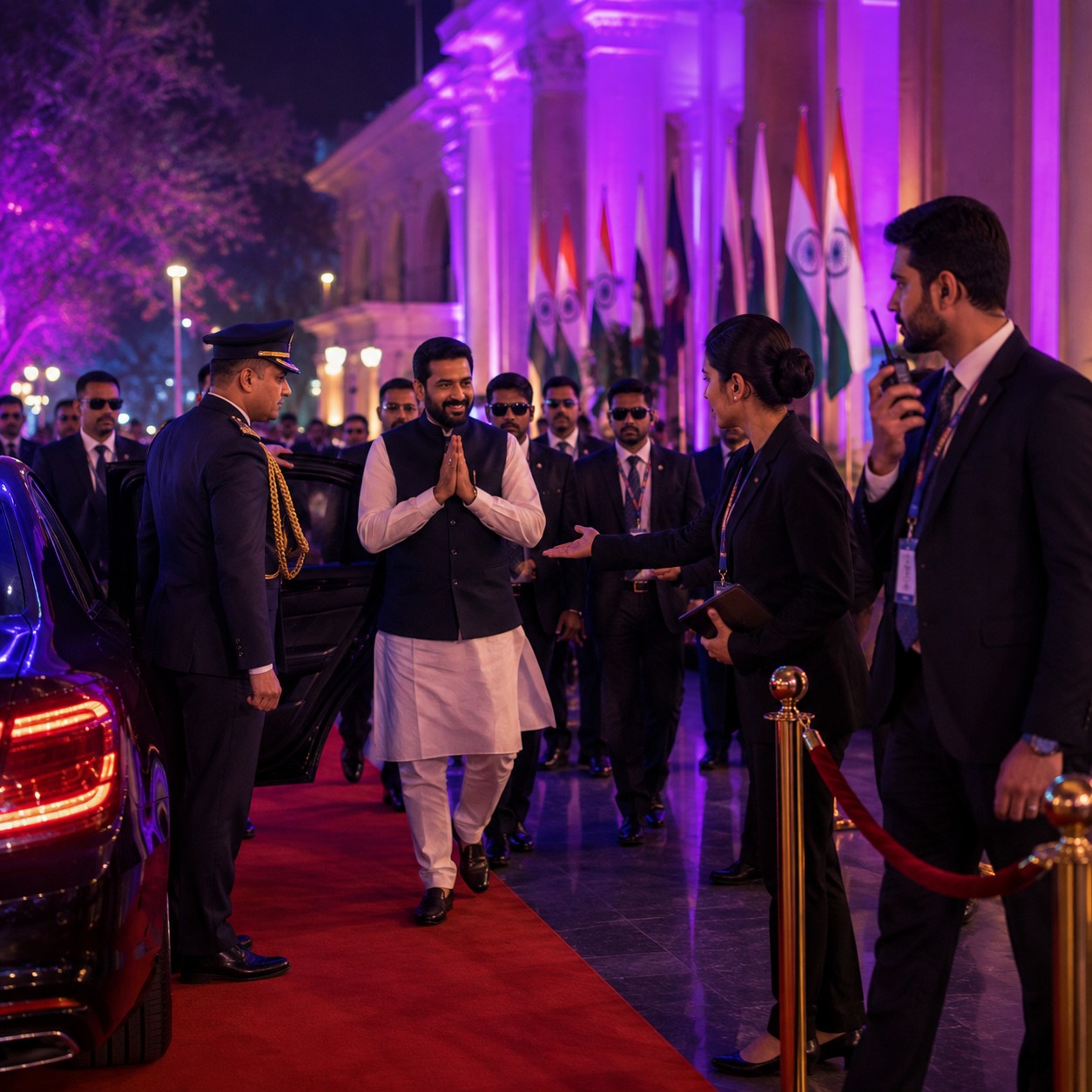
VIP Arrival Coordination
Arrival arrangements can be planned in advance for government officials and other invited dignitaries. This may include identifying the designated arrival point, reception personnel and onward movement arrangements.
Timing and access procedures should be coordinated with the relevant protocol and security authorities.
Official Reception Arrangements
The reception of an official guest may involve designated hosts, protocol officers and other authorised representatives. The sequence of greetings and introductions can be established before the ceremony.
A clearly defined reception plan can help ensure that the arrival proceeds according to the official programme.
VIP Movement Coordination
Official guests may need to move between arrival areas, meeting rooms, ceremonial spaces, seating areas and departure points. Protocol personnel can coordinate these movements with the event schedule.
Movement arrangements should remain consistent with venue procedures and security requirements.
Official Seating Protocol
Seating can be an important element of formal government ceremonies. The arrangement may reflect official roles, the nature of the ceremony and established protocol requirements.
Protocol personnel can review the seating plan in advance and coordinate any necessary changes with authorised event representatives.
Dignitary Introductions
Formal introductions may form part of state ceremonies and government functions. Protocol staff can coordinate the order and timing of introductions according to the approved programme.
Names, titles and official designations should be confirmed before the event to minimise errors during formal proceedings.
Government Delegation Handling
Official delegations may include several representatives travelling or attending together. Protocol arrangements can identify delegation members and coordinate their arrival, seating and movement.
The protocol team can maintain communication with the designated delegation representative throughout the function.
Ministerial and Senior Official Events
Functions involving ministers, senior officials or other government representatives can require detailed coordination between event organisers and official offices.
Protocol personnel can help align guest arrangements with the event schedule, venue requirements and instructions provided by the relevant authorities.
State Guest Welcome Arrangements
Official guests may receive a formal welcome according to the nature of the ceremony. The welcome process can include designated hosts, introductions and movement to the next programme location.
The exact sequence should be determined by the applicable official protocol rather than assumed from a generic event format.
Official Programme Coordination
Government ceremonies often follow a structured programme with fixed timings and formal proceedings. Protocol officers can monitor the programme and coordinate guest movements around scheduled activities.
Any changes should be communicated through the designated event coordination structure.
Venue Protocol Coordination
The venue team plays an important role in supporting official ceremonies. Protocol personnel can coordinate access, seating, reception areas and other event spaces with authorised venue representatives.
A pre-event venue walkthrough can help identify practical issues before the ceremony begins.
Security and Protocol Coordination
Security and protocol teams may have different responsibilities but need effective communication during official events. Protocol personnel can provide information about expected guests, arrival schedules and approved movements.
Security decisions remain with the authorised security authorities and should be followed by all event personnel.
VIP Access Management
Official guests may require access to designated areas that are not available to the general audience. Access arrangements should be established in advance and communicated to relevant staff.
Only authorised personnel should manage access permissions according to the event's approved procedures.
Official Vehicle and Arrival Planning
Where official vehicles are involved, arrival and departure arrangements can be coordinated with authorised personnel. The venue entrance, reception point and onward route can be established before the event.
Vehicle movements should follow the requirements and instructions of the relevant security and government authorities.
Media and Official Guest Coordination
State ceremonies may involve accredited media representatives alongside official guests. Protocol personnel can coordinate guest movement and formal proceedings with the event's authorised media or communications team.
Media access should follow the arrangements approved by the relevant authority.
VIP Departure Coordination
Departure arrangements can be planned in the same way as arrival procedures. Protocol staff can coordinate the timing, designated departure point and handover to authorised personnel.
A clear departure plan can help the ceremony conclude in an orderly manner.
Protocol Briefing for Event Staff
Event staff supporting a government function should understand their specific responsibilities before guests arrive. A briefing can cover the programme, guest categories, seating, communication channels and escalation procedures.
Sensitive or restricted information should only be shared with personnel who are authorised to receive it.
Handling Protocol Changes
Official schedules and guest arrangements can change due to circumstances affecting the ceremony. Protocol officers can communicate approved changes to relevant teams and adjust guest-handling arrangements accordingly.
Changes should be managed through the designated authority rather than through informal instructions.
International and Diplomatic Guests
Events involving international representatives or diplomatic guests may require additional protocol considerations. Organisers should follow the relevant official, diplomatic and institutional requirements applicable to the event.
Titles, flags, seating, introductions and ceremonial arrangements should be confirmed with the appropriate authority before the function.
VIP Protocol for Public Ceremonies
Public ceremonies can combine official proceedings with a larger audience. Protocol arrangements may need to distinguish official guest movement from general attendee access while maintaining the planned programme.
Coordination between protocol, venue management, security and event staff can help maintain the intended structure of the ceremony.
Planning Government VIP Protocol
Begin by identifying the official guests, participating delegations, ceremony schedule and venue. Establish the responsibilities of protocol officers, hosts, venue personnel and authorised security representatives.
Next, prepare arrival, reception, seating, movement and departure arrangements. Review the plan with the relevant authorities and update it when official instructions or guest details change.
Booking Government VIP Protocol Services
When arranging government VIP protocol services, consider the type of ceremony, official guest list, delegation requirements, venue layout, programme schedule and applicable government or institutional protocol.
A professional protocol team can support official guest handling and coordination while working with authorised security and government representatives. All arrangements should follow the instructions, policies and protocols established by the relevant authorities.
Frequently Asked Questions
1. What is government VIP protocol?
Government VIP protocol is the organised handling and coordination of official guests and dignitaries during government functions, state ceremonies and other formal events.
2. What does an official guest handling service provide?
It can coordinate guest arrival, reception, introductions, movement, seating and departure according to the approved event arrangements.
3. What does a protocol officer do?
A protocol officer coordinates official guest arrangements, communicates protocol requirements and supports the formal programme within the responsibilities assigned by the relevant authority.
4. What is security liaison for a government event?
Security liaison facilitates communication between authorised event or protocol personnel and the relevant security teams. It does not replace the responsibilities of security authorities.
5. Can protocol services handle government delegations?
Yes. Protocol personnel can coordinate delegation arrival, reception, seating and movement according to the event's approved arrangements.
6. Does VIP protocol include seating arrangements?
Yes. Official seating may be coordinated according to the nature of the ceremony, guest roles and applicable protocol requirements.
7. Can protocol officers coordinate VIP arrivals?
Yes. They can coordinate designated arrival and reception procedures with the relevant government, venue and authorised security teams.
8. Does VIP protocol include departure arrangements?
Yes. Departure timing, location and guest movement can be coordinated as part of the overall official guest-handling plan.
9. Are diplomatic guests handled differently?
Events involving diplomatic or international representatives may have additional official and diplomatic requirements. These should be confirmed with the appropriate authority.
10. What should I consider when arranging government VIP protocol?
Consider the official guest list, ceremony type, programme, venue, delegation requirements, seating, arrival and departure arrangements, protocol responsibilities, security liaison and the instructions of the relevant government or institutional authorities.