
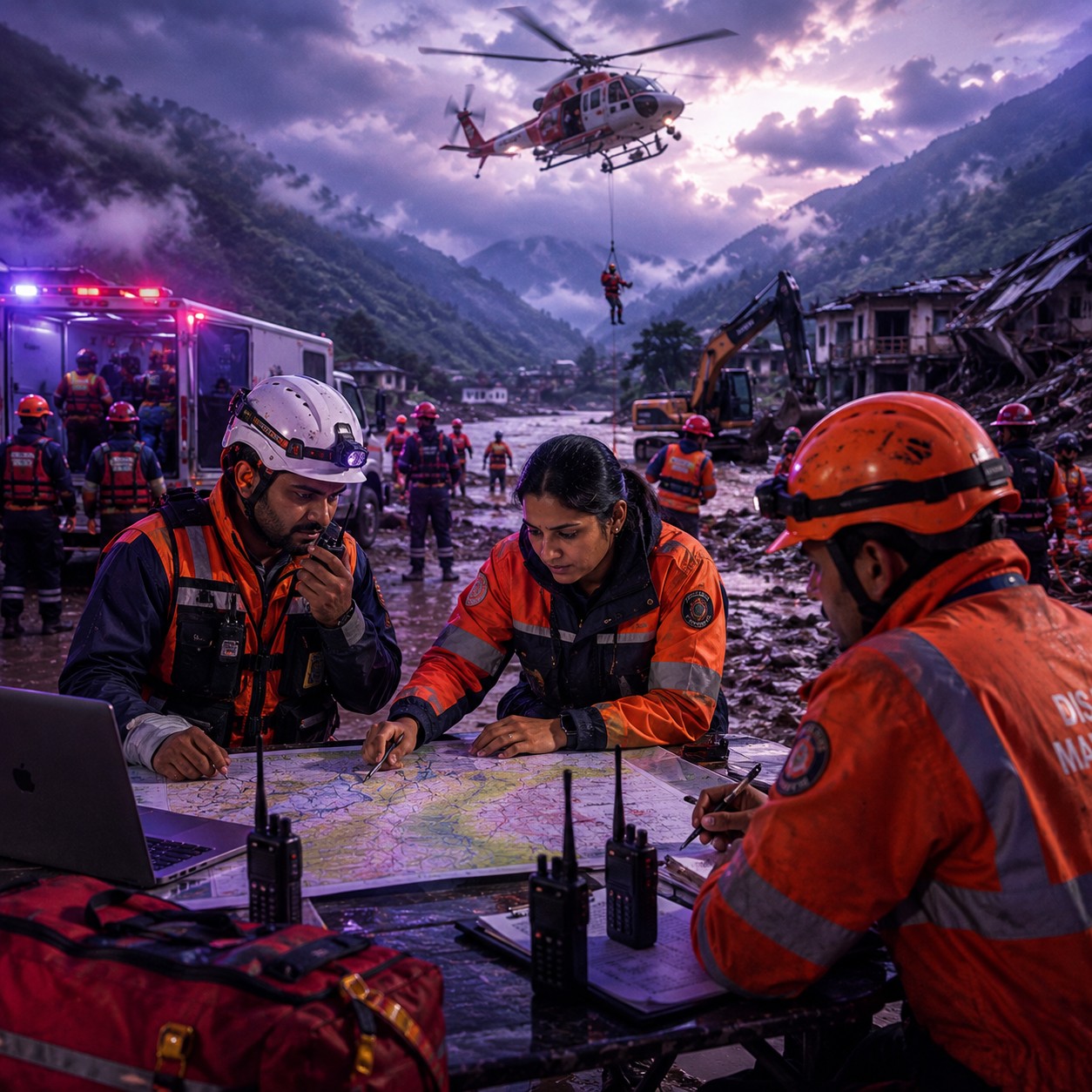
Occasion Disaster Management
Occasion disaster management supports emergency planning, evacuation coordination and incident response for festivals, public gatherings and large-scale events.
Explore Event Support Services


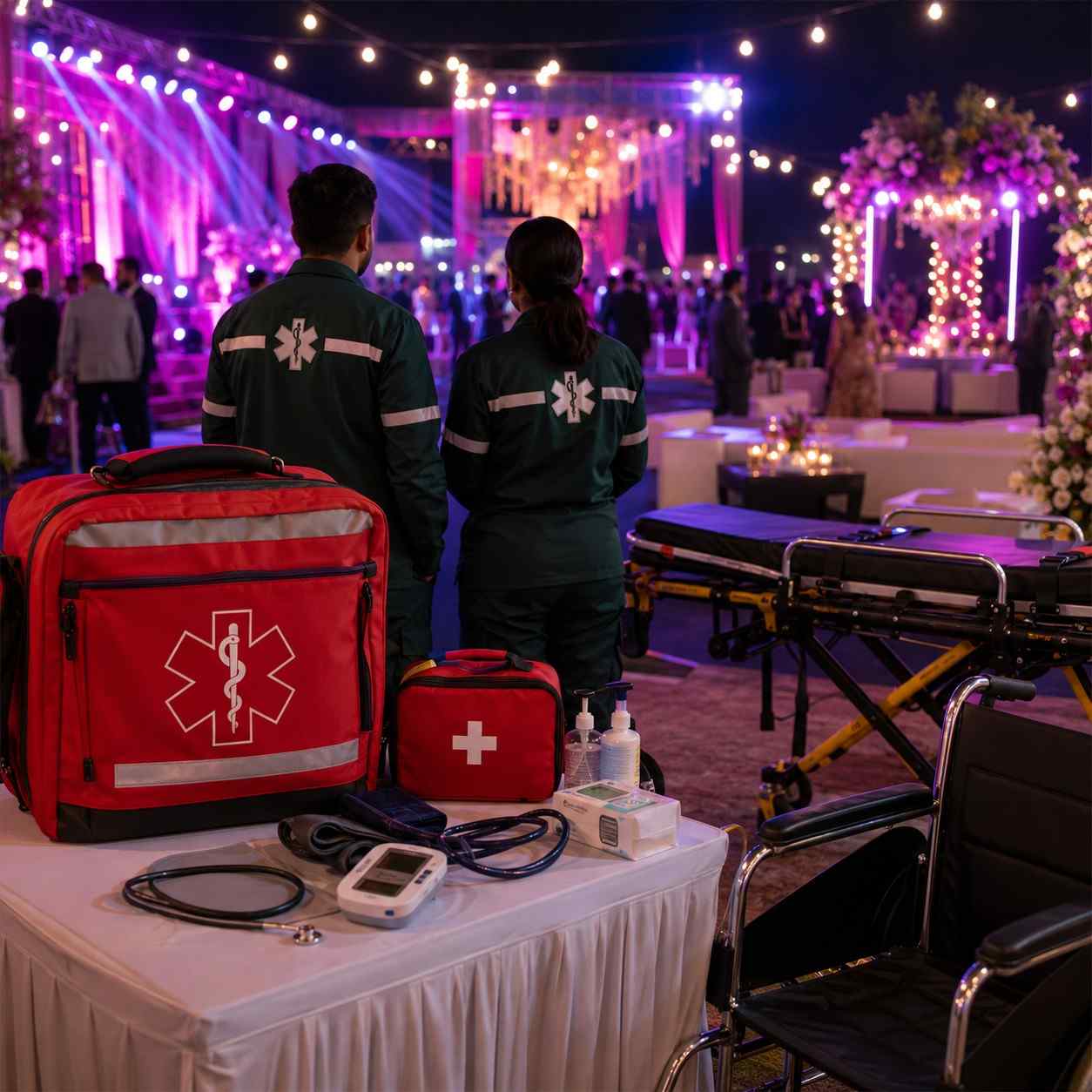



Explore Other Experiences


















Explore by Occasion






Occasion Disaster Management
◆Festivals and large public gatherings can involve substantial crowds, temporary structures, multiple activity areas, traffic movement, electrical installations and changing environmental conditions. Preparing for potential emergencies is therefore an important part of responsible event planning.
Occasion disaster management services can support organisers with emergency planning, evacuation arrangements, incident response procedures and coordination between relevant event teams. The exact scope depends on the venue, event characteristics, local requirements and responsibilities assigned to the emergency-management team.
The Art of Event Disaster Management
Disaster management begins before an event takes place. Organisers can identify potential hazards, review the venue and establish procedures for responding to incidents that could affect guests, staff, performers or infrastructure.
A structured emergency plan can define responsibilities, communication channels, evacuation procedures and escalation arrangements so that event teams know how to respond when an unexpected situation occurs.
Emergency Planning for Festivals
Festivals may operate across large venues with several entrances, stages, activity areas and guest facilities. Emergency planning can consider how an incident in one area may affect movement throughout the wider venue.
The plan can identify key response procedures and coordinate them with venue management, security, medical teams, fire safety personnel and relevant authorities.
Evacuation Support
Evacuation support focuses on helping organisers prepare for the orderly movement of people away from an affected area when required. Designated exits, routes and assembly areas should be identified before the festival begins.
Event personnel should understand their assigned responsibilities and follow instructions from the designated emergency authorities during an actual emergency.
Incident Response
Incident response involves coordinating actions when an unexpected event occurs. Incidents may include fire, medical emergencies, severe weather, structural concerns, crowd-related problems or other situations requiring organised intervention.
A clear response structure can help event teams communicate information and escalate incidents to the appropriate personnel.
Festival Emergency Management
Festivals can operate for several hours or multiple days and may involve changing audience numbers throughout the programme. Emergency management should therefore account for different operating periods and activity levels.
Response arrangements can be reviewed before the festival and adjusted when there are significant changes to the venue layout or programme.
Emergency Response Team
An emergency response team may include representatives from event management, security, medical services, fire safety teams, venue management and other relevant groups.
Each team should understand its responsibilities and communication channels before the event begins. Emergency decisions should remain with the appropriate qualified or authorised personnel.
Emergency Command and Coordination
Large festivals may require a central coordination structure through which significant incidents are reported and managed. This can help event leaders maintain an overall understanding of what is happening across the venue.
The exact command structure should be established according to the event's size, venue, risk profile and applicable requirements.
Festival Evacuation Planning
Evacuation planning should consider the venue's available exits, crowd capacity, accessibility, routes and assembly areas. Organisers can review how attendees would move from different sections of the festival toward designated safe locations.
Routes should remain clear throughout the event and should not be obstructed by temporary structures, equipment or event materials.
Emergency Access Routes
Emergency vehicles and response personnel may need access to different parts of the festival site. Emergency access routes should therefore be identified and kept appropriately clear.
The event team can coordinate access arrangements with medical, fire, security and venue personnel before the festival opens.
Incident Communication
Effective communication is an important part of incident response. Event staff should know how to report an incident, who receives the information and how urgent situations are escalated.
Communication methods may include radios, designated telephone contacts or the venue's established emergency communication systems.
Emergency Contact Coordination
A festival emergency plan can include a list of relevant emergency contacts and responsible personnel. Staff should know which contact to use for different types of incidents.
Contact information should be reviewed before the event and updated when personnel or responsibilities change.
Crowd Emergency Management
A sudden emergency can change the way a crowd moves through a venue. Event teams should consider how attendees will be directed if a particular area becomes unavailable.
Clear signage, trained staff and predefined routes can support organised movement when an emergency response is activated.
Severe Weather Preparedness
Outdoor and large-scale festivals may be affected by heavy rain, strong winds, extreme heat or other severe weather conditions. Organisers can establish procedures for monitoring conditions and communicating changes to attendees.
Any decision to suspend, relocate or evacuate an event should follow the appropriate authority and established emergency procedures.
Temporary Structure Emergency Planning
Festivals may use stages, tents, stalls, barriers, temporary seating and other structures. These installations should be incorporated into the emergency plan so that their presence does not compromise access or evacuation routes.
Temporary structures should be installed and managed according to applicable safety requirements.
Fire Emergency Coordination
Fire safety should form part of the wider festival emergency plan. Fire marshals, venue personnel and emergency services should understand their respective roles and communication procedures.
Emergency exits, fire equipment and access routes should remain available throughout the event.
Medical Emergency Coordination
Medical incidents can occur at festivals, particularly where large crowds are present or activities involve physical exertion. Emergency planning can identify medical assistance points, ambulance access and communication procedures.
Medical emergencies should be handled by qualified medical personnel and appropriate emergency services.
Security Incident Response
Security-related incidents may require coordination between event management, security teams and emergency authorities. Staff should know how to report concerns and whom to contact when an incident exceeds their assigned responsibilities.
Security personnel should operate according to the event's approved security plan and applicable regulations.
Emergency Assembly Areas
An assembly area provides a designated location where people can gather following an evacuation when appropriate. The location should be identified in advance and communicated to relevant event personnel.
Assembly arrangements should take account of venue layout, crowd capacity and emergency access requirements.
Accessibility During Evacuation
Emergency plans should consider guests who may require accessible routes or additional assistance. Accessible evacuation pathways should be identified during venue planning.
Staff should understand how to provide appropriate assistance while following the venue's established emergency procedures.
Staff Emergency Briefing
Before the festival begins, relevant personnel should receive an emergency briefing. This can cover evacuation routes, emergency contacts, incident reporting, assembly areas and individual responsibilities.
Staff should also know when an issue must be escalated to the designated emergency-management or event-control team.
Emergency Drills and Preparedness
Where appropriate and required, organisers may conduct briefings, walkthroughs or drills to familiarise staff with emergency procedures. These activities can help identify practical issues before the festival opens.
Any exercise should be planned and conducted safely without creating unnecessary risk to attendees or staff.
Multi-Agency Emergency Coordination
Large festivals may require coordination between several organisations, including venue management, event organisers, medical teams, fire services, security personnel and public authorities.
Clear roles and communication channels can reduce confusion when multiple teams are involved in responding to an incident.
Emergency Management for Public Gatherings
Public gatherings can involve attendees who are unfamiliar with the venue and its emergency procedures. Clear signs, announcements and staff directions can help communicate important information when necessary.
The communication approach should be appropriate to the event and should follow the instructions of the responsible emergency authorities.
Post-Incident Management
After an incident, organisers may need to document what occurred, coordinate with relevant authorities and review the event's response. Accurate records can help identify areas that require further attention.
Any formal reporting should follow the organisation's procedures and applicable legal or regulatory requirements.
Emergency Recovery Planning
Disaster management does not necessarily end when the immediate incident is resolved. Recovery may involve reopening affected areas, supporting guests and staff, restoring event operations or cancelling remaining activities.
Recovery decisions should be made by the appropriate event, venue and emergency authorities based on the circumstances.
Planning Your Occasion Disaster Management
Begin by reviewing the festival venue, expected attendance, event programme, temporary installations and potential hazards. Identify emergency exits, evacuation routes, assembly areas, emergency access points and communication channels.
Next, establish responsibilities for event management, security, medical, fire safety and other relevant teams. Conduct appropriate briefings before the event and ensure that significant changes to the venue or programme are reflected in the emergency plan.
Booking Occasion Disaster Management Services
When arranging disaster management support for a festival, consider the event size, venue layout, expected attendance, operating hours, temporary structures, weather exposure, emergency access and applicable local requirements.
A professional emergency-management team can support preparedness, evacuation coordination and incident-response planning within the agreed scope of service. Emergency procedures should always be coordinated with the venue and relevant authorised emergency services.
Frequently Asked Questions
1. What is occasion disaster management?
Occasion disaster management is the planning and coordination of emergency preparedness, evacuation procedures and incident response for festivals and other large gatherings.
2. What does emergency planning for a festival include?
It can include hazard assessment, emergency contacts, evacuation routes, assembly areas, communication procedures and responsibilities for relevant response teams.
3. What is evacuation support?
Evacuation support involves preparing and coordinating procedures for moving attendees and staff away from an affected area when an evacuation is required.
4. Can disaster management services support festivals?
Yes. Festival disaster management can include emergency planning, incident coordination, evacuation preparation and communication with relevant safety and emergency teams.
5. Who handles an actual emergency at a festival?
The response depends on the type and severity of the incident. Qualified emergency services, medical personnel, fire authorities, security teams and authorised event personnel may have different responsibilities.
6. Why are emergency access routes important?
Clear emergency access routes help authorised medical, fire and emergency personnel reach relevant areas and support evacuation or response operations.
7. Should festivals have emergency assembly areas?
Where appropriate, designated assembly areas can be included in the event emergency plan so attendees and staff have a known location following an evacuation.
8. Does disaster planning include severe weather?
For outdoor festivals, emergency planning can include procedures for monitoring severe weather and communicating appropriate event changes or protective actions.
9. Can event staff receive emergency briefings?
Yes. Staff can be briefed on emergency exits, reporting procedures, communication channels, assembly areas and their assigned responsibilities before the event.
10. What should I consider when arranging festival disaster management?
Consider the venue, crowd size, event duration, temporary structures, emergency access, evacuation routes, medical and fire support, security arrangements, weather conditions, communication procedures and applicable local requirements.