
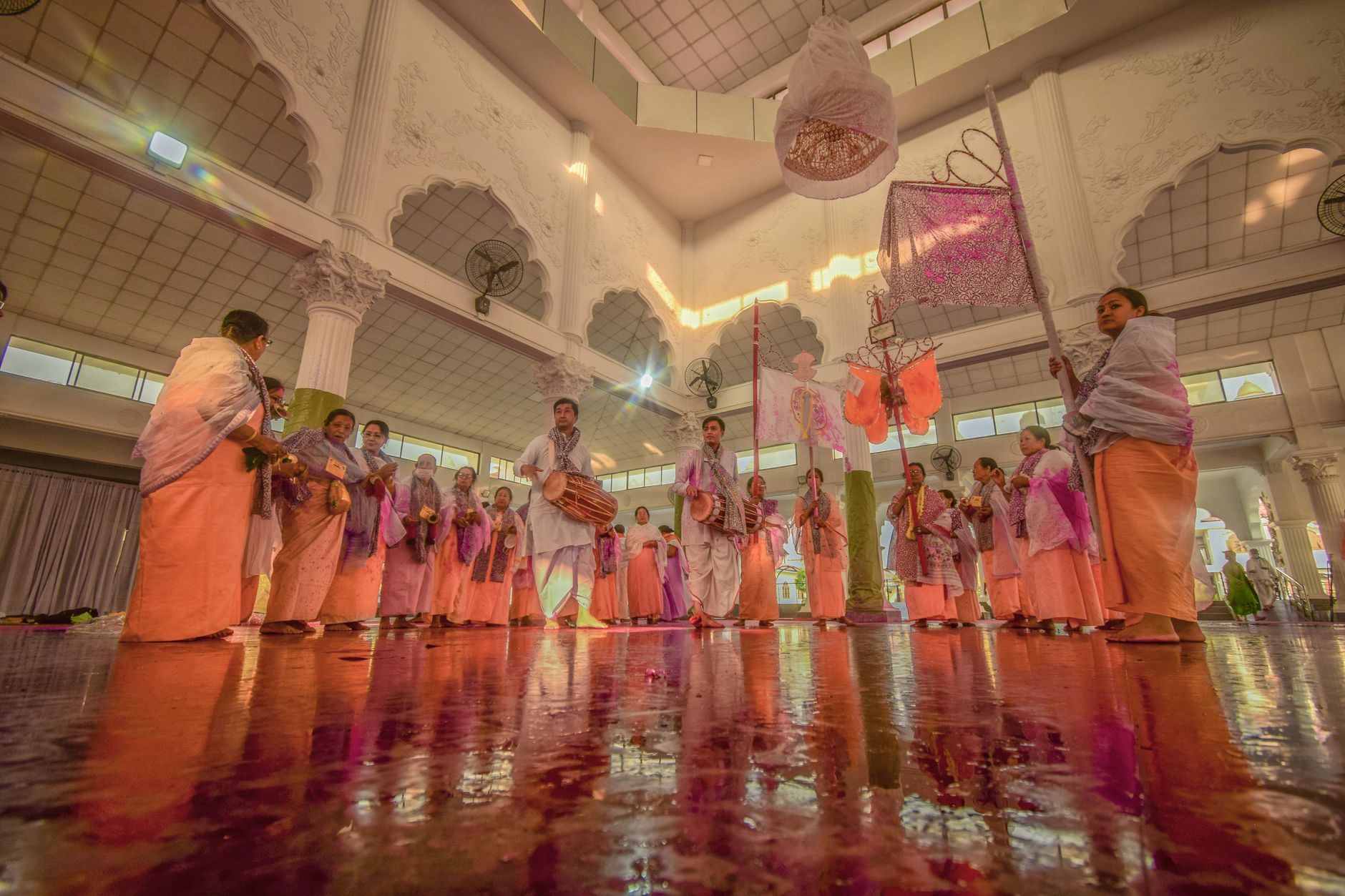
Sacred Sounds for Every Ritual in Mysore
Religious cermony in Mysore
Religious Ceremony Musicians in Mysore for Sacred Events
Mysore — the cultural capital of Karnataka — carries a living tradition of sacred music woven into every ritual, from pre-dawn Ganapathi Homams to grand Brahmotsavam processions. Hiring the right Religious Ceremony Musicians ensures that each chant, nadaswaram note, or mridangam beat lands at precisely the right moment in your ceremony, creating an atmosphere of genuine devotion rather than mere performance. Whether you need a compact Temple Music Ensemble for an intimate Satyanarayan Pooja or a full troupe of Devotional Music Artists for a multi-day wedding, Mysore offers a rich talent pool steeped in Carnatic and Vaidika traditions. Happiffie helps you discover, compare, and book these specialists so your sacred occasion is wrapped in the auspicious music for pooja that your family and elders will remember for a lifetime.
Quick Answer
Religious Ceremony Musicians in Mysore are trained performers — nadaswaram vidwans, mridangam players, Veda pandits who chant, bhajan troupes, and Carnatic vocalists — hired specifically to provide sacred, ritual-appropriate music during Hindu ceremonies, weddings, poojas, and temple events. In Mysore, packages typically range from INR 5,000 for a single-artist pooja session to INR 80,000 or more for a full multi-instrument wedding ensemble spanning multiple days.
What Makes Mysore Unique for Religious Ceremony Musicians?
Mysore holds a UNESCO-recognised cultural heritage and has been a patron of Carnatic music since the Wodeyar dynasty. This royal legacy means the city has an unusually dense concentration of trained nadaswaram vidwans, mridangam maestros, Veda-path pandits, and bhajan mandalis — all of whom qualify as Religious Ceremony Musicians in the truest sense. The Dasara festival alone sustains dozens of professional temple music ensembles year-round, keeping their skills ceremony-sharp. Neighbourhoods like Agrahara, Krishnamurthypuram, and Saraswathipuram have historically been home to Brahmin and musician communities, making local sourcing efficient. Because Mysore weddings often blend a Kodava, Vokkaliga, or Iyengar cultural identity with pan-Karnataka rituals, musicians here are comfortable code-switching between repertoires — chanting Rigveda mantras one hour and performing Dashavatara keerthanas the next. This versatility is a genuine asset when planning multi-community or inter-regional ceremonies.
Core Service Categories You Can Book on Happiffie
Happiffie lists Religious Ceremony Musicians across several distinct categories so families can match the right sound to the right ritual. Nadaswaram and Thavil duos are the backbone of Tamil-Brahmin and Iyengar weddings, particularly during the Muhurtham and Nalangu. Mridangam-Veena combos suit Sabha-style arrangements during Satyanarayana Pooja or Griha Pravesh. Sacred Ceremony Instrumentalists who specialise in Shehnai or Nagaswaram create the open-air, procession-ready sound ideal for a Baraat or temple walk. For devotional evenings, a Live Bhajan and Keerthana Group brings congregation-style singing that engages guests of all ages, turning a Satyanarayan Katha into an immersive community experience. Hindu Ritual Performers who recite Vedic mantras with accompanying bells and conches are often booked as add-ons to a main priest booking. Each category on Happiffie includes performer profiles with repertoire lists, languages of chanting, and available instruments, helping you shortlist confidently.
How Much Do Religious Ceremony Musicians Cost in Mysore?
Pricing for Religious Ceremony Musicians in Mysore depends on ensemble size, performance duration, and travel distance from the city centre. A solo vocalist or single-instrument performer for a two-hour home pooja typically starts at INR 5,000–8,000. A two-piece nadaswaram-thavil duo for a wedding muhurtham ranges from INR 15,000–25,000 for a four-hour slot. A full Temple Music Ensemble of five or more artists — including vocalists, mridangam, violin, and flute — for an all-day wedding programme is priced between INR 40,000–80,000. Devotional Music Artists offering overnight Akhand Bhajan or multi-session Harikatha command INR 20,000–50,000 depending on fame and repertoire depth. Travel surcharges apply for venues beyond 20 km, such as resorts near Nagarhole or halls in Hunsur. Mysore wedding soundscape packages that bundle ceremony music with a pre-event pooja session offer 10–15% savings compared to booking separately.
Choosing the Right Ensemble for Your Ceremony Type
Matching the ensemble to your ritual prevents both musical mismatches and budget waste. For a Griha Pravesh or Vastu Pooja in an apartment, auspicious music for pooja should be subtle — a single nadaswaram or a harmonium-tabla duo keeps the energy devotional without overwhelming neighbours. A South Indian Hindu wedding at a Kalyana Mantap in Mysore traditionally calls for Sacred Ceremony Instrumentalists playing continuously from the Kashi Yatra procession through the Saptapadi, a window of roughly four to six hours. If your event is a large Brahmotsavam or temple festival at a venue like the Sri Chamarajendra Zoological Gardens precinct, a Temple Music Ensemble of eight or more, including percussion, wind, and Carnatic vocalists, is appropriate. For a Navratri celebration or family-hosted Lakshmi Pooja, a Live Bhajan and Keerthana Group of four to six singers with a lead harmonium player creates the participatory atmosphere most families prefer. Always confirm whether the musicians provide their own sound amplification for outdoor venues, as the open grounds near Mysore Palace can require PA support.
What Should You Confirm Before Booking Religious Ceremony Musicians?
Due diligence before signing a booking agreement prevents last-minute surprises on an auspicious day. First, confirm the pandit or family priest's ritual timeline and share it with the musicians so their entry cues — conch-blowing at Ganesh Vandana, nadaswaram at Muhurtham — are synchronised. Ask Devotional Music Artists whether they carry their own instruments or require you to arrange them; professional mridangam players never share instruments for hygiene and tuning reasons. Discuss amplification needs upfront: venues like Lalitha Mahal Palace Hotel have strict noise policies, while open terraces in Gokulam may need portable PA systems. Clarify the number of breaks, especially for multi-hour ceremonies, and confirm whether refreshments for musicians are the client's responsibility — a standard practice in Karnataka. Verify that Hindu Ritual Performers have performed at your specific caste or sampradaya's ceremonies before, because Smartha, Madhwa, and Vaishnava rituals differ in ragam choice and mantra accompaniment. Finally, confirm whether the booking fee includes traditional Karnataka folk music interludes between rituals, which are common at Vokkaliga weddings and can delight inter-community guests.
Religious Ceremony Musician Setup Types in Mysore: A Side-by-Side Comparison
Expert Recommendation
Best for Intimate Home Poojas
Best for Traditional South Indian Weddings
Best for Large Guest Counts (200+)
Best for Devotional Evening Programmes
Best for Budget-Conscious Families
Best for Destination or Heritage Venue Ceremonies
How to Choose the Right Option
✅ Pre-booking Checklist
- Confirm the ceremony's exact ritual timeline with your priest and share it with musicians before booking
- Verify the musicians' sampradaya familiarity — Smartha, Madhwa, Vaishnava, or Lingayat rituals differ in musical requirements
- Clarify amplification responsibility: will the artists bring a PA system or do you need to arrange one?
- Confirm travel distance from Mysore city centre and agree on travel and accommodation charges in writing
- Ask for a repertoire list and confirm which ragas will be performed at which ritual moments
- Discuss break schedules for multi-hour ceremonies and confirm whether client provides refreshments for musicians
- Check whether the group carries backup instruments or has contingency plans for equipment failure on the event day
- Finalise payment terms — most Mysore musicians require 30–50% advance to block the date
🎯 Selection Criteria
- Sampradaya and ritual knowledge: the musicians must understand the specific customs of your community's ceremony
- Ensemble size matched to venue capacity and acoustic requirements
- Years of experience performing live at similar ceremonies in and around Mysore
- Flexibility to adjust tempo, volume, and raga at the priest's or family's cue during the event
- Professionalism — punctuality, formal attire, and disciplined break management on a sacred day
- References or past bookings from families with a similar ceremony profile
💰 Cost / Quality Factors
- Number of artists in the ensemble directly drives cost — each additional performer adds INR 3,000–8,000
- Performance duration: most quotes are per four-hour slot; extended hours attract overtime charges
- Venue type — outdoor or acoustically complex heritage venues may require PA hire, adding INR 5,000–15,000
- Date auspiciousness — peak muhurtham dates in Mysore see 20–30% price premiums due to demand spikes
- Travel distance beyond 20 km adds per-km charges and possible overnight accommodation costs
- Reputation and rarity of the lead artist, especially for senior nadaswaram vidwans or Harikatha exponents
⚠️ Common Mistakes to Avoid
- Booking musicians without confirming their knowledge of your specific sampradaya's ritual sequence
- Ignoring venue noise restrictions — Lalitha Mahal Palace Hotel and certain apartment complexes cap decibel levels
- Failing to share the priest's muhurtham schedule in advance, causing missed ritual cues on the wedding day
- Assuming recorded music can substitute for live performance in communities where it is considered inauspicious
- Not confirming amplification arrangements for outdoor venues, leading to poor audibility for guests beyond the front rows
- Booking last-minute during Dasara or Ugadi season when experienced religious ceremony musicians are fully committed months ahead
People Also Ask
Which instruments are most commonly used by religious ceremony musicians in Mysore?
How far in advance should I book religious ceremony musicians in Mysore?
Can I hire religious ceremony musicians for a home pooja in Mysore?
What is the difference between a temple music ensemble and a bhajan group?
Do religious ceremony musicians in Mysore travel to nearby towns like Mandya or Coorg?
Is live music mandatory for Hindu wedding ceremonies in Karnataka?
How do I ensure the musicians know the correct ragas for my ceremony's muhurtham time?
What should the sound setup look like for outdoor religious ceremonies in Mysore?
Related Experiences on Happiffie
Hindu Wedding Rituals Explained
Sacred Sounds for Nainital Ceremonies
Sacred Sounds for Your Delhi Wedding
Sacred Malayalam Rituals, Beautifully Arranged
Pune's Most Heartfelt Vow Soundscapes
Sacred Music for Every Blessed Occasion
Book Traditional Musicians in Chandigarh
Devotional Music for Every Sacred Ceremony
Frequently Asked Questions
How many religious ceremony musicians do I need for a Mysore wedding with 300 guests?
Are religious ceremony musicians available for Christian or Muslim ceremonies in Mysore?
What is the typical performance duration for religious ceremony musicians at a South Indian wedding in Mysore?
Can I hire religious ceremony musicians for just one specific ritual, like the Griha Pravesh, in Mysore?
Do religious ceremony musicians in Mysore provide their own costumes and traditional attire?
How does Happiffie verify religious ceremony musicians listed on its platform in Mysore?
Is it possible to combine a live bhajan and keerthana group with sacred ceremony instrumentalists for the same wedding?
What is the cancellation policy for religious ceremony musicians booked through Happiffie in Mysore?
Key Takeaways
- Mysore has a deep, dynasty-era tradition of sacred music, making it one of South India's richest cities for hiring Religious Ceremony Musicians.
- Ensemble options range from solo Vedic chanters at INR 5,000 to full temple music ensembles exceeding INR 80,000 for multi-day weddings.
- Matching the musician type to your sampradaya — Smartha, Madhwa, Vaishnava, or Vokkaliga — is the single most important quality filter.
- Nadaswaram-thavil duos remain the gold standard for wedding muhurtham moments, while bhajan and keerthana groups excel at devotional evening programmes.
- Peak dates around Dasara, Navratri, and major Ugadi muhurthams require bookings 2–3 months in advance to secure top performers.
- Always share the priest's ritual timeline with musicians beforehand; synchronisation of music cues with ritual moments defines the ceremony's spiritual atmosphere.
- Outdoor venues near Srirangapatna, Coorg resorts, or heritage properties often need portable PA systems that musicians may or may not supply.
- Happiffie simplifies discovery by listing verified performers with repertoire details, community experience, and transparent pricing across Mysore.
Find Your Perfect Religious Ceremony Musicians in Mysore
Browse verified nadaswaram vidwans, bhajan troupes, and Carnatic ensembles. Compare profiles, check availability, and book confidently for your sacred occasion.
Explore Musicians Now
Are you a Vendor? Grow Your Business with Happiffie!
- High intent verified leads
- Reverse auction opportunities
- AI business tools & insights
- Dedicated vendor dashboard
- Grow your business, your way
It's free & takes less than 2 minutes!