
Hindu Wedding Rituals Explained
Religious cermony in Mumbai
Hindu Wedding Rituals Explained: A Complete Mumbai Guide
Getting Hindu wedding rituals explained clearly before the big day is the single most important thing a Mumbai couple can do to ensure the ceremony unfolds smoothly and meaningfully. From the auspicious wedding muhurat chosen by your pandit to the moment the groom ties the mangalsutra, every step carries centuries of Vedic heritage and deep emotional significance. Whether you follow Maharashtrian, North Indian, Gujarati, or South Indian Hindu marriage customs, understanding the sequence of rituals helps you communicate better with your family, your pandit, and your venue team — making your Indian wedding planning checklist far more purposeful and stress-free.
Quick Answer
Hindu wedding rituals are a sequence of sacred ceremonies rooted in Vedic tradition, typically spanning one to three days. Core rituals include Ganesh Puja, Var Mala, Kanyadaan, Mangalfera (Saptapadi — seven steps around the sacred fire), Sindoor Daan, and Vidaai. Each ritual has symbolic meaning, a prescribed order, and specific items (samagri) required. The exact customs vary by regional tradition — Maharashtrian, Punjabi, Gujarati, or South Indian — but the Saptapadi before Agni (sacred fire) is universally essential for a legally and spiritually valid Hindu marriage.
What Are the Core Hindu Wedding Ceremony Traditions Every Couple Should Know?
Hindu wedding ceremony traditions are structured around a progression that moves from seeking divine blessings to the formal solemnisation of the union. The ceremony typically begins one or two days before the main wedding with pre-wedding rituals like Haldi (turmeric application for purification), Mehendi, and Sangeet. On the wedding day itself, the sequence usually opens with a Ganesh Puja to remove obstacles, followed by the groom's Baraat procession. The Var Mala (exchange of garlands) marks the first formal meeting of bride and groom under the mandap. Kanyadaan — the father gifting his daughter to the groom — is considered one of the most emotionally significant moments in Hindu marriage customs. The Saptapadi, or seven sacred steps around the Agni (holy fire), is the ritual that legally and spiritually seals the marriage under Hindu law. Each step represents a vow: prosperity, strength, devotion, happiness, progeny, long life, and friendship. No two regional traditions perform these in exactly the same order, which is why getting Hindu wedding rituals explained by a qualified pandit well before the event is strongly recommended for Mumbai families hosting multi-community weddings.
Vedic Wedding Rituals: The Ceremony Sequence Step by Step
Vedic wedding rituals draw directly from the Rigveda and Atharvaveda, making them among the oldest continuous religious practices in the world. After the Ganesh Puja and Baraat, the mandap ceremonies begin with the Madhuparka — the groom being formally welcomed with a sweet mixture by the bride's family. Gotra recitation follows, establishing that bride and groom belong to different ancestral lineages, a key requirement in Vedic law. The sacred fire, Agni, is then lit and maintained throughout the ceremony as a divine witness. Mantras chanted during Kanyadaan, Panigrahana (the groom holding the bride's hand), and Saptapadi are in Sanskrit and carry specific phonetic vibrations believed to bless the couple. Traditional Hindu wedding steps conclude with Sindoor Daan (the groom applying vermillion in the bride's hair parting), Mangalsutra tying, and Ashirvad (blessings from elders). In Mumbai, where wedding schedules are tight due to venue booking slots, sharing a printed ritual timeline with your wedding pandit in Mumbai at least four to six weeks ahead prevents last-minute rushing through these sacred moments.
How Do Hindu Marriage Customs Differ Across Mumbai's Communities?
Mumbai is one of India's most culturally layered cities, and Hindu marriage customs vary significantly across its communities. Maharashtrian weddings follow the Mangalashtaka tradition — eight Sanskrit shlokas recited as bride and groom exchange garlands, often accompanied by the blowing of a shankha (conch). Akshat (rice grains) are showered by guests at key moments. Gujarati weddings centre on the Madhuparka and the Saat Phere (seven rounds), with the bride's family playing a highly active role. North Indian Punjabi and UP-style weddings emphasise the Jaimala, a lengthy Baraat welcome, and a more elaborate Bidaai with the bride throwing rice backward as she leaves. South Indian Hindu couples in Mumbai — particularly Tamil and Telugu families — follow Vedic wedding rituals that include Kashi Yatra (groom pretending to renounce the world), Oonjal (swing ceremony), and Tying of the Thali (mangalsutra). Understanding these variations is essential for your Indian wedding planning checklist, especially if the bride and groom come from different regional backgrounds and need to blend traditions respectfully and joyfully.
What Is the Role of the Mandap, Sacred Fire, and Auspicious Muhurat?
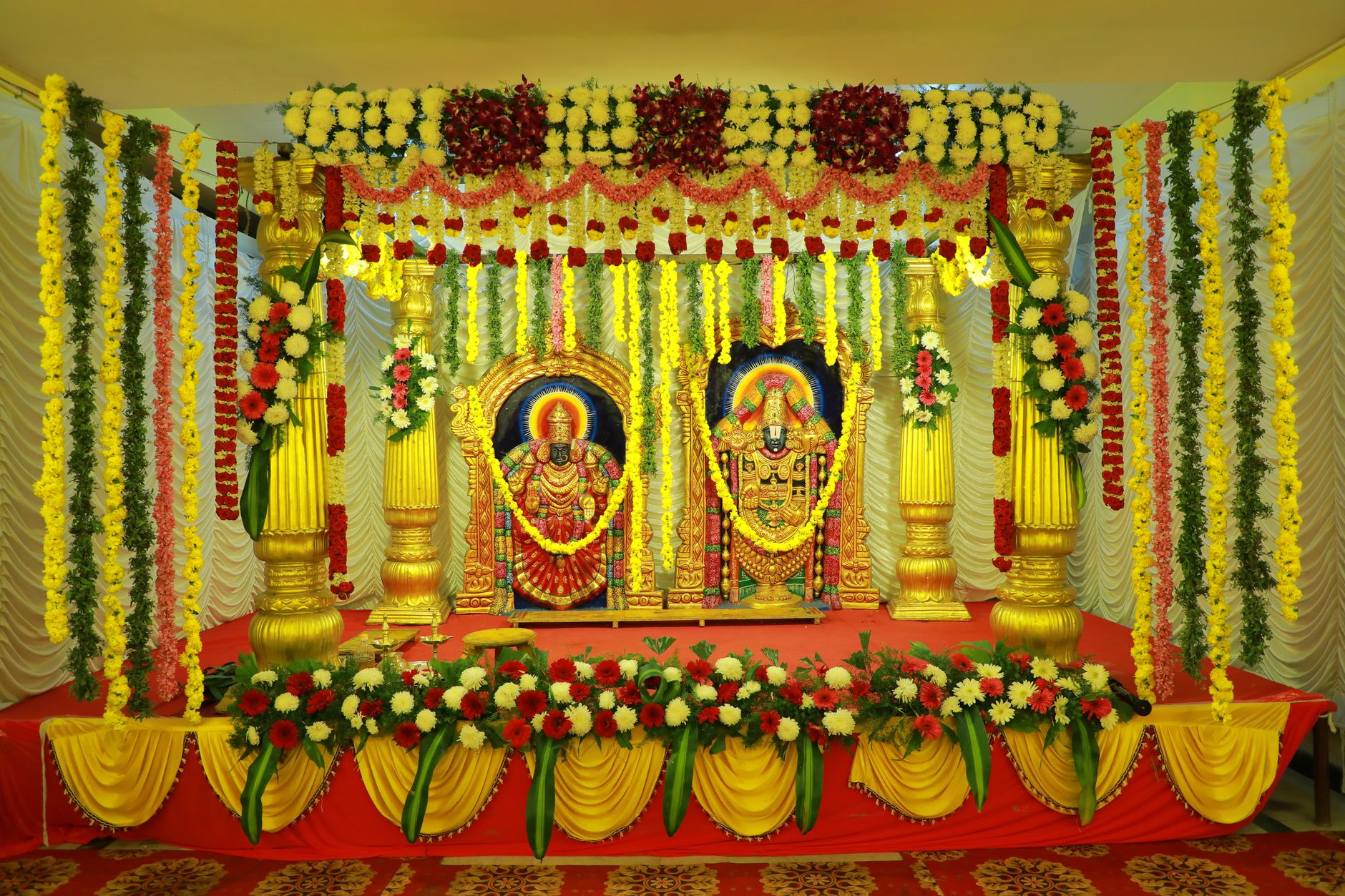
The wedding mandap decoration and the auspicious wedding muhurat are two pillars that shape the entire Hindu ceremony experience. The mandap is a temporary sacred canopy — four or more pillars representing the four Vedas — under which all main rituals are performed. In Mumbai venues, from Andheri banquet halls to South Mumbai heritage spaces and Thane party lawns, the mandap is typically set up by specialist decorators and consecrated by the pandit before the ceremony begins. Flowers like marigold, roses, and banana leaves hold ritual significance, not just decorative value. The auspicious wedding muhurat is the time window identified by the pandit through Panchang calculations based on the couple's birth stars (Nakshatra), the Hindu calendar month, and planetary positions. Missing the muhurat — even by 20 minutes due to late Baraat arrivals — is considered inauspicious, which is why Mumbai couples should build a 30-minute buffer around each ritual block. The sacred Agni fire must be kept burning through the Saptapadi; designating a family member to assist the pandit with samagri (ritual items) ensures this runs without interruption, keeping traditional Hindu wedding steps in their correct sequence.
How Much Does a Complete Hindu Wedding Ceremony Cost in Mumbai?
Understanding the cost breakdown is a practical part of getting Hindu wedding rituals explained for a Mumbai context. A qualified wedding pandit in Mumbai typically charges between Rs 11,000 and Rs 51,000 depending on the ceremony type, number of rituals included, regional tradition, and duration. Pandit fees for a full-day ceremony covering pre-wedding rituals (Haldi, Ganesh Puja) through to post-wedding customs (Grihapravesh) sit at the higher end. Samagri kits — the collection of ritual items including ghee, flowers, coconut, rice, turmeric, and sacred thread — cost between Rs 2,500 and Rs 8,000. Wedding mandap decoration ranges from Rs 40,000 for a simple floral setup at a suburban Mumbai venue to Rs 3,50,000 or more for elaborate designer mandaps at premium South Mumbai or BKC banquet spaces. If you are hosting a destination-style ceremony in Alibaug or Lonavala with a Mumbai-based pandit travelling out, add travel and accommodation. Your Indian wedding planning checklist should itemise pandit fees, samagri, mandap, and photography of rituals separately to avoid budget surprises. Booking a pandit at least two to three months ahead is essential for peak wedding season months — November through February and April through May — when availability in Mumbai is extremely limited.
Hindu Wedding Ceremony Formats: Comparing Your Options in Mumbai
Expert Recommendation
Best for intimate home ceremonies
Best for large banquet hall weddings
Best for multi-community or intercultural weddings
Best for destination-style ceremonies near Mumbai
Best for budget-conscious couples
Best for modern couples wanting a streamlined ceremony
How to Choose the Right Option
✅ Pre-booking Checklist
- Confirm your auspicious wedding muhurat with a qualified pandit at least 3 months before the date
- Compile a complete samagri list from your pandit and source items 2 weeks in advance
- Discuss which regional Hindu wedding ceremony traditions to include, especially for intercultural weddings
- Brief your venue on open-flame and sacred fire requirements for the mandap area
- Share a printed ritual sequence and timing plan with your wedding photographer and videographer
- Assign a family member to assist the pandit with samagri during each ritual phase
- Confirm your pandit's travel and accommodation if the venue is outside central Mumbai
- Add a 30-minute buffer around each key ritual to accommodate natural timing variations
🎯 Selection Criteria
- Pandit's fluency in your specific regional tradition — Maharashtrian, Gujarati, North Indian, or South Indian
- Experience conducting ceremonies at similar Mumbai venue types — banquet hall, outdoor lawn, or home
- Ability to explain each ritual in English or Hindi for guests unfamiliar with Sanskrit
- Alignment between mandap decorator and pandit on ritual furniture positioning and fire placement
- Responsiveness and willingness to meet for a pre-wedding ceremony planning session
💰 Cost / Quality Factors
- Pandit fees vary from Rs 11,000 to Rs 51,000 depending on ceremony length and regional complexity
- Samagri kits cost Rs 2,500 to Rs 8,000 based on ceremony type and ingredient quality
- Wedding mandap decoration ranges from Rs 40,000 to Rs 3,50,000 across Mumbai venue categories
- Destination venues outside Mumbai add Rs 5,000 to Rs 15,000 in pandit travel costs
- Multi-tradition ceremonies requiring two pandits approximately double the officiant budget
- Peak season — November to February — commands premium pricing for all ceremony vendors in Mumbai
⚠️ Common Mistakes to Avoid
- Booking the venue before confirming the auspicious wedding muhurat, causing conflicts with room availability
- Not sharing the ritual sequence with photographers, resulting in missed Kanyadaan or Sindoor Daan moments
- Sourcing samagri items last-minute — some ritual items require advance ordering from specialist shops
- Underestimating ceremony duration and over-scheduling post-ceremony events immediately after
- Choosing a pandit solely on price without verifying knowledge of your specific regional tradition
- Ignoring open-flame venue restrictions until the day of the ceremony, disrupting the sacred fire ritual
People Also Ask
What is the most important ritual in a Hindu wedding?
How long does a Hindu wedding ceremony typically last in Mumbai?
What samagri items are needed for a Hindu wedding ceremony?
Is it necessary to have a pandit for a Hindu wedding in Mumbai?
What is the significance of Kanyadaan in a Hindu wedding?
Can Hindu wedding rituals be performed outdoors in Mumbai venues?
What is the difference between a Saat Phere and Saptapadi?
How far in advance should a Mumbai couple book a pandit for their wedding?
Related Experiences on Happiffie
Sacred Vedic Weddings in Lucknow
Plan Your Perfect Nikah in Kolkata
Kerala Thalam for Your Wedding
Authentic Pahadi Wedding Pandits in Mussoorie
Sacred Sounds for Your South Indian Wedding
Dream Decor in the Hills
Frequently Asked Questions
Which Hindu wedding rituals are legally required in Mumbai for the marriage to be valid?
Can a pandit conduct Hindu wedding ceremony traditions in English for NRI guests?
What is the best time of year for an auspicious wedding muhurat in Mumbai?
How is Maharashtrian Hindu wedding ceremony different from a North Indian ceremony in Mumbai?
What venues in Mumbai are best suited for a traditional Hindu ceremony with a sacred fire?
Is a separate Grihapravesh ritual part of Hindu wedding rituals explained for Mumbai couples?
How many people typically attend a traditional Hindu wedding in Mumbai?
What is the significance of Haldi and Mehendi before the main Hindu wedding day?
Key Takeaways
- Hindu wedding rituals explained clearly before the planning stage help couples communicate better with pandits, families, and venue teams in Mumbai.
- The Saptapadi — seven vows around the sacred fire — is the legally and spiritually binding core of every Hindu marriage, regardless of regional tradition.
- Regional variation is significant: Maharashtrian, Gujarati, North Indian, and South Indian Hindu wedding ceremony traditions each follow distinct sequences and customs.
- A qualified wedding pandit in Mumbai should be booked two to four months in advance, especially for peak season dates between November and February.
- The auspicious wedding muhurat must be confirmed before venue date finalisation to avoid costly scheduling conflicts.
- Total ceremony costs in Mumbai — including pandit fees, samagri, and mandap decoration — typically range from Rs 55,000 to Rs 4,00,000 depending on scale and venue type.
- Pre-ceremony ritual planning meetings with the pandit at least four weeks ahead prevent last-minute confusion and ensure every traditional Hindu wedding step is performed with dignity.
- For intercultural and multi-community weddings, a pandit experienced in blending traditions can craft a unified ceremony that honours both families equally.
Plan Your Perfect Hindu Wedding Ceremony in Mumbai
Connect with verified pandits, mandap decorators, and ceremony planners on Happiffie — all in one place.
Explore Wedding Vendors
Are you a Vendor? Grow Your Business with Happiffie!
- High intent verified leads
- Reverse auction opportunities
- AI business tools & insights
- Dedicated vendor dashboard
- Grow your business, your way
It's free & takes less than 2 minutes!