
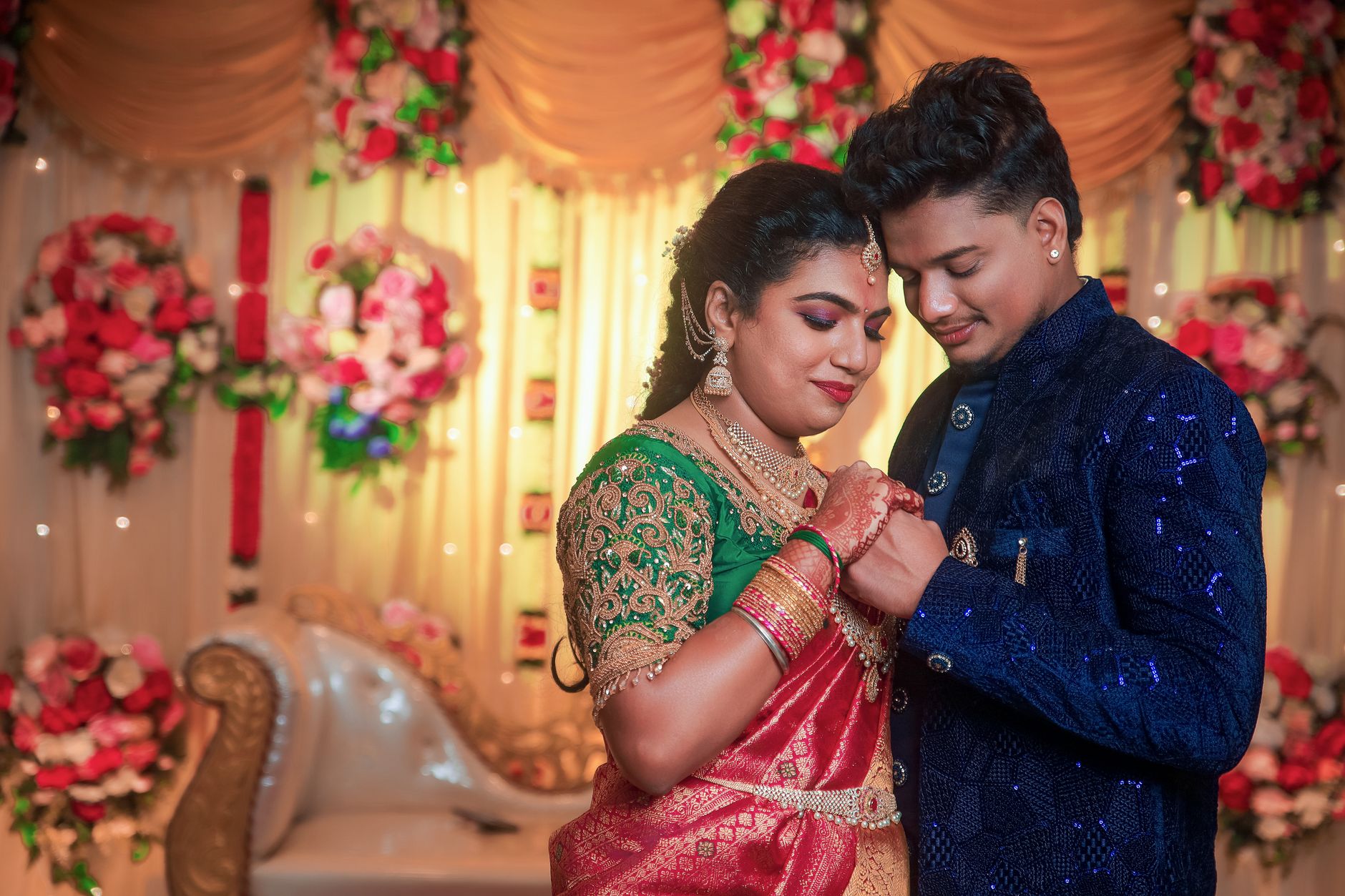
Sacred Tamil Rituals, Perfected in Mysore
Religious cermony in Mysore
Tamil Ceremony Ritual Essentials: Complete Guide for Mysore Weddings
A Tamil wedding in Mysore is a symphony of sacred fire, fragrant flowers, and centuries-old chants. Getting every detail of your Tamil Ceremony Ritual Essentials right — from the panchapatra set to the sacred dhoti and the koorai saree exchange — is what transforms a ceremony into a lifelong memory. Whether you are planning a traditional Tamil Brahmin wedding customs celebration at a heritage choultry near Devaraja Market or a modern banquet alongside the Chamundi Hills, the right Tamil wedding pooja items and a knowledgeable priest form the backbone of a flawless event. Happiffie connects Mysore families with verified ritual suppliers and experienced pandits who understand both Iyer and Iyengar traditions.
Quick Answer
Tamil Ceremony Ritual Essentials refer to the complete set of sacred items — including panchapatra, dharbha grass, sacred thread (kankana dhara), turmeric, kumkum, betel leaves, banana stems, and agni kund setup — required to perform Tamil wedding and religious rituals correctly. In Mysore, these supplies are available from specialist stores in Saraswathipuram and Lakshmipuram areas, and can also be curated and delivered by ritual coordinators empanelled with wedding platforms like Happiffie.
What Are Tamil Ceremony Ritual Essentials and Why Do They Matter?
Tamil Ceremony Ritual Essentials are the physical, botanical, and symbolic objects that give every Tamil religious ceremony its sanctity and structure. They include items such as dharbha (kusha) grass, panchapatra and udharini (vessel and ladle for sacred water), agni kund with ghee and samidha sticks, turmeric-dyed thread, kumkum, vibhuti, betel leaves and areca nuts, banana stems for auspicious framing, and specific flowers like javanthi and lotus. Each item corresponds to a Vedic injunction, and missing even one can disrupt the ritual sequence that a priest follows. In Mysore, where both Iyer and Iyengar communities host elaborate multi-day ceremonies, ensuring completeness is non-negotiable. South Indian ritual supplies sourced locally in Mysore are fresher — particularly the flowers and coconuts — and priests confirm that freshness directly affects the quality of the agni (sacred fire) rituals. Families who treat this checklist seriously report smoother ceremonies with fewer last-minute runs to the market.
Core Categories of Tamil Wedding Pooja Items
Tamil wedding pooja items fall into five practical categories that help you plan procurement systematically. First, the agni ritual cluster: agni kund or homa kunda, ghee, samidha sticks, and dharbha grass. Second, the water ritual cluster: panchapatra, udharini, and copper or silver kalasam. Third, the adornment cluster: koorai saree for the bride, new veshti and angavastram for the groom, and maang tikka or netti chutti jewellery (if traditional). Fourth, the offering cluster: fruits (especially banana and mango), coconut, betel leaves, areca nuts, and flowers. Fifth, the document and thread cluster: sacred thread for the kanyadaan, kankana dhara tying items, and nalangu items for pre-wedding rituals. Mysore wedding religious ceremony planners often provide a printed checklist customised to your specific sub-tradition — Vadama, Vathima, Iyer, or Iyengar — so confirm your community before ordering. Traditional Tamil puja materials for these five clusters typically cost between INR 8,000 and INR 35,000 depending on the quality of metals (brass vs silver) and the size of your ceremony.
How Much Do Tamil Ceremony Ritual Essentials Cost in Mysore?
Budgeting for Tamil Ceremony Ritual Essentials in Mysore is straightforward once you break it into tiers. A basic pooja kit covering a small 50-guest Tamil thread ceremony or seemantham typically runs INR 5,000 to INR 10,000. A mid-range full wedding ritual package including homa setup, banana stem columns, fresh flower garlands, and kalasam vessels costs INR 15,000 to INR 30,000. A premium package with silver-plated panchapatra, silk-draped stage, traditional nalangu items, and a senior priest skilled in both Sanskrit and Tamil Agama shlokas ranges from INR 40,000 to INR 75,000. Pandit and priest booking Mysore fees are separate: an experienced Tamil priest charges INR 7,000 to INR 20,000 per day depending on the complexity of rituals and travel within the city. Auspicious ceremony décor Mysore add-ons — mango leaf toranams, kolam stencils, bronze lamp rentals — add another INR 5,000 to INR 15,000. Booking early (at least 60 days before) locks in better rates and ensures the priest you want is available on your muhurtham date.
Sourcing South Indian Ritual Supplies in Mysore: Neighbourhoods and Timelines
Mysore has a well-established ecosystem for sourcing South Indian ritual supplies. Saraswathipuram and Lakshmipuram have specialist shops that stock dharbha grass, copper and brass panchapatra sets, agni kund accessories, and puja flower varieties year-round. Devaraja Market is the go-to destination for fresh flowers, coconuts, banana stems, and seasonal fruits at wholesale rates. For silk items like the koorai saree or the nalangu tray fillings, the Mysore Silk Emporium area and the surrounding lanes offer genuine Kanchipuram and Mysore silk options. The key timeline rule: source metals and vessels at least two weeks before the ceremony; book fresh flowers and banana items 48 hours before; arrange dharbha grass three to four days in advance since the best-quality bundles sell out near auspicious Tamil calendar dates. Tamil rites and offerings kit providers on platforms like Happiffie can handle consolidated procurement and delivery, which is especially useful for families coming in from Bengaluru, Chennai, or abroad for a Mysore-based ceremony. Always verify that your supplier understands the distinction between Iyer and Iyengar ritual requirements, as the item lists differ in important ways.
What Are the Most Common Mistakes Families Make with Tamil Ritual Planning?
Even experienced Tamil families make avoidable errors when assembling Tamil Ceremony Ritual Essentials. The single biggest mistake is not confirming the exact item list with the priest first — priests from different sub-traditions (Vadama versus Vathima, or Smartha versus Vaishnava) have distinct requirements. A second common error is buying decorative panchapatra sets that are not ritually usable because they lack proper depth or have non-copper alloys; always verify with the priest before purchasing. Third, families often forget the nalangu items — turmeric lumps, red and white threads, oil in a silver cup, mirror — which are needed the evening before the main ceremony. Fourth, skipping a dedicated logistics person for the puja room means items are scattered and priests lose time searching, which shifts the muhurtham window. Fifth, ordering flowers too early causes wilting, particularly jasmine and javanthi. Tamil Brahmin wedding customs require specific sequences, so the arrangement of items on the puja platform also matters — discuss the layout with your pandit two weeks in advance. Happiffie's ritual coordinators in Mysore offer a pre-ceremony walkthrough to prevent every one of these mistakes.
Tamil Ceremony Ritual Essentials: Setup Options Compared for Mysore Weddings
Expert Recommendation
Best for Intimate Home Ceremonies (under 50 guests)
Best for Large Wedding Celebrations (200+ guests)
Best for Budget-Conscious Families
Best for Destination Weddings in Mysore (Families Flying In)
Best for Traditional Tamil Brahmin Wedding Customs
Best for Modern Couples Blending Tradition and Style
How to Choose the Right Option
✅ Pre-booking Checklist
- Confirm your community sub-tradition (Iyer/Iyengar, Vadama/Vathima) with the priest before ordering any items
- Obtain a written item list from your pandit at least 30 days before the ceremony
- Book priest and ritual coordinator at least 60 days before the muhurtham date
- Source metals and vessels (panchapatra, kalasam, agni kund) at least 14 days before
- Order fresh flowers, banana stems, and coconuts no earlier than 48 hours before the ceremony
- Confirm venue has adequate ventilation for agni kund / homa fire setup
- Prepare a separate nalangu tray for the evening-before rituals
- Assign one dedicated family member as logistics coordinator for the puja room on ceremony day
🎯 Selection Criteria
- Supplier familiarity with your specific Tamil sub-tradition's item requirements
- Freshness guarantee for botanical items like dharbha grass, flowers, and fruits
- Priest's proficiency in the correct Vedic sutras for your community
- Delivery reliability to your specific Mysore venue or neighbourhood
- Flexibility to add or substitute items based on priest's last-minute guidance
- Transparent pricing with no hidden charges for delivery or packaging
💰 Cost / Quality Factors
- Material quality (brass vs copper vs silver) significantly impacts both cost and ritual validity per tradition
- Seasonal availability of specific flowers like javanthi and lotus affects freshness and price
- Priest seniority and experience level directly influence muhurtham adherence and chant accuracy
- Venue distance from central Mysore affects delivery timelines and any transport surcharge
- Guest count determines the scale of agni kund, number of garlands, and banana stem columns required
- Advance booking lead time: 60+ days ensures better priest availability and lower bulk procurement costs
⚠️ Common Mistakes to Avoid
- Not confirming the item list with the priest first — different priests require different items
- Purchasing decorative panchapatra sets not suitable for actual ritual use (wrong alloy or dimensions)
- Forgetting nalangu items for the night-before rituals and scrambling on the day
- Ordering fresh flowers too early (more than 48 hours), causing wilting by ceremony time
- Skipping a logistics coordinator, causing items to be scattered and delaying the muhurtham
- Assuming all Tamil priests in Mysore know both Iyer and Iyengar rituals — always verify before booking
People Also Ask
What items are included in Tamil Ceremony Ritual Essentials for a wedding?
Where can I buy Tamil wedding pooja items in Mysore?
How far in advance should I book a Tamil priest in Mysore?
What is the cost of a full Tamil wedding ritual package in Mysore?
What is the difference between Iyer and Iyengar Tamil ritual requirements?
Can Tamil Ceremony Ritual Essentials be delivered to venue locations near Mysore like Srirangapatna or Nanjangud?
What nalangu items are needed the night before a Tamil wedding?
Is it possible to hire a one-stop coordinator for Tamil ritual planning in Mysore?
Related Experiences on Happiffie
Authentic Kerala Wedding Pooja in Mumbai
Sacred Sounds for Your Big Day
Sacred Pooja Supplies for Tamil Weddings
Tamil Kalyanam Pooja Kit in Jodhpur
Your Sacred Wedding Bible Starts Here
Authentic Brahmin Wedding Savouries, Lucknow
Orchid Car Decor — Jodhpur Ceremonies
Book Trusted Pandits in Mumbai
Frequently Asked Questions
What makes Tamil Ceremony Ritual Essentials different from a general Hindu puja kit?
Can I hire a Tamil-speaking priest for a wedding ceremony in Mysore?
Are there venues in Mysore that specialise in Tamil wedding ceremonies?
How do I know if my Tamil Ceremony Ritual Essentials list is complete for a Mysore wedding?
What is the significance of dharbha grass in Tamil ceremony rituals?
Can Tamil Ceremony Ritual Essentials for a seemantham or baby shower be sourced in Mysore?
What auspicious Tamil calendar months are most popular for ceremonies in Mysore?
Does Happiffie offer end-to-end Tamil ceremony planning in Mysore?
Key Takeaways
- Tamil Ceremony Ritual Essentials cover five core clusters: agni ritual, water ritual, adornments, offerings, and sacred threads — all must be complete for a valid ceremony.
- In Mysore, Saraswathipuram and Devaraja Market are the primary sourcing hubs for South Indian ritual supplies, with specialist stores offering community-specific guidance.
- Budget ranges: INR 5,000–10,000 for basic kits; INR 15,000–35,000 for full wedding packages; INR 40,000–80,000 for premium all-inclusive setups including priest fees.
- Always confirm item lists with your priest at least 30 days before and book priests a minimum of 60 days in advance, especially for auspicious Tamil calendar months.
- Iyer and Iyengar traditions have meaningfully different item and mantra requirements — sub-tradition clarity is the single most important planning step.
- Fresh botanical items (flowers, banana stems, dharbha grass) should be sourced within 48 hours of the ceremony for ritual and practical quality.
- Happiffie connects Mysore families with verified ritual coordinators who handle end-to-end procurement, priest booking, and on-day logistics for Tamil weddings.
- Assigning a dedicated logistics coordinator on ceremony day prevents the most common and costly disruptions to the ritual timeline.
Plan Your Tamil Ceremony in Mysore with Confidence
From sacred pooja kits to experienced Tamil priests and beautiful ceremony décor — Happiffie brings every ritual essential together for your Mysore wedding.
Explore Ritual Services
Are you a Vendor? Grow Your Business with Happiffie!
- High intent verified leads
- Reverse auction opportunities
- AI business tools & insights
- Dedicated vendor dashboard
- Grow your business, your way
It's free & takes less than 2 minutes!