
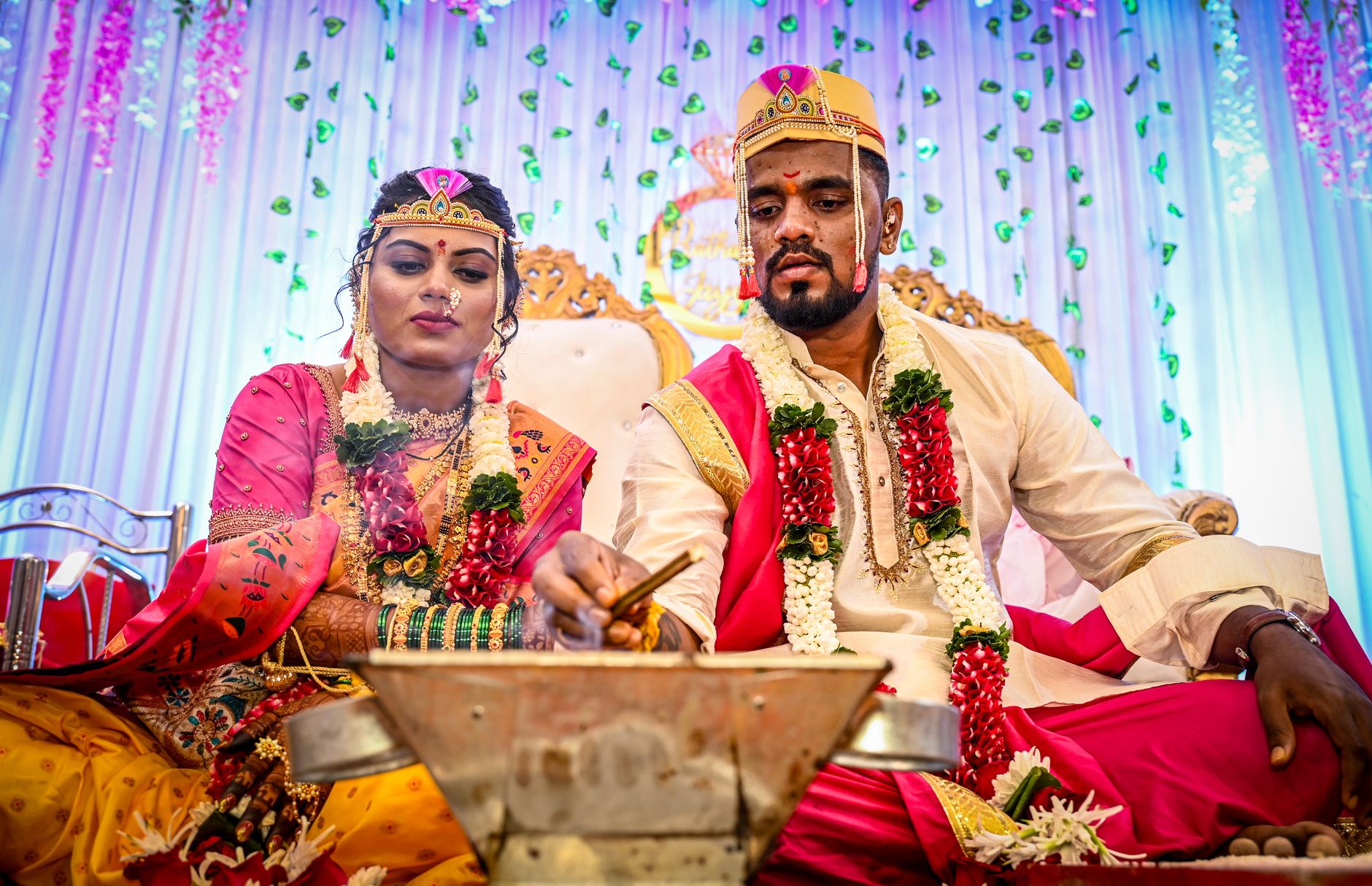
Your Sacred Wedding Bible Starts Here
Religious cermony in Bhubaneswar
Wedding Bible for Religious Ceremonies in Bhubaneswar
A Wedding Bible is every couple's most trusted companion when navigating the layered world of religious wedding ceremonies. In Bhubaneswar, where Odia traditions run deep and Lord Jagannath's blessings are woven into every ritual, having a structured Hindu wedding rituals guide is not a luxury — it is a necessity. From finalising an auspicious muhurat selection to coordinating the sacred wedding rites Bhubaneswar families have observed for generations, the planning process demands clarity and precision. Happiffie brings you this all-in-one resource so that every mangalsutra, every sacred fire, and every chanted mantra falls perfectly into place on your most important day.
Quick Answer
A Wedding Bible is a comprehensive, step-by-step planning guide covering every aspect of a religious wedding ceremony — rituals, timelines, vendor coordination, muhurat dates, and budgets. For Bhubaneswar couples, it specifically addresses Odia Hindu customs such as Nandi Mukha, Vivaha Homa, and Saptapadi, helping families execute each sacred rite correctly, on time, and within a realistic INR budget.
What Is a Wedding Bible and Why Does Every Bhubaneswar Couple Need One?
A Wedding Bible is a master planning document that consolidates every task, timeline, ritual sequence, vendor contact, and budget line into a single reference. For religious weddings in Bhubaneswar, where ceremonies often span two to four days, this document becomes the backbone of the entire event. Without it, families risk missing auspicious timings, double-booking vendors, or skipping a ritual that holds deep cultural significance. The Odia wedding ceremony planner tradition is rich with pre-wedding customs like Mangala Snana and Jaga Puja, and a well-structured Wedding Bible ensures none of these are overlooked. Think of it as your sacred command centre — it tells you what happens, who is responsible, how much it costs, and when it must be done. Happiffie's platform helps you build this document digitally so every family member, from the bride's side to the groom's, stays aligned throughout the planning journey.
Core Religious Rituals Covered in the Bhubaneswar Wedding Bible
A thorough religious wedding ceremony checklist for an Odia Hindu wedding in Bhubaneswar typically includes Nandi Mukha (seeking ancestral blessings), Mangala Snana (ritual bath), Jaga Puja (community prayer), the main Vivah ceremony with Vivaha Homa, Saptapadi (seven sacred steps), and Sindura Dana. Each ritual requires specific materials — samagri, flowers, sacred leaves, and specific silk garments — all of which must be sourced in advance. The Wedding Bible maps each ritual to a time slot, the required pandit or purohit, the samagri list, and the approximate cost in INR. For example, Vivaha Homa samagri alone can range from INR 8,000 to INR 25,000 depending on the scale and the pandit's specifications. Sacred wedding rites Bhubaneswar priests perform are often conducted at auspicious venues near temples like Lingaraj or in heritage dharamshalas in the Old Town area, and your Wedding Bible should lock in these venue bookings at least three months in advance.
How to Choose the Right Muhurat and Pandit for Your Ceremony
Auspicious muhurat selection is one of the most critical decisions in any Hindu religious wedding. In Bhubaneswar, families consult a jyotishi or Vedic astrologer who reviews the bride and groom's kundali (birth charts) to identify the most favourable date and time. Popular months include Margasira, Magha, Phalguna, and Vaishakha on the Odia calendar. Wedding pandit booking should follow immediately after the muhurat is fixed, as experienced pandits in Bhubaneswar — particularly those well-versed in Odia Vedic traditions — get booked months in advance, especially during peak season from November to March. Your Wedding Bible should record the muhurat details (date, Tithi, Nakshatra, Lagna, and Rahu Kalam to avoid) alongside the pandit's ritual requirements, so caterers, decorators, and photographers can align their timelines accordingly. Skipping this alignment is a common and costly mistake.
Budgeting Your Religious Wedding Ceremony in Bhubaneswar
A realistic religious wedding ceremony checklist must be paired with a realistic budget. In Bhubaneswar, religious wedding ceremony costs vary widely based on guest count, venue, and ritual complexity. A modest ceremony at a family home or local mandap with 100–150 guests typically costs INR 3–6 lakhs including pandit dakshina, samagri, decor, catering, and photography. A mid-scale ceremony at a banquet hall in areas like Patia, Nayapalli, or Saheed Nagar for 300–500 guests can range from INR 8–18 lakhs. Grand multi-day affairs at heritage venues near the Ekamra Kshetra zone with 700+ guests can exceed INR 35 lakhs. Your Wedding Bible should break these costs into categories — venue, rituals, decor, catering, attire, photography — and track actuals against estimates. Traditional wedding decor featuring marigold garlands, mango leaves, banana trees, and red-and-yellow colour schemes is both culturally appropriate and cost-effective for Odia ceremonies.
How Should You Organise the Day-of Timeline in Your Wedding Bible?
The day-of timeline is where your Hindu wedding rituals guide becomes most valuable. A typical Odia wedding day begins before sunrise with Mangala Snana, followed by the Jaga Puja in the morning, the main Vivah ceremony around the auspicious Lagna muhurat (often mid-morning or early evening), and concludes with Bidaai rituals at night. Each segment needs a 15-minute buffer for transitions, priest recitations, and family participation. Your Wedding Bible should list: the exact ritual name, start time, duration, officiant, required family members, props needed, and the vendor on standby. The Odia wedding ceremony planner format works best when it mirrors this chronology — page by page, hour by hour. Sacred wedding rites Bhubaneswar households observe also include post-wedding customs like Grihapravesh and Saptapadi Bhoj, which should be pre-planned in the same document to avoid last-minute chaos. A wedding venue in Bhubaneswar that offers a dedicated coordination team can help enforce this timeline on the ground.
Religious Wedding Ceremony Setup Types in Bhubaneswar – Compared
Expert Recommendation
Best for Intimate Family Ceremonies (up to 100 guests)
Best for Mid-Scale Community Weddings (150–350 guests)
Best for Large Guest Lists (500+ guests)
Best for Budget-Conscious Couples
Best for Deeply Traditional Odia Families
Best for Couples Blending Modern and Traditional Elements
How to Choose the Right Option
✅ Pre-booking Checklist
- Confirm muhurat date and time with a certified Vedic jyotishi based on both kundalis
- Complete wedding pandit booking at least four to six months before the ceremony date
- Lock the ceremony venue and confirm open-fire ritual permissions for Vivaha Homa
- Prepare a detailed samagri list with the pandit and procure items two weeks in advance
- Build your full Wedding Bible document with day-wise, hour-wise ritual timelines
- Assign a dedicated family coordinator for each ritual segment on the wedding day
- Confirm catering menu aligns with ritual fasting and food purity requirements
- Brief photographer and videographer on ritual significance and key ceremony moments
🎯 Selection Criteria
- Pandit's expertise in authentic Odia Vedic traditions and specific family customs
- Venue's compatibility with open-fire rituals, mandap setup, and ritual floor space
- Proximity to temple or sacred landmark for spiritual significance
- Flexibility to accommodate multi-day ceremony schedules without overtime charges
- Vendor ability to align with auspicious muhurat timings, including early-morning starts
- Budget transparency with itemised ritual costs separated from event costs
💰 Cost / Quality Factors
- Pandit dakshina and ritual fee vary by years of experience and ritual complexity (INR 10,000–80,000)
- Samagri costs rise 15–25% during peak wedding season due to demand on specific items
- Venue location in central Bhubaneswar commands a 20–30% premium over peripheral areas
- Multi-day bookings reduce per-day venue cost but require full advance payment
- Traditional wedding decor using fresh flowers and natural materials costs less but needs daily replacement
- Photography and videography packages covering multi-day religious ceremonies cost INR 60,000–2,50,000 depending on team size
⚠️ Common Mistakes to Avoid
- Fixing the wedding date before confirming the muhurat with a qualified astrologer
- Delaying wedding pandit booking and losing preferred priests to other families
- Not testing venue fire safety clearance before booking for Vivaha Homa and havan rituals
- Overlooking post-wedding rituals like Grihapravesh in the planning timeline
- Sourcing samagri from a single vendor without backup, risking last-minute shortages
- Failing to share the detailed Wedding Bible with all key vendors and family coordinators
People Also Ask
What exactly is a Wedding Bible and how is it different from a wedding checklist?
How many days does a traditional Odia religious wedding ceremony last?
How early should I start building my Wedding Bible for a Bhubaneswar religious wedding?
What is the average cost of a religious wedding ceremony in Bhubaneswar?
Which Bhubaneswar neighbourhoods are best for hosting a religious wedding ceremony?
Do I need a separate wedding planner if I have a Wedding Bible?
What items must be on a religious wedding ceremony checklist for Bhubaneswar?
Can Happiffie help me find a pandit and ritual vendors for my Bhubaneswar wedding?
Related Experiences on Happiffie
Hindu Wedding Rituals Explained
Dream Weddings on Kerala's Backwaters
Sacred Blooms for Your Chennai Wedding
Sacred Wedding Ceremony Discourse in Pune
Authentic Pahadi Wedding Pandits in Mussoorie
Sacred Kobbari Bondam Decor, Done Right
See Your Dream Venue Before You Book
Frequently Asked Questions
What is a Wedding Bible and how does it help plan a religious ceremony in Bhubaneswar?
How do I create a Wedding Bible for an Odia religious ceremony?
Which sacred wedding rites are most important in a Bhubaneswar Hindu wedding?
What is the right time to do auspicious muhurat selection for a Bhubaneswar wedding?
How much does a full religious wedding ceremony cost in Bhubaneswar?
Can I use Happiffie to find religious ceremony vendors in Bhubaneswar?
Is a religious wedding ceremony checklist enough, or do I need a full Wedding Bible?
What traditional wedding decor is typical for a religious ceremony in Bhubaneswar?
Key Takeaways
- A Wedding Bible is a master planning document covering rituals, timelines, vendors, and budgets — essential for multi-day religious weddings in Bhubaneswar.
- Odia Hindu weddings involve multiple sacred rites including Nandi Mukha, Vivaha Homa, Saptapadi, and Grihapravesh — each requiring advance preparation.
- Auspicious muhurat selection must happen before any vendor booking or venue confirmation.
- Wedding pandit booking should be completed four to six months before the ceremony, especially during peak season.
- Ceremony costs in Bhubaneswar range from INR 3 lakhs for intimate home weddings to over INR 35 lakhs for large multi-day heritage affairs.
- Neighbourhoods like Old Town, Patia, Nayapalli, and Saheed Nagar each offer distinct advantages for hosting religious ceremonies.
- Happiffie's marketplace simplifies the process by connecting couples with verified pandits, decor vendors, venues, and samagri suppliers in one platform.
Build Your Wedding Bible with Happiffie
Plan every sacred ritual, muhurat, and vendor for your Bhubaneswar religious ceremony — all in one place.
Start Planning Now
Are you a Vendor? Grow Your Business with Happiffie!
- High intent verified leads
- Reverse auction opportunities
- AI business tools & insights
- Dedicated vendor dashboard
- Grow your business, your way
It's free & takes less than 2 minutes!