
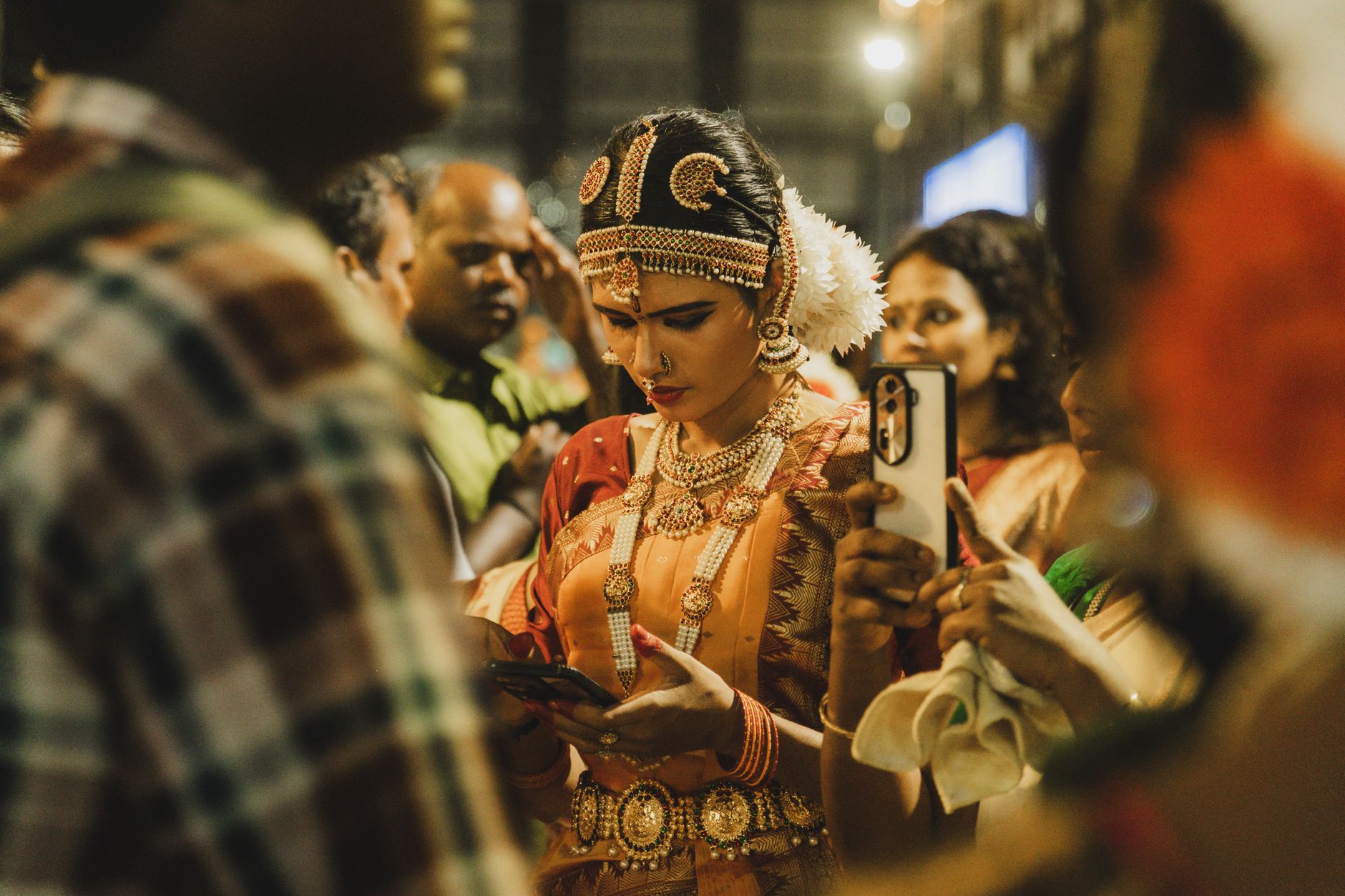
Authentic Kerala Wedding Pooja in Mumbai
Religious cermony in Mumbai
Kerala Wedding Pooja Items: Complete Guide for Mumbai Couples
Planning a traditional Kerala wedding in Mumbai means sourcing the right Kerala Wedding Pooja Items — from nilavilakku lamps and coconut shell vessels to sacred herbs, copper urns, and woven mats — without compromising on ritual authenticity. Mumbai's Malayali community is large and vibrant, but tracking down genuine traditional pooja samagri across the city can be time-consuming. Whether you are hosting an intimate apartment ceremony in Andheri or a grand banquet-hall celebration in Thane, having the correct wedding ceremony essentials ensures every ritual proceeds exactly as your family priest prescribes. Happiffie connects Mumbai couples with trusted suppliers and pandits who understand Kerala traditions deeply, making your sacred day seamless and stress-free.
Quick Answer
Kerala Wedding Pooja Items are the ritual materials required for a traditional Kerala Hindu wedding, including nilavilakku (brass oil lamps), coconut, betel leaves, arecanut, turmeric, kumkum, sacred thread (kodi), flowers, banana leaves, and copper or bronze vessels. In Mumbai, these items are sourced from Malayali grocery stores, specialty pooja shops in Matunga and Chembur, or through curated vendor packages. A standard pooja kit for a medium-sized ceremony costs between INR 3,000 and INR 15,000 depending on material quality and ritual complexity.
What Are the Essential Kerala Wedding Pooja Items Every Couple Must Arrange?
Kerala Wedding Pooja Items span a precise list that your family priest or namboodiri will specify well in advance. The core items include nilavilakku (traditional brass oil lamps), fresh coconuts, betel leaves and arecanut, turmeric root and powder, kumkum, sandalwood paste, sacred flowers such as white lotus or pavizhamalli, banana leaves for seating and offerings, and the holy thread known as thali kodi. Copper and bronze vessels for water and rice are equally critical. Traditional pooja samagri also includes items like cotton wicks, ghee, camphor, and specific grains like raw rice and sesame. The ashtamangalya pooja arrangement — the eight auspicious items placed on a tray — is particularly important in Kerala Hindu ceremonies and must be assembled with exact items. Missing even one element can disrupt the ritual sequence, so preparing a checklist with your pandit at least three weeks before the wedding is strongly advised. In Mumbai, Matunga's Tamil and Malayali market clusters are excellent starting points, and many vendors in Chembur and Borivali also stock Kerala-specific ritual goods.
Where in Mumbai Can You Source Authentic Traditional Pooja Samagri for Kerala Weddings?
Mumbai's large South Indian diaspora means that traditional pooja samagri for Kerala weddings is more accessible here than in most other metros. The King's Circle and Matunga West area hosts several long-standing grocery and pooja shops that stock Kerala-specific items such as ilakka (cardamom pods for offerings), vetila (betel leaves in bundles), and specific copper urns. Chembur has a thriving Malayali population and local stores often carry niche items like brass nilavilakku, cane woven mats, and banana-fibre decorative elements. For wedding ceremony essentials in bulk — think 200-plus banana leaves or wholesale flower garlands — Crawford Market and Dadar flower market offer competitive pricing. Online procurement works well for standardised items like camphor blocks, copper vessels, and pre-packaged samagri kits, but always inspect flower-based and leaf-based materials in person for freshness. Happiffie-listed vendors in Thane, Navi Mumbai, and South Mumbai often offer doorstep delivery of complete Kerala Wedding Pooja Items packages, saving couples significant logistical effort.
How Much Do Kerala Wedding Pooja Items Cost in Mumbai?
Pricing for Kerala Wedding Pooja Items in Mumbai varies considerably based on material quality, item count, and whether you opt for individual sourcing or a curated package. A basic pooja samagri kit covering the must-have items — coconut, betel leaves, flowers, camphor, kumkum, turmeric, and cotton wicks — costs between INR 1,500 and INR 3,500. A mid-range package that includes a brass nilavilakku, copper vessels, cane mats, and fresh flower garlands ranges from INR 5,000 to INR 9,000. Premium packages with antique-finish bronze lamps, silk-edged mats, and a curated ashtamangalya pooja arrangement can reach INR 12,000 to INR 18,000. Separately, if you require a south Indian pooja kit that includes region-specific herbs and ritual powders, specialist vendors charge INR 2,000 to INR 5,000 for that component alone. Pandit fees in Mumbai for Kerala-style rituals range from INR 7,000 to INR 25,000 depending on the duration and number of ceremonies. Factor in delivery charges of INR 300 to INR 800 if sourcing from vendors outside your neighbourhood. Booking two to three weeks ahead helps you avoid last-minute premium pricing.
Banana Leaf Wedding Setup and Décor: Why It Matters in a Kerala Ceremony
A banana leaf wedding setup is far more than a decorative choice — it is a ritual and cultural cornerstone of Kerala Hindu weddings. Banana leaves serve as natural plates during the sadhya feast, as floor coverings for sacred seating areas, and as borders around the pooja mandap. In Mumbai, fresh banana leaves are available at Dadar market, Vashi APMC, and select stores in Chembur, priced at INR 10 to INR 25 per leaf depending on size and season. For a ceremony of 100 guests, budget for at least 120 to 150 leaves to allow for breakage and decoration. Thrissur-style wedding décor, popularised through Kerala's central region, emphasises dense floral arches, hanging banana bunches, and coconut-leaf weavings that frame the pooja space — elements that are increasingly being replicated by Mumbai-based event decorators who specialise in South Indian weddings. A well-arranged banana leaf setup signals ritual seriousness to guests and ensures the priest has the correct natural materials for each ceremony stage. Always source leaves the day before or morning of the wedding to maintain freshness.
How Do You Coordinate Pandit Booking for Kerala Wedding Alongside Pooja Item Sourcing?
Coordinating pandit booking for Kerala wedding ceremonies in Mumbai is inseparable from the pooja item sourcing process. A qualified namboodiri or Kerala-tradition priest will provide a specific samagri list tailored to your gotra, family customs, and the number of ceremonies planned — typically including the Nischayam (engagement ritual), Muhurtham (main wedding), and Saptapadi. This list determines exactly which Kerala Wedding Pooja Items you must procure and in what quantities. Book your pandit at least four to six weeks in advance in Mumbai, especially during peak wedding season between October and February when demand spikes sharply. Many pandits in Andheri, Borivali, and Thane serve the Malayali community regularly and can recommend trusted local suppliers for wedding ceremony essentials. Some Happiffie-listed service providers offer a combined pandit-plus-samagri package that simplifies coordination, reduces the risk of missing ritual items, and provides a single point of accountability. Always confirm whether the pandit supplies any items himself — some bring specific herbs or sacred threads — so you avoid duplication and unnecessary expense.
Kerala Wedding Pooja Item Sourcing Options in Mumbai: A Practical Comparison
Expert Recommendation
Best for Intimate Home or Apartment Ceremonies
Best for Large Banquet Hall Weddings (200+ Guests)
Best for Traditional Orthodox Families
Best for Budget-Conscious Couples
Best for Destination-Style Celebrations in Mumbai
Best for Modern Couples Blending Traditions
How to Choose the Right Option
✅ Pre-booking Checklist
- Obtain the complete samagri list from your pandit at least four weeks before the wedding date
- Confirm whether your Mumbai venue permits open-flame oil lamps or requires electric alternatives
- Place orders for non-perishable Kerala Wedding Pooja Items three to four weeks in advance
- Schedule fresh flower, banana leaf, and betel leaf procurement for the morning of or evening before the ceremony
- Verify the ashtamangalya pooja arrangement items are in bronze or copper as your family tradition requires
- Confirm delivery timelines and a backup sourcing plan with your vendor one week before the event
- Check with your pandit on any gotra-specific or family-specific additions to the standard samagri list
- Store all non-perishable items together in a labelled box to hand to the priest efficiently on the day
🎯 Selection Criteria
- Vendor's familiarity with Kerala-specific ritual items versus generic South Indian supplies
- Ability to provide fresh perishables with same-day or next-day delivery in your Mumbai locality
- Clarity of itemised pricing to avoid surprise charges on the day
- References or reviews from other Malayali families who have used the vendor in Mumbai
- Willingness to coordinate directly with your pandit to fill gaps in the samagri list
- Availability of premium-grade copper and bronze vessels rather than plated alternatives
💰 Cost / Quality Factors
- Material quality of lamps and vessels significantly affects both ritual validity and visual presentation
- Seasonal flower availability in Mumbai impacts garland costs, especially during peak wedding months
- Vendor location relative to your venue affects delivery freshness for perishable items
- Package bundling often reduces total cost compared to individual item sourcing by 10 to 20 percent
- Last-minute procurement in Mumbai attracts 20 to 40 percent price premiums during peak seasons
- The number of ceremonies (Nischayam, Muhurtham, Saptapadi) directly determines total item quantity required
⚠️ Common Mistakes to Avoid
- Waiting until the week before to source Kerala Wedding Pooja Items — rare items like cane mats or dasapushpam flowers may be unavailable
- Assuming a generic Hindu pooja kit covers all Kerala-specific ritual requirements — it typically does not
- Overlooking venue fire-safety rules, which may prohibit traditional oil lamps and require electric substitutes
- Purchasing flowers more than 24 hours before the ceremony, causing wilting and ritual unsuitability
- Skipping a pandit consultation on the samagri list and relying solely on family memory, leading to missing critical items
- Confusing quantity estimates for ritual use versus decorative use, resulting in shortages during the ceremony
People Also Ask
What is the ashtamangalya pooja arrangement and why is it important in a Kerala wedding?
Can I buy Kerala wedding pooja items online and deliver them to a Mumbai wedding venue?
How far in advance should I source pooja items for a Kerala wedding in Mumbai?
What is the difference between a basic pooja kit and a premium samagri package for a Kerala wedding?
Is a Thrissur-style wedding décor setup possible at Mumbai banquet halls?
Do Kerala wedding pandits in Mumbai provide their own pooja supplies?
What are the must-have Kerala wedding pooja items that are hardest to find in Mumbai?
How do I estimate quantities of Kerala wedding pooja items for a large guest count?
Related Experiences on Happiffie
Sacred Rituals, Timeless Traditions
Complete Pooja Samagri for Indore Weddings
Kerala Weddings in Pune, Done Right
Sacred Pooja Kits, Delivered in Lucknow
Elegant Christian Wedding Car Decor
Kerala Wedding Umbrella for Lucknow Ceremonies
Sacred Jhoola Setups for Brahmin Weddings
Frequently Asked Questions
Where can I find Kerala wedding pooja items specifically in Mumbai's western suburbs?
Is it possible to rent brass nilavilakku lamps for a Mumbai Kerala wedding instead of buying?
What is the traditional pooja samagri list for a Kerala wedding muhurtham ceremony?
Can I arrange Thrissur-style wedding décor alongside Kerala pooja items in Mumbai?
How do I ensure Kerala wedding pooja items are ritually valid if I order them online?
How many days before the Kerala wedding should a Mumbai couple finalise the pandit and samagri?
What is the cost of a complete south Indian pooja kit for a Kerala wedding in Mumbai?
Are there vendors in Mumbai who offer combined Kerala pooja item supply and pandit services?
Key Takeaways
- Kerala Wedding Pooja Items include nilavilakku lamps, coconuts, betel leaves, turmeric, kumkum, sacred thread, flowers, banana leaves, and copper or bronze vessels — each ritually mandated.
- In Mumbai, Matunga West, Chembur, and Dadar markets are the most reliable sources for authentic traditional pooja samagri and fresh perishables.
- A complete pooja item package for a mid-sized Kerala ceremony in Mumbai costs between INR 5,000 and INR 18,000 depending on material quality and ceremony scale.
- The ashtamangalya pooja arrangement of eight auspicious items is a non-negotiable ritual element and must be assembled with the correct materials as specified by your pandit.
- Coordinate pandit booking for Kerala wedding rituals at least four to six weeks ahead, especially during the October-to-February peak season in Mumbai.
- A banana leaf wedding setup is both a ritual requirement and a key visual element of authentic Kerala ceremony décor and should be sourced fresh on the day.
- Happiffie connects Mumbai-based Malayali couples with verified vendors and pandits who understand Kerala tradition, offering combined packages for convenience and reliability.
- Always obtain a written samagri list from your pandit before approaching any vendor to ensure nothing is missed and quantities are precisely calculated.
Book Verified Kerala Wedding Pooja Services in Mumbai
From authentic samagri kits to experienced pandits and full mandap setups — Happiffie connects you with trusted vendors who honour Kerala tradition.
Explore Kerala Vendors
Are you a Vendor? Grow Your Business with Happiffie!
- High intent verified leads
- Reverse auction opportunities
- AI business tools & insights
- Dedicated vendor dashboard
- Grow your business, your way
It's free & takes less than 2 minutes!