
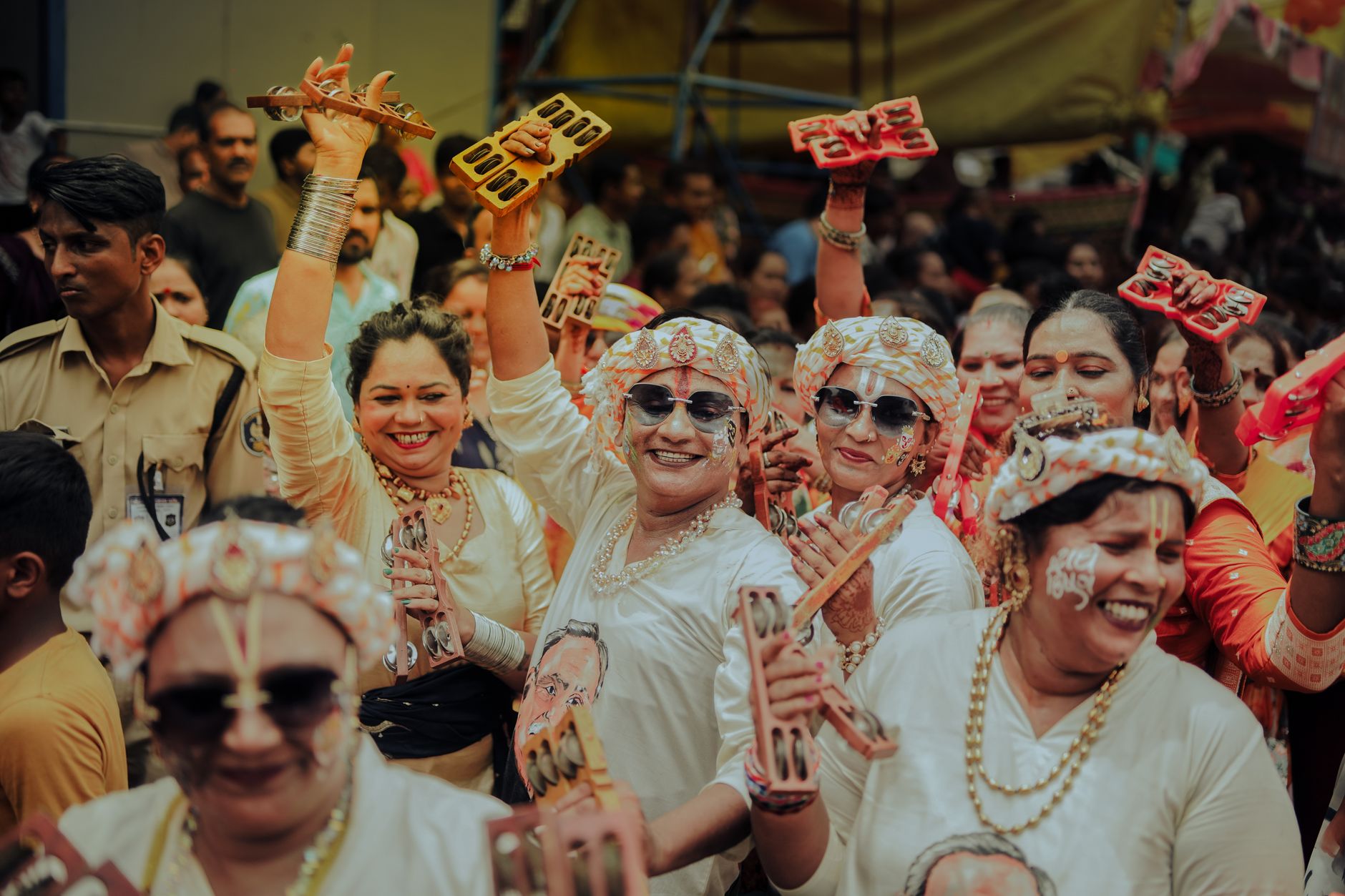
Sacred Sounds for Nainital Ceremonies
Religious cermony in Nainital
Function Devotional Music in Nainital for Religious Ceremonies
Nainital's misty ghats, temple courtyards, and lakeside mandaps carry a natural spiritual energy that few hill destinations can match. When you plan a religious ceremony here — be it a satyanarayan katha, griha pravesh, or a traditional wedding havan — the right Function Devotional Music transforms the atmosphere from a simple gathering into a genuinely sacred experience. Whether you need devotional bhajan performers to chant softly through a morning pooja or a full ensemble for an evening kirtan, Nainital's cultural landscape, rooted in Kumaoni cultural celebrations and Uttarakhand folk ritual traditions, offers performers who understand local sentiment, Sanskrit shlokas, and regional melodies equally well.
Quick Answer
Function Devotional Music in Nainital refers to live or recorded sacred music — bhajans, kirtans, shlokas, and Kumaoni devotional folk songs — performed during religious ceremonies such as poojas, havans, weddings, and festivals. In Nainital, performers typically blend classical devotional styles with local Kumaoni traditions. Booking costs range from INR 8,000 for a solo harmonium-tabla duo to INR 60,000 or more for a full kirtan group with multiple instruments, depending on duration and ensemble size.
What Makes Function Devotional Music Essential for Nainital Religious Ceremonies?
Nainital is home to revered temples like Naina Devi Mandir on the banks of Naini Lake, and the town's spiritual calendar is dense with poojas, jagratas, and festival gatherings. Function Devotional Music is not merely background sound at these events — it sets the ritual rhythm, signals the beginning and end of each ceremonial phase, and creates collective participation through antiphonal kirtan. When guests arrive at a lakeside ceremony venue, the first thing that establishes tone is sound: a harmonium-tabla duo playing Vishnu Sahasranama creates a very different emotional register than a Kumaoni dhol ensemble. For families organising religious ceremony music in Nainital's hill-station environment, choosing artists who understand both Sanskrit devotional formats and local Uttarakhand folk ritual traditions is the single most impactful decision they will make. Pooja sangeet artists who are familiar with the local temple timings and priest coordination ensure that musical transitions — from mangalacharan to aarti — flow without disruption.
Types of Devotional Bhajan Performers Available in Nainital
Nainital supports a wide spectrum of devotional bhajan performers, each suited to different ceremony scales and religious traditions. Solo harmonium vocalists are ideal for intimate home poojas or satyanarayan kathas in apartment courtyards. Duo or trio ensembles — typically harmonium, tabla, and dholak — cover mid-sized gatherings of 30 to 100 guests. Full kirtan mandalis, with five to eight performers including manjiras, mridangam, and tanpura, are best suited for community-level events, temple celebrations, or large wedding ceremonies on Nainital's hotel lawns. For families who want to honour Kumaoni cultural celebrations specifically, artists performing Jagar — a Kumaoni invocation tradition — or Chholiya-inspired devotional folk music add authentic regional character that standard bhajan groups cannot replicate. Spiritual music for events like Diwali pujas, Navratri jagratas, or Makar Sankranti rituals may also incorporate local folk instruments such as the dhol, damau, and ransingha, which carry deep ceremonial significance in this part of Uttarakhand.
How Much Does Function Devotional Music Cost in Nainital?
Pricing for Function Devotional Music in Nainital varies primarily by ensemble size, duration, and the remoteness of the venue. A solo bhajan vocalist with a harmonium typically charges INR 8,000 to INR 15,000 for a two-to-three hour session. A standard trio ensemble (harmonium, tabla, dholak) ranges from INR 18,000 to INR 35,000. Full kirtan mandalis with six or more performers cost INR 40,000 to INR 75,000 for a half-day engagement. Travel surcharges apply for venues in Bhimtal, Sattal, or Mukteshwar — generally INR 1,500 to INR 3,000 extra per performer. If you need religious ceremony music at a lakeside venue or a heritage property on Mall Road, confirm whether the venue has a sound ordinance, as amplification restrictions near Naini Lake affect setup choices. Spiritual music for events held during peak season (October to November and April to June) commands a 15 to 25 percent premium due to high demand. Always clarify whether the quoted price includes sound equipment, or if PA systems must be rented separately.
Kumaoni Cultural Celebrations and Regional Devotional Traditions
Nainital sits at the heart of Kumaon's rich devotional heritage. Families planning events here should understand that Kumaoni cultural celebrations carry specific musical expectations distinct from North Indian plains traditions. Jagar performances, conducted to invoke local deities, require a Jagaria (narrator-singer) who knows the specific deity's oral tradition — this is specialist knowledge that a generic bhajan group cannot provide. For hill station wedding ceremonies with religious components, Kumaoni wedding folk songs (Mangal, Nyoli, Huraki) performed by a local Geet group add layers of cultural authenticity that guests from the region deeply appreciate. Uttarakhand folk ritual traditions also include Chanchri and Jhumeila for celebratory post-ritual singing, creating a joyful transition after solemn ceremony music. When briefing artists, specify whether your ceremony follows Kumaoni, Garhwali, or mainstream North Indian Brahminical rites — musicians calibrate their repertoire accordingly. Pooja sangeet artists familiar with Kumaoni customs will also know to play softly during pradakshina and increase energy during aarti.
What Should You Check Before Booking Devotional Bhajan Performers in Nainital?
Booking Function Devotional Music for a ceremony in Nainital requires attention to details that differ from plains-city bookings. First, confirm acoustic suitability: lakeside venue spiritual ambience is powerful, but open-air settings near Naini Lake can create sound-carry issues disturbing neighbouring properties, so unplugged or low-amplification ensembles are often preferable. Second, verify that the performers have experience with your specific ceremony structure — a group that excels at Navratri jagratas may not know the sequence of mantras for a Griha Pravesh. Third, ask whether the artists hold any temple affiliations or have performed at well-known Nainital religious sites like Hanuman Garhi or Golu Devata temples, as this signals familiarity with regional devotional practice. Devotional bhajan performers should ideally arrive 45 minutes before the ceremony begins to tune instruments, coordinate with the priest, and manage any sound setup. Finally, always get a written agreement covering the set duration, break protocol, and what happens if the ceremony runs long — this avoids the awkward mid-havan silence if a group packs up on the dot.
Function Devotional Music Setup Types for Nainital Religious Ceremonies
Expert Recommendation
Best for Intimate Home Poojas
Best for Hill Station Wedding Ceremonies
Best for Navratri and Jagrata Nights
Best for Budget-Conscious Families
Best for Lakeside or Heritage Venue Ceremonies
Best for Kumaoni Tradition-Specific Events
How to Choose the Right Option
✅ Pre-booking Checklist
- Confirm venue amplification rules, especially for lakeside or heritage properties near Naini Lake
- Share the complete ceremony sequence and deity preferences with artists at least two weeks before the event
- Book specialist artists (Jagar, Kumaoni folk) at least six to eight weeks ahead during peak season
- Clarify whether the quote includes sound equipment, travel charges, and break durations
- Ask for a coordination call with your priest so music transitions are ritually accurate
- Verify artists' familiarity with your specific regional tradition — Kumaoni, Garhwali, or North Indian
- Confirm backup plan if a performer is unavailable on the day, especially for remote Sattal or Bhimtal venues
- Get a written agreement covering start time, duration, overtime policy, and payment terms
🎯 Selection Criteria
- Regional repertoire knowledge — can they perform Kumaoni or Garhwali devotional formats if needed
- Priest coordination experience — understanding of ritual sequencing and cue-based transitions
- Ensemble size appropriate to guest count and venue acoustics
- Flexibility with amplification — ability to perform acoustically if venue restrictions apply
- References or verifiable past experience at similar religious ceremonies in Nainital or Kumaon region
- Transparent pricing with itemised quotes covering travel, equipment, and overtime
💰 Cost / Quality Factors
- Ensemble size directly drives cost — each additional performer adds INR 3,000 to INR 8,000 to the fee
- Peak season (April-June, October-November) premiums range from 15 to 25 percent above off-season rates
- Remote venue locations like Sattal or Mukteshwar attract per-performer travel surcharges
- Specialist Kumaoni folk artists command premium fees due to scarcity and niche cultural knowledge
- Ceremony duration beyond four hours typically incurs overtime charges of INR 2,000 to INR 5,000 per hour
- Sound system rental (if not included) adds INR 3,000 to INR 8,000 depending on PA requirements
⚠️ Common Mistakes to Avoid
- Booking a generic Bollywood event musician for a religious ceremony without verifying their devotional repertoire
- Ignoring Naini Lake area sound ordinances and facing mid-ceremony amplification shutdowns
- Failing to brief artists on the ceremony sequence, causing awkward silences between ritual phases
- Booking artists only one to two weeks ahead during Navratri or wedding season and missing preferred groups
- Assuming all bhajan artists know Kumaoni traditions — always verify regional competency explicitly
- Not confirming who arranges the sound system, leading to last-minute cost disputes on the day
People Also Ask
What is Function Devotional Music and how is it different from regular event music?
How far in advance should I book devotional bhajan performers in Nainital?
Can I get Function Devotional Music for an outdoor lakeside ceremony in Nainital?
What types of religious ceremony music are popular in Nainital?
What instruments are typically used in Function Devotional Music in Nainital?
Is pooja sangeet different from a full bhajan concert?
How do I ensure the devotional music aligns with my family's regional traditions?
What is a typical budget for Function Devotional Music at a medium-sized wedding in Nainital?
Related Experiences on Happiffie
Sacred Cakes for Nainital Ceremonies
Sacred Bhajan Groups for Kolkata Ceremonies
Devotional Music That Elevates Every Celebration
Sacred Sounds for Munnar Ceremonies
Say I Do in the Hills
Light Up Your Darjeeling Celebration
Frequently Asked Questions
What is the best time of year to book Function Devotional Music in Nainital?
Can Function Devotional Music be performed outdoors at Naini Lake venues?
Do Nainital artists know Kumaoni devotional traditions, or only mainstream Hindi bhajans?
How many performers do I need for a religious ceremony with 150 guests in Nainital?
Is Pooja Sangeet the same as booking Function Devotional Music for a wedding havan?
What additional costs should I expect beyond the artist's base fee in Nainital?
Can I book Function Devotional Music for a destination wedding at a Nainital resort?
How do I coordinate between the priest and the devotional music performers?
Key Takeaways
- Function Devotional Music in Nainital covers a wide range — from solo harmonium vocalists to full Kumaoni Jagar ensembles — and the right choice depends on ceremony type, guest count, and regional tradition.
- Nainital's proximity to Kumaoni cultural heritage means families can access authentic regional devotional forms like Jagar, Mangal geets, and folk instrument-based kirtan unavailable in most plains cities.
- Pricing ranges from INR 8,000 for a solo artist to INR 75,000 for a large kirtan mandali; travel surcharges apply for venues beyond central Nainital.
- Lakeside venue spiritual ambience is enhanced by acoustic or low-amplification setups that comply with Naini Lake area sound ordinances.
- Book specialist artists — particularly Kumaoni folk performers — at least six to eight weeks in advance during peak pilgrimage and wedding seasons.
- Always coordinate between the performing artists and the ceremony priest to ensure musical transitions align with each ritual phase.
- Written agreements covering duration, travel costs, equipment responsibility, and overtime policy protect both families and performers.
- Happiffie connects Nainital families with verified Function Devotional Music artists suited to their ceremony size, tradition, and budget.
Book Function Devotional Music in Nainital
Connect with verified devotional bhajan performers and kirtan mandalis — curated for Nainital's sacred ceremonies and your family's traditions.
Explore Artists Now
Are you a Vendor? Grow Your Business with Happiffie!
- High intent verified leads
- Reverse auction opportunities
- AI business tools & insights
- Dedicated vendor dashboard
- Grow your business, your way
It's free & takes less than 2 minutes!