
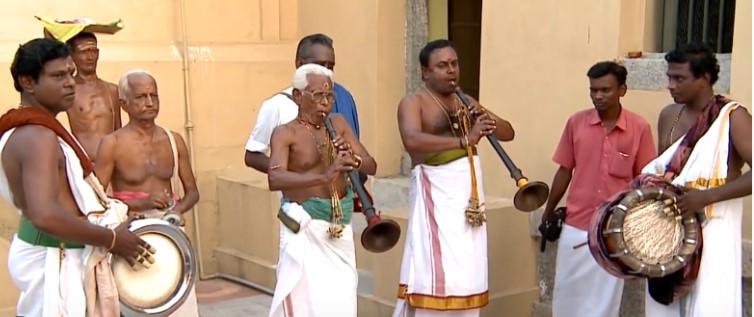
Sacred Sounds for Your Delhi Wedding
Entertainment in Delhi
Traditional South Indian Temple Music Ensemble in Delhi
A Traditional South Indian Temple Music Ensemble brings the sacred, resonant soundscape of ancient Dravidian temples straight into your Delhi wedding or cultural event. Rooted in centuries of Carnatic classical music tradition, these ensembles typically feature Nadaswaram and Thavil performers alongside Vedic chanters, creating an auspicious wedding soundtrack that elevates every ritual moment — from the muhurtham to the maalai maatral. Delhi's growing South Indian diaspora and cosmopolitan wedding circuit now actively seek this deeply spiritual entertainment form, making it easier than ever to find skilled ensembles who travel to venues across South Delhi, Dwarka, and NCR banquet halls.
Quick Answer
A Traditional South Indian Temple Music Ensemble is a group of trained musicians performing Carnatic classical compositions, Nadaswaram, Thavil, and Vedic chants for weddings, naming ceremonies, and temple events. Rooted in ancient Dravidian music traditions, these ensembles create a ritually authentic, spiritually uplifting atmosphere during key ceremonies. In Delhi, they are available for Tamil, Telugu, Kannada, and Malayalam weddings, with packages typically ranging from INR 25,000 to INR 1,50,000 depending on ensemble size and performance duration.
What Makes a Traditional South Indian Temple Music Ensemble Different from a Regular Band?
A Traditional South Indian Temple Music Ensemble is not simply background music — it is a living ritual participant. Unlike a standard wedding band or a Bollywood DJ setup, these ensembles perform ragas and slokas that are timed precisely to the sacred moments of a ceremony. The Nadaswaram and Thavil performers, for instance, play auspicious compositions during the tying of the thali or the exchange of garlands, making the music inseparable from the ritual itself. A Carnatic classical music group within such an ensemble follows strict raga grammar, choosing compositions like Kalyani or Mohanam for morning ceremonies and Madhyamavathi for festive processions. This intentionality is what separates a temple music ensemble from decorative entertainment. For Delhi families hosting a South Indian wedding far from their home state, this authenticity becomes emotionally significant — it recreates the sensory experience of a hometown temple wedding in an unfamiliar city.
How Much Does a Traditional South Indian Temple Music Ensemble Cost in Delhi?
Pricing for a Traditional South Indian Temple Music Ensemble in Delhi depends on ensemble size, number of performance hours, travel distance within NCR, and the experience level of the lead musicians. A basic two-to-three member setup — often a Nadaswaram and Thavil performers duo with a vocalist — typically costs between INR 25,000 and INR 50,000 for a three to four hour engagement. A mid-range South Indian wedding music band with five to seven members, including a mridangam player, flautist, and Vedic chanters, may quote INR 60,000 to INR 1,00,000. Premium Vedic ritual music ensemble packages with senior Carnatic artists, elaborate costume, and extended performance of six-plus hours can reach INR 1,20,000 to INR 1,50,000. Travel costs from musicians based in Chennai or Bengaluru, if flown in for the event, add INR 15,000 to INR 40,000 for logistics. Always confirm whether the quote includes sound equipment, as temple music instruments require specific microphone placements to preserve acoustic authenticity. Booking three to four months in advance is advisable, especially for peak wedding season between November and February.
Which Ceremonies Benefit Most from Live Carnatic Classical Music?
The live Carnatic music experience is most impactful during rituals that carry deep ceremonial weight. The muhurtham — the auspicious wedding moment — is universally considered the most critical slot for a Traditional South Indian Temple Music Ensemble. The Nadaswaram, with its penetrating, celebratory tone, is traditionally believed to invite divine presence and ward off negative energies during this moment. Beyond the muhurtham, Nadaswaram and Thavil performers are essential at nishchayatartham (engagement), seemantham (baby shower), and upanayanam (sacred thread ceremony). A Carnatic classical music group adds grace to reception dinner interludes, playing ragas that create a calm, festive environment for guests to mingle. Even corporate events and cultural festivals celebrating South Indian heritage use this temple music for Delhi gatherings to create an authentic, immersive atmosphere. Tamil Sangam events, Telugu New Year celebrations, and classical dance arangetrams in Delhi frequently feature such ensembles as the anchor entertainment act.
Selecting the Right Ensemble: Key Differences in Styles and Formats
Not every Traditional South Indian Temple Music Ensemble performs the same repertoire or suits every event format. Understanding these distinctions helps you choose wisely. A Vedic ritual music ensemble focuses heavily on mantra chanting, with musicians doubling as officiants who guide the priest through the sequence of slokas — ideal for deeply religious ceremonies. A South Indian wedding music band, by contrast, balances devotional pieces with more accessible folk songs like Koli Pattu or Oppari-free celebratory tunes suitable for mixed guest lists. A Carnatic classical music group may perform a structured concert-format set during the reception or mehendi evening, presenting ragas and krithis as a ticketed or seated artistic experience. For families with North Indian guests, choosing an ensemble that includes brief spoken introductions to each piece dramatically improves audience engagement. Always request a recorded sample of the specific musicians who will perform — not just a general portfolio — to verify tone quality and stylistic fit for your event.
Why Is Delhi Emerging as a Hub for South Indian Temple Music Performances?
Delhi's large and culturally active South Indian community — concentrated in areas like R.K. Puram, Vasant Vihar, and parts of Noida and Gurgaon — has created sustained, year-round demand for authentic traditional Indian classical entertainment. Unlike Mumbai, where the South Indian wedding circuit has long been established, Delhi is experiencing a rapid first-generation growth in high-quality Carnatic and temple music bookings. This surge is partly driven by NRI families returning to India for milestone weddings who want an auspicious wedding soundtrack that matches their parents' expectations of ritual fidelity. Platforms like Happiffie now list and vet ensembles for Delhi events, making discovery easier. Many musicians also now offer hybrid formats — combining the live Carnatic music experience with light amplification for outdoor farmhouse venues in Chattarpur or Mehrauli, bridging acoustic purity with the practical needs of large banquet gatherings.
Traditional South Indian Temple Music Ensemble: Setup Types Compared
Expert Recommendation
Best for Intimate Home Ceremonies
Best for Large Banquet Hall Weddings
Best for Ritual-Focused Families
Best for Budget-Conscious Couples
Best for Fusion or Destination Weddings
Best for Cultural Events and Arangetrams
How to Choose the Right Option
✅ Pre-booking Checklist
- Confirm the ensemble has performed at Delhi or NCR events and understands local venue logistics.
- Request audio or video samples of the specific musicians — not just a general portfolio.
- Clarify whether the quote includes sound equipment and microphone setup.
- Discuss your ceremony timeline and ritual sequence with the ensemble leader before signing.
- Ask whether the group can coordinate directly with your priest or pandit.
- Verify travel and accommodation costs if musicians are travelling from outside Delhi.
- Confirm language proficiency — ensure musicians understand your community's specific sloka traditions.
- Get a written contract specifying performance hours, setup time, and cancellation policy.
🎯 Selection Criteria
- Community-specific experience: Tamil, Telugu, Kannada, or Malayalam wedding formats have distinct ritual sequences.
- Ensemble size relative to your venue capacity and guest count.
- Flexibility to perform both ritual-integrated and concert-format segments within one booking.
- Quality and vintage of instruments — older, well-maintained Nadaswaram instruments produce superior tone.
- Communication responsiveness and willingness to do a pre-event rehearsal or call.
- References or reviews from previous Delhi or NCR events specifically.
💰 Cost / Quality Factors
- Ensemble size directly impacts cost — each additional member adds INR 5,000 to INR 15,000 to the base quote.
- Senior or award-winning Carnatic artists command a 30-50% premium over standard performers.
- Out-of-city artists require travel, accommodation, and per diem — budget INR 15,000 to INR 40,000 extra.
- Peak wedding season (October to February) reduces availability and may increase pricing by 15-25%.
- Outdoor venues require sound equipment rental, adding INR 5,000 to INR 15,000 to total costs.
- Extended performance beyond the agreed hours typically incurs an overtime charge of INR 5,000 to INR 10,000 per hour.
⚠️ Common Mistakes to Avoid
- Booking based on ensemble name or reputation alone without verifying the specific musicians performing at your event.
- Underestimating setup and sound-check time — temple music instruments need careful acoustic calibration.
- Failing to brief the ensemble on your ceremony sequence, resulting in mismatched musical cues during rituals.
- Choosing the largest ensemble to impress guests without considering venue acoustics — oversized groups overwhelm small halls.
- Ignoring travel and logistics costs when comparing quotes, leading to budget overruns.
- Booking too late in peak season and compromising on ensemble quality due to limited availability.
People Also Ask
What instruments are typically played in a Traditional South Indian Temple Music Ensemble?
Can I hire a South Indian temple music group in Delhi for a Tamil Brahmin wedding?
How far in advance should I book a Nadaswaram and Thavil performers group in Delhi?
Is outdoor sound equipment needed for a temple music ensemble at a Delhi farmhouse venue?
What is the difference between a Vedic ritual music ensemble and a Carnatic classical music group?
What is the average duration of performance for a South Indian wedding music band at a Delhi wedding?
Can a Traditional South Indian Temple Music Ensemble perform at a non-South Indian wedding in Delhi?
Does Happiffie help with comparing temple music ensemble packages in Delhi?
Related Experiences on Happiffie
Sacred Music for Every Holy Occasion
Sacred Sounds for Your South Indian Wedding
Live Music That Moves Delhi
Sacred Sounds for Every Ceremony
Live Gifting Stations for Jaipur Weddings
All Wedding & Event Services
Frequently Asked Questions
Where in Delhi can I find a Traditional South Indian Temple Music Ensemble for my wedding?
Is a Traditional South Indian Temple Music Ensemble appropriate for a Telugu wedding in Delhi?
How many musicians does a standard temple music ensemble need for a 200-guest wedding in Delhi?
What ragas are typically played during a South Indian wedding ceremony?
Can a temple music ensemble also perform at a corporate South Indian cultural event in Delhi?
What should I ask a Traditional South Indian Temple Music Ensemble before booking in Delhi?
Do temple music ensembles in Delhi provide their own sound equipment?
How is Happiffie different from hiring a temple music ensemble directly?
Key Takeaways
- A Traditional South Indian Temple Music Ensemble integrates sacred Carnatic ragas and Nadaswaram into rituals rather than serving as background entertainment.
- In Delhi, pricing ranges from INR 25,000 for a basic duo to INR 1,50,000 for a premium multi-artist ensemble with full logistics.
- The Nadaswaram and Thavil performers combination is the most ritually significant format and is considered essential at muhurtham and thali-tying moments.
- Vedic ritual music ensembles coordinate with priests and are best for liturgically precise Tamil Brahmin or Telugu wedding formats.
- Delhi's South Indian diaspora in areas like R.K. Puram, Vasant Vihar, Noida, and Gurgaon has driven strong demand, improving availability.
- Outdoor farmhouse venues in Chattarpur and Mehrauli require light amplification — always confirm sound equipment inclusion in your package.
- Book three to four months ahead for peak wedding season; late bookings risk compromising on musician quality.
- Happiffie simplifies discovery and comparison of temple music ensembles across Delhi and NCR with verified listings and sample recordings.
Book Your Traditional South Indian Temple Music Ensemble in Delhi
Explore verified ensembles, compare packages, and get personalised quotes for your wedding or event on Happiffie — India's trusted wedding marketplace.
Explore Ensembles Now
Are you a Vendor? Grow Your Business with Happiffie!
- High intent verified leads
- Reverse auction opportunities
- AI business tools & insights
- Dedicated vendor dashboard
- Grow your business, your way
It's free & takes less than 2 minutes!