
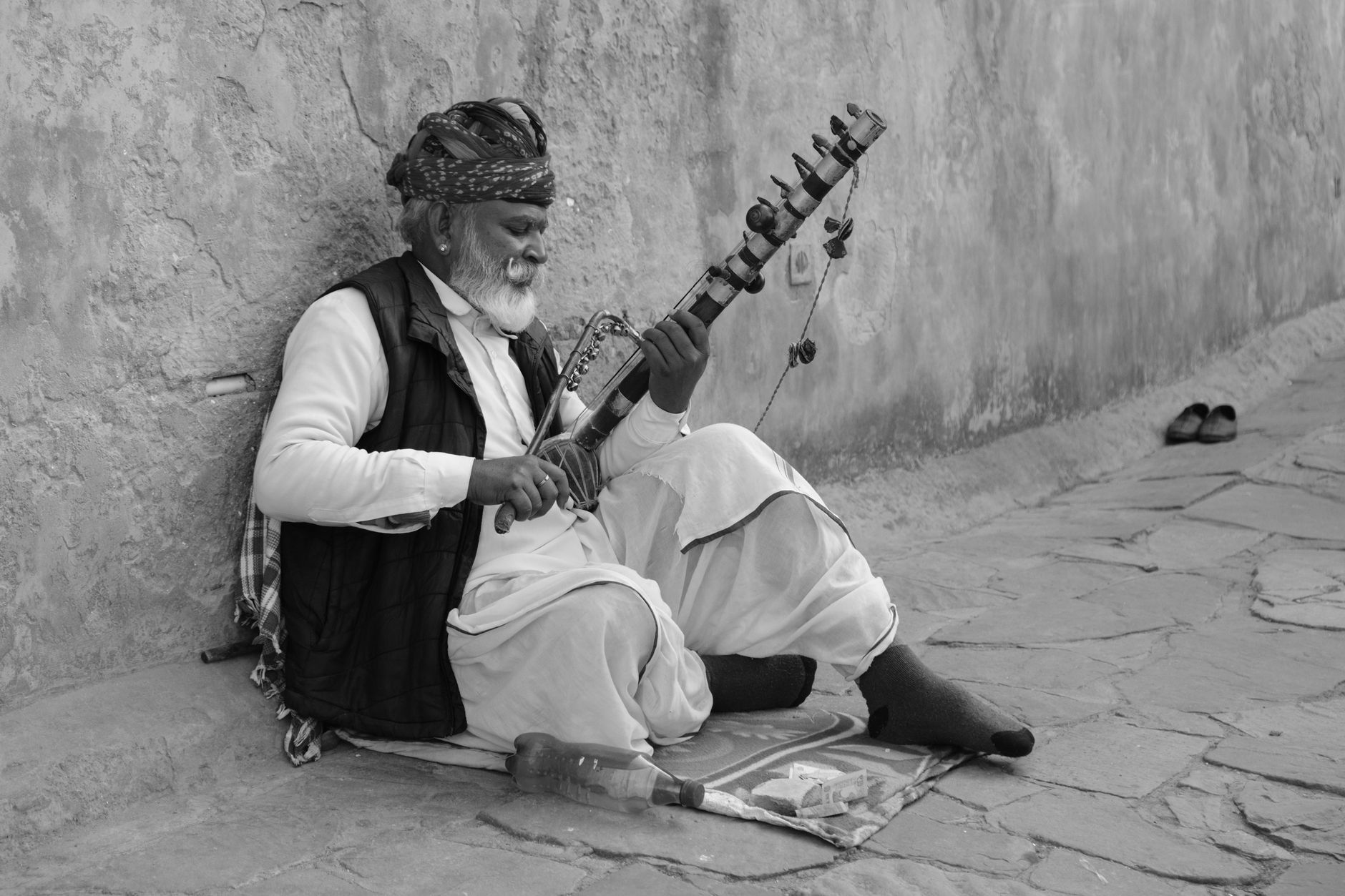
Sacred Sounds for Every Ceremony
Entertainment in Jaipur
Traditional Temple Music Performers in Jaipur
Jaipur's centuries-old tradition of sacred sound comes alive the moment traditional temple music performers step into your mandap or pooja venue. Whether you are organising a satyanarayan katha in Civil Lines, a griha pravesh in Vaishali Nagar, or a grand baraat in the Pink City's heritage havelis, the right devotional music ensemble transforms a routine ritual into a transcendent experience. From resonant shehnai players for pooja to soul-stirring bhajan mandali artists, Jaipur's talent pool is remarkably rich. Happiffie helps families find, compare, and book live spiritual music booking services that match both their ceremony's scale and their household's budget — all in one trusted marketplace.
Quick Answer
Traditional Temple Music Performers are musicians specialising in sacred Indian genres — bhajans, Vedic mantras, shehnai, nagara, and dhol-taasha — performed live during Hindu rituals, weddings, and temple festivals. In Jaipur, these performers typically charge between ₹8,000 and ₹60,000 per event depending on ensemble size, repertoire, and ceremony duration. They create an auspicious ceremony atmosphere essential to rituals like saat phere, griha pravesh, and satyanarayan poojas.
Why Do Jaipur Families Choose Traditional Temple Music Performers?
Rajasthan has long been a cradle of devotional arts, and Jaipur's families understand that music is not mere entertainment — it is a ritual offering. Traditional temple music performers bring sanctity to proceedings that a DJ or recorded playlist simply cannot replicate. The live vibration of a shehnai at dawn, the synchronized voices of a bhajan mandali artists group at a satyanarayan katha, or the deep resonance of Vedic chanting performers during a havan — each of these creates a sensory and spiritual environment that anchors every guest in the moment. For destination weddings at properties like Amer-road farmhouses or the walled-city palaces, the wedding ritual soundscape created by live performers becomes a talking point long after the event. Beyond aesthetics, many pandit-led ceremonies specifically require live sacred music for authenticity, making this category essential rather than optional.
What Types of Traditional Temple Music Performers Are Available in Jaipur?
Jaipur's entertainment market offers several distinct formats. Bhajan mandali artists are the most common — typically five to twelve vocalists accompanied by harmonium, tabla, manjira, and dholak, ideal for morning poojas and evening jagrans. Shehnai players for pooja are solo or duet specialists whose piercing, auspicious melody marks the beginning of sacred rites; they are particularly popular for saat phere and griha pravesh ceremonies. Vedic chanting performers — trained in Rigveda, Samaveda, or Yajurveda traditions — provide a highly scholarly, mantra-driven soundscape perfect for havans and yagyas. Nagara dhol troupes offer high-energy processional music suited to baraat entry. Finally, devotional music ensembles blending multiple traditions — folk bhajans, classical ragas, and Sanskrit shlokas — are gaining popularity for multi-day wedding functions in hotels around Tonk Road and C-Scheme. Each format carries a different mood, instrumentation, and pricing bracket.
How Much Do Traditional Temple Music Performers Cost in Jaipur?
Pricing for traditional temple music performers in Jaipur varies considerably based on ensemble size, performance duration, venue distance, and the artists' experience. A solo shehnai player for a two-hour pooja typically starts at ₹8,000–₹12,000. A mid-sized bhajan mandali artists group of six to eight performers for a three-hour jagran ranges from ₹18,000 to ₹35,000. Full-scale devotional music ensemble bookings for multi-session wedding events — covering pheras, reception, and next-day rituals — can range from ₹40,000 to ₹60,000 or more. Vedic chanting performers with formal Gurukul training command a premium of 20–30% over standard rates. Travel surcharges apply for venues beyond a 25 km radius from Jaipur city centre; budget an additional ₹2,000–₹5,000 if your function is at Amer, Bagru, or Chomu. For temple event entertainment Jaipur bookings, festive seasons like Navratri, Shravan, and wedding season (October–February) see a 15–25% surge, so early booking is strongly advised.
Matching Your Ceremony Type to the Right Ensemble
Not every sacred occasion calls for the same musical treatment. A satyanarayan pooja in a residential apartment in Mansarovar requires an intimate, acoustically restrained bhajan mandali artists setup — perhaps four performers without amplification. In contrast, a baraat procession through the lanes of Bani Park demands energetic nagara players and high-volume amplification. For a palace wedding at a heritage venue in the walled city, combining shehnai players for pooja at the entrance with a full devotional music ensemble during the phera ceremony delivers theatrical continuity. Corporate poojas — office inaugurations and factory bhoomipujas — are increasingly opting for Vedic chanting performers, who add gravitas without theatrical distraction. Matching scale, acoustics, guest-count, and ritual requirements to the right performers is the single most important booking decision you will make. The live spiritual music booking process on Happiffie lets you filter by ceremony type, ensemble size, and availability to ensure the perfect fit.
How Do You Verify the Quality of Traditional Temple Music Performers Before Booking?
Quality verification matters deeply when sacred music is central to your ceremony. First, request a repertoire list — authentic traditional temple music performers will have a documented setlist of ragas, bhajans, and mantras appropriate to your specific deity or ceremony type. Second, ask for audio or video samples; reputable artists maintain recordings of previous performances. Third, confirm whether performers hold any institutional affiliation — Gurukul training or certification from a classical music institution in Jaipur adds credibility. Fourth, clarify the number of rehearsals or soundchecks included, especially for multi-session events. Fifth, discuss the auspicious ceremony atmosphere requirements with your family pandit and share those notes with the ensemble so their music aligns with ritual timings. Finally, review the contract for cancellation terms, advance payment structure (typically 30–50%), and equipment responsibilities. Happiffie's verified artist profiles include performance samples, ceremony specialisations, and transparent pricing to simplify this due diligence.
Traditional Temple Music Performer Options in Jaipur: A Side-by-Side Comparison
Expert Recommendation
Best for Intimate Home Poojas
Best for Heritage Palace Weddings
Best for Corporate and Office Inaugurations
Best for Budget-Conscious Families
Best for Overnight Jagran Events
Best for Destination Weddings Near Jaipur
How to Choose the Right Option
✅ Pre-booking Checklist
- Confirm the specific rituals and deities involved before briefing performers
- Verify ensemble size matches your venue's acoustic capacity and guest count
- Request a sample audio or video recording of a similar past performance
- Clarify equipment responsibilities — who supplies PA system, power backup, and mic stands
- Align performance timing slots with your pandit's muhurta schedule in writing
- Confirm travel surcharge for venues outside Jaipur city limits (Amer, Chomu, Bagru)
- Sign a contract specifying advance payment (30–50%), cancellation clause, and overtime rates
- Book at least 60 days ahead during peak wedding season (October–February)
🎯 Selection Criteria
- Repertoire authenticity — does the ensemble know ceremony-specific ragas and mantras for your deity
- Experience with similar venue types — haveli, farmhouse, residential apartment, or open-air temple
- Ensemble flexibility — can they adjust volume, tempo, and genre to match ritual transitions
- Equipment self-sufficiency — do they bring their own sound system or rely on venue infrastructure
- Language and regional tradition alignment — Rajasthani folk, North Indian classical, or Vaishnav style
💰 Cost / Quality Factors
- Ensemble size directly impacts both cost and acoustic presence — larger groups cost more but fill bigger spaces
- Peak season (Navratri, Shravan, wedding season) increases rates by 15–25%; book early to lock base pricing
- Gurukul or institutional training adds credibility and a 20–30% premium for Vedic chanting performers
- Venue distance from Jaipur centre adds ₹2,000–₹5,000 in travel costs for outstation properties
- Overtime beyond the contracted hours is typically charged at ₹1,500–₹3,000 per additional hour
- Amplification requirements — outdoor and large-hall venues need professional sound systems, adding ₹3,000–₹8,000 if not included
⚠️ Common Mistakes to Avoid
- Booking performers without confirming their familiarity with your specific ceremony type and deity
- Ignoring venue acoustics — placing an eight-member ensemble in a small apartment causes distortion and discomfort
- Not sharing the pandit's ritual sequence, leading to music that clashes with or interrupts sacred moments
- Assuming all traditional temple music performers bring their own PA — always clarify equipment in the contract
- Booking too late during wedding season and settling for an inexperienced group due to scarcity
- Overlooking overtime clauses — ceremonies routinely run long, and unplanned overtime costs can surprise families
People Also Ask
What is the difference between a bhajan mandali and a devotional music ensemble?
How early should I book traditional temple music performers in Jaipur for a wedding?
Can traditional temple music performers play outdoors at a Jaipur heritage venue?
Do Vedic chanting performers require any special setup or space?
Is live spiritual music booking available on short notice in Jaipur?
What should I tell traditional temple music performers about my ceremony to get the best performance?
How many performers are typically needed for a temple event in Jaipur?
What genres do traditional temple music performers in Jaipur typically cover?
Related Experiences on Happiffie
Sacred Music for Every Ceremony in Goa
Sacred Supplies for Your Mumbai Wedding
Bring the Casino Buzz to Your Event
Bhajan & Spiritual Music for Every Sacred Occasion
All Wedding & Event Services
Venues in Jaipur
Frequently Asked Questions
How much do traditional temple music performers charge for a wedding in Jaipur?
Are traditional temple music performers available for a griha pravesh ceremony in Jaipur?
Do traditional temple music performers in Jaipur play at outdoor heritage venues?
What is the ideal ensemble size for a 150-guest pooja event in Jaipur?
Can I book Vedic chanting performers separately from a bhajan group for a combined havan and jagran?
How do I ensure traditional temple music performers create the right auspicious ceremony atmosphere at my event?
Is temple event entertainment in Jaipur different from standard wedding entertainment?
What payment and cancellation norms apply when booking traditional temple music performers in Jaipur?
Key Takeaways
- Traditional temple music performers in Jaipur include bhajan mandali artists, shehnai players, Vedic chanting performers, nagara troupes, and full devotional music ensembles — each suited to different rituals and venue scales.
- Pricing ranges from ₹8,000 for a solo shehnai player to ₹60,000+ for a large devotional music ensemble at a multi-day wedding event.
- Booking 60–90 days in advance is critical during Jaipur's peak wedding and festive seasons (October–February, Navratri, Shravan).
- Always align the performer's repertoire and timing with the pandit's muhurta schedule to preserve ritual sanctity.
- Venue acoustics, guest count, and ceremony type are the three most decisive factors in choosing the right ensemble format.
- Vedic chanting performers and experienced shehnai artists command a 20–30% premium over standard rates due to specialised training.
- Happiffie simplifies live spiritual music booking by offering verified profiles, transparent pricing, and real-time availability across all performer categories in Jaipur.
Book Sacred Performers for Your Jaipur Ceremony
Explore verified traditional temple music performers — bhajan mandalis, shehnai artists, and Vedic chanters — with transparent pricing and real-time availability on Happiffie.
Find Performers Now
Are you a Vendor? Grow Your Business with Happiffie!
- High intent verified leads
- Reverse auction opportunities
- AI business tools & insights
- Dedicated vendor dashboard
- Grow your business, your way
It's free & takes less than 2 minutes!