
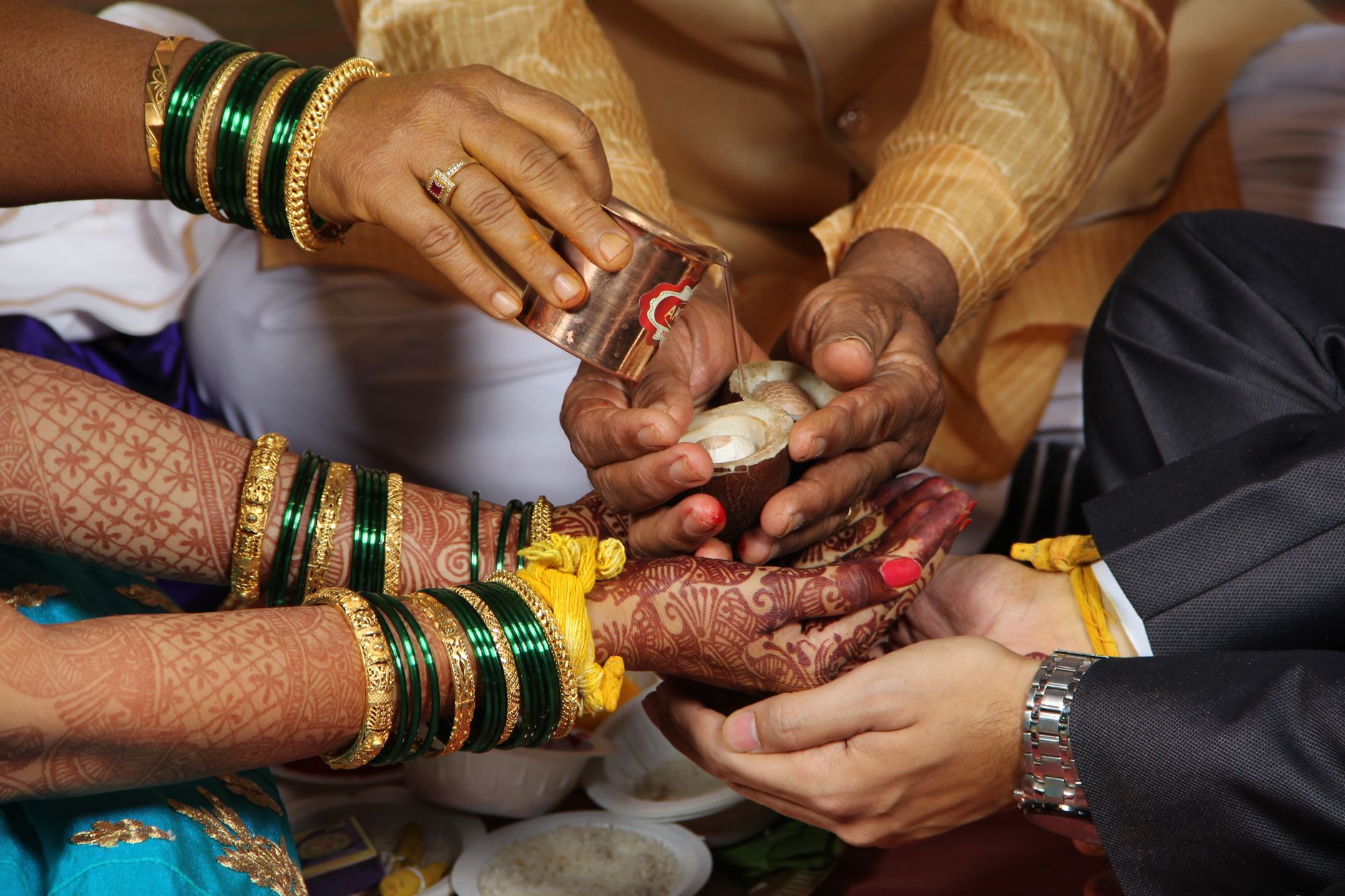
Sacred Supplies for Your Mumbai Wedding
Religious cermony in Mumbai
Traditional Hondu Wedding Ritual Items & Ceremony Supplies in Mumbai
Planning a wedding in Mumbai means navigating a rich tapestry of customs, and sourcing the right Traditional Hondu Wedding Ritual Items & Ceremony Supplies is the foundation every auspicious ceremony deserves. From the sacred agni kund to copper kalash, sindoor dabbi to mangalsutra thali, every object carries spiritual weight and cultural meaning. Families across Mumbai's neighbourhoods — from Dadar's bustling market lanes to Borivali's traditional mandirs — rely on curated wedding ritual essentials kits that ensure nothing is missed on the big day. With auspicious muhurat planning often leaving only days to prepare, Happiffie connects you with trusted suppliers and pandits who understand both Vedic protocols and the modern Mumbai wedding timeline.
Quick Answer
Traditional Hondu Wedding Ritual Items & Ceremony Supplies include all sacred objects required for a Vedic Hindu wedding — agni kund, kalash, panchpatra, sindoor, mangalsutra, havan samagri, supari, coconut, and ritual cloth sets. In Mumbai, these are typically sourced as complete pooja samagri kits or assembled item by item from religious markets. Prices range from ₹1,500 for basic kits to ₹15,000 or more for elaborate, ceremony-specific packages, depending on ritual complexity and material quality.
What Are Traditional Hondu Wedding Ritual Items & Ceremony Supplies and Why Do They Matter?
Traditional Hondu Wedding Ritual Items & Ceremony Supplies are the complete set of sacred objects, ritual cloths, and ceremonial ingredients used during a Vedic Hindu wedding. Each item is prescribed by Shastra and carries a distinct spiritual role. The agni kund (sacred fire vessel) anchors the saptapadi vows; the copper or brass kalash represents divine abundance; the panchpatra and achamani spoon are used for ritual water offerings; and havan samagri — a blend of herbs, ghee, and grains — feeds the sacred fire throughout the ceremony. Traditional wedding ceremony accessories like the supari, betel leaf, turmeric, kumkum, and coconut are offered at every step. In Mumbai, where weddings often blend Maharashtrian, Gujarati, South Indian, and North Indian customs under one roof, having a complete and well-organised supply set prevents last-minute gaps that could disrupt the pandit's flow. Missing even one item can delay an auspicious muhurat, which is considered spiritually and logistically costly. Suppliers on Happiffie categorise these supplies by ritual stage — pre-wedding, mandap ceremony, kanyadaan, and post-ceremony — making it easier for families to plan systematically rather than rushing through Dadar or Matunga markets at the last minute.
Essential Items Included in a Complete Hindu Wedding Pooja Samagri Kit
A well-assembled Hindu wedding pooja samagri kit typically contains 40 to 80 distinct items, organised by ritual sequence. Core items include the agni kund or havan kund, dry mango wood sticks (samidha), pure desi ghee, havan samagri blend, and camphor tablets for the fire rituals. Copper or brass puja vessels — kalash, panchpatra, thali, and diya — form the vessel group. The kanyadaan ritual requires specific items: a yellow cloth, holy water vessel, kusha grass, and gold or silver coin. For the mangalfera (circumambulation of fire), many pandits request separate offerings at each phera. Sacred ceremony puja items like kumkum, haldi, akshat (unbroken rice), and sindoor must be of ritual grade, not cosmetic grade — an important distinction many first-time buyers overlook. Wedding ritual essentials kits sourced through verified suppliers on Happiffie include a printed item checklist cross-referenced with the pandit's requirements, so families can verify completeness before the ceremony day. In Mumbai's high-humidity climate, fragile items like agarbatti sticks and dried flowers should be stored in airtight containers and ideally sourced within 48 hours of the ceremony.
How Much Do Traditional Hondu Wedding Ritual Items & Ceremony Supplies Cost in Mumbai?
Pricing for Traditional Hondu Wedding Ritual Items & Ceremony Supplies in Mumbai varies significantly based on material quality, ritual complexity, and whether you opt for a bundled kit or individual sourcing. A basic kit suitable for a simple Vivah ceremony costs between ₹1,500 and ₹3,500 and includes roughly 30 to 40 items. A mid-range wedding ritual essentials kit covering all major Vedic rites — from ganesh puja to vidai — typically costs ₹4,000 to ₹8,000. Premium kits using pure copper vessels, organic havan samagri, and handloom ritual cloths range from ₹9,000 to ₹15,000. If traditional wedding ceremony accessories like silver thali, engraved kalash, or customised sindoor boxes are added, costs can exceed ₹20,000. In Mumbai's wedding markets — particularly in Dadar, Zaveri Bazaar, and Matunga — individual items are often cheaper, but the time cost and risk of missing something are high. Many families with guests ranging from 50 to 500 find that a curated supplier through Happiffie saves three to five hours of coordination and reduces errors significantly. Budget-conscious couples should plan their Hindu wedding pooja samagri procurement at least three weeks before the wedding to avoid premium last-minute pricing.
Pandit Coordination and Auspicious Muhurat Planning Around Your Supply List
The pandit's ritual script — often passed down through lineage or regional tradition — directly determines which Traditional Hondu Wedding Ritual Items & Ceremony Supplies are needed and in what quantity. Pandit coordination for weddings is therefore not a separate task but integral to supply planning. In Mumbai, pandits performing Maharashtrian Brahmin ceremonies may require a different havan samagri blend than those conducting North Indian or Gujarati rites. Connecting with your pandit at least four weeks before the wedding allows time to receive a personalised item list, resolve substitutions for unavailable ingredients, and confirm quantities based on the number of phere cycles and ritual repetitions. Auspicious muhurat planning also affects delivery timing — if the ceremony begins at 6:30 AM, all supplies must be staged and verified the previous evening. Many Mumbai venue managers in areas like Andheri, Mulund, and Chembur require suppliers to deliver before 9 PM the prior night. Happiffie's vendor network includes suppliers who offer pre-ceremony staging services, arranging sacred ceremony puja items on the mandap thali according to the pandit's preferred layout, reducing ceremony-day stress for the family.
What Is the Role of Wedding Mandap Decoration Setup in Relation to Ritual Supplies?
Wedding mandap decoration setup and ritual supply sourcing are closely intertwined but often handled by different vendors, which creates coordination gaps. The mandap structure defines the spatial arrangement of Traditional Hondu Wedding Ritual Items & Ceremony Supplies — the agni kund must be positioned at the centre, the kalash at the northeast corner, and the ritual thalis within arm's reach of the seated couple. If the mandap decorator and the pooja samagri supplier are not aligned, items may be incorrectly placed or obscured by floral arrangements. In Mumbai weddings held at banquet halls in Goregaon, Thane, or South Mumbai heritage venues, space constraints often require compact vessel arrangements. Eco-friendly wedding traditions are increasingly shaping mandap setups — bamboo kund frames, plantable seed paper decorations, and biodegradable flower offerings are now requested by environmentally conscious families. These choices affect which traditional wedding ceremony accessories are compatible with the decor theme. Happiffie encourages families to book the mandap decorator and ritual supply vendor together, using a shared briefing document that includes the pandit's item layout, so both vendors arrive at the venue with a unified plan. This single-coordination approach has measurably reduced ceremony delays in large Mumbai weddings with guest counts of 300 or more.
Comparing Supply Options for Traditional Hondu Wedding Ritual Items & Ceremony Supplies in Mumbai
Expert Recommendation
Best for intimate home ceremonies (under 50 guests)
Best for large banquet weddings (300+ guests in Andheri or Thane)
Best for destination or heritage venue weddings in South Mumbai
Best for budget-conscious families
Best for eco-conscious couples
Best for multi-regional or fusion ceremonies
How to Choose the Right Option
✅ Pre-booking Checklist
- Obtain a written item list from your pandit specifying quantities and grades for each ritual stage
- Confirm your ceremony's regional tradition (Maharashtrian, Gujarati, North Indian, South Indian) with the supplier before ordering
- Book your Traditional Hondu Wedding Ritual Items & Ceremony Supplies at least three weeks before the wedding
- Arrange delivery to the venue by 9 PM the evening before the ceremony, especially for early-morning muhurats
- Verify all items against the pandit's list the evening before the ceremony and prepare a backup kit for commonly missed items
- Coordinate with the mandap decorator to align item placement with the wedding mandap decoration setup plan
- Confirm fire safety compliance with the venue if using an agni kund, especially in South Mumbai heritage properties
- Request eco-friendly alternatives if your wedding has a sustainability theme, and verify they meet the pandit's ritual standards
🎯 Selection Criteria
- Regional ritual alignment — supplier must understand your specific wedding tradition's requirements
- Item completeness — kit should be cross-referenced with a pandit-approved checklist covering all ceremony stages
- Material quality — distinguish between ritual-grade and commercial-grade items, especially for sindoor, ghee, and havan samagri
- Delivery reliability — confirm the supplier can deliver to your specific Mumbai neighbourhood within agreed timelines
- Flexibility — supplier should allow kit customisation or additions without significant lead-time penalties
- Pandit compatibility — ideally, supplier has worked with pandits of your tradition and understands regional sequencing
💰 Cost / Quality Factors
- Material grade — organic, ritual-grade, and handcrafted items cost 30 to 60 percent more than commercial equivalents but carry greater ritual value
- Kit size — larger, more complex ceremonies (multiple rituals, 200+ guests) require proportionally larger quantities of consumables like ghee and havan samagri
- Mumbai seasonality — peak wedding season (October to February) increases prices and reduces availability, especially for specialty items
- Vessel material — copper and brass are costlier than steel but preferred for ritual authenticity; silver or gold-plated items are premium
- Delivery and staging service — pre-staged delivery with a layout plan adds to cost but reduces day-of chaos significantly
- Eco-friendly premium — sustainable or organic ritual supply kits typically cost 15 to 25 percent more than standard kits
⚠️ Common Mistakes to Avoid
- Ordering supplies without first getting the pandit's specific item list — generic kits often miss tradition-specific items
- Confusing cosmetic-grade sindoor, kumkum, or haldi with ritual-grade equivalents — always specify ritual-grade when ordering
- Leaving supply procurement to the last week — peak-season shortages in Mumbai are common for specialty items like kusha grass and organic ghee
- Failing to coordinate with the mandap decorator on item placement — misaligned setups cause ceremony delays
- Ignoring venue fire safety rules when planning the agni kund setup — non-compliance can result in the venue stopping the ceremony
- Not keeping a backup stock of consumables like camphor, ghee, and agarbatti — these are frequently needed in larger quantities than estimated
People Also Ask
What items are typically included in a Hindu wedding pooja samagri kit in Mumbai?
How early should I order Traditional Hondu Wedding Ritual Items & Ceremony Supplies in Mumbai?
Can I get a customised supply kit based on my specific regional wedding tradition?
What is the difference between ritual-grade and cosmetic-grade sindoor and why does it matter?
Do I need separate supplies for the pre-wedding and main wedding ceremony?
How does auspicious muhurat planning affect when I should arrange supplies?
Are eco-friendly alternatives available for traditional wedding ritual supplies in Mumbai?
What happens if a required ritual item is missing on the wedding day?
Related Experiences on Happiffie
Complete Pooja Samagri Collections
Sacred Pooja Kits for Every Ceremony
Sacred Items for Every Religious Ceremony
Sacred Oonjal Ceremonies in Mumbai
Elegant Bridal Car Decor for Your Church Wedding
All Wedding & Event Services
Frequently Asked Questions
Where can I source Traditional Hondu Wedding Ritual Items & Ceremony Supplies in Mumbai?
How do I know if a Traditional Hondu Wedding Ritual Items & Ceremony Supplies kit is region-specific enough for my ceremony?
What is ritual-grade havan samagri and why is it important?
Can a single supplier handle both the sacred ceremony puja items and the mandap decoration for my Mumbai wedding?
Are there organic or natural havan samagri options available in Mumbai for eco-conscious families?
What is the minimum budget for Traditional Hondu Wedding Ritual Items & Ceremony Supplies for a 100-guest Mumbai wedding?
What should I do if my Mumbai venue prohibits open flames for the agni kund?
How far in advance should I confirm pandit coordination for weddings when also ordering ritual supplies?
Key Takeaways
- Traditional Hondu Wedding Ritual Items & Ceremony Supplies encompass 40 to 80 distinct sacred objects organised by ritual stage, from pre-wedding pujas to post-ceremony rites.
- In Mumbai, pricing ranges from ₹1,500 for basic kits to ₹15,000 or more for premium, regionally customised packages using copper vessels and organic havan samagri.
- Always obtain a written item list from your pandit before sourcing, as regional traditions (Maharashtrian, Gujarati, North Indian, South Indian) have distinct requirements.
- Book supplies at least three weeks before the wedding and arrange venue delivery by 9 PM the prior evening to accommodate early auspicious muhurats.
- Coordinate your ritual supply supplier with the wedding mandap decoration setup team to ensure items are correctly positioned according to Vedic spatial requirements.
- Eco-friendly wedding traditions are growing in Mumbai — organic havan samagri, clay vessels, and biodegradable offerings maintain full ritual authenticity while reducing environmental impact.
- A curated supplier through Happiffie reduces coordination risk, provides a pandit-aligned checklist, and saves three to five hours of procurement time compared to individual market sourcing.
- Never substitute cosmetic-grade sindoor, kumkum, or haldi for ritual-grade equivalents — purity of sacred ceremony puja items is central to Vedic compliance.
Source Authentic Wedding Ritual Supplies on Happiffie
Connect with verified Mumbai suppliers for complete, pandit-approved Traditional Hondu Wedding Ritual Items & Ceremony Supplies — delivered and staged to your venue.
Explore Ritual Suppliers
Are you a Vendor? Grow Your Business with Happiffie!
- High intent verified leads
- Reverse auction opportunities
- AI business tools & insights
- Dedicated vendor dashboard
- Grow your business, your way
It's free & takes less than 2 minutes!