
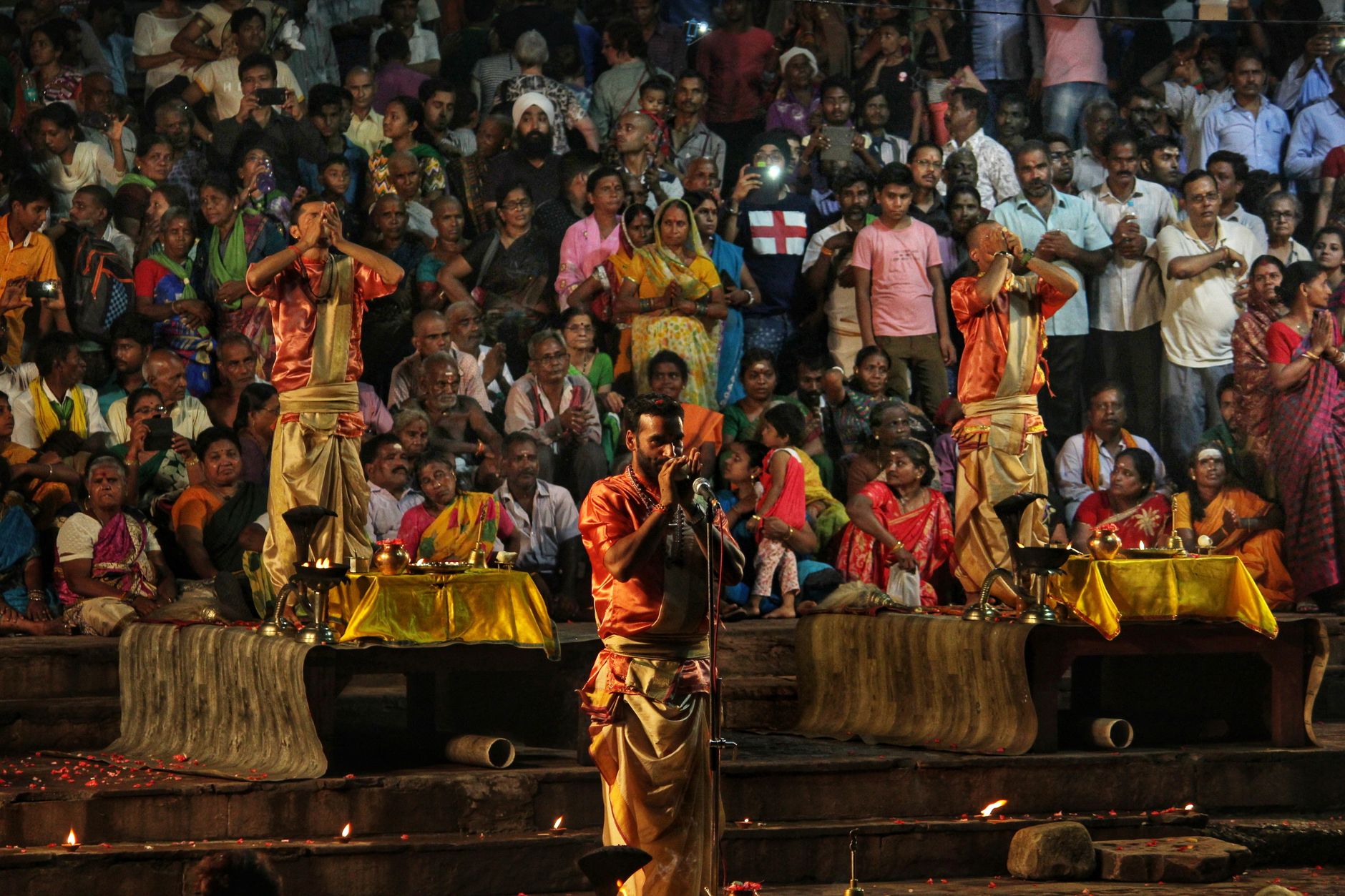
Sacred Music for Every Ceremony in Goa
Religious cermony in Goa
Traditional Devotional Music Experiences in Goa for Religious Ceremonies
Goa is far more than sun-kissed beaches and carnival beats. Beneath the festive surface lies a deeply spiritual culture — from the ghats of the Mandovi River to the incense-filled corridors of Mangeshi Temple — where Traditional Devotional Music Experiences form the beating heart of every religious ceremony. Whether you are planning a grand Hindu wedding at a riverside resort in Ponda, an intimate namakarana at a North Goa villa, or a satyanarayan katha in a Panaji ancestral home, the right bhajan and kirtan performances can transform a ritual into a transcendent memory. Combined with thoughtful wedding pooja ambiance setup, sacred melodies elevate every moment from puja aarti to the final vidai, ensuring that guests of all ages feel the divine presence throughout your celebration.
Quick Answer
Traditional Devotional Music Experiences in Goa are professionally curated live performances — including bhajans, kirtans, Sanskrit shloka recitations, and Konkani devotional folk songs — performed at religious ceremonies such as weddings, naming rituals, griha pravesh, and temple celebrations. Goa-based artists blend coastal Konkani traditions with classical Carnatic and Hindustani styles. Packages typically range from ₹8,000 to ₹80,000 depending on group size, duration, and event type.
What Makes Traditional Devotional Music Experiences So Special in Goa?
Goa's religious culture is a rich tapestry woven from Konkani Hindu traditions, Gaud Saraswat Brahmin customs, and centuries of coastal devotional practice. Traditional Devotional Music Experiences here carry a distinctly local flavour — artists blend classical ragas with Konkani devotional folk idioms, creating a sound that feels both ancient and intimately familiar to local families. Unlike generic playlist-based ceremonies, live performances respond to the rhythm of the rituals, swelling during aarti, softening during mantras, and building to joyful crescendos at auspicious moments. Konkani cultural music traditions draw from compositions dedicated to deities like Shri Ramnathi, Shri Mahalasa, and Shri Shantadurga — names that carry profound meaning for Goan families. When you engage skilled live devotional singing artists, they bring not just musical talent but also deep knowledge of ritual timings, so the music never clashes with the priest's recitations. For a nagarvasi family in Margao or a Diaspora family flying in from Bengaluru, hearing these traditional melodies performed live reconnects generations across distance and time. The result is a ceremony that feels rooted, reverent, and genuinely Goan — something no streaming app can replicate.
Types of Devotional Music Formats Available for Ceremonies in Goa
When booking religious ceremony music Goa has to offer, you will find a broad spectrum of formats to suit every occasion and budget. Bhajan and kirtan performances are the most popular, ranging from solo harmonium-and-tabla duos ideal for intimate puja settings to full mandali groups of eight or more vocalists suited for large wedding mandaps in South Goa resorts. Sanskrit shloka recitation services add a scholarly dimension — trained pandits and artists chant Vedic hymns, Vishnu Sahasranama, or Lalita Sahasranama as standalone performances or interspersed between other rituals. For Konkani-language ceremonies, namasankeertana groups perform compositions in the coastal mother tongue, deeply meaningful for Goan Saraswat communities. Shehnai and nadaswaram ensembles are popular for outdoor processions and mandap entrances, especially at heritage properties in Old Goa and Quepem. Carnatic vocal performances suit more formal occasions such as upanayana or thread ceremonies. Some artists also offer fusion formats where classical compositions are presented with light classical instrumental accompaniment — a thoughtful choice for multi-community families who want inclusive sacred music. Understanding these formats helps you match the musical energy to the emotional arc of your specific ceremony.
How Much Does Religious Ceremony Music Cost in Goa?
Pricing for Traditional Devotional Music Experiences in Goa depends on several variables: group size, performance duration, travel distance, and the reputation of the artists. A solo vocalist with harmonium and tabla for a one-hour satyanarayan katha in Panaji typically starts at ₹8,000–₹12,000. A mid-sized bhajan mandali of four to six artists for a two-to-three-hour wedding ceremony performance in Mapusa or Ponda generally ranges from ₹20,000 to ₹40,000. Premium ensembles — those with professional recording credits, regular temple festival appearances, or Carnatic music academy affiliations — charge ₹45,000 to ₹80,000 for half-day wedding bookings. Sanskrit shloka recitation services with a qualified Veda-trained pandit cost ₹10,000 to ₹25,000 for a full ceremony set. If your venue is in a remote part of South Goa or requires overnight accommodation for artists, add a travel and stay allowance of ₹3,000 to ₹8,000. For a wedding pooja ambiance setup that includes both music and floral-fragrance coordination, bundled packages from event managers can bring the cost down by 10–15 percent compared to booking each element separately. Always request an itemised quote to avoid surprises on the day.
Planning Your Ceremony: Matching Music to Goa's Unique Venues and Seasons
Goa's venue diversity is unmatched — from heritage mansions in Chandor and Loutolim to beachside resorts in Calangute, forest-edge retreats in Molem, and riverside banquet lawns in Vasco da Gama. Each setting calls for a different acoustic approach, which is why live devotional singing artists experienced in Goa's varied venues are worth their premium. Beachside ceremony sound arrangements require artists comfortable with open-air acoustics and sea breezes — a small PA system and careful microphone placement are essential. Indoor temple halls and ancestral homes in Margao have natural reverb that amplifies even an unamplified harmonium beautifully, making minimal amplification the preferred choice. Goa's two primary ceremony seasons mirror its wedding calendar: October to February (post-monsoon, cooler, festive) and April to May (pre-monsoon, suited for daytime rituals). During peak winter season, especially around Diwali, Christmas, and Makar Sankranti, experienced bhajan and kirtan performances groups book up two to three months in advance. Monsoon ceremonies from June to September are intimate affairs where acoustic indoor performances shine. Always confirm the artist's experience with your specific venue type, and ask whether they have performed at similar auspicious ceremony planning Goa events before. A site visit or video call with the venue manager and artist together is ideal for high-budget bookings.
What Should You Ask a Devotional Music Artist Before Booking?
Choosing the right provider for Traditional Devotional Music Experiences requires targeted questions that go beyond a quick price check. Start by asking for a recorded sample specifically of bhajan and kirtan performances in a ceremony setting — studio recordings sound very different from live event audio, and you want to hear how they perform under real conditions. Ask whether the artists are familiar with your regional tradition: a Goud Saraswat Brahmin family from Ponda has different preferred compositions than a Vaishnava family from Karnataka relocating to Goa. Confirm whether Sanskrit shloka recitation services are included or a separate add-on, and whether the lead vocalist can guide an audience through participatory singing (samooh kirtan) if that is your vision. Inquire about backup arrangements — does the group have a substitute if the harmonium player falls ill? Discuss amplification: will they bring their own sound equipment, or do they need coordination with your venue's audio team? For Konkani cultural music traditions, ask whether the artists have performed the specific compositions your family considers traditional, such as those associated with your kuldaivat deity. Finally, clarify payment terms, cancellation policy, and whether they charge extra for late-night ceremony extensions. Answers to these questions will quickly reveal which artists are genuinely professional and which are not.
Comparing Devotional Music Setup Options for Religious Ceremonies in Goa
Expert Recommendation
Best for Intimate Home Pujas and Satyanarayan Kathas
Best for Large Wedding Mandap Ceremonies
Best for Beachside or Outdoor Ceremonies
Best for Konkani Heritage and Cultural Authenticity
Best for Budget-Conscious Families
Best for Destination Weddings with Multi-Community Guests
How to Choose the Right Option
✅ Pre-booking Checklist
- Confirm the ceremony type and duration so artists can prepare the correct repertoire and stage transitions.
- Listen to live-event recordings of the artists, not just studio demos, before finalising.
- Verify that the lead vocalist understands your regional tradition — Saraswat, Vaishnava, or other — and your kuldaivat deity.
- Discuss amplification requirements with both the artist and the venue's audio team at least two weeks before the ceremony.
- Book a pre-ceremony rehearsal or at minimum a detailed phone walkthrough with the priest and artists together.
- Secure the booking with a written agreement covering performance duration, travel allowance, cancellation policy, and equipment responsibilities.
- Confirm availability of a backup artist or substitute in case of illness or emergency on the ceremony day.
- Finalise the payment schedule — typically 30 percent advance and 70 percent on the day of performance.
🎯 Selection Criteria
- Familiarity with Goan Konkani devotional traditions and specific deity compositions relevant to your family.
- Live performance experience at similar venues — indoor heritage homes, beachside venues, or large resort mandaps.
- Ability to coordinate musically with the officiating priest's ritual flow and timing cues.
- Range of formats offered — bhajans, kirtan, shlokas — so you can get a comprehensive experience from a single booking.
- Professional reliability: references, prior event testimonials, and a clear written agreement.
- Equipment ownership and technical capability, especially for outdoor or acoustically challenging venues.
💰 Cost / Quality Factors
- Group size directly impacts cost — each additional artist adds ₹3,000–₹8,000 to the package.
- Venue remoteness and travel distance from Panaji or Margao can add ₹3,000–₹8,000 in travel and stay costs.
- Season matters: peak winter wedding season (October–February) commands 20–30 percent higher rates.
- Artist reputation and performance credentials — temple-circuit regulars or music academy affiliates charge premiums.
- Duration of performance and number of ceremony phases covered in the package.
- Equipment provision — groups that bring their own quality PA systems often charge more but eliminate coordination risk.
⚠️ Common Mistakes to Avoid
- Booking an artist without hearing a live-event recording specific to a ceremony setting, not a concert stage.
- Forgetting to brief the music artists and the officiating priest together, leading to clashes during key ritual moments.
- Underestimating the acoustics of outdoor or beachside venues and not confirming dedicated sound equipment.
- Waiting until the last month to book, especially for peak wedding season when quality mandali groups are unavailable.
- Choosing purely on price and overlooking cultural fit — generic artists unfamiliar with Konkani customs can disrupt a ceremony.
- Not confirming a cancellation or backup policy in writing, leaving you exposed if an artist cancels close to the ceremony date.
People Also Ask
What are Traditional Devotional Music Experiences at a wedding ceremony in Goa?
How far in advance should I book devotional music artists in Goa?
Can I request Konkani devotional songs specifically for my Goa ceremony?
What is the difference between a bhajan group and a kirtan ensemble for religious ceremonies?
Are Sanskrit shloka recitation services suitable for all Hindu ceremonies in Goa?
How much does it cost to book a bhajan mandali for a wedding in South Goa?
Can devotional music artists perform at beachside ceremonies in Goa?
What venues in Goa are best suited for live devotional music?
Do devotional music groups in Goa also coordinate with the wedding priest?
What instruments are typically used in religious ceremony music in Goa?
Is auspicious ceremony planning in Goa different from other Indian states?
Can I book Traditional Devotional Music Experiences for a small home puja in Goa?
Related Experiences on Happiffie
Stream Your Sacred Moments Live
Live Voices, Goa Waves & Magic
Capture Every Pune Wedding Memory
Vamanan Umbrella Ceremony in Goa
Divine Ceremonies Made Perfect
All Wedding & Event Services
Frequently Asked Questions
What types of Traditional Devotional Music Experiences are popular for Goan Hindu weddings?
How do I know if a devotional music artist is experienced with Goan Konkani traditions?
Is it possible to have Traditional Devotional Music Experiences at a destination wedding venue outside Goa's main towns?
Can traditional devotional music be performed alongside a DJ or live band at a Goa wedding reception?
Are there female devotional music artists available for ceremonies in Goa?
What is the typical duration of a devotional music performance at a Goa religious ceremony?
Do devotional music artists in Goa provide their own instruments and sound equipment?
What is the best time of year to host a religious ceremony with live devotional music in Goa?
How does Happiffie help me find Traditional Devotional Music Experiences in Goa?
Can I request a mix of Hindi and Konkani devotional songs for my ceremony?
What happens if the devotional music artist cancels last minute before my Goa ceremony?
Is Sanskrit shloka recitation necessary if I already have a priest officiating my ceremony?
Key Takeaways
- Traditional Devotional Music Experiences in Goa blend Konkani heritage, classical Indian music, and coastal spiritual traditions to create deeply meaningful religious ceremonies.
- Formats range from solo bhajan vocalists for intimate home pujas (from ₹8,000) to full mandali ensembles for large wedding mandaps (up to ₹80,000).
- Booking two to three months in advance is essential for peak winter season (October–February) when quality artists are in high demand.
- The right artist should be familiar with your family's specific kuldaivat tradition, regional customs, and ritual sequence — cultural fit matters as much as musical skill.
- Beachside and outdoor venues in Goa require dedicated PA systems and artists experienced in coastal acoustic conditions.
- Bundling devotional music with a wedding pooja ambiance setup through a coordinated vendor can reduce overall ceremony costs by 10–15 percent.
- Always secure a written agreement covering duration, equipment, travel allowance, cancellation terms, and backup arrangements before paying any advance.
- Happiffie simplifies the search by connecting Goa families with verified devotional music artists across all ceremony types and budgets.
Book Sacred Music for Your Goa Ceremony Today
Discover verified Traditional Devotional Music Experiences across Goa on Happiffie. Compare artists, check availability, and get personalised quotes for your religious ceremony.
Explore Devotional Artists
Are you a Vendor? Grow Your Business with Happiffie!
- High intent verified leads
- Reverse auction opportunities
- AI business tools & insights
- Dedicated vendor dashboard
- Grow your business, your way
It's free & takes less than 2 minutes!