
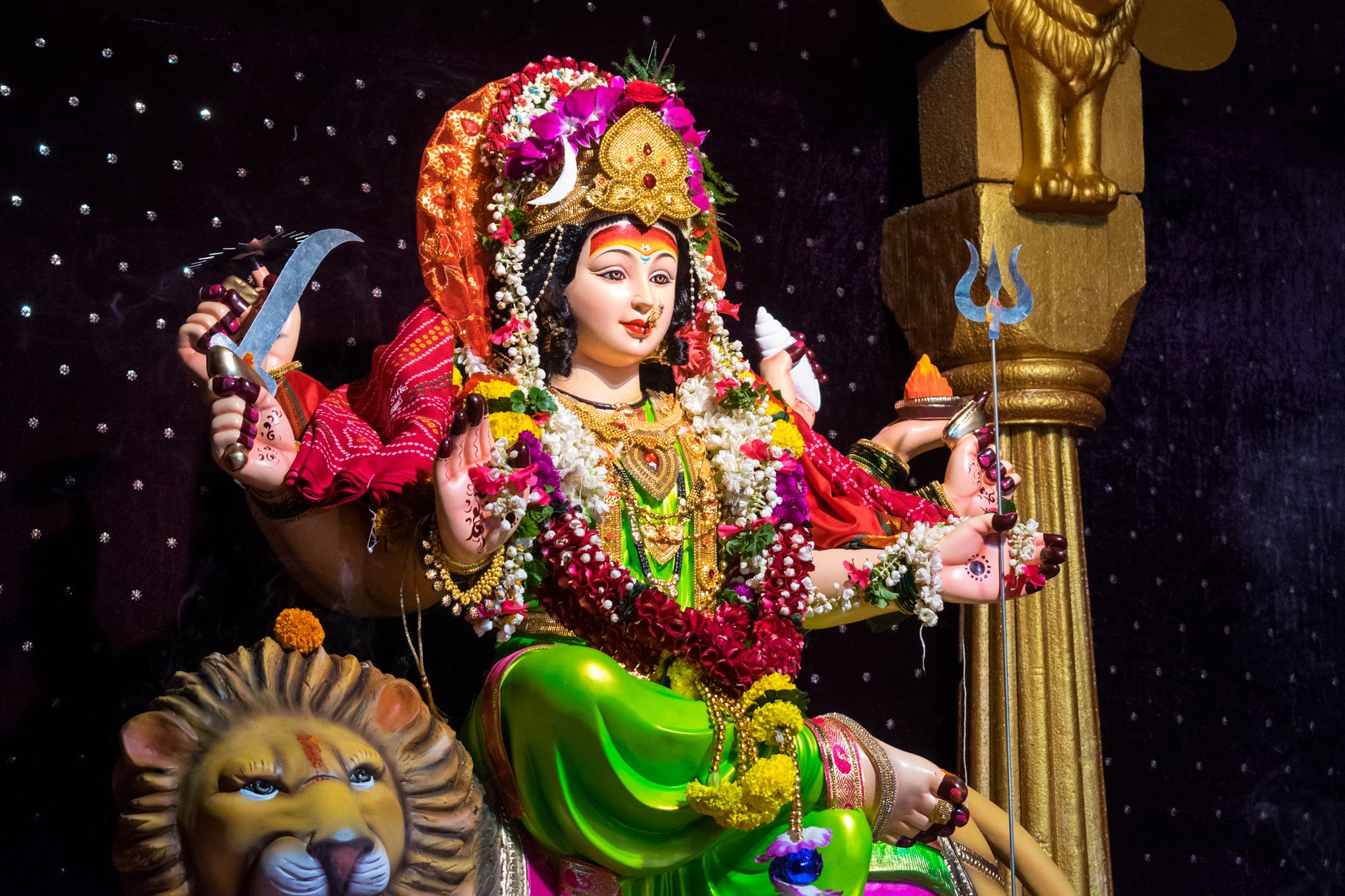
Stream Your Sacred Moments Live
Religious cermony in Goa
Digital Religious Ceremony Broadcasting in Goa
Goa is a land where faith runs as deep as the Arabian Sea — from the fragrant agarbatti smoke rising in Margao mandirs to the midnight masses echoing through Old Goa's basilicas. Yet modern families are spread across Mumbai, the Gulf, North America, and beyond, making it nearly impossible for everyone to witness a griha pravesh, namakarana, or wedding vidhi in person. That is exactly why Digital Religious Ceremony Broadcasting has become an essential service for Goan families. With professional-grade live streaming of religious rituals, your relatives in Dubai or Delhi can watch every aarti, every phera, and every blessing in real time on their phones or smart TVs. Paired with the right virtual puja ceremony telecast setup and thoughtful event videography packages Goa providers offer, you get pristine audio and video that captures the sacred energy — not just the visuals.
Quick Answer
Digital Religious Ceremony Broadcasting is the professional live streaming and recording of Hindu, Catholic, Muslim, or other religious ceremonies — pujas, masses, nikaahs, namakарanas — so that family members who cannot attend in person can watch in real time from anywhere in the world. In Goa, specialist teams set up multi-camera rigs, stable internet connections, and dedicated streaming links, typically charging between ₹8,000 and ₹60,000 depending on duration, cameras, and platform.
What Is Digital Religious Ceremony Broadcasting and Why Does Goa Need It?
Digital Religious Ceremony Broadcasting is the end-to-end process of capturing a live religious event — through professional cameras, directional microphones, and a stable high-speed internet connection — and transmitting it simultaneously to an online audience on platforms such as YouTube Live, Zoom, or a private streaming link. In Goa's multicultural landscape, this service is relevant for Hindu families performing satyanarayan puja or upanayana, Catholic families hosting First Communion or wedding masses in heritage churches, Muslim families conducting nikaahs, and even Buddhist or Jain communities celebrating festivals. The Konkani diaspora is particularly widespread; second and third-generation Goans living in Bengaluru, the UAE, or the United States often express heartfelt regret at missing pivotal family milestones. Digital Religious Ceremony Broadcasting solves that problem elegantly by converting any venue — a village home in Ponda, a beachside resort in Candolim, a centuries-old chapel in Velha Goa — into a live broadcast studio. Unlike a casual phone video, a professional broadcast includes multi-angle coverage, noise-cancelling audio for Sanskrit shlokas or Latin hymns, and a stable stream that does not buffer at the crucial moment of the main ritual. Families who invest in online religious event live stream services consistently report that distant relatives feel emotionally present rather than merely informed. The service also produces a high-quality archive recording, so future generations can revisit their family's sacred history.
Types of Religious Ceremonies in Goa That Benefit From Live Streaming
Goa's religious diversity means that Digital Religious Ceremony Broadcasting teams here are trained to handle a remarkably wide range of ceremonies. Hindu ceremonies like griha pravesh, annaprashan, janoi (thread ceremony), mundan, and multi-day wedding rituals such as haldi, mehendi, and saat pheras are among the most commonly streamed. The wedding live streaming in Goa segment alone has grown dramatically since 2020, with families making it a standard line item in their wedding budget rather than an optional extra. Catholic ceremonies present their own technical requirements: churches in Old Goa, such as those near the iconic Basilica of Bom Jesus area, have challenging acoustics, dim lighting near altars, and strict no-tripod rules in certain areas, making experienced professionals essential. Muslim nikaah ceremonies, often held in private homes in Panaji's Muslim Quarter or in Margao's community halls, require discreet, non-intrusive setups. For all these events, remote devotional ceremony broadcast specialists coordinate in advance with the priest, pastor, or qazi to understand the sequence of rituals, ensuring no important moment is missed. Unique Goan celebrations like the Feast of St. Francis Xavier and Bonderam Festival are also increasingly being streamed for the global Goan diaspora. Whether you are arranging a simple satyanarayan puja at a Mapusa flat or a grand destination wedding at a North Goa villa, a virtual puja ceremony telecast service can be scaled to suit the venue and guest count.
How Much Does Digital Religious Ceremony Broadcasting Cost in Goa?
Pricing for Digital Religious Ceremony Broadcasting in Goa is influenced by several variables, and understanding these upfront helps you plan a realistic budget. Entry-level single-camera setups with a basic YouTube Live stream for short ceremonies (up to two hours) typically start at ₹8,000 to ₹12,000. This is well-suited for a griha pravesh or a small puja where the guest count online is under 50. Mid-range packages for events like namakarana, upanayana, or Catholic confirmation ceremonies, running three to five hours and requiring two cameras plus dedicated audio, range from ₹18,000 to ₹35,000. Premium multi-camera productions for full-day weddings — capturing everything from the saat pheras to the reception — can range from ₹45,000 to ₹80,000 or more when combined with event videography packages Goa providers bundle together. Additional cost factors include the requirement for a dedicated 4G/5G dongle or a venue Wi-Fi upgrade, which adds ₹2,000 to ₹5,000; a private streaming link for family-only access costs slightly more than public YouTube streams; and same-day edited highlight clips attract an additional ₹5,000 to ₹15,000. For budget-conscious families, booking the live streaming of religious rituals as an add-on to an existing photography or videography contract often yields a 15 to 25 percent saving compared to booking standalone. Always confirm whether travel charges apply for venues in remote talukas like Sattari or Canacona.
Choosing the Right Setup: A Technical Guide for Goan Venues
Every venue type in Goa presents unique technical challenges that affect the quality of your Digital Religious Ceremony Broadcasting experience. Beach-facing venues in North Goa localities like Baga, Anjuna, and Arambol deal with wind noise, fluctuating sunlight, and unreliable mobile internet near the sea. A professional team will use windshield microphone covers, high-dynamic-range cameras, and a pre-tested 4G bonding router to ensure the remote devotional ceremony broadcast remains stable throughout. Heritage properties and traditional Goan houses (known as wadas) in South Goa localities like Loutolim or Quepem often have narrow interiors, low ceilings, and limited power points — compact PTZ cameras and wireless audio systems work best here. Church ceremonies in Old Goa's landmark churches demand telephoto lenses because cameras are typically restricted to the rear of the nave, yet the altar must appear close and clear to online viewers. Hotels and resorts — popular for destination weddings in areas like Calangute, Candolim, and Vagator — usually offer reliable Wi-Fi but require advance coordination with the banquet manager to access dedicated bandwidth. For multi-location family viewing setup scenarios, where the stream needs to reach a joint family simultaneously watching in three different cities, a private password-protected link on a platform like Vimeo Livestream or a custom RTMP stream is more dependable than public social media. Always request a tech rehearsal at least 30 minutes before the ceremony begins — this single step prevents the majority of last-minute streaming failures.
What Should You Ask Before Booking a Digital Religious Ceremony Broadcasting Service in Goa?
Asking the right questions before confirming a booking saves you stress on the actual ceremony day. First, ask the provider how many live streaming of religious rituals events they have handled in Goa specifically, because local experience translates into knowledge of venue restrictions, internet black spots, and cultural protocols. Second, confirm whether they carry backup equipment — a second camera body, a spare audio transmitter, and a mobile data router — because professional teams never rely on a single device. Third, understand the streaming platform: YouTube Live is free but public by default; a private link via Zoom or a dedicated streaming platform is better for family-only access and avoids unwanted viewers. Fourth, ask about the pandit booking for home ceremony coordination — do they liaise directly with your priest to learn the ritual sequence? This matters for online religious event live stream quality because an uninformed cameraperson will miss the pivotal moments. Fifth, clarify the deliverable: is there a recorded file, when is it available, and in what resolution? Families planning to use the footage for future memory-sharing deserve at least a 1080p file. Sixth, discuss contingency plans: what happens if mobile data fails mid-ceremony? A professional Digital Religious Ceremony Broadcasting team will have a redundant connection or a pre-agreed pause-and-resume protocol. Finally, read the cancellation and rescheduling policy carefully, as Goa's monsoon season (June to September) can cause last-minute venue changes that affect the technical setup.
Digital Religious Ceremony Broadcasting Setup Options in Goa: A Side-by-Side Comparison
Expert Recommendation
Best for intimate home pujas (10–30 online viewers)
Best for large destination weddings (100+ online viewers)
Best for Catholic church ceremonies in Old Goa
Best for budget-conscious families
Best for multi-city joint family viewing
Best for traditional South Goa ceremonies in heritage wadas
How to Choose the Right Option
✅ Pre-booking Checklist
- Confirm the streaming team has prior experience with your specific ceremony type — Hindu, Catholic, Muslim, or other
- Verify that backup internet equipment (spare SIM, bonded router) is included in the package
- Obtain written venue or church permission for camera placement at least two weeks before the ceremony
- Share the detailed ritual sequence or ceremony order with the streaming team in advance
- Test the streaming link with at least two online family members during a rehearsal session
- Clarify deliverables: recording file format, resolution, delivery timeline, and storage method
- Confirm whether travel charges apply for your specific Goa location, especially remote talukas
- Check the cancellation and rescheduling policy in case of monsoon-related disruptions
🎯 Selection Criteria
- Demonstrated local experience with Goa venues and cultural ceremony formats
- Quality and redundancy of internet connectivity equipment
- Number of cameras and operators included in the package
- Platform flexibility — ability to stream to YouTube, Zoom, private links, or family-chosen platforms
- Inclusion of a recorded archive file in high resolution (minimum 1080p)
- Transparent pricing with no hidden charges for travel, editing, or platform fees
💰 Cost / Quality Factors
- Ceremony duration: longer events require more data, more battery packs, and higher operator fees
- Venue type: beach, church, heritage home, or resort each require different technical approaches
- Online audience size: larger audiences need more stable, higher-bandwidth streaming infrastructure
- Level of production polish: raw live stream vs. curated virtual puja ceremony telecast with overlays
- Monsoon season (June–September) adds risk of power cuts and connectivity issues, requiring better backup systems
- Distance of venue from North Goa hubs like Panaji affects travel costs and team availability
⚠️ Common Mistakes to Avoid
- Relying on the venue's shared Wi-Fi without testing upload speed in advance
- Not briefing the streaming team on the ritual order, causing missed key moments
- Booking a photography-only team without confirmed live streaming experience
- Forgetting to share the private streaming link with all intended online viewers before the ceremony begins
- Ignoring audio quality — poor sound ruins the experience even when video is excellent
- Skipping a test stream rehearsal and discovering technical issues only after the ceremony has started
People Also Ask
Can I stream a puja ceremony live to family abroad from my home in Goa?
Which platforms are used for religious ceremony live streaming in Goa?
How far in advance should I book a live streaming team for a religious event in Goa?
Is live streaming allowed inside churches in Goa?
What internet speed is needed for a high-quality religious ceremony live stream in Goa?
How many cameras are typically used for a religious ceremony live stream?
Can the live stream be saved and shared after the ceremony?
Are there package deals that combine photography, videography, and live streaming for religious events in Goa?
Is Digital Religious Ceremony Broadcasting suitable for small home pujas with only 10 to 20 online viewers?
What is the difference between live streaming and a virtual puja ceremony telecast?
Do streaming teams in Goa coordinate with priests or pandits about the ceremony schedule?
What happens if the internet fails mid-ceremony during a live stream?
Related Experiences on Happiffie
Stream Your Sacred Moments Live
Stream Your Goa Wedding Live
Book Temple Ceremonies Online
Professional Drone Event Coverage
Forex Desks for Pune Wedding Events
All Wedding & Event Services
Frequently Asked Questions
What is Digital Religious Ceremony Broadcasting and how does it work in Goa?
How much does Digital Religious Ceremony Broadcasting cost in Goa?
Is live streaming of religious rituals available for Catholic ceremonies in Goa's heritage churches?
Can I get a private streaming link so only my family can watch the ceremony?
What kind of internet connection do streaming teams use in Goa's remote or beachside locations?
Can a streaming team also provide a recorded copy of the ceremony after the event?
Is it possible to stream a multi-day wedding ceremony in Goa across all rituals?
How do I ensure the pandit or priest is comfortable with a streaming team present?
What is the best platform for a virtual puja ceremony telecast in Goa?
Are there Digital Religious Ceremony Broadcasting services available in South Goa, not just North Goa?
Can I book Digital Religious Ceremony Broadcasting for a small one-hour satyanarayan puja at home?
How do I compare and book Digital Religious Ceremony Broadcasting services on Happiffie?
Key Takeaways
- Digital Religious Ceremony Broadcasting transforms any Goa venue into a live broadcast studio, connecting diaspora families across the world to sacred milestones in real time.
- Pricing in Goa ranges from ₹8,000 for basic single-camera home puja setups to ₹80,000+ for multi-camera full-day wedding broadcasts.
- Professional teams handle internet redundancy, backup equipment, and cultural protocol — essential for seamless live streaming of religious rituals.
- Church ceremonies, heritage wadas, and beachside venues each present unique technical challenges that require locally experienced broadcasting teams.
- Bundling live streaming with existing event videography packages Goa providers offer typically saves 15–25 percent versus standalone bookings.
- A virtual puja ceremony telecast with production overlays adds context for diaspora viewers unfamiliar with ritual sequences, increasing emotional engagement.
- Always request a technical rehearsal, secure venue permissions in advance, and share the streaming link with online viewers before the ceremony starts.
- Happiffie connects Goan families with verified Digital Religious Ceremony Broadcasting professionals, making it easy to compare packages, read reviews, and book confidently.
Stream Your Sacred Moments to Every Corner of the World
Connect your family across cities and countries with professional Digital Religious Ceremony Broadcasting in Goa. Get matched with verified local experts on Happiffie today.
Explore Streaming Packages
Are you a Vendor? Grow Your Business with Happiffie!
- High intent verified leads
- Reverse auction opportunities
- AI business tools & insights
- Dedicated vendor dashboard
- Grow your business, your way
It's free & takes less than 2 minutes!