
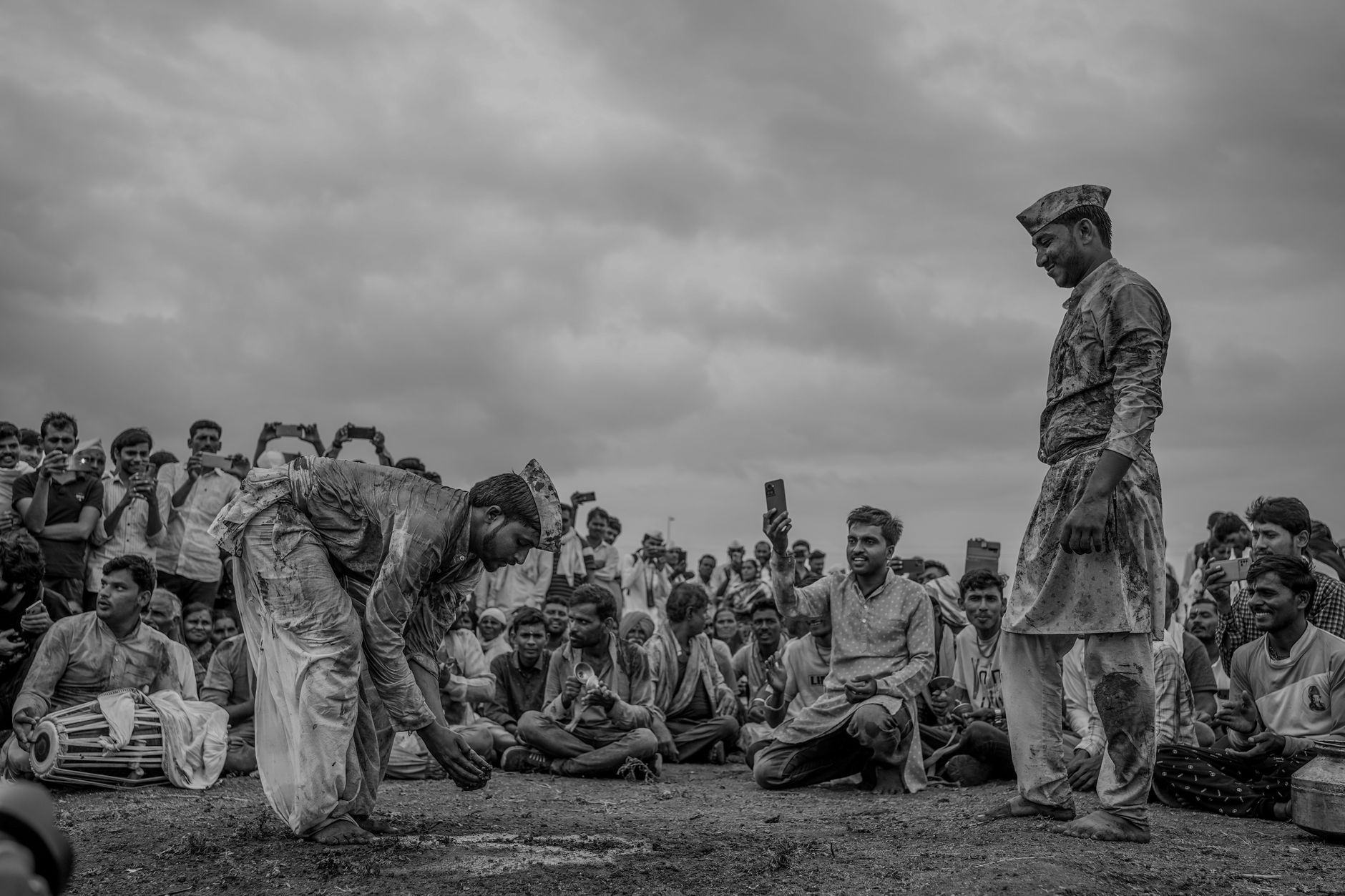
Sacred Music for Every Holy Occasion
Religious cermony in Pune
Devotional Bhajan & Spiritual Music Groups in Pune
Pune, a city steeped in Marathi culture and Warkari devotion, has always held sacred music at the heart of its celebrations. Whether you are planning a satyanarayan puja in Kothrud, a gruhapravesh in Baner, or a grand wedding ceremony in Hadapsar, inviting Devotional Bhajan & Spiritual Music Groups transforms the atmosphere from a mere gathering into a truly divine experience. These ensembles bring live harmonium, tabla, cymbals, and soul-stirring vocals that fill your venue with positive energy and heartfelt devotion. On Happiffie, you can explore verified religious music performers in Pune who specialize in Vaishnav kirtans, Ganesh stotra recitations, Sufi devotional music, and Sanskrit shlokas, ensuring the pooja ceremony music arrangement matches the exact tradition your family follows. From intimate namkaran ceremonies of 30 guests to large-scale navratri celebrations hosting 500 devotees, there is a perfectly matched group waiting to sanctify your event.
Quick Answer
Devotional Bhajan & Spiritual Music Groups are live music ensembles that perform sacred songs, kirtans, shlokas, and devotional hymns at religious ceremonies and celebrations. In Pune, these groups typically include vocalists, harmonium players, tabla artists, and cymbal players. They are hired for pujas, weddings, namkarans, gruhapravesh, navratri, and other auspicious occasions, creating a spiritually uplifting atmosphere for guests and family.
What Do Devotional Bhajan & Spiritual Music Groups Actually Offer?
Devotional Bhajan & Spiritual Music Groups are far more than background performers. They are custodians of a centuries-old oral tradition that transforms any religious gathering into a living temple. A typical group consists of two to six artists who collectively manage vocals, harmonium, tabla, mridangam, dholak, manjeera, and sometimes a tanpura for melodic depth. In Pune, you will find groups specialising in specific traditions — Warkari sampraday kirtans dedicated to Vitthal, Ganesh bhajans ahead of auspicious occasions, Ram Naam sankirtan for Ekadashi evenings, and even Sufi qawwali-style devotional sessions for syncretic households. Beyond the instruments, what distinguishes a professional spiritual singing ensemble from a casual arrangement is their knowledge of raag-based bhajans appropriate to the time of day. Morning ceremonies call for raag Bhairav or Yaman, while evening pujas pair beautifully with Bhimpalasi or Kafi. A skilled religious music performer in Pune will intuitively adjust their repertoire to the mood of the puja and the age range of the audience — lighter, melodic bhajans for elderly devotees, energetic kirtans with audience participation for younger crowds. Many groups also offer pre-ceremony samagri chanting, where Vedic mantras are recited in synchrony with the pandit's rituals, creating a multi-sensory sacred environment. This vedic chanting group service is especially popular for satyanarayan kathas, Ganesh sthapana, and wedding vidhi. If you want your religious event planning in Pune to feel truly complete, live devotional music is not an optional add-on — it is the spiritual backbone of the occasion.
Pune's Sacred Music Landscape: Traditions You Should Know
Pune's religious culture is uniquely layered. The city is home to the Dnyaneshwar and Tukaram bhajan traditions of the Warkari sect, the Ganesh utsav legacy championed by Lokmanya Tilak, and a significant presence of ISKCON Hare Krishna kirtan groups in areas like Swargate and Camp. Add to this the Brahmin community's affinity for Sanskrit stotra recitation in Peth localities like Sadashiv Peth and Narayan Peth, and you realise that Pune demands a nuanced understanding of devotional music traditions. For south Indian families settled in Aundh or Wakad, Carnatic-style devotional music with veena and mridangam is often preferred. For Sindhi families in Deccan Gymkhana, Jhulelal aarti groups hold deep significance. This diversity is precisely why matching the right kirtan mandali for events to your specific community background is so important. A Warkari group performing at a Tamil Brahmin upanayana may not strike the right chord — pun intended. Happiffie's platform lets you filter groups by tradition, language, and instrument lineup so that the pooja ceremony music arrangement you select is culturally resonant. Whether it is Marathi abhangas, Hindi bhajans, Bengali kirtan, or Gujarati garba-style devotional songs, Pune has talented ensembles representing each. The auspicious ceremony atmosphere you create through the right musical tradition stays in guests' memories long after the prasad is distributed.
How Much Does Hiring a Spiritual Music Group in Pune Cost?
Pricing for Devotional Bhajan & Spiritual Music Groups in Pune varies based on group size, duration of performance, travel distance, and the specific tradition or repertoire requested. As a general guide, here is what families typically budget: A small two-to-three-member kirtan mandali for events like namkaran or satyanarayan puja, performing for one to two hours, usually ranges between INR 3,000 and INR 8,000. A mid-size group of four to six members with harmonium, tabla, and multiple vocalists for a gruhapravesh or engagement ceremony typically costs INR 8,000 to INR 18,000 for a two-to-three hour session. For a larger spiritual singing ensemble hired for a full-day wedding ceremony, navratri programme, or multi-event puja series, budgets of INR 20,000 to INR 50,000 are common. Several factors push costs higher: hiring a vedic chanting group with a certified pandit-musician for Vedic havan recitations, requesting rare instruments like rudra veena or shehnai, or booking groups from specialised institutions that perform at famous temples. Travel allowances apply for venues beyond the Pune city limits, such as Lavasa, Lonavala, or Mulshi resorts where destination pujas are increasingly popular. For budget-conscious families, booking directly through Happiffie often reduces costs compared to sourcing through local event agents, as there is no middleman commission. Many groups also offer package rates if you are booking for multiple ceremonies over a wedding weekend, making religious event planning in Pune significantly more economical.
Choosing the Right Group for Your Religious Ceremony
The selection process for Devotional Bhajan & Spiritual Music Groups deserves as much thought as choosing the caterer or the decorator. The first criterion is tradition alignment — ensure the group's repertoire matches your family's sampraday, regional background, and the deity being worshipped. A group that predominantly performs Vaishnav kirtans may not have deep command over Devi stotra or Shiv tandav stotram. Second, assess their performance duration flexibility. Religious ceremonies rarely run on strict schedules. A satyanarayan katha may extend by 45 minutes if the pandit's recitation runs long. Your religious music performers in Pune must be willing to adjust their set duration accordingly without rushing through the sacred portions. Confirm this flexibility during the booking conversation. Third, consider the acoustic requirements of your venue. An intimate puja room in a Pune apartment in Viman Nagar requires a soft, unamplified spiritual singing ensemble, whereas an open-air lawn ceremony at a resort in Talegaon will need a group equipped with a portable PA system. Always ask whether the group brings its own sound equipment. Fourth, pay close attention to the group's punctuality record. Traditional Indian ritual entertainment at religious ceremonies is time-sensitive — muhurts are astrologically fixed, and a group arriving 30 minutes late can disrupt the entire vidhi. Request references from past clients and ask specifically about their on-time track record. The auspicious ceremony atmosphere you envision depends critically on the music beginning at the right moment.
What Are the Most Popular Occasions for Booking Bhajan Groups in Pune?
Devotional Bhajan & Spiritual Music Groups are booked for a remarkably wide range of occasions in Pune's calendar of celebrations. The most common include satyanarayan puja, which is performed in thousands of Pune homes every month, especially on Pournima days. Gruhapravesh ceremonies, increasingly elaborate affairs in Pune's growing residential townships of Wakad, Hinjewadi, and Undri, are another major driver of bookings. Families want their new home's first vibrations to be filled with the sound of abhangas and Ganesh vandana. Wedding ceremonies are perhaps the highest-value occasion. A kirtan mandali for events within the wedding ecosystem may perform at the mehendi evening, the wedding morning puja, and the reception blessing. Nav Durga navratri celebrations in housing society compounds across Shivajinagar and Pimpri-Chinchwad attract large groups that double as crowd-engagement entertainers, leading attendees in antakshari-style devotional singing. Anna prasanna (first rice feeding), thread ceremonies (upanayana/munja), and shraddha paksh rituals also drive significant demand for a vedic chanting group, as precise Sanskrit pronunciation is non-negotiable in these contexts. Death anniversary rituals (obsekam/shraadh) require groups experienced in mournful, meditative raag-based compositions rather than celebratory kirtans — a distinction not all groups can manage with equal skill. Happiffie's category filters help you identify which groups are specifically experienced in your ceremony type, ensuring the pooja ceremony music arrangement is contextually appropriate, not just musically competent.
Devotional Bhajan & Spiritual Music Groups in Pune: Setup Types Compared
Expert Recommendation
Best for Intimate Home Pujas
Best for Large Wedding Ceremonies
Best for Navratri and Festival Celebrations
Best for Budget-Conscious Families
Best for Destination Ceremonies Near Pune
Best for Interfaith or Modern Families
How to Choose the Right Option
✅ Pre-booking Checklist
- Confirm the group specialises in your specific religious tradition (Warkari, Vaishnav, Shaivite, South Indian, Jain, Sikh, etc.)
- Verify the group's availability for your exact ceremony date and muhurt timings
- Clarify whether the group brings its own sound equipment or requires you to arrange amplification
- Share a priority request list of bhajans, shlokas, or aartis at least one week before the event
- Introduce the group leader to your pandit over a brief call to align on the ceremony flow
- Confirm travel logistics and any allowances for venues beyond Pune city limits
- Get a written booking confirmation with performance duration, pricing, and cancellation terms clearly stated
- Arrange a brief soundcheck 30–45 minutes before the ceremony begins, especially for outdoor venues
🎯 Selection Criteria
- Tradition alignment: Does the group's repertoire match your family's regional and sampraday background?
- Performance experience: Have they performed at similar ceremonies (wedding pujas, navratri, shraddha) before?
- Flexibility: Can they adjust duration and energy levels in response to the ceremony's natural flow?
- Equipment self-sufficiency: Do they carry their own instruments and amplification if needed?
- Language competency: Are they fluent in the correct pronunciation of Sanskrit, Marathi, or Hindi as your ceremony demands?
- Client reviews: Can they provide references or have verified reviews on a trusted platform like Happiffie?
💰 Cost / Quality Factors
- Group size directly affects cost — each additional artist adds INR 1,500 to INR 4,000 to the booking
- Festival and peak wedding season dates (November–February, Shravan, Navratri) attract premium pricing of 20–40%
- Rare instrument requests (shehnai, rudra veena, mridangam) may increase rates significantly
- Outdoor or distant venue bookings include travel charges and potentially overnight allowances
- Duration beyond the agreed slot is usually charged at an hourly rate — confirm this in advance
- Groups affiliated with reputed institutions or temples may charge a premium but offer greater consistency and reliability
⚠️ Common Mistakes to Avoid
- Booking a group without confirming their familiarity with your specific tradition or deity — a generic bhajan group may not know your family's customary shlokas
- Forgetting to arrange a sound check, especially for outdoor venues where acoustics vary dramatically
- Not communicating muhurt constraints to the group, causing them to rush or play during critical silent ritual moments
- Choosing a group based solely on the lowest price without verifying their experience in your ceremony type
- Skipping a written agreement and relying on verbal commitments, which can lead to disputes over duration or pricing
- Booking too late during peak season and settling for an ill-matched group simply because preferred options are unavailable
People Also Ask
How early should I book a devotional bhajan group for my puja in Pune?
What instruments are typically part of a bhajan group in Pune?
Can I hire a bhajan group for just one hour for a quick puja?
Do bhajan groups in Pune perform at non-Hindu ceremonies?
Will the bhajan group coordinate with my pandit during the ceremony?
What is the difference between a bhajan group and a kirtan mandali?
How many people should ideally be in a bhajan group for a home puja?
What should I tell the bhajan group when booking to avoid confusion on the day?
Are there bhajan groups in Pune that specialise in Warkari traditions?
Can a spiritual music group perform at an outdoor venue or resort near Pune?
Is it appropriate to request specific bhajans or shlokas from the group?
What payment terms do bhajan groups in Pune usually follow?
Related Experiences on Happiffie
Authentic Telugu Wedding Rituals in Pune
Sacred Ceremonies, Planned Perfectly
All Wedding & Event Services
Venues in Pune
Discover Verified Vendors
Reverse Auction
Frequently Asked Questions
What types of ceremonies can I hire Devotional Bhajan & Spiritual Music Groups for in Pune?
How do I know if a bhajan group is right for my Marathi wedding puja in Pune?
Can I book a bhajan group for a corporate office puja or inauguration in Pune's tech parks?
Are there vedic chanting groups available for havan ceremonies in Pune?
What is a fair budget for a kirtan mandali for a navratri programme in a Pune housing society?
Do bhajan groups in Pune perform for Ganesh Chaturthi celebrations at home?
Can a bhajan group travel to a destination wedding venue near Pune?
What is the ideal group size for a gruhapravesh ceremony in a Pune flat?
Is it possible to get a bhajan group for a last-minute booking in Pune?
Will the bhajan group know the specific aartis my family follows?
How does Happiffie help with religious event planning in Pune for bhajan bookings?
What is the difference between a spiritual singing ensemble and a classical music group?
Key Takeaways
- Devotional Bhajan & Spiritual Music Groups in Pune range from solo harmonium vocalists to full seven-member spiritual ensembles, with pricing between INR 2,000 and INR 60,000 depending on size and occasion.
- Pune's diverse religious communities — Warkari, Brahmin, South Indian, Gujarati, Sindhi — each have distinct devotional music traditions, making tradition alignment the single most important booking criterion.
- Booking a kirtan mandali for events at least two to three months ahead is essential during wedding season (November–February) and major festival periods like Navratri and Shravan.
- A vedic chanting group with Sanskrit expertise is non-negotiable for rituals like upanayana, vivah homa, and shraddha, where precise pronunciation carries spiritual significance.
- Always confirm whether the group brings its own PA equipment, especially for outdoor venues at Pune's popular resort destinations in Lonavala, Lavasa, or Mulshi.
- Sharing a request list of preferred bhajans and shlokas one week before the event, and introducing the group leader to your pandit beforehand, ensures a seamless, cohesive ceremony experience.
- Happiffie's verified listings for religious music performers in Pune allow families to filter by tradition, language, group size, and occasion type, eliminating guesswork from the selection process.
- Live devotional music creates an auspicious ceremony atmosphere that no recorded playlist can replicate — the spontaneous energy of audience participation in a kirtan elevates the entire gathering.
Book the Perfect Devotional Bhajan & Spiritual Music Group for Your Pune Ceremony
Browse verified groups, compare traditions and pricing, and secure your booking in minutes — right here on Happiffie.
Explore Bhajan Groups
Are you a Vendor? Grow Your Business with Happiffie!
- High intent verified leads
- Reverse auction opportunities
- AI business tools & insights
- Dedicated vendor dashboard
- Grow your business, your way
It's free & takes less than 2 minutes!