
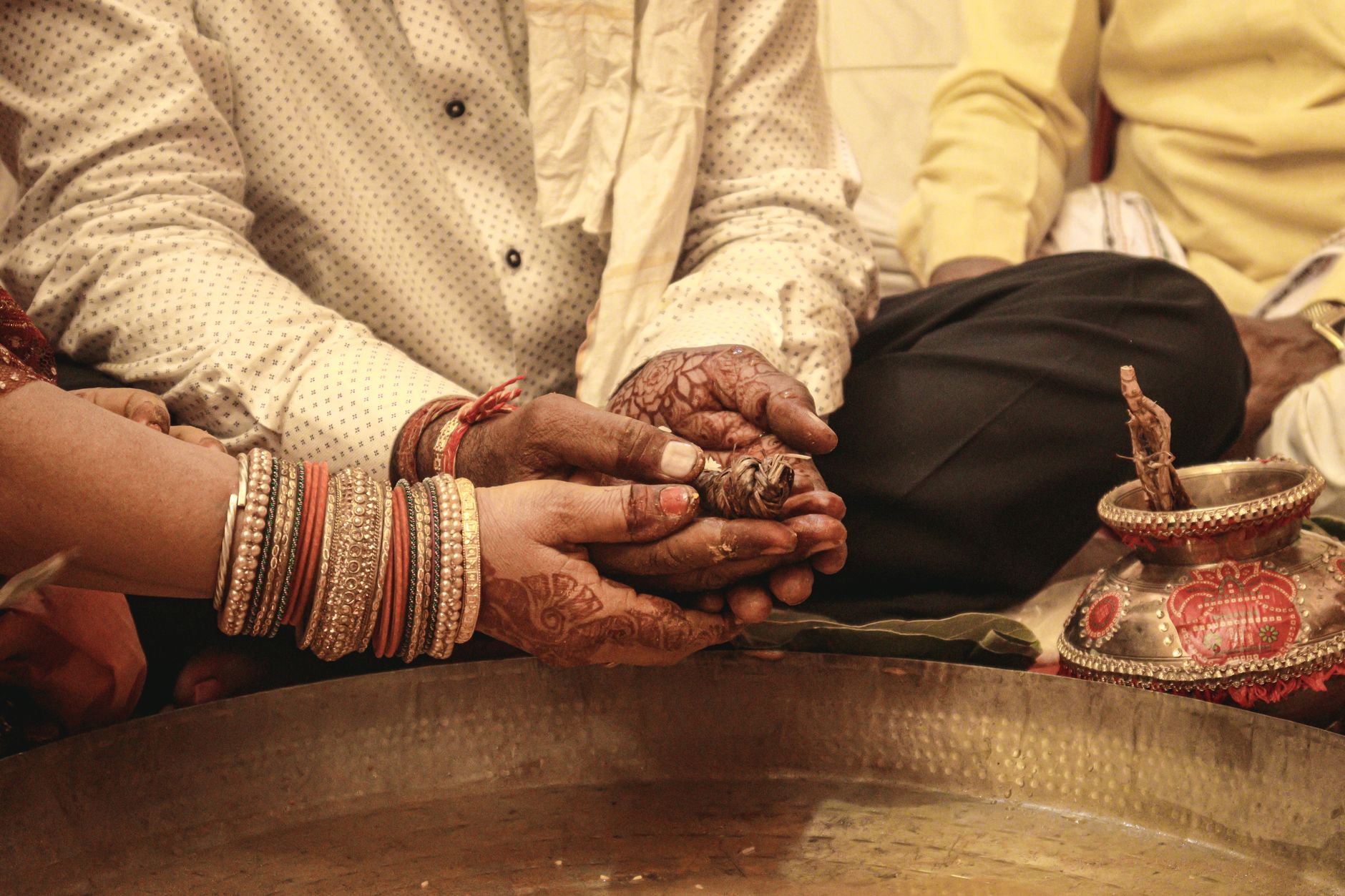
Sacred Ceremonies, Planned Perfectly
Religious cermony in Pune
Religious Ritual Planning & Consultation in Pune
Planning a sacred ceremony in Pune — whether a grand Brahmin wedding, a Satyanarayan katha, or a Griha Pravesh — demands far more than just booking a pandit. Authentic Religious Ritual Planning & Consultation brings together the right priest, the correct vidhi sequence, timely samagri procurement, and an auspicious muhurat selection that aligns with your family's traditions and regional customs. Pune's vibrant cultural tapestry, from the Peth localities steeped in Marathi heritage to the modern townships of Wakad and Kharadi, creates a unique demand for ceremony coordinators who understand both shastra and logistics. With Hindu ceremony planning services that span intimate family pujas to multi-day wedding rituals, and with specialists who handle pooja and havan coordination end to end, Happiffie connects Pune families with verified, experienced consultation professionals who ensure every sacred moment unfolds with precision, devotion, and warmth.
Quick Answer
Religious Ritual Planning & Consultation in Pune covers end-to-end coordination of Hindu and other religious ceremonies — including pandit booking, muhurat selection, samagri procurement, and ritual sequencing. Services are available for weddings, naming ceremonies, Griha Pravesh, Satyanarayan kathas, and more. In Pune, packages typically range from ₹5,000 for a simple puja consultation to ₹1,50,000 or more for full multi-day wedding ritual management.
What Does Religious Ritual Planning & Consultation Actually Include?
Religious Ritual Planning & Consultation is a comprehensive service that goes well beyond hiring a pandit for an hour. A qualified consultant begins with an in-depth family consultation to understand your gotra, kul devata, regional tradition (Marathi, North Indian, South Indian, or Gujarati), and the specific occasion — whether a Vivah, Namkaran, Annaprashan, or Vastu Puja. They then prepare a detailed vidhi roadmap: the sequence of rituals, timing of each step, and the correct Sanskrit shlokas or regional mantras to be chanted. In Pune, where cosmopolitan families often blend traditions, Hindu ceremony planning services frequently need to accommodate two-family customs in a single ceremony without confusion or conflict. A good consultant mediates between traditions gracefully. They also handle samagri lists — ensuring ghee, kumkum, supari, flowers, and specialised items like panchamrit ingredients are procured fresh and on time. Pooja and havan coordination forms the operational backbone of these services. The consultant manages priest schedules, havan kund setup, fire safety permissions for indoor venues, and the correct wood selection for the havan. For multi-day events like Marathi weddings that include Haldi, Kelvan, and Mangalashtak rituals spread across two to three days, this coordination becomes particularly critical. Fees for full consultation packages in Pune typically range from ₹15,000 to ₹80,000 depending on ceremony complexity and duration.
Pune's Unique Ceremony Landscape: Traditions, Neighbourhoods & Venues
Pune is arguably Maharashtra's most culturally layered city for religious ceremonies. In the old Peths — Kasba, Sadashiv, Narayan, and Shaniwar — Marathi Brahmin families have followed centuries-old Vedic traditions tied to the Peshwa era. Here, ceremonies often involve specific deities like Ganpati or Mahalakshmi, with rituals conducted in vernacular Marathi interspersed with Sanskrit. Moving westward toward Baner, Balewadi, and Hinjewadi, you encounter IT professionals from across India who need pandit booking for wedding rituals that blend UP, Tamil, or Bengali customs with a Pune backdrop. Venues across Pune add another dimension. Wanowrie and Koregaon Park offer heritage bungalows ideal for intimate family ceremonies. Banquet halls in Viman Nagar and Kothrud typically have designated havan areas or terrace spaces that allow open-fire rituals. Sacred venue arrangements in temple premises — such as the iconic Dagdusheth Halwai Ganpati trust halls — carry their own ritual protocols that a seasoned consultant knows how to navigate. The guest experience at religious ceremonies in Pune is also shaped by city traffic, weather (the monsoon season from June to September demands covered mandap setups), and parking logistics, all of which a thorough Religious Ritual Planning & Consultation service will account for proactively. Consultants familiar with Pune will also factor in local vendors for fresh flowers from Mandai market and authentic samagri from shops near Laxmi Road.
How Much Does Religious Ritual Planning & Consultation Cost in Pune?
Pricing for Religious Ritual Planning & Consultation in Pune varies significantly based on ceremony type, guest count, and the scope of coordination required. For a simple puja consultation — where the specialist advises on muhurat, samagri list, and ritual sequence but does not physically coordinate — expect to pay between ₹2,000 and ₹8,000. This is popular among families who have their own family pandit but want a second expert opinion. Full-service Hindu ceremony planning services for events like Griha Pravesh or Satyanarayan Katha with 30 to 80 guests typically cost ₹12,000 to ₹35,000. This includes pandit booking for wedding rituals or equivalent priestly services, samagri sourcing, havan kund setup, and a day-of coordinator who manages timing. For Vivah ceremonies with 200 to 500 guests — common in Pune's banquet hall culture — full religious ritual management packages range from ₹50,000 to ₹1,50,000 and above, especially when multi-day coordination is involved. Auspicious muhurat selection is often offered as a standalone micro-service priced between ₹1,000 and ₹5,000, drawing on the Panchang. Additional costs to budget for include samagri procurement (₹3,000–₹20,000 depending on ritual), mandap decoration, and priest dakshina which is typically separate from the consultation fee. Always request a written itemised quote from your consultant to avoid surprises on the day.
Choosing the Right Specialist: Criteria That Matter in Pune
Selecting a Religious Ritual Planning & Consultation specialist in Pune requires evaluating credentials that go beyond years of experience. First, confirm that the specialist or their empanelled pandits hold formal training from a Vedic institution — many reputable pandits in Pune have trained at Veda Pathshalas in Nasik, Varanasi, or Udupi. Second, check whether they have handled ceremonies in your specific tradition: a Smartha Brahmin wedding has different protocols than a Vaishnava or Lingayat ceremony, and Pune has thriving communities from each. For pooja and havan coordination, ask prospective consultants how they handle last-minute samagri gaps or pandit unavailability — this is where experienced services show their operational strength. Established consultants maintain a bench of qualified priests and a network of reliable samagri suppliers. Custom puja ceremony packages should be genuinely tailored, not cookie-cutter. A reputable service will ask you detailed questions about your family deity, ancestral village customs, and any specific vows or vratas your family observes before presenting a proposal. Ask to see sample ritual roadmaps from past events. Finally, assess their ability to manage sacred venue arrangements — especially if your chosen venue is not a traditional dharamshala or temple hall. Banquet halls and farmhouses in Pune's outskirts require extra coordination for utilities like water supply for abhishek rituals, electricity for sound systems, and open-air spaces for havan smoke dispersal. A consultant who proactively addresses these is worth the premium.
What Common Mistakes Should You Avoid When Planning Sacred Ceremonies in Pune?
One of the most frequent errors families make is finalising the venue before consulting a Religious Ritual Planning & Consultation expert. Certain venues in Pune have restrictions on open fire, which directly impacts whether a havan can be conducted. Discovering this after booking can force expensive last-minute changes. Another common mistake is underestimating the time needed for auspicious muhurat selection and ceremony sequencing. Families often plan a 4-hour slot for a Vivah ceremony that actually requires 7 to 8 hours when all rituals — from Ganesh Puja to Saptapadi — are completed properly. A professional consultant pads timelines realistically and briefs the venue coordinator accordingly. Skipping pandit booking for wedding rituals until the last fortnight is a risk, especially during peak Marathi wedding seasons (November to February and April to May) when experienced Vedic priests in Pune are booked months in advance. Similarly, assuming custom puja ceremony packages from one provider can be replicated cheaply by another is a mistake — the quality of ritual guidance, priest fluency, and samagri quality vary enormously. Ignoring the guest experience at religious ceremonies is also a missed opportunity. Ceremonies that drag due to poor coordination leave guests restless and distract from the sanctity of the occasion. Ensure your consultant includes a public-facing schedule, seating plan for elderly attendees, and a brief programme booklet explaining ritual significance — these small touches elevate the entire experience and make your ceremony genuinely memorable.
Religious Ritual Planning & Consultation Options in Pune: A Practical Comparison
Expert Recommendation
Best for intimate family pujas (20-50 guests)
Best for traditional Marathi weddings (200-500 guests)
Best for destination or farmhouse ceremonies near Pune
Best for intercultural or interfaith ceremonies
Best for budget-conscious families
Best for large corporate or community events (500+ guests)
How to Choose the Right Option
✅ Pre-booking Checklist
- Confirm your ceremony date and obtain auspicious muhurat selection from a qualified Jyotishi before booking any venue
- Identify your specific regional tradition, gotra, and kul devata so your consultant can match the correct vidhi and pandit
- Visit your shortlisted Pune venue with the consultant to assess havan suitability, water access, and ventilation
- Request an itemised written quote covering consultation fees, pandit dakshina, samagri costs, and coordination charges separately
- Verify that the consultant maintains a backup pandit roster in case of last-minute unavailability
- Confirm the consultant's experience with your ceremony type — a Vivah specialist may not be the best choice for a Pitru Paksha ritual
- Ask for a draft ceremony timeline and review it with both families at least 4 weeks before the event
- Discuss guest experience elements — seating, prasad distribution, ritual explanation for non-Hindu guests — early in the planning process
🎯 Selection Criteria
- Depth of Vedic or regional tradition expertise matching your specific ceremony type and family background
- Operational network including priest availability, samagri suppliers, and venue coordination contacts in Pune
- Transparency in pricing with itemised quotes and no hidden charges for pandit travel or overtime
- Willingness to conduct a pre-ceremony site visit and family consultation rather than a remote-only briefing
- Demonstrated experience with your guest count range — small family pujas and large Vivah ceremonies require very different coordination models
- Positive references from families with similar traditions, verifiable through Happiffie's review system
💰 Cost / Quality Factors
- Ceremony complexity — multi-ritual Vivah events cost significantly more than single-deity pujas due to extended pandit time and samagri volume
- Guest count — larger ceremonies require more priests, more samagri, and more day-of coordination staff, all of which add to cost
- Season and muhurat rarity — ceremonies falling on Akshaya Tritiya or Dev Uthani Ekadashi carry premium pricing due to peak demand
- Venue type — temple halls and dharamshalas are often pre-equipped and reduce setup costs; banquet halls and farmhouses require additional infrastructure investment
- Samagri sourcing — locally procured fresh flowers and ghee from Pune's Mandai market cost less than specialty items shipped in for rare rituals
- Customisation depth — highly personalised ceremonies with unique ancestral customs, rare Sanskrit texts, or specific deity protocols require specialist pandits who command higher fees
⚠️ Common Mistakes to Avoid
- Booking the ceremony venue before finalising the muhurat, risking a date mismatch with the most auspicious Panchang window
- Waiting until the last month to start pandit booking for wedding rituals, especially during Pune's peak November–February wedding season
- Choosing a consultant based solely on the lowest quote without verifying their tradition-specific expertise or Pune ceremony experience
- Assuming the venue will handle havan permissions and fire safety clearances — always confirm this explicitly through your consultant
- Neglecting to brief out-of-town guests about ceremony timings and ritual significance, leading to a restless and distracted audience
- Omitting a written ceremony timeline shared with the venue team, which frequently results in catering, lighting, and photography teams being out of sync with ritual milestones
People Also Ask
What is religious ritual planning and consultation for weddings in Pune?
How early should I book a religious ritual consultant in Pune?
Can a ritual consultant handle both Marathi and North Indian wedding traditions?
What is included in a pooja and havan coordination package?
How is the auspicious muhurat selected for a ceremony in Pune?
What types of ceremonies can a religious ritual consultant manage in Pune?
Are custom puja ceremony packages worth it compared to hiring a pandit directly?
How do I find a pandit for a wedding ritual in Pune who speaks my regional language?
What should I look for in sacred venue arrangements for a ceremony in Pune?
What is the typical guest count for religious ceremonies in Pune?
Is it possible to conduct a havan indoors in Pune venues?
How does guest experience at religious ceremonies affect overall satisfaction in Pune?
Related Experiences on Happiffie
Sacred Nikah Ceremonies in Pune
Book Live Music for Your Pune Wedding
Sacred Kobbari Bondam Decor, Done Right
Sacred Venue Beautification
Make Every Guest Feel the Magic
All Wedding & Event Services
Frequently Asked Questions
What makes Religious Ritual Planning & Consultation different from simply hiring a pandit in Pune?
Which Pune neighbourhoods are best suited for conducting open-air havans?
Can I book a pandit for a South Indian wedding ritual through a Pune-based consultation service?
How does pooja and havan coordination work for an apartment ceremony in Pune?
Are Happiffie's Religious Ritual Planning & Consultation providers available for ceremonies outside Pune city limits?
What is a typical timeline for a Griha Pravesh ceremony coordinated in Pune?
How do I verify that a pandit recommended by a consultation service is genuinely qualified?
What is the peak season for Religious Ritual Planning & Consultation bookings in Pune?
Can a religious ritual consultant help with puja samagri procurement in Pune?
Is virtual or remote Religious Ritual Planning & Consultation available for NRI families planning Pune ceremonies?
How many priests are needed for a 400-guest wedding ceremony in Pune?
What should I expect during the first consultation meeting with a religious ritual planning specialist in Pune?
Key Takeaways
- Religious Ritual Planning & Consultation in Pune is an end-to-end service covering muhurat selection, pandit booking, samagri coordination, and day-of ceremony management — far broader than simply hiring a priest.
- Pune's diverse communities — Marathi, North Indian, South Indian, Gujarati — mean consultants must be vetted for tradition-specific expertise, not just general religious knowledge.
- Pricing ranges from ₹2,000 for a consultation-only muhurat advisory to over ₹1,50,000 for full multi-day Vivah ritual management with 500+ guests.
- Always finalise the auspicious muhurat selection before booking your venue to avoid costly date conflicts during peak Pune wedding seasons.
- The best pooja and havan coordination services in Pune maintain backup priest rosters, verified samagri suppliers, and conduct pre-event venue site visits.
- Custom puja ceremony packages offer the most value for intercultural couples, NRI families, and those with unique kul devata or ancestral traditions requiring specialist pandits.
- Guest experience at religious ceremonies — including clear timelines, comfortable seating, and informative ritual booklets — significantly enhances the sanctity and memorability of any ceremony.
- Book your Religious Ritual Planning & Consultation specialist at least 3 to 4 months before the ceremony date, and 5 to 6 months ahead for peak-season Pune weddings.
Plan Your Sacred Ceremony with Confidence
Connect with Pune's verified Religious Ritual Planning & Consultation specialists on Happiffie — from intimate home pujas to grand Vivah ceremonies, we help you honour every tradition beautifully.
Explore Ritual Consultants
Are you a Vendor? Grow Your Business with Happiffie!
- High intent verified leads
- Reverse auction opportunities
- AI business tools & insights
- Dedicated vendor dashboard
- Grow your business, your way
It's free & takes less than 2 minutes!