
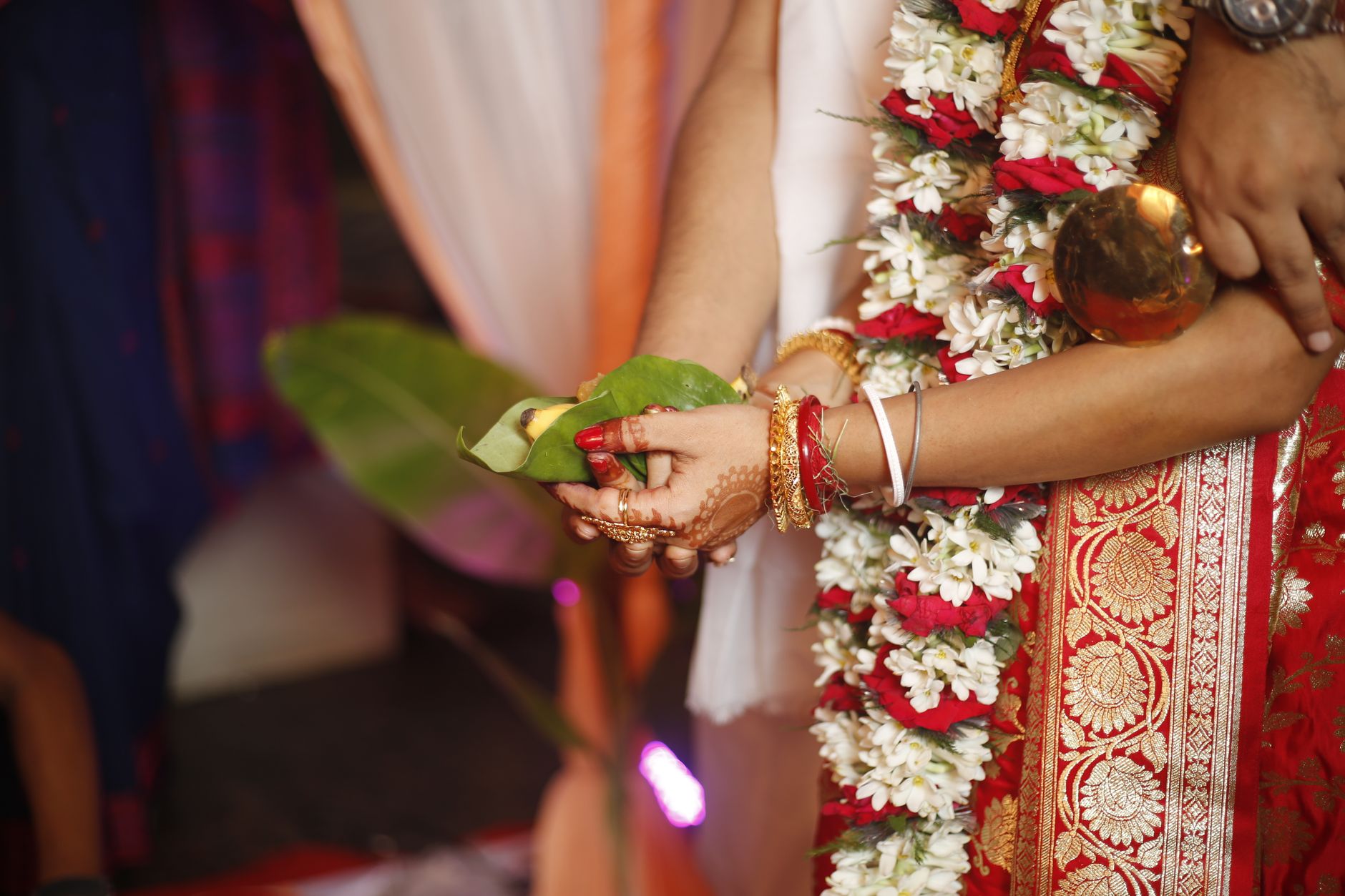
Sacred Marriage Articles for Brahmin Weddings
Religious cermony in Mysore
Brahmin Sacred Marriage Articles in Mysore: Complete Guide
Planning a sacred Brahmin wedding in Mysore means sourcing every ritual element with care, reverence, and precision. Brahmin Sacred Marriage Articles — from the sacred kumbha and darbha grass to the haldi-kumkum sets and panchapatra — form the spiritual backbone of a Vedic ceremony. Mysore, a city renowned for its deep Carnatic cultural roots and its proximity to the Chamundeshwari temple, offers a rich ecosystem of suppliers, pandits, and ceremony planners who understand the exact requirements of South Indian Brahmin Wedding Customs. Whether you are assembling a Traditional Marriage Puja Kit for a small family gathering or a grand kalyana mandapam event, this guide helps you choose, budget, and procure every article correctly.
Quick Answer
Brahmin Sacred Marriage Articles are the complete set of ritual objects required for a Vedic Hindu wedding ceremony. They include items such as darbha grass, sacred kumbha, panchapatra, haldi-kumkum, coconuts, banana leaves, the sacred fire (agni kund) materials, and navadhanyas. In Mysore, these are available through specialised pooja stores, temple-adjacent markets, and ceremony supply vendors. A standard set costs between INR 3,000 and INR 15,000 depending on scale, region-specific customs, and pandit specifications.
What Are Brahmin Sacred Marriage Articles and Why Do They Matter?
Brahmin Sacred Marriage Articles are the sanctified objects used at every stage of a traditional Vedic wedding — from the Nishchayamurtham (engagement) through to the Saptapadi (seven steps) and Grihapravesh. Each item carries ritual significance rooted in the Grihyasutras, the ancient texts that govern domestic ceremonies. Darbha grass purifies the ritual space. The kumbha filled with water and mango leaves represents prosperity. Navadhanyas (nine grains) invoke fertility and abundance. Without these precisely sourced materials, many Vedic Wedding Ritual Supplies simply cannot be substituted, and the pandit cannot proceed correctly through the ceremony sequence. In Mysore specifically, the Iyengar and Smartha Brahmin communities follow distinct item lists — an Iyengar vivah requires the Vaishnava tirunama set, while a Smartha ceremony emphasises Shaiva-aligned articles. Understanding these denominational differences before you shop prevents last-minute errors and ensures the Auspicious Wedding Muhurta Planning you have done with your jyotishi is not disrupted by missing materials.
Essential Items in a South Indian Brahmin Wedding Ceremony
A comprehensive Brahmin Pooja Items for Marriage checklist in the Mysore region typically includes the following categories. First, the fire ritual materials: samidha sticks, ghee, camphor, agni kund (copper or clay), and havan samagri. Second, the water ritual items: panchapatra, achamana spoon, kumbha pot, and sacred river water or filtered water blessed by the pandit. Third, the adornment articles: turmeric paste, kumkum, sandalwood paste, vibhuti, and flower garlands — in Mysore, jasmine (mallige) is the culturally preferred choice for the bride. Fourth, the grain and fruit offerings: coconuts, betel leaves, betel nuts, supari, banana stems, and a full set of navadhanyas tied in cloth bundles. Fifth, the textile and jewellery articles used ritually: the koorai saree given during the wedding, and gold coins used in certain transfer rites. Finally, the documentation articles: the Sanskrit vivah patrika, which some traditional families still include as a ceremonial scroll. Sourcing Hindu Vivah Samagri from a single trusted supplier ensures consistency in quality and reduces the risk of ritual-grade items being mixed with decorative-grade ones.
Where Can You Source Authentic Ritual Supplies in Mysore?
Mysore has several established zones for procuring Vedic Wedding Ritual Supplies. The Devaraja Market area in central Mysore hosts multiple vendors who stock temple-grade pooja materials year-round. The Agrahara neighbourhood, historically home to Brahmin households, has small specialist shops that cater specifically to vivah samagri. The lanes near the Sri Chamundeshwari Temple on Chamundi Hill also have suppliers who stock ritual-grade darbha, sacred threads, and ceremonial brass vessels. For families who prefer a curated experience, Mysore Wedding Ceremony Essentials can be procured through ceremony management services that partner with pandits and supply vendors together — this one-stop model is increasingly popular for NRI families returning to Mysore for the wedding. When buying independently, always ask the vendor whether the items are ritual-grade (yajna-quality) or decorative-grade, as the two categories look similar but differ in purity standards. A good pandit will provide a written list of Brahmin Sacred Marriage Articles specific to your community and gotra before you begin shopping.
How Much Do Brahmin Sacred Marriage Articles Cost in Mysore?
Costs for a complete Brahmin Sacred Marriage Articles set in Mysore vary significantly based on the scale of the ceremony, the Brahmin denomination, and whether you opt for a ready-made kit or individual sourcing. A basic Traditional Marriage Puja Kit for a simple ceremony with 50-100 guests typically ranges from INR 3,000 to INR 6,000, covering essential samidha, grains, brass vessels on hire, and consumables. A mid-range vivah samagri package for 100-300 guests, including premium quality brass utensils, full navadhanyas, and multiple havan sets, costs between INR 7,000 and INR 12,000. For large kalyana mandapam weddings with 300-plus guests and multi-day ceremonies including Nandi, Haldi, and the main vivah, the complete Hindu Vivah Samagri outlay can reach INR 15,000 to INR 25,000 when premium materials and pandit-specified items are included. Hiring brass and silver ritual vessels instead of purchasing them outright reduces costs by 30-40%. Always obtain an itemised quote and confirm whether the pandit's fees are included or billed separately. Wedding Pandit Services Mysore often bundle samagri supply with their service fee — confirm this in writing before the booking.
What Are the Most Common Mistakes Families Make When Sourcing Marriage Articles?
The single most frequent mistake in sourcing Brahmin Sacred Marriage Articles is buying items without consulting the presiding pandit first. Different Brahmin sub-communities — Madhwa, Iyengar, Smarta Iyer, and others — have meaningfully different item lists, and a generic Brahmin Pooja Items for Marriage kit will not meet all requirements. The second common error is procuring decorative darbha or plastic ritual vessels to cut costs; these are not acceptable in Vedic Wedding Ritual Supplies because purity of material is a doctrinal requirement, not a preference. Third, families often forget consumable quantities — ghee, camphor, and havan samagri are used in far larger volumes during a full-day wedding than during a regular pooja, and running out mid-ceremony is both disruptive and inauspicious. Fourth, failing to account for South Indian Brahmin Wedding Customs specific to Mysore means overlooking region-specific items like the tambula (betel) exchange set or the specific silk cloth used in the Kanyadaan ritual. Finally, booking samagri suppliers too late — particularly during the Brahmotsavam or wedding-season peak months of April-May and November-January in Mysore — results in quality compromise or inflated prices. Book at least 4-6 weeks in advance and confirm with your pandit 2 weeks before the ceremony date.
Brahmin Sacred Marriage Articles: Sourcing Options Compared
Expert Recommendation
Best for Intimate Family Ceremonies (under 75 guests)
Best for Large Kalyana Mandapam Weddings (300+ guests)
Best for NRI Families Returning to Mysore
Best for Budget-Conscious Families
Best for Strictly Traditional Madhwa or Iyengar Ceremonies
Best for Modern Couples Wanting a Simplified Ritual
How to Choose the Right Option
✅ Pre-booking Checklist
- Obtain the complete Brahmin Sacred Marriage Articles list from your pandit at least 4 weeks before the wedding.
- Confirm your Brahmin denomination (Madhwa, Iyengar, Smarta) so the article list is community-specific.
- Decide whether to hire or purchase brass and copper ritual vessels and book hire items early during peak season.
- Visit at least two Mysore suppliers to compare ritual-grade versus decorative-grade quality before purchasing.
- Estimate correct quantities for consumables — ghee, camphor, and havan samagri — based on ceremony duration and number of rituals.
- Confirm whether Wedding Pandit Services Mysore fees include samagri supply or are billed separately.
- Arrange for a clean, dry storage space at the venue to keep all articles organised before and during the ceremony.
- Do a final article cross-check with the pandit two days before the wedding to catch any missing items.
🎯 Selection Criteria
- Ritual-grade purity certification: confirm vendors supply yajna-quality materials, not decorative substitutes.
- Denomination alignment: ensure all items match your specific Brahmin community's vivah samagri requirements.
- Supplier reliability: choose vendors with an established presence in Mysore's Agrahara or Devaraja Market zones.
- Quantity accuracy: base consumable quantities on ceremony duration, not generic estimates.
- Pandit approval: have your presiding pandit review or approve the sourced Brahmin Sacred Marriage Articles before the event.
- Logistics and delivery: confirm delivery timelines align with your Auspicious Wedding Muhurta Planning schedule.
💰 Cost / Quality Factors
- Material quality: ritual-grade brass, copper, and natural consumables cost more but are non-negotiable for Vedic ceremonies.
- Ceremony scale: item volume scales significantly with guest count and number of ritual stages performed.
- Denomination complexity: Iyengar and Madhwa ceremonies typically require more specialised items than a generic Smarta list.
- Season and availability: peak wedding months in Mysore drive up prices and reduce availability of quality darbha and fresh flowers.
- Vendor bundling: combined pandit-plus-samagri packages may offer savings but require careful quality verification.
- Hire versus purchase: hiring vessels reduces upfront cost but requires coordination with the hire vendor on delivery and return.
⚠️ Common Mistakes to Avoid
- Buying a generic Hindu Vivah Samagri kit without confirming it matches your denomination's specific requirements.
- Substituting ritual-grade items with decorative-grade alternatives to save cost — this disrupts the validity of specific mantras.
- Underestimating consumable quantities like ghee and havan samagri for multi-ritual, full-day ceremonies.
- Waiting until the week before the wedding to source items, particularly during Mysore's November-January peak season.
- Not confirming in writing whether samagri is included in the Wedding Pandit Services Mysore package or billed additionally.
- Skipping the final pre-ceremony article check with the pandit, which is the primary safeguard against missing ritual essentials.
People Also Ask
What is included in a Brahmin Sacred Marriage Articles kit?
How far in advance should I book wedding ritual supplies in Mysore?
Is there a difference between Iyengar and Smartha Brahmin marriage article lists?
Can I hire ritual vessels instead of buying them for a Brahmin wedding in Mysore?
What does a complete Brahmin marriage samagri cost in Mysore?
Where in Mysore can I buy authentic ritual-grade pooja items for a wedding?
Do I need a pandit to prepare the Brahmin Sacred Marriage Articles or can I do it myself?
What is Auspicious Wedding Muhurta Planning and how does it affect the articles needed?
Related Experiences on Happiffie
Sacred Jain Vivah Samagri in Mumbai
Sacred Supplies for Your Mumbai Wedding
Brahmin Marriage Pooja Kit in Varanasi
Sacred Homam Kits for Brahmin Weddings in Jodhpur
Kerala Weddings in Pune, Done Right
Sacred Sounds for Your South Indian Wedding
Seamless Guest Transit for Indore Weddings
Sacred Vedic Rituals in the Nilgiris
Frequently Asked Questions
What are Brahmin Sacred Marriage Articles in the context of a Mysore wedding?
Are there denomination-specific Brahmin Sacred Marriage Articles for Mysore's Iyengar community?
What is the difference between ritual-grade and decorative-grade pooja items?
How do I find a reliable Wedding Pandit Services Mysore provider who also supplies samagri?
Can Brahmin Sacred Marriage Articles be sourced online for a Mysore wedding?
How does Auspicious Wedding Muhurta Planning affect the Brahmin Sacred Marriage Articles list?
What happens if a ritual article is missing during the ceremony in Mysore?
Is it appropriate to reuse Brahmin Sacred Marriage Articles from a previous family wedding?
Key Takeaways
- Brahmin Sacred Marriage Articles are ritually specific — the exact list depends on denomination (Madhwa, Iyengar, Smarta) and must be confirmed with the presiding pandit.
- Mysore's Devaraja Market, Agrahara neighbourhood, and Chamundi Hill vendors are the primary authentic sourcing zones for ritual-grade wedding supplies.
- A standard Traditional Marriage Puja Kit for a 50-100 guest ceremony costs INR 3,000 to INR 6,000; large weddings can require INR 15,000 to INR 25,000 in samagri.
- Hiring brass and copper ritual vessels rather than purchasing them can reduce costs by 30-40% without compromising ritual integrity.
- Vedic Wedding Ritual Supplies must be ritual-grade, not decorative-grade — purity of material is a doctrinal requirement, not a preference.
- Book and confirm all Brahmin Sacred Marriage Articles at least 4-6 weeks before the ceremony, especially during Mysore's peak wedding season.
- NRI families and large-event organisers benefit most from full-service ceremony management packages that bundle samagri, pandit coordination, and logistics.
- A final cross-check of all articles with the pandit two days before the wedding is the single most effective way to prevent ceremony disruptions.
Plan Your Sacred Brahmin Wedding in Mysore with Confidence
Connect with verified ceremony planners and ritual supply experts on Happiffie — get a custom Brahmin Sacred Marriage Articles list, pandit pairing, and end-to-end ceremony support tailored to your community and muhurta.
Explore Ceremony Services
Are you a Vendor? Grow Your Business with Happiffie!
- High intent verified leads
- Reverse auction opportunities
- AI business tools & insights
- Dedicated vendor dashboard
- Grow your business, your way
It's free & takes less than 2 minutes!