
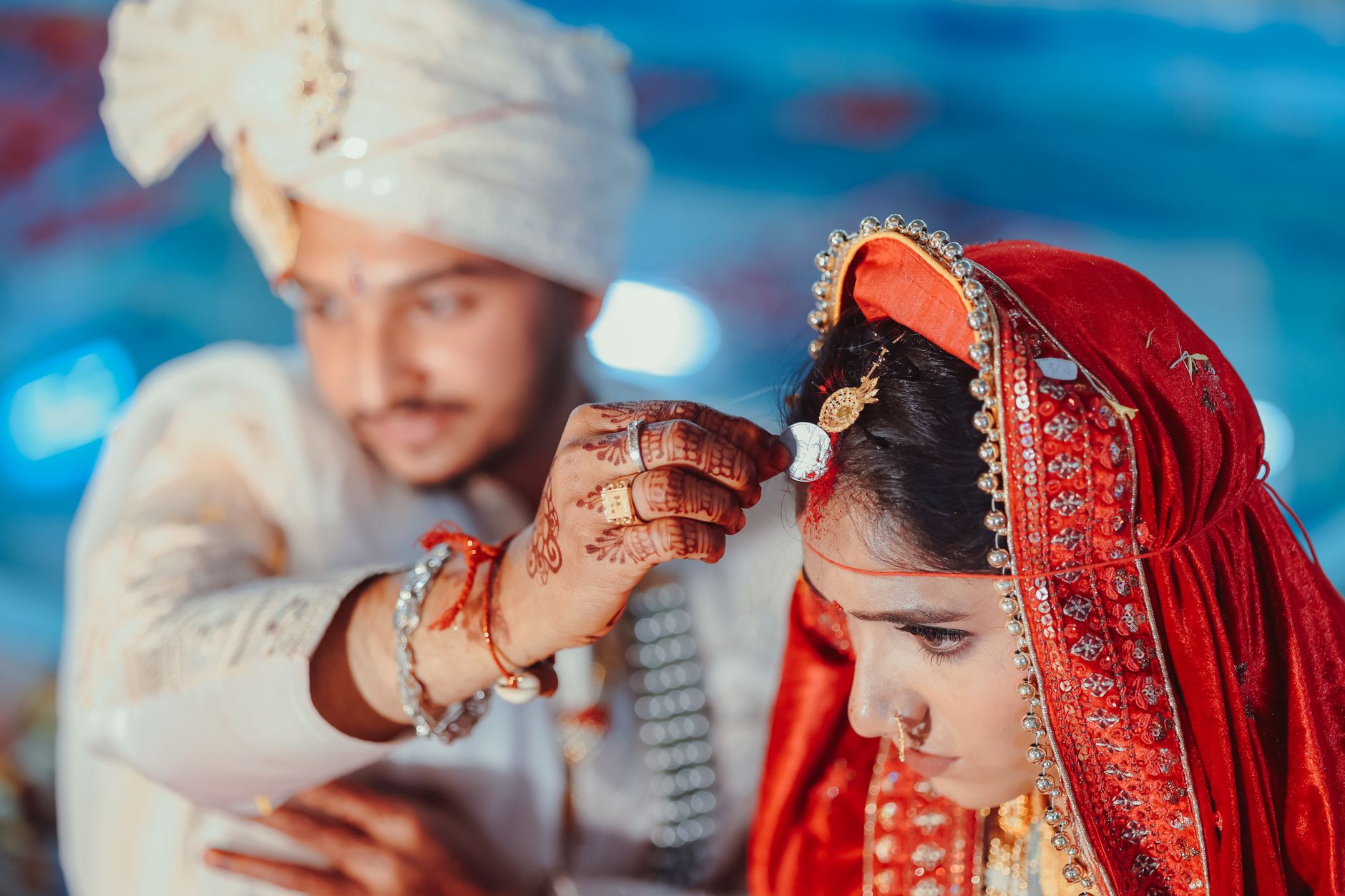
Sacred Jain Vivah Samagri in Mumbai
Religious cermony in Mumbai
Jain Vivah Samagri: Complete Guide for Mumbai Weddings
A Jain wedding is one of India's most spiritually rich ceremonies, and sourcing authentic Jain Vivah Samagri is the foundation of every auspicious ritual. From the Saptapadi to the Laja Homa, every step requires specific pooja items and offerings that align strictly with Jain principles of non-violence and purity. Mumbai, home to a significant Jain community across Malabar Hill, Ghatkopar, and Kandivali, offers numerous suppliers and pandits well-versed in both Digambar Shvetambar wedding customs. Whether you are planning an intimate gathering at a society hall or a grand celebration at a Jain dharamshala, having your Jain wedding essentials organised in advance ensures the ceremony flows with grace and sanctity.
Quick Answer
Jain Vivah Samagri refers to the complete set of sacred items required for a Jain wedding ceremony. It typically includes copper or silver kalash, supari, coconut, akshat, dhoop, agarbatti, ghee, haldi, kumkum, navratna items, and specific cloth offerings. In Mumbai, samagri kits are available at Jain religious stores in Ghatkopar and Kandivali, with complete sets priced between INR 2,500 and INR 15,000 depending on the scale and sect of the ceremony.
What Does Jain Vivah Samagri Include and Why Does It Matter?
Jain Vivah Samagri is not a generic pooja kit — it is a carefully curated collection of satvik, non-violent offerings that honour Jain philosophy throughout the wedding ceremony. The core items typically include a copper or silver kalash filled with water, coconut, supari, akshat (unbroken rice), panchamrit (prepared without animal products), dhoop sticks, pure cow ghee, haldi, kumkum, navratna items, and auspicious cloth like silk or cotton. Importantly, Jain ceremonies exclude onion, garlic, root vegetables, and any non-vegetarian derivative, making it essential to verify each item's purity before purchase. A complete Jain shaadi pooja items kit also contains ritual thread (mauli), betel leaves, agarbatti free of animal-based binders, and specific items like the Mangalsutra tray and floral offerings. Getting these elements right is the first step to a ceremony that is spiritually meaningful and free of unintentional violations of Jain dharma.
Mumbai's Best Areas to Source Jain Wedding Essentials
Mumbai's Jain community is concentrated in neighbourhoods like Ghatkopar West, Kandivali East, Malabar Hill, and Mulund, each of which has dedicated religious stores and wholesale markets supplying Jain wedding essentials. Ghatkopar's Rajawadi area and the lanes around Swaminarayan temple roads host multiple shops stocking Jain vivah ritual items, often with knowledgeable staff who can guide you by sect — Digambar or Shvetambar. For eco-friendly wedding supplies such as plantable seed-paper invitations, clay diyas, and biodegradable flower petals, several green-wedding vendors near Andheri and Bandra now cater specifically to Jain families wanting a ceremony aligned with Paryushana values. It is advisable to visit stores at least three to four weeks before the wedding, as custom-ordered kalash engravings, silver items, and woven ritual cloths can take ten to fourteen days to prepare. Many Jain dharamshalas in the city also maintain an in-house list of approved samagri suppliers, which can save significant research time.
How Much Does Jain Vivah Samagri Cost in Mumbai?
The cost of Jain Vivah Samagri in Mumbai varies based on the scale of the ceremony, the quality of metals used, and whether you opt for a pre-assembled kit or source items individually. A basic samagri kit suitable for a small gatherings of 50 to 100 guests typically costs between INR 2,500 and INR 5,000. Mid-range kits with silver-plated kalash, premium ghee, and engraved puja thalis are priced between INR 6,000 and INR 10,000. For large Jain marriage ceremony supplies required at grand weddings with 300 or more guests, including multiple ritual stations and personalized packaging, total samagri budgets can reach INR 15,000 to INR 30,000. Opting for eco-friendly wedding supplies such as clay or copper items over plastic alternatives may add 10 to 15 percent to the cost but aligns better with the principles of Jain vivah rituals. Always request an itemised quotation so nothing critical is missed.
Understanding Digambar and Shvetambar Vivah Ritual Differences
One of the most important factors when assembling Jain Vivah Samagri is understanding the distinctions between Digambar Shvetambar wedding customs, as the two major sects have meaningful differences in ritual sequence, clothing norms, and specific samagri requirements. In Shvetambar ceremonies, the Lagna Vidhi involves specific mantras and offerings tied to the groom's gotra, while Digambar weddings place greater emphasis on the Ashtamangala — eight auspicious symbols — incorporated into the decor and samagri. Samagri suppliers in Ghatkopar and Kandivali are generally well-equipped to provide sect-specific guidance. The satvik wedding decor elements, such as the mandap setup using banana leaves, marigold, and turmeric paste, also differ subtly between the two traditions. It is strongly recommended to consult your family pandit or Jain Acharya before finalising your Jain shaadi pooja items list, as customary expectations can also vary by family lineage and region of origin.
How to Ensure Your Jain Vivah Samagri Is Authentic and Pure?
Authenticity and purity are non-negotiable when sourcing Jain Vivah Samagri, given the community's strict adherence to ahimsa and satvik living. Begin by verifying that all food-based items — ghee, honey alternatives, panchamrit components — are certified by a trusted Jain organisation or carry a Jain-approved label from recognised bodies. Request the supplier to confirm that agarbatti and dhoop are animal-product-free, as many commercial incense sticks contain binding agents derived from insects or animals. For metals like copper, silver, and brass used in thalis and kalash, ask for purity certificates or buy from established religious stores in Jain wedding rituals Mumbai hubs like Ghatkopar and Marine Lines. Packaging matters too — reusable or biodegradable containers align with Jain marriage ceremony supplies that respect the environment. Finally, have a trusted elder or pandit conduct a pre-ceremony check (samagri darakshan) to ensure nothing is missing or substituted incorrectly.
Jain Vivah Samagri Options: Setup Types Compared
Expert Recommendation
Best for intimate home celebrations (under 50 guests)
Best for Jain dharamshala weddings
Best for large guest counts (300+)
Best for eco-conscious Jain families
Best for Shvetambar-specific ceremonies
Best for destination or hotel weddings
How to Choose the Right Option
✅ Pre-booking Checklist
- Confirm your sect (Digambar or Shvetambar) and consult your family pandit to finalise the samagri list
- Verify that all food-based items in the kit are certified satvik and free from animal derivatives
- Check agarbatti and dhoop for animal-product-free binders before purchasing
- Place custom orders for engraved kalash, silver thalis, or woven ritual cloth at least 3-4 weeks in advance
- Request an itemised invoice from the supplier to cross-check against your pandit's list
- Arrange for a samagri darakshan (pre-ceremony review) with a trusted elder or Acharya
- Confirm eco-friendly packaging or reusable containers if sustainability is a priority
- Coordinate with your venue (dharamshala, hotel, or home) on storage and setup of samagri on the wedding day
🎯 Selection Criteria
- Sect-specific compliance: samagri must match Digambar or Shvetambar requirements precisely
- Purity certification: all items must be verifiably free of animal-derived ingredients
- Supplier expertise: choose vendors with documented experience in Jain vivah ritual items
- Completeness: the kit must cover every ritual from Ganesh Puja to Saptapadi without gaps
- Scalability: quantity must match your guest count and number of ritual stations planned
💰 Cost / Quality Factors
- Metal quality of kalash and thalis directly affects both ritual sanctity and durability as keepsakes
- Ghee purity (A2 or desi cow ghee) influences the spiritual and physical quality of Homa rituals
- Custom engraving or personalisation adds cost but creates meaningful family heirlooms
- Eco-friendly alternatives cost slightly more but align authentically with Jain ahimsa principles
- Proximity of the supplier to your wedding venue in Mumbai reduces last-minute logistics risk
- Bulk purchasing from wholesale markets in Marine Lines can reduce per-item costs by 20-30 percent
⚠️ Common Mistakes to Avoid
- Using a standard Hindu pooja kit without verifying Jain-specific exclusions (root vegetables, non-satvik items)
- Purchasing incense or dhoop without checking for insect-derived binding agents
- Leaving samagri procurement until the week of the wedding, risking unavailability of custom items
- Forgetting to include sect-specific items like Ashtamangala symbols for Digambar ceremonies
- Skipping the pre-ceremony samagri check, which can lead to missing critical items discovered mid-ritual
- Choosing decorative plastic or synthetic items over natural materials, conflicting with satvik wedding decor principles
People Also Ask
What is Jain Vivah Samagri and what does it contain?
Where can I buy Jain wedding samagri in Mumbai?
How much does a complete Jain Vivah Samagri kit cost in Mumbai?
Is Jain vivah samagri different for Digambar and Shvetambar weddings?
How early should I arrange Jain marriage ceremony supplies before the wedding?
Can I get eco-friendly Jain vivah samagri in Mumbai?
What is satvik wedding decor and how does it relate to Jain weddings?
What common mistakes should I avoid when buying Jain shaadi pooja items?
Related Experiences on Happiffie
Jain Wedding Pooja Items in Coimbatore
Sacred Jain Vivah in Goa
Sacred Jain Wedding Essentials in Mussoorie
Elegant Christian Wedding Car Decor
Wear Green, Celebrate Beautiful
All Wedding & Event Services
Frequently Asked Questions
What is the difference between Jain Vivah Samagri and a standard Hindu pooja kit?
Which Mumbai neighbourhoods are best for buying Jain marriage ceremony supplies?
Can I order Jain Vivah Samagri online for delivery in Mumbai?
How do I verify that my Jain shaadi pooja items are genuinely satvik?
What is the significance of the kalash in Jain Vivah Samagri?
Are there pandit services in Mumbai that provide Jain Vivah Samagri along with the ceremony?
How does satvik wedding decor complement Jain Vivah Samagri?
What is the ideal budget for Jain wedding essentials for a 150-guest Mumbai wedding?
Key Takeaways
- Jain Vivah Samagri is a precisely curated collection of satvik, non-violent items essential to a valid and spiritually complete Jain wedding ceremony.
- Mumbai offers dedicated samagri suppliers in Ghatkopar, Kandivali, Malabar Hill, and Marine Lines, with options for both Digambar and Shvetambar requirements.
- Complete samagri kits in Mumbai range from INR 2,500 for small ceremonies to INR 30,000 for large, multi-station weddings.
- Digambar and Shvetambar ceremonies have distinct samagri requirements — always confirm with your family pandit before sourcing.
- Eco-friendly wedding supplies including clay diyas, copper vessels, and natural dhoop are increasingly available and align with Jain ahimsa values.
- Custom items like engraved kalash and woven ritual cloths require 10-14 days lead time; begin procurement 4-6 weeks before the wedding.
- A pre-ceremony samagri darakshan by a trusted elder or Acharya is the single most effective way to prevent ritual disruptions on the wedding day.
Plan Your Perfect Jain Wedding with Happiffie
Connect with trusted vendors across Mumbai for authentic Jain Vivah Samagri, satvik decor, and complete wedding ceremony support — all in one place.
Explore Jain Vendors
Are you a Vendor? Grow Your Business with Happiffie!
- High intent verified leads
- Reverse auction opportunities
- AI business tools & insights
- Dedicated vendor dashboard
- Grow your business, your way
It's free & takes less than 2 minutes!