
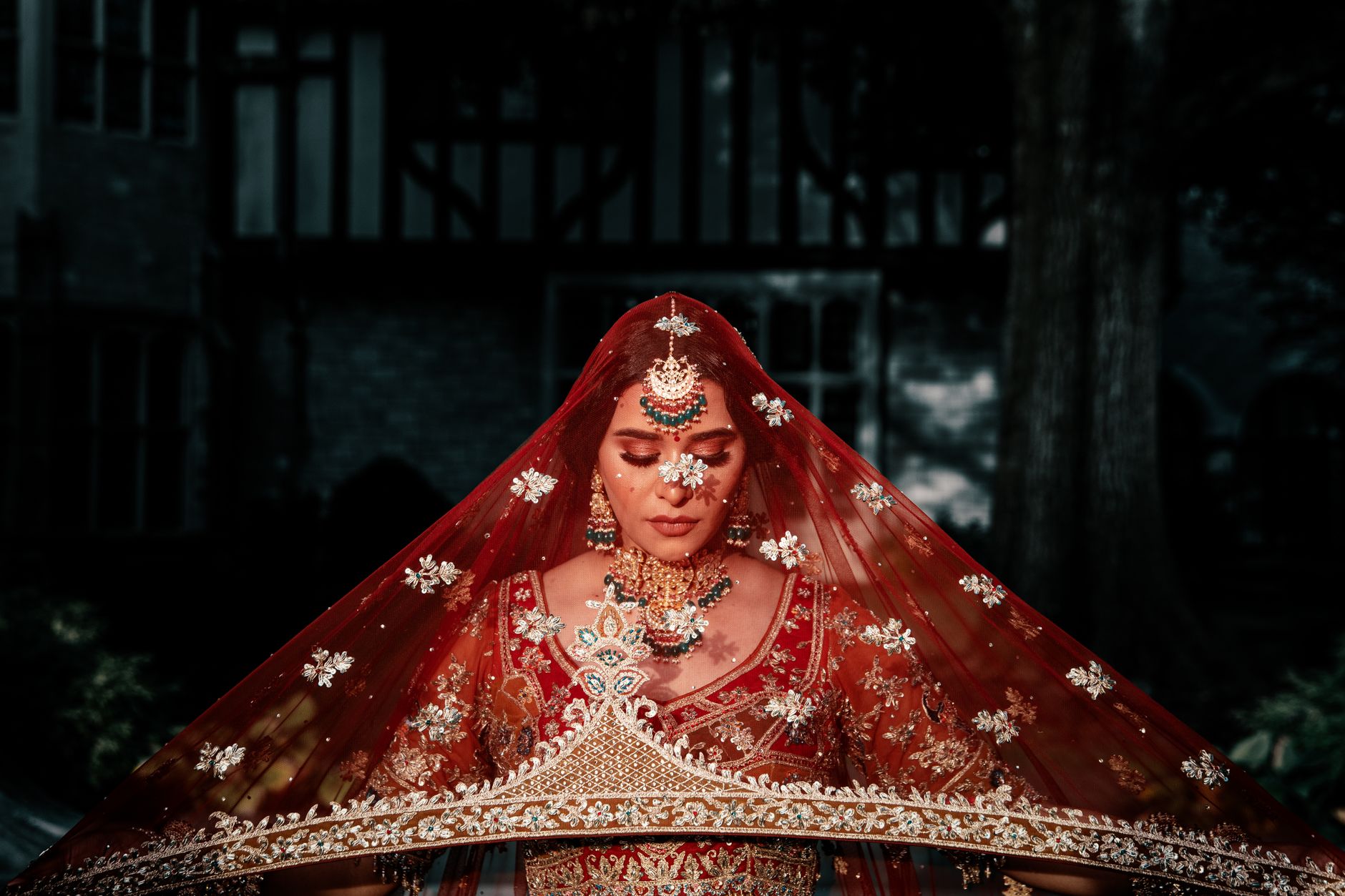
Wear Green, Celebrate Beautiful
Costume in Lucknow
Eco-Friendly Wedding Wear in Lucknow: Sustainable Bridal Style
Lucknow's rich textile heritage — from Chikankari embroidery to Banarasi weaves — makes it one of India's finest cities to embrace eco-friendly wedding wear without sacrificing an ounce of grandeur. Modern couples across Gomti Nagar, Hazratganj, and Aliganj are increasingly choosing sustainable bridal outfits crafted from organic fabric wedding attire that honours the earth as much as the occasion. Whether you opt for a natural dye wedding lehenga or a handloom wedding dress woven by local artisans, Lucknow's costume ecosystem offers stunning choices. Conscious bridal styling is no longer a compromise — it is a statement of love for your partner and the planet.
Quick Answer
Eco-friendly wedding wear refers to bridal and wedding costumes made from organic, handloom, or naturally dyed fabrics with minimal environmental impact. In Lucknow, this includes Chikankari handloom lehengas, natural dye sarees, and organic cotton sherwanis. These outfits reduce chemical pollution, support local weavers, and often cost between ₹8,000 and ₹1,20,000 depending on fabric, embroidery, and customisation level.
Why Is Lucknow an Ideal City for Eco-Friendly Wedding Wear?
Lucknow sits at the confluence of two powerful textile traditions: the delicate hand-embroidered Chikankari craft practised in old-city workshops for over 400 years, and proximity to Varanasi's Banarasi silk cooperatives. Both traditions naturally align with eco-friendly wedding wear because they rely on skilled hand labour rather than energy-intensive machinery. Artisan clusters in areas like Chowk and Aminabad produce organic fabric wedding attire using cotton, tussar silk, and khadi — fibres with far lower chemical processing requirements than synthetic blends. Choosing a handloom wedding dress from a Lucknow cooperative directly supports hundreds of weaver families while keeping your low carbon footprint celebration intact. The city also hosts periodic sustainable fashion pop-ups near Hazratganj and 1 Aminabad Park where conscious brides can touch, feel, and commission outfits. This ground-level ecosystem means couples do not need to look outside Uttar Pradesh to build a wardrobe that is both spectacular and responsible.
Fabric Choices That Define Sustainable Bridal Outfits in Lucknow
The fabric you choose is the single biggest lever in making your bridal costume genuinely sustainable. Khadi cotton and khadi silk, available widely in Lucknow's government emporiums, are hand-spun and hand-woven, consuming almost no electricity. Tussar silk, sourced from forest silkworms rather than farmed varieties, carries a lighter ecological load. A natural dye wedding lehenga uses plant-based colourants — pomegranate rind for yellows, indigo for blues, madder root for reds — avoiding the heavy-metal effluents that synthetic dyes release into rivers. Organic linen sherwanis for grooms are gaining traction in Gomti Nagar boutiques because linen requires far less water than conventional cotton. Recycled zari, made from repurposed metallic thread, delivers the festive shimmer of traditional embroidery while diverting industrial waste. Ethical fashion for weddings starts at the fibre level; every material decision cascades into the overall environmental impact of your ceremony. Ask vendors for GOTS (Global Organic Textile Standard) certification or Handloom Mark tags as proof of authenticity.
How Much Does Eco-Friendly Wedding Wear Cost in Lucknow?
Pricing for eco-friendly wedding wear in Lucknow spans a wide range, making conscious choices accessible at almost every budget tier. A hand-embroidered Chikankari cotton kurta set for a mehendi function can start as low as ₹4,000–₹8,000 from cooperative outlets near Chowk. A mid-range natural dye wedding lehenga with block-printed borders typically falls between ₹18,000 and ₹45,000. Premium organic fabric wedding attire with dense Zardozi or hand-woven Banarasi borders can reach ₹80,000–₹1,20,000 — still competitive with comparable conventional designer wear. Groom's sustainable bridal outfits such as khadi sherwanis with hand-block-printed dupattas range from ₹12,000 to ₹40,000. The key cost drivers are fabric grade, density of hand embroidery, and whether the piece is made-to-measure or selected from existing stock. Renting a handloom wedding dress is an emerging option in Lucknow, cutting costs by 40–60% while also embracing zero waste wedding planning principles by keeping garments in active circulation.
What Occasions and Functions Suit Different Eco-Friendly Costume Styles?
Not every wedding function demands the same level of grandeur, and eco-friendly wedding wear offers a style for every ritual on the Lucknowi shaadi calendar. For a haldi or mehendi, breezy organic cotton kurta sets in turmeric yellow or blush pink are practical, comfortable, and biodegradable. Sustainable bridal outfits in tussar or chanderi silk strike the right balance for sangeet performances — light enough for dance, rich enough for photographs. The main wedding ceremony calls for maximum visual impact; a natural dye wedding lehenga in deep crimson or jewel-toned indigo, paired with recycled zari dupatta, delivers heirloom-quality aesthetics. For the reception, a handloom wedding dress in Banarasi tissue or kora silk lets the bride transition to something slightly lighter. Grooms favouring ethical fashion for weddings can wear a structured khadi bandhgala for the pheras and switch to a printed linen kurta for the reception. Conscious bridal styling works across all these functions — it simply requires advance planning and clear communication with your costume vendor about the purpose of each outfit.
How Do You Identify Genuinely Sustainable Vendors in Lucknow?
With growing demand for eco-friendly wedding wear, greenwashing has become a real concern — some vendors label synthetic outfits as 'natural' without evidence. Here is how to verify authenticity in Lucknow's costume market. First, ask for the Handloom Mark or Silk Mark issued by the Government of India; these are physical tags that confirm genuine hand-weaving or certified silk content. Second, request fabric swabs for a burn test: natural fibres like cotton and silk burn cleanly and smell of paper or hair, while synthetics melt and produce acrid smoke. Third, visit artisan-run cooperatives in Chowk or the UP Handloom Corporation outlet rather than generic multi-brand stores. Fourth, for natural dye wedding lehenga pieces, ask vendors to show the dye recipe or supplier certificate — reputable workshops willingly share this. Fifth, check whether the vendor is a member of industry bodies promoting zero waste wedding planning or ethical fashion for weddings in UP. Happiffie's curated listings include vendor transparency scores so couples can filter by certification level before shortlisting.
Eco-Friendly Wedding Wear Options in Lucknow: A Side-by-Side Comparison
Expert Recommendation
Best for Intimate Home Weddings (Under 50 Guests)
Best for Destination Weddings in Heritage Venues
Best for Large Baraat and Shaadi Functions (200+ Guests)
Best for Budget-Conscious Couples
Best for Traditional Families Valuing Heritage
Best for Modern Couples Prioritising Comfort
How to Choose the Right Option
✅ Pre-booking Checklist
- Confirm fabric certification — ask for Handloom Mark, Silk Mark, or GOTS tag before committing to any vendor
- Book your primary eco-friendly wedding wear at least 3–5 months before the wedding date to allow for handloom weaving time
- Request a fabric burn test or dye-ingredient certificate to verify natural dye claims
- Cross-check whether the vendor supports local artisan cooperatives in Lucknow's Chowk or Aminabad clusters
- Decide early whether to buy or rent your handloom wedding dress — rental must be booked 6–8 weeks ahead
- Plan all functions together so fabric palettes and embroidery styles coordinate across mehendi, sangeet, and ceremony outfits
- Confirm alteration timelines — handloom fabrics require skilled tailors familiar with natural fibres to avoid damage
🎯 Selection Criteria
- Fabric authenticity: verified organic, handloom, or naturally dyed materials with official certification
- Artisan transparency: vendor openly shares weaver names, cooperative affiliations, or workshop location
- Cultural fit: costume reflects Lucknowi heritage through Chikankari, Banarasi weave, or regional silhouette
- Function suitability: fabric weight and embroidery density match the specific wedding event (daytime vs evening)
- After-use plan: outfit can be repurposed, gifted, donated, or composted to align with zero waste wedding planning values
💰 Cost / Quality Factors
- Fabric grade and thread count directly determine drape quality and longevity of the outfit
- Density of hand embroidery (Chikankari, Zardozi, block print) is the primary price driver beyond base fabric cost
- Natural dye complexity — multi-colour resist dyeing costs more than single-bath solid colours
- Made-to-measure orders command a 20–35% premium over ready stock but ensure perfect fit
- Geographic sourcing — cooperatives in Lucknow's Chowk area typically offer better artisan wages and pricing than re-sellers
- Rental versus purchase: renting cuts budget by nearly half but limits embroidery and fitting customisation
⚠️ Common Mistakes to Avoid
- Accepting a vendor's 'natural' or 'organic' claims without asking for printed certification or a burn test
- Ordering too late — handloom and natural dye processes cannot be expedited without quality compromise
- Ignoring function context — a heavy handloom lehenga intended for evening is uncomfortable for a daytime outdoor haldi
- Overlooking groom's costume — sustainable bridal outfits should extend to the full wedding party for a coherent aesthetic
- Choosing purely on colour without checking how natural dyes photograph under different wedding lighting conditions
- Skipping a fitting session — handloom fabrics behave differently from synthetic blends and require precise tailoring adjustments
People Also Ask
What fabrics are best for eco-friendly wedding wear in Lucknow?
Is eco-friendly wedding wear more expensive than conventional bridal outfits?
Can I find natural dye lehengas in Lucknow for my wedding?
How far in advance should I order eco-friendly bridal costumes in Lucknow?
What is a natural dye wedding lehenga and how is it made?
Are handloom wedding dresses suitable for traditional Indian ceremonies?
How do I style eco-friendly wedding wear for a Lucknow wedding reception?
Does choosing eco-friendly wedding wear contribute to zero waste wedding planning?
Related Experiences on Happiffie
Custom Bridal Outfits in Kolkata
Healthy & Organic Wedding Buffets in Pune
Perfect Wedding Lehenga Dressing
Plan Every Goa Moment, Perfectly
Seamless Guest Transit for Indore Weddings
Perfect Saree Drape for Your Big Day
Frequently Asked Questions
Where in Lucknow can I find certified eco-friendly wedding wear?
Is Chikankari embroidery considered eco-friendly for bridal outfits?
Can I get a natural dye wedding lehenga stitched to my measurements in Lucknow?
What is the difference between handloom and powerloom wedding fabric in terms of sustainability?
How do I care for an organic fabric wedding attire after the wedding?
Does wearing eco-friendly wedding wear actually make a measurable environmental difference?
Can grooms also find eco-friendly options for their wedding costumes in Lucknow?
How does Happiffie help couples find eco-friendly wedding wear vendors in Lucknow?
Key Takeaways
- Eco-friendly wedding wear in Lucknow is accessible at price points from ₹8,000 to ₹1,20,000, covering all wedding functions.
- Lucknow's Chikankari and Banarasi handloom traditions naturally support sustainable bridal outfits without compromising cultural authenticity.
- Natural dye wedding lehengas use plant-based pigments like indigo and madder root, avoiding synthetic chemical pollution in rivers.
- Handloom Mark and GOTS certification are the most reliable ways to verify that organic fabric wedding attire is genuinely sustainable.
- Renting a handloom wedding dress cuts costs by 40–60% and directly supports zero waste wedding planning goals.
- Order eco-friendly bridal costumes at least three to five months in advance to accommodate hand-weaving and natural dyeing timelines.
- Conscious bridal styling extends beyond the outfit — accessories, cosmetics, and repurposing plans all contribute to a lower overall environmental impact.
- Happiffie connects Lucknow couples with certified, transparent vendors offering ethical fashion for weddings across all function types and budgets.
Find Your Perfect Eco-Friendly Wedding Wear in Lucknow
Browse Happiffie's curated list of certified handloom and sustainable bridal costume vendors — compare quotes, check certifications, and book with confidence.
Explore Vendors Now
Are you a Vendor? Grow Your Business with Happiffie!
- High intent verified leads
- Reverse auction opportunities
- AI business tools & insights
- Dedicated vendor dashboard
- Grow your business, your way
It's free & takes less than 2 minutes!