
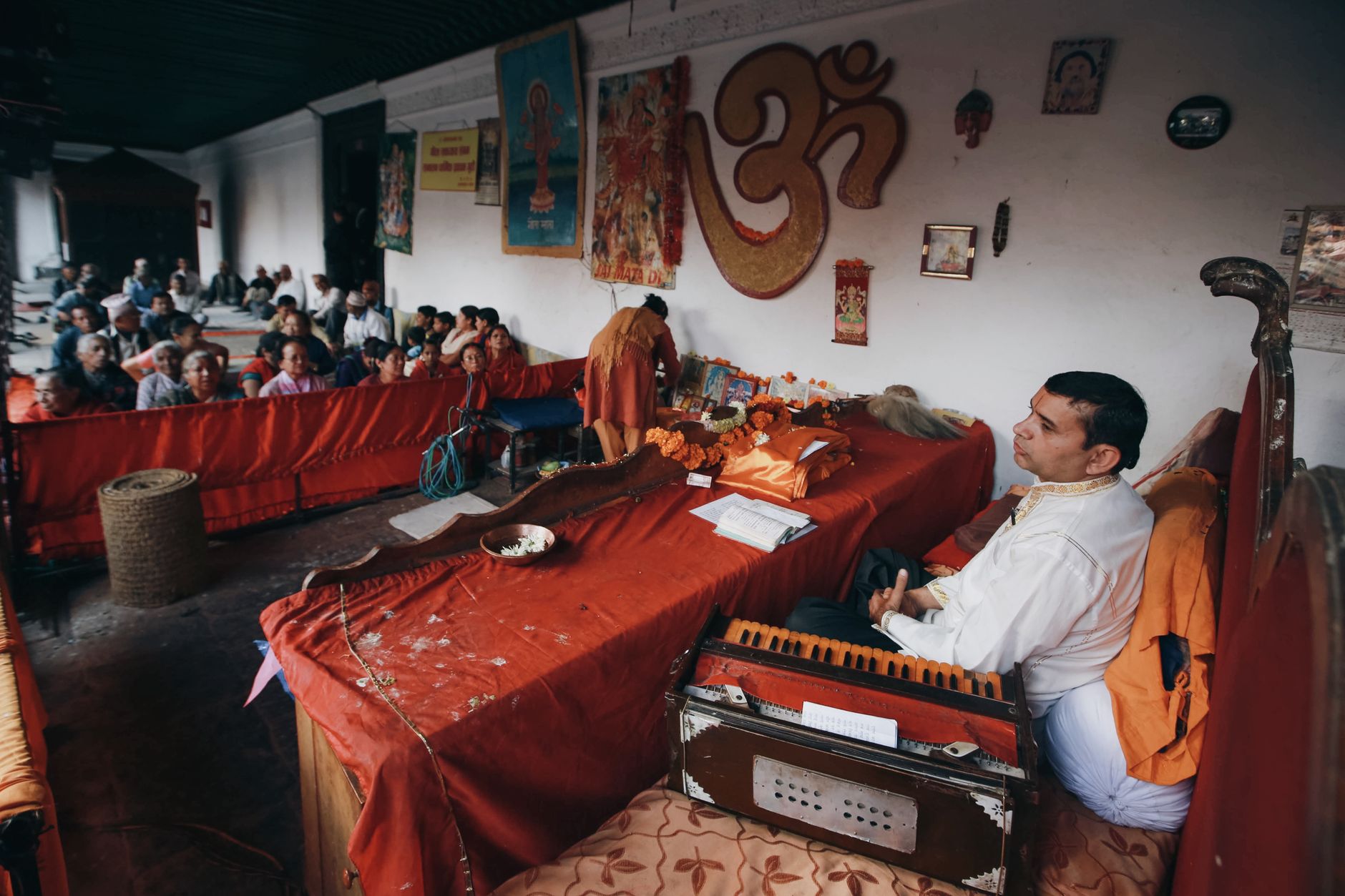
Devotional Music for Every Sacred Ceremony
Entertainment in Jaipur
Bhajan Group for Ceremonies in Jaipur: Complete Guide
A Bhajan Group for Ceremonies transforms any ritual — from a morning puja to a grand wedding saptapadi — into a profoundly moving spiritual experience. In Jaipur, where traditions run centuries deep and weddings unfold across multiple sacred rituals, the right devotional music ensemble does far more than fill silence: it sets the emotional and spiritual tone for every moment. Whether you need a kirtan group for weddings singing Meera bhajans during the var mala, or spiritual music performers chanting Vedic stotras during the havan, the Pink City's rich musical heritage gives you extraordinary choices. Understanding how to select, brief, and budget for live bhajan performance is what separates a forgettable ceremony from one your guests recall for decades.
Quick Answer
A Bhajan Group for Ceremonies is a trained ensemble of vocalists and instrumentalists — typically featuring harmonium, tabla, manjira, and dholak — who perform devotional compositions during Hindu rituals, pujas, weddings, and religious gatherings. In Jaipur, such groups are booked for occasions ranging from grih pravesh and satyanarayan katha to full wedding ceremonies, with packages typically starting around ₹8,000 and scaling up based on group size, instruments, and performance duration.
What Does a Bhajan Group for Ceremonies Actually Include?
A standard Bhajan Group for Ceremonies in Jaipur typically consists of four to eight performers: a lead vocalist, one or two supporting singers, a harmonium player, a tabla player, and musicians on manjira and dholak. Larger ensembles may add a sitar, flute, or even a sarangi for a richer, more layered sacred atmosphere for events. The group brings its own acoustic or PA-assisted equipment for indoor mandap settings, while outdoor haveli or garden venues usually require additional sound support. Most devotional music ensembles offer pre-agreed setlists covering popular bhajans — Jai Ganesh, Om Jai Jagdish, Radha Krishna kirtans — and can accommodate requests for specific regional or sampraday compositions if briefed at least two weeks in advance. Some groups in Jaipur are also trained in pandit and music coordination, meaning they time the musical crescendos precisely with key ritual milestones such as the pheras, the mangalsutra tying, or the aarti. Always confirm whether the quoted fee covers setup time, breaks, and travel allowance within city limits.
How Much Does a Bhajan Group for Ceremonies Cost in Jaipur?
Pricing for a Bhajan Group for Ceremonies in Jaipur follows a tiered structure based on ensemble size, performance duration, and the complexity of repertoire requested. A small four-member devotional music ensemble performing for two to three hours at a residence or community hall typically costs between ₹8,000 and ₹15,000. A mid-size six to eight member kirtan group for weddings covering the full wedding morning — from welcome puja through pheras and vidaai — is usually priced between ₹20,000 and ₹40,000. Premium ensembles featuring classical-trained vocalists, live sarangi, and professional PA setups command ₹50,000 to ₹90,000 for a full-day booking. Travel beyond 30 km from the Jaipur city centre — to venues in Amer, Chomu, or Dudu — typically attracts an additional ₹1,500 to ₹3,500. Costs for live bhajan performance also rise during peak wedding season (October to February) and on auspicious muhurat dates, so early booking of two to three months in advance is strongly recommended. Transparent itemised quotes, covering PA rental, travel, and contingency for overtime, protect you from surprise additions on the event day.
Why Traditional Rajasthani Ceremony Music Elevates Every Ritual
Jaipur sits at the confluence of multiple devotional music traditions — Haveli Sangeet from the Pushtimarg temples of Nathdwara, the Nath Sampraday bhajan style, Mewati classical influences, and the popular Rajasthani folk-devotional blend. Opting for traditional Rajasthani ceremony music means your Bhajan Group for Ceremonies can draw from this rich, layered vocabulary rather than defaulting to generic Bollywood bhajan remixes. For a grih pravesh in Civil Lines or a wedding at a heritage haveli in the old city walled area, an ensemble rooted in local tradition creates an unmistakable sense of place and sanctity. Spiritual music performers trained in Rajasthani styles also understand the pacing of local rituals — they know when to soften the tempo during the sindoor ceremony and when to lift the energy with a celebratory kirtan at the end of the pheras. This cultural alignment between music and ritual is something a generic entertainment act simply cannot replicate.
Which Ceremony Types Benefit Most from a Live Bhajan Performance?
A live bhajan performance enhances virtually every Hindu ceremony, but the impact is especially significant at certain rituals. Satyanarayan kathas and Ganesh puja ceremonies — common across Jaipur's C-Scheme, Vaishali Nagar, and Mansarovar neighbourhoods — gain an authentic communal energy when a religious singing group performs aarti and bhajans rather than playing a recorded playlist. Baby shower mundan ceremonies and naamkaran rituals benefit from softer, more contemplative compositions. Wedding ceremonies, particularly the havan, saptapadi, and vidaai, are the most emotionally charged touchpoints where a Bhajan Group for Ceremonies creates memories that photography cannot fully capture. Corporate puja events — office inaugurations, factory openings, and annual Diwali pujas — are a growing segment where Jaipur businesses increasingly book devotional music ensembles to signal cultural values and create inclusive, celebratory workspaces. Even destination weddings at Amer Fort or Samode Palace regularly feature kirtan groups for weddings as part of the pre-wedding haldi or mehendi programme, adding a living thread of tradition to spectacular heritage settings.
How to Brief and Coordinate a Bhajan Group for Ceremonies Successfully?
The quality of your live bhajan performance depends as much on your briefing as on the group's talent. Begin by sharing the full ceremony schedule with timestamps, indicating exactly which rituals require continuous music, which need silence, and where the natural musical high points should fall. For pandit and music coordination to work seamlessly, introduce the performing group to your pandit at least a week before the event so they can align on ritual sequences. Provide a prioritised song list — your top five must-include bhajans — and allow the lead vocalist creative latitude for the remaining selections. Confirm sound requirements with your venue manager: indoor mandap spaces in areas like Bani Park or Jagatpura may have volume restrictions, while open garden venues in Jaipuria or Kukas may need more amplification. Ensure the sacred atmosphere for events is maintained by designating a quiet green room area for the performers away from catering and guest movement. On the day, assign a point-of-contact from your family to cue the group for transitions, so the music flows with the ceremony rather than running on a fixed timer.
Bhajan Group Setup Types for Jaipur Ceremonies: A Practical Comparison
Expert Recommendation
Best for Intimate Home Ceremonies
Best for Grand Wedding Mandaps
Best for Heritage Destination Weddings
Best for Budget-Conscious Families
Best for Corporate or Office Pujas
Best for Multi-Day Wedding Functions
How to Choose the Right Option
✅ Pre-booking Checklist
- Confirm the exact ceremony timeline and share it with the group at least two weeks before the event
- Verify that the group has experience with your specific ritual type — wedding, puja, corporate event, or festival
- Clarify whether PA equipment is included or must be hired separately from a third-party vendor
- Share a prioritised setlist of five to seven must-include bhajans along with any family-specific compositions
- Introduce the group to your pandit for pandit and music coordination at least a week before the ceremony
- Confirm travel allowance policy for venues outside the Jaipur city centre, such as Amer, Chomu, or Shahpura
- Collect a written agreement covering performance duration, overtime rates, break timings, and cancellation terms
- Arrange a short sound check 60 to 90 minutes before the ceremony begins
🎯 Selection Criteria
- Repertoire depth and ability to cover your specific regional or sampraday bhajans
- Years of experience performing at ceremonies similar to yours in scale and type
- Musicianship quality — listen to a live recording or attend a prior performance if possible
- Responsiveness and professionalism during booking communication
- Flexibility to adapt tempo and volume in real time based on ritual flow
💰 Cost / Quality Factors
- Group size directly affects both cost and the fullness of the sound produced
- Peak season dates and auspicious muhurats command 20 to 30 percent premium pricing
- Venue type — indoor versus outdoor — determines whether additional PA hire is needed
- Travel distance beyond 30 km from Jaipur city adds to the total engagement cost
- Custom repertoire requests requiring rehearsal may involve a small additional fee
- Multi-event or multi-day bookings typically attract bundled discounts of 15 to 20 percent
⚠️ Common Mistakes to Avoid
- Booking without sharing the ceremony schedule, leading to musical misalignment during key rituals
- Assuming all groups provide PA equipment — always confirm this in writing before the event
- Waiting until the last month to book during the October to February peak wedding season
- Neglecting to brief the group on volume restrictions at the specific venue or neighbourhood
- Choosing solely on price and skipping a listening assessment of the group's actual performance quality
- Failing to assign a family coordinator to cue musical transitions on the day of the ceremony
People Also Ask
How many performers should a bhajan group have for a home ceremony in Jaipur?
Can a bhajan group perform at both the mehendi and the main wedding ceremony?
What instruments are typically included in a bhajan group for ceremonies?
How far in advance should I book a bhajan group for a Jaipur wedding?
Is recorded music a good substitute for a live bhajan performance at ceremonies?
Do bhajan groups in Jaipur provide their own sound equipment?
What is the typical performance duration for a bhajan group at a wedding ceremony?
Can a bhajan group learn specific regional or family compositions for our ceremony?
Related Experiences on Happiffie
Sacred Sounds for Nainital Ceremonies
Sacred Voices for Your Holy Celebration
Live Music Magic in Jaipur
Sacred Sounds for Your South Indian Wedding
Devotional Music That Moves Souls
Electrify Every Moment in Pune
Frequently Asked Questions
What is a typical cost for a Bhajan Group for Ceremonies in Jaipur?
Can a bhajan group perform at outdoor venues like Amer Fort or Samode Palace in Jaipur?
How is a kirtan group for weddings different from a general bhajan group?
Do bhajan groups in Jaipur perform at non-Hindu religious ceremonies?
How long does a sound check take before a live bhajan performance?
Is it necessary to serve the bhajan group members a meal during a full-day event?
Can a Bhajan Group for Ceremonies be booked last-minute in Jaipur?
What is the minimum group size that still creates an authentic atmosphere for a small ceremony?
Key Takeaways
- A Bhajan Group for Ceremonies in Jaipur typically ranges from ₹8,000 for a small home ensemble to ₹90,000 for a full classical group at a heritage wedding venue.
- Group size, instrument range, PA equipment, and performance duration are the four primary cost drivers for any devotional music ensemble.
- Traditional Rajasthani ceremony music traditions — Haveli Sangeet, Nath Sampraday bhajans — add a distinctive local identity that generic music acts cannot replicate.
- Kirtan groups for weddings should be briefed with a ceremony timeline and setlist at least two weeks before the event for seamless ritual alignment.
- Pandit and music coordination, arranged in advance, ensures the live bhajan performance flows naturally with the actual pace of each ritual milestone.
- Peak season bookings from October to February require two to four months' advance planning to secure experienced spiritual music performers.
- A written agreement covering overtime rates, PA inclusion, travel costs, and cancellation policy protects both parties and eliminates day-of disputes.
Book the Perfect Bhajan Group for Your Jaipur Ceremony
Browse vetted devotional music ensembles on Happiffie — compare setups, check availability, and secure your booking in minutes.
Explore Bhajan Groups
Are you a Vendor? Grow Your Business with Happiffie!
- High intent verified leads
- Reverse auction opportunities
- AI business tools & insights
- Dedicated vendor dashboard
- Grow your business, your way
It's free & takes less than 2 minutes!