Best Fonts & Colors for Wedding Invitations: Ultimate Design Guide 2026
Complete guide to choosing the perfect typography and color schemes for your Indian wedding invitations

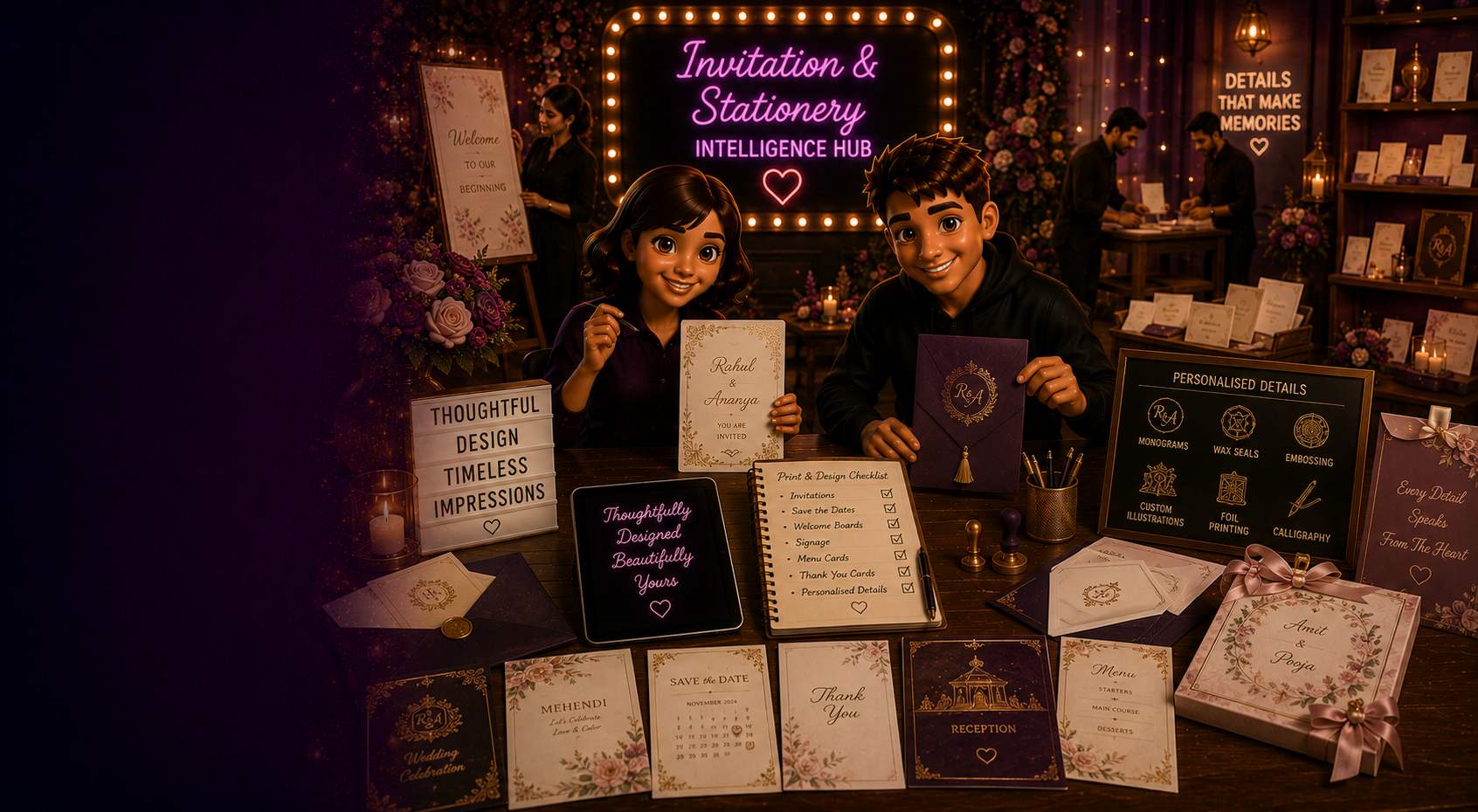 Looking for inspiration? Looking for stationery intelligence?
 Ideas, inspiration and expert insights for event invitations, stationery, card designs, signage, personalised details and memorable event communication.
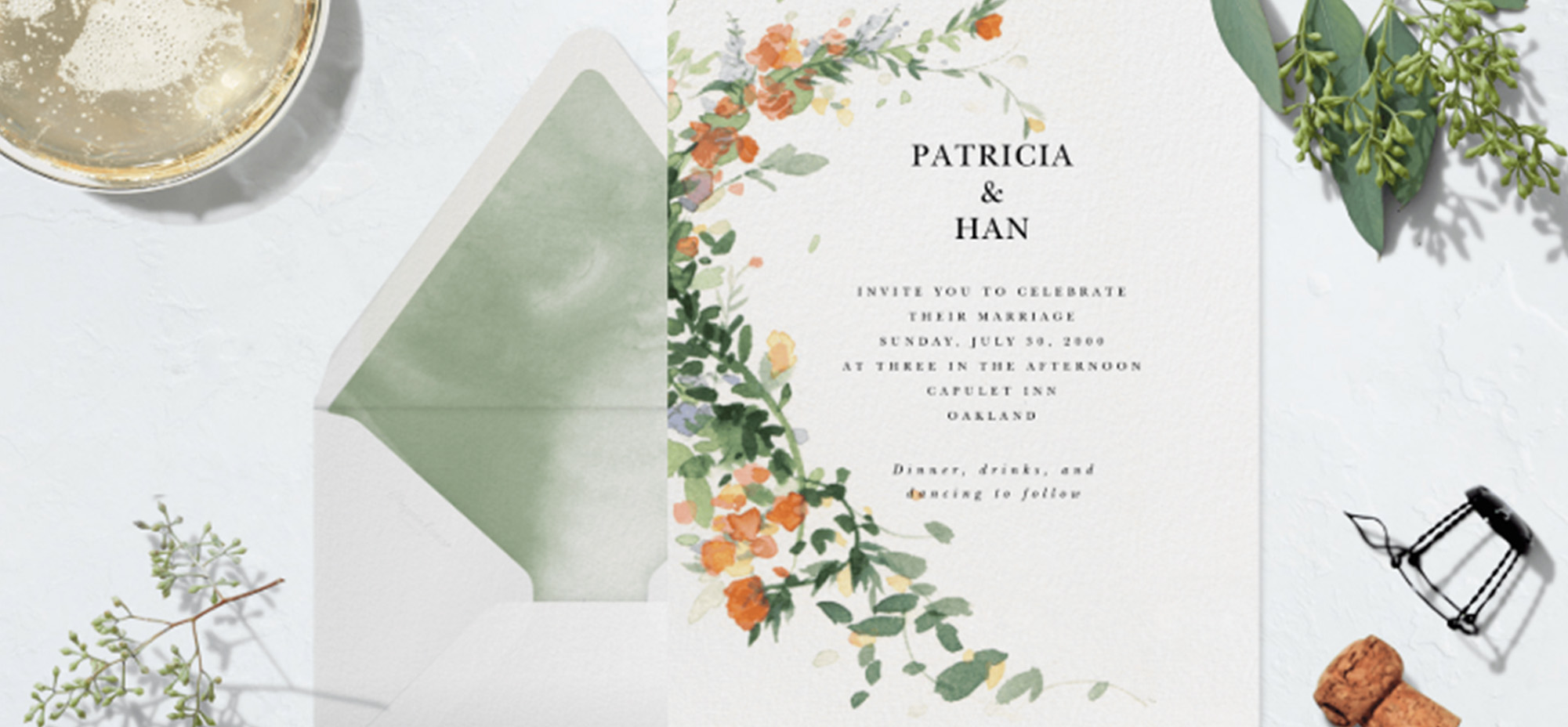
Complete guide to choosing the perfect typography and color schemes for your Indian wedding invitations
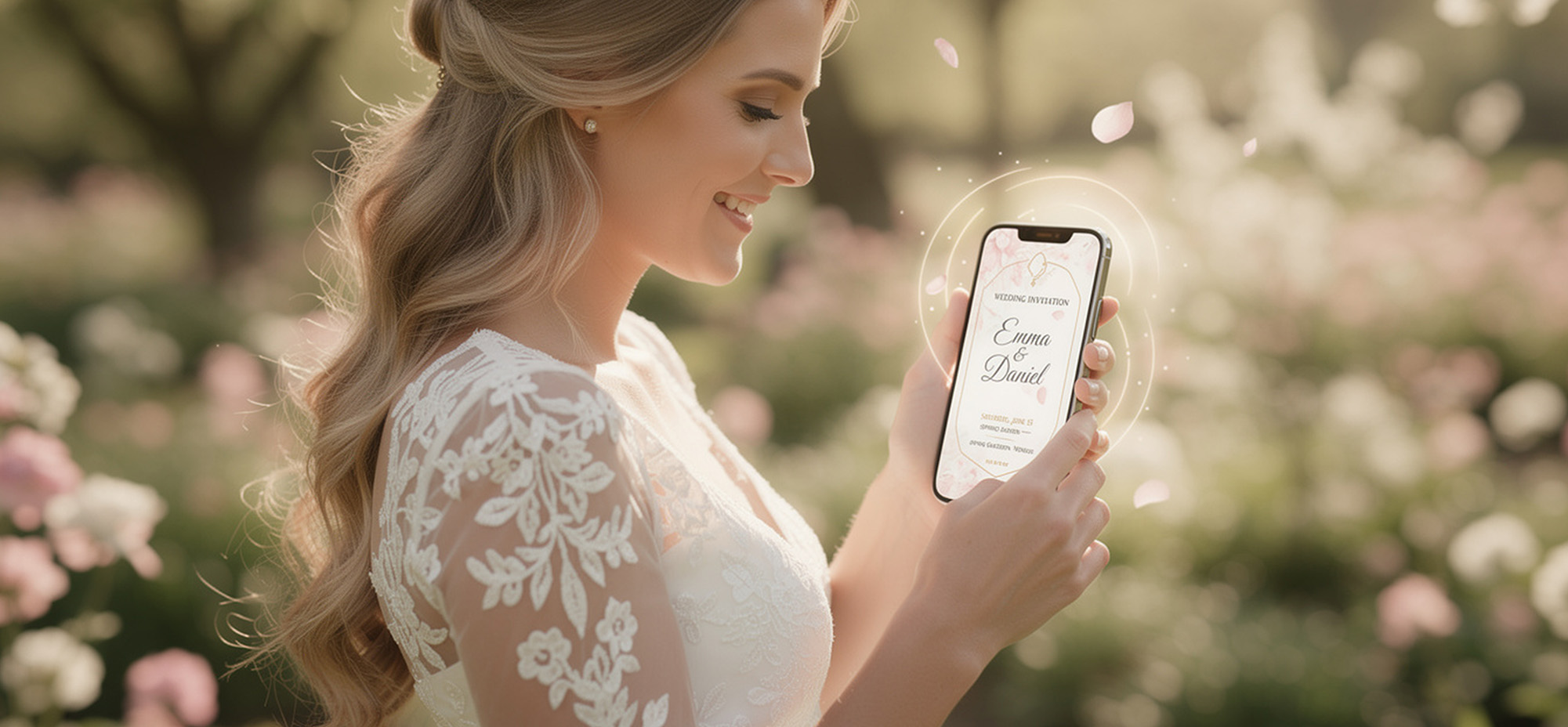
Interactive AR wedding cards that transform traditional invites into digital experiences

Complete guide to sustainable invitation choices, prices, and vendors across Indian cities
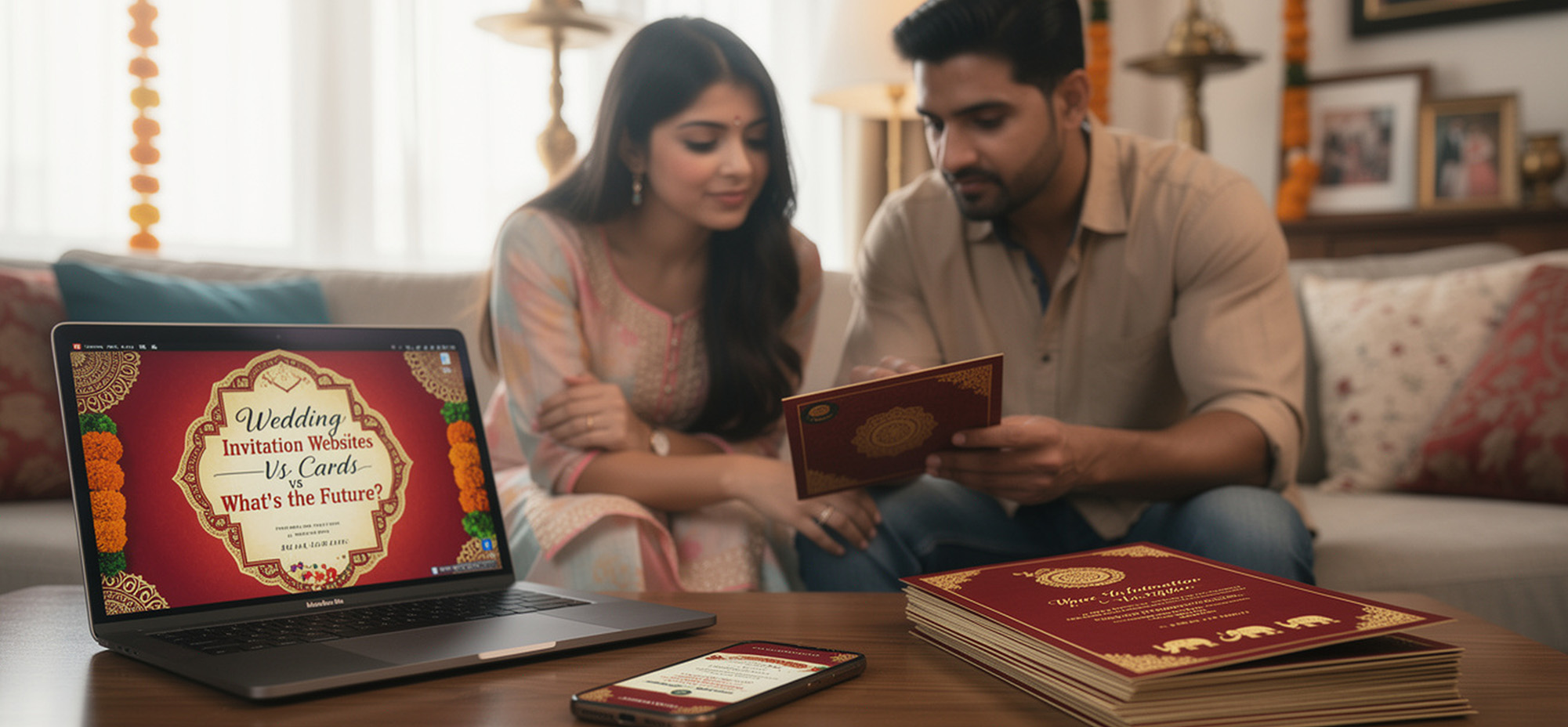
Digital vs Traditional Invitations: Making the Right Choice for Your Big Day
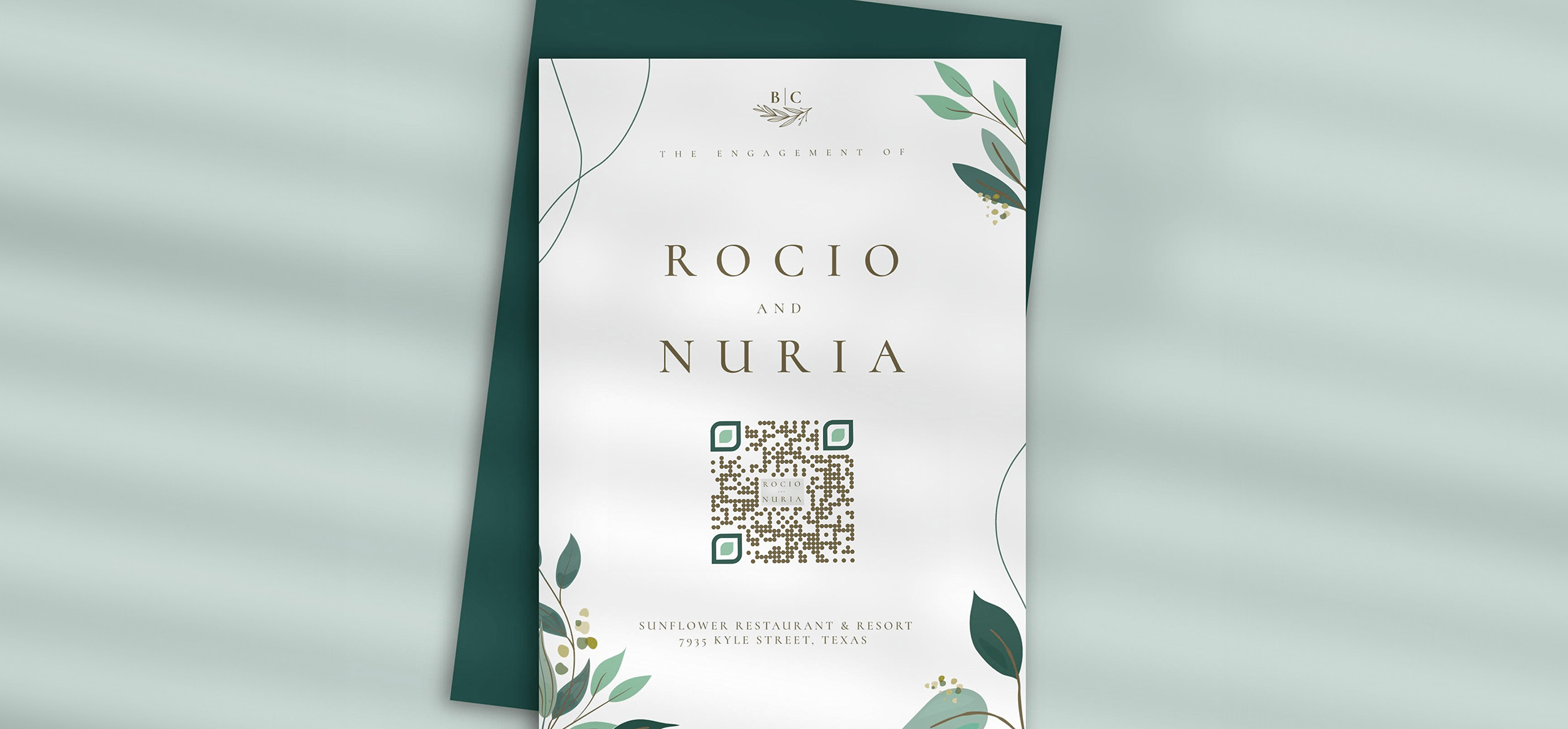
Transform your wedding invitations with QR codes, custom websites, and digital features that wow your… more
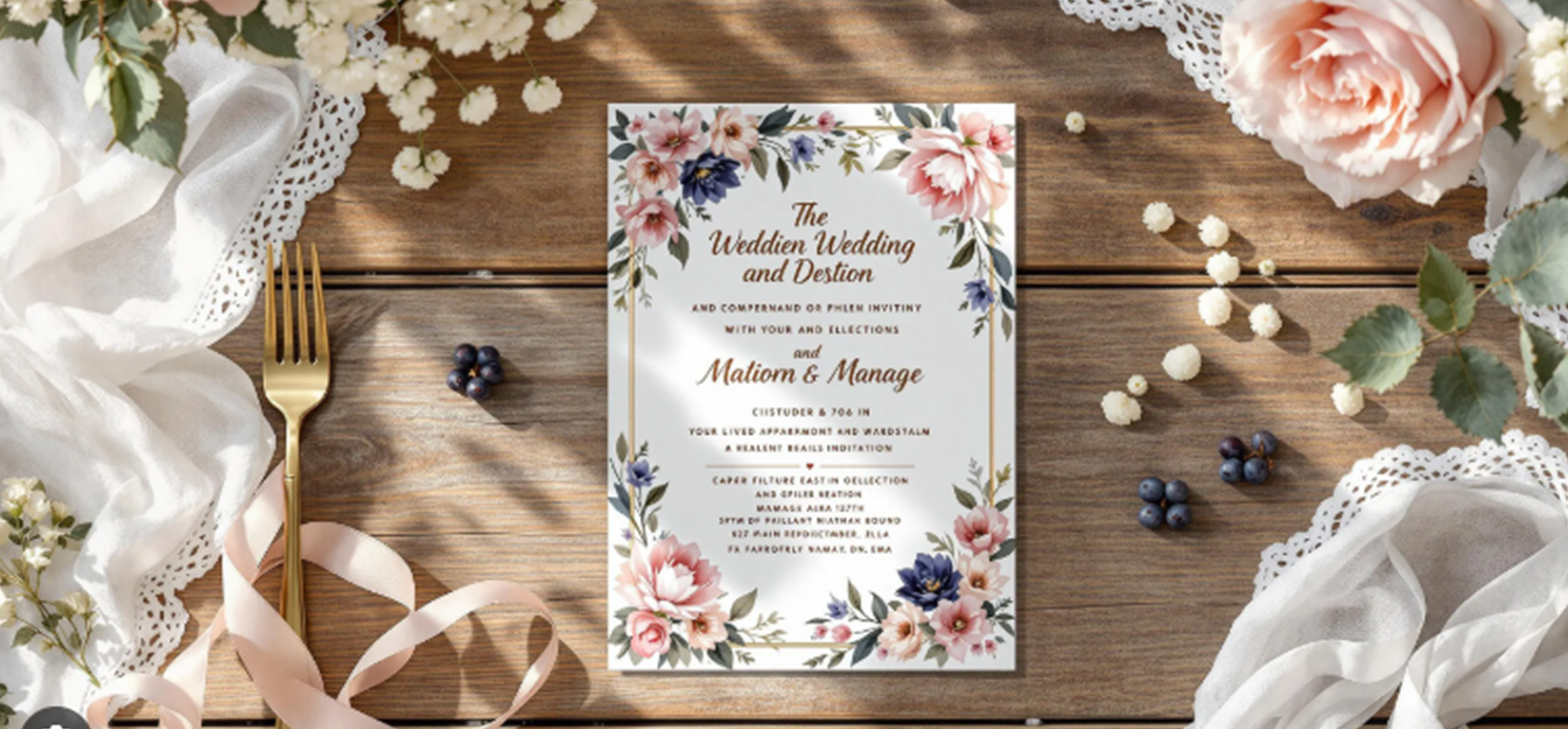
A complete guide to creating personalized wedding invites that reflect your story
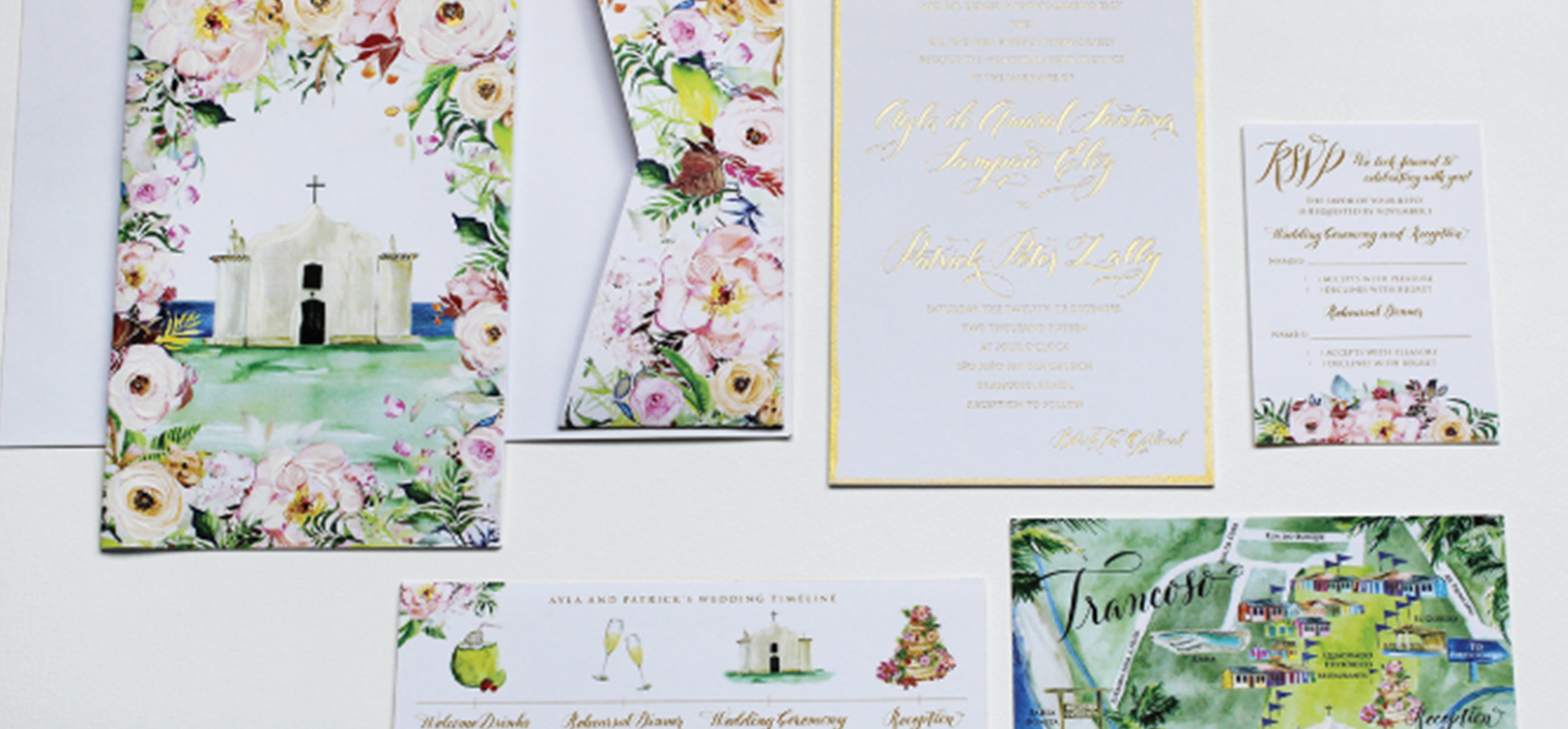
Your Complete Guide to Creating Wedding Invitations That Perfectly Match Your Vision and Budget
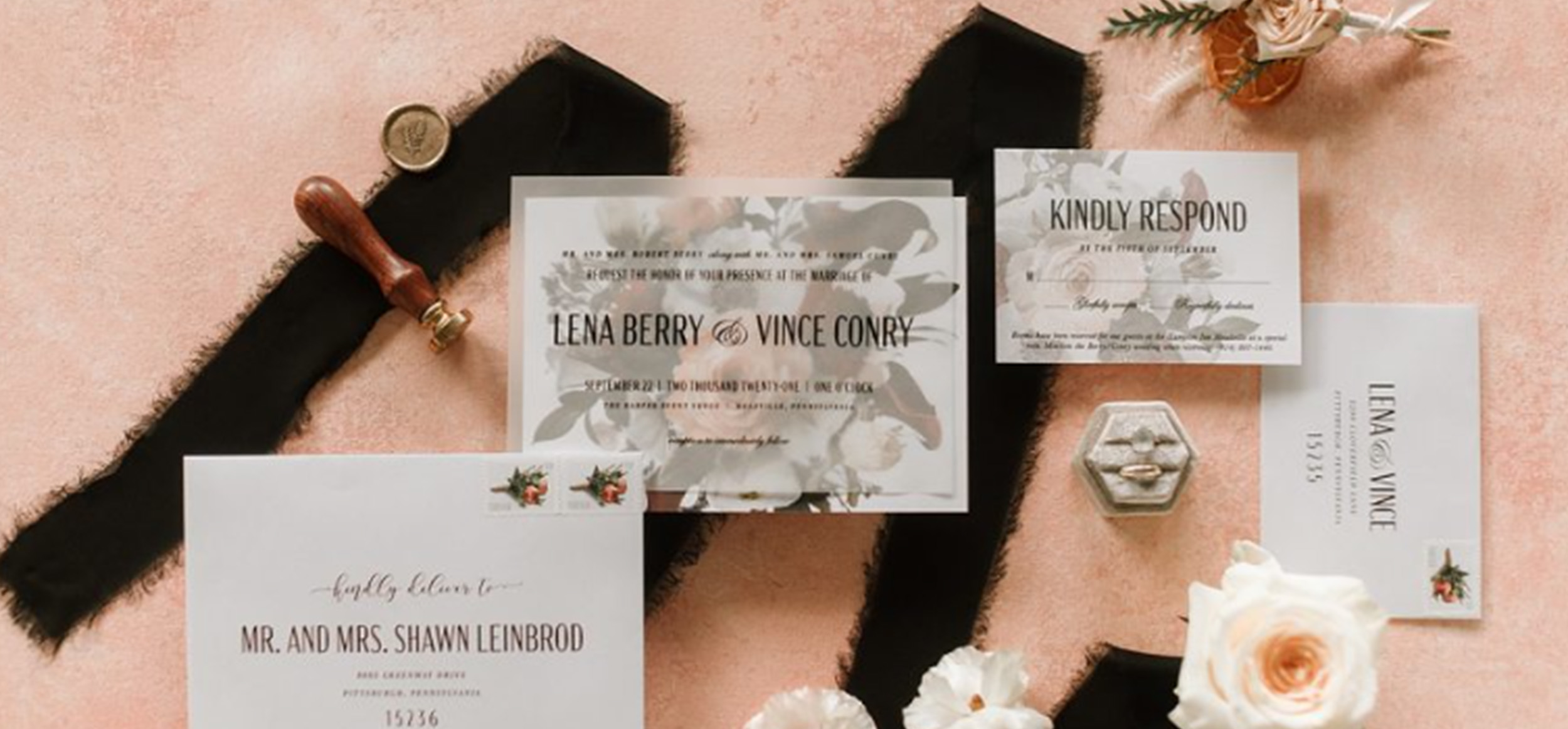
Expert insights on common wedding invitation blunders and proven strategies to create memorable, stress-free invitations… more
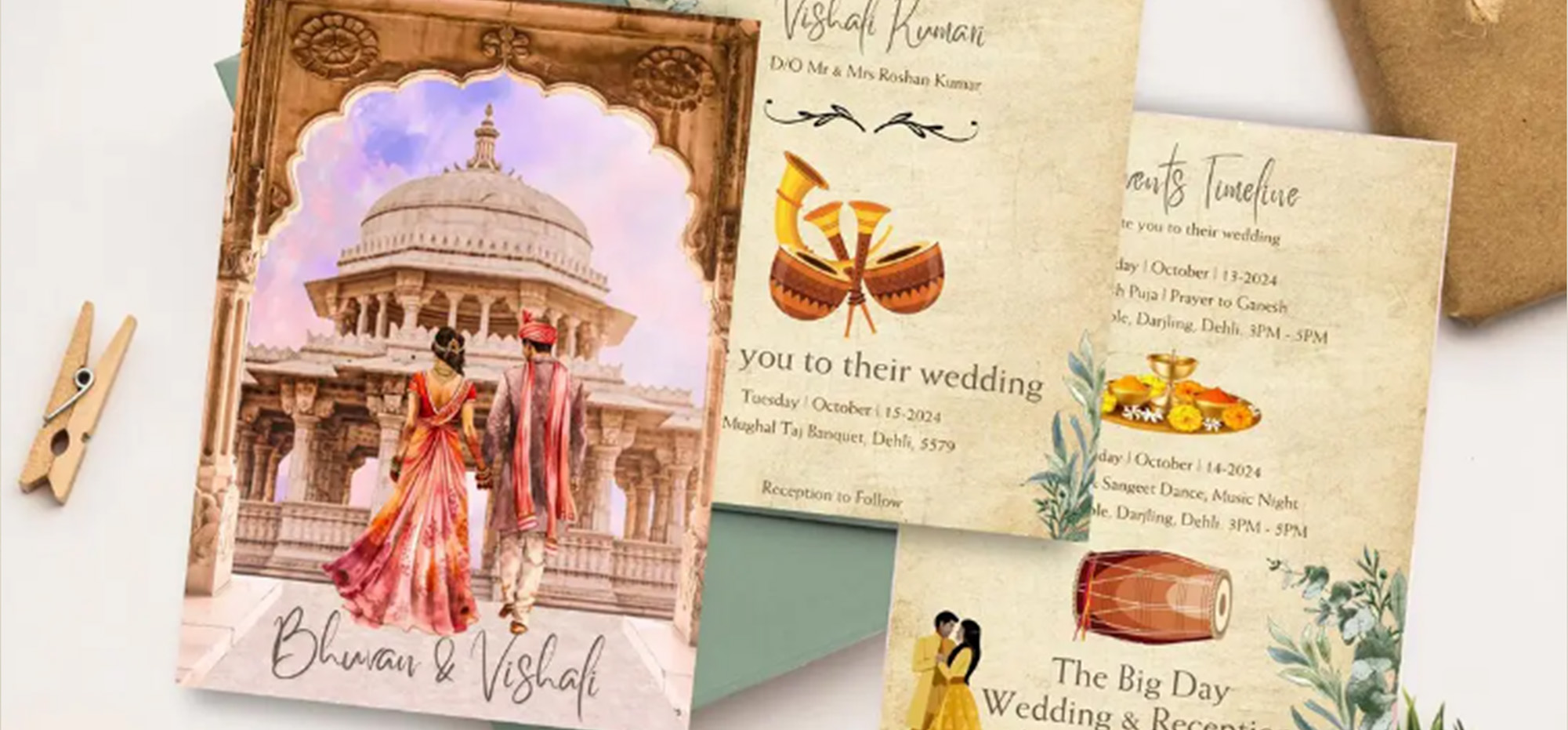
Complete journey of creating perfect wedding invitations with insider tips from design to guest delivery
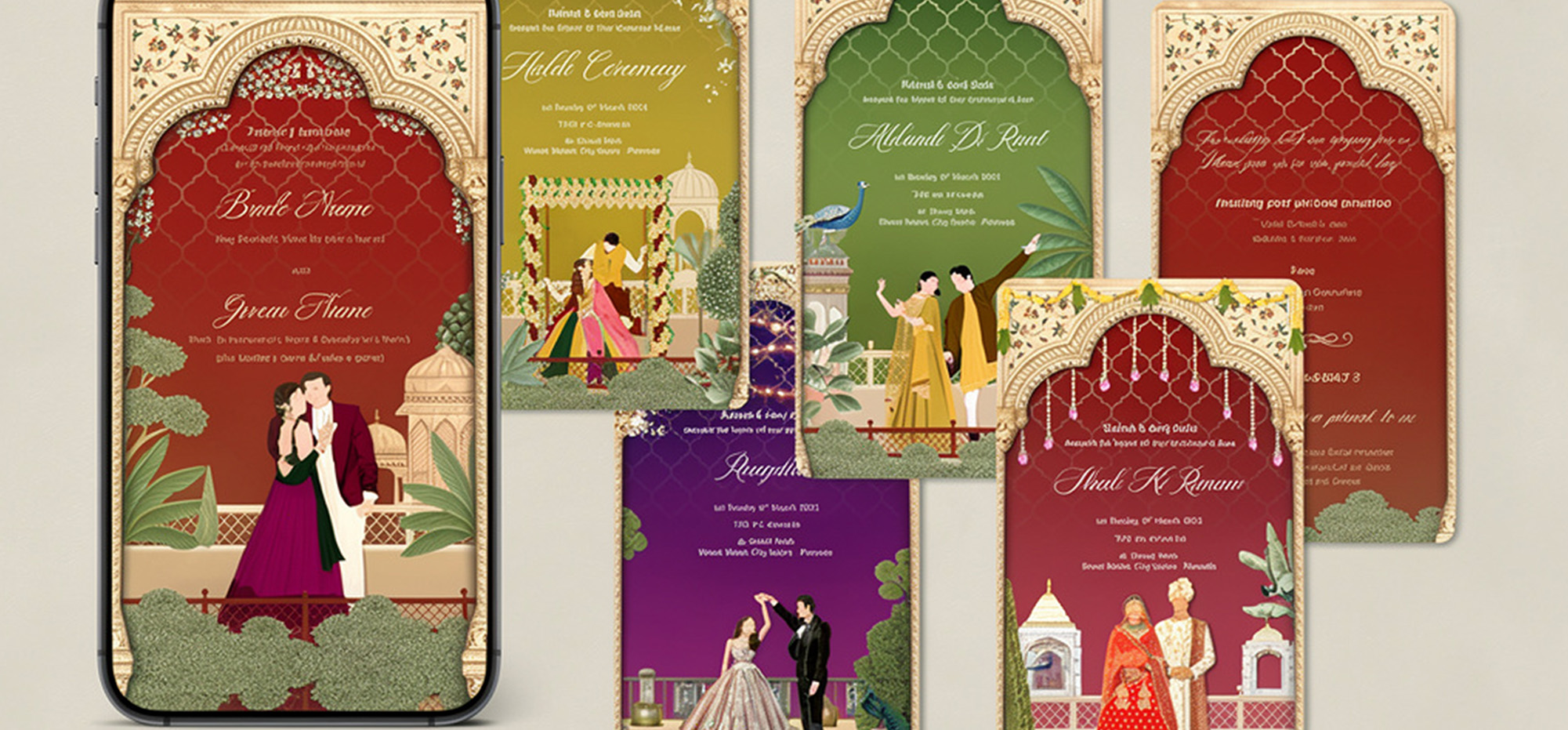
Expert strategies to evaluate, negotiate, and book the perfect wedding invitation vendor for your celebration
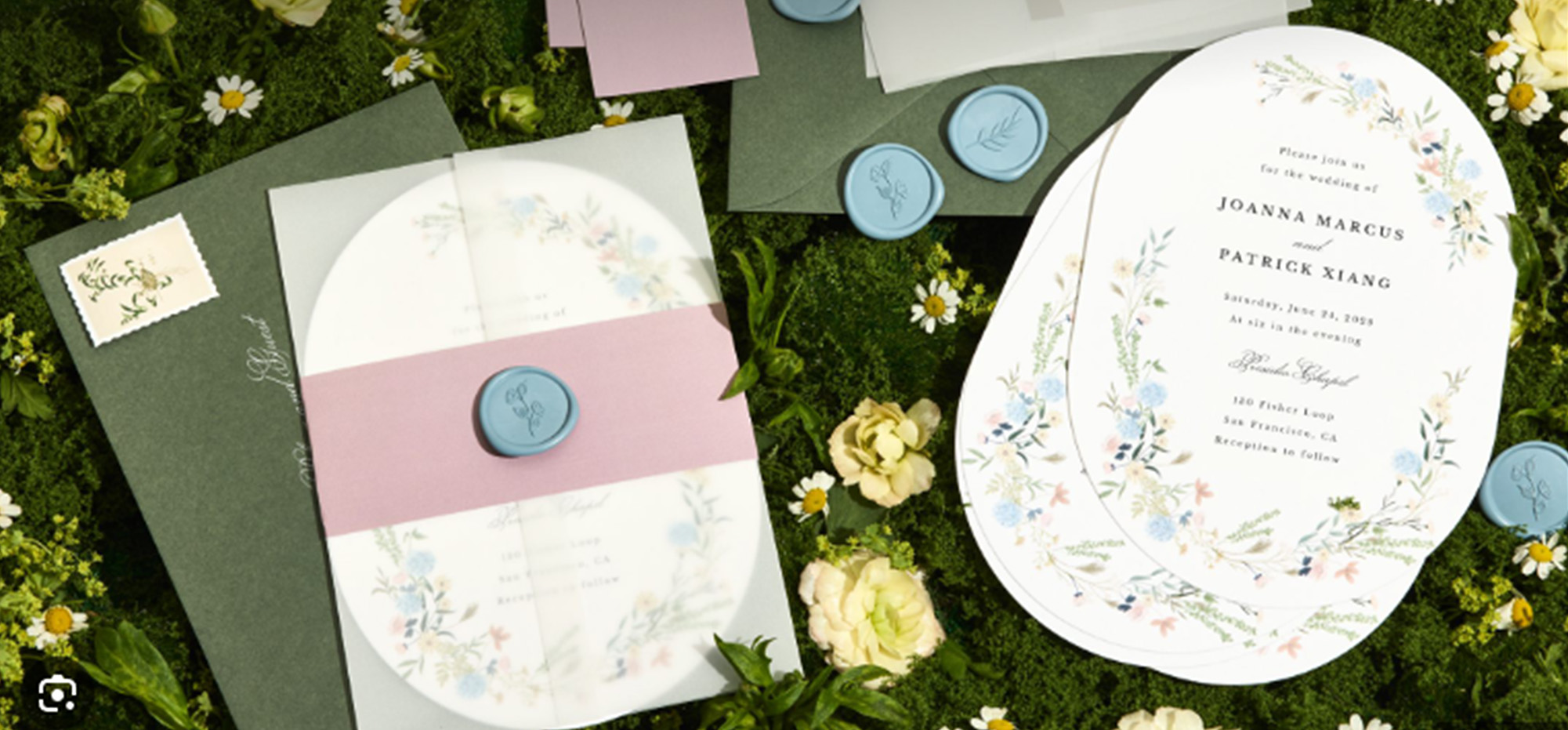
Uncover surprising wedding invitation expenses that blow budgets and learn how to plan smarter
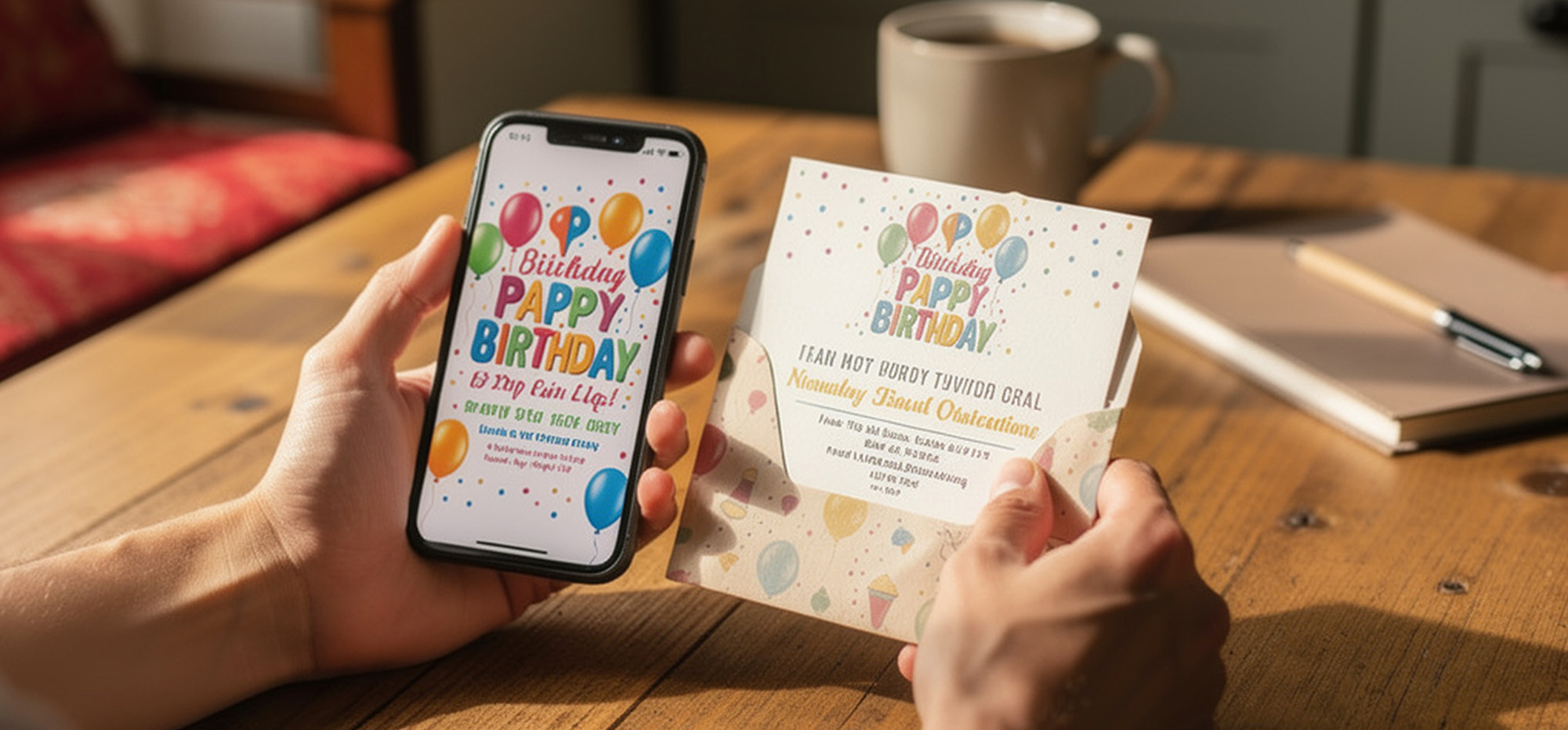
Digital vs Traditional Wedding Invitations - Which Option Saves More Money?
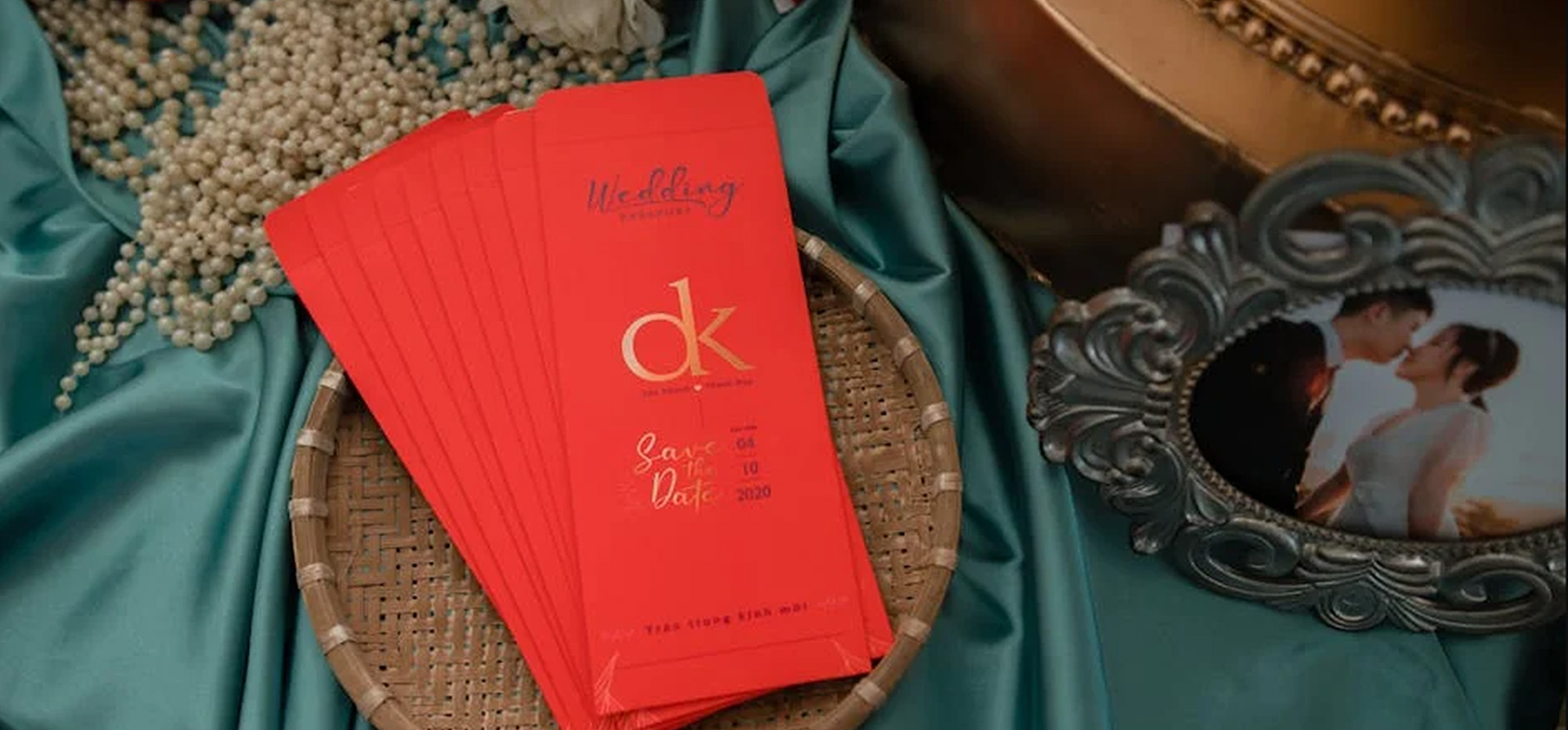
Expert strategies to cut invitation costs by 40-60% while maintaining elegance
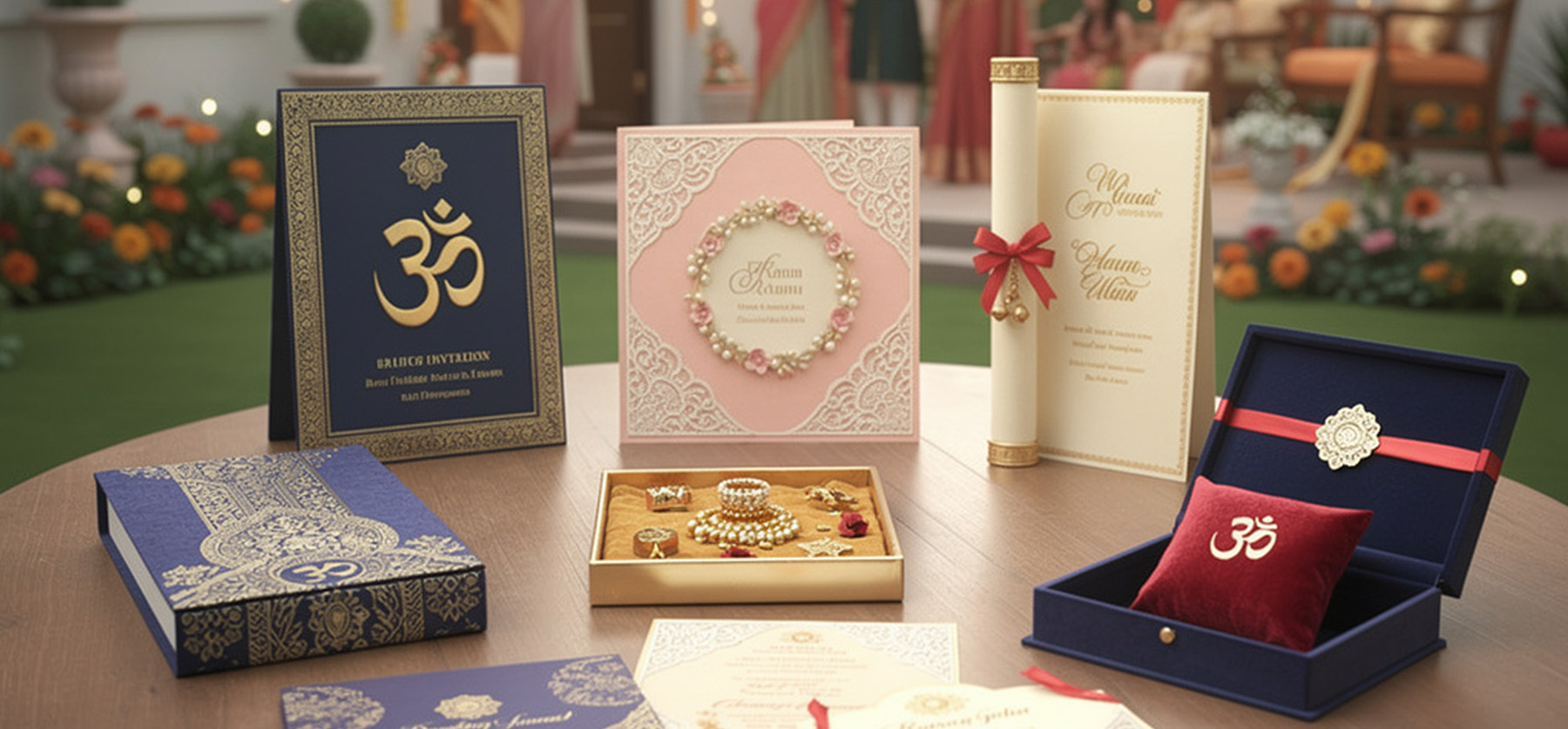
Smart pricing guide for every wedding invitation style and budget
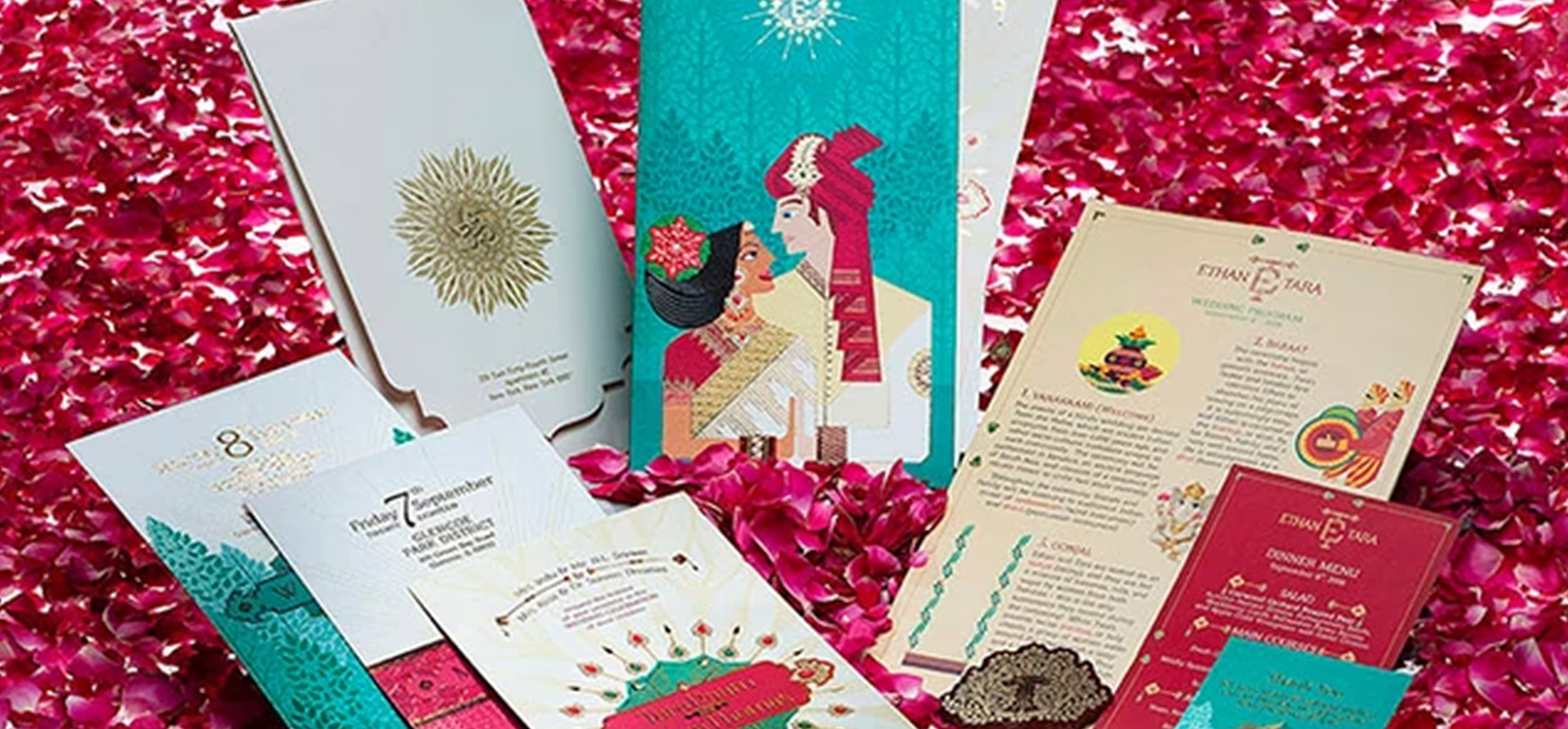
Master the art of invitation distribution with timing, etiquette, and cost-saving strategies for Indian weddings
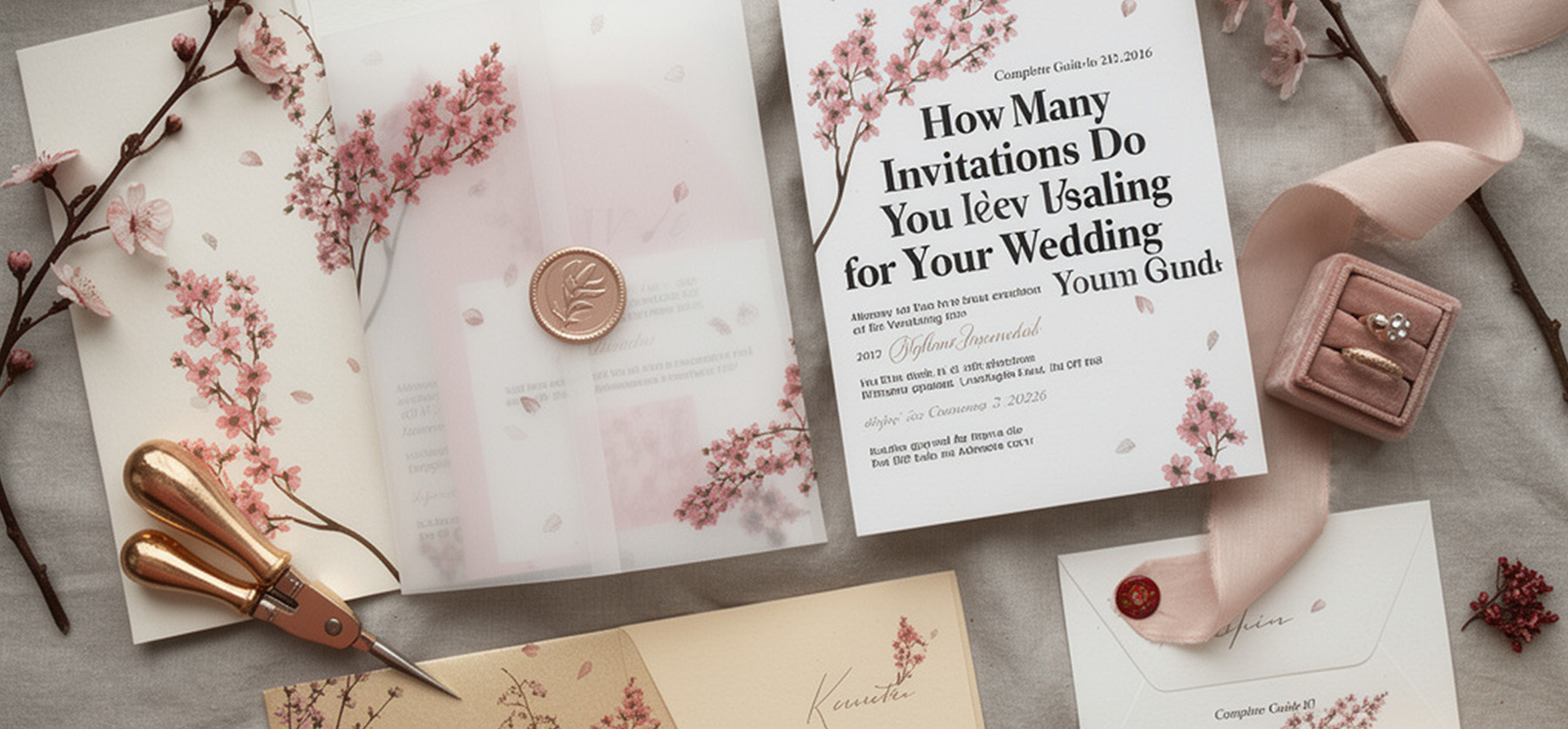
Master the art of invitation planning with expert insights on quantities, costs, and common mistakes… more

Complete timeline, budget breakdown, and vendor selection for wedding and event invitations

Master guest list management with proven strategies for Indian weddings
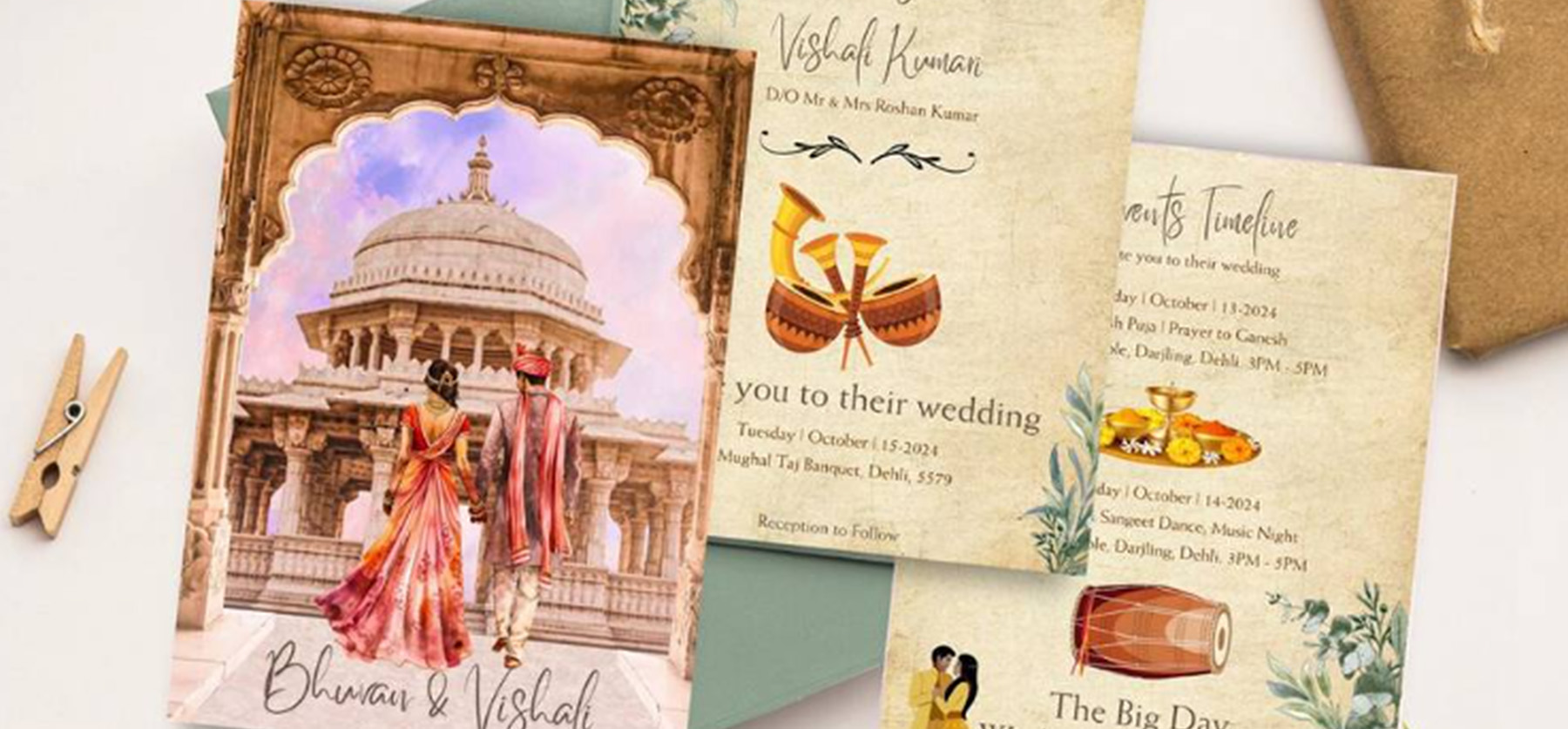
Master the art of wedding invitation timing with our comprehensive guide for Indian weddings

Discover unique invitation ideas that kids love while keeping costs reasonable for Indian parents
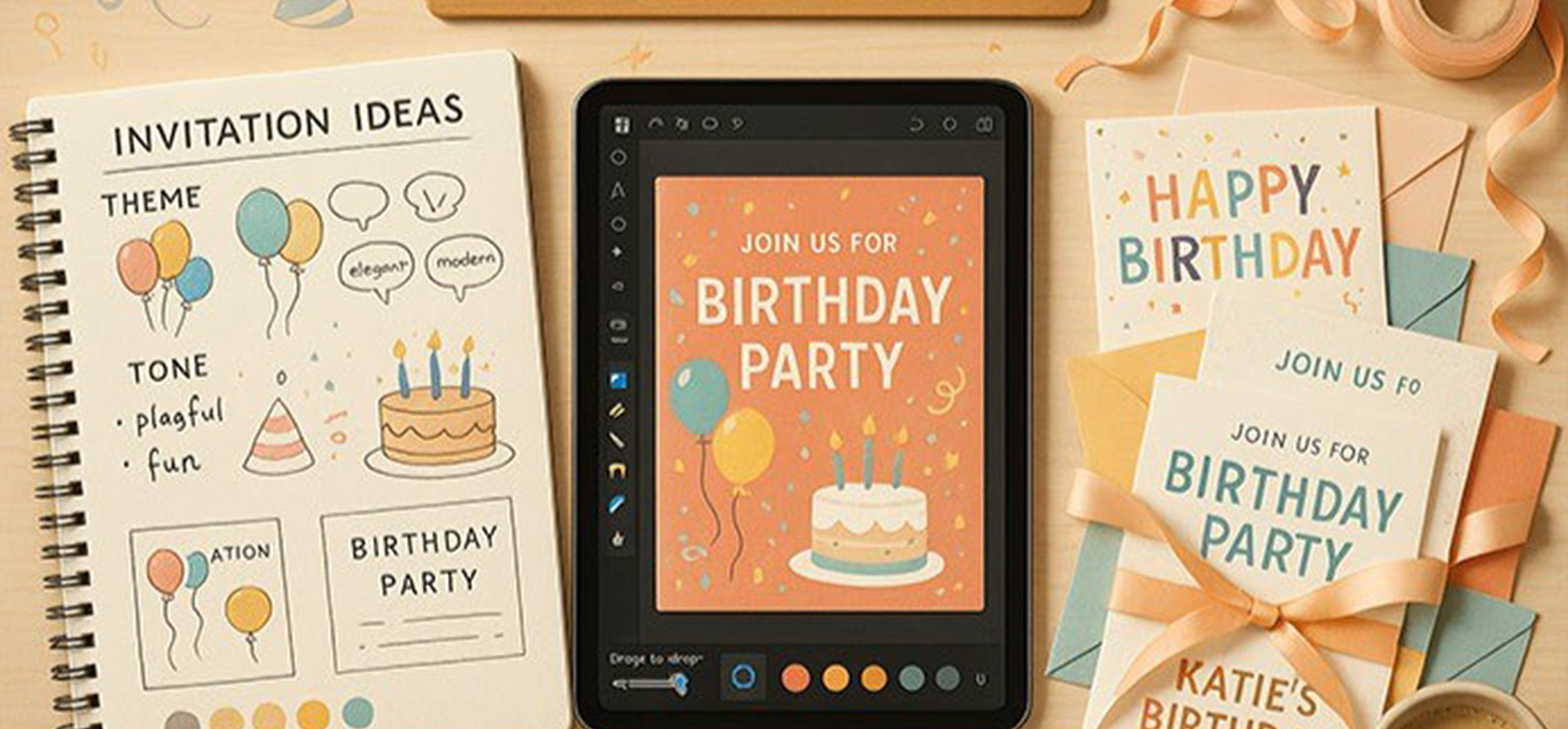
Digital invitation designs that make birthdays memorable while saving costs

Expert tips to create stunning birthday invitations that guests will actually keep

Creative invitation designs that set the perfect tone for every celebration
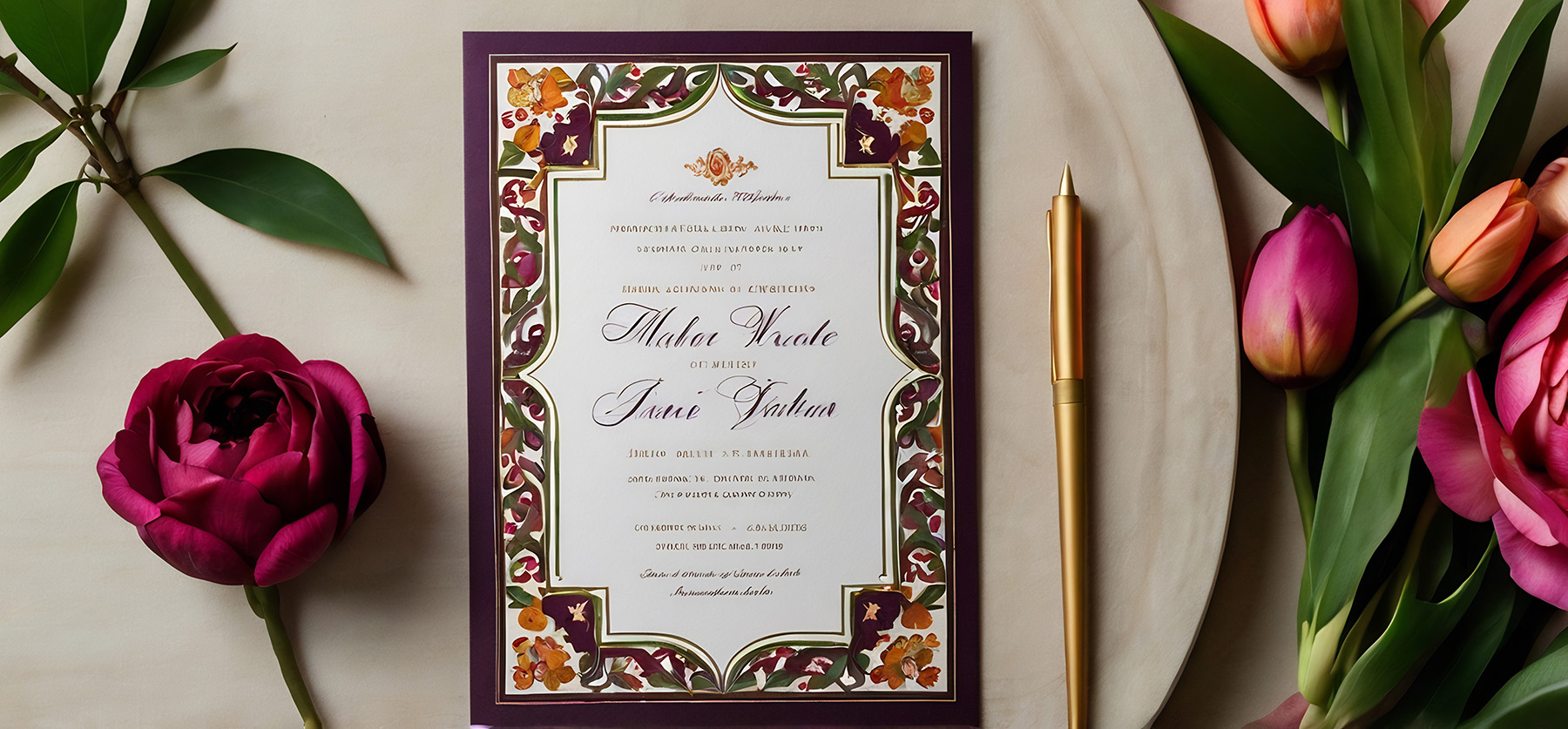
Complete guide to choosing wedding invitation themes that perfectly capture your celebration style

Design stunning custom wedding invites that reflect your love story with practical tips and budget-friendly… more
Get the latest invitation ideas, stationery trends, card designs, signage inspiration and expert event communication insights straight to your inbox.
An invitation is often the first impression guests receive of an event. Before they arrive at the venue, experience the décor or meet other guests, the invitation communicates what the occasion is about, when it is happening and what kind of experience they can expect. Thoughtfully designed invitations and stationery can therefore become an important part of the event identity.
Event stationery extends beyond invitation cards. It can include save-the-date communication, welcome cards, programme cards, menus, place cards, table numbers, signage, envelopes, thank-you cards, tags and other printed or digital details.
From intimate celebrations and milestone occasions to corporate events, cultural gatherings, festive functions and destination experiences, the right stationery can bring consistency to event communication while adding personality to the overall experience.
The Happiffie Invitation & Stationery Intelligence Hub brings together design inspiration, planning guidance, printing considerations and event communication ideas to help you make informed decisions from the first invitation to the final event detail.
Invitation design should begin with the character of the event. Formal occasions may benefit from elegant typography and refined layouts, while relaxed celebrations can use playful colours, illustrations or contemporary graphics.
Traditional events can incorporate cultural motifs, regional artwork, meaningful symbols and familiar design elements. Modern celebrations may favour minimal layouts, bold typography, creative compositions or personalised illustrations.
Digital invitations have also become an important option for many events. They can be shared quickly, updated easily and combined with maps, schedules, RSVP forms and other useful information.
Printed invitations continue to offer a tactile experience that digital communication cannot completely replicate. Paper quality, texture, finishes, typography and physical presentation can make the invitation feel like a meaningful part of the occasion.
Different events require different invitation formats. A simple single-card invitation may be sufficient for a straightforward gathering, while a multi-card stationery set can be useful when guests need information about schedules, locations, activities or multiple event sessions.
Folded cards can provide additional space without making the invitation physically large. Boxed invitations, premium card sets and specialty formats can create a more elaborate presentation, while compact cards may be easier to distribute and store.
For corporate events, invitations may focus on clarity, branding, agenda information and professional communication. Private celebrations can provide more freedom for colour, illustration and personal storytelling.
Consider how guests will receive the invitation, how much information needs to be included and how the format fits the event budget before selecting a design.
A strong stationery system creates a visual connection between different event materials. Invitation cards, menus, signage, table numbers, welcome boards and thank-you cards can share typography, colours, illustrations or graphic elements.
This consistency helps guests recognise information quickly and makes the event feel more thoughtfully designed. It also allows the invitation to establish a visual language that continues into the venue.
For example, a distinctive colour palette introduced on the invitation can later appear on signage and printed menus. A custom illustration can become a recurring graphic element across cards, welcome displays and digital communication.
The objective is not to make every piece identical. Instead, each stationery item can have its own purpose while still belonging to the same visual system.
Personalisation can make an invitation feel more relevant and memorable. Names, custom messages, illustrations, monograms, meaningful symbols and event-specific artwork can all introduce individuality.
Personalisation can also extend beyond the main invitation. Place cards, welcome notes, menus, gift tags and thank-you cards can be customised to create a more connected guest experience.
For larger events, however, personalisation requires careful proofing and data management. Names, dates, addresses and other variable information should be checked before printing.
Digital tools can make personalised communication easier to manage, but the final content should still be reviewed carefully. A small spelling or formatting error can become expensive once hundreds of copies have been printed.
Stationery continues beyond the invitation once guests arrive at the venue. Signage helps people understand where to go, what is happening and how different parts of the event are organised.
Welcome signs, directional boards, programme displays, seating charts, table numbers, menus and information cards can all improve the guest experience.
Signage should be designed around visibility and readability rather than decoration alone. Font size, contrast, placement and viewing distance should be considered, particularly for large venues.
For destination events or venues with multiple spaces, directional signage can be especially useful. Clear communication reduces confusion and allows guests to move between areas more independently.
The physical qualities of stationery can significantly influence how it looks and feels. Paper thickness, texture, finish and printing method should be selected according to the design and intended experience.
Different designs may work better on smooth, textured, matte or specialty papers. Foil details, embossing, debossing, raised finishes and other techniques can add visual and tactile interest, but they may also increase production costs.
Colour accuracy is another important consideration. Colours displayed on a screen may appear different when printed, so professional proofing can help identify unexpected changes before full production.
For large stationery orders, always confirm final artwork, dimensions, paper specifications, printing method and finishing details before approving production.
Invitation and stationery costs vary according to paper, size, quantity, printing process, finishing, customisation, packaging and delivery.
A simple printed invitation can be relatively straightforward, while premium stationery with specialty paper, multiple inserts and decorative finishing can require a considerably larger budget.
When planning costs, include all stationery requirements rather than considering only the invitation card. Envelopes, inserts, menus, signage, place cards, thank-you cards and delivery can add significantly to the overall requirement.
Quantity also influences pricing. Larger print runs can reduce the per-unit cost, but ordering significantly more than required can create unnecessary waste.
A useful approach is to identify which stationery elements guests genuinely need and where premium finishing will have the greatest impact.
Digital and printed invitations do not necessarily need to compete with each other. Many events use both formats for different purposes.
Digital invitations can provide quick initial communication, easy sharing and convenient RSVP management. Printed invitations can then offer a more tangible experience for selected guests or important occasions.
Digital formats can also incorporate useful interactive elements such as maps, links, schedules and response forms. This can make them particularly practical when guests are travelling or when event details may change.
Printed stationery, meanwhile, can create a stronger physical connection and become a keepsake after the event.
The best approach depends on your audience, event type, communication requirements and budget.
India's diverse event culture creates a wide range of invitation and stationery styles. Chennai and other South Indian cities offer strong opportunities to combine contemporary layouts with regional artistic influences and traditional motifs.
Bengaluru provides a broad mix of modern digital invitations, creative print design and personalised stationery. Hyderabad offers opportunities to blend contemporary design with cultural elements, while Mumbai and Delhi provide extensive options for premium printing, specialised finishing and custom design.
Jaipur is particularly relevant for invitations inspired by heritage, colour and traditional artwork. Kolkata, Ahmedabad, Pune and Kochi also offer distinctive design and printing ecosystems shaped by local aesthetics and craftsmanship.
When searching for invitation designers or printers in a particular city, consider portfolio quality, printing capabilities, customisation options, production timelines and delivery coverage.
Event stationery continues to evolve as people look for designs that feel personal, visually distinctive and useful. Minimal typography, illustrated details, expressive colour palettes and personalised artwork continue to influence modern invitation design.
There is also increasing interest in digital-first communication, particularly when guests are spread across different cities or countries. Interactive invitations can combine visual design with practical information and RSVP functionality.
Sustainable stationery is another growing consideration. Recycled papers, responsible printing, reusable elements and reduced packaging can help lower the environmental impact of event communication.
At the same time, traditional craftsmanship remains relevant. Handcrafted papers, regional artwork, calligraphy-inspired typography and cultural motifs can give stationery a distinctive identity.
The strongest trend is ultimately personalisation. Rather than following a design style simply because it is popular, choose visual elements that represent the event, audience and experience.
Finding the right invitation and stationery solution can involve comparing designers, formats, paper types, printing methods, digital options, finishing techniques and budgets. Happiffie brings these considerations together through an event-focused intelligence experience.
The Invitation & Stationery Intelligence Hub helps you explore invitation ideas, card formats, stationery systems, signage concepts, printing considerations and communication trends before making decisions.
Whether you are planning a celebration in Chennai, a corporate gathering in Bengaluru, a cultural occasion in Hyderabad, a social event in Mumbai or a destination experience in Jaipur, stationery can be planned around the same core priorities: clarity, design, quality, practicality and budget.
The most effective event stationery does more than communicate information. It establishes expectations, supports the event identity and gives guests useful details in a format that is easy to understand.
Start by defining the event, audience and information requirements. Then choose the invitation format, visual direction, paper or digital medium and supporting stationery elements.
Proof every important detail before production. Dates, times, locations, names, contact information and RSVP instructions should be checked carefully. For large print quantities, approve a final proof before committing to the complete order.
Think about the complete guest journey as well. The visual language introduced through the invitation can continue through welcome signage, menus, table details and post-event communication.
From elegant printed invitations and personalised cards to digital communication and coordinated event stationery, there are many ways to create a distinctive system that supports the occasion.
Happiffie's Invitation & Stationery Intelligence Hub is designed to help you discover ideas, understand your options and make informed communication and design decisions for celebrations, parties, cultural gatherings, corporate events and special occasions.