
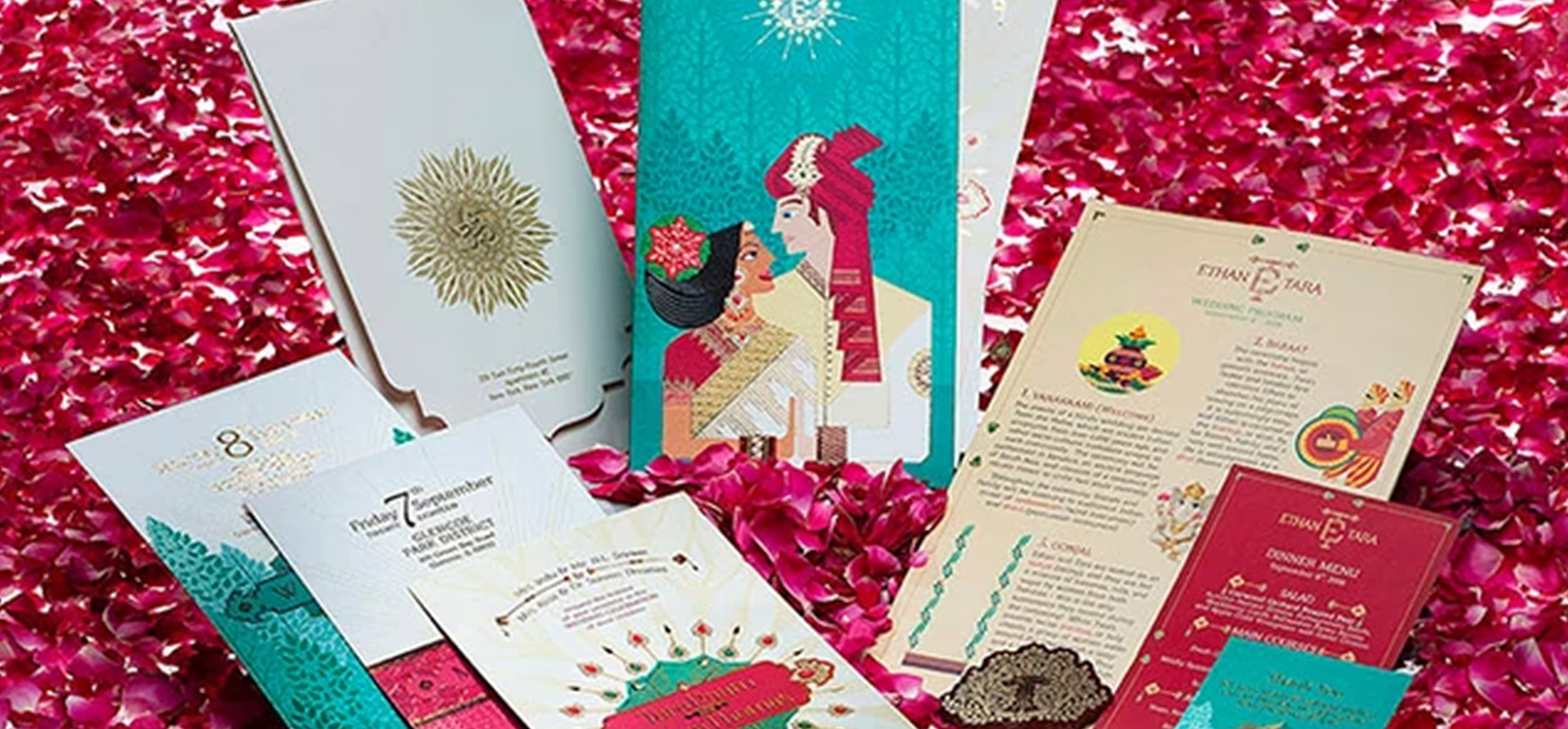
Wedding Invitation Distribution Strategy: Complete India Guide 2026
Master the art of invitation distribution with timing, etiquette, and cost-saving strategies for Indian weddings
Mumbai bride Priya discovered her nightmare scenario just three weeks before her December wedding: half her guest list hadn't received invitations due to a poorly planned distribution strategy. Her family had underestimated Mumbai's traffic, relied on unreliable couriers, and missed the crucial Diwali postal slowdown. The result? Frantic WhatsApp messages, hurt relatives, and ₹25,000 in emergency hand-delivery costs.
Indian weddings demand invitation distribution precision unlike any other celebration. Between monsoon delays in Chennai, venue-specific guest limits in Bangalore, and extended family hierarchies across Punjab, couples face unique logistical challenges. Add regional customs, multi-day celebrations, and the expectation that invitations arrive as formal announcements rather than mere notifications.
This comprehensive guide breaks down proven distribution strategies that work across India's diverse wedding landscape. From timing calculations that account for regional festivals to budget optimization techniques, we'll show you exactly how Happiffie's planning tools can eliminate the guesswork and ensure every important person receives their invitation with proper ceremony and respect.
📋 Table of Contents
Why Distribution Strategy Matters
Wedding invitation distribution isn't just about getting cards to people—it's about preserving relationships and managing cultural expectations. In traditional Indian families, the method of delivery communicates respect levels. Hand-delivered invitations to elders show reverence, while courier services work for distant relatives and colleagues.
Consider Rajesh's Chennai wedding in March 2024. His family distributed 400 invitations across Tamil Nadu during the peak summer heat. They learned too late that many elderly relatives expected personal visits during the cooler morning hours. Forty percent of invitations delivered after 11 AM were considered disrespectful, forcing awkward apology visits that could have been avoided with proper timing strategy.
The stakes extend beyond hurt feelings to actual attendance. Research from wedding planners across Delhi shows that improperly distributed invitations result in 15-20% lower attendance rates. Guests who feel slighted by casual delivery methods often decline or send minimal gifts, directly impacting both celebration atmosphere and gift economics that many families depend on.
Modern couples also underestimate the coordination complexity. Managing multiple vendor schedules, coordinating with family members across different cities, and tracking RSVP responses requires systematic planning. Without proper distribution strategy, couples spend their final pre-wedding weeks chasing confirmations instead of enjoying their engagement period.
 Hiya
HiyaPro Tip: Start your distribution timeline 6-8 weeks before the wedding, not 4 weeks. Indian families need time to coordinate travel and accommodations.
Key Factors to Consider
Timing trumps everything else in invitation distribution strategy. The sweet spot for most Indian weddings falls 6-8 weeks before the event, but regional festivals, school holidays, and monsoon seasons complicate this calculation. December weddings in North India compete with Diwali festivities, while South Indian summer weddings must account for school exam periods when families avoid travel.
Geographic distribution patterns reveal hidden complexities that catch couples off-guard. Mumbai-based grooms marrying into Pune families discover that weekend traffic patterns determine delivery success rates. Saturday morning distributions in suburban areas achieve 95% success rates versus 60% for weekday attempts when working professionals aren't home to receive formal invitations personally.
Cultural hierarchy considerations vary dramatically between regions and communities. Bengali families expect maternal uncle invitations to be delivered with special ceremony, while Gujarati business families prioritize professional network invitations for community standing. Understanding these nuances prevents social missteps that can strain family relationships for years after the wedding celebration ends.
Modern convenience expectations clash with traditional protocols in interesting ways. Urban millennials want digital confirmations and QR codes for easy RSVP tracking, while older relatives prefer phone calls and personal confirmations. Happiffie's vendor network includes invitation designers who specialize in hybrid approaches that satisfy both generational preferences effectively.
1. Timing Windows
Calculate backwards from wedding date considering regional festivals, monsoon seasons, and family travel patterns. Buffer for postal delays and last-minute additions to guest lists.
2. Geographic Zones
Map your guest list by location zones: local (hand-delivery), regional (trusted courier), national (speed post), and international (express services with customs consideration).
3. Relationship Hierarchy
Classify guests by delivery protocol: VIP (personal visits), family (hand-delivery by relatives), friends (courier acceptable), colleagues (digital plus physical follow-up).
4. Regional Customs
Research community-specific expectations for invitation delivery. Some require elder visits, others emphasize timing around auspicious days, many expect specific family member delivery protocols.
5. Response Tracking
Plan your RSVP system before distribution starts. Include contact methods, dietary preferences, accommodation needs, and gift registry information for complete guest management.
Popular Options
Hand-delivery remains the gold standard for important relationships and local guests within 50-kilometer radius of major cities. This method allows for personal interaction, ensures receipt confirmation, and demonstrates respect that recipients remember fondly. However, it requires significant time investment and coordination among family members who may have competing schedules and varying comfort levels with formal invitation presentations.
Professional courier services have evolved to understand Indian wedding sensitivities, offering specialized packages that include morning delivery windows, elder-friendly presentation, and photo confirmation of receipt. Premium courier services charge ₹150-300 per invitation but achieve 98% successful delivery rates compared to standard services that often leave cards with neighbors or security guards inappropriately.
Hybrid distribution strategies combine traditional respect with modern efficiency. Many successful couples use personal delivery for immediate family and VIP guests, trusted couriers for extended family, and registered post for distant acquaintances. Professional wedding planners often coordinate these multi-method approaches, maintaining tracking spreadsheets that prevent embarrassing duplications or missed deliveries that can damage family relationships.
Digital-first approaches work well for urban millennial social circles but require careful implementation to avoid cultural missteps. WhatsApp invitation previews followed by physical delivery create excitement and ensure receipt, while email invitations with RSVP links simplify response tracking for tech-savvy guest segments.
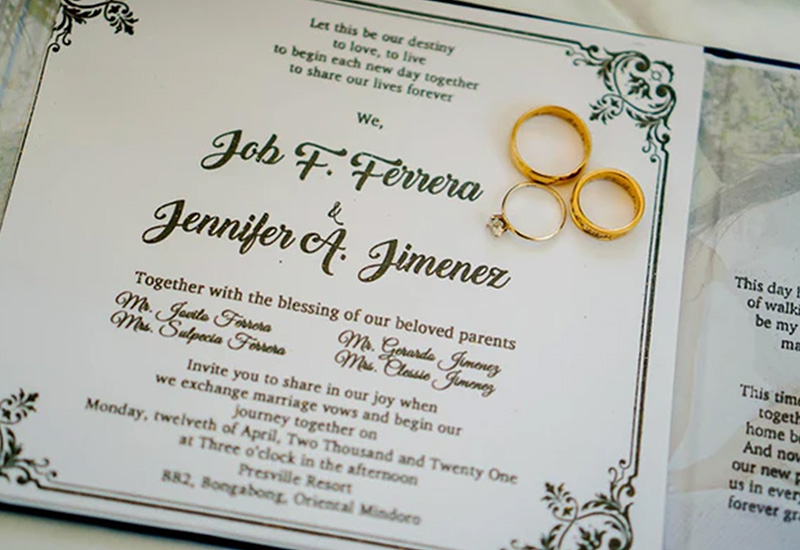 Most Popular
Personal Hand-Delivery
Direct distribution by family members ensures respect protocols and immediate feedback. Best for local VIPs, elders, and close relatives within city limits. Zero cost but high time investment.
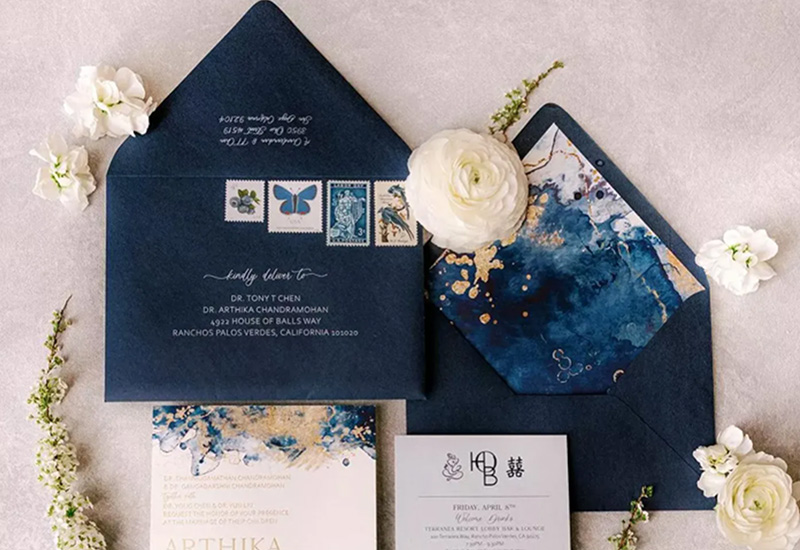 Trending
Professional Courier Services
Specialized wedding invitation delivery with morning windows and photo confirmation. Ideal for regional distribution covering multiple cities with consistent quality and tracking.
Budget Planning
Invitation distribution costs vary dramatically based on guest list size, geographic spread, and delivery method choices. Most couples budget ₹15,000-45,000 for distribution across 200-400 invitations, but this baseline assumes primarily local delivery. Interstate distribution can double these costs, while international guests require specialized handling that adds ₹500-1,200 per invitation for reliable delivery.
Hidden costs catch couples off-guard consistently. Mumbai traffic forces many families to hire dedicated drivers for weekend hand-delivery routes, adding ₹2,000-4,000 to personal delivery budgets. Courier insurance becomes essential for expensive invitation designs, particularly those with intricate metalwork or embedded electronics that cost ₹800-2,000 per piece to replace if damaged in transit.
Seasonal pricing fluctuations impact distribution budgets significantly. Courier services charge premium rates during wedding season (November-February), sometimes 40-60% above standard pricing. Smart couples who finalize guest lists early can pre-book courier services at off-season rates, saving ₹8,000-15,000 on large-scale distribution campaigns across multiple cities.
Technology integration offers unexpected savings opportunities. Happiffie's Reverse Auction system allows couples to compare courier service quotes transparently, often reducing distribution costs by 20-30% compared to individual vendor negotiations. Digital tracking systems also prevent duplicate deliveries that waste both invitations and delivery fees through improved coordination and real-time status updates.
Budget-Friendly
Primarily local hand-delivery with selective courier use for distant relatives
Best for city-focused celebrationsMid-Range
Mixed delivery methods with professional courier services for extended family
Most popular optionPremium
Full-service distribution with international delivery and luxury presentation
For grand destination events💰 Money-Saving Tips
- Book during off-season for 40-60% courier service discounts on bulk deliveries.
- Use Happiffie's Reverse Auction for competitive quotes from multiple distribution vendors.
- Negotiate package deals combining invitation printing and distribution services for better value.
Frequently Asked Questions
These common questions address the practical concerns couples face when planning invitation distribution across India's diverse wedding landscape and cultural expectations.
Final Thoughts
Wedding invitation distribution strategy determines whether your celebration begins with excitement or anxiety among your guest network. The couples who succeed understand that distribution isn't just logistics—it's relationship management wrapped in cultural sensitivity and geographic complexity that requires systematic planning rather than last-minute scrambling.
Commit to creating your distribution timeline today, mapping guest zones by delivery method and relationship importance. The biggest mistake couples make is underestimating time requirements for personal deliveries and overestimating reliability of budget courier options during peak wedding season. Start your distribution planning the day your invitations arrive from the printer, not when you feel ready to send them out.
Let Happiffie's comprehensive wedding planning tools eliminate the guesswork from invitation distribution strategy. Our vendor network understands Indian wedding sensitivities, our tracking systems prevent costly mistakes, and our timeline calculators account for regional factors that generic wedding advice ignores. Your invitation distribution sets the tone for your entire celebration—make it flawless.
Ready to Get Started?
Let Happiffie help you find the perfect solution.
Are you a Vendor? Grow Your Business with Happiffie!
- High intent verified leads
- Reverse auction opportunities
- AI business tools & insights
- Dedicated vendor dashboard
- Grow your business, your way
It's free & takes less than 2 minutes!