
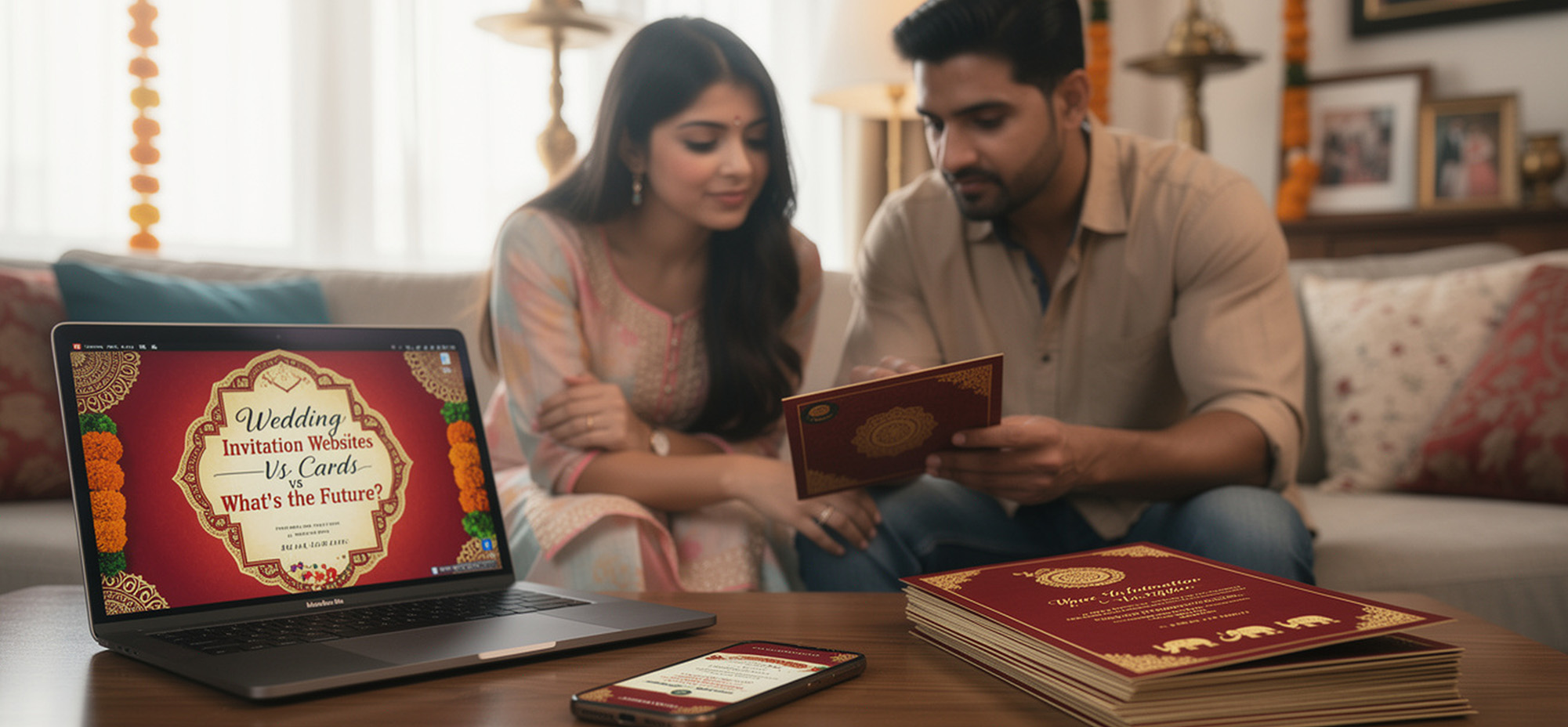
Wedding Invitation Websites vs Cards: What's the Future?
Digital vs Traditional Invitations: Making the Right Choice for Your Big Day
A Mumbai bride recently discovered her ₹85,000 wedding invitation budget could shrink to ₹12,000 by going digital—while gaining real-time RSVP tracking and guest engagement analytics. Yet 70% of her family still expected physical cards in hand, creating a modern dilemma that defines wedding planning in 2026.
Indian couples face mounting pressure: older relatives demand traditional cards with proper weight and texture, while younger guests prefer instant digital invites they can share and respond to immediately. Add Mumbai's monsoon delivery delays and venue booking timeline pressures, and the choice becomes more complex than aesthetics alone.
This comprehensive guide breaks down the real costs, logistics, and guest psychology behind both approaches. We'll show you exactly when digital wins, when traditional cards remain essential, and how Happiffie's vendor network helps you execute either choice flawlessly.
📋 Table of Contents
The Current Invitation Landscape
Wedding invitation preferences split dramatically along generational lines in 2026. Gen Z couples gravitate toward Instagram-worthy digital experiences with video backgrounds and interactive RSVP forms, while parents insist on cards they can physically touch and display. This isn't just cultural sentiment—it reflects genuine communication preferences that impact your guest response rates.
A Bangalore couple discovered this firsthand when their sleek digital invitation garnered 95% response rates from friends under 30, but only 40% from relatives over 50. The older generation simply didn't engage with QR codes or app downloads, leading to frantic phone calls two weeks before the wedding. Climate adds another layer: Chennai's April heat makes paper stock selection critical, as cheap cards warp in humidity while premium digital invites display perfectly regardless of weather.
Smart couples now blend both approaches strategically. They send digital save-the-dates to gauge initial interest, then follow with physical cards for key ceremonies. This hybrid approach costs 30% more than pure digital but eliminates the risk of poor elderly relative participation. The mistake most couples make? Choosing based on their own preferences instead of analyzing their specific guest demographics.
Timing pressures intensify the decision. Digital invites can launch within 48 hours of design approval, while quality printed cards require 10-15 days minimum. When Mumbai monsoons delay courier services by a week, or when Diwali season blocks printing capacity, digital becomes the practical choice regardless of aesthetic preferences. Wedding photographers increasingly report couples scrambling to digital options when traditional timelines collapse.
 Hiya
HiyaPro Tip: Survey your guest list first! Count how many are over 50 vs under 30. If more than 40% are older relatives, budget for hybrid approach from day one.
Key Decision Factors
Guest demographics drive invitation success more than design preferences. A Hyderabad couple learned this when their artistic digital invitation flopped among rural relatives who preferred WhatsApp forwards over clicking links. The response pattern was stark: urban guests loved the interactive features, while village elders needed phone calls to explain how to RSVP. Your guest list composition determines which format will actually work, not which looks prettier on Pinterest.
Cost calculations extend beyond printing versus web hosting. Physical cards demand envelope addressing (₹2-5 per invite), postage (₹25-40 each), and contingency reprints for damaged pieces. Digital invites require professional design software subscriptions, domain hosting, and often premium RSVP management tools. A 300-guest Mumbai wedding typically spends ₹45,000 on quality printed invites versus ₹8,000 for professional digital ones—but add guest management complexity and the gap narrows.
RSVP tracking revolutionizes guest management when executed properly. Digital platforms provide instant response data, dietary preferences, and plus-one clarifications automatically. Traditional card responses trickle in via phone calls, texts, and random conversations, requiring manual spreadsheet updates. Wedding planners report digital RSVP systems reduce guest coordination time by 60%, but only if guests actually use them properly. Professional invitation vendors increasingly offer hybrid solutions to capture both convenience and coverage.
Timeline flexibility becomes crucial during peak wedding seasons. Digital invitations allow last-minute venue changes, time adjustments, or additional ceremony details without reprinting costs. Physical cards lock in details permanently, making any changes expensive supplementary communications. Smart couples budget for change flexibility—because 40% of Indian weddings face at least one significant detail modification after invitations go out.
1. Guest Demographics
Analyze your guest list age distribution and tech comfort levels. Guests over 50 prefer physical cards they can display, while under-30s expect digital convenience with instant sharing and RSVP features.
2. Cost Structure
Digital invites cost ₹25-50 per guest including design and hosting, while quality printed cards range ₹150-400 each with postage. Factor in addressing, reprints, and change management when calculating true costs.
3. Response Management
Digital RSVP systems provide automatic guest tracking, dietary preferences, and analytics. Traditional cards require manual response collection via phone and text, taking 3x longer to manage effectively.
4. Timeline Flexibility
Digital invitations allow instant updates for venue changes, timing shifts, or additional details without extra costs. Printed cards lock in information permanently, making changes expensive separate communications.
5. Climate Considerations
Monsoon delays affect card delivery timing, while humidity damages cheap paper stock. Digital invitations display perfectly regardless of weather but require reliable internet access for all guests.
Popular Invitation Options
Wedding websites have evolved beyond simple digital cards into comprehensive guest experience hubs. Modern platforms include photo galleries, venue directions with live traffic updates, gift registry integration, and multi-event RSVP management. The best websites tell your love story through interactive timelines, include virtual venue tours, and provide guest accommodation booking links. This approach works brilliantly for tech-savvy guest lists but overwhelms older relatives who just want ceremony details.
Traditional printed invitations remain the gold standard for formal Indian weddings, especially multi-day celebrations requiring detailed itineraries. Premium cardstock with foil stamping, laser cutting, or fabric inserts creates heirloom keepsakes that families treasure for generations. Physical cards signal event importance in ways digital formats cannot match—particularly crucial for interfaith or intercultural marriages where traditional presentation matters to extended families.
Hybrid approaches combine digital convenience with physical presence strategically. Smart couples send digital save-the-dates with basic information, follow with printed main invitations for ceremony details, then use WhatsApp groups for real-time updates and logistics. This three-touch system maximizes response rates across all age groups while maintaining cost control. The key lies in timing each touchpoint appropriately rather than overwhelming guests with redundant information.
Video invitations represent the premium digital category, featuring professional cinematography, couple interviews, and venue showcases. These work exceptionally well for destination weddings where guests need visual venue context, or for couples with compelling love stories worth telling cinematically. However, video files require reliable high-speed internet for viewing, limiting effectiveness in rural areas or among guests with basic smartphones. Professional videographers increasingly offer invitation video packages alongside wedding day coverage.
 Most Popular
Interactive Wedding Websites
Comprehensive digital hubs with photo galleries, venue tours, RSVP management, and guest accommodation booking. Best for tech-savvy couples with urban guest lists seeking engagement beyond basic invitations.
 Trending
Premium Printed Cards
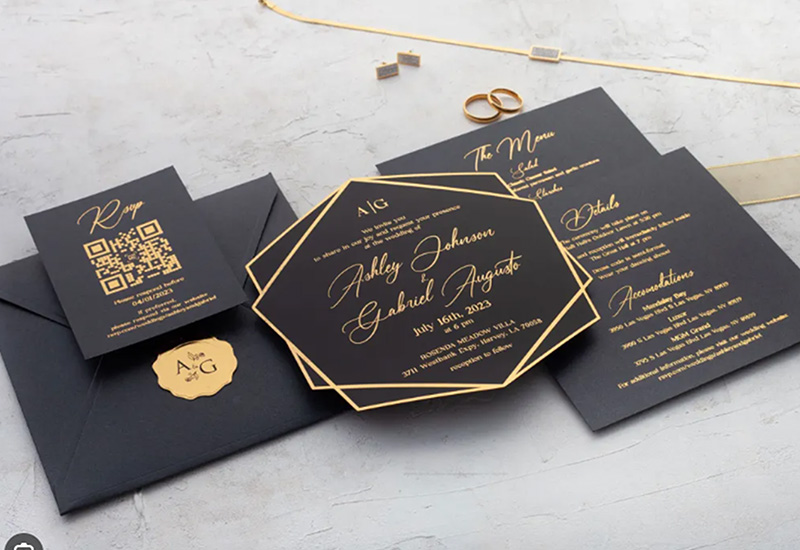
Traditional cardstock invitations with foil stamping, laser cutting, and fabric inserts. Creates heirloom keepsakes while signaling event importance to traditional families and older relatives.
Budget Breakdown & Planning
Invitation budgets vary dramatically based on guest count, design complexity, and format choice. A 200-guest Delhi wedding spends ₹25,000-80,000 on premium printed invitations including design, printing, addressing, and postage. Digital equivalents cost ₹5,000-15,000 for professional design and hosting, but hidden expenses emerge: premium RSVP platforms charge monthly fees, video hosting requires upgraded accounts, and most couples still print backup cards for elderly relatives.
Hidden costs plague both formats differently. Printed invitations face reprinting charges for errors (₹8,000 typical minimum order), express shipping during delays (₹12,000+ for 200+ pieces), and addressing services if DIY becomes overwhelming. Digital invitations encounter domain renewal fees, premium feature subscriptions, and often emergency printing costs when technical issues arise. The smartest budget approach reserves 20% contingency for format-switching if initial choice fails guest response expectations.
Timing impacts costs significantly across Indian wedding seasons. November-February peak season increases printing costs by 25% due to capacity constraints, while monsoon months (June-September) add express shipping premiums for weather delays. Digital platforms maintain consistent pricing year-round, making them attractive for peak season weddings when printing becomes expensive and unreliable. Couples booking December weddings often switch to digital after discovering 3-week printing delays in November.
Smart savings strategies depend on understanding vendor economics and guest behavior patterns. Happiffie's Reverse Auction system helps couples compare invitation vendors transparently, often reducing costs by 15-25% through competitive bidding. Bulk discounts apply differently: printers offer better rates above 300 pieces, while digital platforms charge per-guest for premium features. The key lies in matching your approach to your specific guest count and demographic distribution rather than choosing based on total budget alone.
Budget-Friendly
Digital-only invitations with basic RSVP tracking, standard templates, and email delivery. Includes simple website hosting and guest management tools.
Best for intimate celebrations under 100 guestsMid-Range
Hybrid approach with digital save-the-dates, printed main invitations, and WhatsApp coordination groups. Professional design for both formats included.
Most popular for 150-300 guest weddingsPremium
Luxury printed cards with foil work, interactive wedding websites, video invitations, and comprehensive guest management systems with analytics.
For grand celebrations over 400 guests💰 Money-Saving Tips
- Book during off-season (March-May) for 25% better printing rates and faster delivery.
- Use Happiffie's Reverse Auction to get competitive quotes from multiple invitation vendors.
- Negotiate package deals combining invitations with other stationery needs like menu cards and programs.
Frequently Asked Questions
These questions address the most common concerns couples face when choosing between digital and traditional wedding invitations, covering practical logistics, costs, and guest experience considerations.
Final Thoughts
The future of wedding invitations isn't digital versus traditional—it's strategic combination based on your specific guest demographics and celebration goals. Couples who analyze their guest list composition, survey key family members, and budget for hybrid approaches achieve the highest response rates and family satisfaction levels. The one-size-fits-all mindset leads to communication gaps that create stress during what should be joyful planning.
Make this decision today: survey your guest list and count how many are over 50 versus under 30. If more than 40% are older relatives, budget for printed main invitations regardless of your personal digital preferences. The biggest mistake couples make is choosing based on their own communication style instead of their guests' actual needs. Your wedding invitation success depends on guest convenience, not your aesthetic vision.
Smart wedding planning means leveraging technology where it adds value while respecting traditional preferences where they matter most. Happiffie's comprehensive vendor network understands this balance, offering everything from cutting-edge digital platforms to heritage printing craftsmen. The couples who blend both approaches thoughtfully create invitation experiences that delight every generation while building excitement for their celebration.
Ready to Get Started?
Let Happiffie help you find the perfect invitation solution for your guest list.
Are you a Vendor? Grow Your Business with Happiffie!
- High intent verified leads
- Reverse auction opportunities
- AI business tools & insights
- Dedicated vendor dashboard
- Grow your business, your way
It's free & takes less than 2 minutes!