
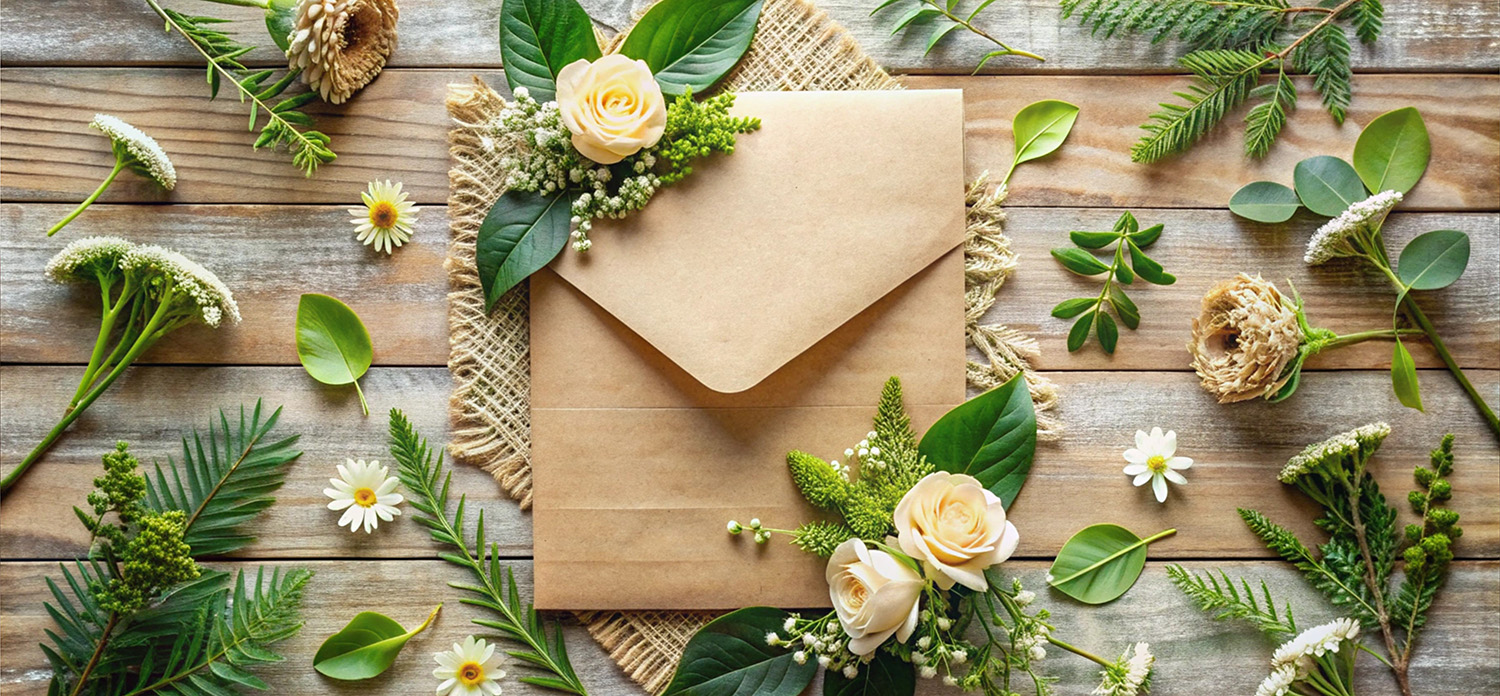
Eco-Friendly Wedding Invitations: Sustainable Options in India
Complete guide to sustainable invitation choices, prices, and vendors across Indian cities
Mumbai bride Priya Sharma shocked her family when she announced her 400-guest wedding would feature zero paper waste invitations. Her seed paper cards, embedded with marigold seeds, cost ₹180 per piece but generated more excitement than traditional gold-foil versions costing twice as much.
Indian weddings generate an estimated 2.5 tons of paper waste per 500-guest celebration, with most invitation cards discarded within weeks. Rising environmental awareness among millennials, combined with venue sustainability requirements, is driving couples toward greener alternatives without compromising on elegance.
This comprehensive guide reveals sustainable invitation options that actually work for Indian weddings, realistic pricing across tier-1 and tier-2 cities, and vendor strategies that won't leave your relatives confused. Happiffie's vetted network includes eco-conscious invitation designers who understand cultural expectations while prioritizing environmental impact.
📋 Table of Contents
Why Eco-Friendly Invitations Matter Now
Traditional wedding invitations in India consume 15-20 trees per 1000 cards when factoring in packaging, inserts, and RSVP materials. Delhi's wedding season (October-March) alone generates enough invitation waste to fill 200 garbage trucks, with most cards featuring non-biodegradable foil, plastic sleeves, and synthetic ribbons that persist in landfills for decades.
The shift accelerated post-2022 when Chennai's luxury venues began requiring couples to submit waste management plans, including invitation disposal strategies. Couples discovered that sustainable doesn't mean sacrificing style — eco-friendly options often photograph better under professional lighting and create unique keepsakes guests actually preserve rather than discard immediately after the event.
Vendor availability has exploded across major cities, with Bangalore leading adoption at 35% of high-end weddings now choosing sustainable invitations. However, many couples stumble by selecting options that don't align with Indian family expectations or fail to communicate essential details clearly, leading to confused guests and repeated phone calls.
The real challenge isn't finding eco-friendly options — it's choosing ones that work within Indian wedding logistics while maintaining the elegance and information density that extended families expect. Smart couples research sustainable invitation specialists who understand regional preferences and can navigate the complex balance between environmental responsibility and cultural appropriateness.
 Hiya
HiyaPro Tip: Order sample cards 6 months before your wedding to test how well eco-materials hold up in your local climate — humidity affects some sustainable papers differently than traditional stock.
Key Factors to Consider
Climate compatibility separates successful eco-friendly invitations from disasters. Mumbai's monsoon season destroys seed paper cards stored improperly, while Delhi's dust storms require protective packaging that negates environmental benefits. The material choice must match your wedding timeline and local weather patterns, not just aesthetic preferences.
Guest demographics drive acceptance rates significantly. Tech-savvy families in Pune embrace QR codes and digital RSVPs, while traditional families in smaller cities expect physical cards they can display and reference repeatedly. A Hyderabad couple learned this lesson when 60% of their relatives couldn't access their digital invitation portal, requiring expensive reprinting of physical backups.
Cost calculations often mislead couples who focus on per-unit pricing without factoring in shipping, storage, and backup requirements. Sustainable options typically run 15-40% higher than conventional cards but eliminate costs for excess printing, storage damage, and last-minute reprints when guests lose digital access or passwords.
Production timelines extend 2-4 weeks beyond traditional printing due to specialized materials and smaller vendor networks. Couples booking through Happiffie's Reverse Auction system secure better pricing and faster delivery by comparing multiple eco-friendly vendors simultaneously, avoiding the common mistake of settling for the first sustainable option they discover.
1. Material Durability
Assess how well eco-materials handle your city's climate conditions, storage requirements, and shipping distances. Seed paper requires dry storage, bamboo fiber resists humidity, while recycled cotton works across all Indian weather patterns reliably.
2. Guest Accessibility
Consider your family's comfort with digital elements, QR codes, and online RSVPs. Mix traditional physical cards with digital components for optimal acceptance rates, especially when spanning multiple generations or geographic regions.
3. Information Density
Ensure sustainable formats accommodate all essential wedding details without compromising readability. Indian invitations require extensive information — dates, venues, dress codes, contact details, accommodation options, and cultural ceremony explanations.
4. Vendor Expertise
Choose specialists experienced with Indian wedding requirements, not general eco-printing services. They understand cultural sensitivities, information hierarchy, and how to make sustainable materials feel luxurious rather than cheap or compromised.
5. Backup Planning
Prepare contingency options for digital failures, weather damage, or guest confusion. Successful eco-friendly weddings maintain small quantities of traditional backup invitations and clear communication protocols for technical issues.
Popular Sustainable Options
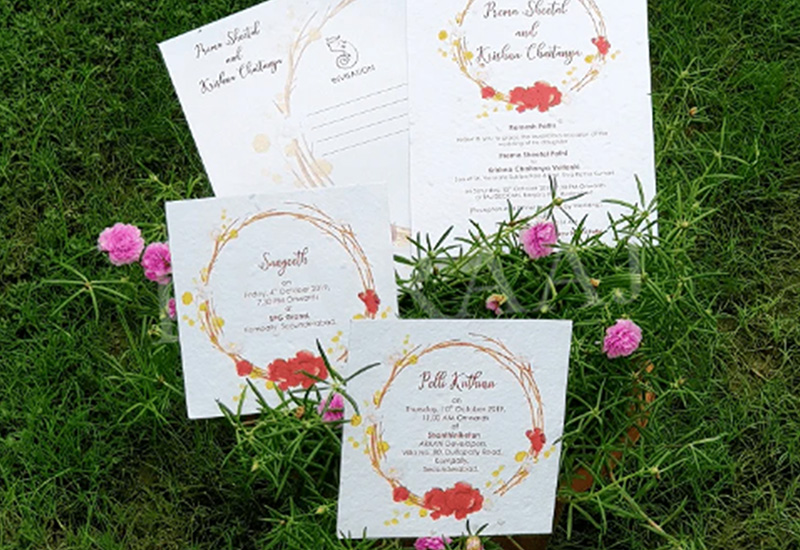
Seed paper invitations dominate the luxury eco-friendly market, embedded with marigold, basil, or wildflower seeds that guests can plant after the wedding. Premium versions using handmade paper and natural dyes photograph beautifully and create lasting memories, though they require careful storage and handling instructions for guests unfamiliar with the concept.
Digital invitations have evolved beyond simple email attachments to sophisticated web-based experiences featuring photo galleries, RSVP management, and integration with calendar apps. Bangalore couples increasingly choose hybrid approaches — physical save-the-dates followed by comprehensive digital invitations that reduce paper usage while maintaining personal touch through video messages and interactive elements.
Bamboo and cork invitations offer durability advantages over traditional paper while maintaining familiar tactile experiences that Indian families appreciate. These materials handle monsoon humidity better than conventional cardstock and can incorporate traditional design elements like gold foil alternatives made from sustainable metallic inks.
The most successful sustainable weddings combine multiple approaches strategically — seed paper for VIP guests and elders, digital comprehensive invitations for younger relatives, and plantable favor cards that serve dual purposes. This layered approach addresses diverse guest preferences while maximizing environmental impact reduction through professional coordination services that ensure seamless execution across all invitation types.
 Most Popular
Seed Paper Invitations
Handmade paper embedded with flower or herb seeds that guests can plant. Premium versions use natural dyes and traditional Indian motifs. Best for couples wanting memorable, interactive elements that symbolize growth and new beginnings.
 Budget Pick
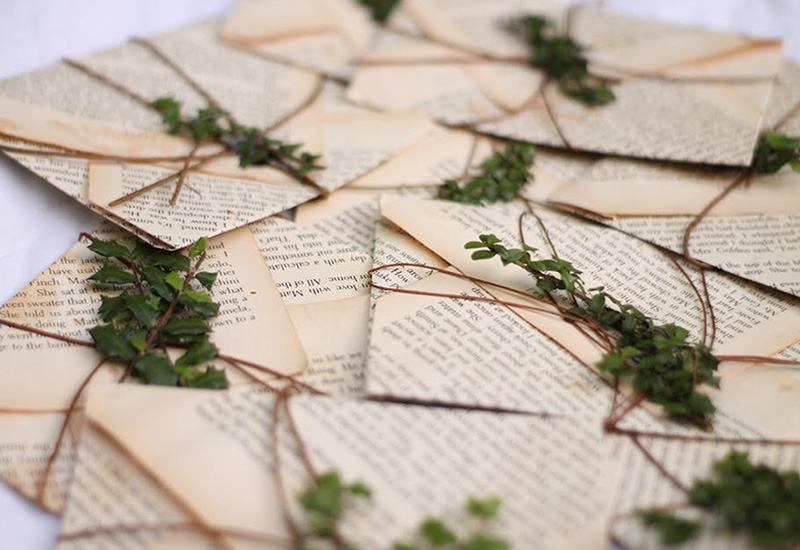
Bamboo Invitations
Laser-engraved bamboo cards that resist humidity and provide premium feel. Can incorporate traditional designs with modern sustainable materials. Ideal for couples wanting durability without sacrificing elegance or environmental responsibility.
Budget Planning
Eco-friendly invitation costs vary dramatically based on material choice, customization level, and vendor expertise. Basic recycled paper cards start at ₹45 per piece in tier-2 cities, while premium seed paper invitations with custom packaging reach ₹300 per piece in Mumbai and Delhi. The key difference lies in hidden costs that traditional printers don't face — specialized materials, smaller print runs, and extended production timelines.
Digital invitations appear cost-effective at ₹15,000-₹40,000 for comprehensive wedding websites serving 500+ guests, but smart couples budget additional 20% for backup physical cards when relatives struggle with technology. A Chennai couple saved ₹85,000 switching to hybrid digital-physical approach, though they invested extra time in guest education and technical support during RSVP collection.
Shipping and storage expenses often shock couples choosing sustainable options. Seed paper requires climate-controlled storage and careful packaging, adding ₹25-₹40 per invitation for proper handling. Bamboo and cork invitations ship heavier than traditional cards, increasing courier costs by 30-50% for out-of-city guests, though their durability eliminates replacement costs from damage.
The smartest budget approach involves using Happiffie's Reverse Auction system to compare quotes from multiple sustainable vendors simultaneously. This reveals true total costs including packaging, shipping, and backup services, while ensuring competitive pricing that traditional appointment-based vendor selection rarely achieves in the specialized eco-friendly market.
Budget-Friendly
Recycled paper with natural inks, basic customization, local vendor printing
Best for 200-300 guestsMid-Range
Seed paper with custom packaging, bamboo alternatives, hybrid digital components
Most popular choicePremium
Handmade artisan papers, luxury sustainable materials, comprehensive digital integration
For grand celebrations💰 Money-Saving Tips
- Book during off-season (April-September) for 25-40% better rates on eco-friendly materials and vendor availability.
- Use Happiffie's Reverse Auction system to compare multiple sustainable vendors and secure competitive quotes simultaneously.
- Negotiate package deals combining invitations with eco-friendly wedding favors or sustainable decoration services for better overall value.
Frequently Asked Questions
These frequently asked questions address the most common concerns Indian couples face when choosing sustainable invitation options, from practical logistics to family acceptance and cost management strategies.
Final Thoughts
Sustainable wedding invitations aren't just an environmental statement — they're a strategic choice that often enhances guest experience while reducing wedding stress. The couples who succeed treat eco-friendly options as premium upgrades rather than compromises, investing in quality materials and expert vendors who understand Indian wedding complexities.
The single most important decision is choosing vendors with proven Indian wedding experience rather than general eco-printing services. This expertise determines whether your sustainable invitations become memorable keepsakes or logistical nightmares. Avoid the biggest mistake of selecting based solely on environmental claims without evaluating cultural sensitivity, information density requirements, and guest accessibility needs.
Start your sustainable invitation journey through Happiffie's comprehensive vendor network, where pre-vetted eco-friendly specialists compete for your business while ensuring cultural appropriateness and quality execution. Your wedding invitations set the tone for your entire celebration — choosing sustainable options demonstrates thoughtful planning that guests will remember and appreciate long after the last dance ends.
Ready to Get Started?
Let Happiffie help you find the perfect sustainable invitation solution.
Are you a Vendor? Grow Your Business with Happiffie!
- High intent verified leads
- Reverse auction opportunities
- AI business tools & insights
- Dedicated vendor dashboard
- Grow your business, your way
It's free & takes less than 2 minutes!