
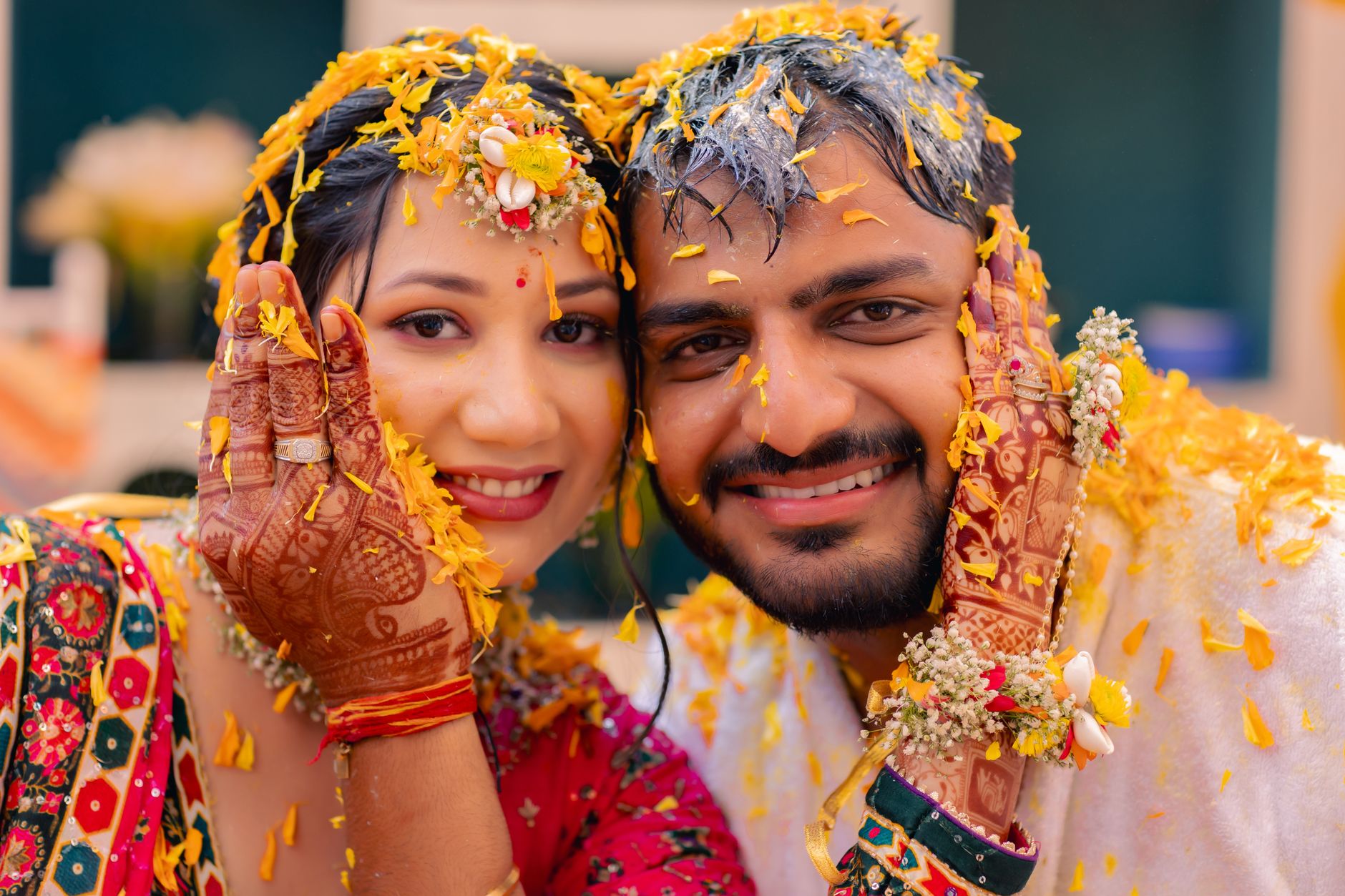
Sacred Jain Weddings in Rishikesh
Religious cermony in Rishikesh
Jain Marriage Ceremony Essentials for Rishikesh Weddings
Planning a Jain wedding in Rishikesh means honouring centuries-old traditions while navigating a city already steeped in spiritual energy. Jain Marriage Ceremony Essentials span far more than flowers and food — they encompass precise Jain wedding rituals, strictly Satvik wedding catering, auspicious muhurat selection, and décor rooted in non-violence and simplicity. Rishikesh, nestled along the Ganga with its serene ghats and lush ashram belts, offers a rare backdrop where eco-friendly wedding in Rishikesh values align naturally with Jain principles of Ahimsa and Aparigraha. Whether you are hosting 80 guests at an intimate riverside venue or 400 family members at a banquet resort in Tapovan or Swarg Ashram Road, getting every element right from the outset ensures your ceremony is both spiritually complete and logistically seamless.
Quick Answer
Jain Marriage Ceremony Essentials include the Lagna Patrika (sacred invitation ritual), Saptapadi or Saat Phere performed under a flower-adorned mandap, Gotra verification to avoid same-clan marriage, Varghodo procession, strictly vegetarian and root-free Satvik catering, white or pastel eco-conscious décor, and auspicious muhurat fixed by a Jain Pandit. In Rishikesh, these essentials are best fulfilled at spiritual venues near Tapovan, Laxman Jhula, or the Ganga riverfront, starting from approximately ₹4–6 lakh for a modest celebration.
What Are the Core Jain Wedding Rituals You Must Include?
Jain wedding rituals follow a structured sequence that differs meaningfully from Hindu Vedic customs, even though both may look similar on the surface. The ceremony begins with the Gotra Shuddhi — a formal verification that the bride and groom belong to different Gotras and Kulas, ensuring no blood-lineage overlap. This is non-negotiable and must be confirmed before booking any venue. Next comes the Sagai or engagement, followed by the Lagna Patrika ritual where the family priest reads out the auspicious date and time of the Jain vivah ceremony. On the wedding day, the Varghodo or baraat procession is followed by the Jai Mala exchange, Kanyadan performed by the bride's parents, and the central Saptapadi — seven sacred steps taken around the fire. Unlike some communities, Jain Saptapadi vows explicitly include commitments to non-violence and truthfulness, making each phere spiritually distinct. Jain marriage rites also include the Mangalfera — circumambulation of a sacred scripture placed at the mandap centre — which is unique to Jain weddings. A Jain Pandit or Shastri who specialises in Digambar or Shvetambar traditions (depending on your sect) is essential; do not substitute with a generic Hindu priest. In Rishikesh, several learned Shastriji families near Muni Ki Reti and Haridwar Road are available but must be booked at least three months in advance.
Choosing the Right Spiritual Wedding Venue in Rishikesh
Rishikesh is divided into distinct neighbourhoods, each offering a different ambience for a Jain wedding. Tapovan, on the left bank, is quieter and more resort-heavy, making it ideal for families wanting privacy and greenery. Swarg Ashram Road and the Laxman Jhula belt offer guesthouse clusters suitable for budget-conscious families. The Ganga riverfront near Ram Jhula provides the most photogenic backdrop but involves noise and crowd management. For a Jain wedding that values simplicity and spirituality, a spiritual wedding venue Rishikesh should offer a dedicated mandap area free from leather furnishings, an all-vegetarian kitchen, and the flexibility to bring an external Jain Pandit. Confirm that the venue does not serve meat or eggs to any other guests during your booking period — cross-contamination of kitchen spaces is a common but serious oversight. Outdoor venues near the river also align beautifully with eco-friendly wedding in Rishikesh aesthetics, reducing the need for excessive artificial lighting or synthetic décor. Venues with capacities of 100 to 300 guests are most plentiful in the ₹1.5–3.5 lakh per day range, while luxury resorts in Tapovan start from ₹4 lakh per day.
How Much Does a Jain Wedding in Rishikesh Typically Cost?
Understanding the full cost of Jain Marriage Ceremony Essentials helps families plan without last-minute surprises. For an intimate gathering of 80–120 guests, total wedding costs including venue, Satvik wedding catering, décor, priest, and photography typically range from ₹6–12 lakh. For 200–350 guests at a mid-range resort, expect ₹18–35 lakh. A luxury celebration for 400-plus guests at a premium Tapovan property can exceed ₹60 lakh. Satvik wedding catering, which excludes all root vegetables (onion, garlic, potato, carrot, radish), is a specialised service and typically costs ₹900–₹1,800 per plate depending on the number of dishes and live counters. Jain wedding decoration themes based on white marigolds, lotus flowers, and natural fabric drapes cost 15–25% less than elaborate flower walls, which also aligns with Jain minimalism. Mandap construction with a Jain sacred scripture centrepiece and Ahimsa-friendly materials costs ₹40,000–₹1.5 lakh depending on scale. Always get itemised quotes — bundled packages often hide non-Satvik ingredients or synthetic décor materials.
Jain Wedding Decoration Themes That Honour Ahimsa
Décor is one of the most visually impactful and philosophically significant aspects of Jain marriage rites. Jain wedding decoration themes traditionally favour white, cream, and pastel palettes — colours associated with purity, detachment, and spiritual elevation. Natural elements like dried marigolds, lotus petals, banana leaves, and cotton fabric draping replace plastic, synthetic foam, and non-biodegradable glitter. Mandap pillars wrapped in real banana-trunk sheaths are both traditional and compostable. In Rishikesh, where the eco-friendly wedding in Rishikesh movement has strong traction, many local decorators now offer zero-plastic mandap packages, bamboo centrepieces, and clay diya installations that resonate perfectly with Jain values. Lighting should lean toward warm, low-wattage LED strings rather than neon or halogen flood lights. Avoid leather or silk (which involves silkworm harm) in any fabric décor or cushions — opt for cotton, jute, or khadi. For outdoor venues near the Ganga, avoid flower petal floating in the river as it contributes to water pollution, which is also contrary to the Jain principle of protecting all living beings. A cohesive theme costs less and carries more meaning than a patchwork of unrelated decorative elements.
What Are the Satvik Catering Rules for a Jain Shaadi?
Satvik wedding catering for a Jain shaadi goes beyond a standard vegetarian menu — it is one of the most defining Jain marriage ceremony essentials and requires careful vendor selection. A Jain menu excludes all underground vegetables (onion, garlic, potato, carrot, turnip, radish, beets) to avoid harming micro-organisms during harvesting. Above-ground vegetables, lentils, dairy, grains, and fruits form the backbone of the menu. Popular Jain wedding dishes include Rajgira puri, Sabudana khichdi, Paneer-based gravies, Gujarati dal-dhokli, assorted chutneys, and milk-based desserts like Basundi and Ghevar. In Rishikesh, where most caterers serve Garhwali or Punjabi vegetarian food, finding a certified Jain caterer requires advance research — most travel from Haridwar, Dehradun, or even Delhi for destination weddings, adding ₹30,000–₹70,000 to logistics costs. Always conduct a tasting session and request a written ingredient declaration from the caterer. Jain vivah ceremony guests from traditional families will verify the menu carefully, so transparency is essential. Ensure water used for cooking is filtered rather than sourced directly from the river, and that kitchen staff understand cross-contamination risks with non-Satvik ingredients.
Jain Wedding Setup Types in Rishikesh: Options Compared
Expert Recommendation
Best for Intimate Family Ceremonies (Under 100 Guests)
Best for Destination Weddings (Outstation Families)
Best for Large Guest Counts (300–500 Guests)
Best for Budget-Conscious Families
Best for Spiritually Immersive Experiences
Best for Eco-Conscious Modern Couples
How to Choose the Right Option
✅ Pre-booking Checklist
- Verify Gotra and Kula compatibility between families before any booking
- Confirm auspicious muhurat with a qualified Jain Shastri — do this before locking venue dates
- Book your Jain Pandit at least 3–4 months in advance, specifying Digambar or Shvetambar sect
- Get a written ingredient declaration from your Jain caterer confirming no root vegetables
- Inspect venue kitchen personally to confirm no non-vegetarian cooking on premises
- Request itemised quotes for mandap, décor, catering, and priest separately
- Confirm venue permits for outdoor ceremonies near the Ganga if applicable
- Arrange accommodation for outstation Jain Shastri if travelling from Haridwar or Delhi
🎯 Selection Criteria
- Venue must operate a fully vegetarian and preferably Jain-friendly kitchen
- Location should offer a calm, noise-controlled environment suitable for sacred Jain marriage rites
- Caterer must have demonstrated experience with Satvik Jain menus and provide tasting session
- Priest must be qualified in your specific Jain sect's rituals and scriptures
- Décor vendor should offer Ahimsa-aligned, eco-friendly, and non-silk material options
💰 Cost / Quality Factors
- Guest count directly drives venue size and per-plate catering cost
- Travelling Jain caterers add ₹30,000–₹70,000 in logistics on top of per-plate costs
- Peak wedding season (Nov–Feb, Apr–June) raises venue prices by 20–40% in Rishikesh
- Eco-conscious décor using cotton, jute, and clay is 15–25% cheaper than synthetic setups
- Outdoor venues require weather contingency planning and may need municipal permits
- Luxury resorts offer convenience but require detailed Jain-specific vendor briefings
⚠️ Common Mistakes to Avoid
- Booking a venue without personally verifying the kitchen is 100% vegetarian
- Hiring a generic Hindu Vedic priest instead of a qualified Jain Shastri
- Overlooking Gotra verification until too late in the planning process
- Accepting a bundled catering package without checking for onion or garlic in the base sauces
- Releasing flower petals or diyas into the Ganga — this conflicts with Jain Ahimsa and is environmentally harmful
- Not scheduling a priest–muhurat consultation before confirming venue availability
People Also Ask
What is the difference between Digambar and Shvetambar Jain wedding rituals?
Can I have a Jain wedding outdoors in Rishikesh near the Ganga?
How far in advance should I book a Jain Pandit in Rishikesh?
What root vegetables must be avoided in Jain wedding catering?
Is Rishikesh a good destination for a Jain wedding?
What is the Mangalfera ritual in a Jain wedding?
How much does a Jain caterer charge for a wedding in Rishikesh?
What eco-friendly décor options suit a Jain wedding in Rishikesh?
Related Experiences on Happiffie
Hindu Wedding Rituals Explained
Sacred Jain Vivah Samagri in Mumbai
Sacred Jain Wedding Essentials in Mussoorie
Wear Green, Celebrate Beautiful
Raise a Toast in Rishikesh
Light Up Your Mussoorie Wedding
Magical Fairy Lights for Your Mussoorie Wedding
Frequently Asked Questions
Which areas in Rishikesh are best suited for a Jain wedding venue?
Are there dedicated Jain caterers available in Rishikesh?
What is the ideal guest count for a Jain wedding in Rishikesh?
How do I ensure my Rishikesh wedding venue follows Jain purity standards?
What permits are needed for an outdoor Ganga-side Jain wedding in Rishikesh?
Is silk fabric acceptable in a Jain wedding mandap or bridal outfit?
What is the typical Jain wedding season in Rishikesh?
How does Happiffie help in planning Jain Marriage Ceremony Essentials in Rishikesh?
Key Takeaways
- Jain Marriage Ceremony Essentials include Gotra verification, Lagna Patrika, Mangalfera, Saptapadi, and strictly Satvik catering — all are non-negotiable.
- Rishikesh's vegetarian food culture and spiritual environment make it a naturally compatible destination for Jain shaadi requirements.
- Specialised Jain Satvik catering costs ₹900–₹1,800 per plate and must exclude all root vegetables; get written ingredient declarations.
- Book a Digambar or Shvetambar-qualified Jain Pandit at least 3–4 months in advance as availability in Rishikesh is limited.
- Jain wedding decoration themes using cotton, jute, banana trunk, and clay diyas honour Ahimsa and cost 15–25% less than synthetic décor.
- Venue selection must prioritise a fully vegetarian kitchen — inspect personally and confirm no non-veg cooking on the same premises.
- An eco-friendly wedding in Rishikesh naturally aligns with Jain principles of non-violence and simplicity, reducing both cost and environmental impact.
- Total costs range from ₹6–12 lakh for intimate gatherings to ₹60 lakh-plus for large luxury destination celebrations.
Plan Your Jain Wedding in Rishikesh with Confidence
Browse verified vendors who truly understand Jain Marriage Ceremony Essentials — Satvik caterers, qualified Shastriji, and eco-conscious décor specialists, all in one place on Happiffie.
Explore Jain Wedding Vendors
Are you a Vendor? Grow Your Business with Happiffie!
- High intent verified leads
- Reverse auction opportunities
- AI business tools & insights
- Dedicated vendor dashboard
- Grow your business, your way
It's free & takes less than 2 minutes!