
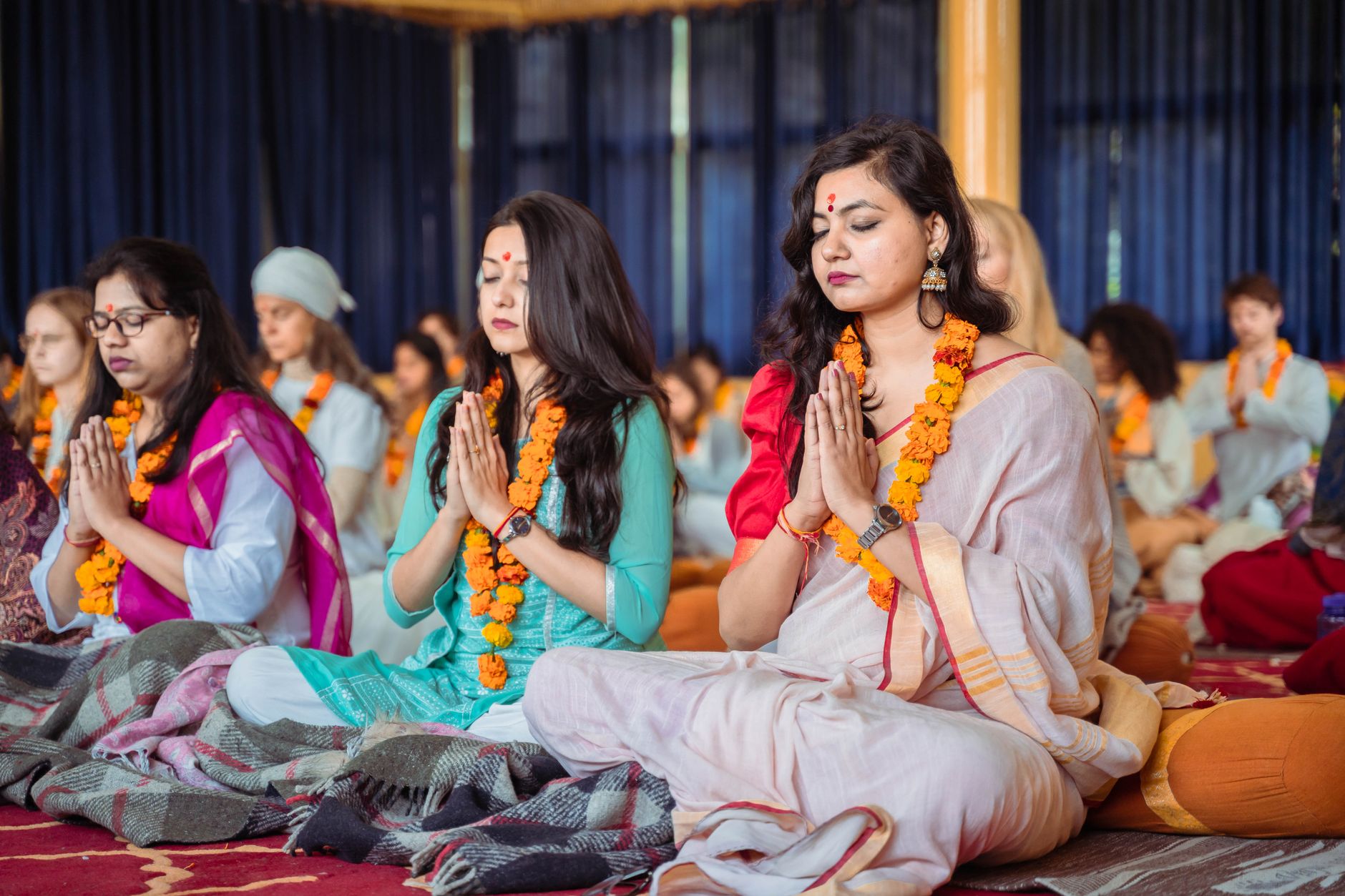
Sacred Vedic Weddings in Rishikesh
Religious cermony in Rishikesh
Brahmin Marriage Ritual Essentials in Rishikesh
Rishikesh, nestled in the Himalayan foothills along the sacred Ganga, is one of India's most spiritually charged destinations for a traditional Hindu wedding. Sourcing the right Brahmin Marriage Ritual Essentials here is uniquely straightforward — the town's ashrams, bazaars, and specialist suppliers stock everything from havan kund sets and samidha to mango wood, camphor, and a full range of Hindu marriage pooja items. Couples who choose a Ganga ghat wedding ceremony experience an unmatched sanctity that no banquet hall can replicate. Happiffie connects you with vetted pandits, samagri suppliers, and Rishikesh sacred wedding venues so every element of your Vedic ceremony aligns with shastra and personal tradition.
Quick Answer
Brahmin Marriage Ritual Essentials include all samagri, vessels, and ceremonial items required for a Vedic Hindu wedding — havan kund, samidha (sacred wood), ghee, akshat, sindoor, mangalsutra, and specific flowers and herbs prescribed by the Brahmin pandit. In Rishikesh, these items are widely available near Ram Jhula and Laxman Jhula markets. The full set typically costs between INR 3,000 and INR 15,000 depending on gotra-specific requirements and ceremony scale.
What Are Brahmin Marriage Ritual Essentials and Why Does Rishikesh Excel at Providing Them?
Brahmin Marriage Ritual Essentials encompass every physical and ceremonial ingredient that a Vedic wedding mandates — from the earthen havan kund and the five sacred woods (samidha) to panchamrit ingredients, holy Ganga jal, and the specific flowers and grains tied to each of the saptapadi vows. Rishikesh is exceptional for sourcing these because the city's spiritual economy has organically produced a dense network of authentic samagri shops, most clustered around Ram Jhula, Laxman Jhula, and Triveni Ghat. Unlike metropolitan cities where you may stitch together supplies from multiple vendors with varying authenticity, Rishikesh suppliers have decades of experience serving ashrams and pilgrims, ensuring items are ritually pure. Ganga jal — an indispensable element in any Brahmin ceremony — is available fresh and can be collected directly from designated ghat points, adding a living sanctity that packaged alternatives simply cannot provide. The proximity of experienced Vedic scholars and pandits also means that if your family follows a specific regional Brahmin tradition — Kumaoni, UP Brahmin, Tamil Brahmin — you can find a pandit who knows those precise Vedic wedding ceremony supplies and can guide procurement.
Complete Checklist of Traditional Brahmin Wedding Samagri
Understanding traditional Brahmin wedding samagri helps couples avoid last-minute scrambles. The core list includes: havan kund (copper or earthen), samidha (mango, peepal, or other prescribed wood), pure cow ghee, sesame seeds (til), akshat (unbroken rice grains), whole turmeric, betel leaves and areca nuts, panchamrit (milk, curd, honey, ghee, sugar), sindoor, mangalsutra, red and yellow cloth, marigold and rose garlands, and Ganga jal. Specific rituals — Kanyadaan, Saptapadi, Ashirvad — each require their own subset of items. Sanskrit wedding ritual materials like the brass kalash, coconut, mango leaves, and a copper plate for the pandit are equally important. Many Rishikesh suppliers provide pre-assembled kits organised by ritual stage, which reduces the risk of omission. Always cross-reference the kit list with your appointed pandit at least two weeks before the wedding to account for gotra-specific or regional variations.
How Much Does Sourcing Brahmin Marriage Ritual Essentials in Rishikesh Cost?
Costs for Brahmin Marriage Ritual Essentials in Rishikesh vary by ceremony size and ritual complexity. A basic samagri kit for an intimate wedding of under 50 guests runs INR 3,000–6,000. A mid-size ceremony (50–150 guests) with extended rituals — Ganesh puja, gotra-specific homam, and full saptapadi — typically costs INR 7,000–12,000 for samagri alone. Large or multi-day ceremonies requiring multiple havans, separate Griha Shanti puja, and custom Sanskrit wedding ritual materials can reach INR 15,000–25,000. Pandit booking for wedding services in Rishikesh ranges from INR 5,000 for a local pandit handling a short ceremony to INR 25,000 or more for a senior Vedic scholar conducting a full-day multi-ritual wedding. Venue costs at a Rishikesh sacred wedding venue — ashram lawns, ghat terraces, or riverside resorts — add INR 15,000–1,50,000 depending on exclusivity. Budget at least 10–15% extra as a buffer for last-minute additions your pandit may recommend.
Choosing the Right Pandit and Venue for a Ganga Ghat Wedding Ceremony
Selecting an experienced pandit is as important as sourcing the Hindu marriage pooja items themselves. In Rishikesh, pandits are associated with specific sampradayas and ashrams, so clarify your family's Brahmin tradition before booking. A well-matched pandit will provide a precise samagri list, conduct rituals at the correct muhurat, and manage the ceremony's pace so guests can follow along. For the venue, a Ganga ghat wedding ceremony offers unparalleled spiritual atmosphere — the sound of flowing water, the backdrop of the Himalayas, and the ability to perform Ganga aarti at the ceremony's close. Ashram gardens near Parmarth Niketan, ghat-facing dharamshalas, and boutique riverside resorts all cater to wedding groups. When evaluating a Rishikesh sacred wedding venue, check whether they have a dedicated havan space, allow open-air fire rituals (havan), and can accommodate your guest count comfortably without compromising ritual seriousness. A destination wedding on holy river Ganga can be booked months in advance, especially during auspicious months like Margashirsha and Vaishakha.
What Are the Most Common Mistakes Couples Make When Planning a Brahmin Wedding in Rishikesh?
First and most prevalent: not consulting the pandit before purchasing traditional Brahmin wedding samagri. Generic online kits often miss gotra-specific items or include substitutes your pandit will reject. Second: ignoring the muhurat for ritual timing — Rishikesh pandits are strict about auspicious windows, and a poorly timed ceremony can run overtime, displacing subsequent rituals. Third: underestimating transport logistics. Carrying fragile havan kunds, copper kalash, and fresh flowers up ghat steps requires planning, especially for a Ganga ghat wedding ceremony where vehicle access is limited. Fourth: overlooking permits — some Rishikesh ghats require prior permission from local authorities for private ceremonies. Fifth: booking a destination wedding on holy river without confirming that the venue permits open fire (havan), since some eco-sensitive zones have restrictions. Finally, couples frequently forget to arrange a separate quiet space for the bride's family to complete pre-wedding rituals like Mata Pooja, which need their own set of Vedic wedding ceremony supplies.
Brahmin Marriage Ritual Essentials Setup Types in Rishikesh: A Practical Comparison
Expert Recommendation
Best for Intimate Celebrations (Under 50 Guests)
Best for Destination Weddings on Holy River
Best for Large Guest Counts (150+)
Best for Budget-Conscious Couples
Best for Deeply Traditional Families
Best for Modern Couples Wanting a Spiritual Touch
How to Choose the Right Option
✅ Pre-booking Checklist
- Confirm the exact muhurat date and time with your pandit before booking any venue or vendor
- Obtain the pandit's complete samagri list, including gotra-specific and regional additions, at least 4 weeks before the wedding
- Verify that your chosen Rishikesh venue permits open fire (havan) and has a designated havan space
- Source Ganga jal fresh from a designated ghat collection point on the morning of the ceremony
- Apply for any required ghat or public space permits from local Rishikesh authorities at least 4–6 weeks in advance
- Arrange a separate pre-ritual space for the bride's family for Mata Pooja and related ceremonies
- Confirm photography and videography permissions at the venue, especially on restricted ghats
- Brief all family members on the ritual sequence so participation is smooth and no key role is missed
🎯 Selection Criteria
- Pandit's familiarity with your specific Brahmin regional tradition (Kumaoni, UP, Tamil, etc.)
- Vendor's ability to supply fresh, ritually pure materials — especially Ganga jal, ghee, and samidha
- Venue's permit status for open-fire havan and capacity to accommodate your guest count
- Proximity of the venue to samagri markets to allow last-minute additions
- Pandit's availability for a pre-wedding consultation to finalise the complete ritual plan
- Supplier's track record in providing traditional Brahmin wedding samagri for weddings (not just daily puja)
💰 Cost / Quality Factors
- Ceremony duration: longer multi-day events multiply samagri and pandit costs significantly
- Ritual complexity: additional ceremonies (Griha Shanti, Gotra homam) each require their own samagri sets
- Guest count: larger gatherings need more garlands, seating provisions, and often a larger havan kund
- Venue type: public ghats are low-cost but private riverside resorts offer comfort at a premium
- Seasonality: peak auspicious months (November, February) drive up pandit and venue availability pressure
- Import of out-of-town suppliers vs. local Rishikesh sourcing — local is almost always more reliable and cost-effective
⚠️ Common Mistakes to Avoid
- Buying a generic online samagri kit without pandit verification — it will almost certainly be missing gotra-specific items
- Booking a venue before confirming it has open-fire (havan) permission — many resorts prohibit it
- Underestimating logistics of carrying ritual materials up ghat steps — always plan porters or trolleys
- Overlooking the fresh Ganga jal requirement and substituting bottled sacred water — traditional pandits often reject this
- Ignoring the 10–15% buffer budget for last-minute additions your pandit will recommend on the day
- Scheduling the ceremony without checking for local religious events or festivals that may crowd ghats on your chosen date
People Also Ask
What is included in a standard Brahmin marriage ritual essentials kit in Rishikesh?
How much does a complete Brahmin wedding ceremony cost in Rishikesh?
Where can I buy authentic Hindu marriage pooja items in Rishikesh?
Can non-Brahmin couples have a Vedic wedding ceremony in Rishikesh?
How early should I book a pandit for a Brahmin wedding in Rishikesh?
Do Rishikesh wedding venues allow open fire (havan) on the premises?
What is the best time of year for a Ganga ghat wedding ceremony in Rishikesh?
Is it possible to source Sanskrit wedding ritual materials online and bring them to Rishikesh?
Related Experiences on Happiffie
Sacred Supplies for Your Mumbai Wedding
Sacred Samagri for Your Lucknow Wedding
Sacred Oonjal Ceremonies in Mumbai
Hindu Wedding Rituals Explained
Light Up Your Mussoorie Wedding
Sacred Choir for Your Mussoorie Wedding
Authentic Pahadi Wedding Pandits in Mussoorie
Wed by the Sacred Ganges
Frequently Asked Questions
Where is the best place to buy Brahmin marriage ritual essentials in Rishikesh?
Do Rishikesh pandits provide a samagri list specific to our Brahmin community?
Is Ganga jal from Rishikesh ghats considered pure enough for all Brahmin wedding rituals?
Can I have a Brahmin wedding at a Rishikesh ashram if I am not a devotee of that ashram?
What permissions are needed for a Ganga ghat wedding ceremony in Rishikesh?
How long does a standard Brahmin wedding ritual take in Rishikesh?
Are there Happiffie-listed vendors in Rishikesh who supply complete Vedic wedding ceremony supplies?
What is the difference between a Vedic wedding ceremony and a standard Hindu temple wedding?
Key Takeaways
- Brahmin Marriage Ritual Essentials in Rishikesh include samagri, sacred wood, ghee, Ganga jal, and ritual vessels — available from specialist suppliers near Ram Jhula and Laxman Jhula.
- Always obtain your pandit's complete, gotra-specific samagri list before purchasing any items to avoid expensive omissions or replacements.
- Samagri kits cost INR 3,000–25,000; pandit fees range INR 5,000–25,000; venue costs span INR 15,000–1,50,000 depending on type and exclusivity.
- A Ganga ghat wedding ceremony offers unmatched spiritual authenticity but requires advance permits for private use of public ghat spaces.
- Rishikesh sacred wedding venues range from ashram gardens and ghat courtyards to boutique riverside resorts — choose based on guest count, privacy needs, and havan permissions.
- Book your pandit and venue at least 3–4 months ahead, especially for auspicious months in November, February, or Vaishakha.
- Traditional Brahmin wedding samagri sourced locally in Rishikesh is more reliable in ritual purity and often more affordable than shipped online kits.
- Happiffie connects couples with verified pandits, samagri suppliers, and vetted venues in Rishikesh for a seamless, spiritually complete wedding experience.
Begin Your Sacred Rishikesh Wedding Journey
Browse verified pandits, authentic samagri suppliers, and Ganga-side venues — all in one place on Happiffie.
Explore Rishikesh Vendors
Are you a Vendor? Grow Your Business with Happiffie!
- High intent verified leads
- Reverse auction opportunities
- AI business tools & insights
- Dedicated vendor dashboard
- Grow your business, your way
It's free & takes less than 2 minutes!