

Explore All Religious Ceremonies
Discover traditional rituals, wedding ceremonies, spiritual occasions and meaningful cultural celebrations in Chennai, with trusted services to honour every tradition.
Give Thoughtfully,
Celebrate with Happiffie
From personalised gifts and curated collections to thoughtful presents for every occasion, Happiffie helps you discover gifting options that make celebrations more meaningful and memorable.
- Thoughtful Gift DiscoveryFind gifting options suited to every celebration and occasion
- Personalised GiftingDiscover customised gifts made to create meaningful moments
- Trusted Gift ProvidersConnect with reliable gifting professionals and service providers
Popular Religious Ceremonies
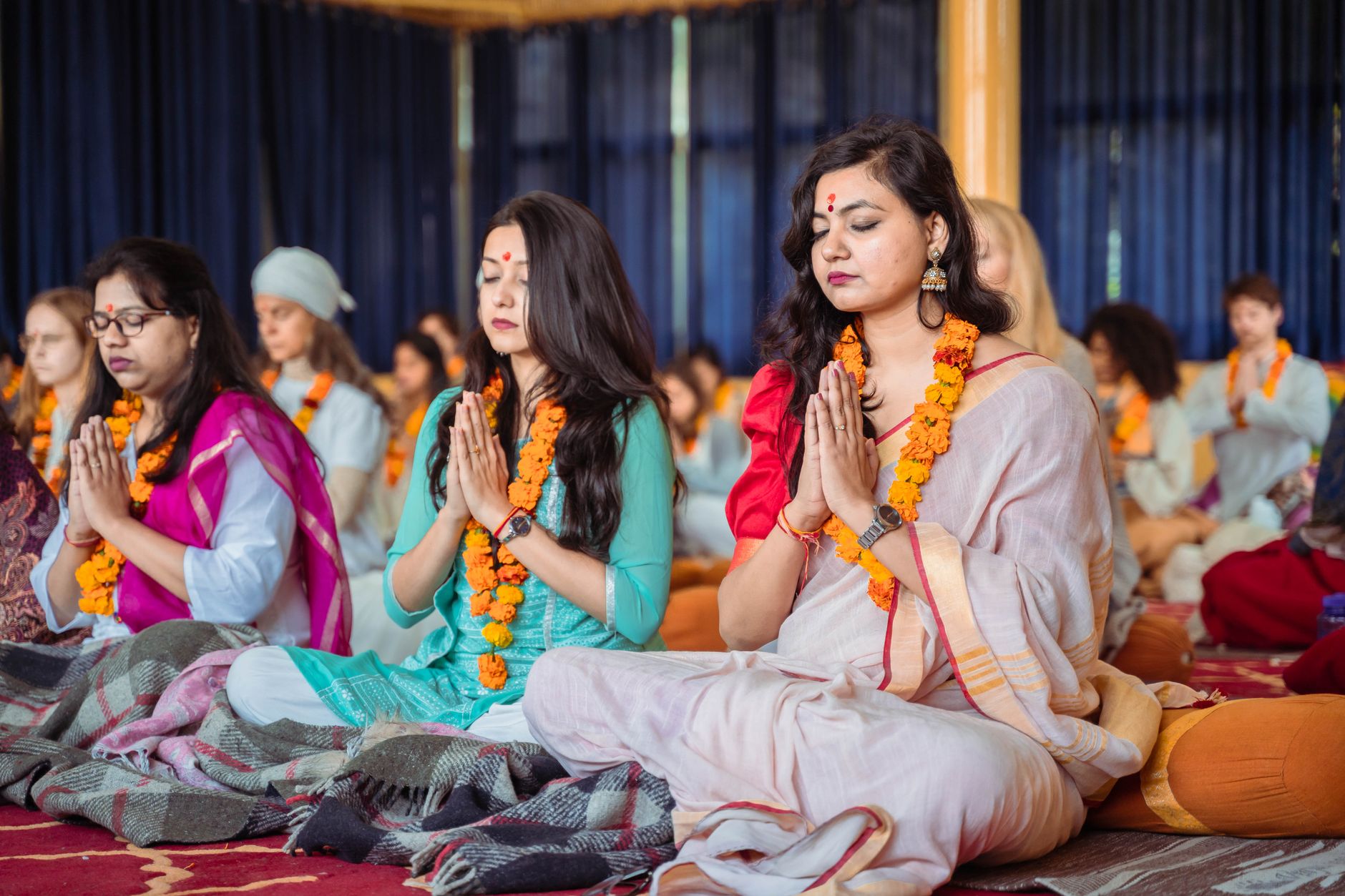 Brahmin Marriage Ritual Essentials
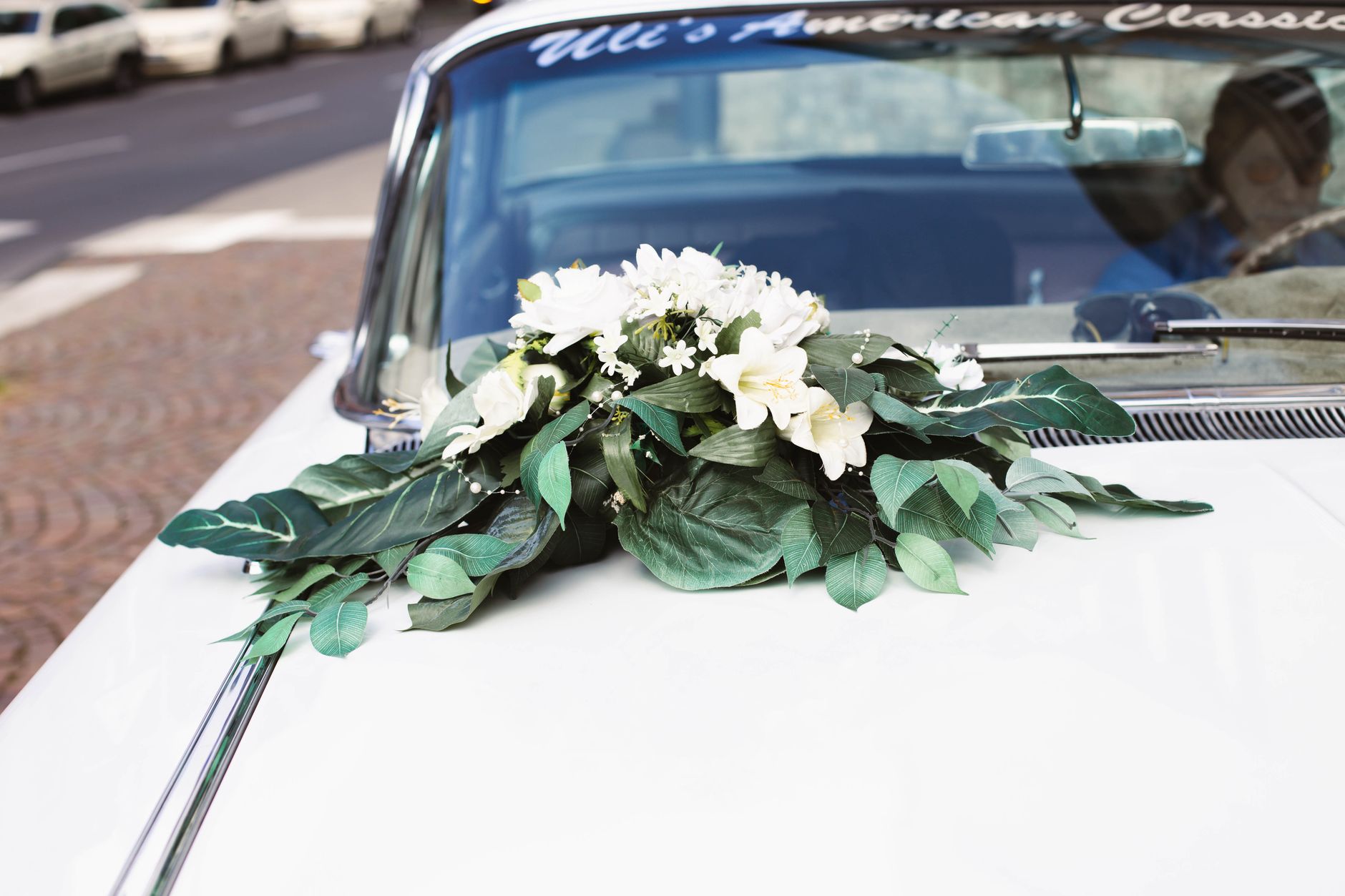 Celebration Car Decoration
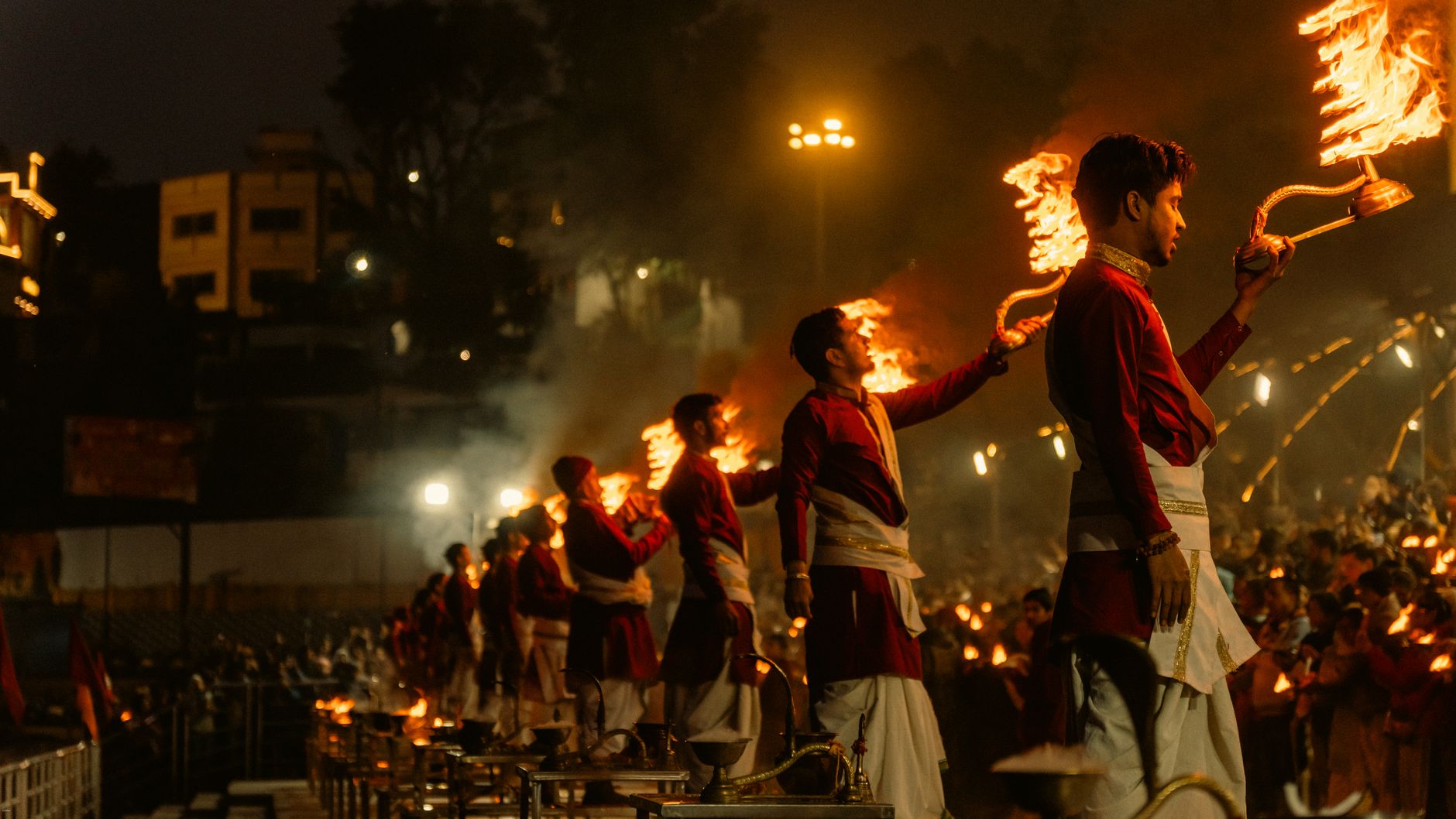 Celebration Champagne Service
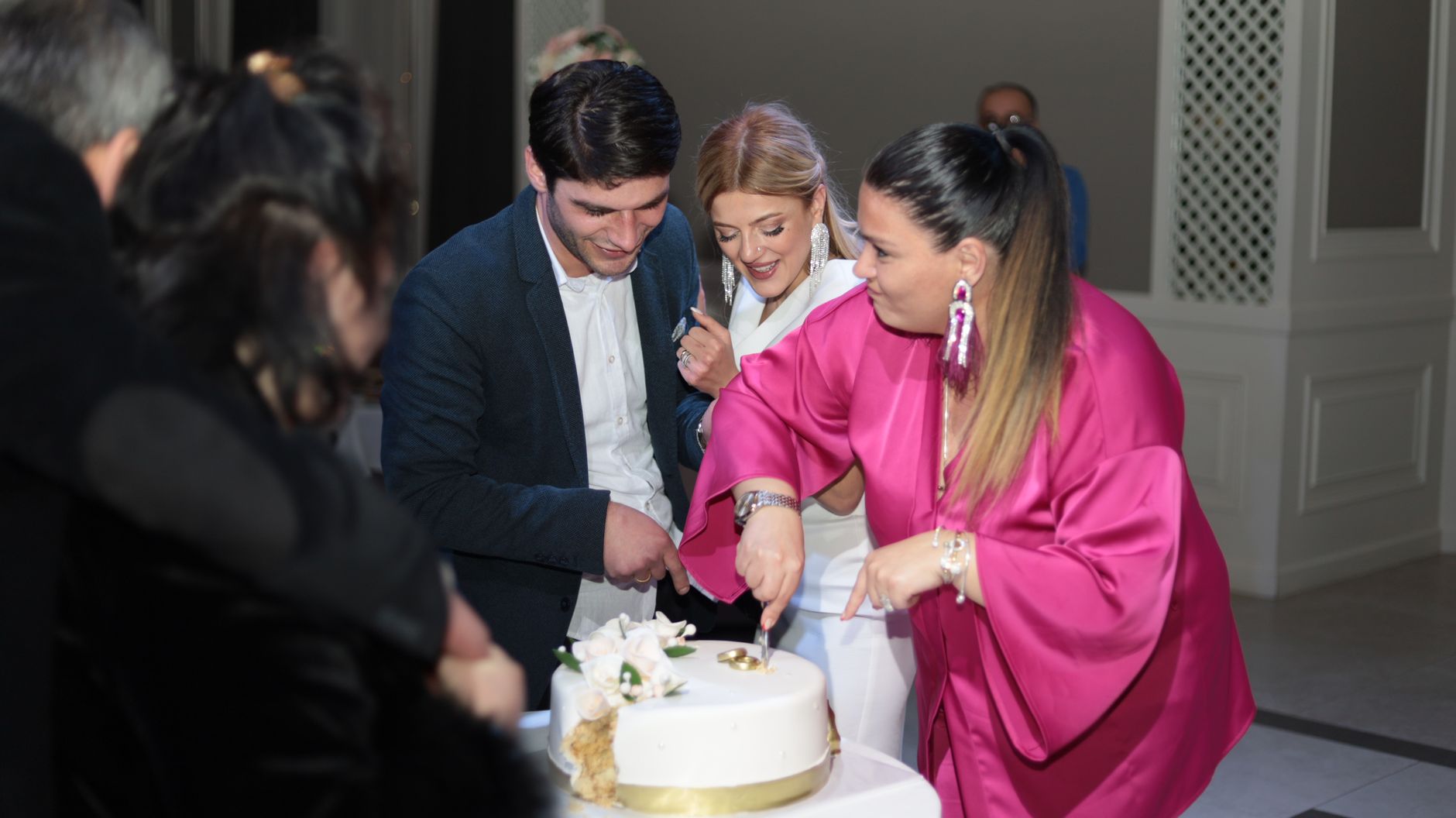 Ceremony Celebration Cakes
 Ceremony Choir Singers
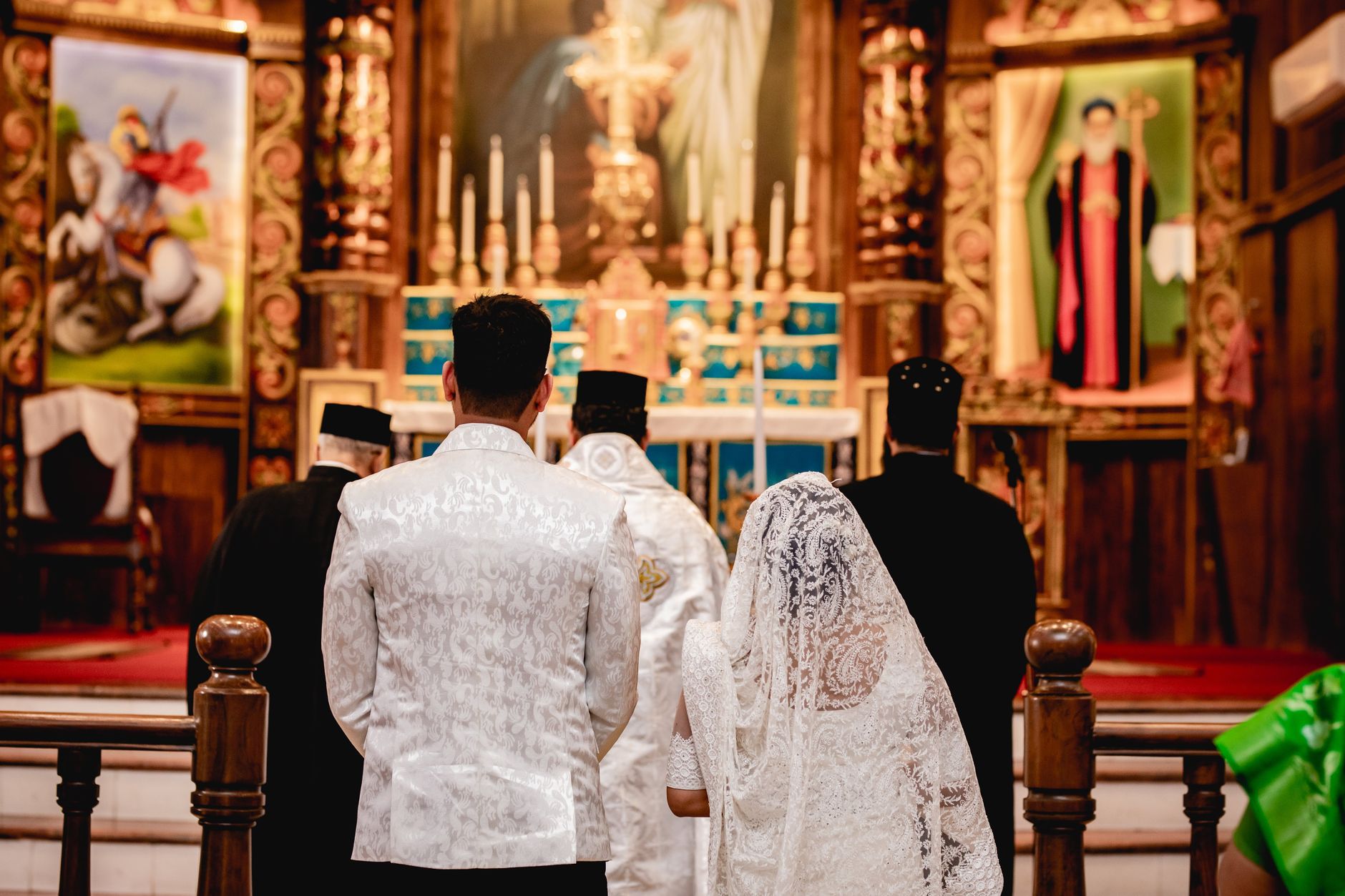 Christian Marriage Ceremony Essentials
 Cold Spark Effects
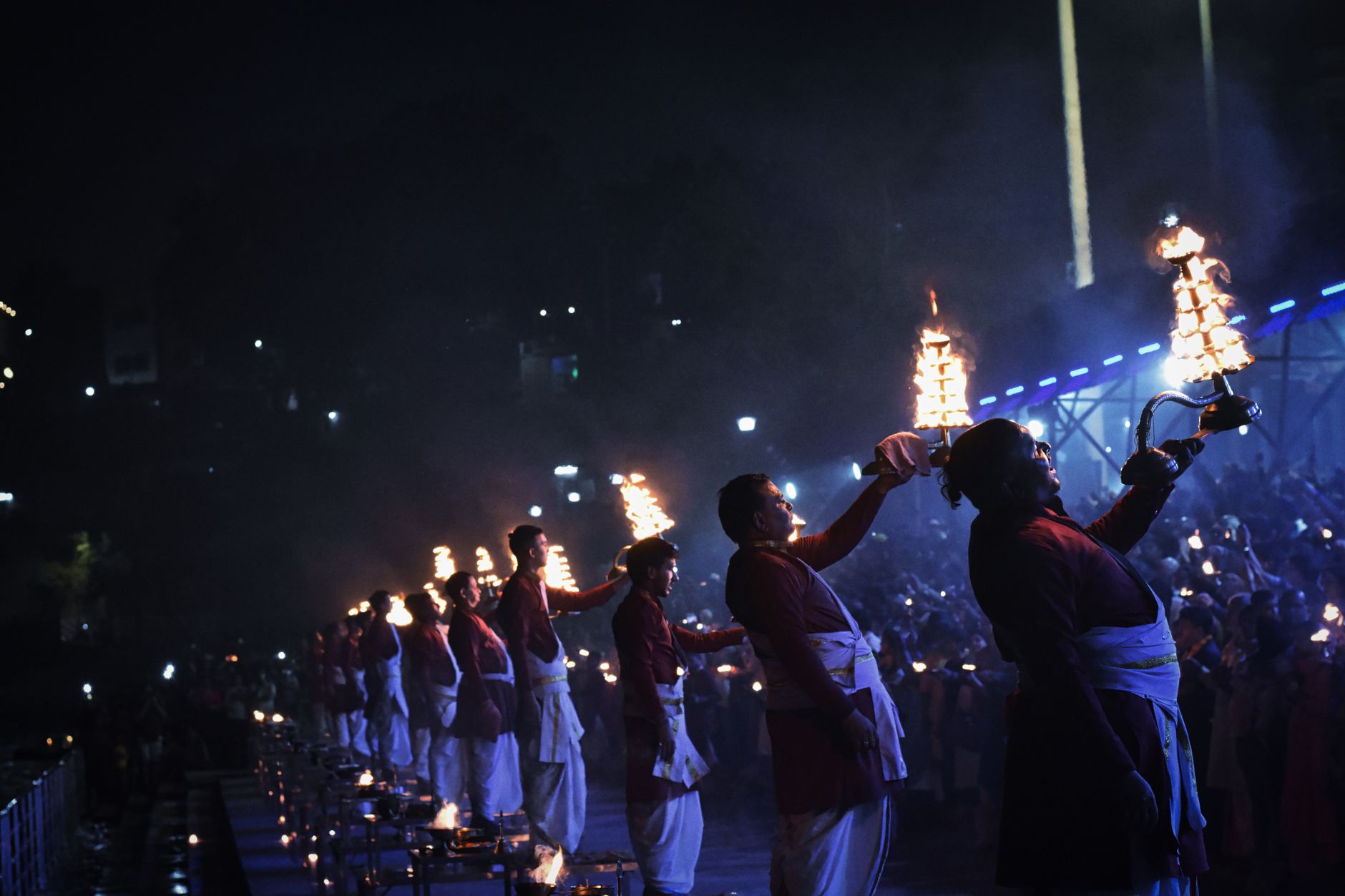 Devotional Music Groups
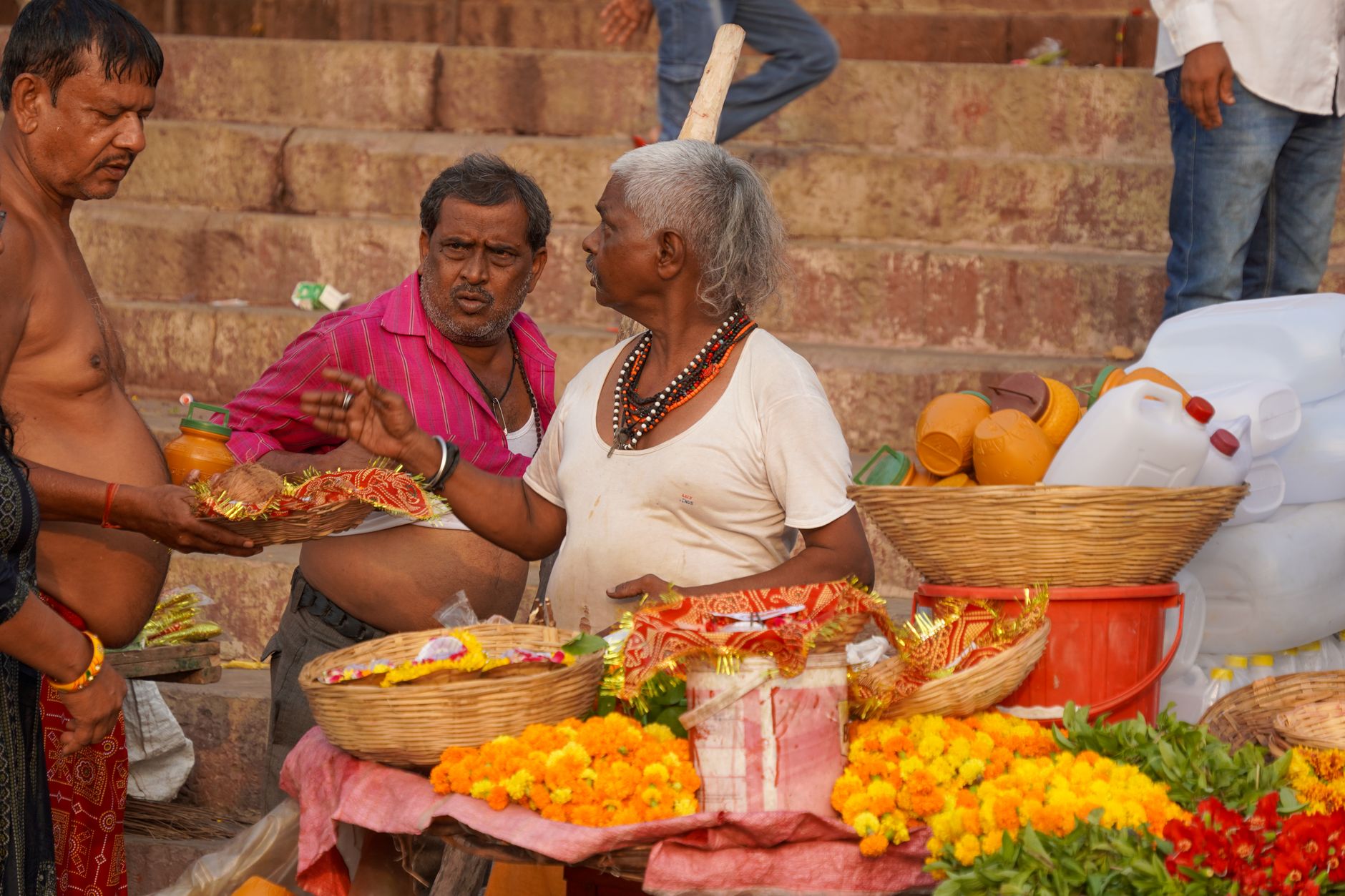 Floral Basket Arrangement
 Groom Boutonniere
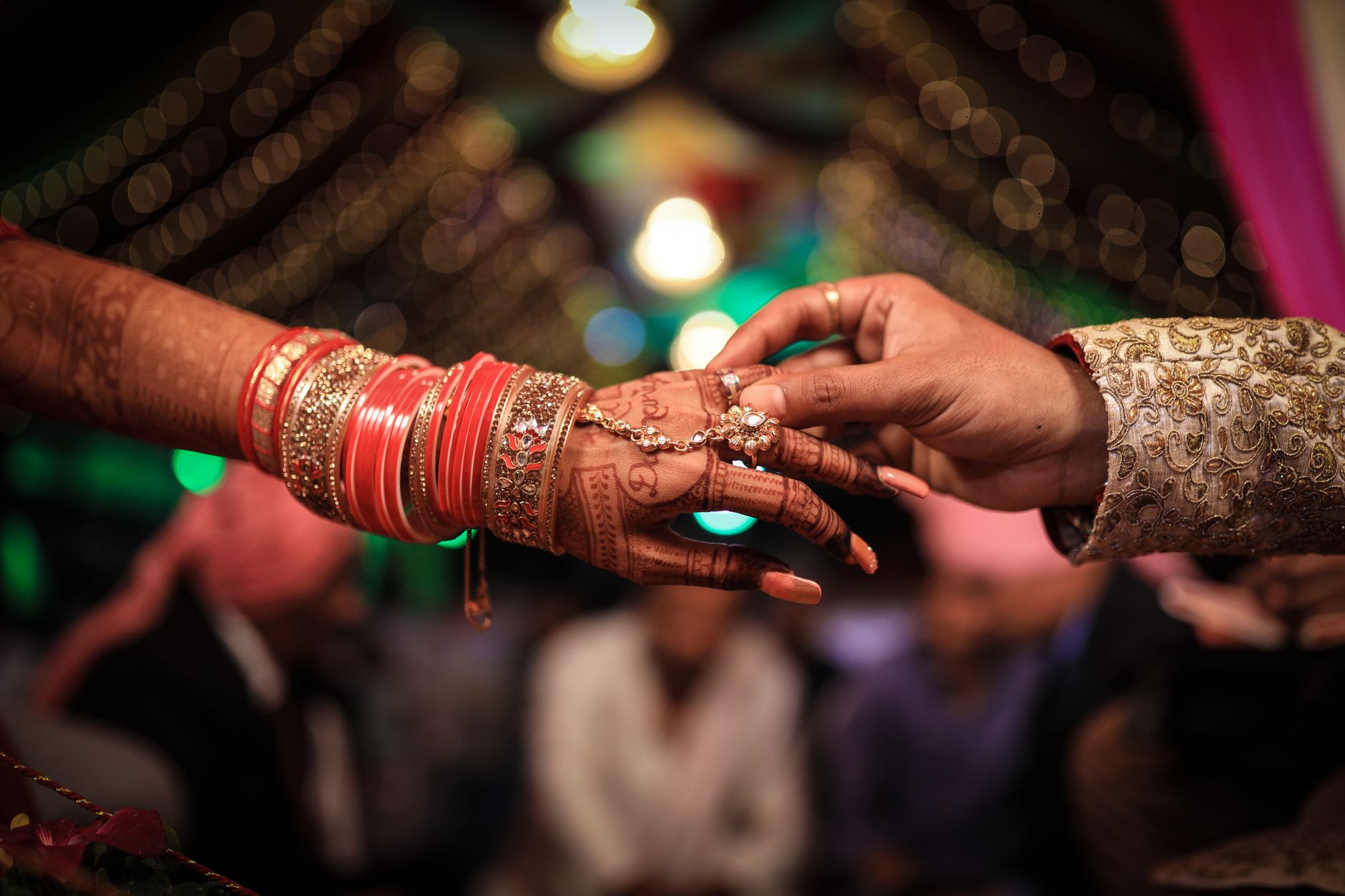 Gujarati Marriage Ritual Essentials
 Handheld Floral Bouquets
 Hindu Priest Services
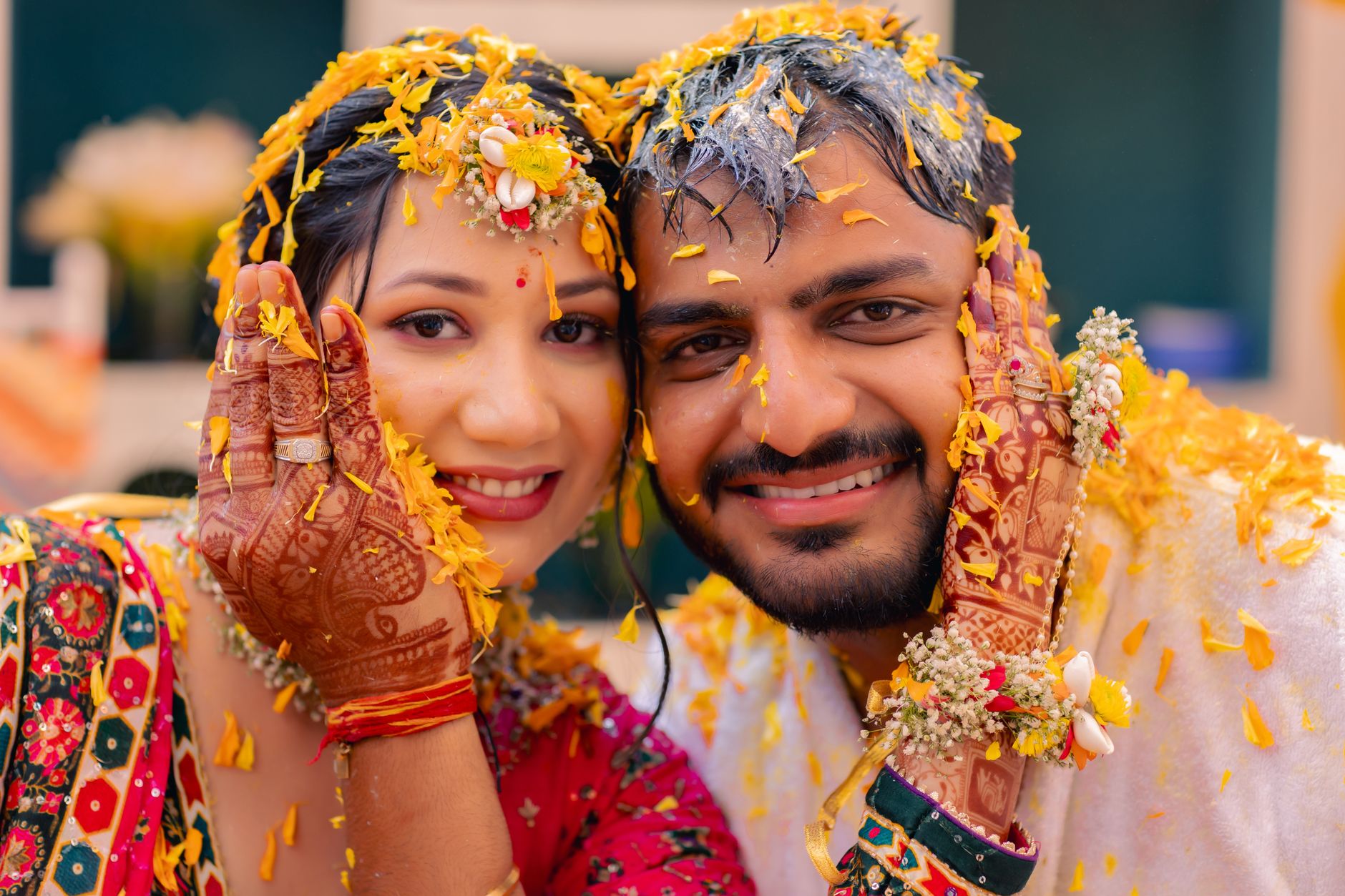 Jain Marriage Ceremony Essentials
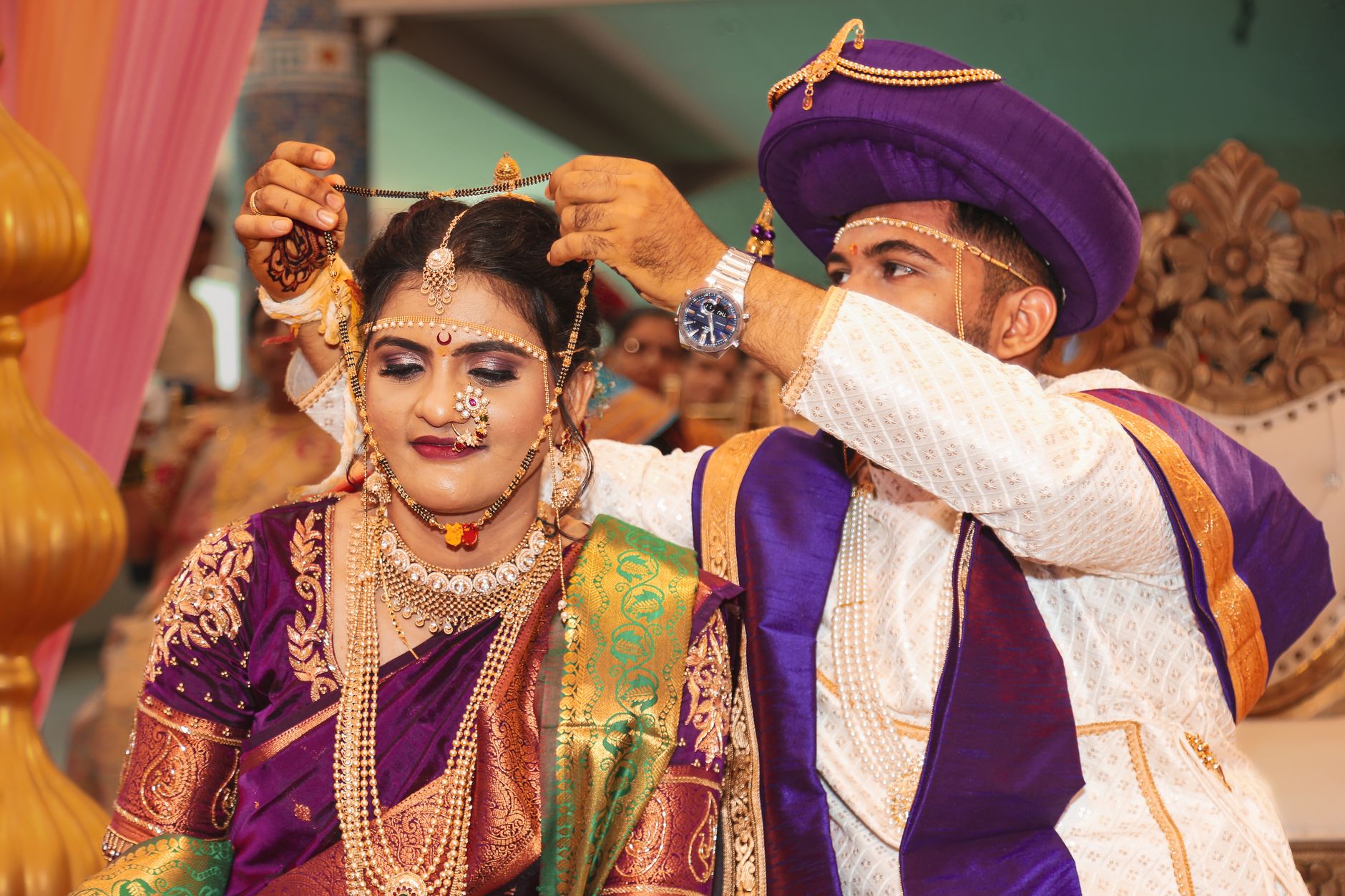 Kannada Marriage Ceremony Essentials
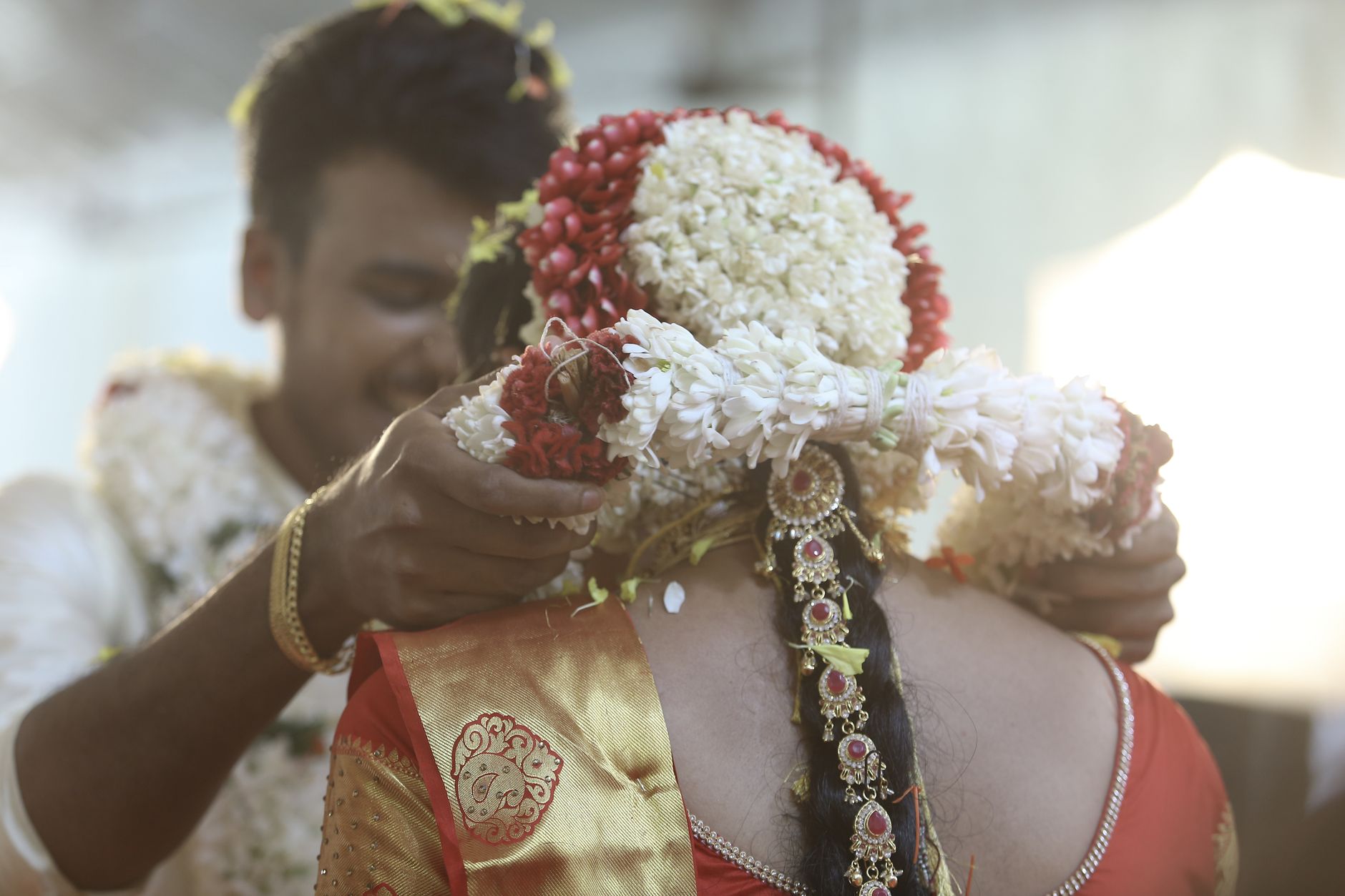 Kerala Marriage Ceremony Essentials
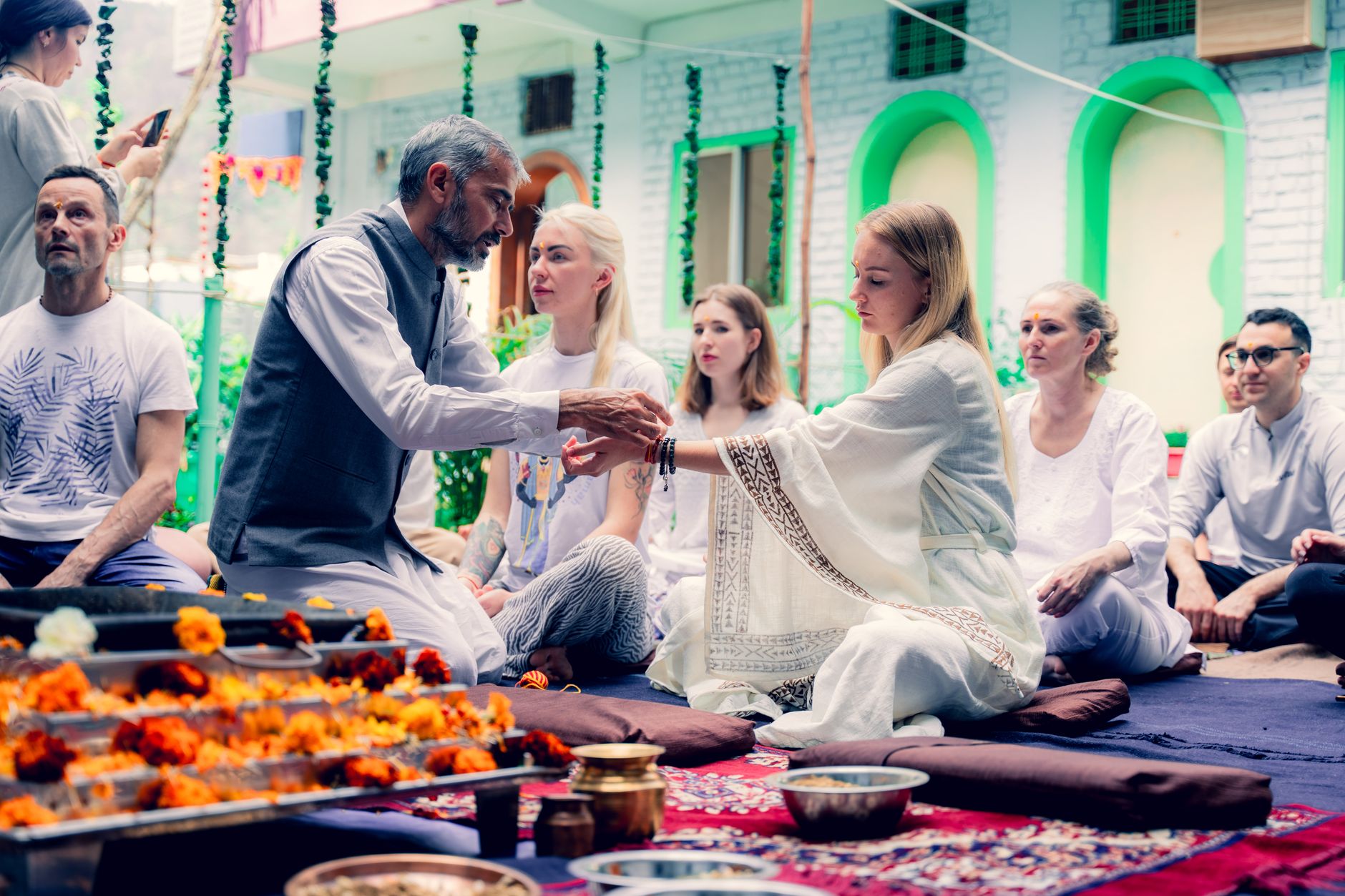 Marriage Ceremony Officiant
 Marriage Garland Exchange
 Marriage Return Gifts
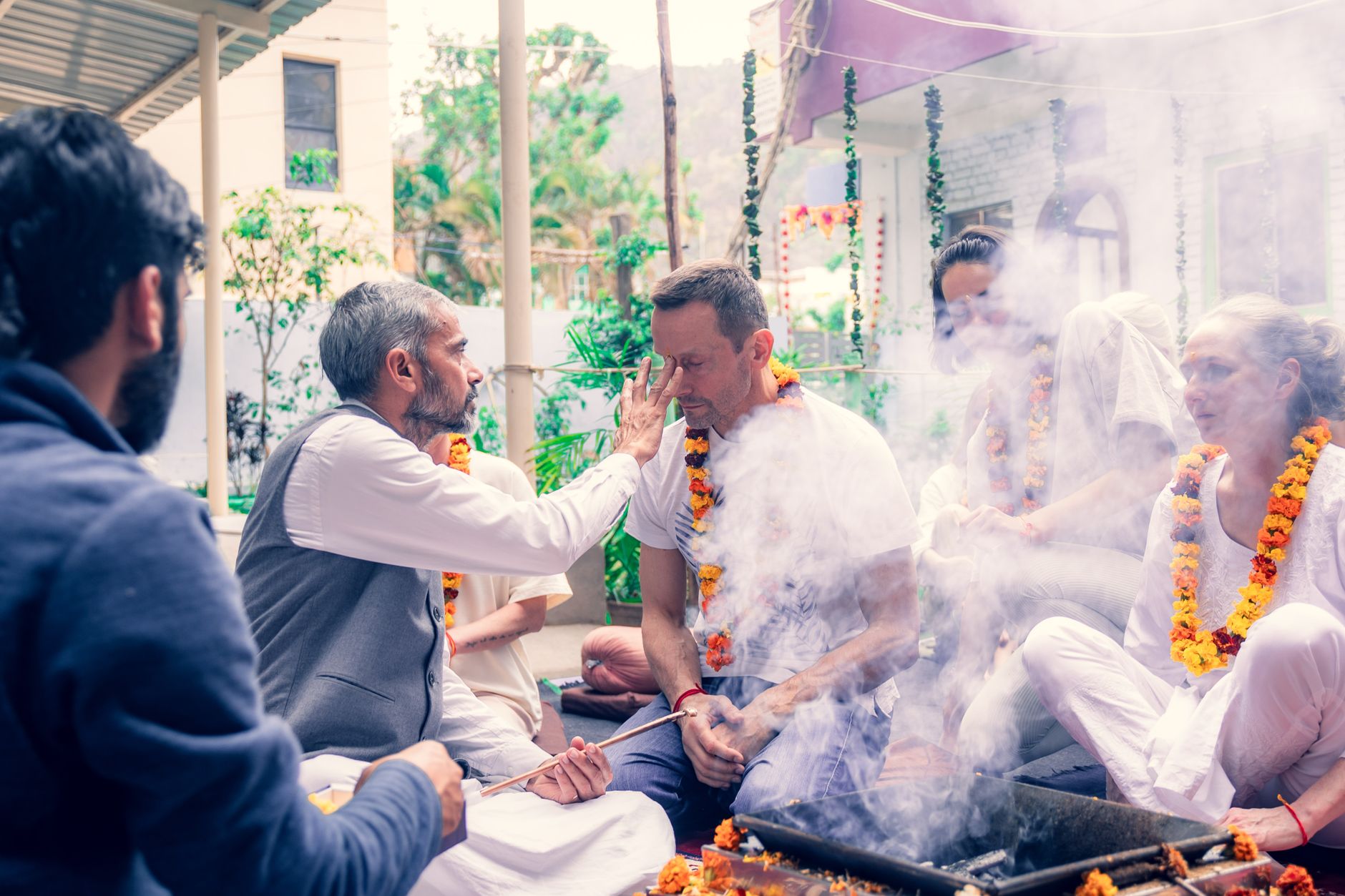 Marwari Marriage Ritual Essentials
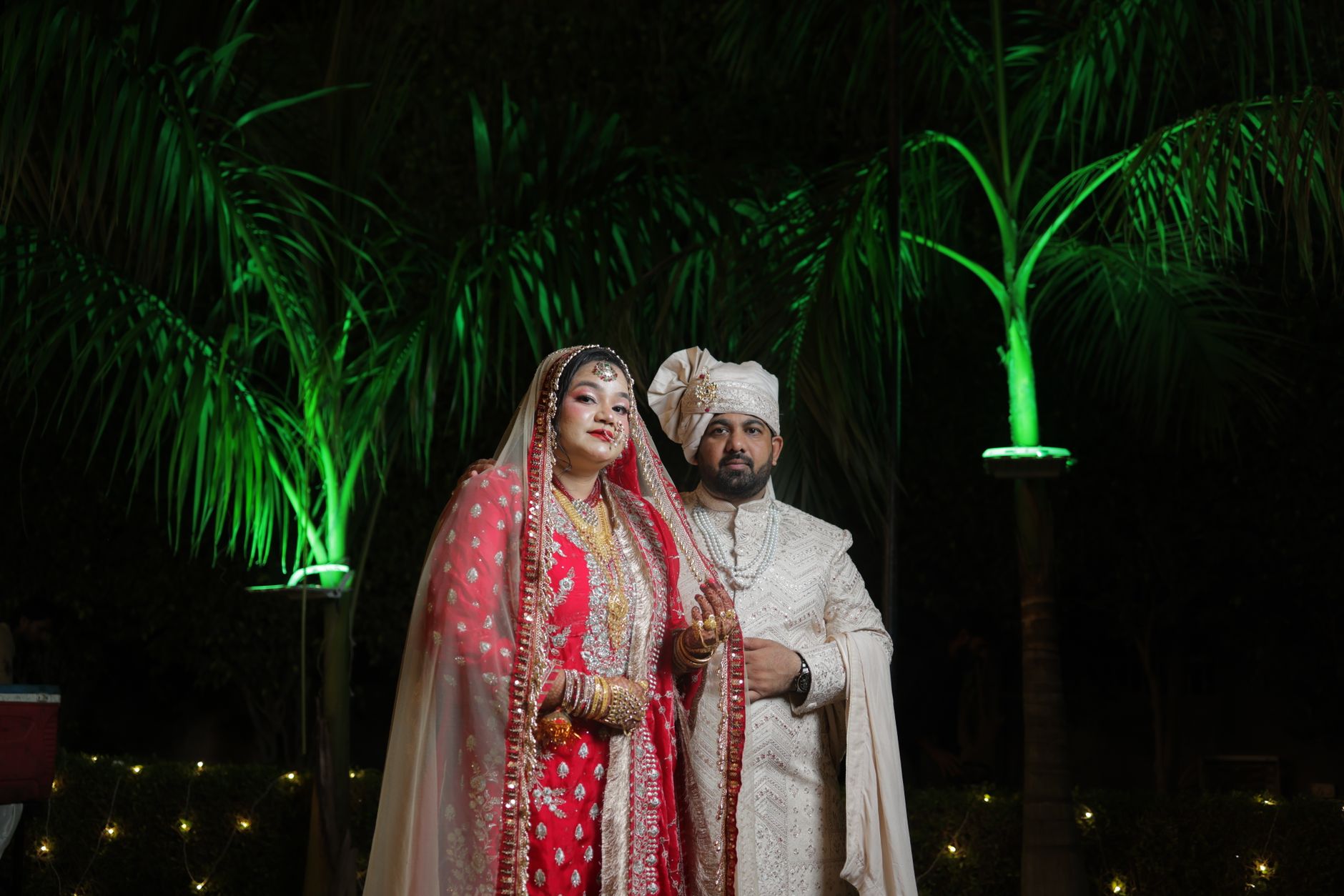 Muslim Marriage Ceremony Essentials
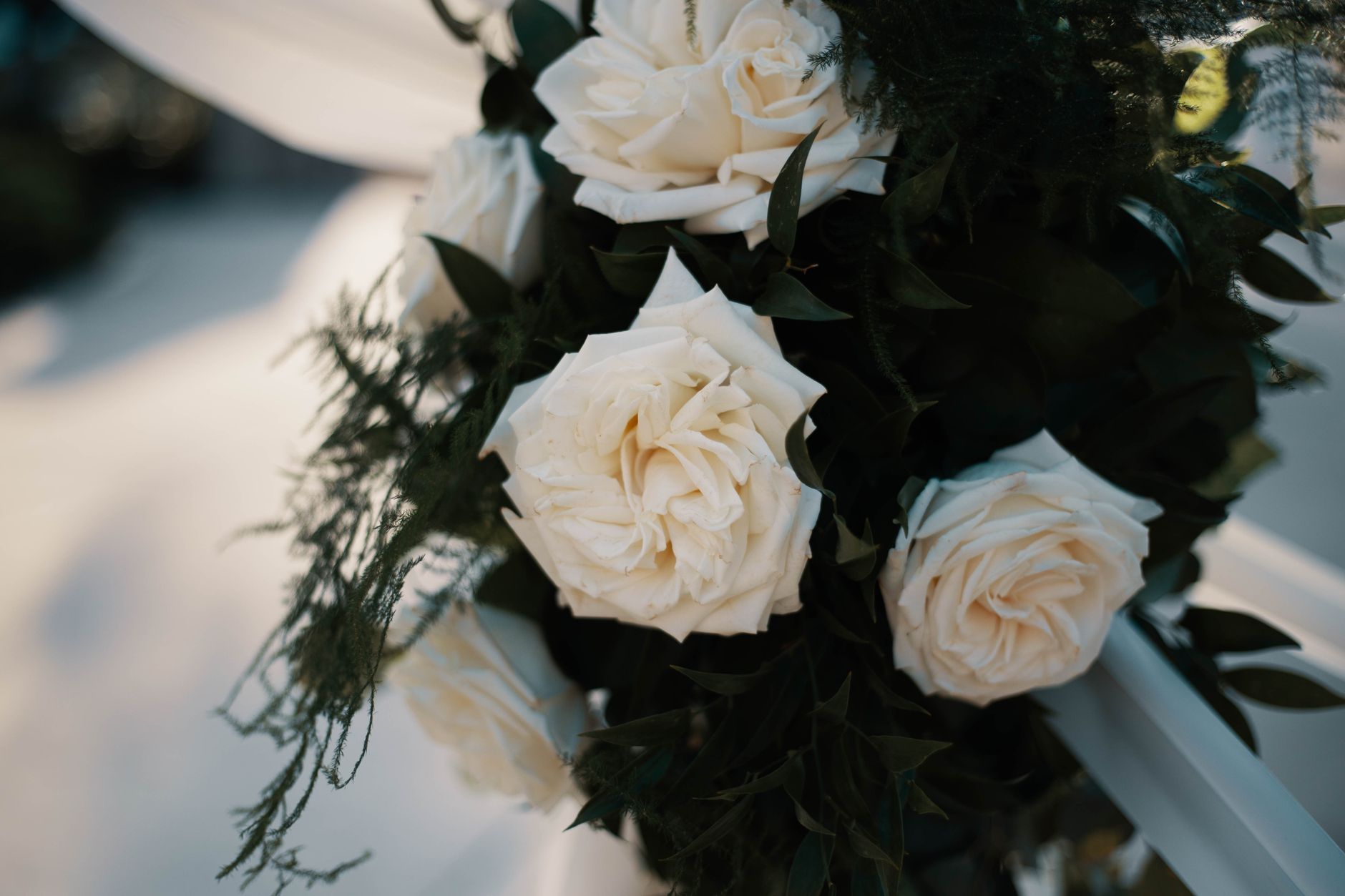 Petal Cannon Effects
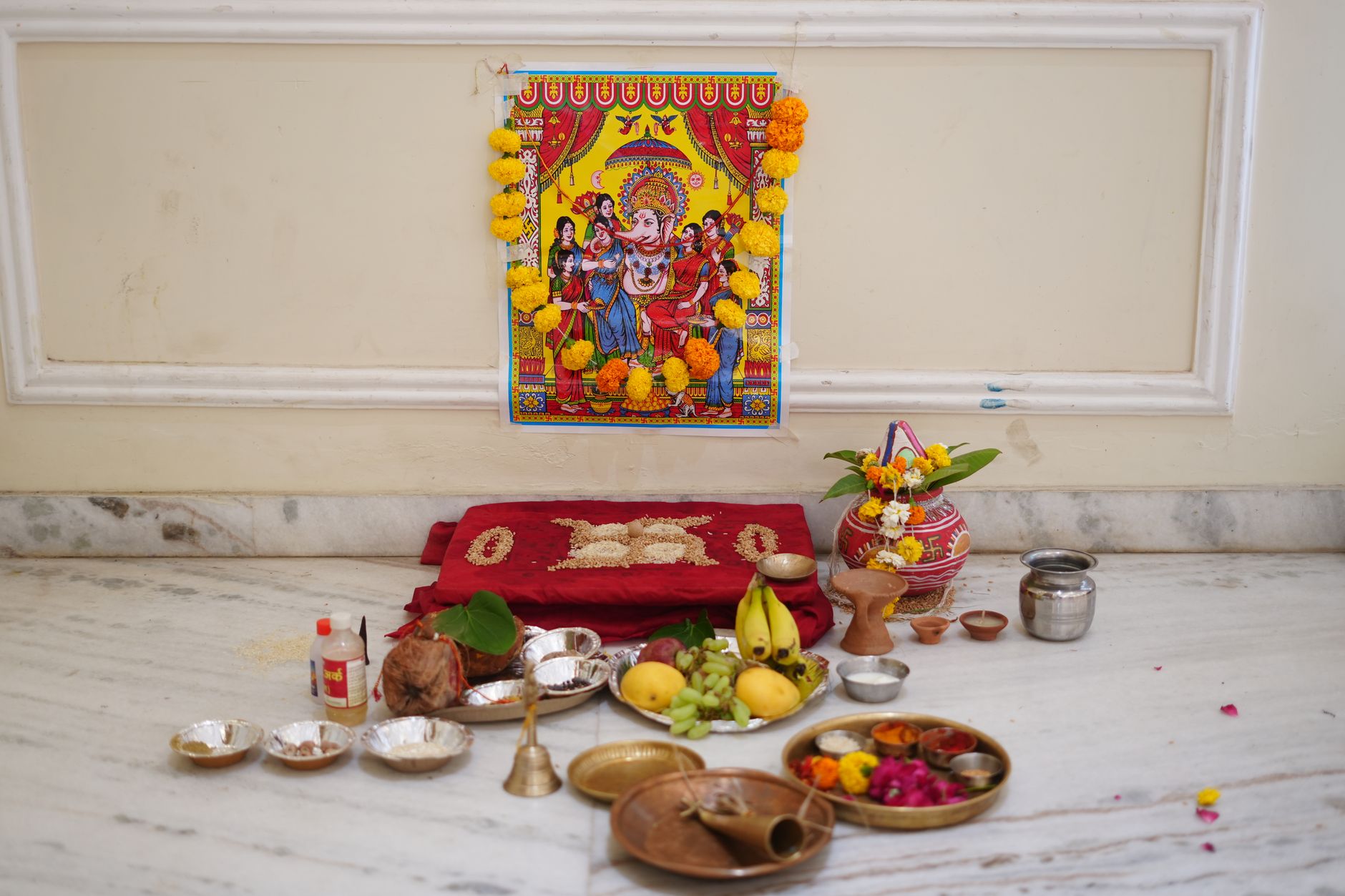
 Pooja Essentials Kit
 Professional Astrologers
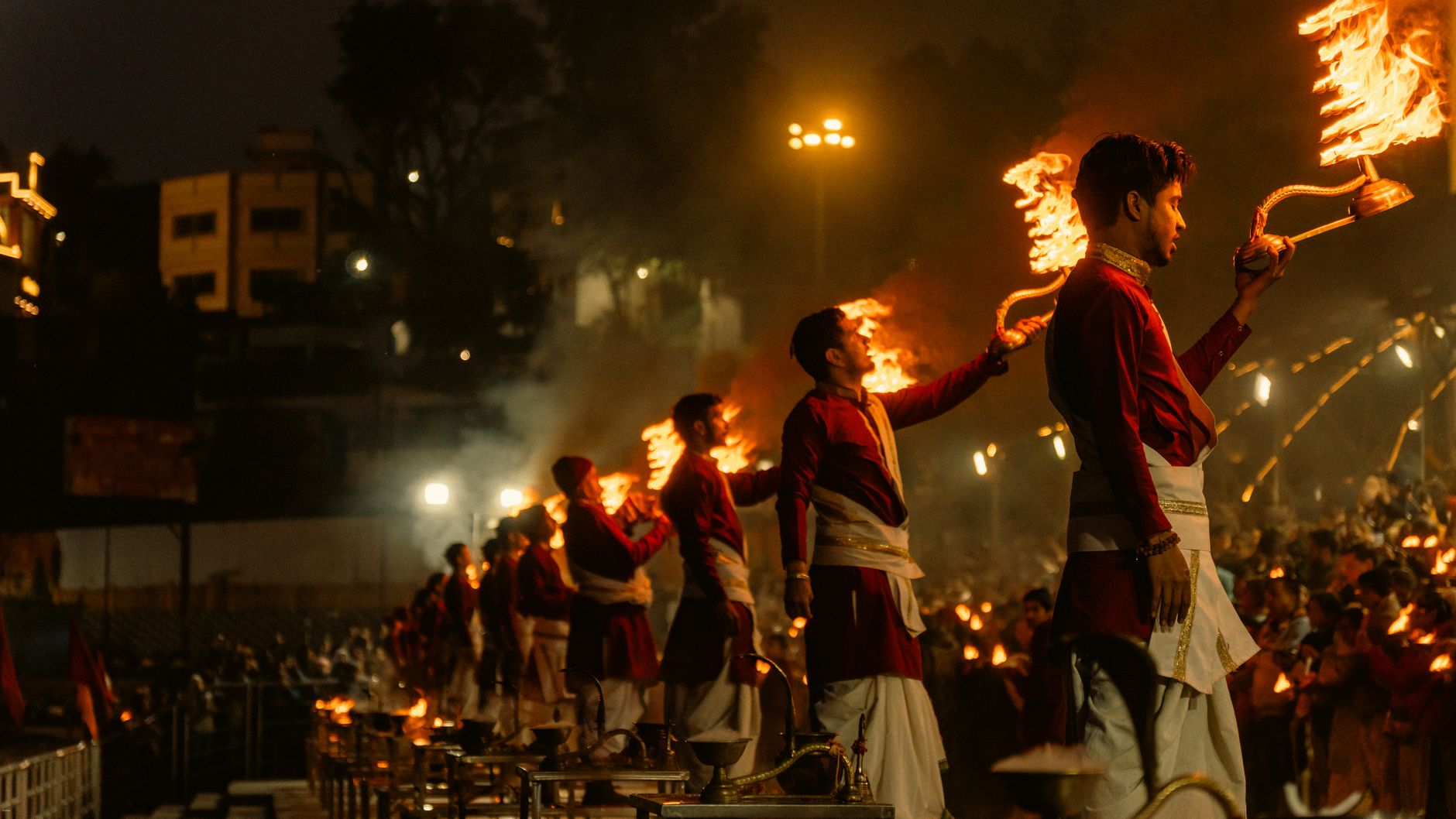 Religious Ceremony Live Streaming
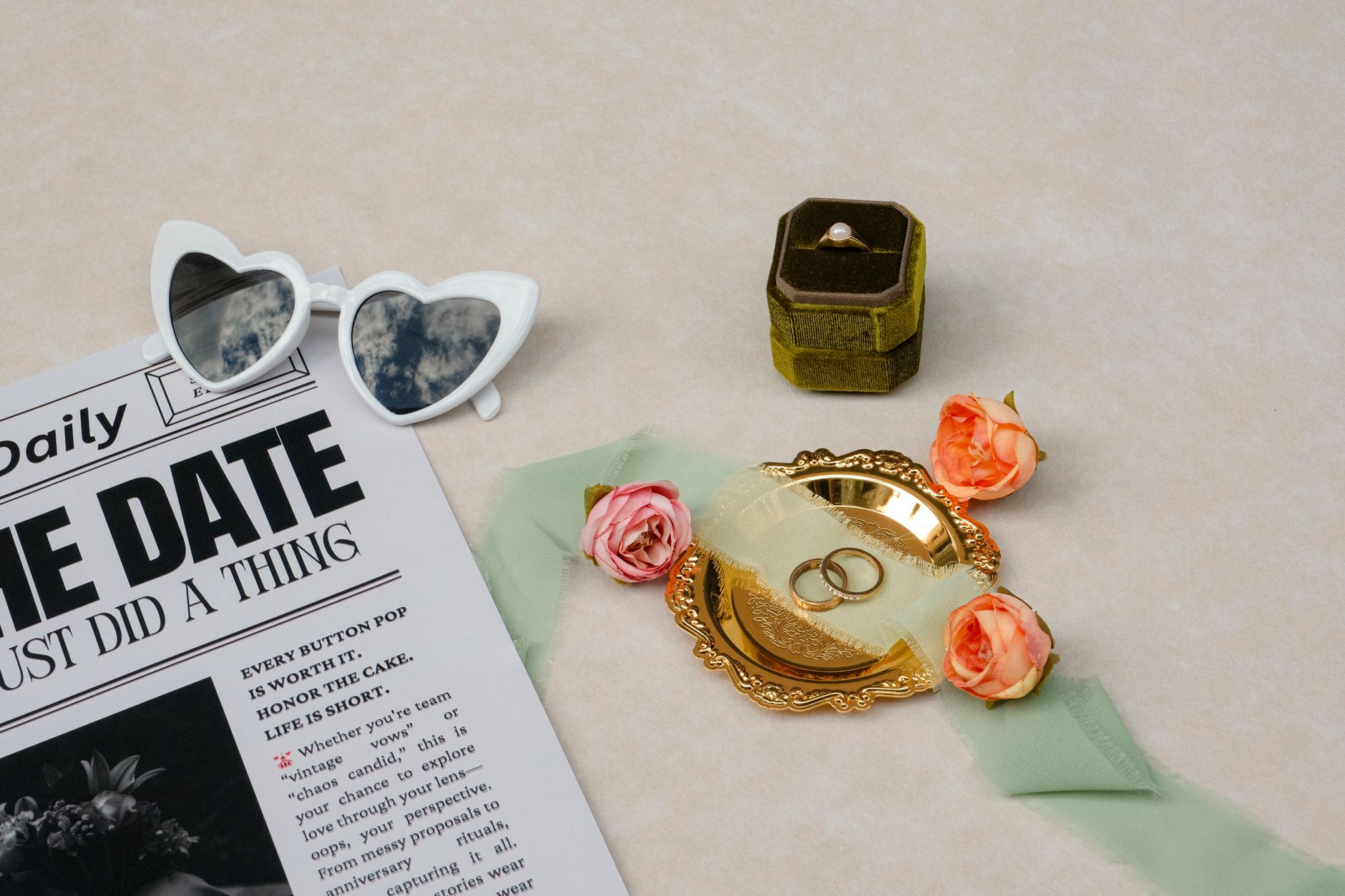 Ring Ceremony Platters
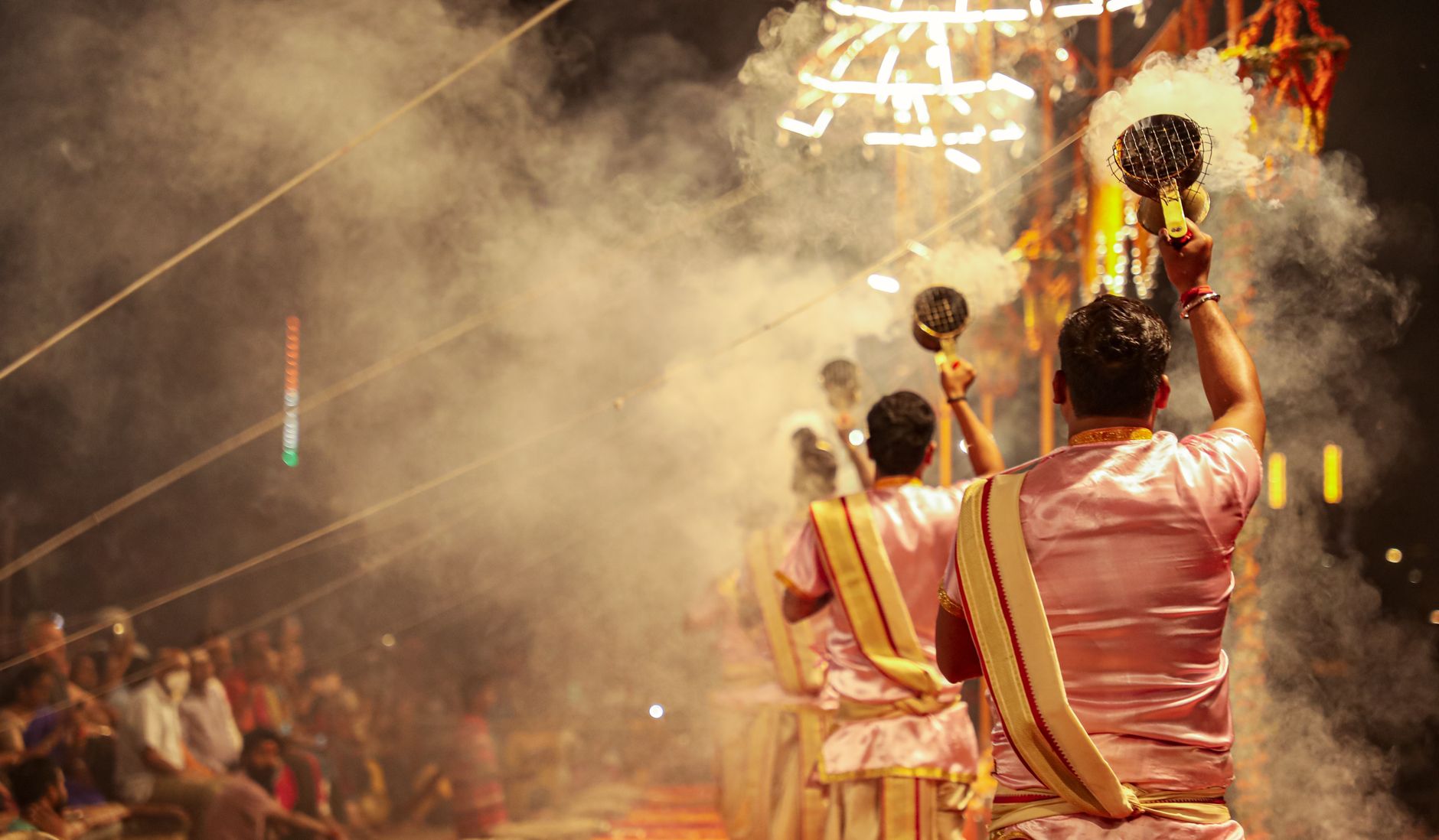 Snow Machine Rental
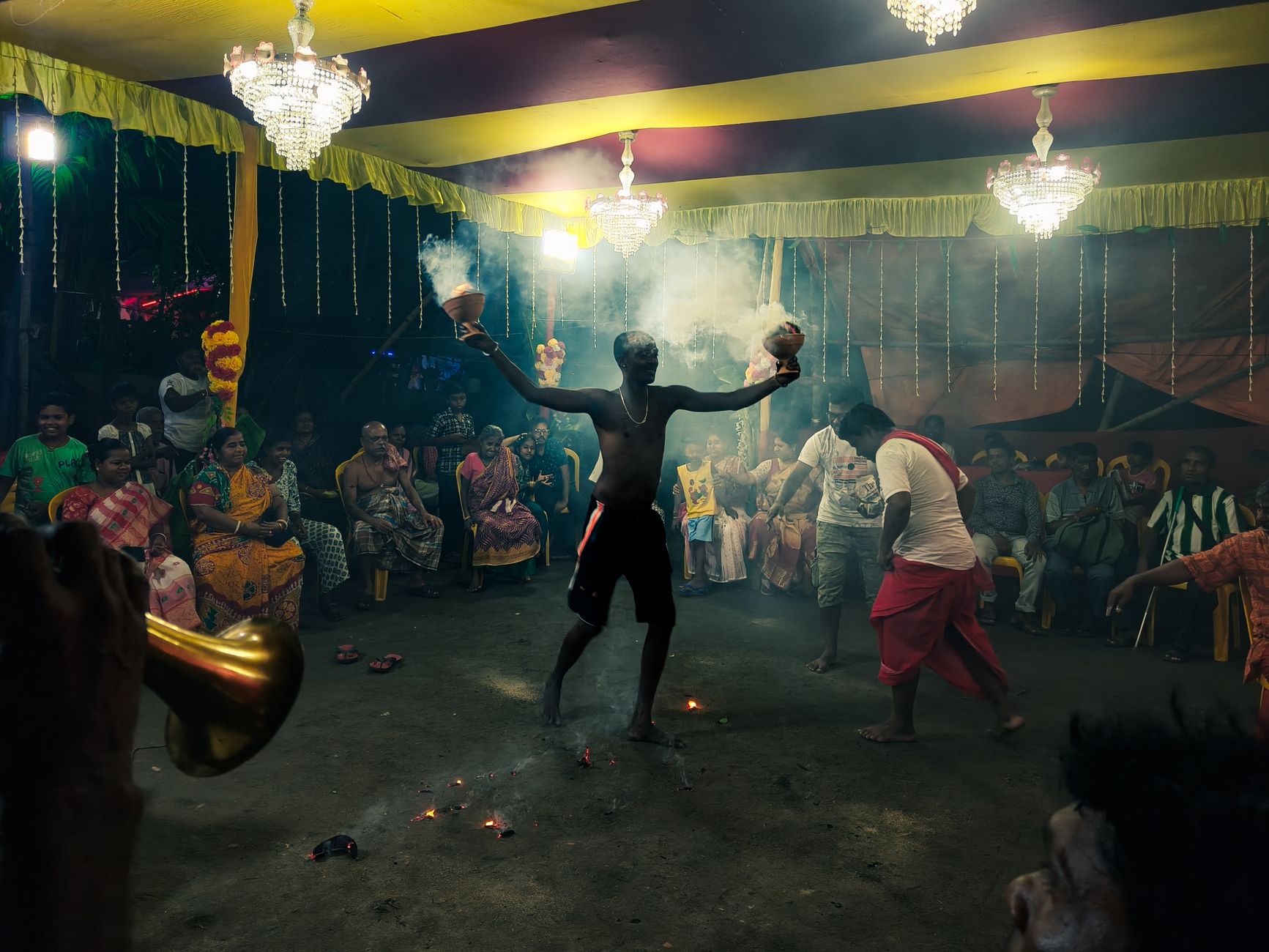 Stage Flame Effects
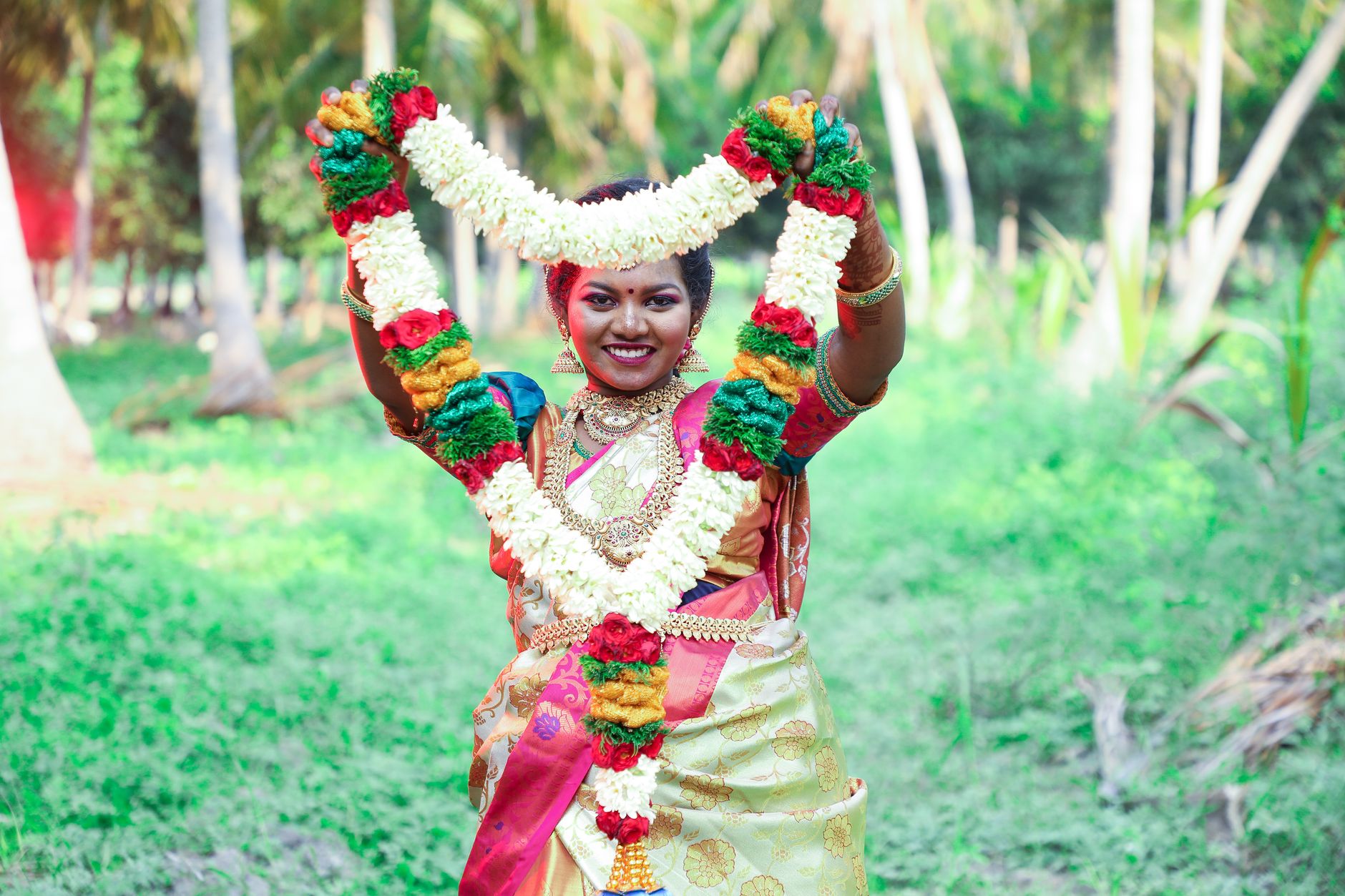 Tamil Marriage Ceremony Essentials
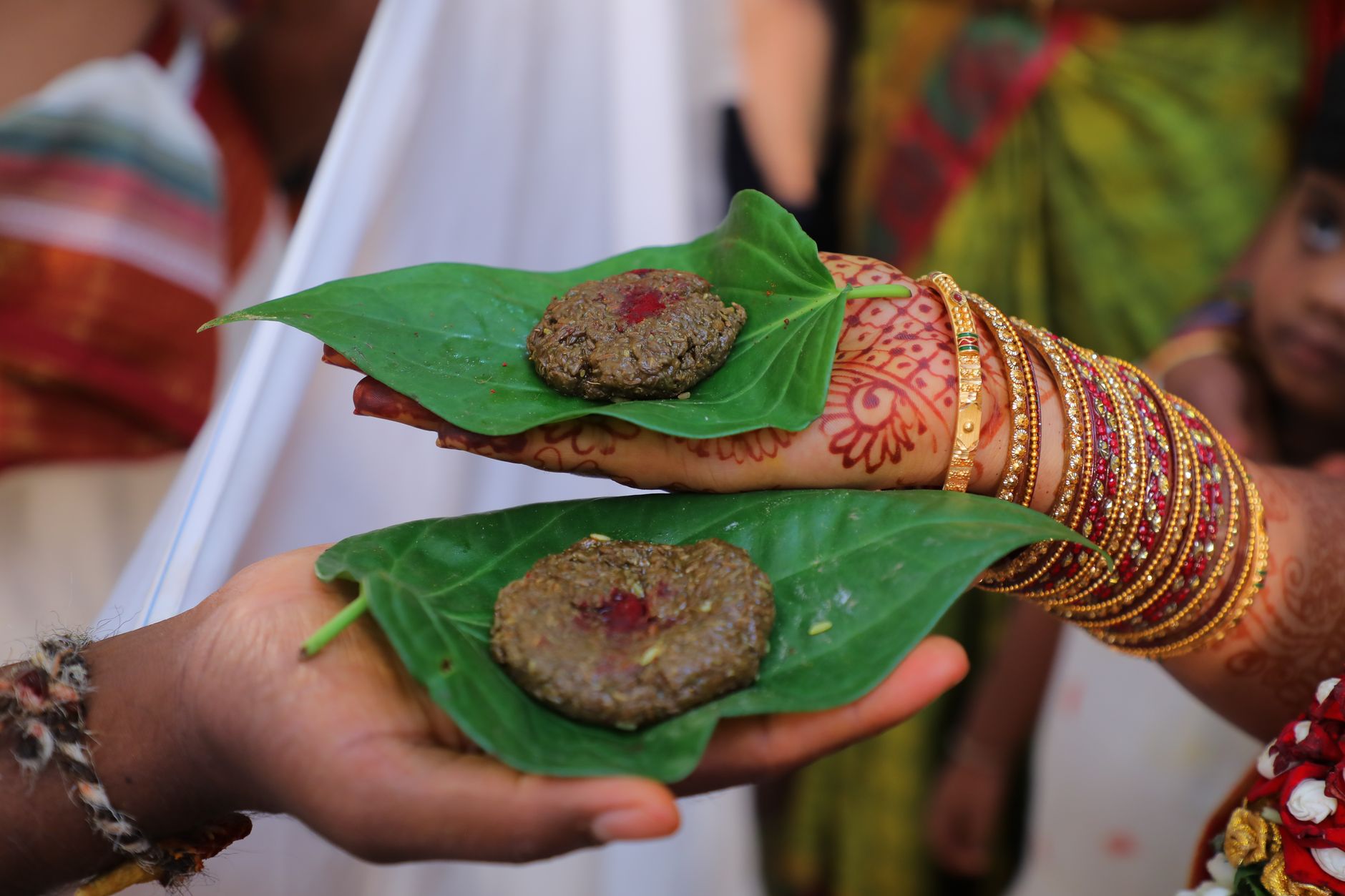 Telugu Marriage Ceremony Essentials
- 400+Curated Events
- 6Event Universes
- 1000+Verified Vendors
- 70+Locations
- 24/7Customer Support


Not sure which packages fits your celebration?
Let Hiya & Hanu help you find the perfect match!
Explore Celebration Packages- AI-Powered MatchingSmart suggestions for you
- Budget OptimizerGet the best experiences in your budget
- End-to-End SupportWe are with you at every step
Serving Celebrations across 75+ locations in India
Popular Auspicious Ceremony Services for Traditional and Meaningful Family Celebrations
◆Auspicious occasions often carry deep emotional, cultural and spiritual significance for families. Whether the event marks a new beginning, an important milestone or a cherished family tradition, careful preparation helps create an atmosphere that feels respectful and welcoming. Popular auspicious ceremony services make it easier to coordinate the many elements involved while keeping the focus on the purpose and traditions of the occasion.
From selecting a suitable venue and arranging ritual materials to coordinating priests, decorations and guest requirements, professional support can bring greater structure to the planning process. Families can choose arrangements that reflect their customs while also making the overall experience comfortable and well organised.
Understanding the Importance of Auspicious Ceremonies
Auspicious ceremonies are often associated with important beginnings, blessings, family milestones and traditional observances. Their format can vary according to religious practices, community customs and family preferences. Some occasions may involve prayers and offerings, while others may include specific rituals, sacred timings or customary gatherings.
The value of the ceremony is not only in the individual rituals but also in the sense of togetherness it creates. Relatives and friends may come together to participate, offer blessings and share an important moment with the family.
Popular auspicious ceremony services can help families organise these details without losing sight of the traditional meaning behind the occasion. Professional planning allows practical arrangements to support rather than distract from the ceremony itself.
Choosing the Right Ceremony Format
Every family may have different expectations regarding an auspicious occasion. Some prefer a traditional format with all customary rituals, while others may want a simpler ceremony suited to a smaller gathering. Understanding these preferences at the beginning makes the planning process much smoother.
The ceremony format may influence the venue, schedule, number of guests, ritual requirements, seating arrangements and decoration style. It is useful to discuss these factors before finalising suppliers or making detailed arrangements.
Families should also consider whether elders need special seating, whether children will participate and whether guests require clear guidance about timings. These small considerations can make the ceremony more comfortable for everyone.
Planning the Venue for a Sacred Occasion
The venue provides the foundation for the ceremony. Depending on the occasion, families may choose a home, community hall, temple-associated space, function venue or another suitable location.
A practical venue should provide enough space for the main ritual area, family members, guests and service providers. Accessibility, cleanliness, ventilation, seating and basic facilities should also be considered.
Sacred areas need to be arranged carefully so that the ceremony can take place without unnecessary movement or interruptions. A well-planned venue can also make it easier for priests, decorators and other professionals to complete their responsibilities on time.
Arranging Ritual Materials in Advance
Ritual materials are an essential part of many auspicious occasions. The requirements can vary considerably depending on the ceremony and family tradition. Items may include offerings, lamps, vessels, flowers, fruits, leaves, sacred ingredients and other customary materials.
Preparing a detailed requirement list helps prevent last-minute shortages. It is also useful to confirm whether the priest or spiritual professional will provide certain materials or whether the family needs to arrange them separately.
Popular auspicious ceremony services can provide valuable support by helping families organise material requirements according to the selected ceremony. Advance preparation creates greater confidence and allows everyone to concentrate on the occasion itself.
Coordinating Priests and Spiritual Professionals
The person conducting the ceremony plays an important role in ensuring that the rituals follow the appropriate tradition. Families may therefore wish to confirm the availability, experience and ceremony requirements of the priest or spiritual professional well in advance.
The date, time, ceremony format and required materials should be discussed clearly. Any family-specific customs can also be communicated before the event so that expectations are understood.
Professional coordination can help connect the ceremony schedule with venue preparation, decoration and material arrangements. This reduces the possibility of different service providers working to conflicting timelines.
Creating a Welcoming Sacred Setting
The visual environment can influence the overall atmosphere of an auspicious ceremony. Decorations should complement the purpose of the event rather than becoming unnecessarily elaborate.
Traditional flowers, lamps, simple backdrops, rangoli-inspired elements and tasteful ceremonial arrangements can create a warm and respectful setting. Colour choices may also reflect family preferences or the nature of the occasion.
Ceremonial flower arrangements can be positioned around the entrance, ritual area, stage or seating space. The decoration should leave sufficient room for movement and ensure that important ritual areas remain accessible.
Balancing Tradition With Modern Organisation
Modern event planning can make traditional ceremonies easier to manage without changing their cultural meaning. Digital invitations, organised schedules, supplier coordination and guest communication can simplify the practical side of the event.
Families can retain traditional rituals while choosing contemporary approaches to venue layout, seating, decoration and hospitality. This balance is particularly useful when different generations are participating.
Older family members may value familiar customs, while younger guests may appreciate clear schedules and convenient arrangements. Thoughtful planning can accommodate both without compromising the central purpose of the ceremony.
Making the Occasion Comfortable for Guests
Guest comfort is an important part of any family ceremony. Seating should be arranged according to the expected number of attendees, with appropriate consideration for elderly relatives and guests who may need easier access.
If the ceremony is expected to last for an extended period, families can consider drinking water, refreshments and suitable waiting areas. Clear directions to the venue and timely communication about the ceremony schedule can also reduce confusion.
For larger gatherings, professional coordination becomes especially useful because guest movement, parking, seating and hospitality can require additional attention.
Personalising Auspicious Ceremony Arrangements
Although ceremonies follow established traditions, there can still be room for personal preferences. Families may choose specific flowers, decoration styles, seating layouts, invitation themes or hospitality arrangements that reflect their identity.
Personalisation should always respect the customs associated with the ceremony. The objective is not to change the essential traditions but to create an environment that feels meaningful to the family.
Popular auspicious ceremony services can help combine customary requirements with suitable personal touches, creating an occasion that feels both familiar and thoughtfully arranged.
Managing the Ceremony Timeline
A clear timeline can prevent unnecessary delays. Planning should consider preparation time, arrival of the priest or spiritual professional, decoration completion, material setup, guest arrival and the expected duration of the rituals.
It is helpful to build some flexibility into the schedule because traditional ceremonies may not always follow an exact timetable. Allowing sufficient preparation time can prevent rushed decisions immediately before the event.
Coordination between the venue, ceremony professionals, decorators and family representatives is particularly important on the day itself.
Considering Decoration and Floral Details
Flowers often contribute to the traditional character of an auspicious occasion. Depending on the ceremony, families may select garlands, loose flowers, floral strings, entrance decorations or arrangements around the ritual space.
Decoration should be planned according to the venue size and ceremony requirements. Excessive decoration can sometimes reduce usable space, so the design should remain practical as well as attractive.
A coordinated decoration approach can also create consistency between the entrance, ritual area and guest seating. Simple, well-planned details often create a more graceful setting than excessive ornamentation.
Planning Within a Sensible Budget
An auspicious ceremony does not need an unnecessarily complicated budget. Families can prioritise the elements that matter most and make decisions according to the scale and purpose of the occasion.
The venue, ritual materials, professional fees, decoration, flowers, hospitality and other services should be considered separately. Comparing requirements before confirming arrangements can help families avoid unexpected expenses.
A practical budget also allows families to focus on meaningful elements rather than spending simply for appearance. Professional event coordination can help identify where resources are most useful.
Why Professional Coordination Can Help
Organising an auspicious ceremony involves several connected responsibilities. Even a relatively small event may require venue preparation, ritual materials, priest coordination, decoration, flowers, guest arrangements and schedule management.
Professional support can bring these responsibilities together under a structured plan. Instead of contacting multiple providers without a clear sequence, families can organise the requirements around one coordinated timeline.
This can be particularly valuable when family members are managing work commitments or travelling from different locations. Reliable coordination gives them more opportunity to participate in the ceremony rather than spending the day resolving practical issues.
Selecting Suitable Ceremony Services
When comparing ceremony providers, families should look beyond presentation and consider practical reliability. Clear communication, transparent service details, relevant experience and an understanding of traditional requirements are valuable qualities.
It is useful to discuss the ceremony type, expected guest count, venue, timing, ritual materials, decoration preferences and any family-specific requirements before confirming a service.
A suitable provider should be willing to understand the occasion rather than simply offering a fixed package. This allows the final arrangements to reflect the family's actual needs.
Creating a Meaningful Family Experience
The success of an auspicious ceremony is not measured only by decoration or the size of the gathering. The atmosphere, participation of loved ones and respectful completion of traditions are equally important.
Good planning allows the family to be present in the moment. When practical responsibilities are handled properly, relatives can focus on blessings, prayers, conversations and shared memories.
Popular auspicious ceremony services can therefore be useful for families who want to preserve traditional values while enjoying a more organised event experience.
Bringing Traditional Celebrations Together
Auspicious ceremonies often represent hope, continuity and important moments in family life. Careful preparation ensures that these occasions receive the attention they deserve.
From the first discussion about the ceremony format to the final venue arrangements, every detail contributes to the overall experience. Thoughtful venue selection, ritual material planning, spiritual professional coordination, floral decoration and guest support can work together to create a calm and meaningful occasion.
For families seeking Popular auspicious ceremony services, the ideal approach is one that respects tradition while providing dependable organisation. With suitable planning and professional support, an auspicious occasion can remain culturally meaningful, comfortable for guests and memorable for everyone involved.
Frequently Asked Questions
1. What are popular auspicious ceremony services?
Popular auspicious ceremony services provide planning and coordination support for traditional occasions involving rituals, prayers, blessings and important family milestones. Services may include venue preparation, ritual materials, priest coordination and decoration.
2. Which occasions can use auspicious ceremony services?
They can support various traditional family occasions, including religious ceremonies, milestone events, prayers, blessings, house-related ceremonies and other culturally significant gatherings, depending on the family's customs.
3. Can auspicious ceremony services include priest coordination?
Yes. Many professional ceremony services can assist with coordinating priests or suitable spiritual professionals according to the ceremony type, preferred timing and traditional requirements.
4. Can I organise an auspicious ceremony at home?
Yes. A home can be suitable for many ceremonies if there is sufficient space for the ritual area, family members and guests. The layout should be planned carefully to maintain a comfortable and respectful environment.
5. What ritual materials are usually required?
Requirements depend on the specific ceremony and tradition. They may include flowers, fruits, lamps, vessels, offerings and other customary items. A detailed checklist should be prepared according to the ceremony format.
6. How far in advance should an auspicious ceremony be planned?
The ideal preparation period depends on the size and complexity of the occasion. Larger ceremonies generally benefit from earlier planning so that the venue, spiritual professional, materials, decoration and guest arrangements can be confirmed comfortably.
7. Can the decoration be personalised?
Yes. Families can often personalise flowers, colours, entrance arrangements, backdrops and other decorative details while keeping the overall design suitable for the traditional nature of the ceremony.
8. How can I keep an auspicious ceremony within budget?
Start by identifying essential ceremony requirements and then allocate the remaining budget to venue, decoration, hospitality and optional services. Comparing arrangements before confirming providers can also help manage costs.
9. Why should I use professional ceremony coordination?
Professional coordination can reduce the workload involved in managing multiple suppliers, schedules and ceremony requirements. It allows family members to spend more time participating in the occasion rather than handling practical details.
10. How can I choose the right auspicious ceremony service provider?
Look for a provider with clear communication, relevant ceremony experience, transparent service details and the ability to accommodate your family's requirements. Discuss the ceremony format, venue, timing, materials and guest arrangements before confirming the service.