
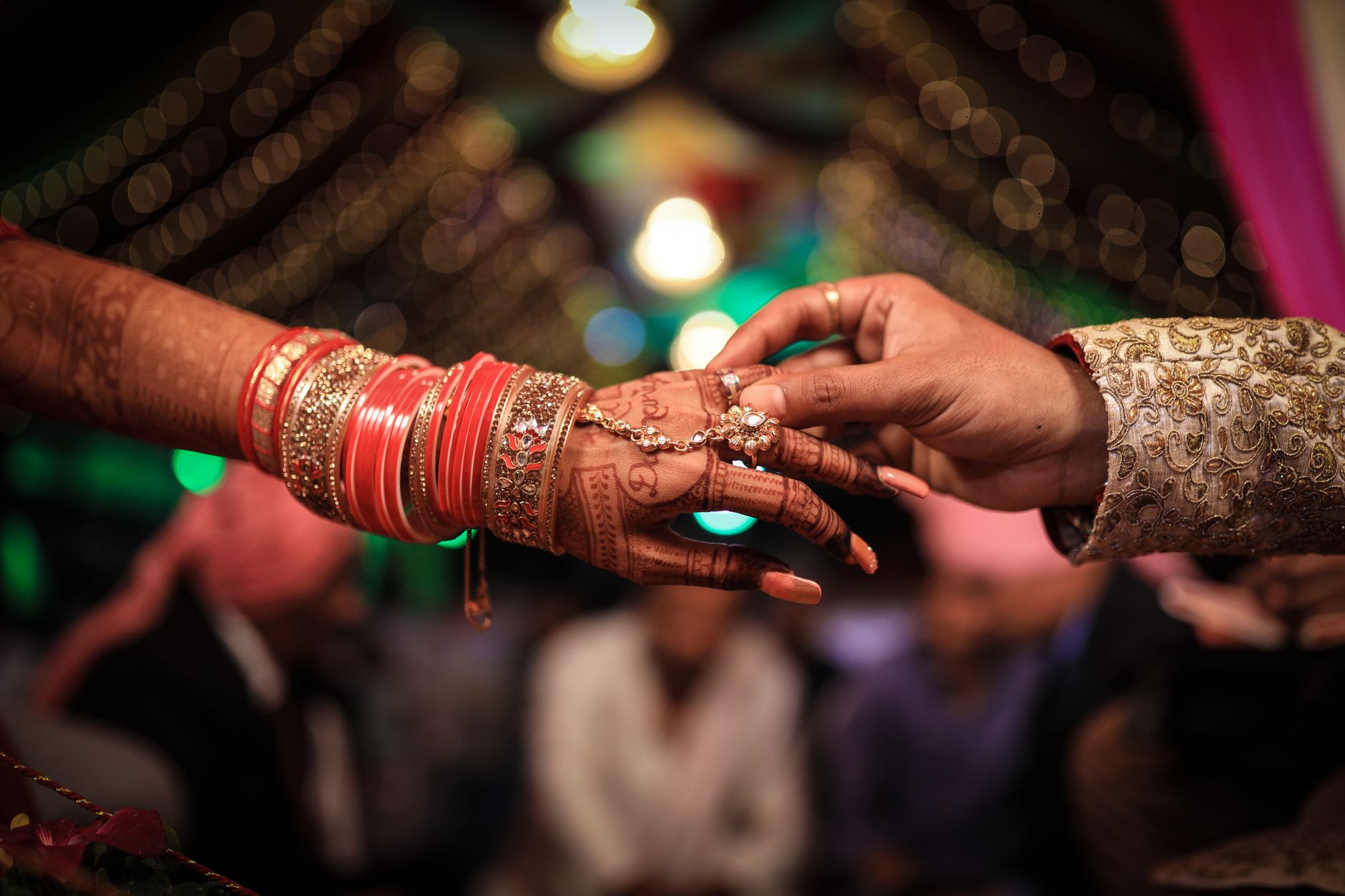
Authentic Gujarati Wedding Rituals in Rishikesh
Religious cermony in Rishikesh
Gujarati Marriage Ritual Essentials for Your Rishikesh Wedding
Rishikesh, cradled by the Himalayas and graced by the sacred Ganges, is rapidly becoming one of India's most sought-after destinations for a destination wedding in Rishikesh with deep spiritual meaning. For Gujarati families, this holy city offers an unmatched backdrop to honour every Gujarati Marriage Ritual Essential — from the Ganesh Sthapana and Madhuparka to the Saptapadi. Sourcing authentic Gujarati wedding ceremony items and engaging a knowledgeable pandit for Gujarati wedding ceremonies are the twin pillars that ensure your shaadi is both spiritually correct and emotionally memorable for every guest and generation.
Quick Answer
Gujarati Marriage Ritual Essentials include specific pooja items, ceremonial garments, and step-by-step rites such as Ganesh Puja, Nandi Shraddh, Madhuparka, Kanyadaan, Saptapadi, and Aashirvaad. In Rishikesh, families source traditional Gujarati pooja samagri locally or from Ahmedabad suppliers, engage a Sanskrit-proficient pandit, and pair the rituals with a mandap set near the Ganges for a spiritually complete Gujarati vivah ritual experience.
What Are the Core Gujarati Marriage Ritual Essentials Every Family Must Know?
Gujarati Marriage Ritual Essentials follow a precise sequence rooted in Vedic tradition and regional custom. The ceremony typically opens with Ganesh Sthapana, invoking the remover of obstacles, followed by Nandi Shraddh to seek blessings from ancestors — a step many modern planners skip at great spiritual cost. Next comes Madhuparka, where the groom is welcomed with a sacred mixture of honey, ghee, and curd. Kanyadaan, the formal gifting of the bride by her parents, is the emotional centrepiece. The Saptapadi — seven steps around the sacred fire — seals the union legally and spiritually. Finally, Aashirvaad completes the ceremony with elder blessings. Each step requires specific Gujarati wedding ceremony items: separate copper vessels, specific flower garlands, kumkum, turmeric, and pre-measured quantities of ghee and samagri. Families planning a destination wedding in Rishikesh should prepare a detailed item checklist at least six weeks in advance to avoid last-minute shortages.
Sourcing Traditional Gujarati Pooja Samagri in Rishikesh
Rishikesh has a thriving market for traditional Gujarati pooja samagri along Haridwar Road and near Laxman Jhula bazaars, where shopkeepers stock region-specific items year-round due to high pilgrim and wedding traffic. Items such as chandan sticks, supari, betel leaves, yellow cloth (peetambar), sindoor dabbis, and sacred thread sets are readily available. However, speciality items like specific Gujarati roli, Navratna coins for the Kanyadaan thal, and embroidered odhani thals may need to be couriered from Ahmedabad, Surat, or Vadodara. Engage your pandit for Gujarati wedding planning at least two months early so he can provide a precise samagri list sorted by ritual stage. This phased list prevents both over-purchasing and ritual interruptions. Families who treat traditional Gujarati pooja samagri procurement as a logistics project — not an afterthought — consistently report smoother ceremonies. Budgeting INR 15,000 to INR 40,000 for the complete samagri kit is realistic depending on ceremony size and the number of sub-rituals included.
How Do Gujarati Vivah Rituals Blend with Rishikesh's Sacred Setting?
Rishikesh elevates Gujarati vivah rituals in ways that flat banquet halls simply cannot replicate. The ambient sound of the Ganges, the cool Himalayan air, and the proximity to ancient temples create a sensory environment that makes every mantra feel amplified. Venues near Triveni Ghat or along the banks toward Neelkanth Road offer open-air mandap spaces where the sacred wedding venue on the Ganges becomes an organic part of the ritual, not just a backdrop. The flowing river fulfils the water-element requirement present in several Gujarati vivah rituals, making it both symbolically and ceremonially appropriate. Families opting for sunrise or sunset timings find that the Ganga aarti atmosphere synchronises beautifully with the fire rituals of the havan. The wedding mandap decoration in these spaces typically features marigold torans, banana-leaf pillars, and clay diyas — all consistent with Gujarati aesthetics and naturally available in Rishikesh markets.
Budgeting for Gujarati Wedding Religious Items and Ceremony Costs in Rishikesh
Understanding costs upfront helps families allocate resources without compromising ritual integrity. Gujarati wedding religious items typically cost INR 15,000 to INR 40,000 for a full two-day ceremony. Pandit fees for a Sanskrit-proficient priest who knows Gujarati vivah rituals range from INR 21,000 to INR 75,000 depending on experience and ceremony duration. Wedding mandap decoration in Rishikesh, including floral arrangements, rangoli, and lighting, costs INR 50,000 to INR 2,50,000 depending on scale. Venue rentals for riverside or ashram spaces range from INR 30,000 to INR 3,00,000 per day. A destination wedding in Rishikesh for 50 to 150 guests, covering rituals, décor, catering, and accommodation, generally ranges from INR 8 lakh to INR 30 lakh. Gujarati Marriage Ritual Essentials should command at least 15–20% of the total ceremony budget because they are the non-negotiable core — everything else is context.
What Common Mistakes Should Families Avoid When Planning Gujarati Marriage Ritual Essentials in Rishikesh?
The most frequent mistake is hiring a generic Vedic pandit unfamiliar with Gujarati-specific mantras, gotra recitation formats, and the sequence of Gujarati wedding ceremony items. Always verify that your priest has conducted Gujarati vivah rituals before, ideally with references from other Gujarati families. The second major error is underestimating the time each ritual requires — a full Gujarati ceremony with all sub-rituals runs five to seven hours; compressing it into three hours creates both ritual errors and family stress. Another common oversight is ignoring weather logistics: Rishikesh monsoon season (July–September) can disrupt open-air mandap setups, so waterproof canopy planning is essential. Families also frequently forget to arrange for a traditional Gujarati pooja samagri checklist in duplicate so that assistants can locate items quickly mid-ritual. Finally, neglecting to coordinate the pandit for Gujarati wedding with the decorator on mandap layout leads to fire-safety and spatial conflicts that slow the ceremony. Gujarati Marriage Ritual Essentials deserve the same logistical rigour as catering and photography.
Comparing Setup Types for Gujarati Marriage Ritual Essentials in Rishikesh
Expert Recommendation
Best for Intimate Celebrations (Under 50 Guests)
Best for Large Guest Counts (150+ Guests)
Best for Budget-Conscious Families
Best for Deeply Traditional Ceremonies
Best for Modern Couples Balancing Tradition
Best for Destination Wedding Guests Unfamiliar with Gujarati Customs
How to Choose the Right Option
✅ Pre-booking Checklist
- Confirm your pandit's specific experience with Gujarati vivah rituals and gotra recitation format before booking
- Request a stage-by-stage samagri list from the pandit and cross-check against what is available in Rishikesh markets
- Ship specialty Gujarati wedding religious items from home city at least three weeks before the wedding date
- Verify the venue's fire-ritual permissions, ventilation, and proximity to a water source for Ganges-linked rites
- Book a backup waterproof canopy for the mandap if the ceremony falls between June and October
- Allocate a dedicated samagri assistant who can locate and hand items to the pandit instantly during each ritual
- Confirm accommodation logistics for out-of-town Gujarati guests near the ceremony venue
- Coordinate mandap layout between decorator and pandit at least two weeks before the wedding
🎯 Selection Criteria
- Pandit's demonstrated expertise in Gujarati-specific mantra sequences and sub-ritual protocols
- Venue's suitability for open-fire havan — adequate ventilation and safety clearance
- Proximity of the venue to the Ganges for water-element rituals and spiritual ambience
- Availability and sourcing ease of complete traditional Gujarati pooja samagri in or near Rishikesh
- Guest comfort infrastructure — seating, shade, restrooms — for a five-to-seven-hour ceremony
- Decorator's familiarity with Gujarati wedding aesthetics — colour palette, floral choices, mandap structure
💰 Cost / Quality Factors
- Pandit fee varies significantly with experience level and ceremony duration — budget INR 21,000 to INR 75,000
- Specialty samagri shipped from Gujarat adds logistics cost but ensures ritual authenticity
- Wedding mandap decoration cost scales with guest count and floral complexity — INR 50,000 to INR 2,50,000
- Riverside venues command a 20–40% premium over inland halls due to exclusivity and scenery
- Off-peak weekday bookings can reduce venue and catering costs by 15–25%
- Including all sub-rituals adds ceremony time and pandit cost but reduces the risk of family disputes about omissions
⚠️ Common Mistakes to Avoid
- Hiring a generic Vedic pandit without verifying knowledge of Gujarati vivah rituals and the correct regional sequence
- Compressing a five-to-seven-hour ceremony into three hours, causing ritual errors and family stress
- Neglecting to source specialty Gujarati wedding ceremony items in advance, leading to last-minute substitutions
- Ignoring monsoon-season weather planning for open-air mandap setups near the Ganges
- Failing to coordinate the pandit and decorator on mandap spatial layout before the ceremony day
- Not communicating the ritual timeline to guests, resulting in confusion and mid-ceremony departures
People Also Ask
What items are included in Gujarati Marriage Ritual Essentials for a full ceremony?
Can I find a qualified pandit for a Gujarati wedding in Rishikesh?
How long does a traditional Gujarati wedding ceremony take?
Is Rishikesh a good destination for a Gujarati wedding?
What is the approximate cost of Gujarati wedding religious items in Rishikesh?
What is the best time of year to hold a Gujarati wedding in Rishikesh?
Can wedding mandap decoration in Rishikesh reflect traditional Gujarati aesthetics?
How early should I start planning Gujarati Marriage Ritual Essentials for a Rishikesh destination wedding?
Related Experiences on Happiffie
Sacred Rituals, Mountain Magic
Traditional Gujarati Varmala in Lucknow
Authentic Gujarati Vivah Rituals in Goa
Light Up Your Mussoorie Wedding
Wed Amid the Mussoorie Clouds
Authentic Pahadi Wedding Pandits in Mussoorie
Magical Fairy Lights for Your Mussoorie Wedding
Frequently Asked Questions
Which rituals are absolutely non-negotiable in Gujarati Marriage Ritual Essentials?
Can Rishikesh pandits recite Gujarati-specific mantras and gotra formulations?
What is the ideal guest count for a Gujarati ceremony on a Rishikesh Ganges ghat?
Are there restrictions on fire rituals at Rishikesh venues?
How does wedding mandap decoration differ for a Gujarati ceremony versus a North Indian one?
What is the best way to transport Gujarati wedding ceremony items to Rishikesh safely?
Does Happiffie help families source pandits and samagri for Gujarati weddings in Rishikesh?
Is vegetarian catering mandatory at Rishikesh venues for Gujarati weddings?
Key Takeaways
- Gujarati Marriage Ritual Essentials follow a precise sequence — Ganesh Sthapana, Madhuparka, Kanyadaan, Saptapadi, and Aashirvaad — each requiring specific items and an experienced pandit
- Rishikesh's sacred Ganges setting amplifies the spiritual depth of Gujarati vivah rituals, making it one of India's most meaningful destination wedding locations
- Traditional Gujarati pooja samagri is largely available in Rishikesh markets; specialty Gujarati items should be shipped from Gujarat at least three weeks in advance
- Budget INR 15,000–40,000 for Gujarati wedding religious items and INR 21,000–75,000 for a qualified pandit for a Gujarati wedding in Rishikesh
- October to February is the optimal season for outdoor Gujarati ceremonies near the Ganges; monsoon months require waterproof mandap contingencies
- Coordinating the pandit, decorator, and samagri assistant as a unified team prevents the most common ceremony-day disruptions
- A destination wedding in Rishikesh for 50–150 guests covering all Gujarati ritual essentials typically costs INR 8 lakh to INR 30 lakh in total
Plan Your Authentic Gujarati Wedding in Rishikesh
Connect with verified pandits, samagri suppliers, and mandap decorators who specialise in Gujarati Marriage Ritual Essentials — all in one place on Happiffie.
Explore Vendors Now
Are you a Vendor? Grow Your Business with Happiffie!
- High intent verified leads
- Reverse auction opportunities
- AI business tools & insights
- Dedicated vendor dashboard
- Grow your business, your way
It's free & takes less than 2 minutes!