
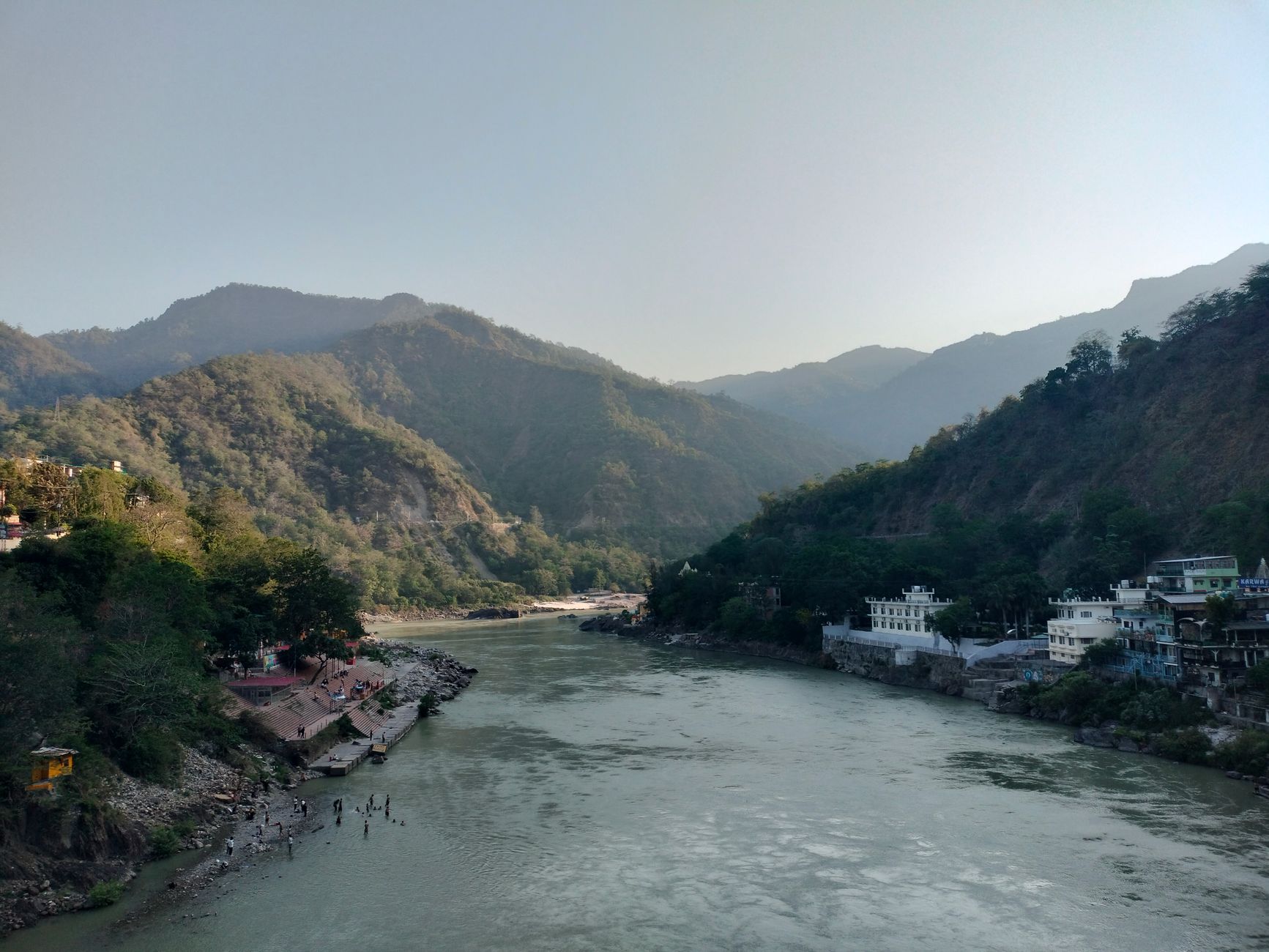
Sacred Varmala on the Ganges
Religious cermony in Rishikesh
Marriage Garland Exchange in Rishikesh: Complete Guide
A Marriage Garland Exchange is one of the most photographed and emotionally charged moments of any Indian wedding — the instant a couple garlands each other to publicly accept their union before family and the divine. In Rishikesh, this moment is elevated by the roar of the Ganga, the scent of marigolds mingling with camphor, and the backdrop of ancient ghats and verdant hills. Whether you plan a Varmala Ceremony on a riverside mandap near Triveni Ghat or in a temple courtyard in Muni Ki Reti, Rishikesh offers a sacred wedding ceremony setting that no banquet hall can replicate. This guide helps you plan every detail — from floral choices and ritual timing to venue selection and budget — so your Jaimala Ritual becomes a lifetime memory.
Quick Answer
A Marriage Garland Exchange, also called Varmala or Jaimala, is the Hindu wedding ritual where the bride and groom exchange flower garlands to accept each other as life partners. In Rishikesh, this ceremony is typically performed on a riverside mandap or temple courtyard along the Ganges. Garlands are usually made of marigold, rose, or orchid and cost between ₹800 and ₹8,000 depending on the flowers and design chosen.
What Is a Marriage Garland Exchange and Why Does It Matter?
The Marriage Garland Exchange — known traditionally as the Varmala Ceremony or Jaimala Ritual — marks the moment a couple formally accepts each other before their families and the gods. The groom's garland placed around the bride's neck and the bride's garland around the groom's is a declaration of willing union, predating even the Saptapadi (seven vows). In Hindu wedding traditions, this act is the first binding step of the ceremony, preceding the sacred fire rituals. In Rishikesh, performing this ritual by the Ganga adds layers of spiritual meaning. The river is considered a living witness, and priests from ashrams along the ghats can recite Vedic shlokas specific to the Varmala moment. Many families choose Rishikesh precisely because Hindu wedding traditions are embedded in the city's everyday life, making the ceremony feel authentic rather than staged. The entire exchange typically lasts five to fifteen minutes but remains the most replayed clip from every wedding video.
Choosing the Right Flowers for Your Varmala Ceremony in Rishikesh
Flower selection for a Wedding Flower Garland Exchange directly affects aesthetics, fragrance, durability in heat, and cost. Marigolds (genda phool) are the most traditional and budget-friendly option, retaining freshness for four to six hours even in Rishikesh's warm daytime temperatures. Rose garlands — red, white, or blush pink — look elegant in photographs but wilt faster, so they are best ordered fresh on the wedding morning. Orchid and tuberose combinations are increasingly popular for destination weddings in Rishikesh, adding a premium look suited to riverside outdoor settings. A mid-range Wedding Flower Garland Exchange set (two garlands with decorative embellishments) costs approximately ₹2,500 to ₹5,000 from local Haridwar Road florists. Premium imported orchid sets can reach ₹8,000 to ₹12,000. Regardless of flower type, request moisture-treated garlands that withstand a one-to-two-hour pre-ceremony wait. Local flower markets near Laxman Jhula and Triveni Ghat offer seasonal blooms at competitive rates, and many mandap decorators in Rishikesh provide matching garland-and-décor packages that reduce overall cost.
Which Riverside Wedding Venues in Rishikesh Are Best for the Jaimala Ritual?
The Jaimala Ritual gains a natural grandeur in Rishikesh that indoor venues cannot recreate. The most sought-after locations for a Marriage Garland Exchange include mandap setups near Triveni Ghat — where three sacred rivers meet — ashram lawns in Swarg Ashram, and riverside resort terraces in Tapovan and Jonk. These neighbourhoods offer different vibes: Triveni Ghat is deeply devotional and accessible; Swarg Ashram is quieter and forested; Tapovan caters to premium outdoor resort weddings. A riverside wedding venue with proper sound permits and a covered mandap structure is essential because wind from the Ganga can affect candle and diya arrangements. Ask venues whether they have prior experience with Bridal Garland Exchange ceremonies and can coordinate with a licensed priest. Venues that sit directly on the ghat steps create stunning visual symmetry for the garland exchange, though crowd management for guest counts above 150 requires advance police permission. For intimate gatherings of 30 to 80 guests, a private ashram lawn near Muni Ki Reti offers an ideal ratio of sanctity, scenery, and cost.
How Much Does a Marriage Garland Exchange Setup Cost in Rishikesh?
Understanding the full cost of a Marriage Garland Exchange helps avoid last-minute budget shocks. The ceremony cost broadly splits into four buckets: garlands, mandap décor, priest fees, and venue charges. Garlands alone range from ₹800 for simple marigold sets to ₹10,000 for elaborate orchid-and-rose combinations with gold thread embellishments. Mandap décor featuring floral arches and draping — essential for a photogenic sacred wedding ceremony — starts at ₹15,000 for modest setups and climbs to ₹1.5 lakh for premium floral installations. A qualified Vedic priest for the full Varmala Ceremony charges ₹5,000 to ₹15,000 depending on the length of rituals and language of recitation (Sanskrit only, or with Hindi explanation). Riverside wedding venue day-use fees in Rishikesh range from ₹10,000 for a basic ghat-side slot to ₹75,000 for a private resort terrace. Total all-in budgets for a well-organised Bridal Garland Exchange event with 50 to 100 guests typically fall between ₹60,000 and ₹2,50,000. Photography and videography are separate and should be budgeted at ₹25,000 to ₹1,50,000 depending on coverage hours.
What Are the Key Hindu Wedding Traditions Associated with the Varmala Ceremony?
The Varmala Ceremony sits within a larger web of Hindu wedding traditions that every couple planning a Rishikesh wedding should understand. Traditionally, the garland exchange is preceded by the Dwaar Puja (welcoming the groom at the gate) and the Milni ceremony (formal meeting of families). In some North Indian communities, the groom's side playfully lifts the groom to prevent the bride from garlanding him — a lighthearted tradition that makes for memorable video reels. After the Marriage Garland Exchange, the couple proceeds to the sacred fire for the Saptapadi. Rishikesh priests are well-versed in both Shaivite and Vaishnava Varmala traditions and can advise on auspicious muhurtas (time slots) for the exchange based on your Kundali. Choosing a muhurta before 11 a.m. works well for riverside venues as light is golden and temperatures are pleasant. The Wedding Flower Garland Exchange is also increasingly personalised — some couples incorporate bilingual shlokas, live flute music, or a pradakshina (circling) of the mandap immediately after the exchange, blending ritual with contemporary expression. Discuss these preferences with your priest at least two weeks in advance to allow for proper preparation.
Marriage Garland Exchange Setup Types in Rishikesh: Side-by-Side Comparison
Expert Recommendation
Best for Intimate Celebrations (20–50 Guests)
Best for Destination Weddings
Best for Large Guest Counts (150–300 Guests)
Best for Budget-Conscious Couples
Best for Traditional Hindu Families
Best for Modern Couples Who Want a Personalised Touch
How to Choose the Right Option
✅ Pre-booking Checklist
- Confirm your auspicious muhurta with a qualified priest at least 6 weeks before the wedding date
- Book your riverside wedding venue and priest simultaneously — both fill up during peak season (Oct–March)
- Order garlands from a florist no more than 12 hours before the ceremony for maximum freshness
- Obtain ghat-side police or municipal permission at least 8 weeks in advance for open-air ceremonies
- Brief your photographer on the Marriage Garland Exchange sequence and preferred angles before the day
- Arrange a backup covered mandap or canopy in case of unexpected rain or strong Ganga winds
- Confirm that your Wedding Flower Garland Exchange floral design matches the overall mandap colour palette
- Plan for a sound system or PA if priest chanting needs to be audible to guests beyond the first two rows
🎯 Selection Criteria
- Venue proximity to the Ganga and ease of ghat access for elderly family members
- Priest's familiarity with your regional Varmala Ceremony customs and ability to explain rituals in Hindi or English
- Florist's track record with outdoor garland durability in Rishikesh's climate
- Venue capacity versus your confirmed guest count with a 15 percent buffer
- Availability of on-site accommodation or transport coordination for destination guests
- Legal permits and noise regulation compliance for music during the ceremony
💰 Cost / Quality Factors
- Flower type and origin (local marigolds vs. imported orchids) significantly impact garland cost and freshness
- Ceremony timing affects photography quality — morning light is superior to harsh midday sun
- Peak wedding season (October to March) raises venue and decorator prices by 20 to 40 percent
- Guest count above 100 triggers additional logistics costs for seating, sound, and permits
- Bundling garland design with mandap wedding flower decoration from a single vendor typically saves money
- Experienced priests charge more but deliver smoother, error-free ceremonies that stay on schedule
⚠️ Common Mistakes to Avoid
- Ordering garlands a day in advance without moisture treatment — they wilt before the ceremony begins
- Booking a ghat location without verifying permit requirements, risking last-minute disruption
- Ignoring wind direction when planning candle and diya arrangements for the sacred wedding ceremony
- Selecting a venue based on photos alone without visiting to assess actual Ganga proximity and crowd flow
- Skipping a pre-wedding priest consultation, leading to ritual mismatches with family expectations
- Underestimating photography setup time — the Marriage Garland Exchange moment passes in seconds and cannot be re-staged
People Also Ask
What is the meaning of the Marriage Garland Exchange in a Hindu wedding?
Which flowers are best for a Varmala Ceremony in Rishikesh?
How early should I book a riverside wedding venue for the Jaimala Ritual in Rishikesh?
What is the average cost of a Marriage Garland Exchange ceremony in Rishikesh?
Can non-Hindu couples have a Wedding Flower Garland Exchange ceremony in Rishikesh?
What is the best time of day for a Marriage Garland Exchange on the Ganges?
How many guests can attend a Varmala Ceremony at Rishikesh ghats?
Is a Bridal Garland Exchange different from a Jaimala Ritual?
Related Experiences on Happiffie
Heritage Varmala Ceremony in Goa
Royal Varmala Blooms for Indore
Wed by the Sacred Ganga
Hindu Wedding Rituals Explained
Magical Fairy Lights for Your Mussoorie Wedding
Sacred Wedding Ceremony Discourse in Pune
Frequently Asked Questions
Which neighbourhoods in Rishikesh are best for a Marriage Garland Exchange ceremony?
Do Rishikesh priests conduct the Varmala Ceremony in English for NRI couples?
Can I have a Jaimala Ritual at night on a Rishikesh ghat?
What is the typical duration of a Marriage Garland Exchange ceremony in Rishikesh?
Are there restrictions on wedding flower decoration at ghat-side venues in Rishikesh?
How do I find a trusted florist for a Wedding Flower Garland Exchange in Rishikesh?
Is a Bridal Garland Exchange legally recognised in India without additional documentation?
What backup plans should I have for an outdoor Marriage Garland Exchange in Rishikesh?
Key Takeaways
- The Marriage Garland Exchange is the first binding act of a Hindu wedding, making venue, flower, and priest choices equally important.
- Rishikesh offers a uniquely spiritual backdrop — Triveni Ghat, ashram lawns in Muni Ki Reti, and resort terraces in Tapovan are the top three location categories.
- Garland costs range from ₹800 (marigold) to ₹12,000 (orchid-imported); all-in ceremony budgets typically fall between ₹60,000 and ₹2,50,000.
- Peak season (October to March) requires venue and priest bookings at least four to six months ahead to secure preferred dates.
- Police or municipal permits are mandatory for ghat-side open-air ceremonies with more than 50 guests.
- Morning muhurtas before 11 a.m. offer the best combination of auspicious timing, natural light, and comfortable temperatures.
- Bundling garland design with mandap wedding flower decoration from one florist reduces cost and ensures colour consistency.
- A qualified Vedic priest from an established Rishikesh ashram ensures ritual authenticity aligned with your regional Hindu wedding traditions.
Plan Your Sacred Marriage Garland Exchange in Rishikesh
Discover trusted vendors, verified venues, and experienced priests for your Varmala Ceremony — all in one place on Happiffie.
Explore Rishikesh Vendors
Are you a Vendor? Grow Your Business with Happiffie!
- High intent verified leads
- Reverse auction opportunities
- AI business tools & insights
- Dedicated vendor dashboard
- Grow your business, your way
It's free & takes less than 2 minutes!