

Explore All Religious Ceremonies
Discover traditional rituals, wedding ceremonies, spiritual occasions and meaningful cultural celebrations in Chennai, with trusted services to honour every tradition.
Give Thoughtfully,
Celebrate with Happiffie
From personalised gifts and curated collections to thoughtful presents for every occasion, Happiffie helps you discover gifting options that make celebrations more meaningful and memorable.
- Thoughtful Gift DiscoveryFind gifting options suited to every celebration and occasion
- Personalised GiftingDiscover customised gifts made to create meaningful moments
- Trusted Gift ProvidersConnect with reliable gifting professionals and service providers
Popular Religious Ceremonies
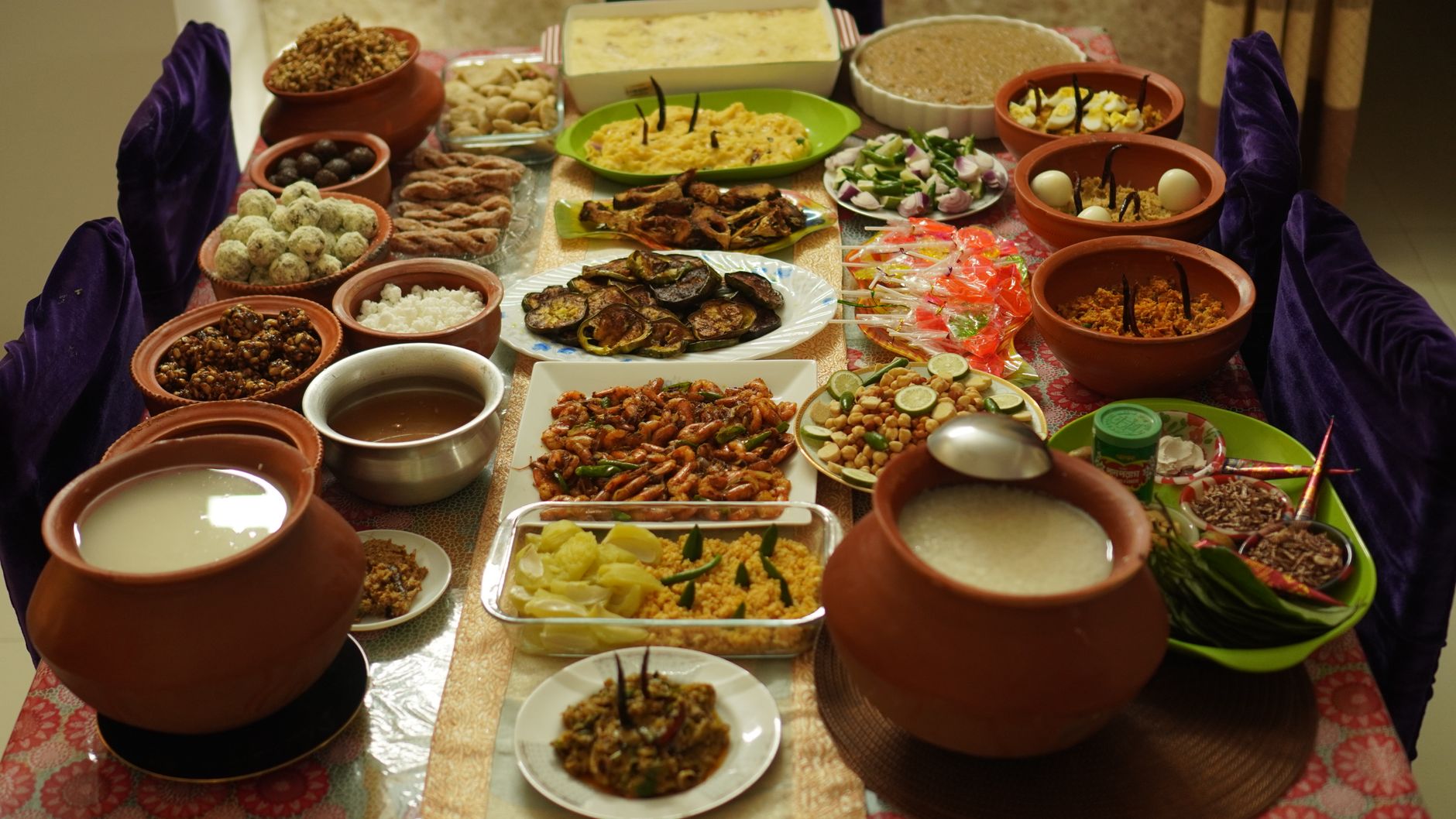 Authentic Brahmin Wedding Bakshanam Collections
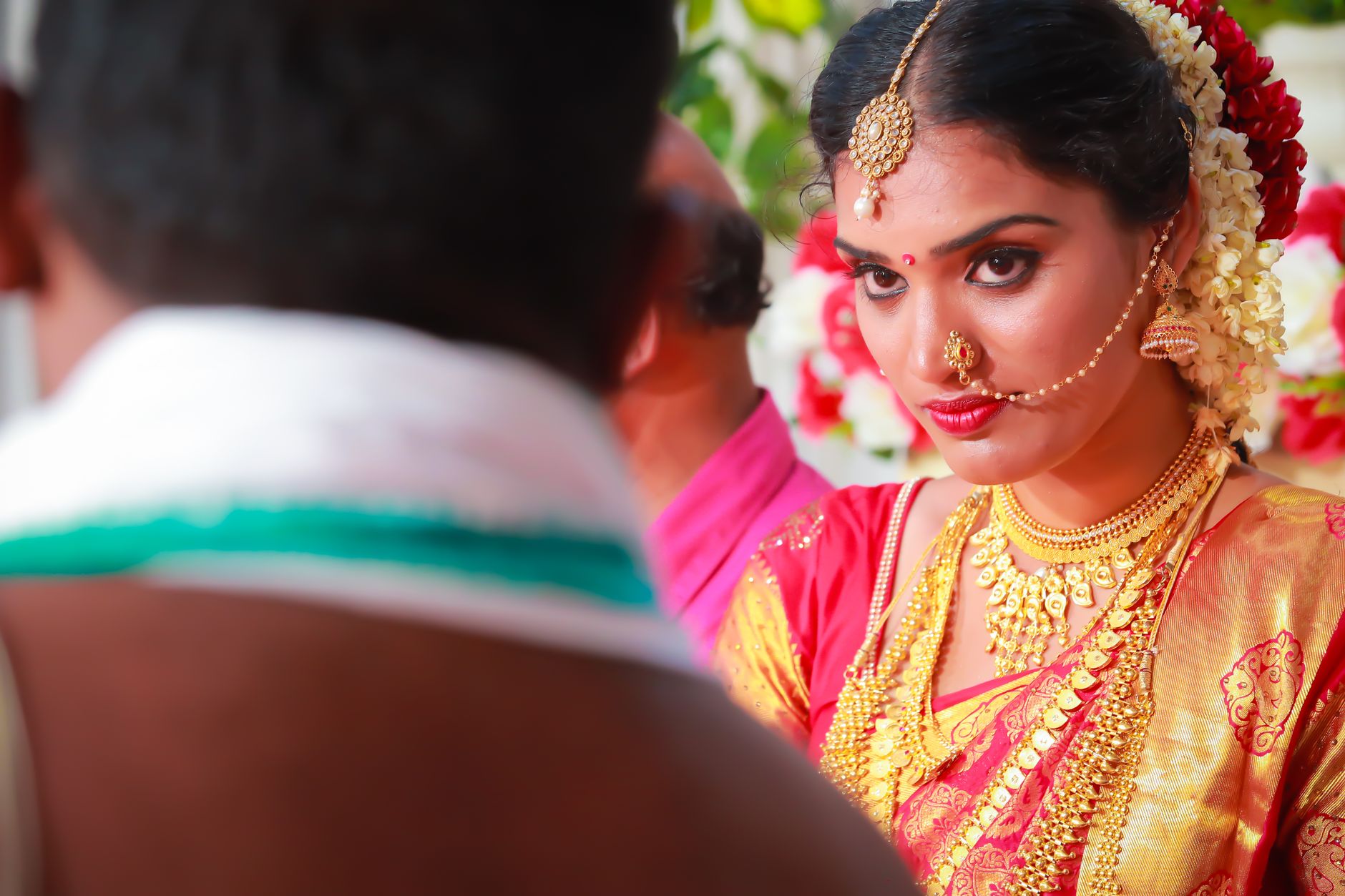 Authentic Malayalam Wedding Ritual Decor
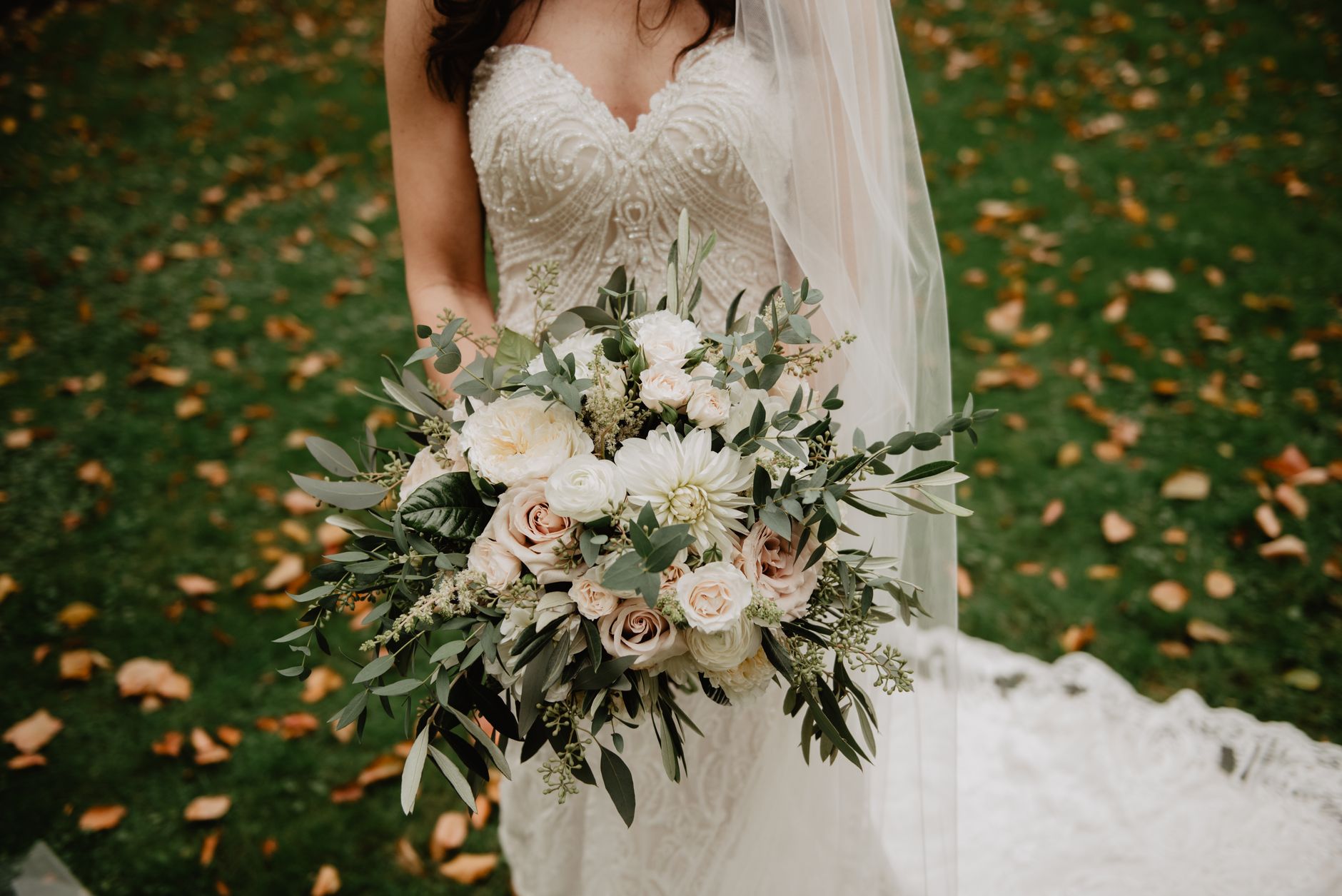 Bridal & Bridesmaid Bouquet Arrangements
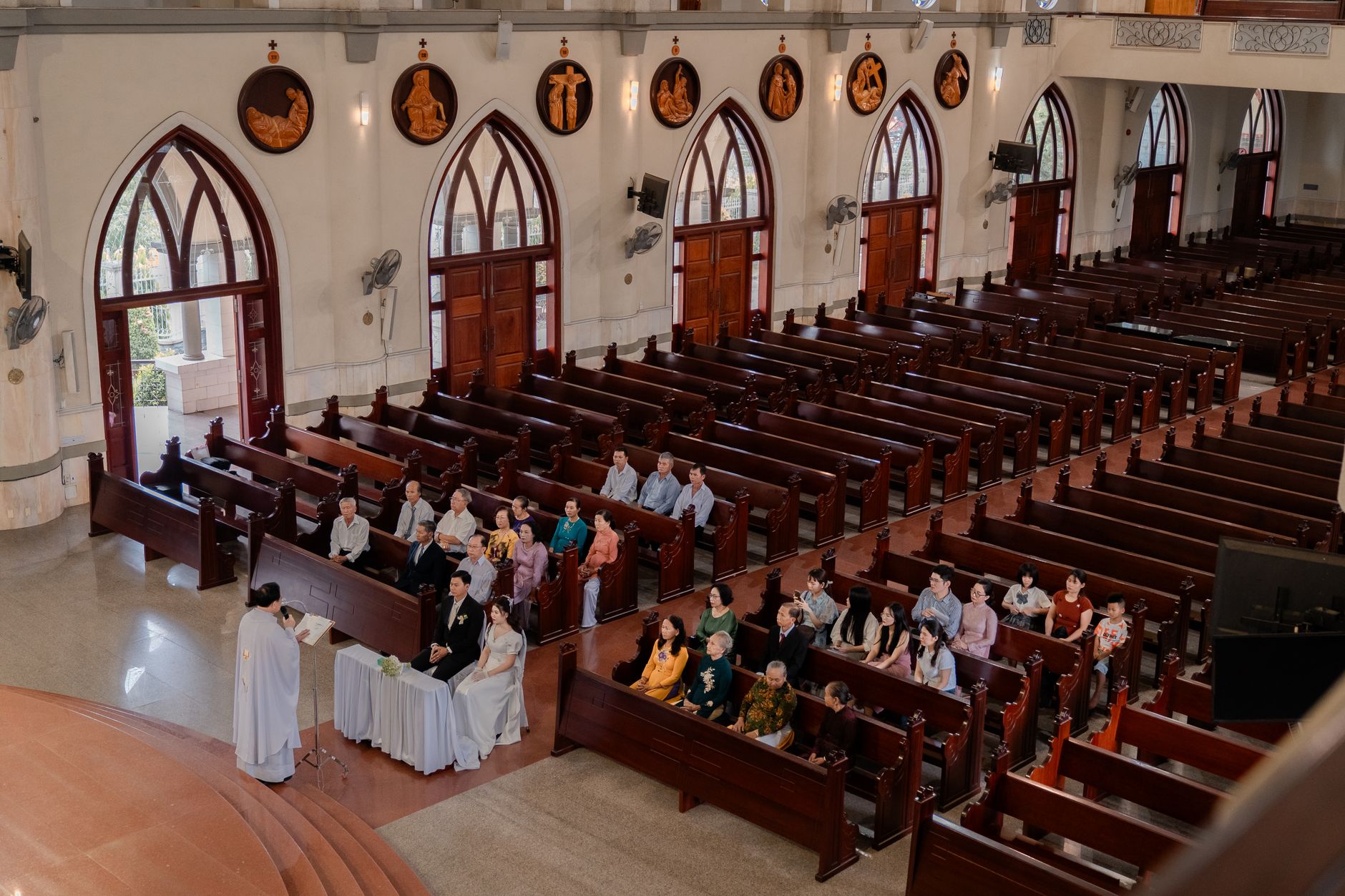 Christian Marriage Officiant Services
 Christian Wedding Car Styling Services
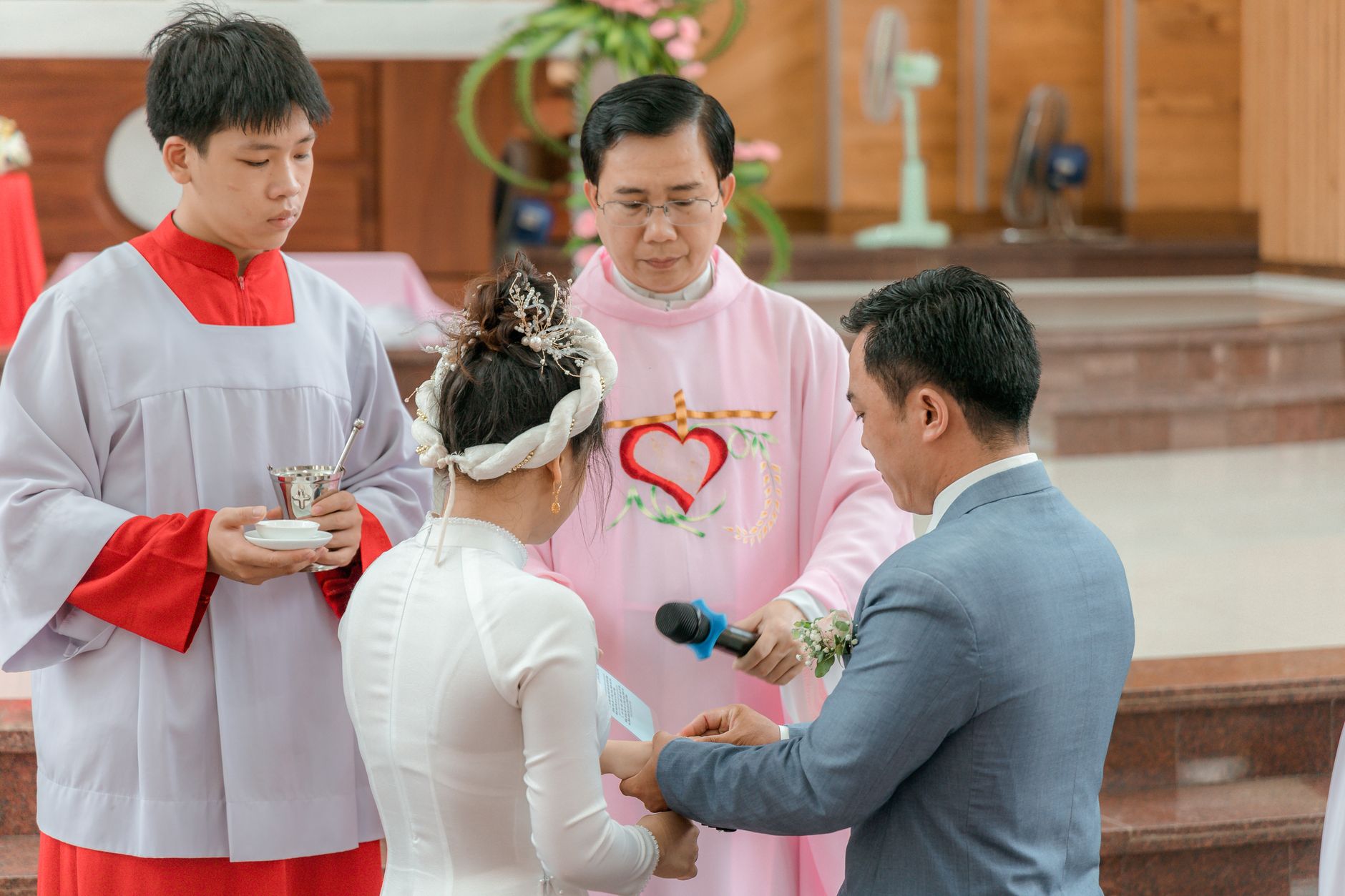 Christian Wedding Flower Basket Arrangements
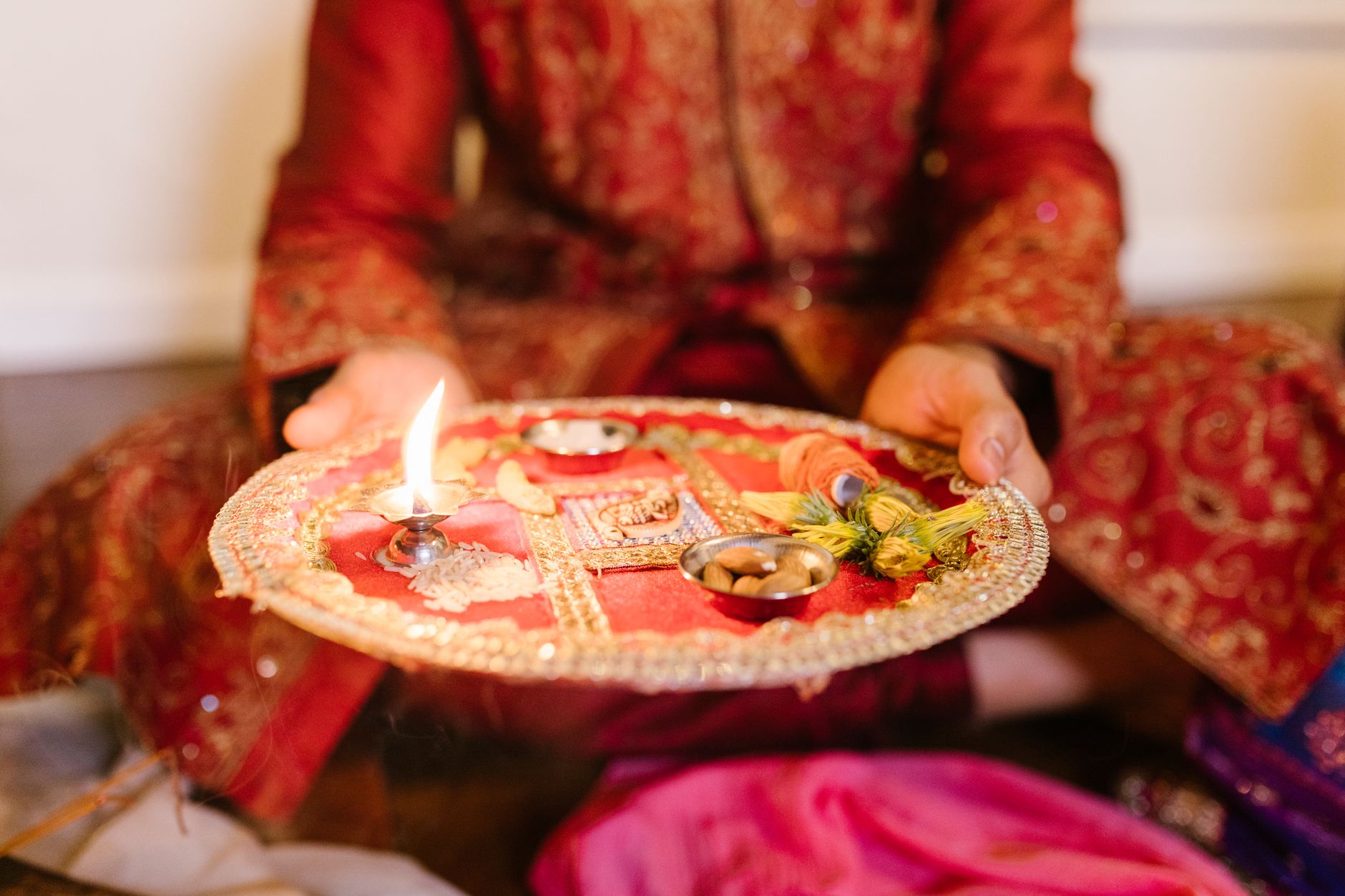 Complete Pooja Kits & Ritual Essentials
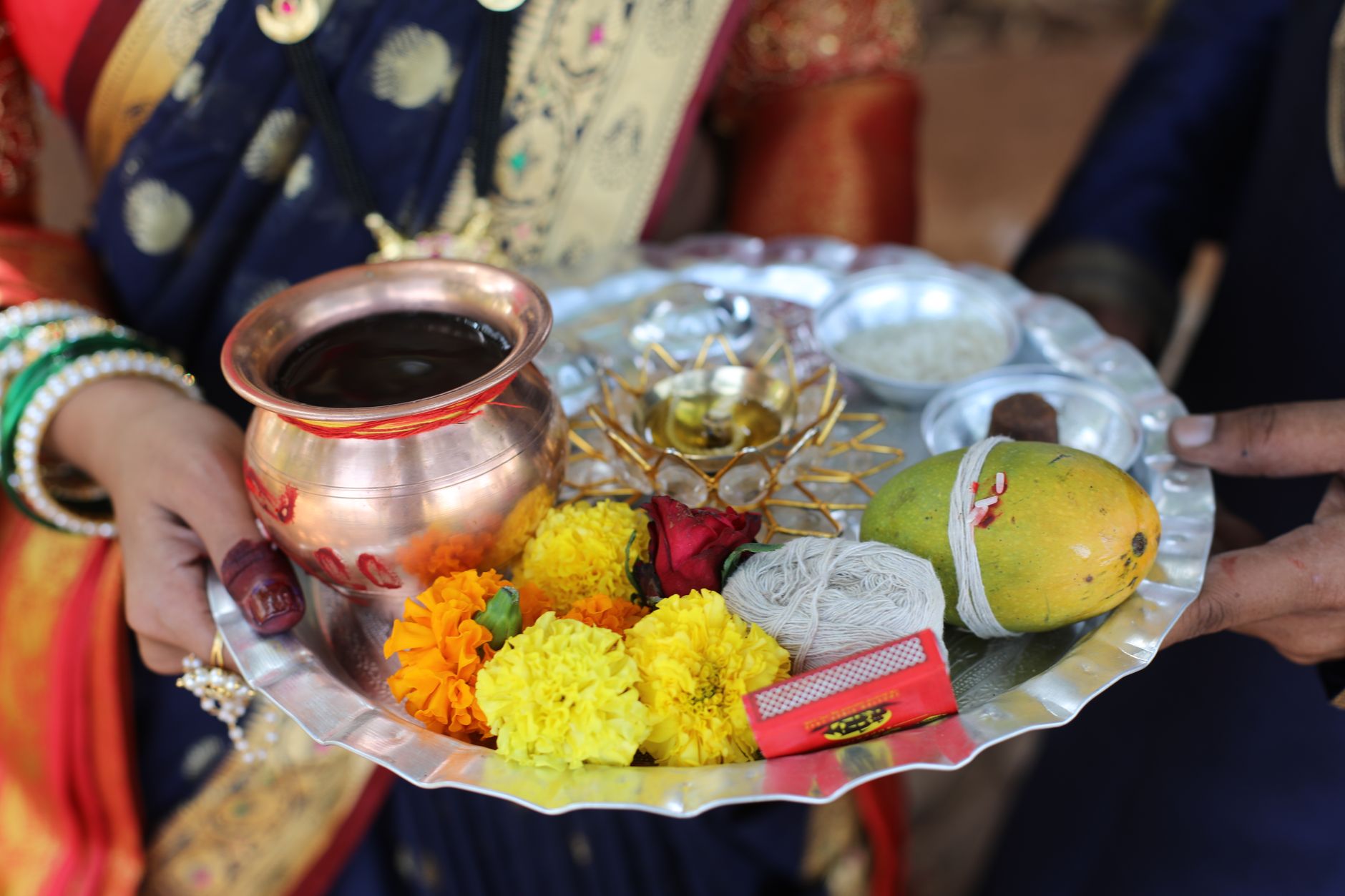 Complete Religious Ceremony Essentials
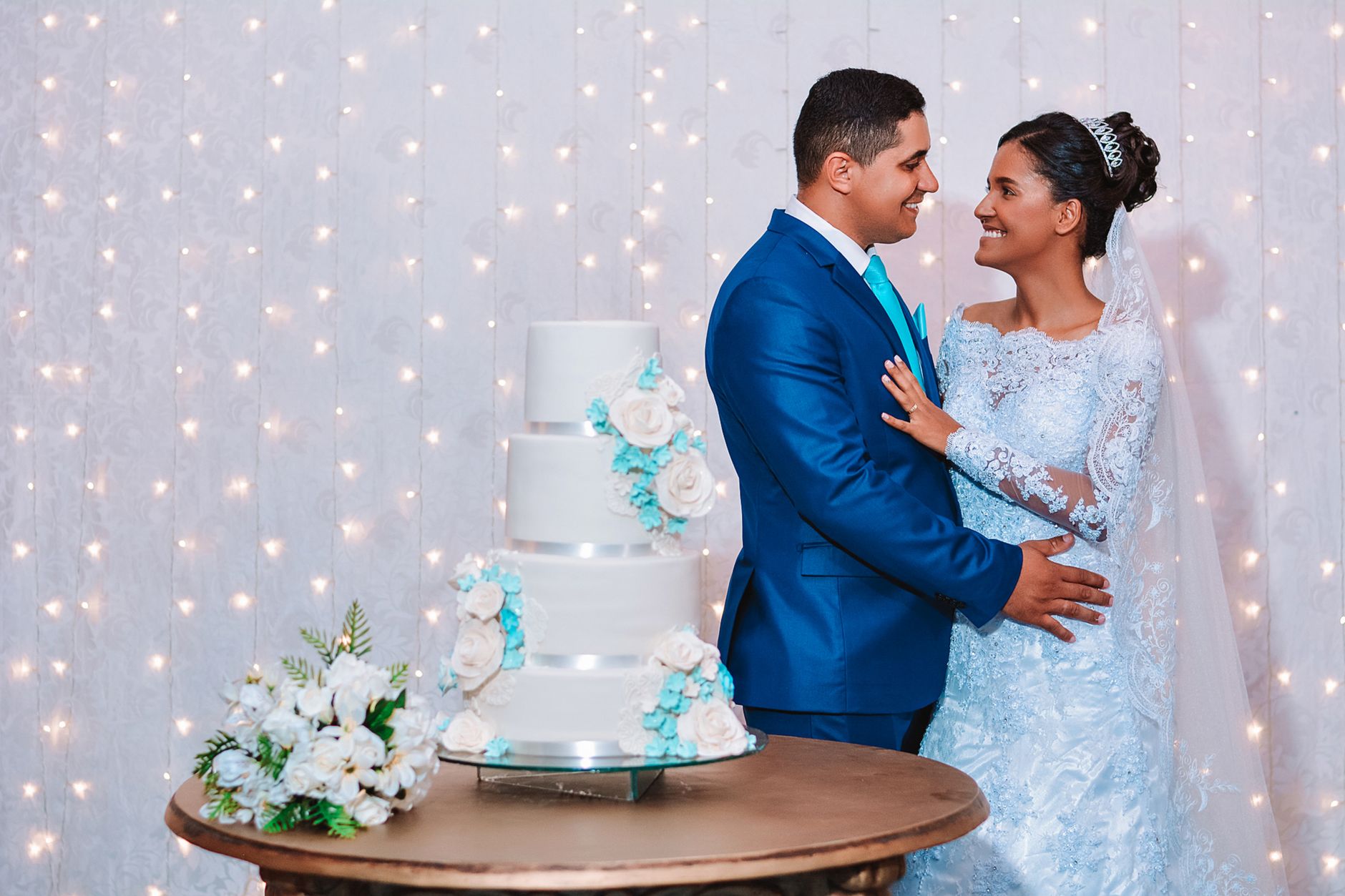 Custom Christian Wedding Cakes
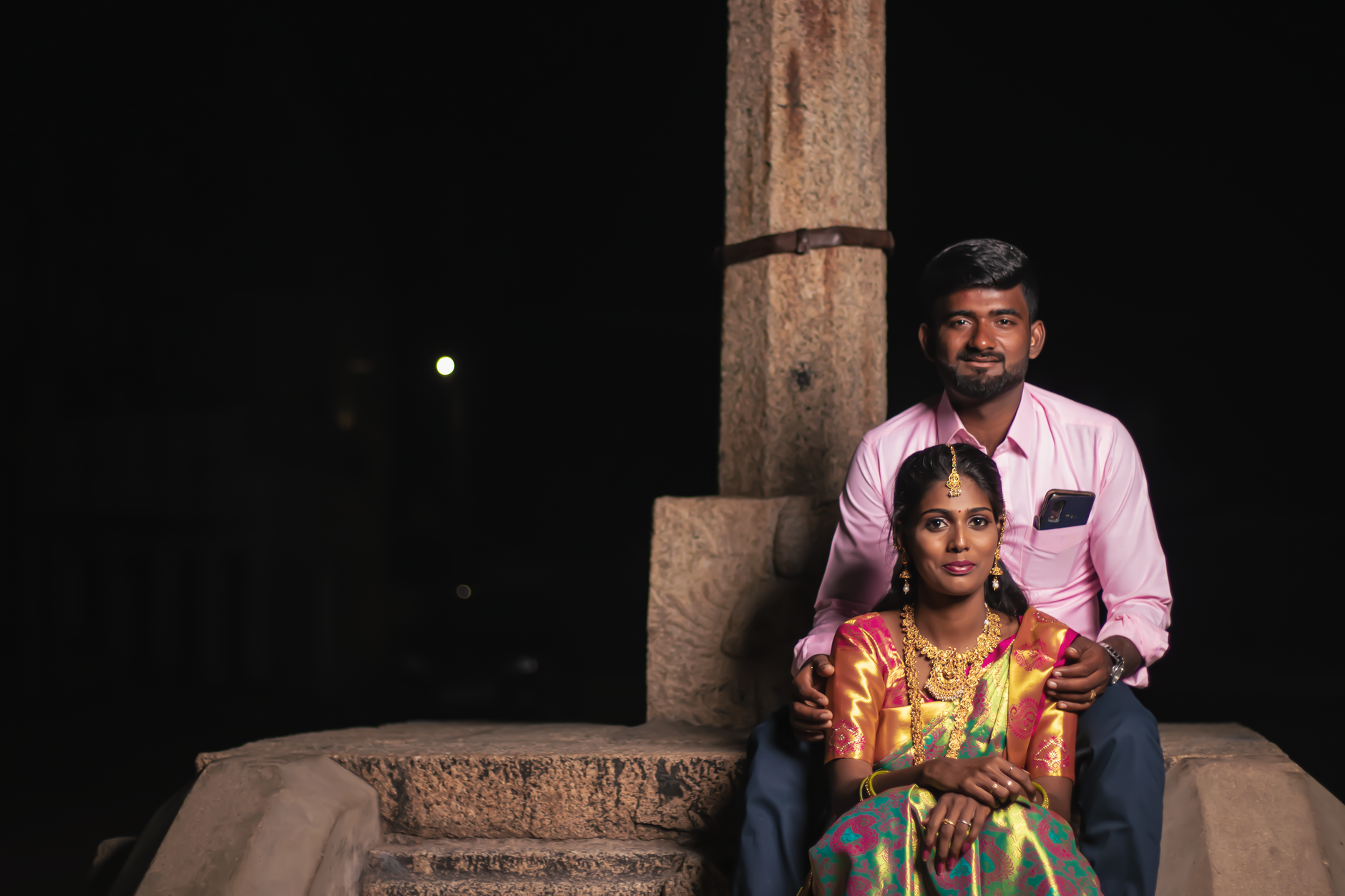 Designer Tamil Ring Ceremony Trays
 Designer Wedding Boutonniere Collections
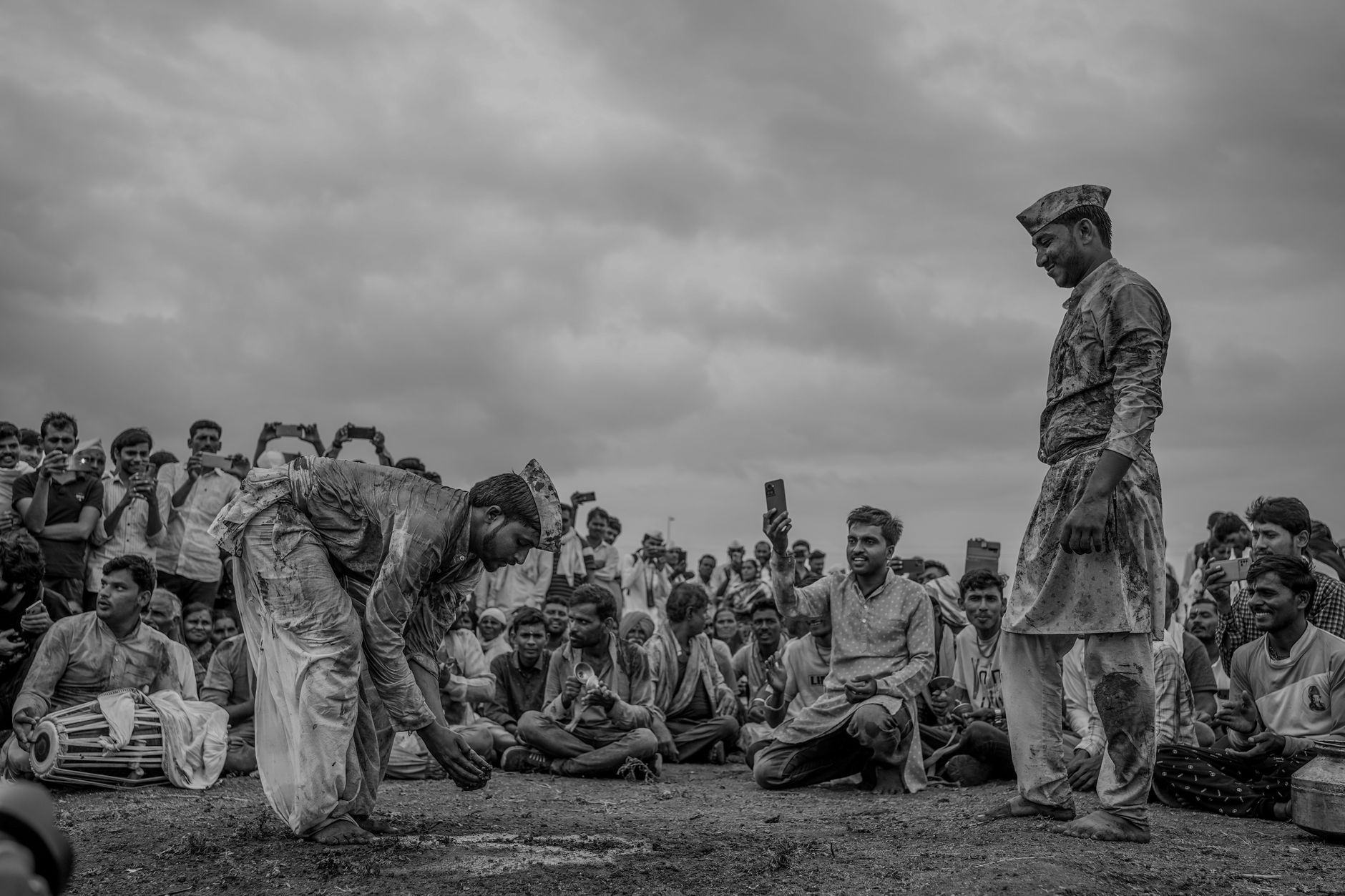 Devotional Bhajan & Spiritual Music Groups
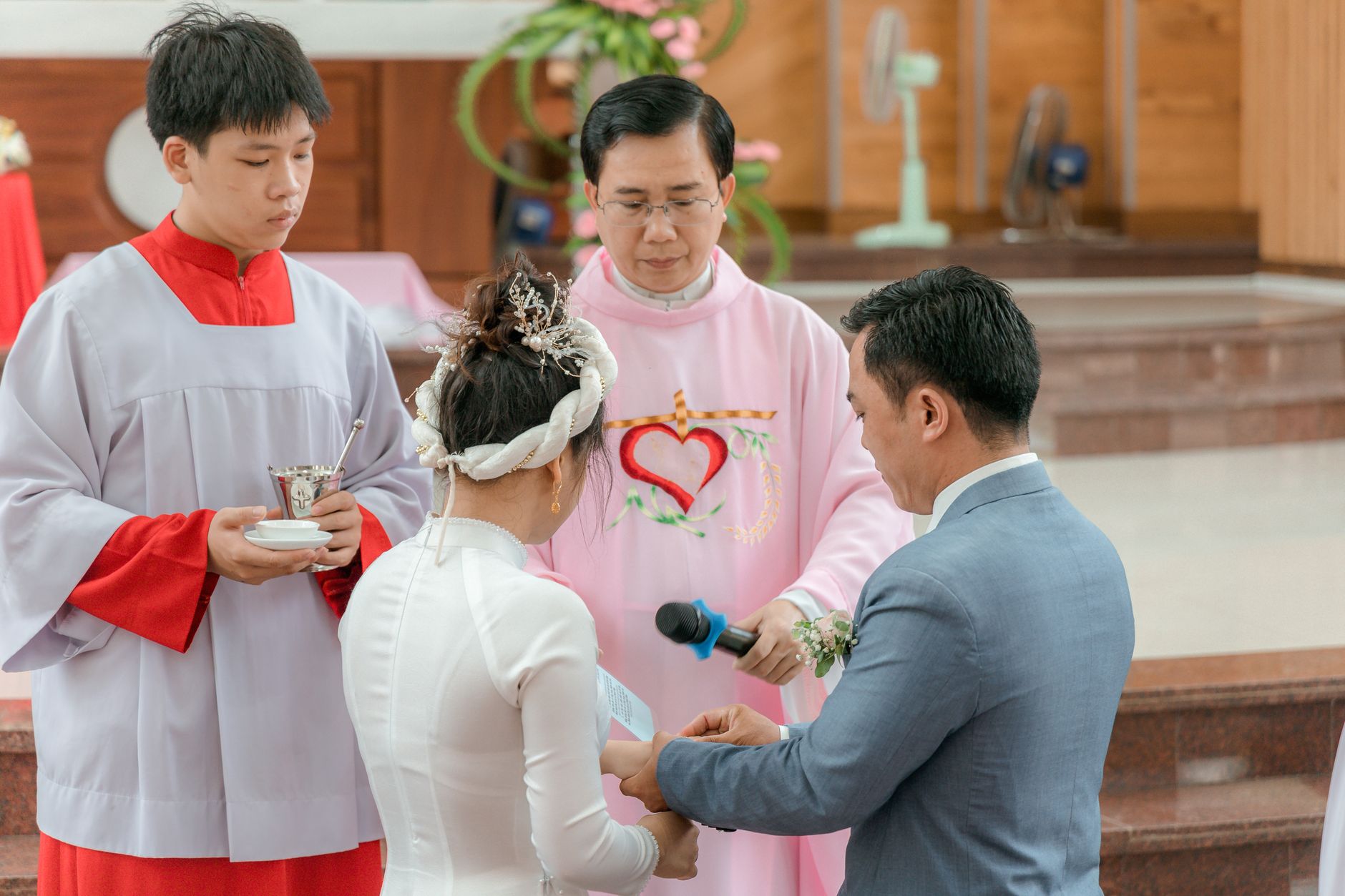 Elegant Christian Ring Ceremony Platters
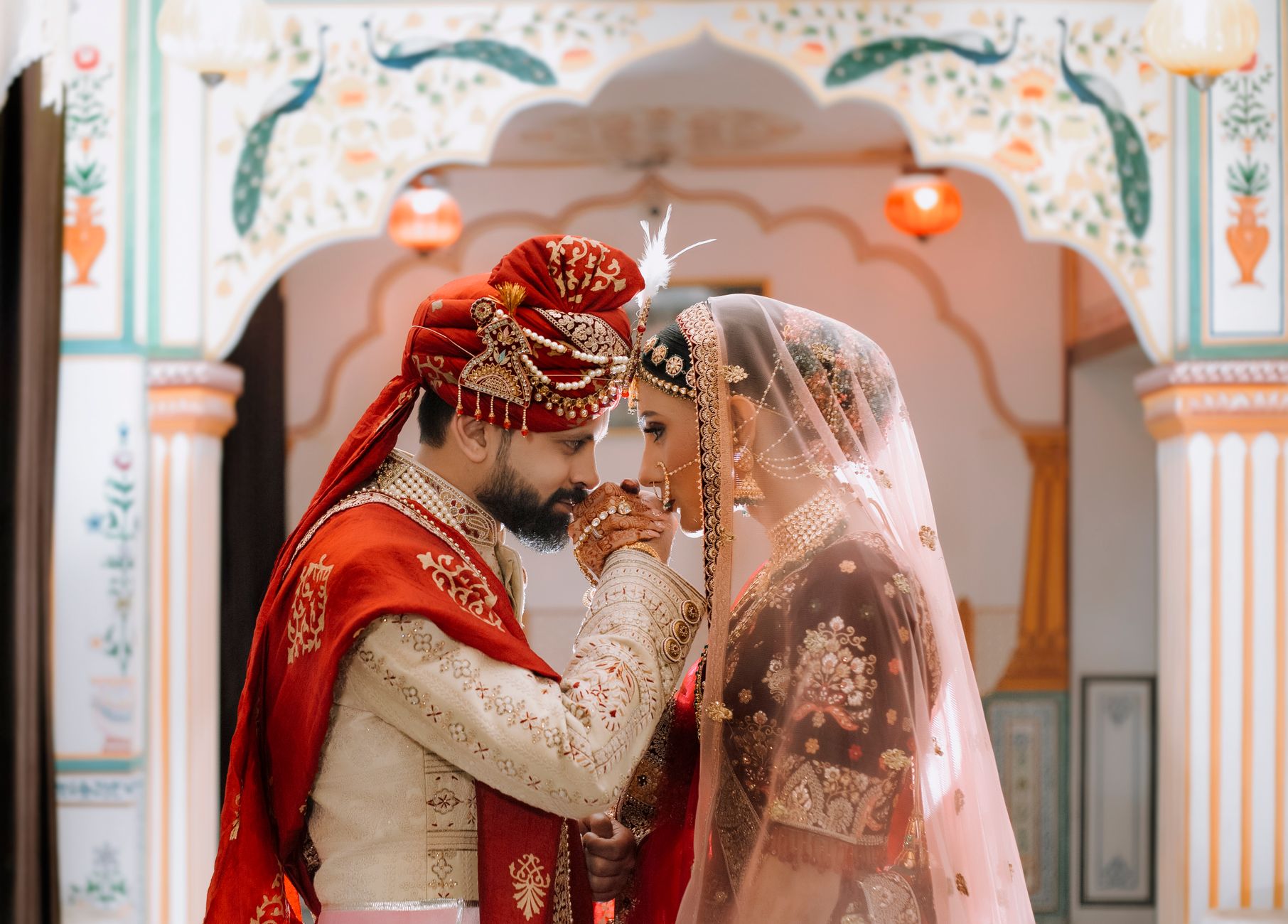 Gujarati Marriage Essentials
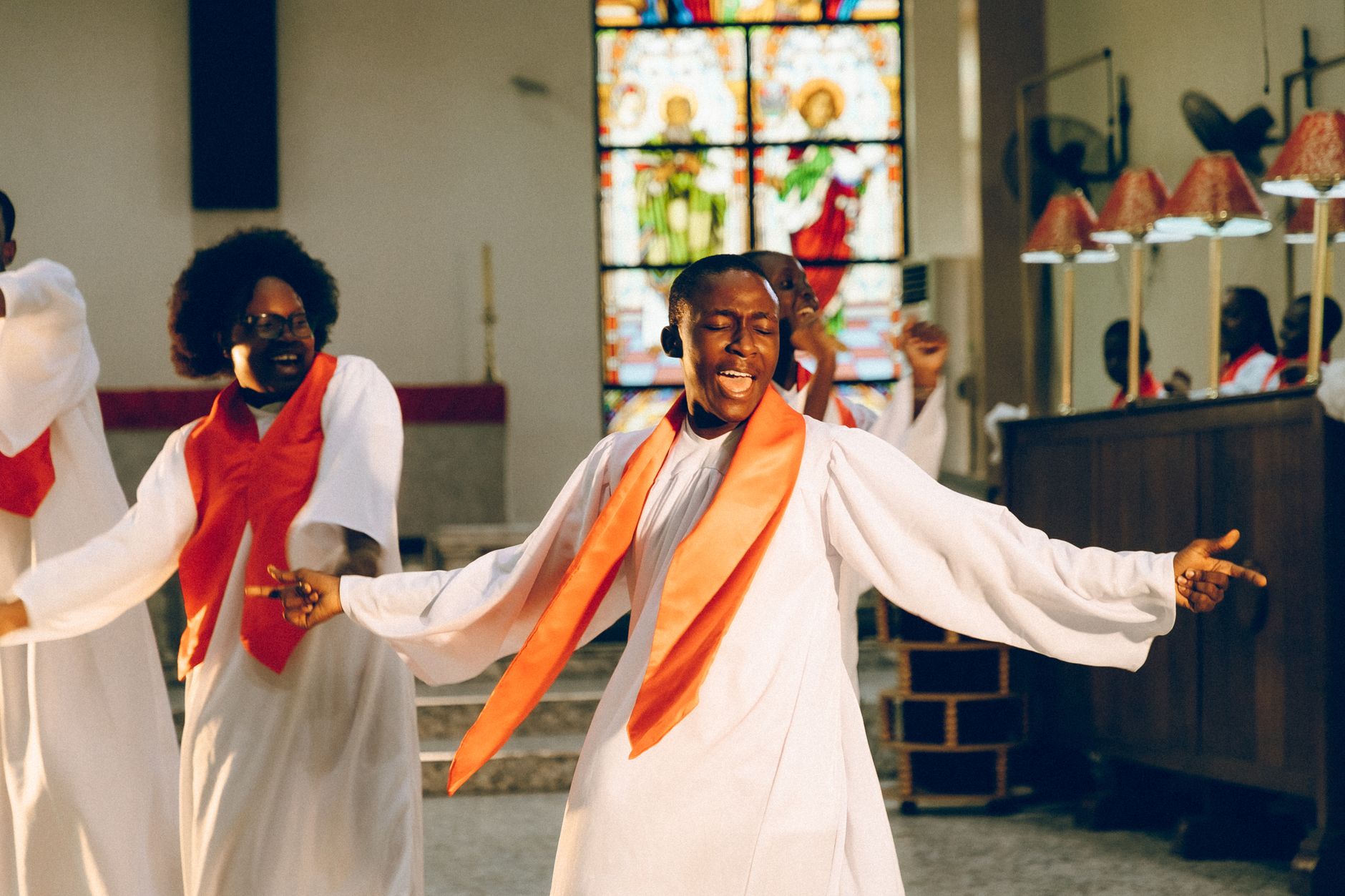 Harmony Choir Performers
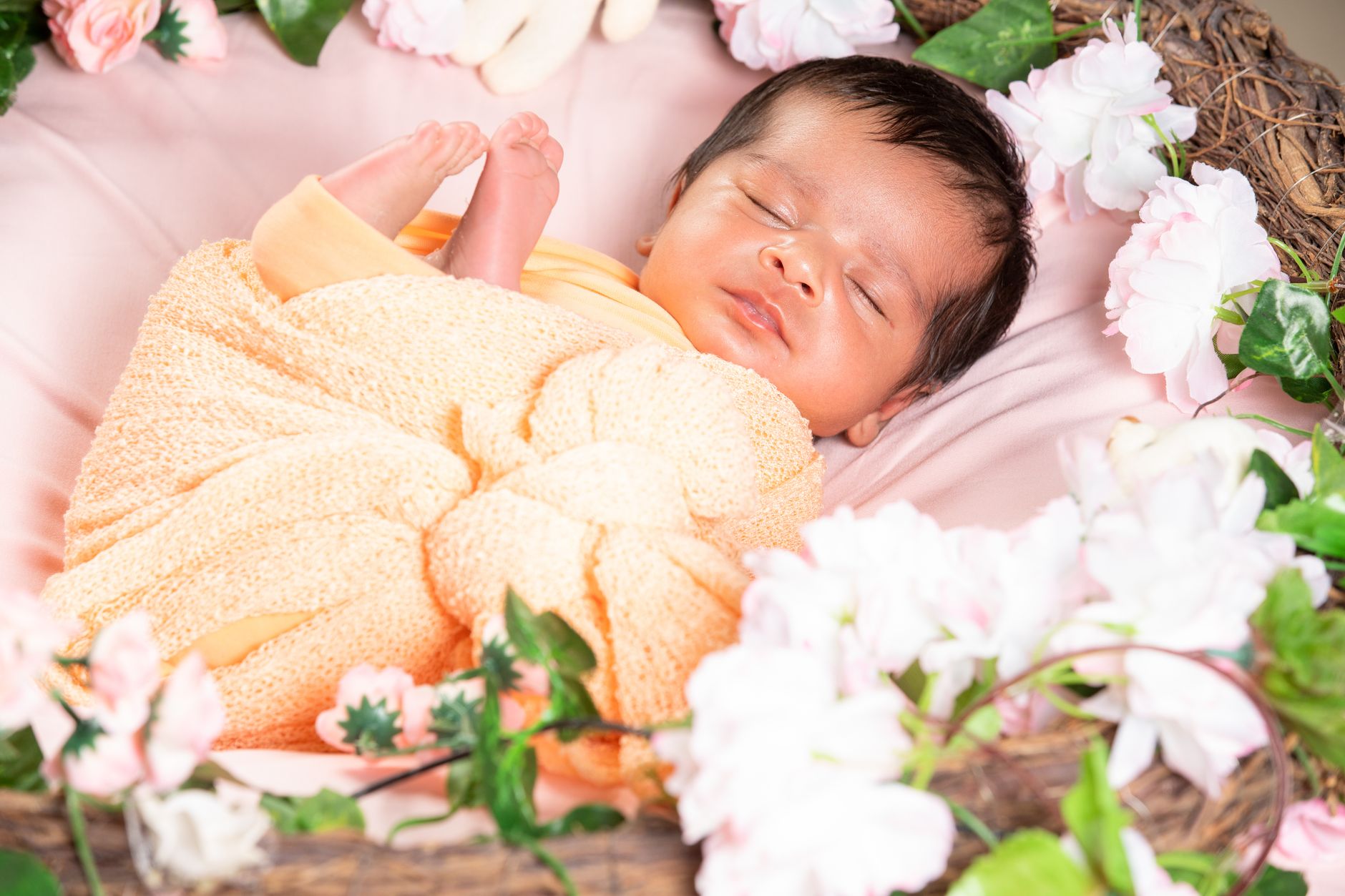 Infant Blessing Cradle Setup
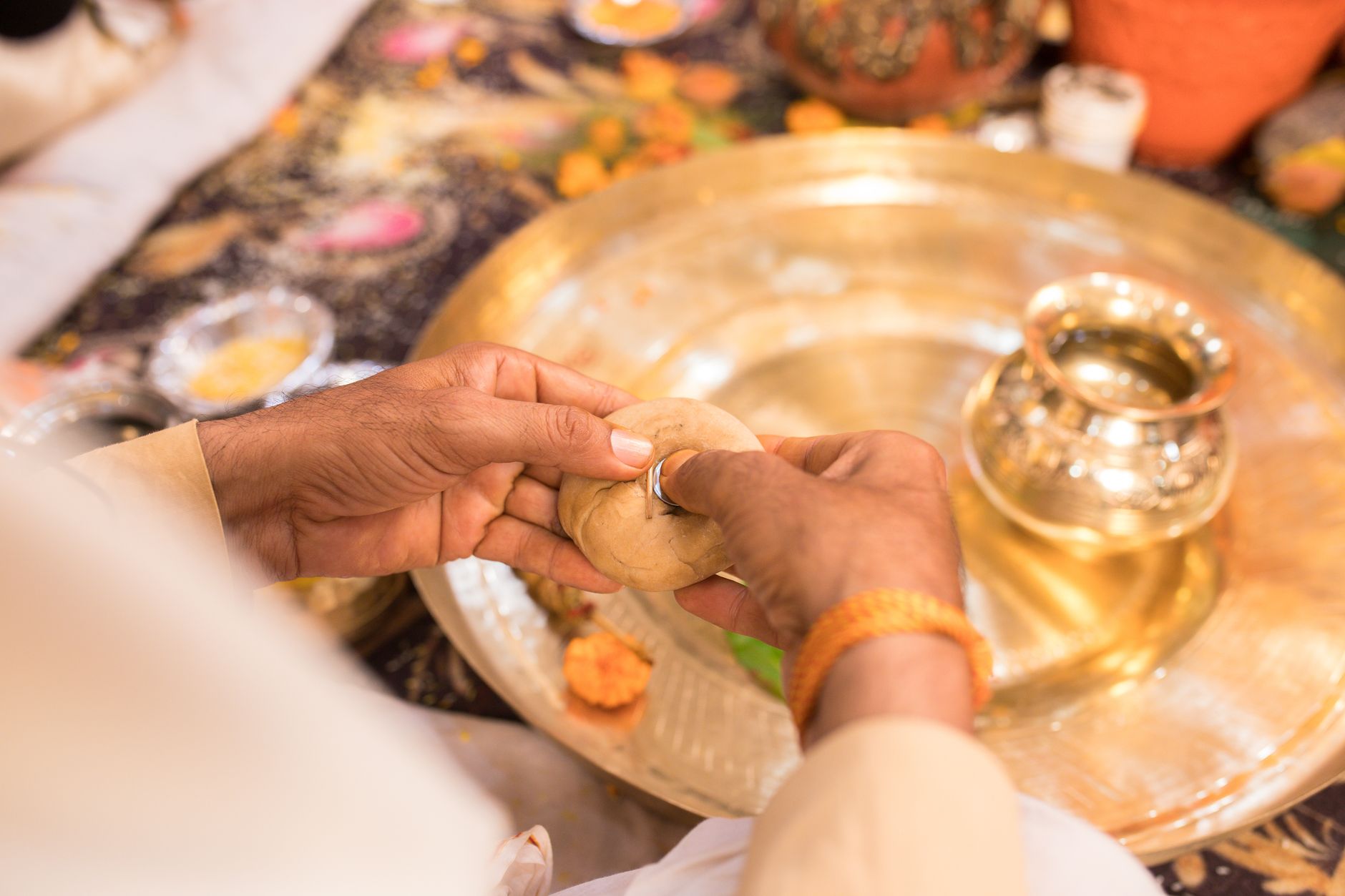 Jain Ritual Worship Supplies
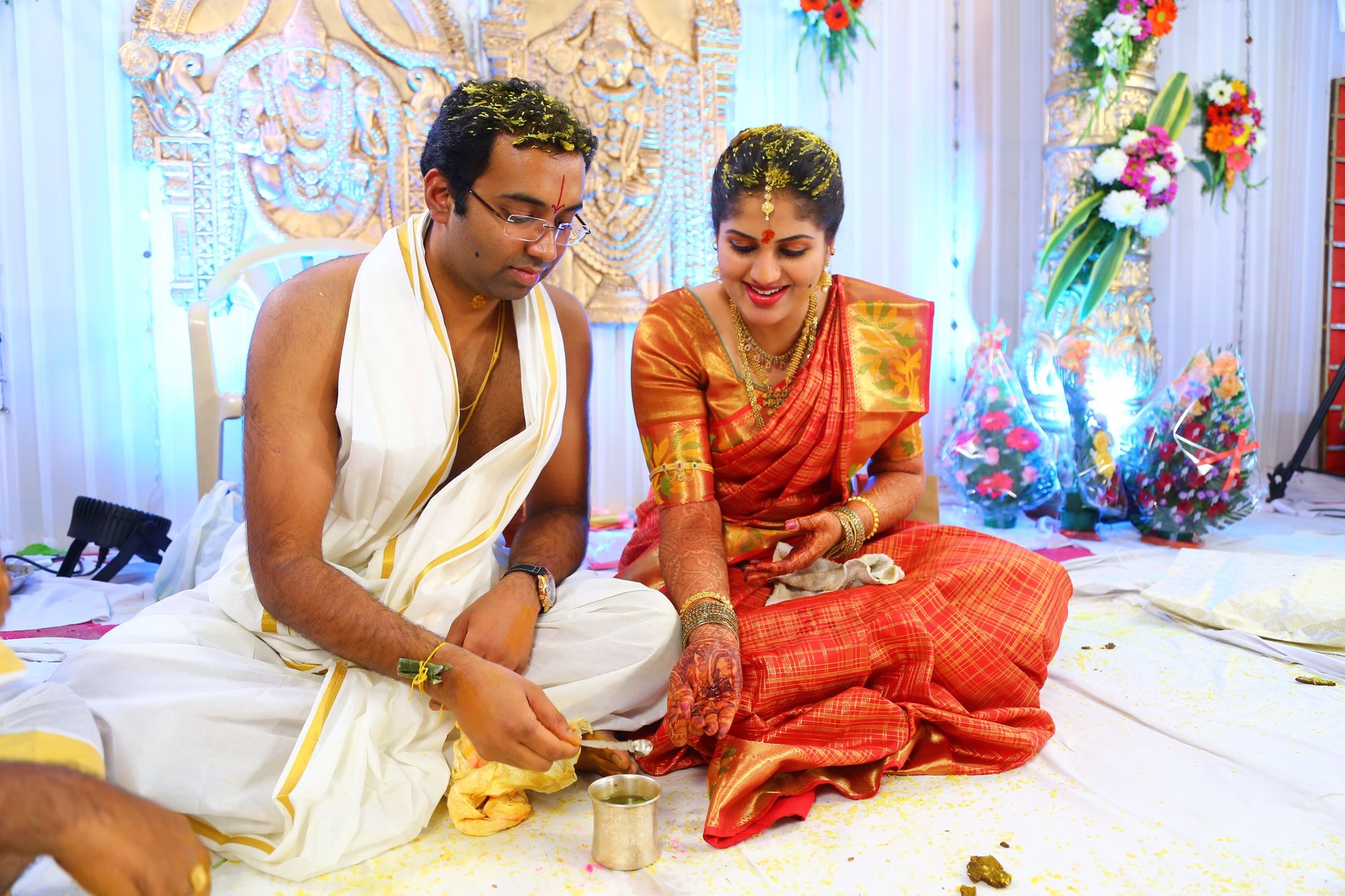 Kannada Sacred Marriage Collection
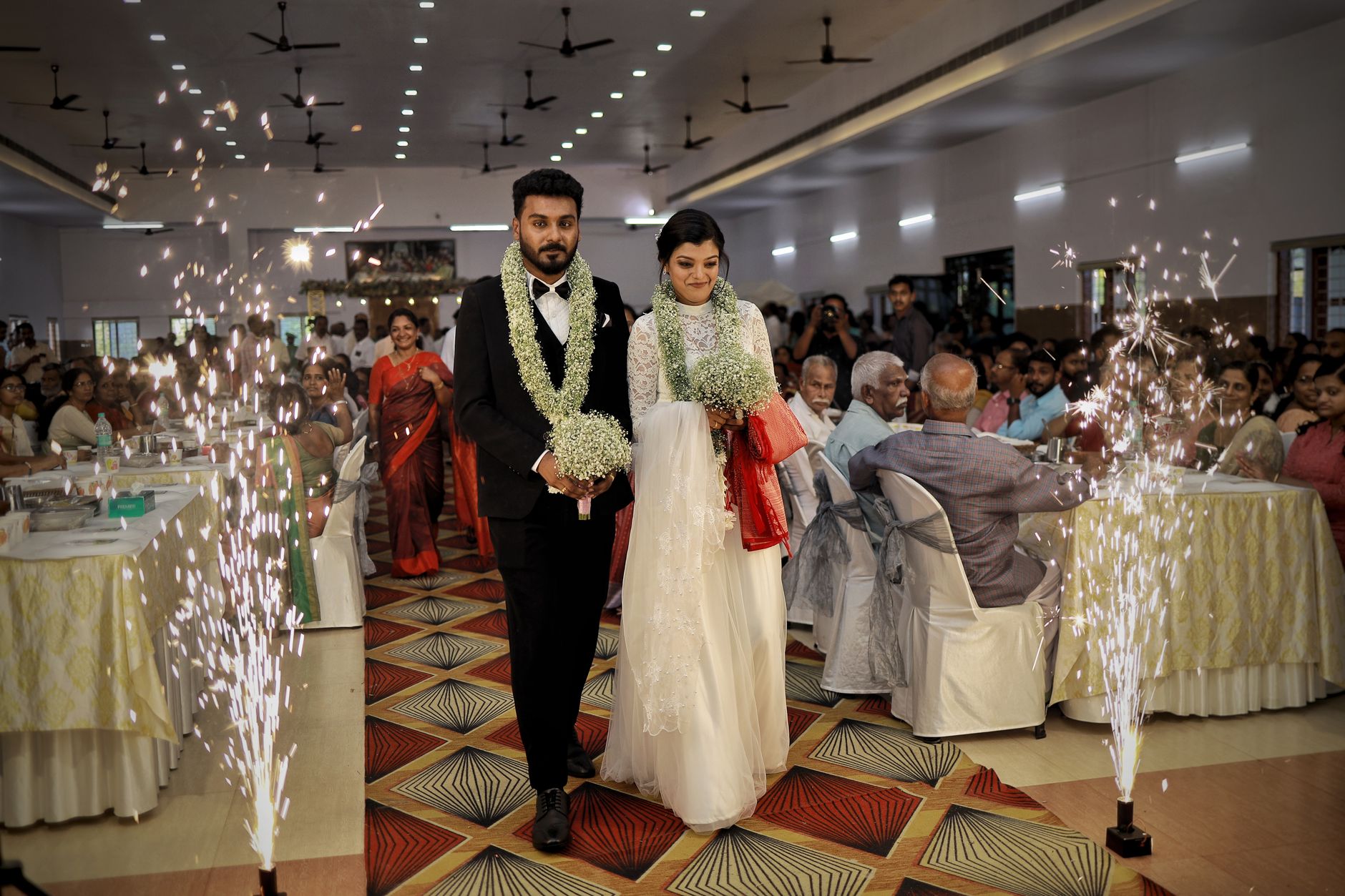 Kerala Wedding Ceremony Essentials
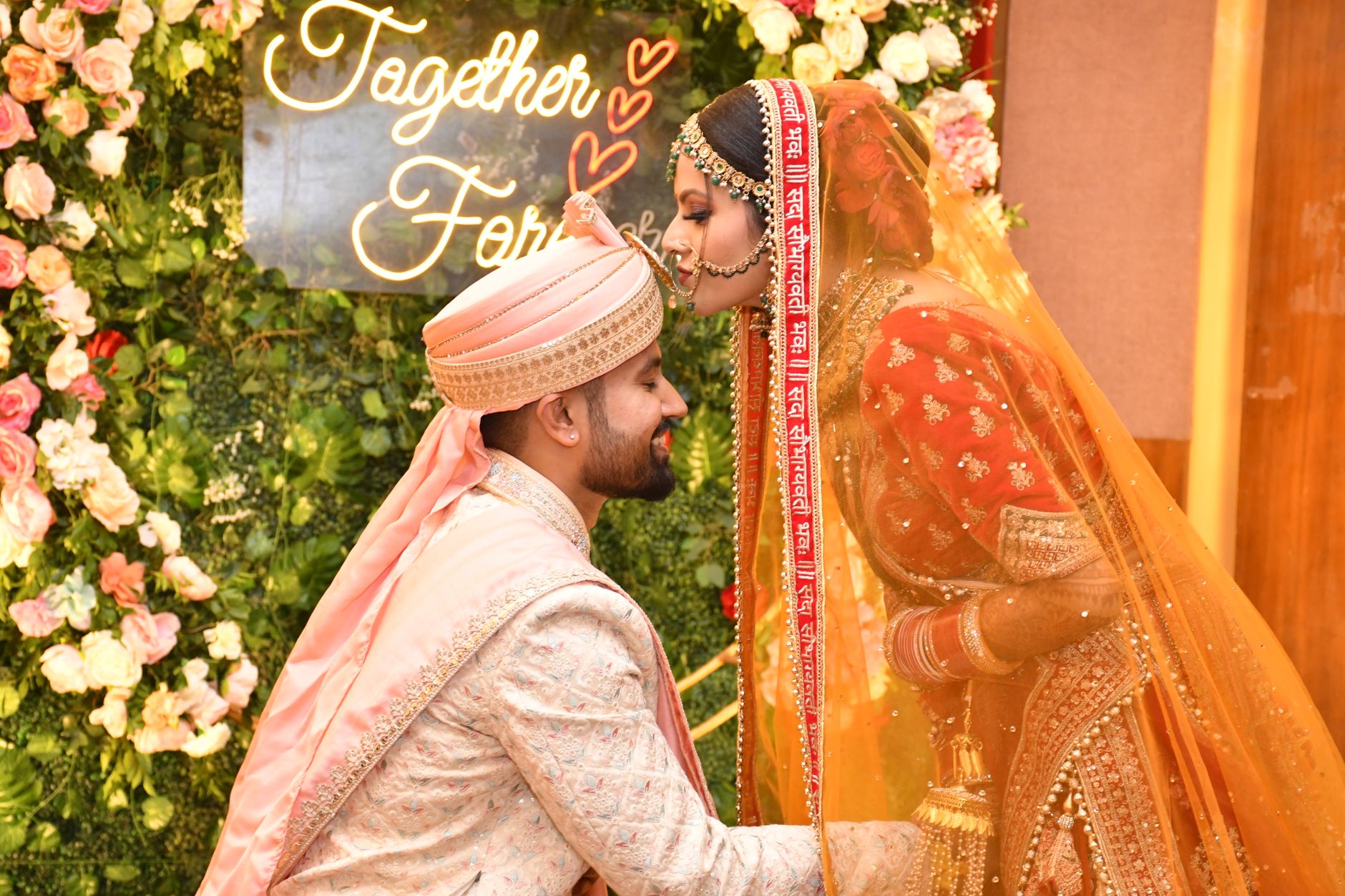 Muslim Wedding Nikah Ceremony Services
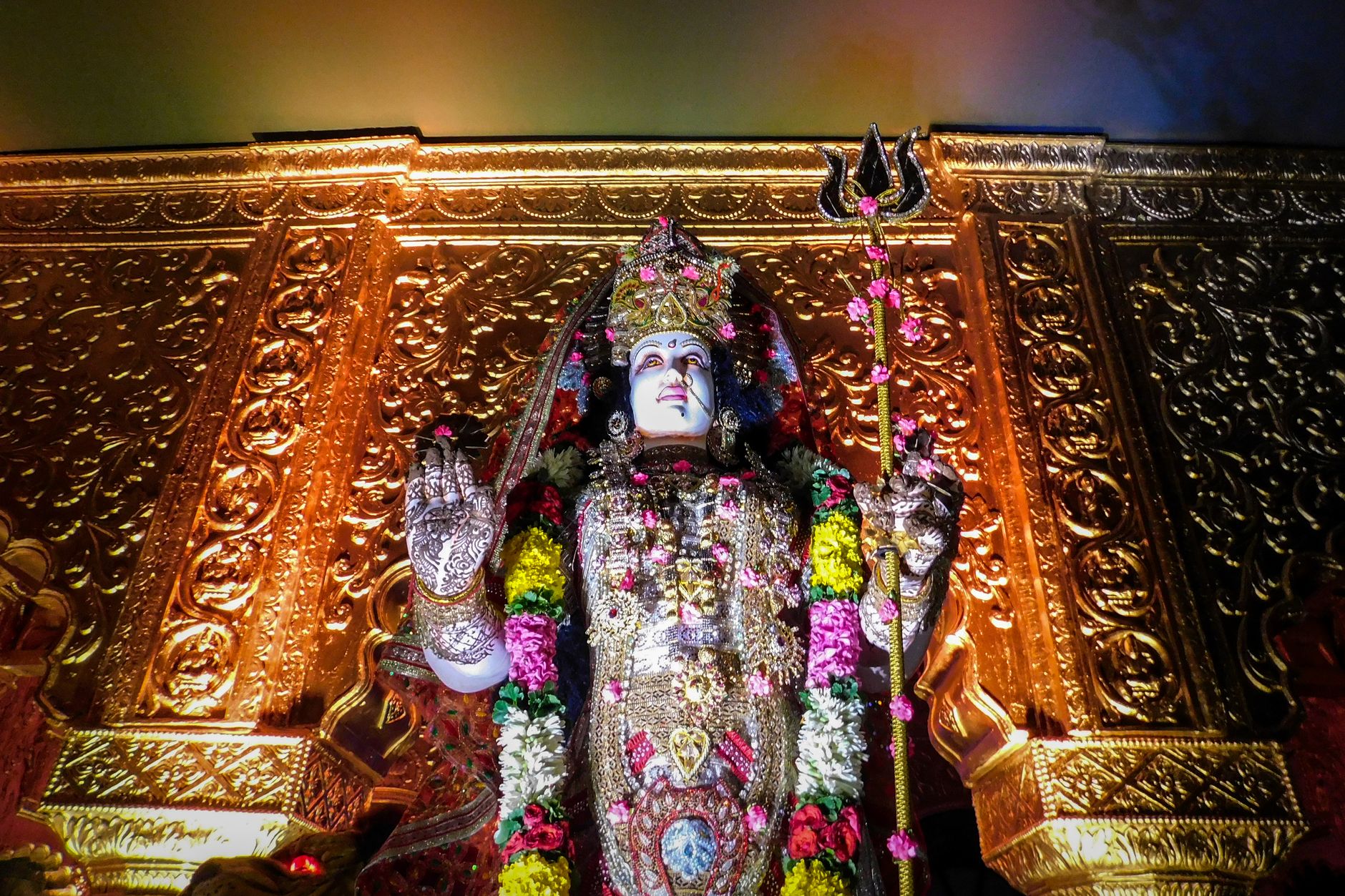 Online Religious Ceremony Live Streaming
 Personalized Christian Wedding Favor Gifts
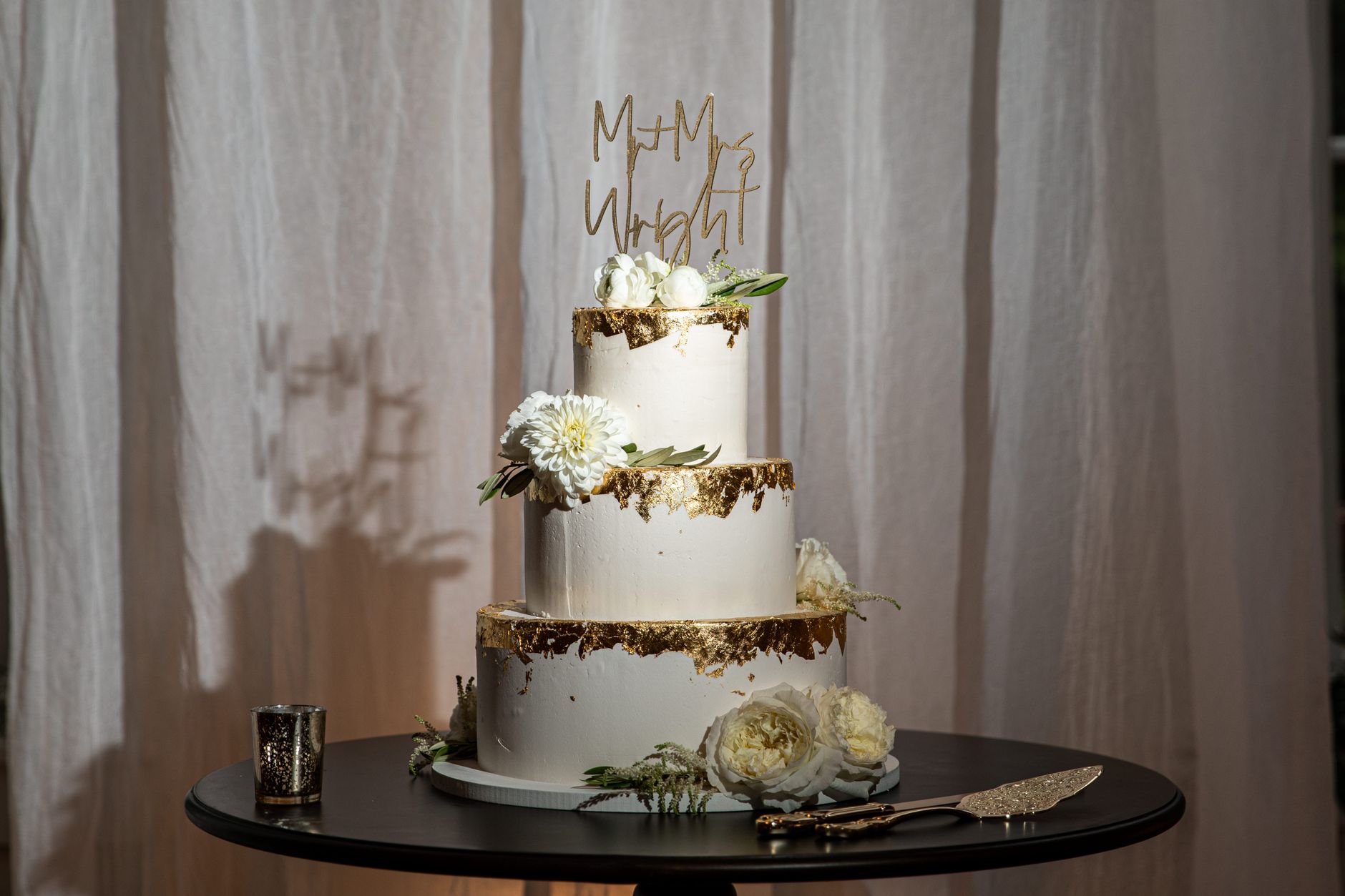 Personalized Wedding Cake Toppers
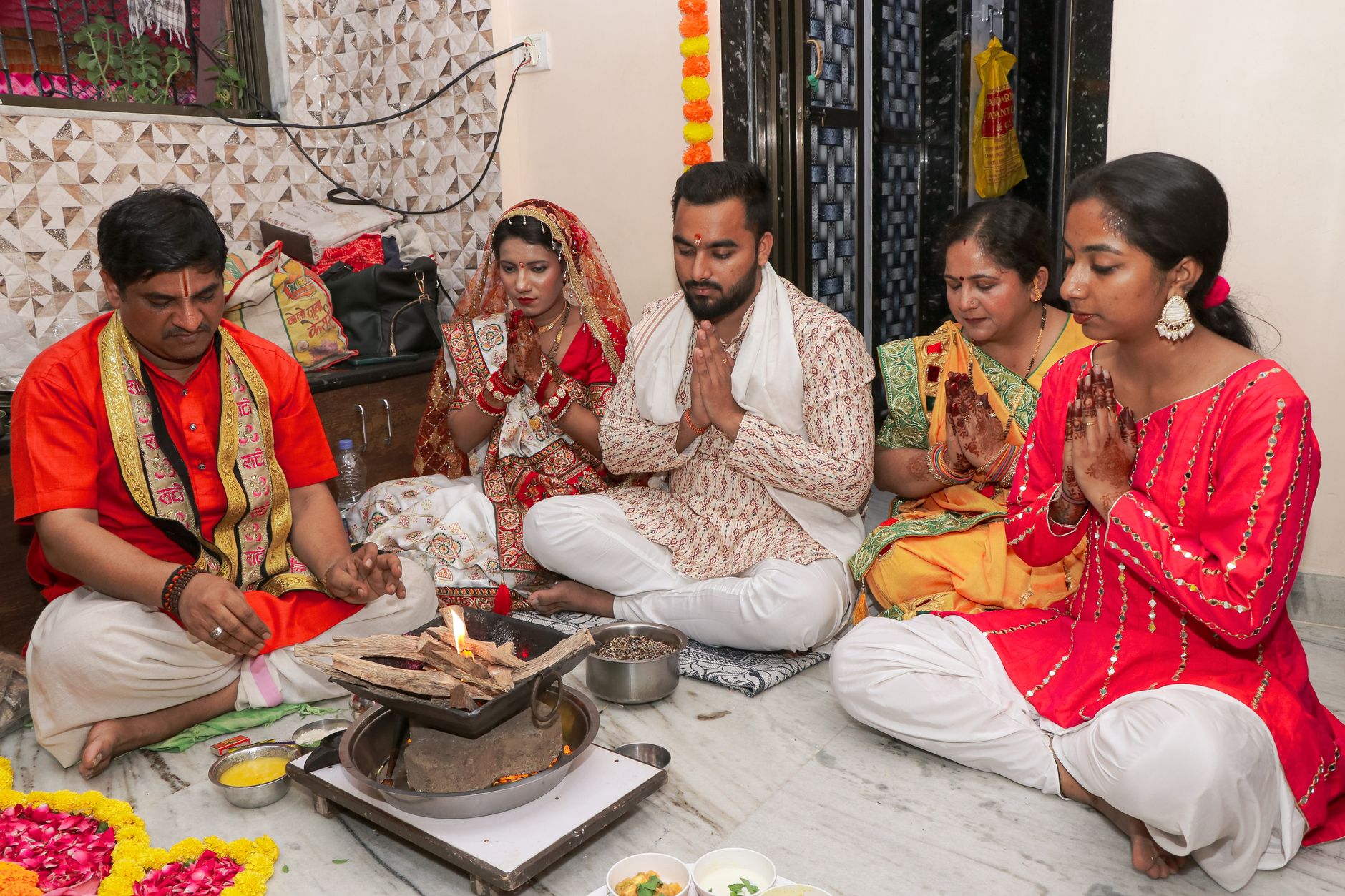 Qualified Pandit & Priest Services
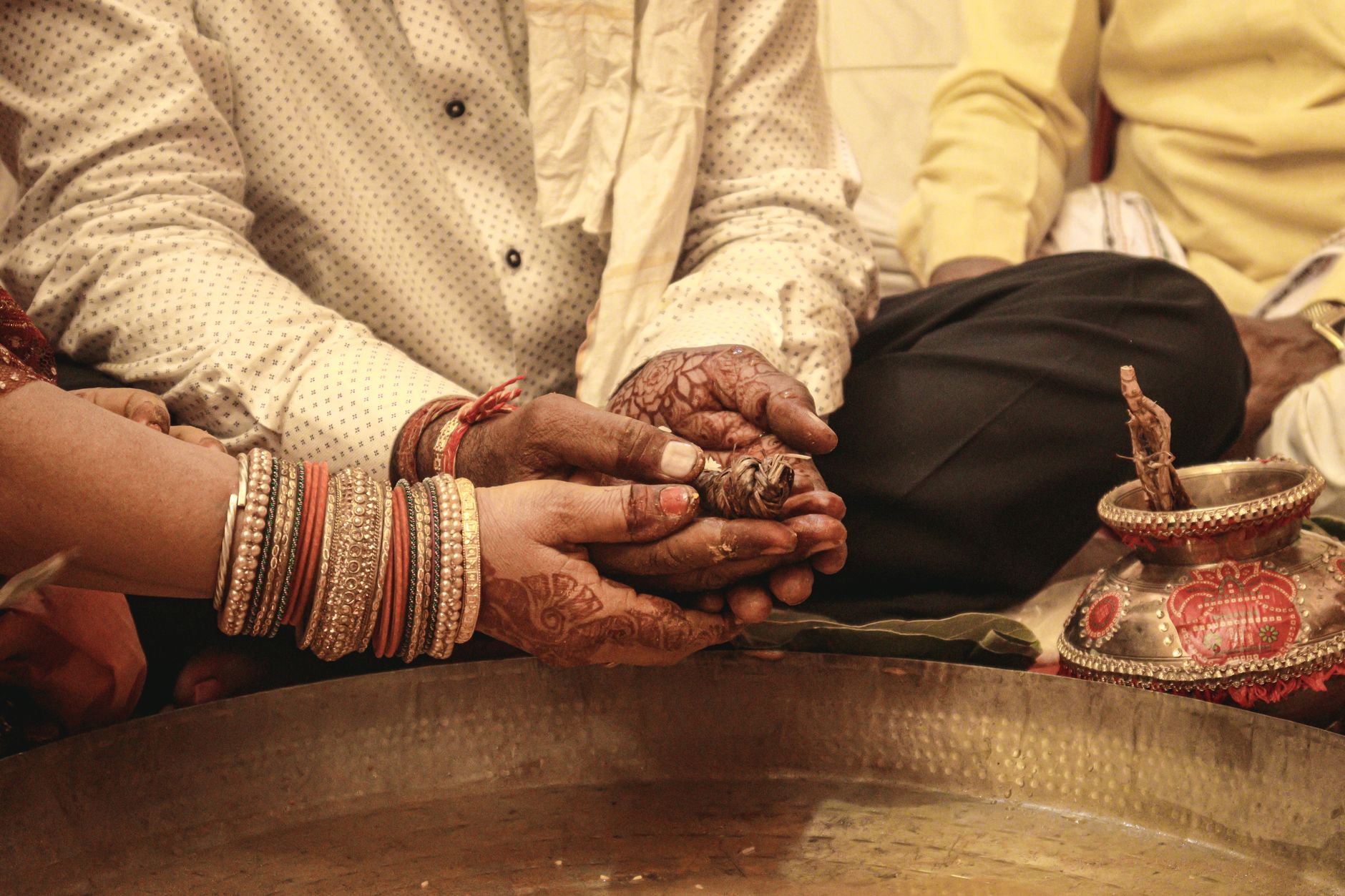 Religious Ritual Planning & Consultation
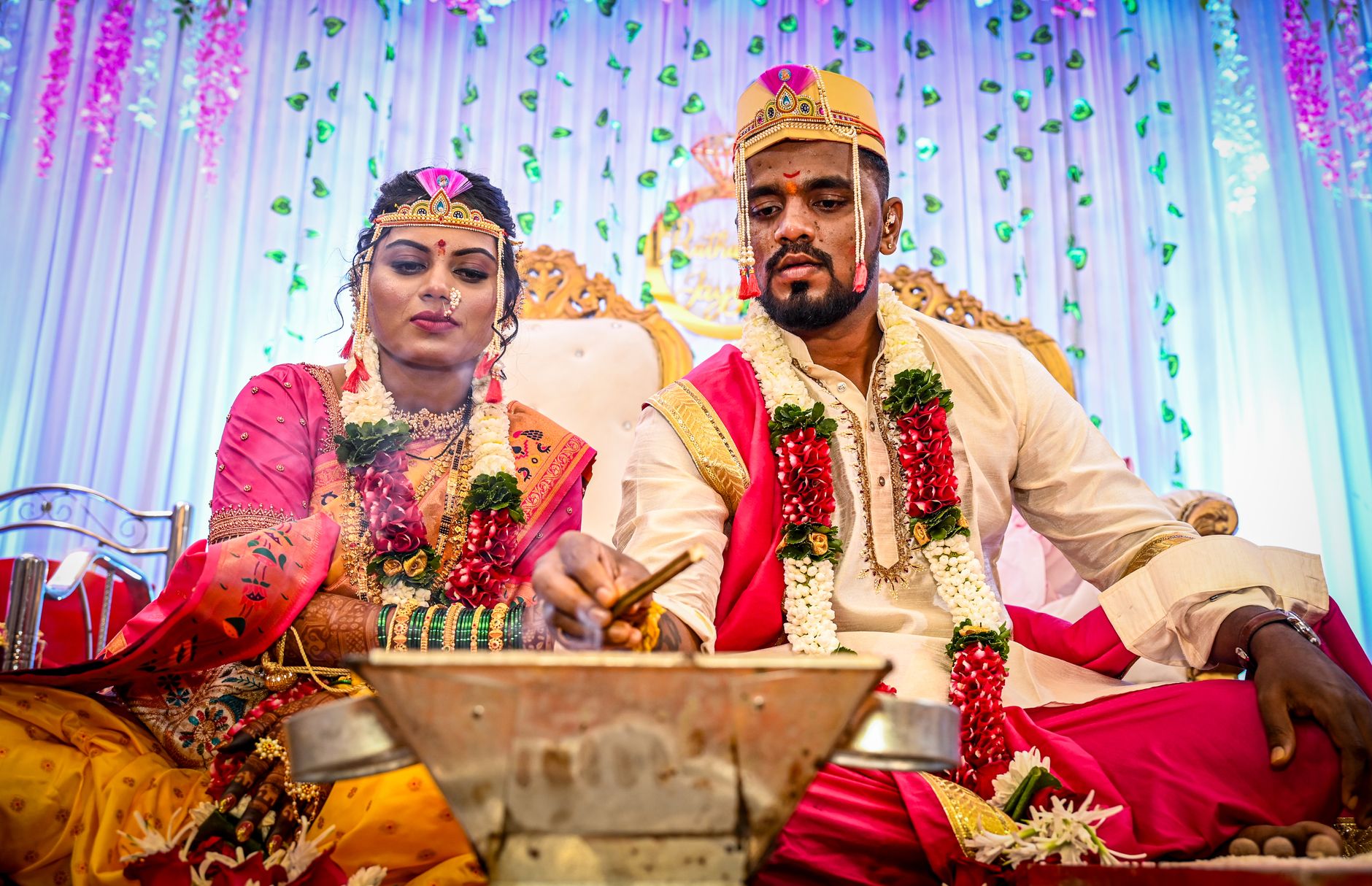 Sacred Wedding Ceremony Discourse
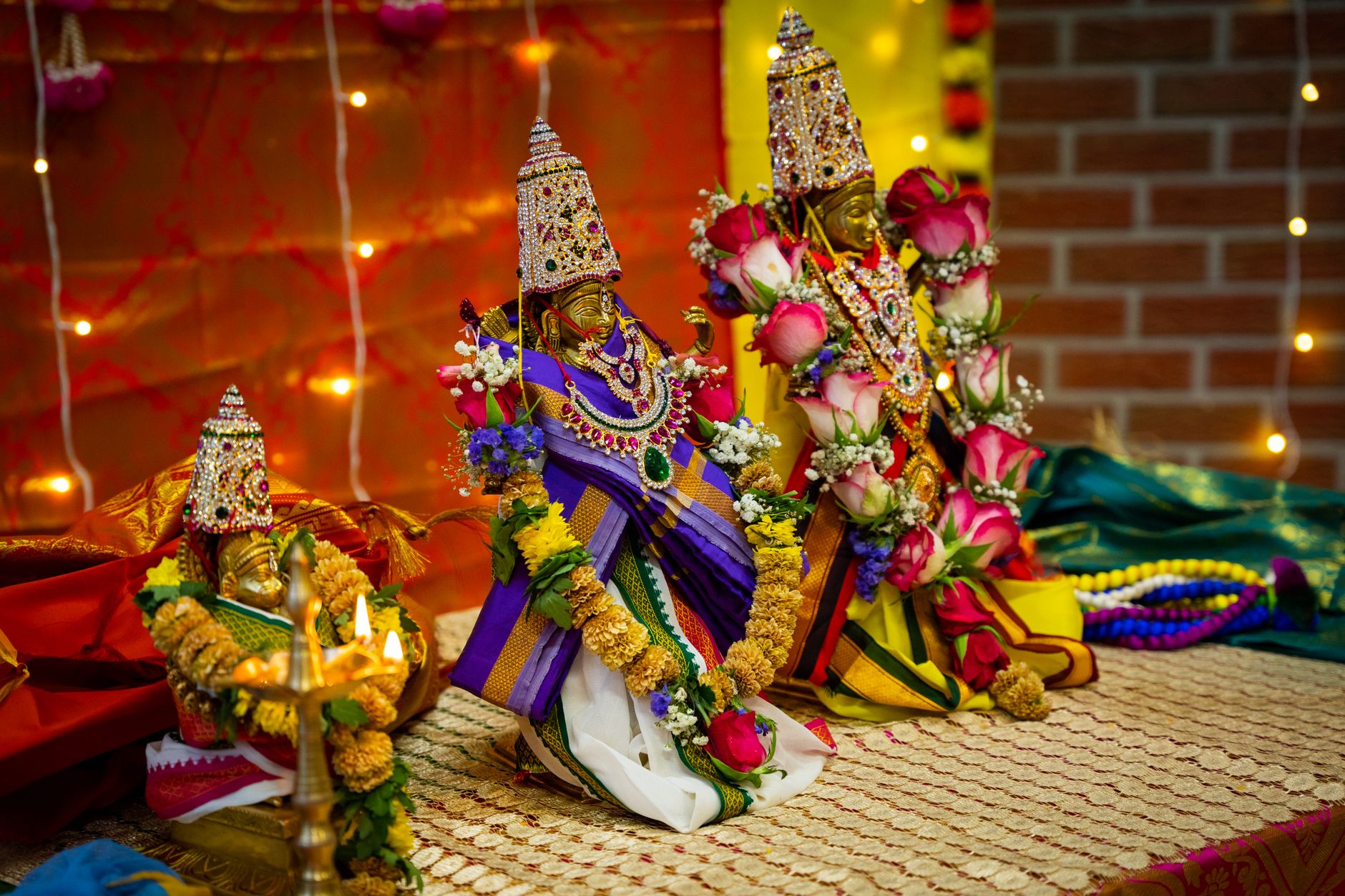 Temple Visit & Booking Assistance Services
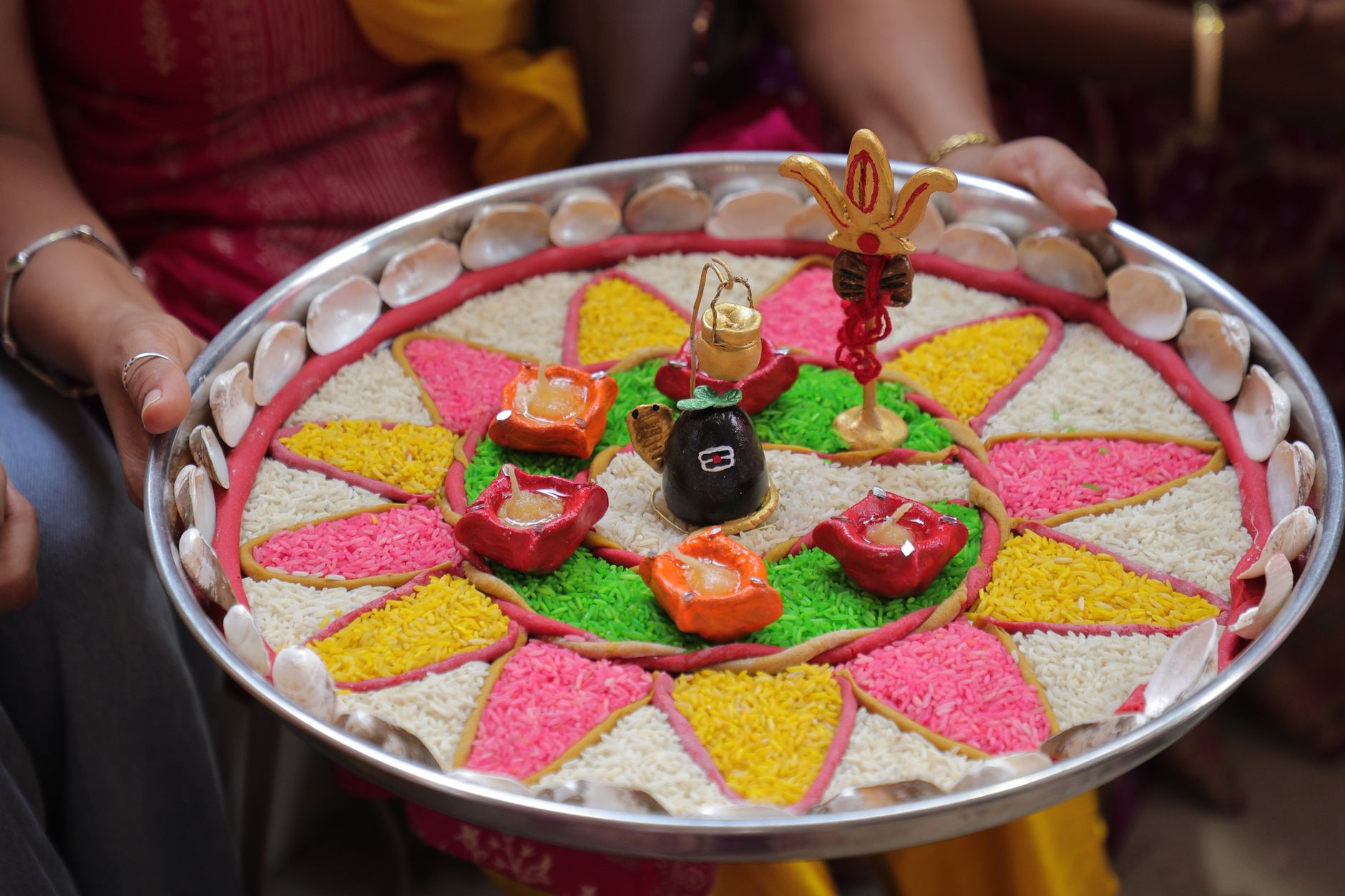 Traditional Aarthi Plate Decoration Services
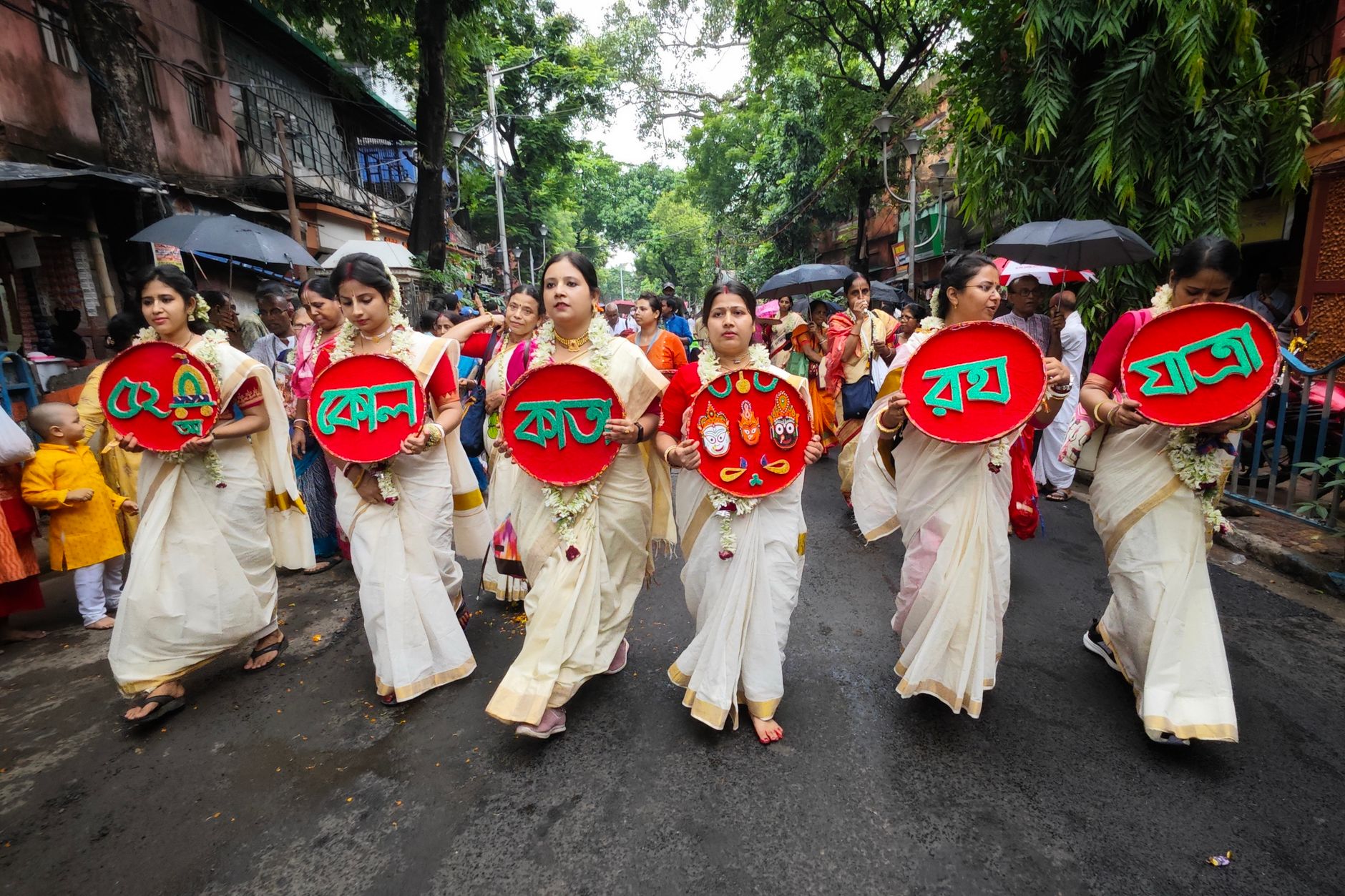 Traditional Brahmin Kasi Yatra Ceremony Essentials
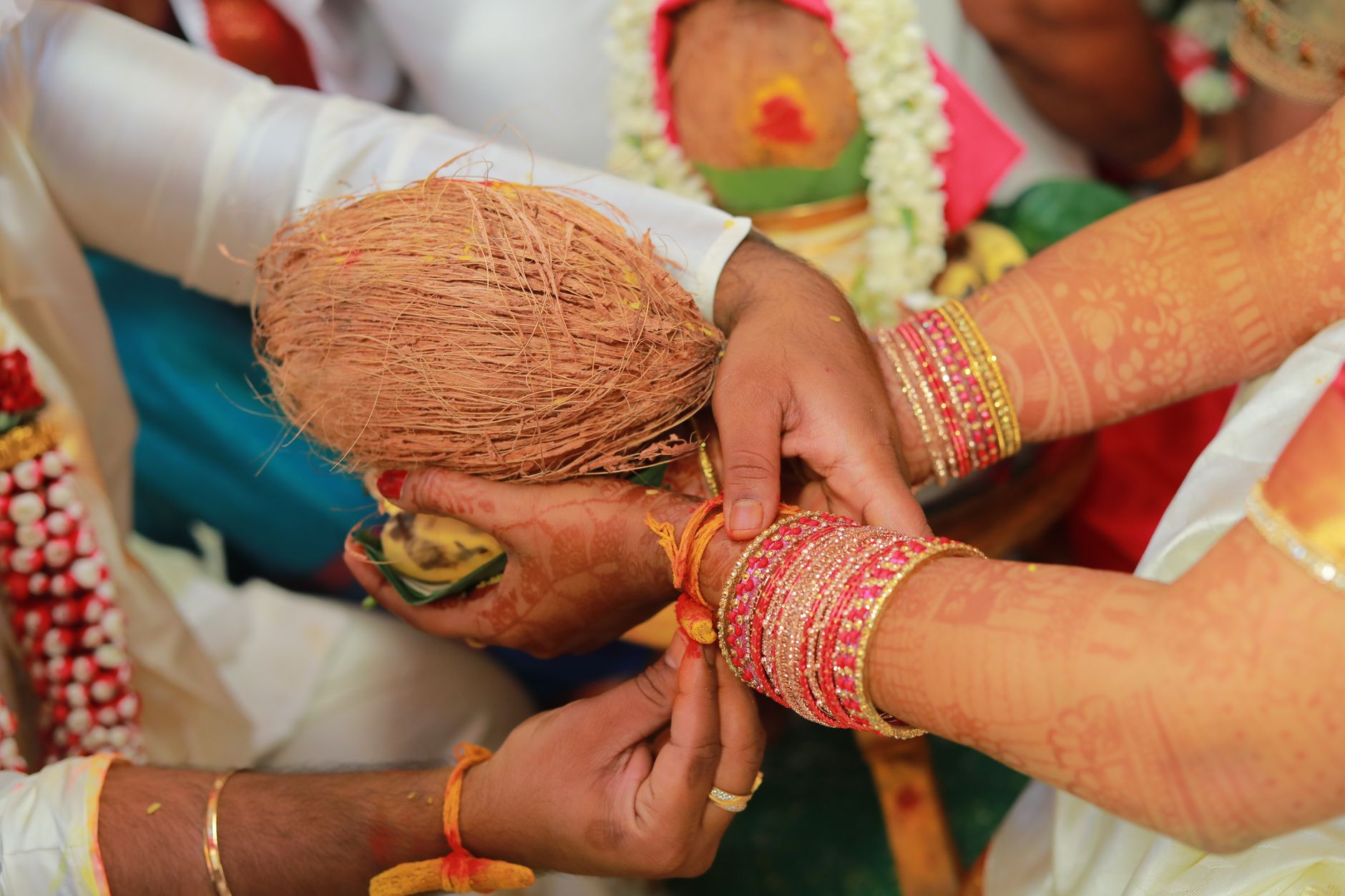 Traditional Brahmin Paruppu Thengai Arrangements
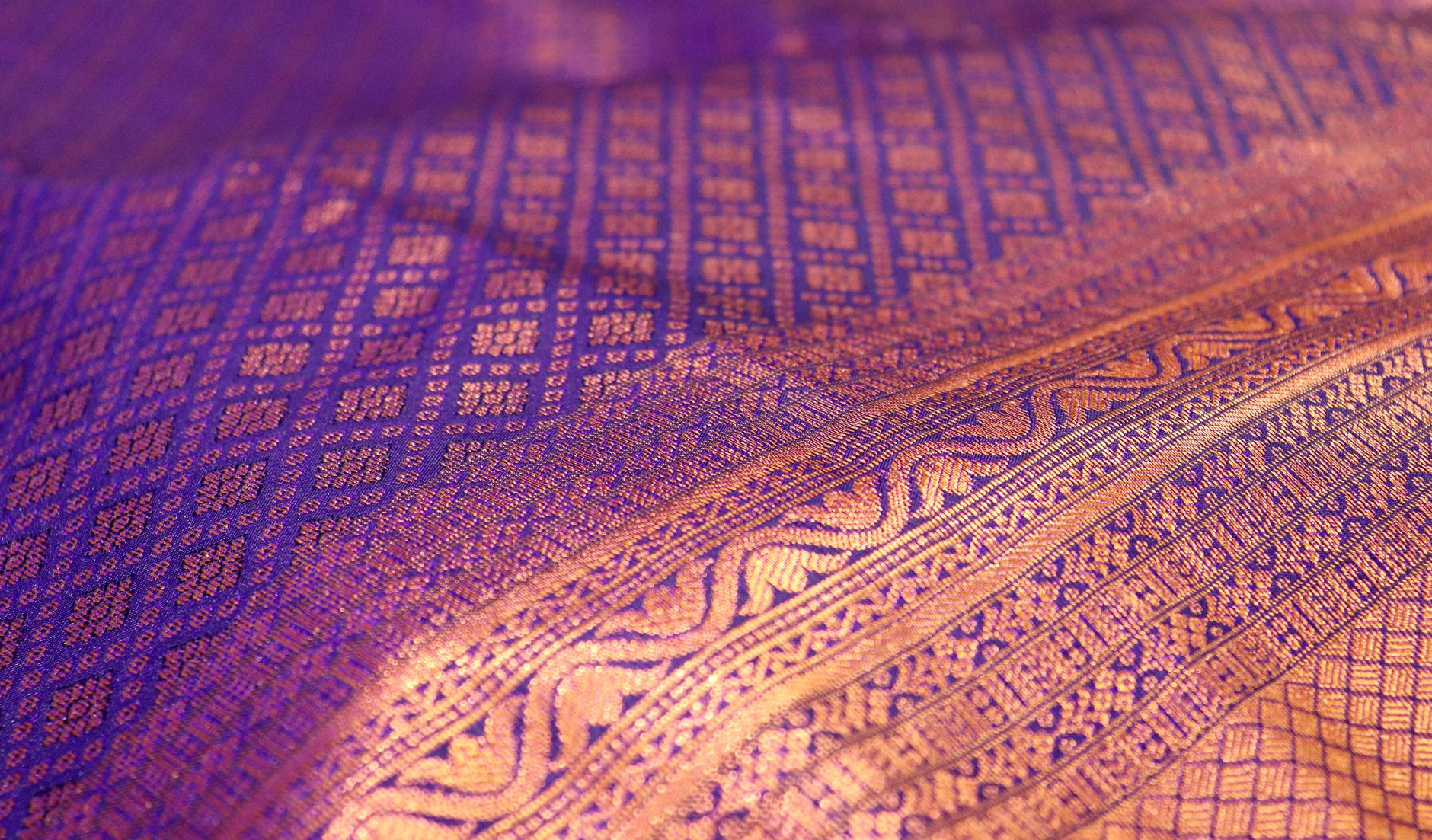 Traditional Brahmin Pattu Pai Ceremony Essentials
- 400+Curated Events
- 6Event Universes
- 1000+Verified Vendors
- 70+Locations
- 24/7Customer Support


Not sure which packages fits your celebration?
Let Hiya & Hanu help you find the perfect match!
Explore Celebration Packages- AI-Powered MatchingSmart suggestions for you
- Budget OptimizerGet the best experiences in your budget
- End-to-End SupportWe are with you at every step
Serving Celebrations across 75+ locations in India
Traditional Religious Ceremonies for Meaningful Family Celebrations
◆Traditional religious ceremonies bring together faith, family, culture and meaningful customs in a way that creates lasting memories. Whether the occasion is a family blessing, naming ceremony, housewarming, engagement, wedding-related ritual, anniversary, festival gathering or another important milestone, careful preparation helps every part of the occasion feel respectful and well organised.
Planning a religious occasion involves more than arranging a venue and inviting guests. The ceremony may include specific rituals, prayers, offerings, traditional clothing, food, music, floral arrangements and other customs that need to happen at the appropriate time. Understanding these requirements in advance allows families to preserve important traditions while creating a comfortable experience for everyone attending.
Understanding Traditional Religious Ceremonies
Traditional religious ceremonies vary significantly according to faith, region, family customs and the nature of the occasion. Some are intimate gatherings involving close family members, while others may include a large community of relatives, friends and guests.
The purpose of the ceremony should guide the planning process. A family may want to maintain an established tradition passed down through generations, while another may wish to combine traditional customs with a more contemporary celebration. Both approaches can work when the essential practices of the ceremony are understood and respected.
Before making arrangements, families should speak with the appropriate religious representative or knowledgeable family member. This can help clarify the required rituals, timings, prayers, offerings, participants and other important details.
Why Traditional Ceremony Planning Matters
Traditional ceremony planning helps families organise the practical elements surrounding the religious occasion without losing sight of its meaning. A well-prepared plan can cover the venue, guest arrangements, ritual requirements, decoration, catering, photography and event coordination.
The planning process should begin with the ceremony itself. Once the key religious requirements are confirmed, supporting arrangements can be developed around them. This approach reduces confusion and helps ensure that practical decisions do not interfere with important rituals.
Traditional ceremony planning can also be useful when several family members are involved. Responsibilities can be allocated in advance so that relatives know who is handling invitations, venue arrangements, ceremonial items, food, decoration and guest assistance.
Choosing the Right Religious Occasion
Different family milestones require different arrangements. A naming ceremony may focus on prayers and blessings for a child, while a housewarming ceremony may centre on prayers for the home and family. Engagements, weddings, anniversaries and festival gatherings may involve additional rituals and larger guest lists.
The scale of the occasion should influence the planning. A small family ceremony may only require a suitable room, basic decoration and refreshments. A larger religious function may require a dedicated venue, seating arrangements, catering, floral décor, sound facilities and professional coordination.
When exploring traditional religious ceremonies, families should first establish the purpose, expected number of guests and essential religious requirements. These details provide a practical foundation for the rest of the arrangements.
Selecting a Suitable Ceremony Venue
Venue selection is one of the most important practical decisions. The location should be appropriate for the religious requirements and comfortable for the people attending.
Families should consider accessibility, seating capacity, parking, cleanliness, lighting, ventilation and availability of suitable spaces for the ceremony. If the occasion involves elderly relatives or young children, easy access and comfortable seating become especially important.
For larger traditional religious ceremonies, the venue should also provide enough space for ceremonial activities, guests, catering and photography. It is helpful to confirm venue policies regarding decorations, food preparation, music and religious activities before making a final booking.
Creating Meaningful Traditional Décor
Decoration can enhance the atmosphere of a religious gathering while complementing its cultural character. Traditional ceremony decorations may include flowers, lamps, fabric elements, rangoli or kolam designs, entrance arrangements and other appropriate decorative features.
The décor should support the ceremony rather than distract from it. Natural flowers and simple traditional elements can create an elegant setting without overwhelming the main ritual area.
Colour choices can also be selected according to family preferences and the nature of the occasion. Before finalising the decoration, families should consider the ceremony space, available lighting and any restrictions imposed by the venue.
Arranging Religious Representatives
Many traditional religious ceremonies require a priest, officiant or other authorised religious representative. Their involvement can be important for explaining the correct sequence of rituals and ensuring that the ceremony follows the relevant customs.
Families should confirm availability well in advance, particularly when the ceremony falls during a popular religious period or an important family celebration season.
It is also useful to discuss the expected duration, required materials, number of participants and any preparations that family members need to complete before the ceremony. Clear communication can prevent last-minute uncertainty.
Planning Food and Hospitality
Food often plays an important role in religious and cultural gatherings. Depending on the tradition, the occasion may include offerings, prasadam, a traditional meal, refreshments or a larger reception.
Catering should be planned according to the ceremony schedule and the preferences or requirements of the family. Menu choices should take account of dietary restrictions and any religious practices associated with the event.
Serving arrangements should also be considered. For larger gatherings, organised food service can make it easier for guests to enjoy the occasion without creating congestion around the ceremony area.
Including Family Members and Guests
Family participation is often one of the most meaningful aspects of a religious occasion. Certain relatives may have specific responsibilities, while others may participate in prayers, rituals or traditional customs.
A simple event schedule can help everyone understand when they are expected to participate. This is especially helpful when several generations are attending.
Guests should also receive clear information about the venue, timing, dress expectations and any relevant customs. Thoughtful communication allows attendees to arrive prepared and participate respectfully.
Photography and Event Memories
Religious occasions often contain meaningful moments that families want to remember. Professional photography can document the setting, family participation, important rituals and interactions between guests.
Photography should always be planned with sensitivity. Some religious traditions or venues may have restrictions around photography during particular parts of a ceremony. Families should confirm these guidelines before the event.
A balanced approach allows important memories to be captured while keeping the focus on the religious significance of the occasion.
Managing the Event Timeline
A practical timeline can make traditional religious ceremonies easier to coordinate. The schedule may include venue preparation, decoration setup, arrival of the religious representative, guest arrival, the main ceremony, family photographs, refreshments and any additional celebration.
Buffer time should be included because religious rituals may take longer than initially expected. Allowing flexibility helps prevent unnecessary pressure on the family.
A dedicated coordinator or responsible family member can monitor the schedule and communicate with vendors. This allows other family members to focus on the ceremony itself.
Combining Tradition With Modern Convenience
Maintaining tradition does not mean every aspect of the event has to follow an old-fashioned format. Families can preserve meaningful rituals while using modern services to simplify practical arrangements.
Digital invitations, organised guest lists, online vendor communication and professional event coordination can make preparation more efficient. At the same time, traditional clothing, rituals, food, music and decoration can retain the cultural identity of the occasion.
The key is to distinguish between essential religious customs and optional event features. Essential traditions should be confirmed with the appropriate religious authority, while supporting elements can be adapted to suit the family.
Budgeting for a Religious Ceremony
A realistic budget helps families make informed decisions. Costs may include venue hire, ceremonial materials, religious services, decoration, catering, photography, invitations, transportation and guest facilities.
Families should identify essential expenses first. Once those are covered, the remaining budget can be allocated to optional enhancements such as additional décor, entertainment or photography services.
Comparing service providers can also help families understand available options. Clear communication about requirements and pricing can reduce the risk of unexpected costs.
Finding Reliable Event Services
Organising traditional religious ceremonies can involve several different service providers. Instead of managing every requirement separately, families can explore suitable event professionals who understand religious and cultural occasions.
Happiffie can help families discover relevant services for planning and supporting celebrations, from event professionals and venues to decoration and other occasion-related requirements. Choosing suitable providers can make the planning process more organised and allow families to concentrate on the significance of their gathering.
Making the Ceremony Personal and Meaningful
Every family has its own way of observing religious traditions. Personal touches can make the occasion feel special without changing the essential character of the ceremony.
Families may choose meaningful floral arrangements, photographs of previous generations, traditional music or carefully selected food that reflects their heritage. A thoughtfully arranged family gathering can create an atmosphere where older relatives feel connected to familiar customs and younger generations can understand their importance.
The most successful celebrations are not necessarily the largest. They are the ones where the ceremony, family participation and supporting arrangements work together naturally.
Planning Ahead for a Smooth Experience
Early preparation is particularly valuable when the occasion involves multiple vendors or a large number of guests. Booking the venue, religious representative, caterer and decorator ahead of time provides greater choice and reduces last-minute pressure.
A written checklist can include ceremonial requirements, guest numbers, venue details, decoration, food, photography, transport and payment schedules. Families can review the checklist regularly as the event approaches.
Traditional ceremony planning should remain flexible because religious requirements and family customs may differ. The final arrangements should always be confirmed with the appropriate people rather than relying on assumptions.
Why Professional Support Can Help
Professional event support can simplify the practical side of organising a religious gathering. Experienced service providers can help coordinate schedules, suppliers, décor, guest arrangements and venue requirements.
This is particularly useful for families who are balancing ceremony preparation with work, travel and other responsibilities. Having reliable support can reduce administrative tasks while allowing family members to remain involved in the meaningful parts of the occasion.
When selecting professionals, families should consider experience, communication, reliability, service scope and previous work. Recommendations and clear discussions about expectations can also help when choosing vendors.
Creating Lasting Family Memories
Traditional religious ceremonies often connect several generations through shared customs. They provide an opportunity for families to come together, celebrate important milestones and continue meaningful traditions.
Good planning ensures that practical arrangements support rather than overshadow the ceremony. From choosing a suitable venue and arranging appropriate décor to organising food and guest participation, each decision contributes to the overall experience.
With thoughtful preparation and reliable support, families can create a respectful, comfortable and memorable religious occasion that reflects their values and traditions.
Frequently Asked Questions
1. What are traditional religious ceremonies?
Traditional religious ceremonies are formal or informal occasions based on established religious, cultural or family customs. They may include prayers, rituals, blessings, offerings and other practices appropriate to the specific tradition.
2. How early should traditional religious ceremonies be planned?
Planning should ideally begin several weeks or months before the event, depending on its size and complexity. Larger ceremonies may require earlier bookings for venues, religious representatives, caterers and decorators.
3. What services are commonly required for a religious ceremony?
Requirements vary, but services can include venue arrangements, religious representatives, decoration, catering, photography, guest coordination and transportation.
4. How do I choose a venue for a religious ceremony?
Consider the number of guests, accessibility, seating, ceremony requirements, parking, facilities and venue policies. The location should comfortably support both the religious activities and guest arrangements.
5. Can traditional ceremonies include modern event arrangements?
Yes. Families can preserve important religious customs while using modern conveniences such as digital invitations, professional photography, event coordination and contemporary venue arrangements.
6. What type of decoration is suitable for a religious ceremony?
Appropriate decoration depends on the tradition and occasion. Flowers, traditional motifs, lamps, fabric elements and culturally relevant designs can create a respectful and welcoming environment.
7. Should a religious representative be contacted before the event?
Yes. Speaking with the relevant religious representative can help confirm the correct rituals, timings, participants and ceremonial requirements for the occasion.
8. How can families manage the budget for a religious ceremony?
Start by identifying essential religious and venue-related expenses. Then allocate the remaining budget to catering, decoration, photography and other optional services according to priority.
9. Is professional event coordination useful for religious ceremonies?
Professional coordination can be useful when several suppliers, guests and activities need to be managed. It can reduce organisational pressure while allowing the family to focus on the ceremony.
10. Where can I find services for traditional religious ceremonies?
Families can explore suitable venues, decorators, caterers, photographers and event professionals through trusted event service platforms such as Happiffie. Comparing services, experience and requirements can help identify suitable providers.