
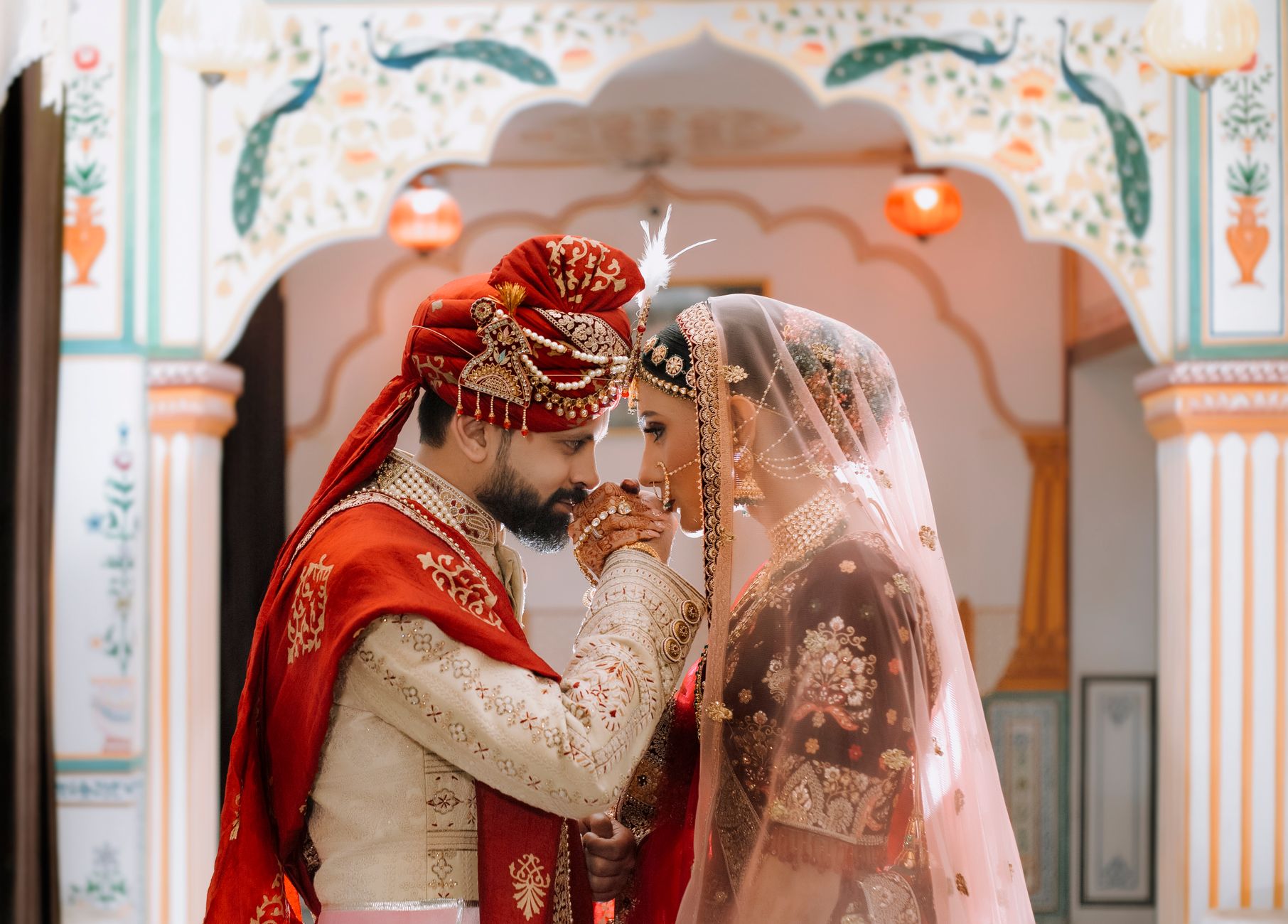
Plan Your Perfect Gujarati Wedding in Pune
Religious cermony in Pune
Gujarati Marriage Essentials: Complete Guide for Pune Weddings
Planning a wedding rooted in Gujarati tradition requires far more than booking a hall — every thread of ceremony, décor, and ritual carries deep cultural meaning. Gujarati Marriage Essentials span a rich tapestry of pre-wedding customs like Ganesh Sthapana and Pithi, through the vibrant Garba night, all the way to the sacred Saat Phere. In Pune — a city that warmly hosts lakhs of Gujarati families across Aundh, Kothrud, and Hadapsar — sourcing the right Gujarati vivah pooja items, a knowledgeable Vedic wedding pandit Pune families trust, and a beautifully decorated mandap is entirely achievable. Happiffie connects you with verified vendors so every ritual unfolds exactly as tradition demands.
Quick Answer
Gujarati Marriage Essentials refer to the complete set of religious ceremonies, pooja items, ritual services, and décor elements required for a traditional Gujarati wedding. Key components include Ganesh Sthapana, Pithi, Mandap Muhurat, Vara Swaagat, Kanyadaan, Saat Phere, and Aashirvaad. In Pune, families typically need a qualified Vedic pandit, fresh flowers, sacred samagri, a decorated mandap, and coordinated family rituals spanning two to three days.
What Are the Core Gujarati Wedding Rituals Every Pune Family Must Know?
Gujarati wedding rituals follow a precise sequence that begins well before the wedding day itself. The cycle opens with Sagai (engagement) and Chandlo Matli, where the bride's family formally welcomes the alliance. Ganesh Sthapana then consecrates the venue and invites auspicious energy. The Pithi ceremony follows — turmeric paste is applied to both bride and groom separately at their respective homes in a joyful, singing gathering. Garba and Dandiya on the eve of the wedding are not merely entertainment; they are a communal blessing ritual. On the wedding morning, Mandap Muhurat marks the official start of the sacred ceremony. Vara Swaagat, the ceremonial welcome of the groom's procession, is a visually spectacular moment in any Gujarati shaadi ceremony. Kanyadaan — the father's gift of his daughter — and Saat Phere around the sacred fire are the spiritual heart of the event, after which Aashirvaad from elders seals the union. Understanding this sequence helps Pune families schedule pandits, venue slots, and catering timings without conflict.
Gujarati Vivah Pooja Items: What Samagri Do You Actually Need?
Securing the right Gujarati vivah pooja items is one of the most detail-sensitive tasks in wedding preparation. The list is extensive but follows a logical structure. Sacred fire items include ghee, samidha sticks, and havan kund. Kalash pooja demands a copper or brass pot, mango leaves, a coconut, and raw rice. For the Kanyadaan ritual specifically, you will need a pair of gold or silver coins, a silk cloth, and flower garlands for both bride and groom. Sindoor, mangalsutra, and toe rings are essential closing items. A knowledgeable Vedic wedding pandit Pune families hire will usually provide a pre-itemised samagri checklist two to three weeks before the ceremony, but it is wise to cross-verify and procure items from trusted local suppliers in Pune's Laxmi Road or Raviwar Peth markets. Bulk procurement from a single supplier reduces last-minute shortages and ensures ritual consistency.
How Much Do Gujarati Marriage Essentials Cost in Pune?
Budgeting for Gujarati Marriage Essentials in Pune depends on guest count, venue type, and the depth of ritual coverage you require. A qualified Vedic wedding pandit Pune-based services typically charge between INR 11,000 and INR 35,000 for a full two-day ceremony package, with senior or highly sought-after pandits going up to INR 55,000. Pooja samagri for a standard 200-guest wedding runs between INR 8,000 and INR 18,000. Wedding mandap decoration Pune vendors offer packages from INR 40,000 for simple floral setups to INR 2.5 lakh for premium marigold-and-orchid themed mandaps. The Gujarati festive wedding atmosphere — think printed toran, pithiya fabric, and brass diyas — adds another INR 15,000 to INR 50,000 depending on personalisation. Combined, a mid-range traditional Gujarati shaadi ceremony in Pune for 200–350 guests typically demands a dedicated ceremony budget of INR 1.5 lakh to INR 4 lakh, excluding catering and venue rental. Early booking through a curated marketplace like Happiffie often unlocks bundled pricing.
Choosing the Right Mandap and Venue Setup for a Gujarati Wedding in Pune
The mandap is the sacred centrepiece of every Gujarati wedding — its design must accommodate the fire, the priest, and the immediate family while remaining visually striking. Wedding mandap decoration Pune professionals offer both indoor and outdoor configurations. Banquet halls in Baner, Wakad, and Viman Nagar are popular for indoor setups accommodating 200–600 guests, while farmhouses in Uruli Kanchan and Nanded City suit open-air ceremonies. Traditional Gujarati wedding customs call for a four-pillar mandap draped in cotton or silk fabric, with terracotta pots and fresh mango-leaf festoons. Modern couples increasingly integrate jaali panels and LED canopy accents while preserving the ritual layout. Ensure the venue permits an open havan (sacred fire) with proper ventilation — several Pune banquet halls now provide dedicated fire-ceremony zones. Always confirm parking, generator backup, and a green room for the bridal party as part of your venue negotiation.
What Are the Most Overlooked Details in Planning a Gujarati Shaadi Ceremony?
Even meticulously planned Gujarati shaadi ceremonies can hit last-minute snags when smaller details are missed. The Gujarati festive wedding atmosphere depends heavily on fragrance — fresh mogra and marigold availability in Pune's Mandai flower market can fluctuate during peak wedding season (November to February), so pre-order at least a week ahead. Ritual timing is another common pain point: traditional Gujarati wedding customs require specific muhurat windows, sometimes as early as 5:30 AM, which means vendor call times must be set for 3:30–4:00 AM — confirm this explicitly with your pandit, caterer, and decorator. Audio-visual coordination for Garba night is frequently under-budgeted; live dhol and shehnai players in Pune charge INR 5,000–INR 18,000 per session. Finally, ensure a senior family member or a professional wedding coordinator is designated to guide each sub-ritual — first-generation Gujarati families in Pune sometimes encounter knowledge gaps when elders are travelling in from Gujarat and arrive late.
Gujarati Marriage Essentials: Setup Types Compared for Pune Weddings
Expert Recommendation
Best for Intimate Family Celebrations (Under 80 Guests)
Best for Large Community Weddings (300–600 Guests)
Best for Budget-Conscious Couples
Best for Destination-Style Outdoor Weddings
Best for Couples Blending Tradition with Modern Aesthetics
Best for NRI or First-Generation Gujarati Families
How to Choose the Right Option
✅ Pre-booking Checklist
- Confirm wedding muhurat dates with your pandit at least 8 weeks in advance
- Source complete Gujarati vivah pooja items list from pandit and procure locally in Pune
- Book wedding mandap decoration Pune vendor and confirm open-fire allowance with venue
- Pre-order fresh flowers (mogra, marigold) from Mandai market minimum 7 days before
- Arrange live dhol or shehnai player for Garba night and Vara Swaagat procession
- Assign a family coordinator or hire a professional for multi-ritual scheduling
- Confirm accommodation logistics for outstation guests travelling from Gujarat
- Review catering menu for traditional Gujarati thali compatibility with ceremony timings
🎯 Selection Criteria
- Pandit's familiarity with your specific Gujarati community sub-traditions (Patidar, Anavil, etc.)
- Venue's permission for open havan and adequate ventilation for fire rituals
- Decorator's experience with authentic traditional Gujarati wedding customs and mandap layouts
- Vendor reliability during peak Pune wedding season (November to February)
- Proximity of venue to guest accommodation, especially for early-morning muhurat ceremonies
- Flexibility of packages to scale up or down based on final guest count
💰 Cost / Quality Factors
- Pandit fee varies significantly with seniority, ritual breadth, and travel distance across Pune
- Pooja samagri costs rise during peak season due to raw material demand — buy early
- Mandap complexity (pillar count, floral density, fabric quality) is the biggest décor cost driver
- Live music (dhol, shehnai) adds authenticity to the Gujarati festive wedding atmosphere but needs early booking
- Venue surcharges for early-morning or late-night ceremony slots can add 15–25% to base rental
- Bundled vendor packages from a single marketplace like Happiffie often save 10–20% versus individual bookings
⚠️ Common Mistakes to Avoid
- Booking a pandit without verifying knowledge of your family's specific Gujarati wedding rituals
- Underestimating the timeline — Gujarati shaadi ceremonies involve many sequential rituals and cannot be rushed
- Ignoring ventilation requirements for the havan, leading to venue complaints or safety issues
- Ordering pooja samagri without a verified list, resulting in missing items during the ceremony
- Skipping a contingency plan for open-air venues during Pune's unpredictable pre-monsoon weather
- Failing to communicate early-morning muhurat timings clearly to all vendors and family members
People Also Ask
How many days does a traditional Gujarati wedding ceremony last?
Which Pune neighbourhoods are best for booking Gujarati wedding venues?
Can I hire a Gujarati-speaking pandit in Pune for the wedding ceremony?
What is the Saat Phere ritual and why is it central to Gujarati Marriage Essentials?
How do I create an authentic Gujarati festive wedding atmosphere in an urban Pune venue?
What is the average per-head cost for a Gujarati wedding in Pune?
What is Kanyadaan and what items are needed for it?
Is a separate coordinator needed alongside a pandit for a Gujarati wedding?
Related Experiences on Happiffie
Authentic Gujarati Wedding Garlands, Kolkata
Gujarati Ceremony Essentials, Bengaluru
Gujarati Varmala Collections Mumbai
Sacred Pooja Kits for Every Event
Plan Your Perfect Nikah in Udaipur
Elegant Bridal Car Decor for Your Church Wedding
Frequently Asked Questions
What exactly are Gujarati Marriage Essentials and what do they include?
How early should I start booking vendors for Gujarati Marriage Essentials in Pune?
Are there Gujarati-community-specific wedding halls in Pune?
Can Gujarati vivah pooja items be purchased online or must they be bought locally in Pune?
What is the role of Garba night in Gujarati Marriage Essentials?
Do Gujarati wedding rituals differ by sub-community in Pune?
How do I create a traditional Gujarati festive wedding atmosphere at a modern Pune venue?
What is the typical duration of the main Gujarati wedding ceremony on the wedding day?
Key Takeaways
- Gujarati Marriage Essentials encompass ceremonies, vivah pooja items, mandap décor, and qualified pandit services — all of which are accessible in Pune.
- The core Gujarati wedding rituals run across two to three days, from Pithi and Garba through Saat Phere and Aashirvaad.
- A mid-range Gujarati shaadi ceremony budget in Pune for 200–350 guests typically ranges from INR 1.5 lakh to INR 4 lakh for ceremony elements alone.
- Traditional Gujarati wedding customs require open-fire havan facilities — always verify venue permissions before booking.
- Pune's Gujarati community is spread across Aundh, Kothrud, Baner, and Hadapsar, with strong vendor ecosystems in each area.
- Booking a Vedic wedding pandit Pune service with sub-community knowledge ensures ritual accuracy and family satisfaction.
- Early procurement of Gujarati vivah pooja items and fresh flowers prevents last-minute shortages during peak wedding season.
- Happiffie connects Pune families with verified vendors across all Gujarati Marriage Essentials categories for transparent, bundled pricing.
Book Trusted Vendors for Your Gujarati Wedding in Pune
From Vedic pandits and vivah pooja samagri to mandap décor and Garba arrangements — Happiffie connects you with verified specialists for every Gujarati Marriage Essential.
Explore Pune Vendors
Are you a Vendor? Grow Your Business with Happiffie!
- High intent verified leads
- Reverse auction opportunities
- AI business tools & insights
- Dedicated vendor dashboard
- Grow your business, your way
It's free & takes less than 2 minutes!