
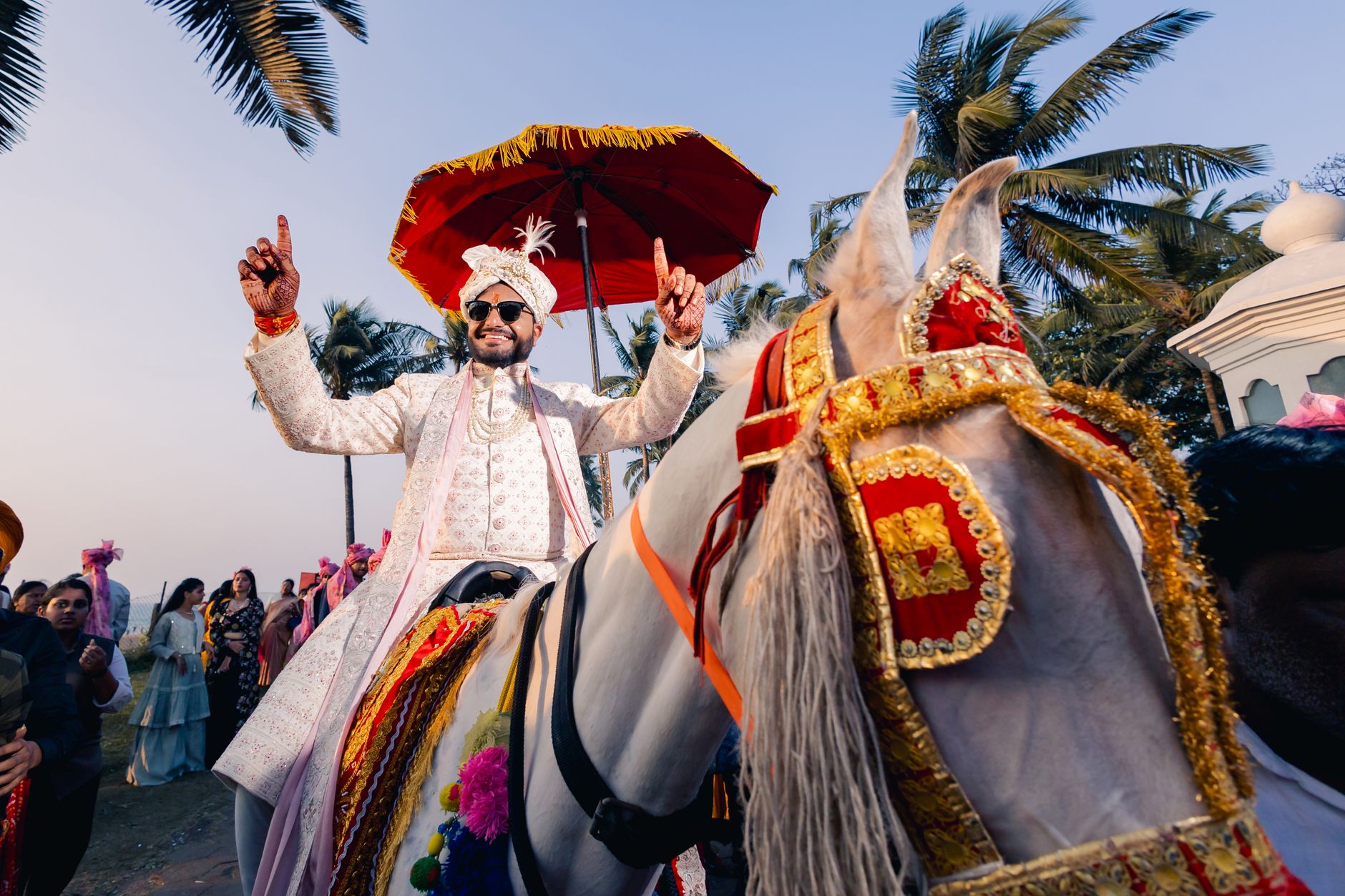
Plan Your Kasi Yatra Ceremony in Pune
Religious cermony in Pune
Traditional Tamil Kasi Yatra Ceremony Essentials: Complete Guide for Pune Families
The Traditional Tamil Kasi Yatra Ceremony Essentials form the emotional and spiritual heart of every Tamil Hindu wedding. In this beloved ritual, the groom pretends to renounce worldly life and set off on a pilgrimage to Kasi (Varanasi), only to be lovingly persuaded by the bride's father to return and embrace married life instead. For Pune families hosting South Indian wedding rituals in Pune — whether at a Deccan Gymkhana banquet hall, a Kothrud sabha griha, or a Wakad community venue — sourcing the right Kasi Yatra puja samagri and Tamil wedding ceremony props can feel overwhelming. This guide covers everything: what items you need, how much to budget in INR, how to choose reliable vendors, and how to honour Tamil Brahmin wedding traditions authentically, even far from Chennai or Coimbatore.
Quick Answer
Traditional Tamil Kasi Yatra Ceremony Essentials include a decorated wooden umbrella (kudai), a hand fan (visiri), a pair of wooden sandals (paaduka), a walking stick (danda), a small vessel of rice (arisi), sacred thread (poonool), banana, betel leaves, and areca nuts. These props symbolise the groom's mock pilgrimage to Kasi. In Pune, a complete set can be sourced from Tamil cultural associations or event vendors for approximately INR 1,500 to INR 6,000 depending on decoration quality.
What Are Traditional Tamil Kasi Yatra Ceremony Essentials and Why Do They Matter?
Traditional Tamil Kasi Yatra Ceremony Essentials are a curated set of ritual objects and decorative props that bring the Kasi Yatra sequence to life during a Tamil Hindu wedding. The ceremony itself is one of the most emotionally resonant moments of the entire wedding: the groom, dressed in his wedding dhoti and angavastram, picks up his umbrella, fan, walking stick, and a bundle of belongings and symbolically announces he is leaving for Kasi to pursue spiritual wisdom rather than marry. The bride's father then intervenes, convincing the groom that marriage is itself a sacred duty and that his daughter will be a worthy life partner. This exchange, performed in Tamil with Vedic shlokas, draws laughter and tears from guests in equal measure. The quality and authenticity of the Kasi Yatra ritual items used in this scene can elevate or diminish the moment significantly. A well-crafted, flower-adorned umbrella and a polished wooden paaduka set send a signal to guests that the family has honoured tradition with care. In Pune, where many Tamil families have settled in areas like Baner, Aundh, and Hadapsar due to IT sector migration, demand for authentic Tamil wedding ceremony props has grown steadily over the past decade. Local event coordinators who specialise in South Indian wedding rituals in Pune now stock or can procure all essential items. Understanding exactly what each item represents helps families make informed choices rather than buying generic prop sets that miss the ritual significance. Each object in the Kasi Yatra kit has a name in Tamil and a specific role in the narrative — knowing these details helps priests (vadhyars) conduct the ceremony correctly and helps photographers and videographers capture the right angles at the right moments.
The Complete List of Kasi Yatra Ritual Items: What You Need to Arrange
A standard Traditional Tamil Kasi Yatra Ceremony Essentials kit includes the following items, each carrying symbolic weight. The kudai (umbrella) is the most visually prominent prop — traditionally a large, wooden-handled umbrella decorated with marigold garlands, mango leaves, and sometimes gold-coloured fringing. It represents the groom's journey and is usually carried over his shoulder as he walks. The visiri (hand fan, often a palm-leaf or decorative fabric fan) keeps the groom cool on his mock pilgrimage. The danda (walking staff or bamboo stick) reinforces the image of a wandering ascetic. The paaduka (wooden sandals) are placed on the floor for the groom to step into, symbolising the simple footwear of a pilgrim. A small container of arisi (raw rice) represents the food the pilgrim carries. Betel leaves, areca nuts (pakku), and bananas form the traditional tamboolam offering exchanged during the ceremony. The groom's poonool (sacred thread or yagnopaveetham) should be freshly tied or replaced as part of the preparations. Additionally, many families include a small brass or copper kamandalu (water vessel) and a towel folded in traditional style as part of the Kasi Yatra puja samagri. Decorative elements like banana stems flanking the walkway, kolam designs on the floor, and a small diya or oil lamp at the ceremony spot are also considered part of the complete setup. In Pune venues, you will typically need to coordinate with the hall management to reserve a clear 10-15 feet walkway for the groom's procession so the Tamil groom procession setup looks visually complete for photos and videos.
How Much Do Traditional Tamil Kasi Yatra Ceremony Essentials Cost in Pune?
Budgeting accurately for Traditional Tamil Kasi Yatra Ceremony Essentials in Pune requires understanding the difference between basic functional sets and premium decorated kits. At the entry level, a simple set of Kasi Yatra ritual items — plain umbrella, basic wooden sandals, bamboo staff, and puja items — can cost between INR 1,500 and INR 2,500. These are functional but lack the visual impact expected at a larger wedding. A mid-range set with flower-decorated umbrella, lacquer-painted paaduka, decorative fan, and a styled tamboolam arrangement typically costs INR 3,000 to INR 5,000. Premium packages offered by specialist event décor vendors in Pune, particularly those catering to South Indian wedding rituals in Pune, can range from INR 6,000 to INR 12,000 and include a full floral-decorated archway for the groom's walk, professionally tied mango leaf garlands, silk-lined prop items, and a coordinator to stage the procession. Kasi Yatra puja samagri — including the puja plate with haldi, kumkum, camphor, incense, and oil lamp — is often sourced separately from a Tamil puja store and costs around INR 500 to INR 1,200. Families observing auspicious wedding muhurtham timing should note that last-minute procurement on the wedding day itself commands a premium of 20-30% from most vendors. Booking at least 4-6 weeks in advance is strongly recommended. If you are hosting a destination Tamil wedding in Pune — say, for a Chennai-based family celebrating at a Koregaon Park resort — factor in vendor travel charges and installation time when negotiating the final quote. Always confirm whether the quote includes delivery, setup, and takedown after the ceremony, or whether these are charged separately.
Where to Source Tamil Wedding Ceremony Props in Pune
Finding authentic Tamil wedding ceremony props in a predominantly Marathi city like Pune requires knowing the right networks. The Tamil community in Pune is concentrated around areas like Baner, Wakad, Aundh, and Kharadi, and Tamil cultural sabhas in these areas are often the best first point of contact. Many of these organisations maintain contacts with specialist vendors who supply Kasi Yatra puja samagri and décor items. Some of these vendors operate informally and are accessed through word of mouth within the community, making platforms like Happiffie valuable because they aggregate verified, reviewed vendors in one place. Traditional puja stores in Camp, Deccan, and Shivajinagar stock standard ritual items like betel leaves, areca nuts, camphor, and brass vessels — but they may not carry the specific decorative props like the floral kudai or painted paaduka that make the Tamil groom procession setup visually compelling. For these, you typically need a wedding décor vendor who has experience with South Indian weddings. Event management companies that specialise in Tamil Brahmin wedding traditions in Pune can often provide a one-stop solution, supplying both the ritual items and the ceremony coordination. Online vendors from Chennai and Coimbatore also ship to Pune — shipping transit of 3-5 days means you should order at minimum 2 weeks before the wedding. Wedding ceremony decoration Pune vendors who primarily work on North Indian or Marathi weddings may not stock Tamil-specific items, so always confirm their South Indian wedding experience before booking. Ask to see a portfolio or reference list of Tamil weddings they have handled.
What Are the Most Common Mistakes Families Make When Planning the Kasi Yatra Ceremony?
Even well-prepared families sometimes stumble when sourcing Traditional Tamil Kasi Yatra Ceremony Essentials, and understanding these pitfalls in advance can save significant stress on the wedding day. The single most common mistake is treating the Kasi Yatra as an afterthought — families pour effort into catering, photography, and wedding ceremony decoration Pune arrangements, then scramble to assemble Kasi Yatra ritual items the morning of the wedding. This leads to mismatched, low-quality props that disappoint photographers and guests alike. A second frequent error is not briefing the vadhyar (priest) about the props in advance. Different Tamil Brahmin wedding traditions have slightly different variations of the Kasi Yatra ritual — Iyer and Iyengar families, for example, follow slightly different sequences — and the priest needs to know what items are available before the ceremony begins. Third, families often forget to account for the auspicious wedding muhurtham timing when staging the procession. The Kasi Yatra typically happens at a specific time within the muhurtham window, and if the walkway is not cleared and props are not in position well before that moment, the ceremony runs late, disrupting the entire muhurtham schedule. Fourth, generic props sourced from North Indian wedding vendors — like a plain Bollywood-style umbrella — can look jarring against the traditional Tamil aesthetic. The kudai for a Tamil Kasi Yatra should ideally be a large, wooden-handled umbrella adorned with jasmine or marigold, not a metallic foil party prop. Finally, many families forget to brief the groom beforehand, resulting in an awkward, low-energy procession that misses the storytelling magic of this beautiful ritual. A short rehearsal, even just five minutes, makes a world of difference.
Comparing Traditional Tamil Kasi Yatra Ceremony Setup Options for Pune Weddings
Expert Recommendation
Best for Intimate Celebrations (Under 75 Guests)
Best for Large Guest Counts (200+ Guests)
Best for Budget-Conscious Families
Best for Traditionalist Tamil Brahmin Families
Best for Destination Tamil Weddings in Pune
Best for Modern Families Blending Tradition and Style
How to Choose the Right Option
✅ Pre-booking Checklist
- Confirm the Kasi Yatra ritual sequence with your vadhyar and note the exact auspicious wedding muhurtham timing slot
- Create a complete itemised list of all Traditional Tamil Kasi Yatra Ceremony Essentials required — umbrella, staff, paaduka, fan, kamandalu, puja samagri
- Book your vendor or source your DIY items at least 4 to 6 weeks before the wedding date
- Visit or video-call your vendor to inspect prop quality and ensure items are Tamil-specific, not generic Indian wedding props
- Coordinate with the venue manager to reserve a clear 10 to 15 feet procession walkway and confirm floor decoration permissions
- Brief the groom, bride's father, and key family members on the ritual sequence and their specific roles
- Confirm delivery, setup, and post-ceremony takedown terms in writing with your vendor
- Have a backup supplier or contact identified in case of last-minute vendor issues
🎯 Selection Criteria
- Vendor's prior experience with South Indian wedding rituals in Pune and ability to show a Tamil wedding portfolio
- Authenticity of props — natural materials like real wood, palm leaf, and brass are preferred over plastic or synthetic alternatives
- Vadhyar's familiarity with your specific sub-tradition (Iyer or Iyengar) and the Kasi Yatra mantra sequence
- Vendor's ability to deliver and set up within your muhurtham schedule without disrupting other ceremony timelines
- Comprehensive package pricing that covers all Kasi Yatra ritual items, delivery, setup, and takedown with no hidden charges
- Clear communication and responsiveness — wedding day coordination requires vendors who reply quickly to last-minute queries
💰 Cost / Quality Factors
- Material quality of the kudai (umbrella) and paaduka directly impacts the ceremony's visual and photographic outcome
- Floral decoration freshness matters — jasmine and marigold garlands on props should be arranged within 12 hours of the ceremony
- Vadhyar expertise and narrative skill significantly influence how emotionally resonant the Kasi Yatra moment feels for guests
- Venue type affects setup complexity — community sabhas require minimal effort while large banquet halls need more staging work
- Season and wedding date affect vendor availability and pricing — peak season (November to February) commands 20 to 30 percent premium
- Guest count determines whether a basic kit suffices or a staged procession setup is needed for adequate visibility
⚠️ Common Mistakes to Avoid
- Treating Kasi Yatra prop sourcing as an afterthought and scrambling on the wedding morning for items
- Hiring a wedding décor vendor without South Indian experience who supplies generic props unsuitable for Tamil rituals
- Forgetting to brief the groom on the ritual sequence, resulting in an awkward or low-energy procession
- Not confirming the procession walkway setup with the venue in advance, leading to a cramped or obstructed Kasi Yatra space
- Ignoring auspicious wedding muhurtham timing constraints and allowing the ceremony to start late, disrupting the entire schedule
- Ordering props online from out-of-city vendors without sufficient lead time, risking delayed delivery or transit damage
People Also Ask
What is the meaning of Kasi Yatra in a Tamil wedding?
How early should I book Kasi Yatra props and decoration vendors in Pune?
What is the correct sequence of the Kasi Yatra ritual during a Tamil wedding?
What is the difference between Iyer and Iyengar Kasi Yatra rituals?
Can the Kasi Yatra ceremony be done at a non-Tamil venue in Pune?
How much does a complete Kasi Yatra puja samagri set cost in Pune?
Do I need a separate event coordinator for the Kasi Yatra ceremony in Pune?
Where can I find Tamil puja vadhyars in Pune for the Kasi Yatra?
What clothing should the groom wear for the Kasi Yatra ceremony?
How does wedding ceremony decoration in Pune differ for Tamil weddings versus other Indian weddings?
Are there weekend Tamil wedding venues in Pune suitable for a Kasi Yatra ceremony?
Can non-Brahmin Tamil families also perform the Kasi Yatra ceremony?
Related Experiences on Happiffie
Kasiyatra Ritual Essentials for Your Big Day
Auspicious Nadaswaram for Your Big Day
Perfect Kasi Yatra Setup in Hyderabad
Sacred Unjal Decor for Brahmin Weddings
All Wedding & Event Services
Venues in Pune
Frequently Asked Questions
What exactly are Traditional Tamil Kasi Yatra Ceremony Essentials?
How much should a Pune family budget for Kasi Yatra ceremony items?
Which neighbourhoods in Pune are best for sourcing Tamil wedding ceremony props?
Do Pune venues allow open-flame rituals associated with Tamil weddings?
Can a Tamil vadhyar in Pune conduct the Kasi Yatra for an inter-community marriage?
What is the ideal duration of the Kasi Yatra ceremony within the wedding schedule?
How does the Kasi Yatra fit into the overall Tamil wedding day schedule?
Is it acceptable to use artificial flowers on the Kasi Yatra umbrella if fresh flowers are unavailable?
Can the Kasi Yatra ceremony be live-streamed for relatives in Chennai or abroad?
What role does the bride's father play in the Kasi Yatra and does he need to be briefed in advance?
How does Happiffie help Pune families plan the Kasi Yatra ceremony?
What should I do if a key Kasi Yatra prop is damaged or missing on the wedding morning?
Key Takeaways
- Traditional Tamil Kasi Yatra Ceremony Essentials include a floral umbrella, wooden paaduka, walking staff, hand fan, kamandalu, and Kasi Yatra puja samagri — each carrying specific ritual meaning.
- In Pune, complete Kasi Yatra setups range from INR 1,500 for basic DIY kits to INR 15,000 for premium specialist packages with staging and coordination.
- Sourcing authentic Tamil wedding ceremony props in Pune requires connecting with Tamil cultural sabhas, South Indian wedding specialists, or verified platform vendors — general Marathi or North Indian décor vendors often lack the right inventory.
- Booking all items and the vadhyar at least 4 to 6 weeks before the wedding is essential, especially during peak wedding season from November to February.
- The ceremony must be timed precisely within the auspicious wedding muhurtham timing window — late staging is one of the most common and avoidable mistakes.
- Iyer and Iyengar families follow slightly different Kasi Yatra sequences, so briefing the vadhyar on your sub-tradition in advance ensures the ritual is conducted correctly.
- A clear 10 to 15 feet procession walkway at the venue is the minimum physical requirement for a visually compelling Tamil groom procession setup.
- Platforms like Happiffie help Pune families find verified vendors experienced in South Indian wedding rituals in Pune, saving time and reducing risk of last-minute sourcing failures.
Find Verified Tamil Wedding Ceremony Vendors in Pune
From Kasi Yatra ritual items to complete ceremony coordination, Happiffie connects you with trusted South Indian wedding specialists across Pune.
Explore Vendors Now
Are you a Vendor? Grow Your Business with Happiffie!
- High intent verified leads
- Reverse auction opportunities
- AI business tools & insights
- Dedicated vendor dashboard
- Grow your business, your way
It's free & takes less than 2 minutes!