
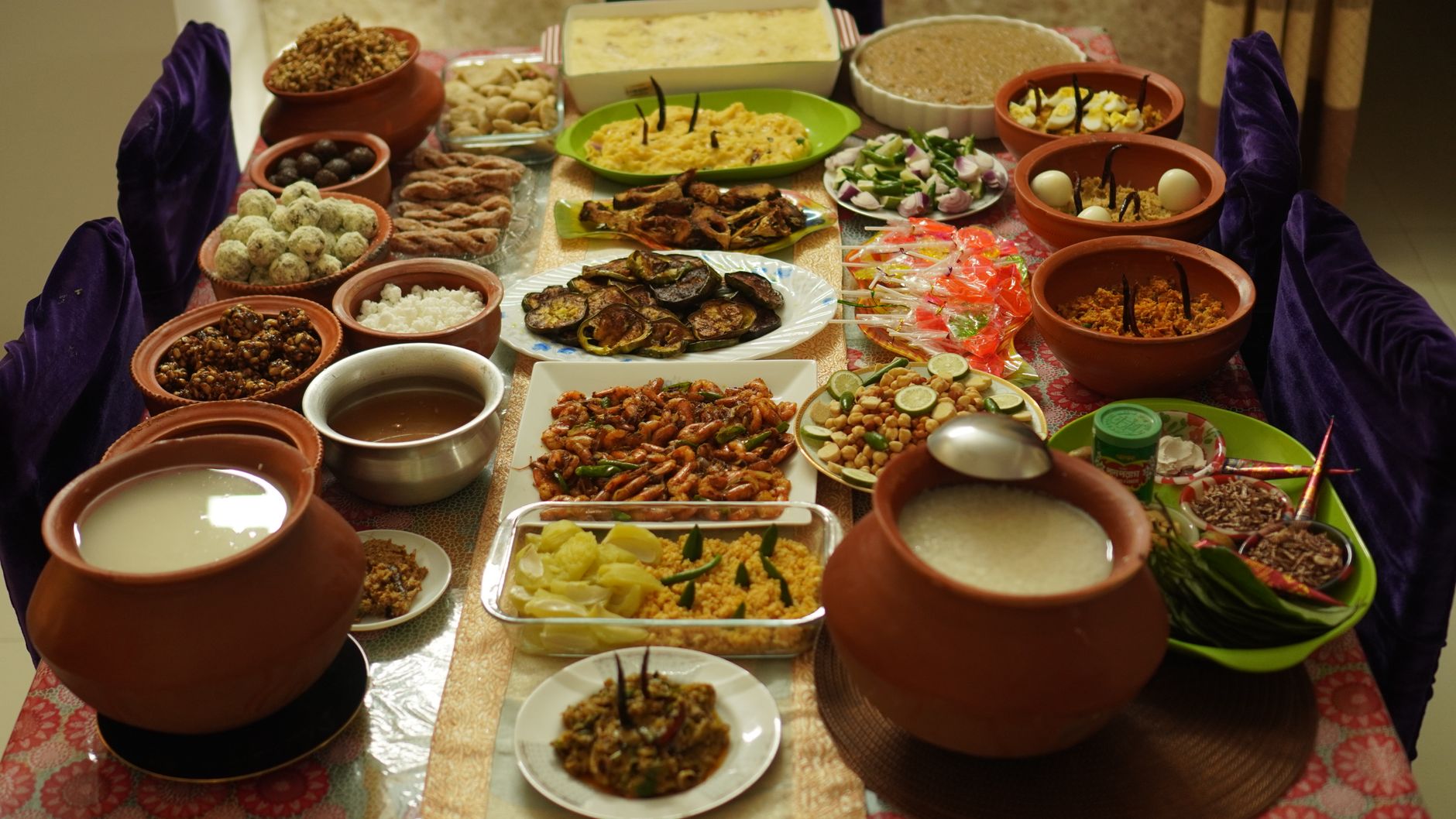
Sacred Bakshanam for Your Brahmin Wedding
Religious cermony in Pune
Authentic Brahmin Wedding Bakshanam Collections in Pune
When a Brahmin wedding is planned in Pune, the bakshanam — the sacred feast served to family, guests, and priests — holds as much ritual weight as the saptapadi itself. Authentic Brahmin Wedding Bakshanam Collections bring together generations-old recipes, meticulously sequenced serving protocols, and freshly prepared sattvic dishes that honour the dharmic spirit of the occasion. Whether your family roots lie in Iyer, Iyengar, Deshastha, or Karhade Brahmin traditions, the right caterer ensures that the traditional Brahmin wedding feast menu reflects your sampradaya precisely. From the first drop of ghee ladled over steaming rice to the final tamboolam offered to guests, every element of the Pune wedding religious ceremony catering experience must be both spiritually correct and gastronomically memorable.
Quick Answer
Authentic Brahmin Wedding Bakshanam Collections refer to the carefully curated multi-course sacred feast served at Brahmin weddings, typically on a banana leaf, featuring sattvic dishes like rice, sambar, rasam, kootu, payasam, and regional specialties prepared without onion or garlic. In Pune, these collections are offered by specialised caterers who follow sub-community-specific menus — Iyer, Iyengar, Deshastha, or Karhade — ensuring the meal aligns with both ritual requirements and family tradition.
What Exactly Are Authentic Brahmin Wedding Bakshanam Collections?
The word bakshanam in Tamil and Sanskrit traditions broadly refers to food offerings and feasts prepared in a state of ritual purity. In the context of a Brahmin wedding, Authentic Brahmin Wedding Bakshanam Collections are structured, multi-course meals served on banana leaves following a strict sequence that mirrors the spiritual progression of the wedding rituals themselves. The meal is always sattvic — meaning it is prepared without onion, garlic, or non-vegetarian ingredients — and relies on clarified butter, fresh spices, lentils, and seasonal vegetables. In Pune, where significant communities of Iyer, Iyengar, Deshastha Brahmin, and Karhade Brahmin families reside, these collections vary meaningfully from one another. An Iyengar bakshanam, for instance, places special emphasis on specific rice varieties and traditional Brahmin wedding prasadam and naivedyam items that are first offered to the deity before being served to guests. A Deshastha Brahmin feast, on the other hand, incorporates Maharashtrian elements like puran poli, katachi amti, and varan-bhat alongside South Indian dishes. The banana leaf meal service in Pune must follow the correct spatial arrangement — each dish placed in its prescribed position on the leaf — because the layout itself carries symbolic meaning. Understanding these nuances is the first step in choosing the right catering partner for your Pune wedding religious ceremony catering requirements.
The Cultural Significance of Bakshanam in Brahmin Weddings
In Brahmin tradition, food is never merely sustenance — it is an expression of devotion, abundance, and familial love. The traditional Brahmin wedding feast menu is designed to progress from lighter, digestive items to heavier, celebratory sweets, mimicking the emotional arc of the wedding itself. Rice forms the sacred centre of the meal; it is offered first to the gods through the Brahmin wedding prasadam and naivedyam ritual before a single grain reaches a guest's banana leaf. Ghee is poured generously — it is considered auspicious — and the accompanying dishes like sambar, rasam, kootu, poriyal, aviyal, and multiple chutneys are served in a sequence that facilitates both digestion and spiritual alignment. In Pune's cosmopolitan setting, many families find themselves navigating between their ancestral state recipes and the availability of specific ingredients locally. A caterer experienced in South Indian Brahmin wedding food spread understands how to source raw banana flowers, raw jackfruit, specific varieties of rice like ponni or sona masoori, and freshly ground masalas that packaged alternatives simply cannot replicate. The Sanskrit ritual dining experience embedded in bakshanam extends beyond the food itself — the servers, traditionally called madhyastha, must understand the order of service, and the setting must be clean, fragrant with agarbatti or camphor, and respectful of the solemnity of the occasion.
How Much Does Brahmin Wedding Bakshanam Catering Cost in Pune?
Pricing for Authentic Brahmin Wedding Bakshanam Collections in Pune varies considerably based on the number of courses, the sub-community-specific requirements, the number of guests, and whether the caterer provides serving staff, banana leaves, and disposables. For a standard mid-range Brahmin sadhya catering for weddings covering roughly 12-15 dishes per guest, you can expect to pay between INR 600 and INR 1,200 per plate. Premium packages that include rare regional preparations, multiple payasam varieties, naivedyam thalis for the deity, and dedicated staffing can range from INR 1,400 to INR 2,500 per plate. For large weddings in Pune with 400-800 guests at venues in areas like Baner, Kothrud, or Hadapsar, total catering budgets for the bakshanam component alone can run from INR 4 lakh to INR 18 lakh depending on the configuration. Intimate gatherings of 50-100 guests in home settings or smaller dharmashalas may see more competitive pricing. Sattvic wedding food arrangements that include only temple-grade ingredients — organic rice, hand-churned ghee, stone-ground masalas — command a premium of 20-35% over standard pricing. Always request an itemised quotation that specifies the number of courses, whether seconds (as it is customary to offer unlimited servings in traditional Brahmin feasts), staffing ratios, and any additional charges for venue-specific logistics.
Regional Variations: Matching the Right Bakshanam to Your Brahmin Sub-Community
Pune hosts one of India's most diverse Brahmin populations, and Authentic Brahmin Wedding Bakshanam Collections must be selected with your specific sampradaya in mind. For Tamil Brahmin (Iyer) families, the feast typically includes mor kuzhambu, rasavangi, semiya payasam, pal payasam, and vadai served as part of the traditional Brahmin wedding feast menu. Iyengar families may add kovil puliyodharai — the tamarind rice made in the temple style — as a mandatory naivedyam item. Deshastha Brahmin families from Maharashtra, many of whom are centred around Pune's Sadashiv Peth, Narayan Peth, and Kasba Peth neighbourhoods, expect a feast that includes aamras, shrikhand, puran poli, matki usal, and varan alongside standard items. Karhade Brahmin families favour a slightly spicier palate with dishes like sol kadhi, kothimbir vadi, and specific chutneys. Hiring a caterer who specialises in Brahmin sadhya catering for weddings but only knows one regional style can lead to an inauthentic experience that disappoints elders and pandits alike. When exploring banana leaf meal service in Pune providers, always ask for a community-specific tasting session and request references from families within your sampradaya. The difference between a generic vegetarian caterer and a genuine bakshanam specialist is immediately perceptible in the texture of the sambar, the sourness of the rasam, and the aroma of the payasam.
Why Should You Book Bakshanam Catering Through Happiffie for Your Pune Wedding?
Planning a Brahmin wedding in Pune involves coordinating between the muhurtham timing, the venue's kitchen facilities, the pandit's schedule, and the expectations of multiple generations of family members. Happiffie's marketplace connects you with verified caterers experienced in Authentic Brahmin Wedding Bakshanam Collections, allowing you to compare menus, community specialisations, pricing, and availability in one place. Rather than relying on word-of-mouth alone — which often leads to either overpaying or receiving a generic menu — Happiffie lets you read structured service descriptions, request customised quotes, and book directly. Every caterer listed for Pune wedding religious ceremony catering on Happiffie has been categorised by their community expertise, so you can filter specifically for Iyer, Iyengar, Deshastha, or Karhade specialisations. The platform also supports coordination with other wedding service providers, so your sattvic wedding food arrangements can be synchronised with venue timings, flower decor for the dining area, and pandit requirements without separate phone calls to a dozen vendors. Happiffie understands that the Sanskrit ritual dining experience is not a detail to be managed at the last minute — it is central to the sanctity of the wedding — and the platform's booking tools ensure you never have to compromise on authenticity for the sake of convenience.
Comparing Setup Types for Brahmin Wedding Bakshanam in Pune
Expert Recommendation
Best for Intimate Family Ceremonies (50-100 guests)
Best for Large Grand Weddings (400-800 guests)
Best for Traditional Ritualistic Weddings
Best for Budget-Conscious Families
Best for Cross-Community or Multi-Regional Weddings
Best for Destination Weddings Near Pune
How to Choose the Right Option
✅ Pre-booking Checklist
- Confirm the caterer's specific expertise in your Brahmin sub-community — Iyer, Iyengar, Deshastha, or Karhade — before finalising
- Schedule a full seated tasting session on a banana leaf with all planned courses at least 8 weeks before the wedding
- Clarify whether naivedyam and prasadam preparation is included and whether it will be coordinated with your pandit's schedule
- Obtain a written, itemised menu specifying every dish, the number of courses, seconds policy, and ghee quality
- Confirm the server-to-guest ratio and total staffing plan for the day of the wedding
- Verify that the caterer sources fresh, organic, and sattvic ingredients without onion, garlic, or artificial additives
- Discuss dietary accommodation requirements for diabetic, nut-allergic, or low-sodium guests at least 4 weeks in advance
- Check the caterer's experience with your specific venue in Pune, including kitchen facilities and banana leaf storage logistics
🎯 Selection Criteria
- Sub-community specialisation and demonstrable knowledge of your family's regional recipe traditions
- Experience with Pune wedding religious ceremony catering at your expected guest count (intimate vs. large-scale)
- Quality and sourcing of key ingredients — rice variety, ghee, freshly ground masalas, and seasonal vegetables
- Staffing professionalism and familiarity with ritual service protocols including correct banana leaf layout
- Ability to coordinate naivedyam timing with the wedding pandit and integrate prasadam distribution
- Transparent pricing structure with no hidden costs for banana leaves, service staff, or additional refill rounds
💰 Cost / Quality Factors
- Number of courses directly impacts cost — each additional payasam or special rice dish adds to the per-plate price
- Organic and heirloom ingredient sourcing increases authenticity and cost by 20-35% compared to standard procurement
- Wedding timing (peak muhurtham season vs. off-season) affects caterer availability and negotiating power on price
- Venue location within Pune influences logistics costs, especially for banana leaf transport and outdoor setups in distant areas
- Guest count thresholds — caterers often price differently below 100, between 100-300, and above 300 guests
- Inclusion of priest coordination, naivedyam thali preparation, and tamboolam service can add INR 50-150 per guest
⚠️ Common Mistakes to Avoid
- Booking a generic vegetarian caterer who claims to offer bakshanam without verifying their sub-community knowledge
- Skipping the tasting session and finalising the menu based only on a written proposal or another family's recommendation
- Underestimating server requirements, leading to cold food and long waits between courses during the feast
- Failing to communicate dietary restrictions in advance, resulting in last-minute menu changes on the wedding day
- Not confirming banana leaf sourcing in advance — large quantities of fresh leaves require pre-ordering 2-3 weeks ahead
- Ignoring the naivedyam timing coordination with the pandit, which can cause the feast to start late and disrupt the entire wedding schedule
People Also Ask
What dishes are included in an authentic Brahmin wedding bakshanam?
Is bakshanam served only on banana leaves?
How far in advance should I book bakshanam catering for a Pune Brahmin wedding?
What is the difference between a bakshanam and a regular vegetarian buffet at a wedding?
Can bakshanam catering accommodate guests who are not Brahmin?
What is the role of naivedyam and prasadam in a Brahmin wedding bakshanam?
How many courses are served in a typical Brahmin wedding bakshanam in Pune?
Are there Brahmin bakshanam caterers who can cook at my home venue in Pune?
What is the ideal guest-to-server ratio for a bakshanam service?
Can the bakshanam menu be customised for diabetic or allergic guests?
Which Pune neighbourhoods have the highest concentration of Brahmin wedding venues with bakshanam facilities?
What should I look for in a tasting session before confirming bakshanam catering?
Related Experiences on Happiffie
Authentic Wedding Feasts, Pune's Best Cook Teams
Sacred Unjal Decor for Brahmin Weddings
Live Chaat Stalls for Your Dream Wedding
Auspicious Nadaswaram for Your Big Day
Sacred Rituals, Trusted Priests
All Wedding & Event Services
Frequently Asked Questions
What makes a bakshanam collection 'authentic' versus a regular vegetarian wedding meal in Pune?
Are Pune caterers able to replicate authentic Tamil or Andhra Brahmin bakshanam menus for South Indian families settled here?
How is the bakshanam serving sequence structured at a Pune Brahmin wedding?
Can I hire a separate naivedyam specialist alongside my main bakshanam caterer for a Pune wedding?
What is the typical duration of a bakshanam sitting at a Brahmin wedding in Pune?
Do bakshanam caterers in Pune also provide the banana leaves, or must I arrange these separately?
What is the significance of offering tamboolam at the end of a bakshanam in Pune Brahmin weddings?
How do I verify that a Pune bakshanam caterer truly uses no onion or garlic?
Are there caterers in Pune who specialise specifically in Deshastha Brahmin wedding bakshanam?
What is the minimum order or guest count for most bakshanam caterers in Pune?
Is it possible to have both a North Indian and a bakshanam menu at the same Brahmin wedding in Pune?
Can Happiffie help me find a bakshanam caterer who is also experienced in handling weddings at Pune's kalyana mandapams?
Key Takeaways
- Authentic Brahmin Wedding Bakshanam Collections are ritually structured, sattvic multi-course feasts served on banana leaves, following sub-community-specific sequences that hold deep spiritual significance at Brahmin weddings.
- Pune's diverse Brahmin population — Iyer, Iyengar, Deshastha, and Karhade — each requires a distinct traditional Brahmin wedding feast menu, making community specialisation the single most important selection criterion.
- Costs for Brahmin sadhya catering for weddings in Pune range from INR 600 to INR 2,500 per plate depending on the number of courses, ingredient quality, and staffing, with total budgets varying from INR 4 lakh to INR 18 lakh for large weddings.
- A proper bakshanam includes Brahmin wedding prasadam and naivedyam preparation in coordination with the wedding pandit, distinguishing it from a standard vegetarian catering service.
- The banana leaf meal service in Pune requires trained servers, correct spatial dish arrangement, and an unlimited-servings policy to honour traditional hospitality norms.
- Book specialised caterers at least 3-6 months in advance for peak Brahmin wedding seasons in Pune, and always conduct a full seated tasting session before confirmation.
- Happiffie's marketplace simplifies the process of finding, comparing, and booking verified caterers for authentic Brahmin Wedding Bakshanam Collections in Pune, saving families time while ensuring cultural accuracy.
Find Your Perfect Bakshanam Caterer in Pune on Happiffie
Connect with verified specialists in authentic Brahmin wedding bakshanam collections — matched to your community, guest count, and budget.
Explore Bakshanam Caterers
Are you a Vendor? Grow Your Business with Happiffie!
- High intent verified leads
- Reverse auction opportunities
- AI business tools & insights
- Dedicated vendor dashboard
- Grow your business, your way
It's free & takes less than 2 minutes!