
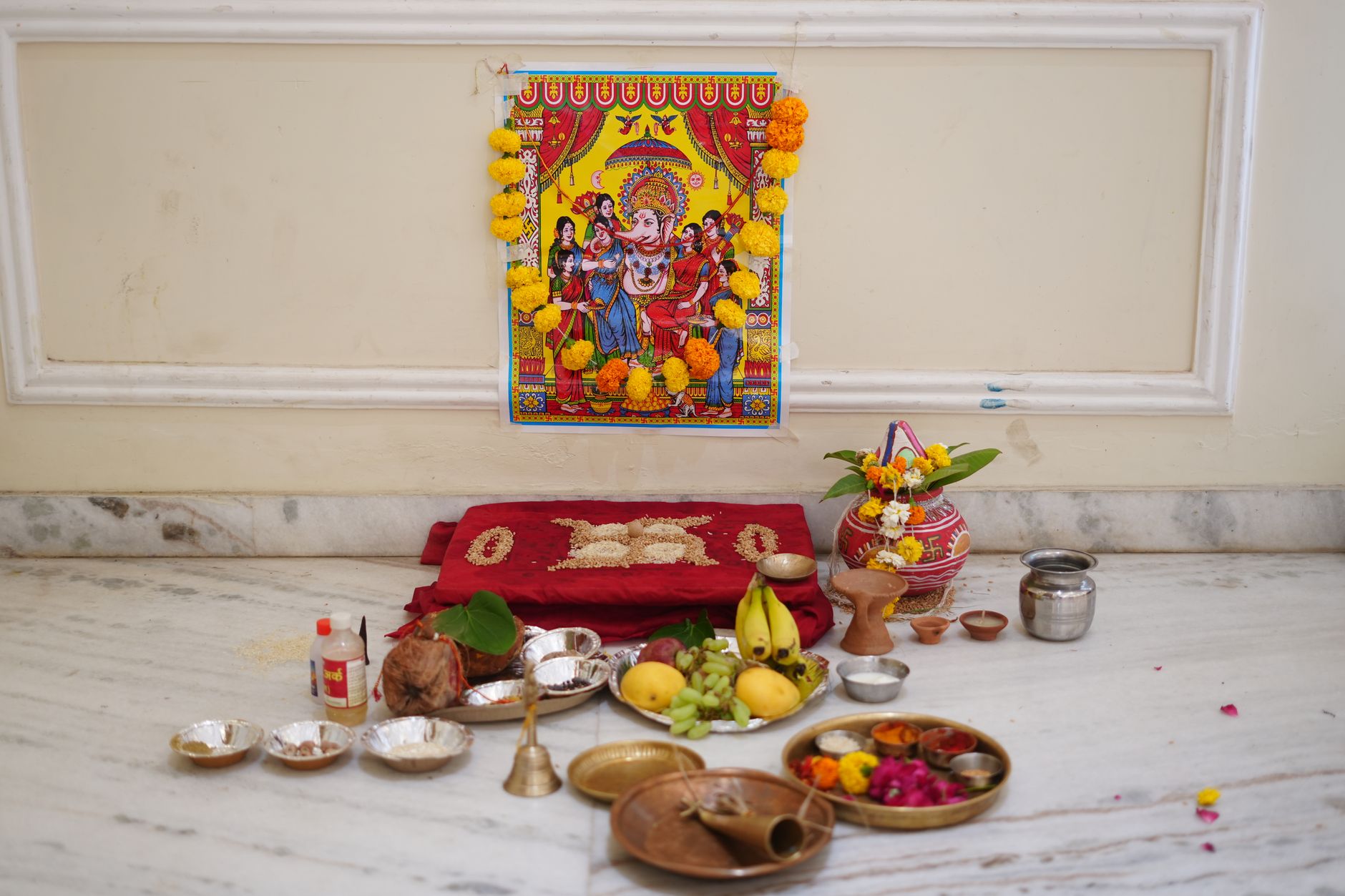
Authentic Kannada Maduve Pooja Kit
Religious cermony in Mysore
Kannada Maduve Pooja Kit: Complete Guide for Mysore Weddings
A Kannada Maduve Pooja Kit is the sacred foundation of every traditional Kannada wedding held across Mysore's grand kalyana mantapas and intimate home ceremonies alike. Assembling the right Kannada wedding pooja samagri — from the turmeric-coated tambula to the sacred agni kund — ensures every ritual flows without interruption on your auspicious muhurta. Whether you are planning a 200-guest celebration at a Mysore palace-facing venue or a close-knit family gathering in Jayalakshmipuram, understanding what goes into this kit saves last-minute panic and honours generations of Vaidika tradition. Happiffie helps Mysore families discover trusted suppliers, verified pandits, and end-to-end ceremony support for a seamless Kannada vivaha experience.
Quick Answer
A Kannada Maduve Pooja Kit is a curated collection of ritual items required for a traditional Kannada Hindu wedding ceremony. It typically includes betel leaves and areca nuts (tambula), turmeric, kumkum, sacred threads (mangalsutra dravya), flowers, coconuts, a copper kalasha, camphor, incense, and grain offerings. In Mysore, ready-made kits are priced between ₹1,500 and ₹8,000 depending on the number of rituals covered and the quality of materials included.
What Does a Kannada Maduve Pooja Kit Contain?
A complete Kannada Maduve Pooja Kit is organised around the major stages of a Kannada wedding: Nandi pooja, Vara Pooja, Saptapadi, and Grihapravesh. Core items include betel leaves (minimum 108 pairs for an elaborate ceremony), areca nuts, fresh coconuts, a copper or brass kalasha, yellow thread (kankanam), turmeric root and powder, kumkum, sandalwood paste, camphor tablets, ghee, sesame seeds, rice grains, mango leaves, banana stems, and a variety of seasonal flowers such as jasmine and marigold. The Maduve pooja items list also covers dhupa (incense sticks), a homa kund or havan samagri set for the agni rituals, and specific cloth offerings for the bride and groom. In Mysore, many suppliers provide laminated item checklists alongside the kit so the family priest can verify completeness before the ceremony begins. Larger kits for 300-plus-guest weddings often add extra quantities of panchapatra sets, silver or gold-plated vessels, and navadhanyas (nine grains) for the purnahuti. Knowing the full contents in advance prevents mid-ritual shortages, which are among the most stressful disruptions at a Kannada vivaha pooja.
How Much Does a Kannada Maduve Pooja Kit Cost in Mysore?
Pricing for a Kannada Maduve Pooja Kit in Mysore varies by ritual coverage and material quality. A basic kit covering the core vivaha rituals — turmeric, kumkum, tambula, camphor, and single-set vessels — typically costs between ₹1,500 and ₹2,500. A mid-range kit that adds homa samagri, navadhanyas, and brass vessels runs from ₹3,000 to ₹5,000. A premium traditional Kannada vivaha pooja kit with silver-plated puja vessels, imported flowers, organic ghee, and pandit-verified item quantities can reach ₹6,000 to ₹8,000 or more. Mysore's Devaraja Market and the shop lanes around K.R. Circle are the traditional sourcing hubs, where you can negotiate bundle pricing if buying for a multi-day ceremony. Hindu wedding ritual supplies purchased in bulk for combined events like Naandi and Vivaha on consecutive days often attract a 10–15% discount. It is worth noting that Mysore palace-facing banquet halls sometimes partner with local suppliers, allowing families to pre-order kits as part of a venue package, which adds convenience but can reduce customisation. Always ask for an itemised invoice so your presiding pandit can cross-check Kannada marriage ritual essentials before the ceremony starts.
Why Mysore Families Prefer Locally Sourced Pooja Samagri
Mysore has a centuries-old tradition of supporting artisanal religious-supply shops, particularly in the Agrahara and Saraswathipuram neighbourhoods, where families have sourced Kannada wedding pooja samagri for generations. Locally procured items — turmeric roots from the Mysore region, jasmine garlands from flower vendors near the Mysore Flower Market, and handcrafted brass kalashas from Devaraja Market — carry both ritual authenticity and environmental freshness. Fresh turmeric, sourced locally, is considered more spiritually potent in Vaidika traditions than the pre-ground packaged variety. A South Indian wedding ceremony checklist prepared with local sourcing in mind also helps you align item availability with seasonal flower calendars. Mysore weddings held during the Brahmotsava season or around Dasara tend to have higher flower demand; booking your samagri supplier at least three weeks in advance is strongly advised during these periods. Working with a Mysore wedding pandit services provider ensures the Maduve pooja items list is customised to your family's specific gotra-based rituals, avoiding generic kits that may omit lineage-specific offerings.
How to Choose the Right Kannada Maduve Pooja Kit for Your Ceremony?
Selecting the right Kannada Maduve Pooja Kit starts with a conversation with your family priest or pandit, who will outline the specific rituals planned — some Smartha families perform additional rituals like Ashirvada Pooja or Nagaradhane that require supplementary items not included in standard kits. Once you have the Maduve pooja items list from your pandit, cross-reference it with what the kit supplier provides and note any gaps. For a traditional Kannada vivaha pooja kit meant for an auspicious muhurta booking Mysore families have fixed weeks in advance, timing the delivery of perishable items like flowers, fresh coconut, and banana stems is critical — these should arrive no more than 12–18 hours before the ritual. For larger ceremonies (400+ guests) at venues in Vijayanagar or Kuvempunagar, consider ordering two separate kits: one for the main wedding hall rituals and one for the reception-side Grihapravesh ceremony. Confirm whether the supplier provides a replacement guarantee for missing or damaged items, as replacing individual ritual articles on the wedding morning in Mysore can be time-consuming. Happiffie connects Mysore families with verified suppliers who offer pre-delivery checklist confirmation, giving you confidence before the ceremony begins.
What Are Common Mistakes to Avoid When Sourcing Wedding Ritual Essentials in Mysore?
The most frequent mistake Mysore families make is ordering a Kannada Maduve Pooja Kit based solely on price without cross-checking the Maduve pooja items list against their pandit's ritual plan. A cheap kit missing navadhanyas or the correct thread count for the kankanam can disrupt the ceremony flow and require a pandit to pause rituals mid-way — considered inauspicious in Kannada tradition. Another common error is ignoring the quality of ghee included; many budget kits substitute refined oil or low-grade ghee, which affects both the homa flame and the ritual's sanctity according to Vaidika guidelines. Families sourcing Kannada wedding pooja samagri from generic online marketplaces without Mysore-specific knowledge often receive items calibrated for North Indian rituals — incorrect vessel shapes, wrong thread counts, or missing region-specific herbs like kushagram. A South Indian wedding ceremony checklist tailored for Kannada Smartha or Madhwa families will differ notably from a generic all-India wedding pooja pack. Additionally, overlooking the logistics of delivering perishable items to venues in outer Mysore localities like Hootagalli or Hebbal can result in wilted flowers and unusable fresh coconuts. Booking through Happiffie ensures vendor accountability, local expertise, and ritual-specific customisation for your Mysore wedding.
Kannada Maduve Pooja Kit Options Compared for Mysore Weddings
Expert Recommendation
Best for Intimate Home Ceremonies (Under 50 Guests)
Best for Grand Mysore Kalyana Mantapa Weddings (200–500 Guests)
Best for Budget-Conscious Families
Best for Multi-Day Ceremony Packages
Best for Destination Weddings Near Mysore
Best for Couples Marrying Across Sub-Traditions
How to Choose the Right Option
✅ Pre-booking Checklist
- Obtain the complete Maduve pooja items list from your presiding pandit before approaching any supplier
- Confirm whether your family follows Smartha, Madhwa, or another Kannada sub-tradition to ensure gotra-specific items are included
- Book dry samagri supplies at least 2–3 weeks before the wedding date, especially during Dasara or peak winter season
- Schedule fresh perishables — flowers, coconuts, banana stems — for delivery 12–18 hours before the ceremony
- Verify ghee quality: confirm it is pure cow's ghee (gavya ghee) rather than refined oil or blended fat
- Request an itemised delivery invoice to cross-check against your pandit's Kannada marriage ritual essentials list on arrival
- Confirm the supplier's replacement policy for missing or damaged items and save their contact for the wedding morning
- For venues in outer Mysore localities (Hootagalli, Hebbal, Nanjangud Road), verify the supplier's delivery radius and lead time
🎯 Selection Criteria
- Ritual completeness: does the kit cover all ceremonies planned — Naandi, Vivaha, Saptapadi, Grihapravesh?
- Ingredient authenticity: are turmeric, ghee, and grains sourced to Vaidika quality standards?
- Sub-tradition customisation: can the supplier adjust the Maduve pooja items list for your specific lineage?
- Supplier reliability: does the vendor have verifiable experience supplying Mysore wedding ceremonies?
- Delivery logistics: can fresh and dry items be delivered separately to your Mysore venue address?
- Pricing transparency: is an itemised quote provided, with no hidden charges for last-minute additions?
💰 Cost / Quality Factors
- Vessel material (brass vs. silver-plated vs. copper) significantly affects both cost and ritual validity
- Organic or farm-sourced ghee costs 40–60% more than commercial ghee but is preferred for homa rituals
- Flower variety and quantity scale with guest count and number of ritual stages, raising perishable costs
- Bulk purchasing for multi-day ceremonies reduces per-unit cost but requires careful storage planning
- Pandit consultation fees are separate from kit costs and range from ₹5,000 to ₹25,000 in Mysore based on ceremony complexity
- Seasonal demand during Dasara and winter wedding season (November–February) increases samagri prices by 10–20% in Mysore
⚠️ Common Mistakes to Avoid
- Ordering a generic all-India kit without verifying it aligns with Kannada Vaidika ritual requirements
- Skipping pandit consultation before purchasing, resulting in a kit that misses lineage-specific items
- Ignoring ghee quality — using refined oil or low-grade fat invalidates the sanctity of homa rituals in most Kannada traditions
- Sourcing perishables (flowers, coconuts) days in advance, causing them to wilt or decay before the ceremony
- Underestimating quantities for large-guest ceremonies, leading to mid-ritual shortages that disrupt the sacred schedule
- Failing to confirm delivery logistics to outer Mysore venues, resulting in late or incomplete arrivals on the wedding morning
People Also Ask
What is included in a standard Kannada Maduve Pooja Kit?
Where can I buy a Kannada Maduve Pooja Kit in Mysore?
How far in advance should I order my Maduve pooja items in Mysore?
Is a pre-packaged kit better than sourcing items individually in Mysore?
What is the average cost of a Kannada Maduve Pooja Kit in Mysore?
Can I customise a Kannada Maduve Pooja Kit for Madhwa or Smartha rituals?
Do Mysore wedding venues provide pooja kits as part of their package?
What role does a pandit play in finalising the pooja kit for a Mysore wedding?
Related Experiences on Happiffie
Sacred Pooja Supplies for Gujarati Weddings
Sacred Marwari Pooja Essentials in Munnar
Sacred Rituals, Perfectly Assembled
Sacred Rituals, Perfectly Arranged
Sacred Vedic Rituals in the Nilgiris
Authentic South Indian Wedding Decor, Jaipur
Hindu Wedding Rituals Explained
Frequently Asked Questions
What is a Kannada Maduve Pooja Kit and why is it important for a Mysore wedding?
Can I order a Kannada Maduve Pooja Kit online and get it delivered in Mysore?
How is a Kannada Maduve Pooja Kit different from a generic Hindu wedding pooja kit?
What is the best time to finalise my Maduve pooja items list in Mysore?
Does Happiffie help with Mysore wedding pandit services alongside the pooja kit?
Are there eco-friendly or organic options for a Kannada Maduve Pooja Kit in Mysore?
What happens if an item is missing from my Kannada Maduve Pooja Kit on the wedding day?
Is there a difference in the Kannada Maduve Pooja Kit required for morning versus evening wedding ceremonies in Mysore?
Key Takeaways
- A Kannada Maduve Pooja Kit is the ritual backbone of every traditional Kannada wedding, covering ceremonies from Nandi Pooja to Grihapravesh.
- In Mysore, kit prices range from ₹1,500 (basic) to ₹8,000+ (premium with silver vessels and organic ghee), with mid-range kits at ₹3,000–₹5,000 being the most common choice.
- Always obtain the Maduve pooja items list from your presiding pandit before purchasing, as ritual requirements differ between Smartha, Madhwa, and other Kannada sub-traditions.
- Locally sourced samagri from Mysore's Devaraja Market and Agrahara neighbourhood offers maximum freshness and authenticity for turmeric, ghee, and seasonal flowers.
- Book dry items 2–3 weeks ahead and schedule perishable delivery 12–18 hours before the ceremony to maintain ritual quality.
- Venue-bundled kits offer convenience but may lack gotra-specific customisation — always cross-check with your pandit's requirements.
- Happiffie connects Mysore families with verified, pandit-approved suppliers who offer itemised invoices, local delivery, and replacement guarantees for a stress-free Kannada vivaha experience.
Plan Your Perfect Kannada Maduve Ceremony in Mysore
Connect with verified pooja samagri suppliers and experienced pandits through Happiffie — pandit-approved kits, local delivery, and complete ritual support for your Mysore wedding.
Explore Mysore Vendors
Are you a Vendor? Grow Your Business with Happiffie!
- High intent verified leads
- Reverse auction opportunities
- AI business tools & insights
- Dedicated vendor dashboard
- Grow your business, your way
It's free & takes less than 2 minutes!