

Explore All Religious Ceremonies
Discover traditional rituals, wedding ceremonies, spiritual occasions and meaningful cultural celebrations in Chennai, with trusted services to honour every tradition.
Give Thoughtfully,
Celebrate with Happiffie
From personalised gifts and curated collections to thoughtful presents for every occasion, Happiffie helps you discover gifting options that make celebrations more meaningful and memorable.
- Thoughtful Gift DiscoveryFind gifting options suited to every celebration and occasion
- Personalised GiftingDiscover customised gifts made to create meaningful moments
- Trusted Gift ProvidersConnect with reliable gifting professionals and service providers
Popular Religious Ceremonies
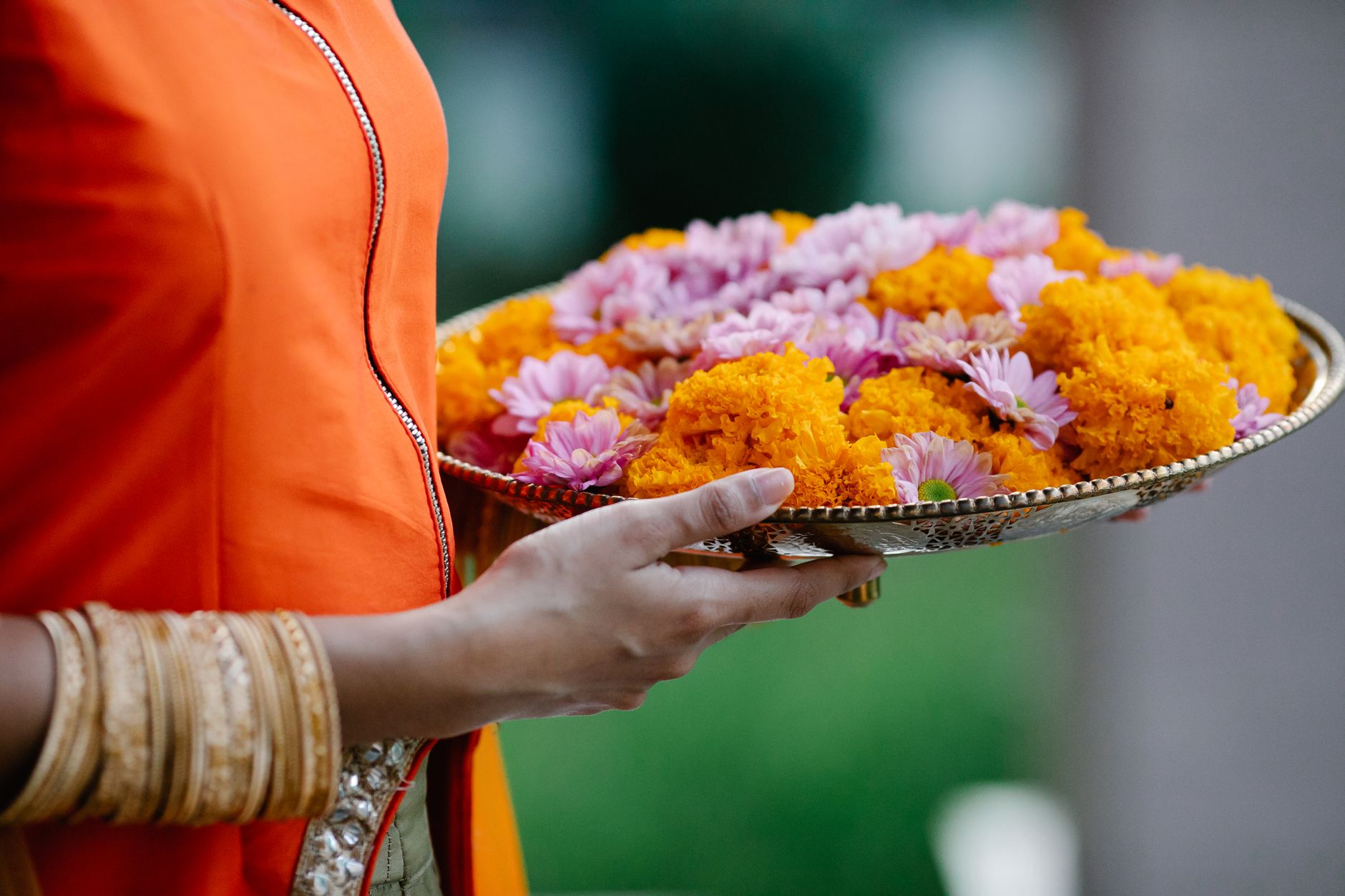 Artificial Flower Baskets
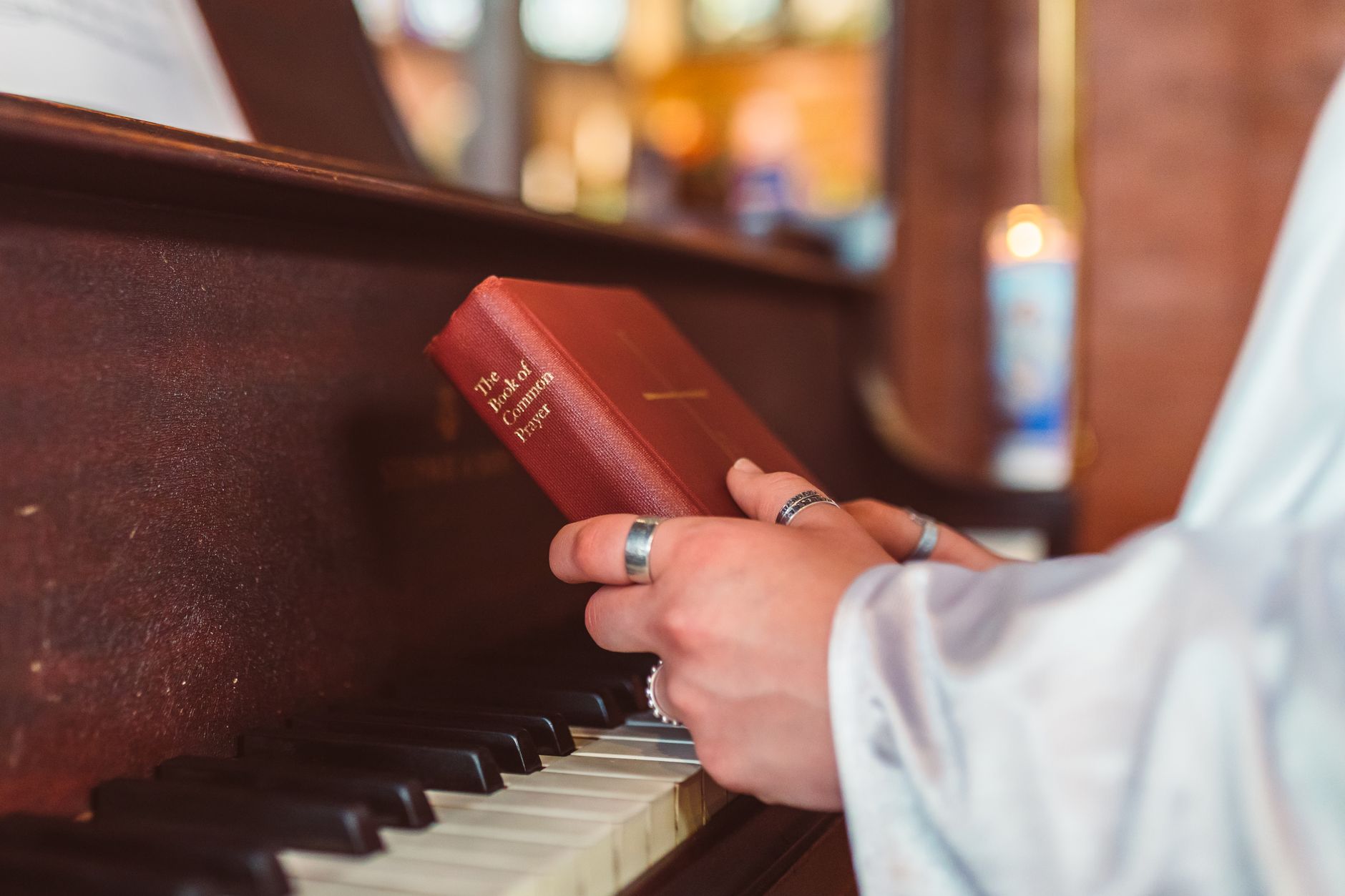 Bilingual Church Choir
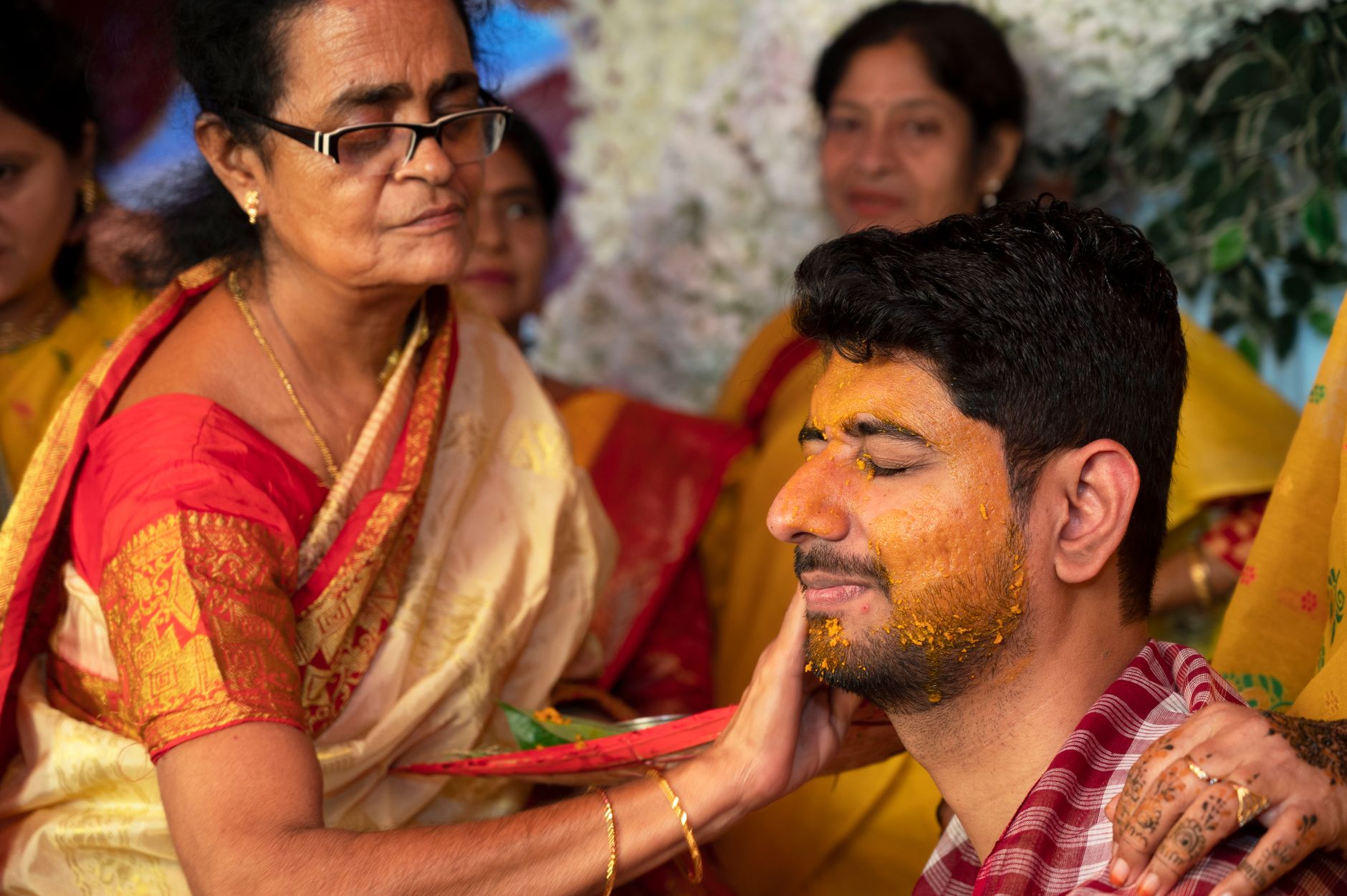 Brahmin Kalyana Mandapam Ritual Items
 Champagne Wall Service
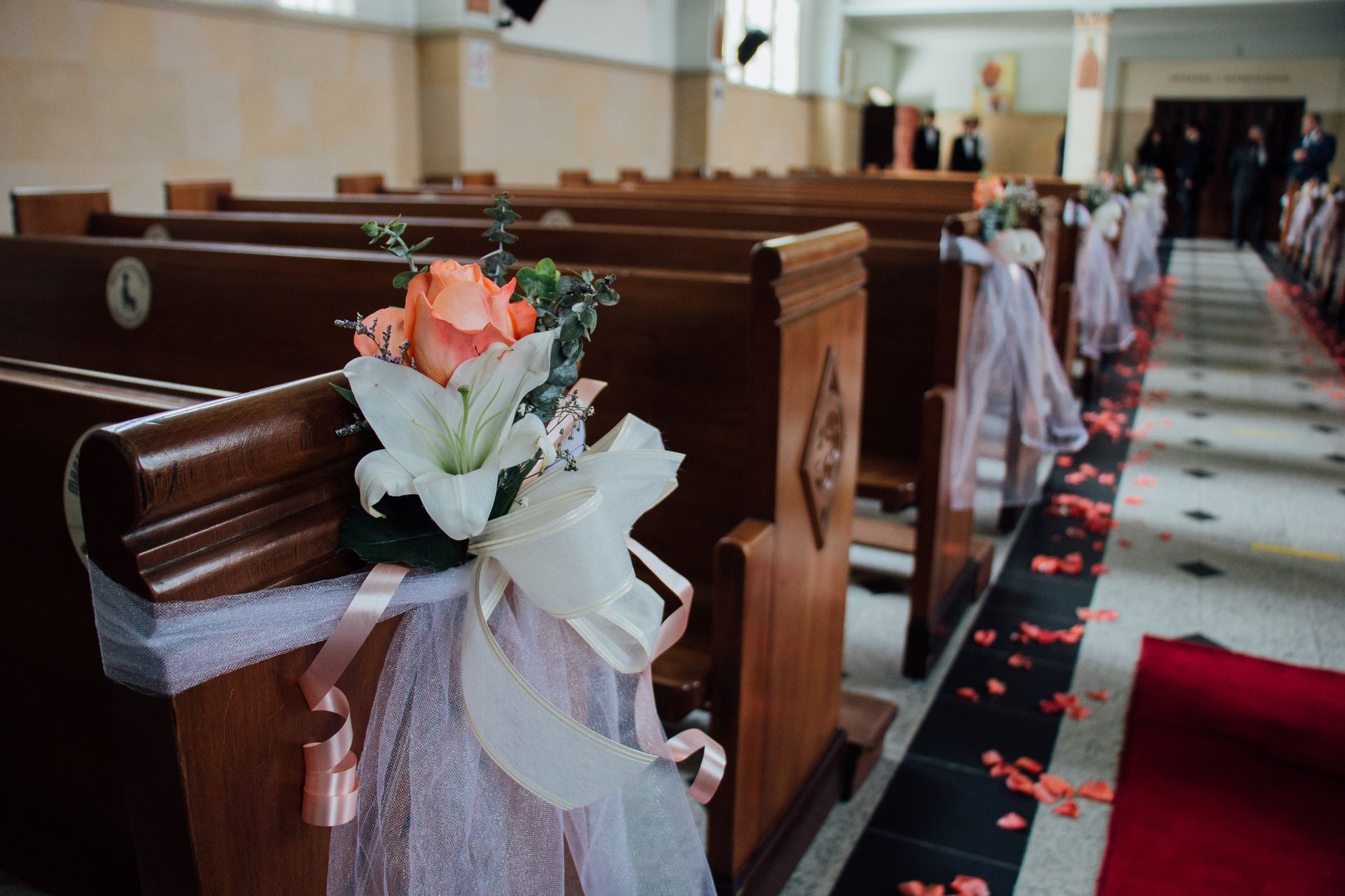 Church Pew Decorations
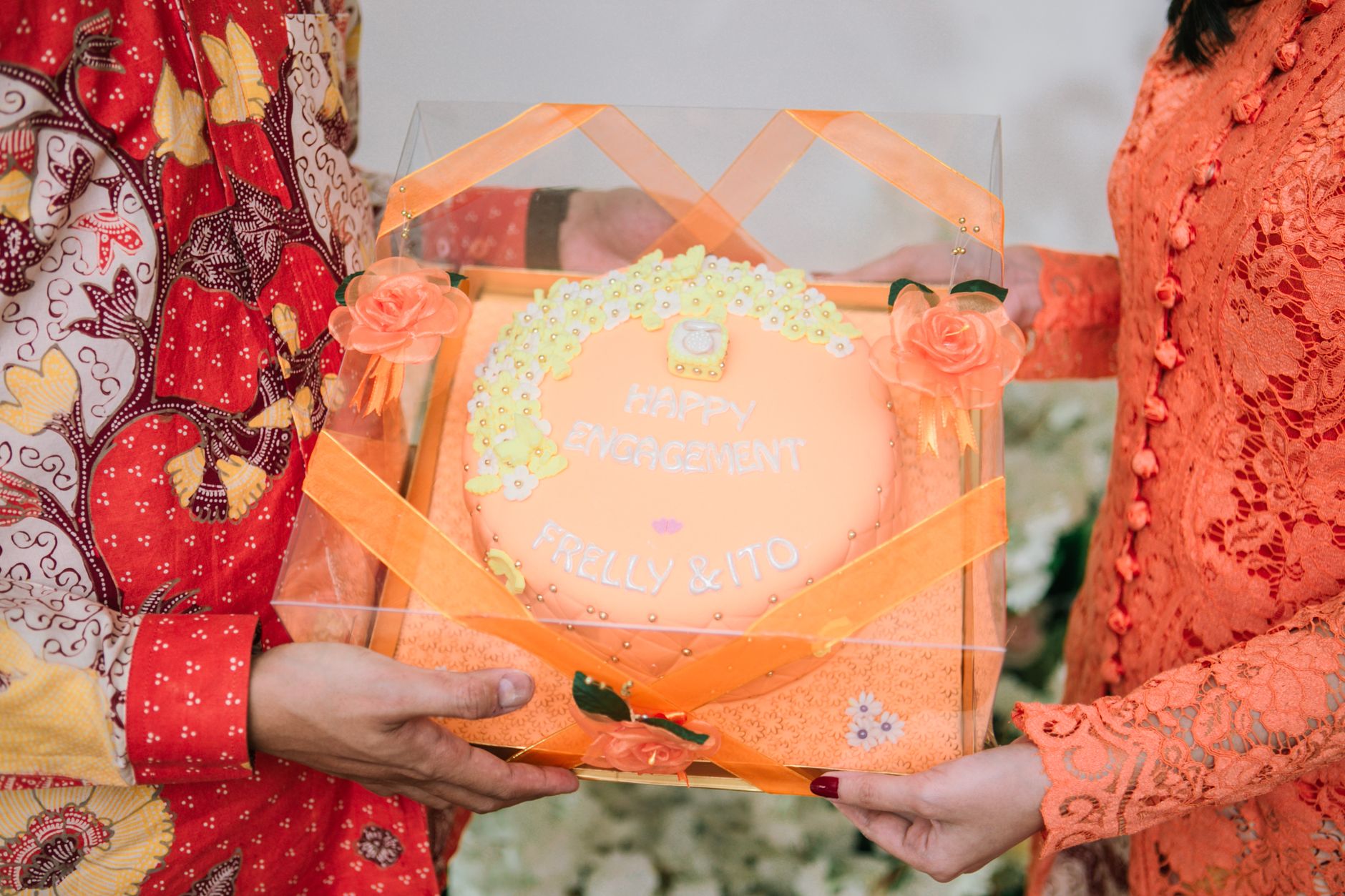 Designer Ceremony Cakes
 Dosha Analysis Service
 English Marriage Officiant
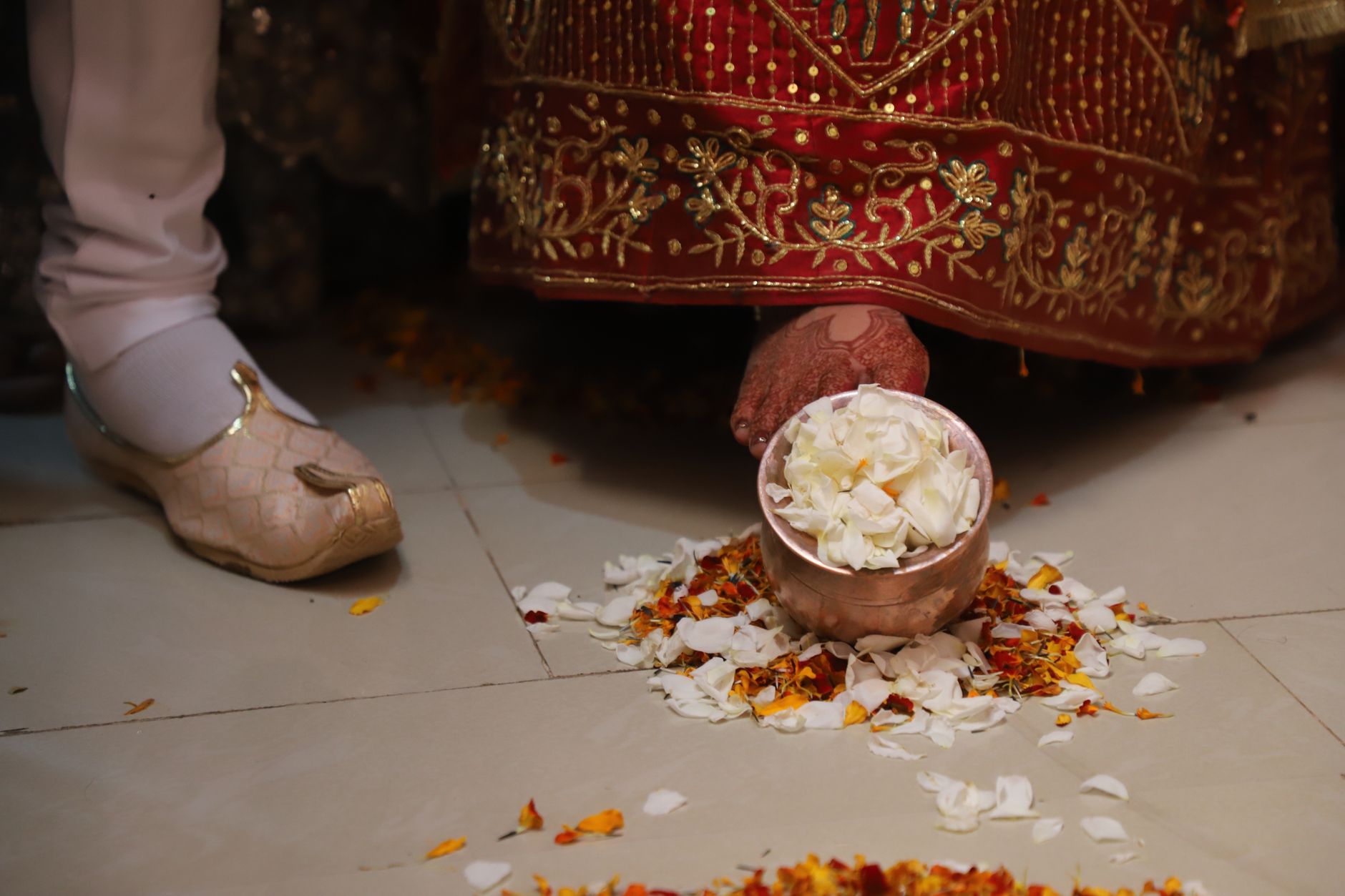 Gujarati Homam Samagri
 Gujarati Marriage Ritual Streaming
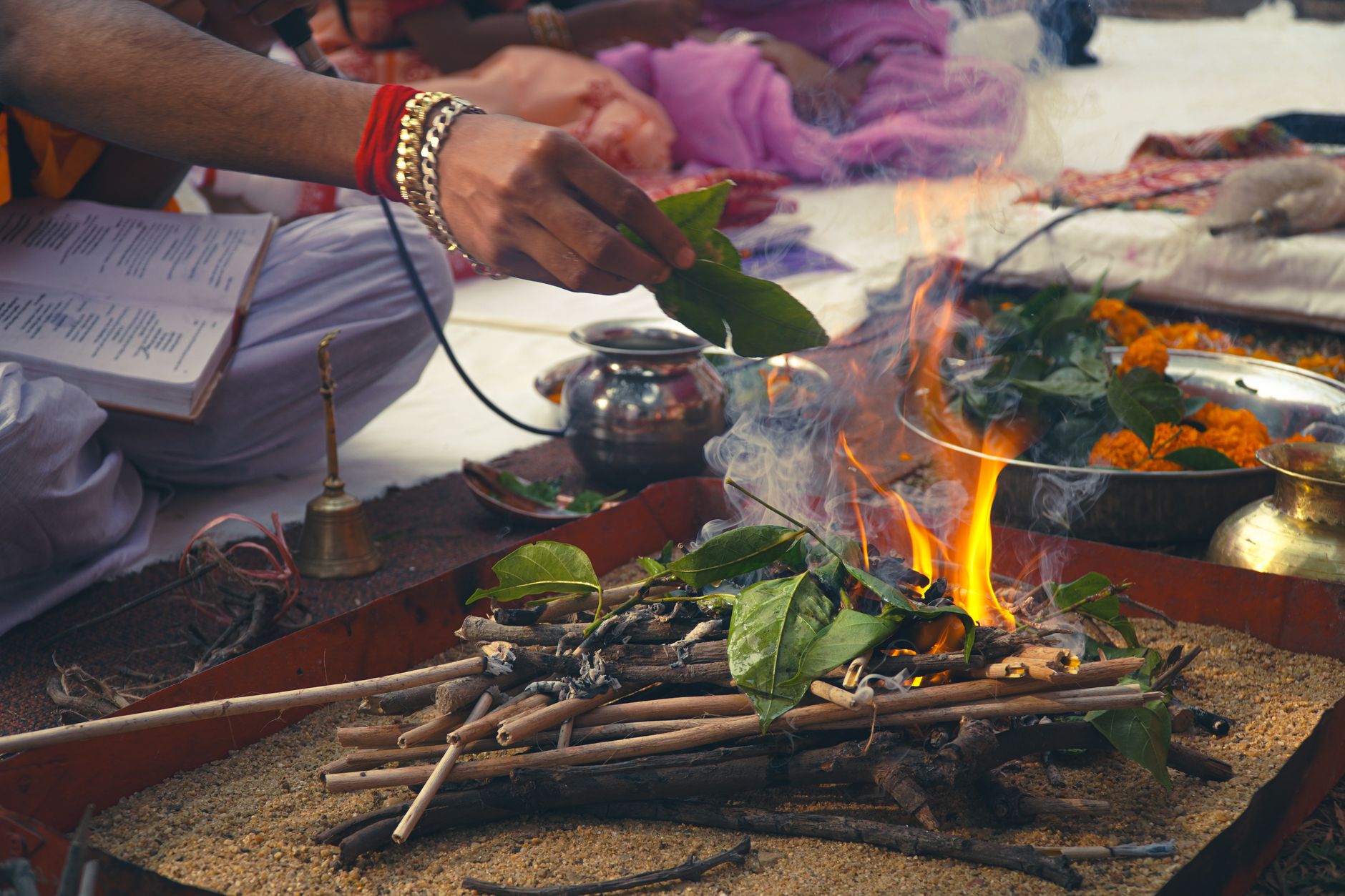 Homam Devotional Music
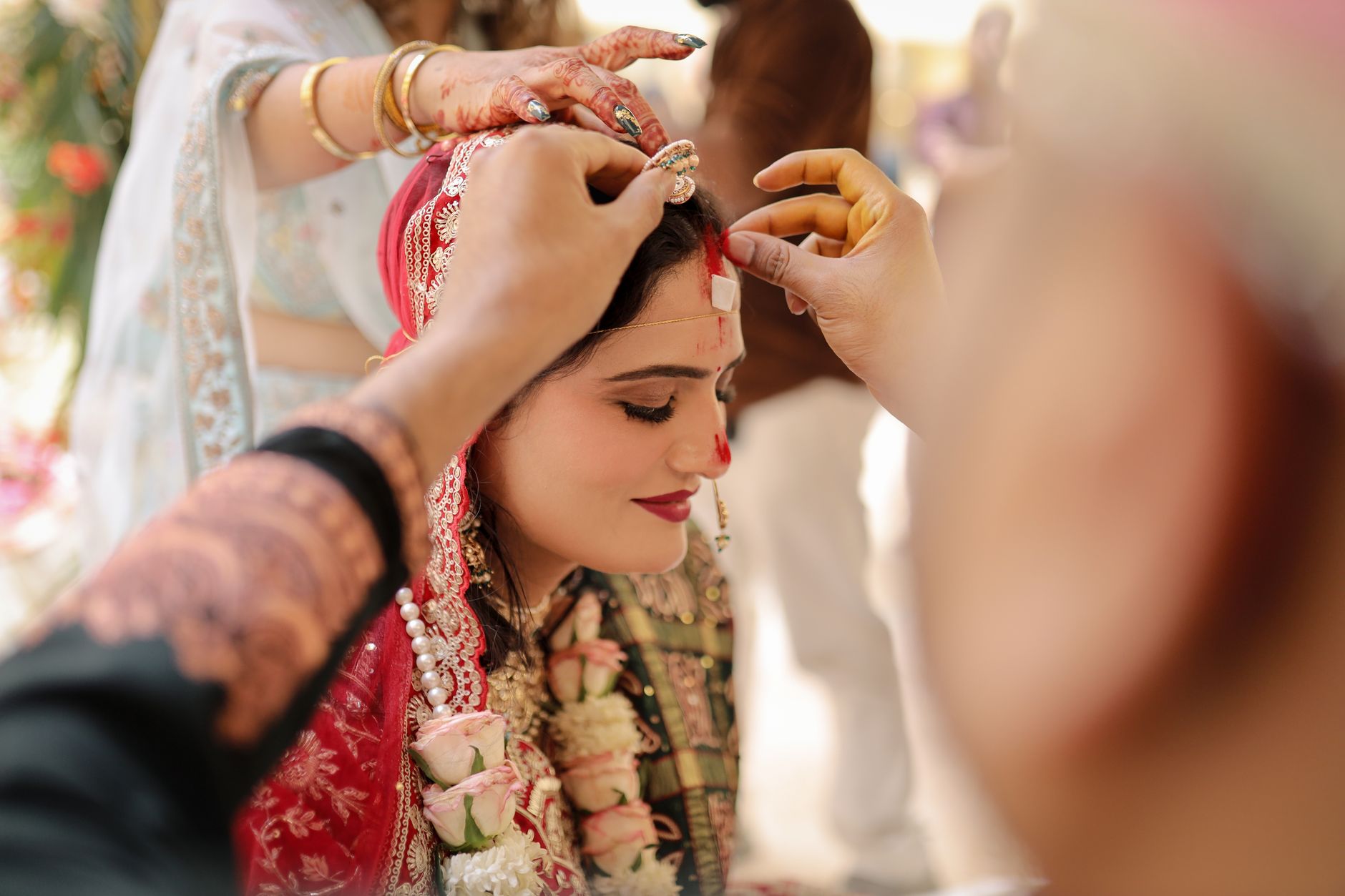 Jain Bride Ritual Items
 Kannada Silver Ceremony Articles
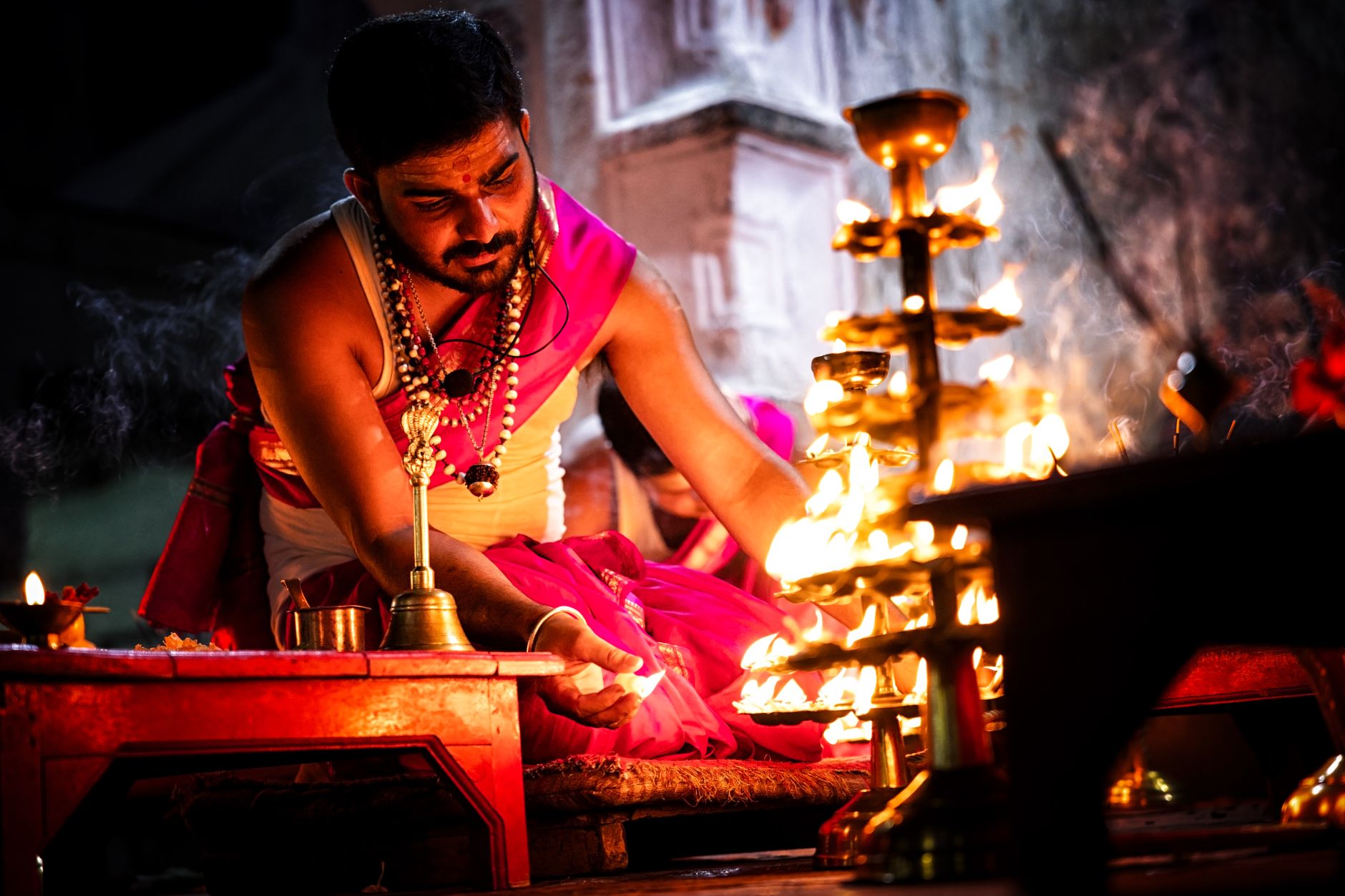 Kannada Speaking Priest
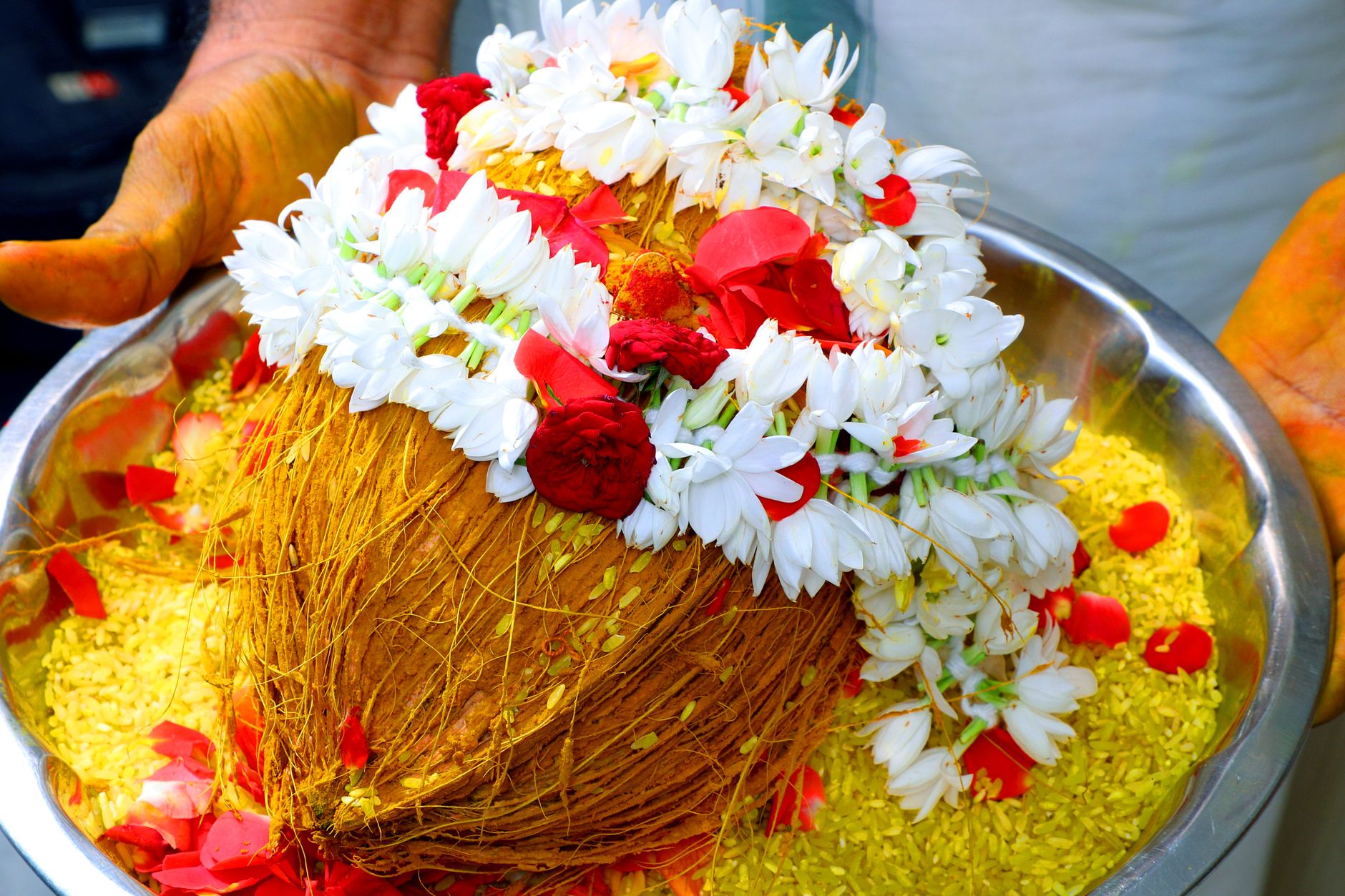 Kerala Jasmine Garland Sets
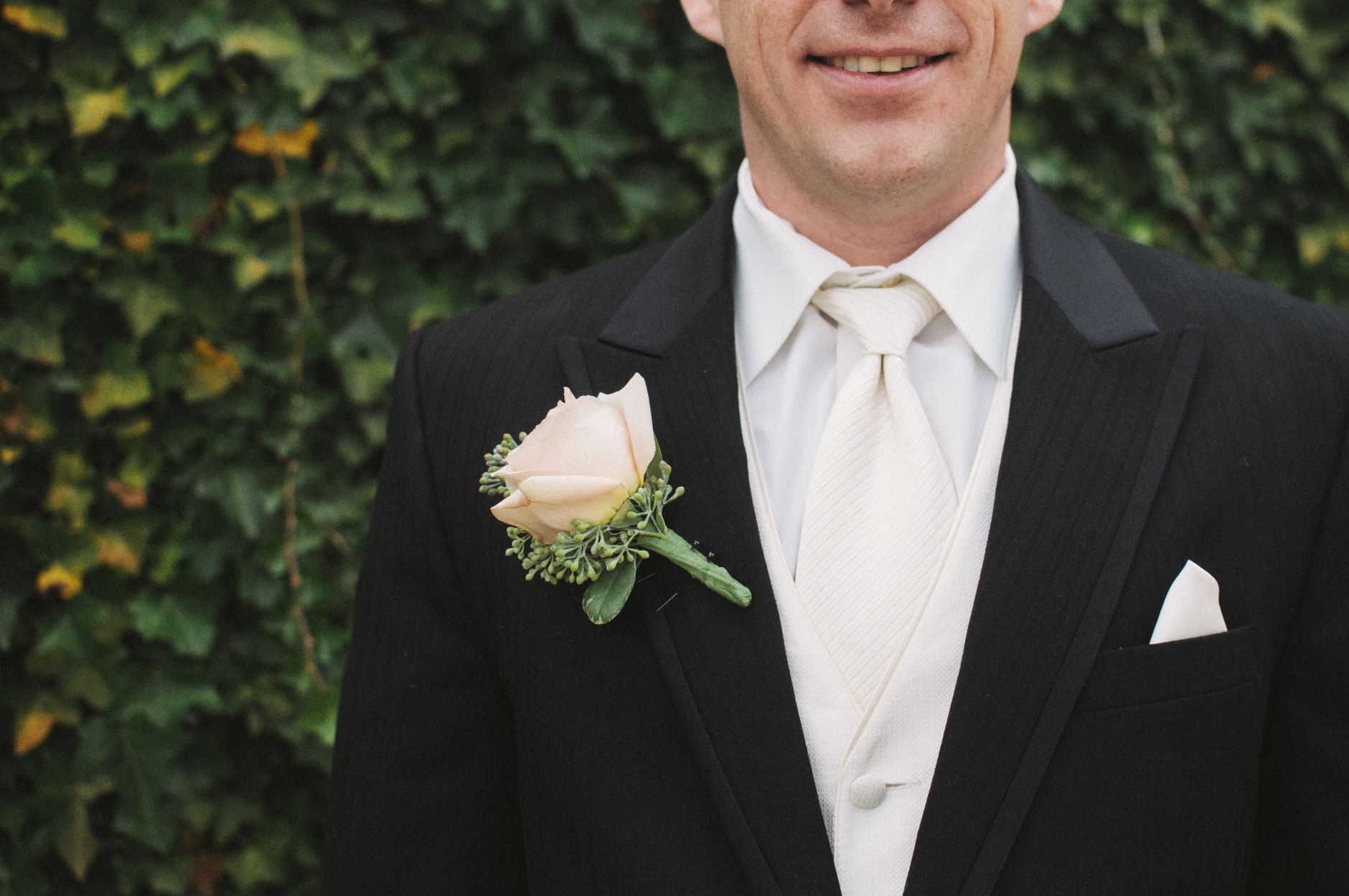 Luxury Boutonniere
 Luxury Sedan Decoration
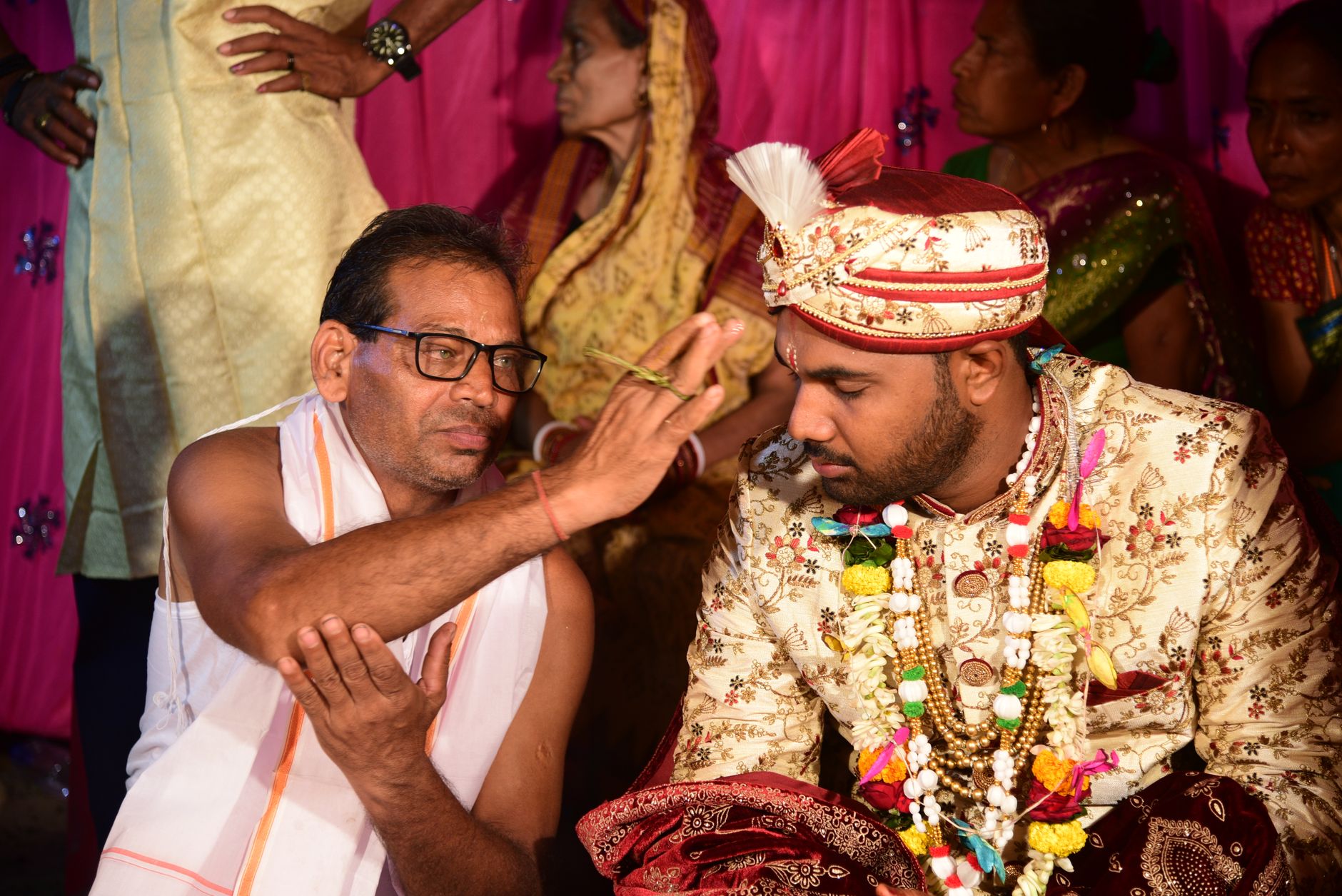 Marwari Sehra Ceremony Supplies
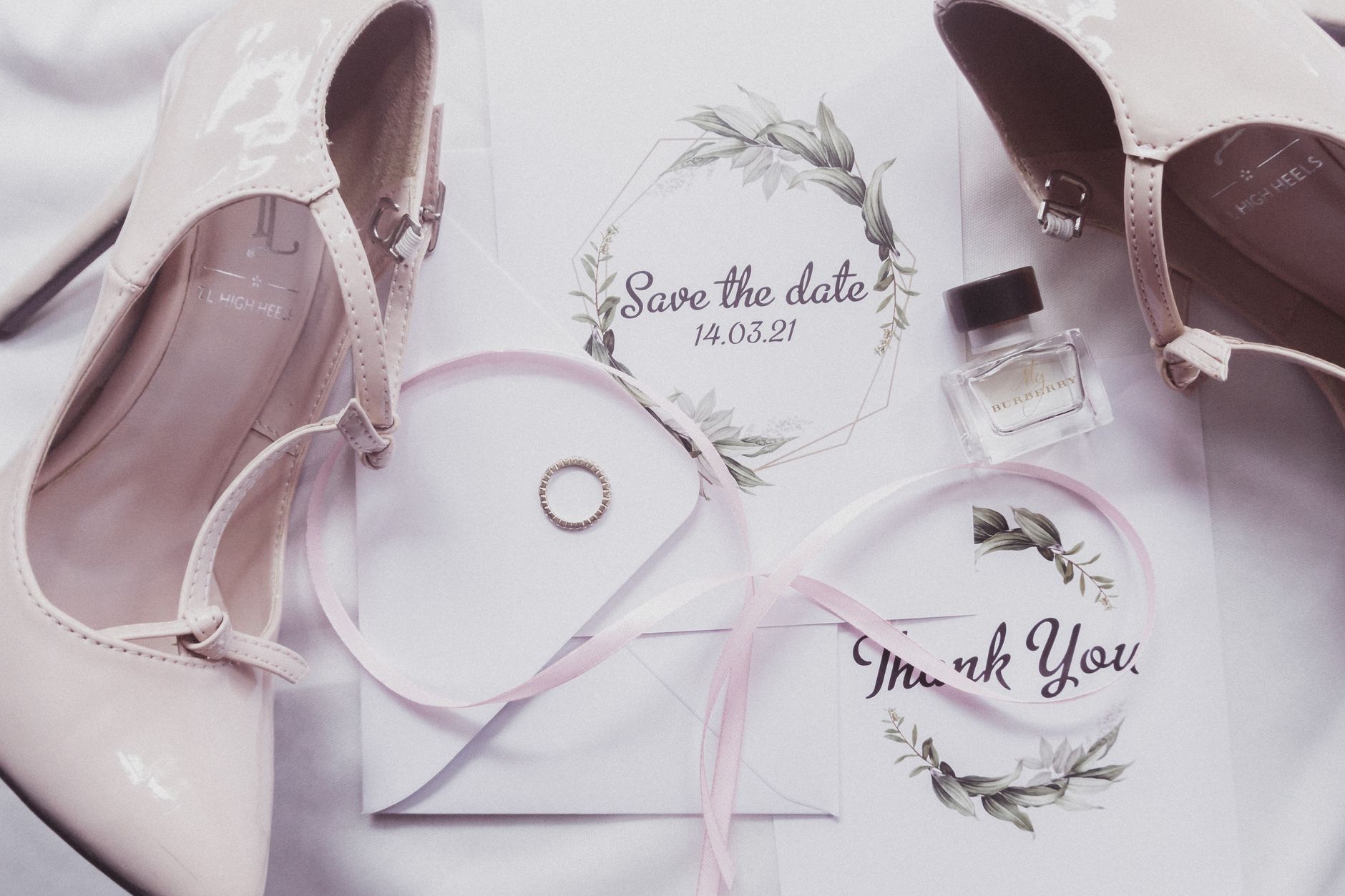 Mini Perfume Favours
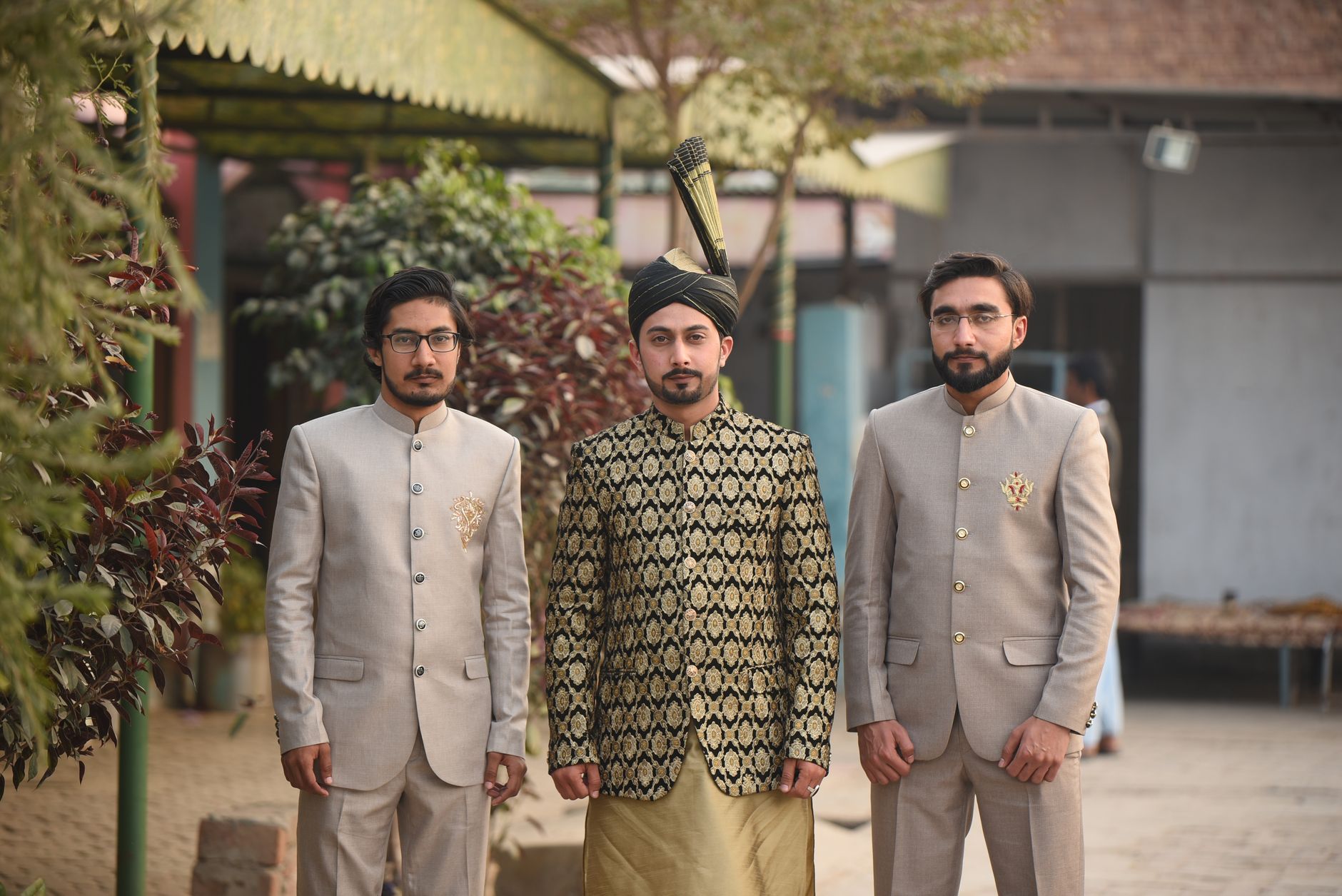 Muslim Groom Accessories
 Remote Controlled Fog Machines
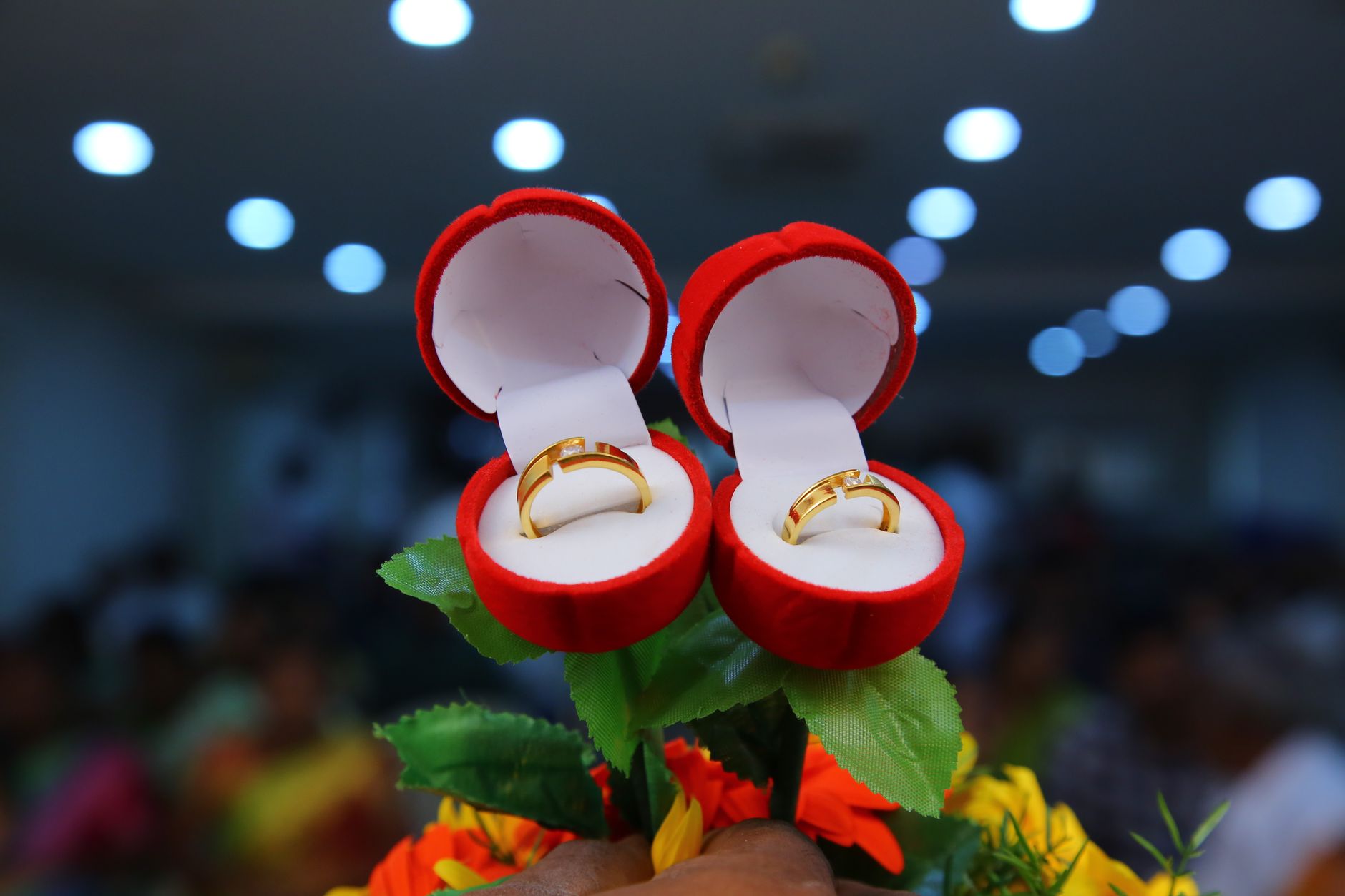 Rotating Ring Display
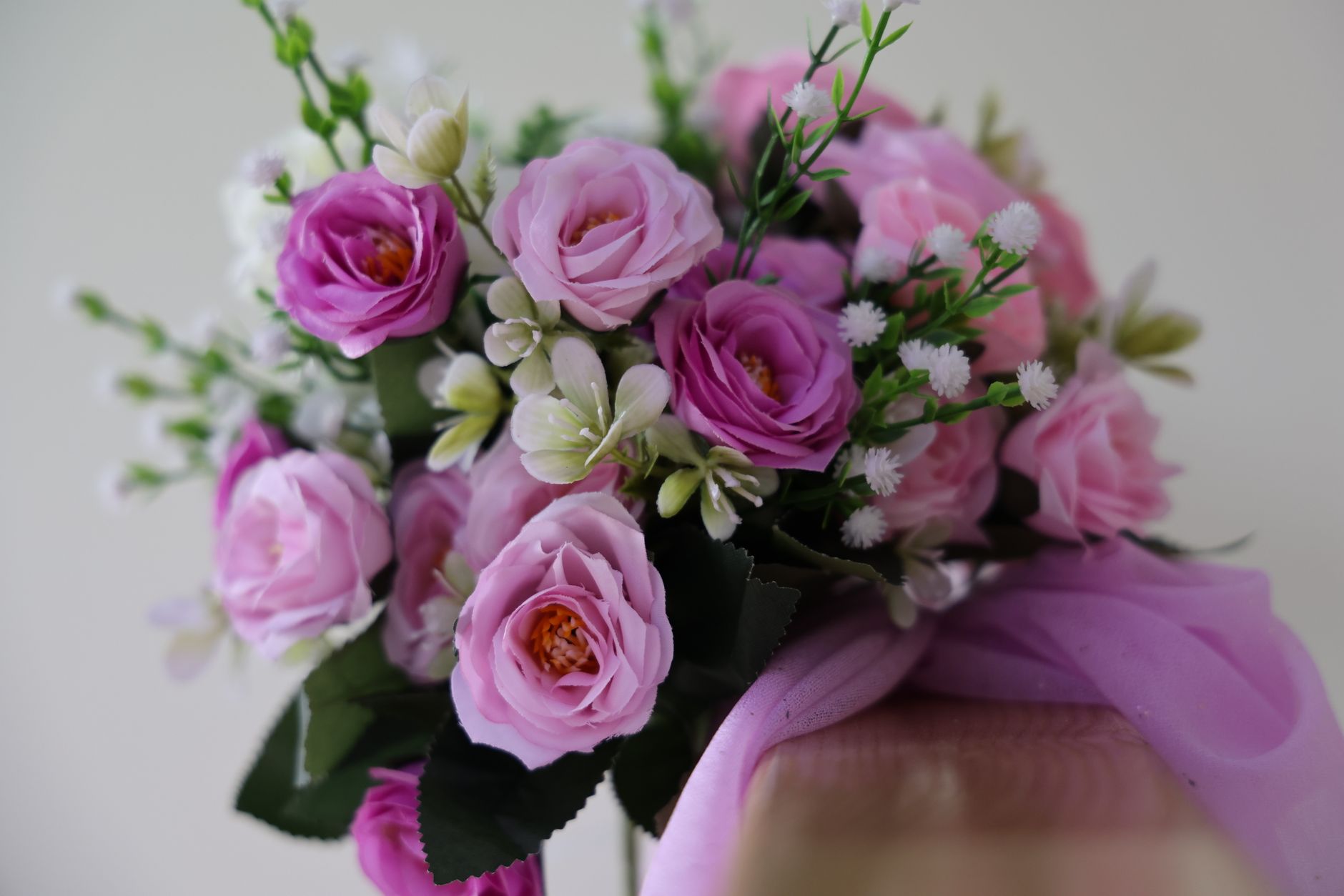 Round Bridal Bouquets
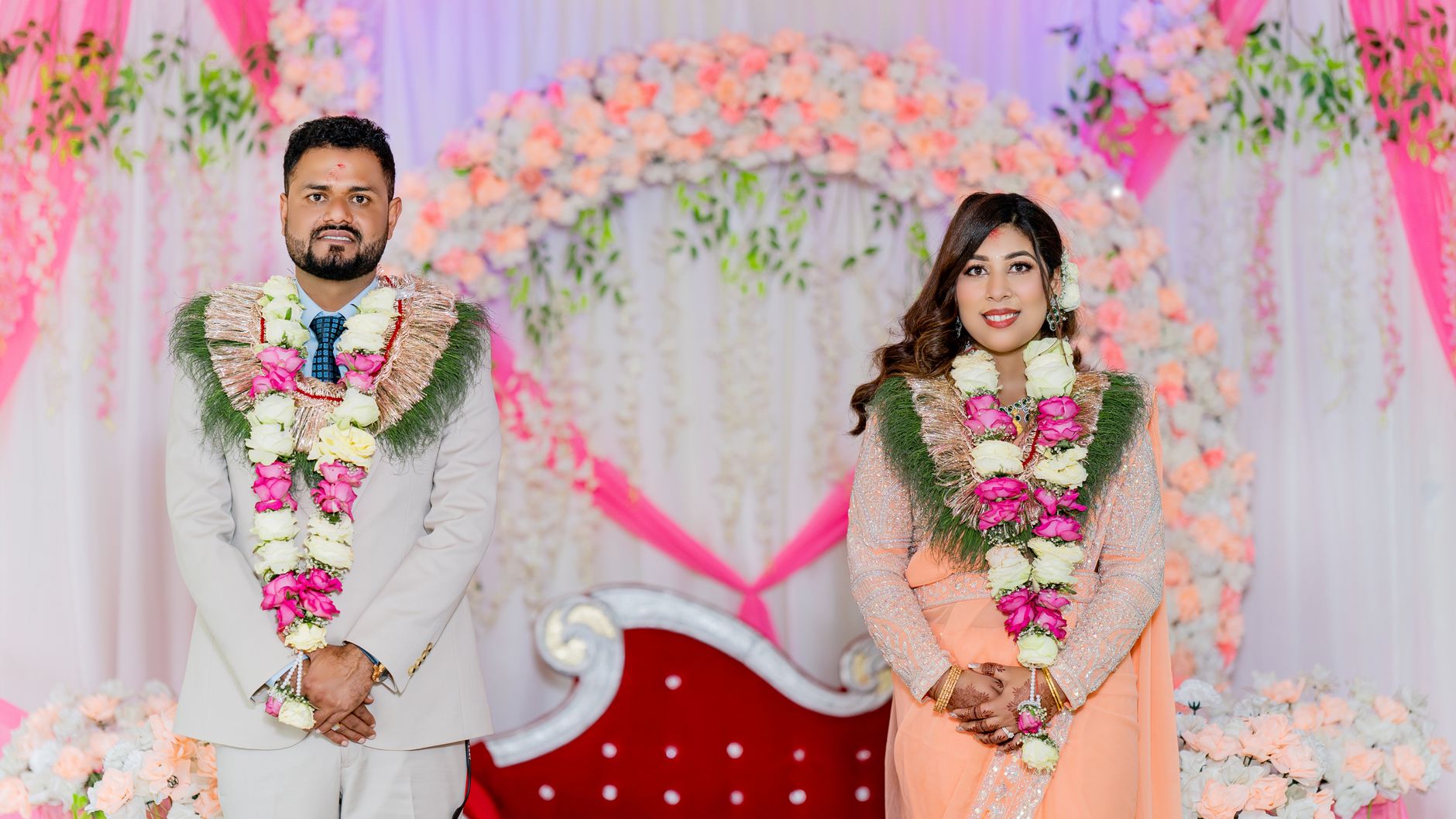 Royal Varmala
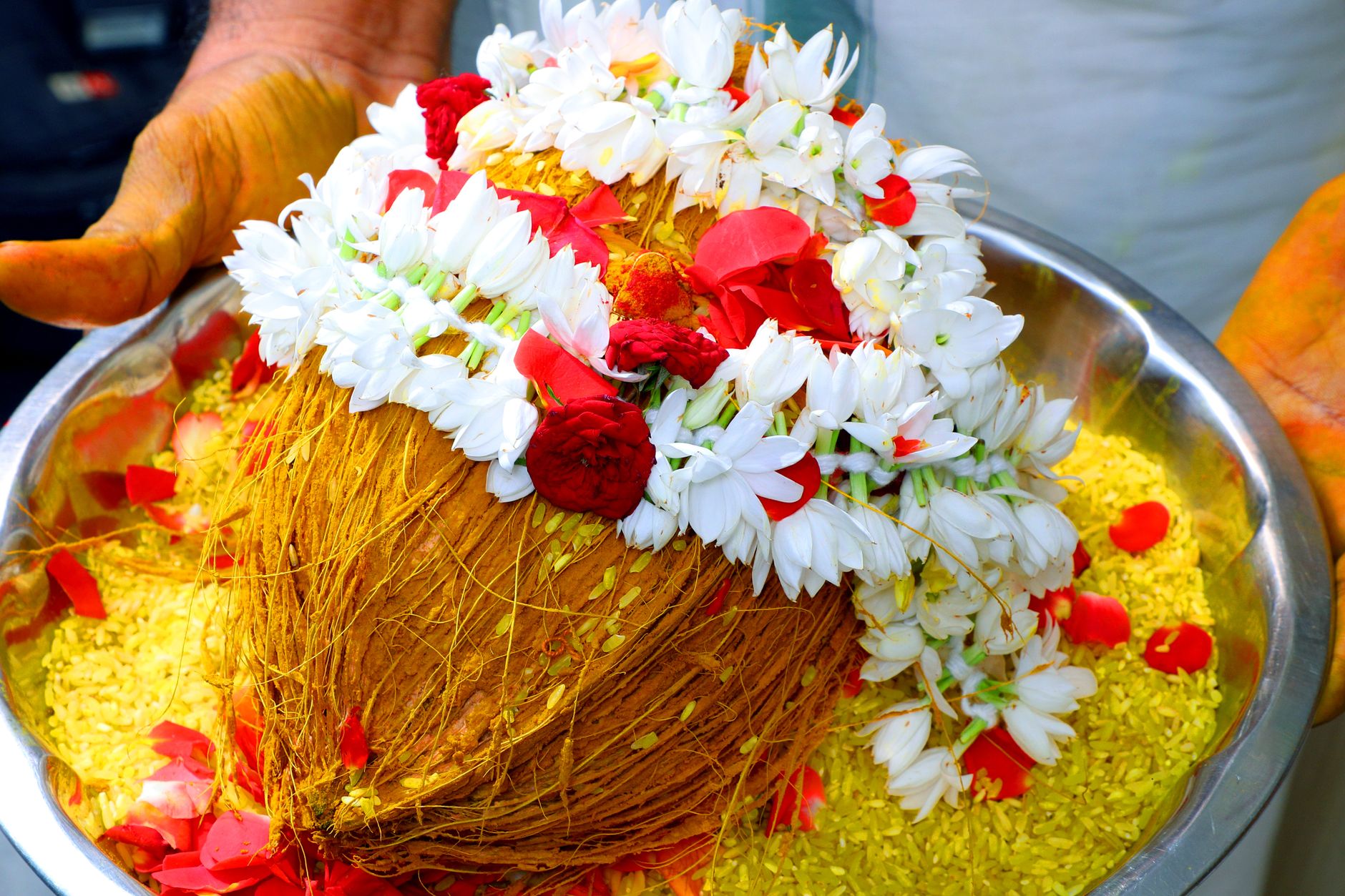 Tamil Kalyanam Ceremony Items
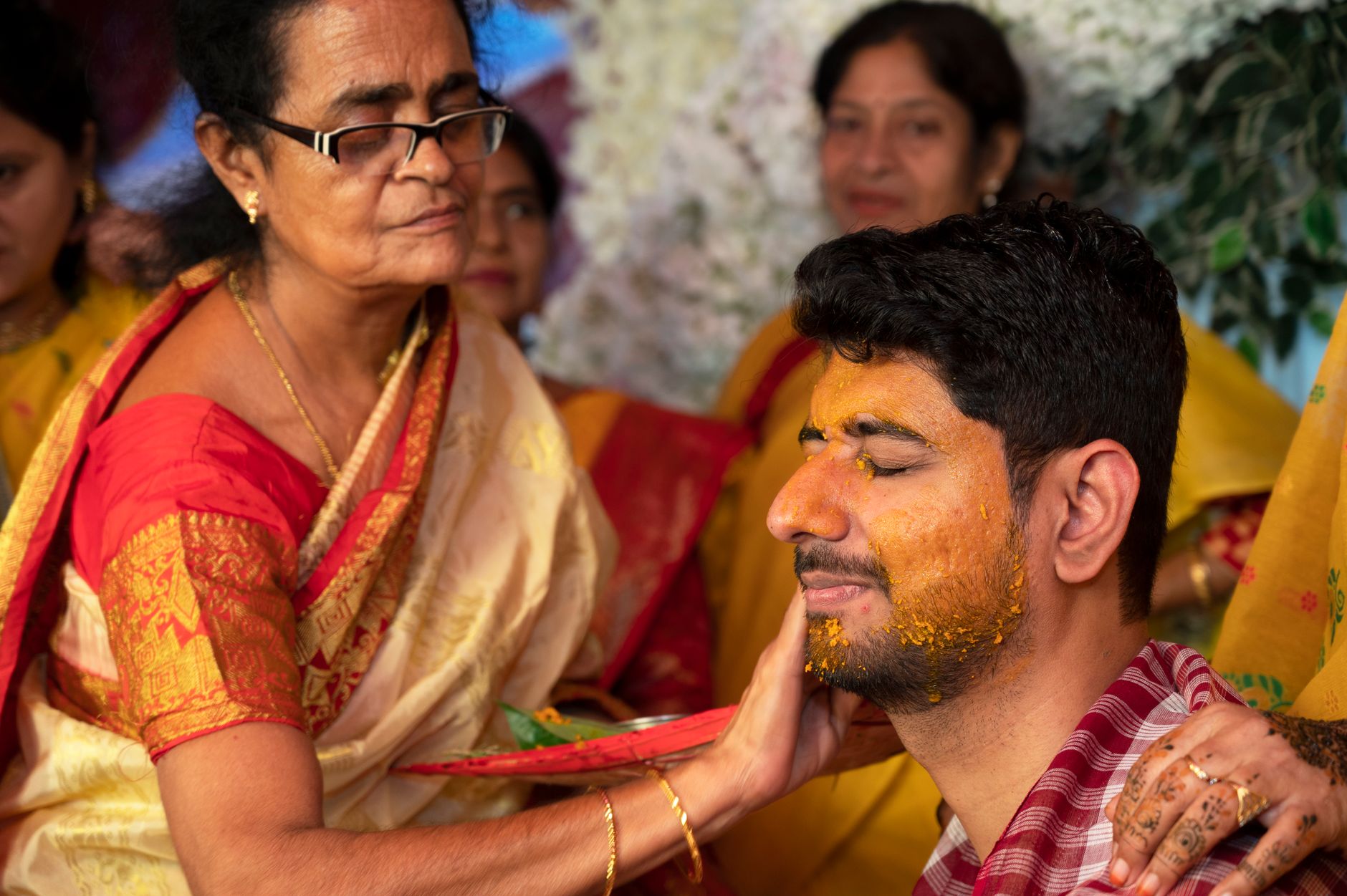 Telugu Pasupu Kumkuma Sets
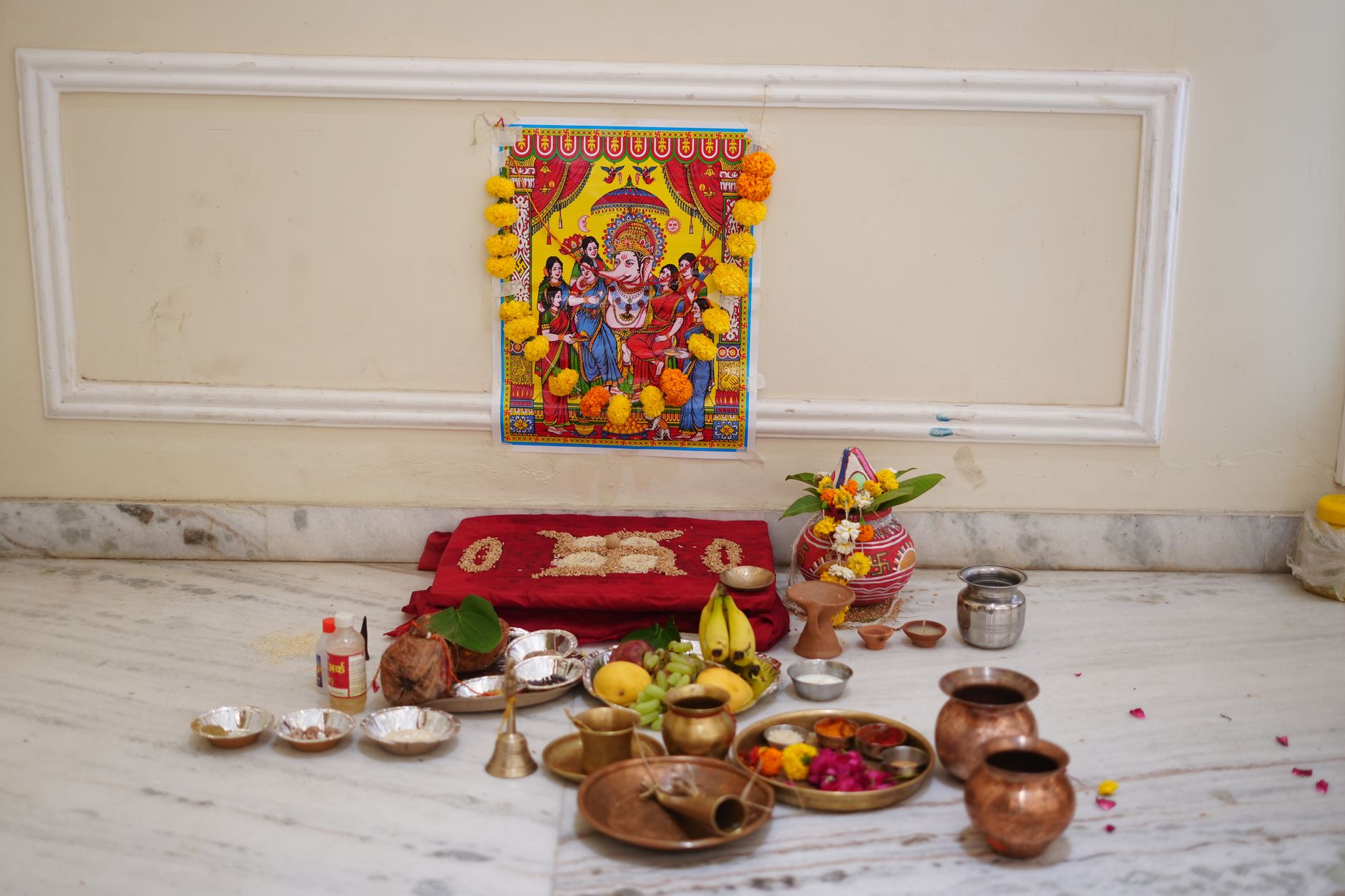 Vishnu Pooja Kit
- 400+Curated Events
- 6Event Universes
- 1000+Verified Vendors
- 70+Locations
- 24/7Customer Support


Not sure which packages fits your celebration?
Let Hiya & Hanu help you find the perfect match!
Explore Celebration Packages- AI-Powered MatchingSmart suggestions for you
- Budget OptimizerGet the best experiences in your budget
- End-to-End SupportWe are with you at every step
Serving Celebrations across 75+ locations in India
Traditional Ritual Services for Celebrations That Honour Meaningful Customs
◆Traditional celebrations often bring together family, faith, heritage and personal milestones in one meaningful occasion. Whether the gathering involves a religious ceremony, family ritual, cultural observance or an important life event, the details need to be handled with care. From preparing the ceremonial space to arranging required materials and coordinating the people involved, thoughtful preparation helps the occasion feel respectful and seamless.
Choosing traditional ritual services for celebrations can make this process easier for families who want to honour established customs without becoming overwhelmed by practical arrangements. Professional support can help organise the ceremony environment, coordinate schedules and ensure important requirements are considered in advance.
Understanding the Importance of Traditional Rituals
Rituals often carry significance beyond the visible ceremony. They can represent family traditions, spiritual beliefs, gratitude, blessings, remembrance and important transitions in life. For many families, following these customs provides an opportunity to connect different generations and preserve practices that have been passed down over time.
The exact requirements of a ritual can vary according to family traditions, community practices and the nature of the occasion. This makes preparation particularly important. A ceremony may involve specific timings, prayer arrangements, offerings, seating requirements, flowers, lamps, vessels, clothing or other customary items.
Experienced traditional ritual services for celebrations can help families understand the practical side of organising these requirements while leaving the spiritual and cultural decisions with the appropriate family members or religious professionals.
Why Professional Ceremony Support Matters
Organising a ritual alongside a larger celebration can involve many moving parts. Families may also be managing invitations, catering, venue arrangements, photography, decoration and guest coordination at the same time.
Professional ceremony support provides an organised point of coordination. Instead of handling every practical detail independently, families can work with a service team that understands ceremony preparation and event logistics.
A reliable provider can help with preparation schedules, material checklists, venue layouts and coordination with priests or other authorised religious professionals. This can reduce last-minute confusion and allow family members to focus on participating in the occasion.
The value of traditional ritual services for celebrations is therefore not simply convenience. Good planning can create a calmer environment in which the ceremony remains the central focus.
Selecting the Right Ritual for the Occasion
The first step is to understand the purpose of the celebration. Different occasions may require very different ceremonial arrangements. A family prayer gathering will not necessarily have the same requirements as a wedding-related ritual, house blessing, naming ceremony or milestone celebration.
Families should identify the customary practices they wish to follow before arranging external support. Speaking with a trusted religious adviser, priest or knowledgeable family elder can help clarify requirements where there is uncertainty.
Once the ritual has been established, the practical arrangements can be planned around it. This may include the ceremony duration, preferred timing, required materials, seating, altar or prayer area and guest access.
This approach ensures that traditional ritual services for celebrations complement the ceremony rather than attempting to change its essential customs.
Preparing the Ceremonial Space
The venue should provide a suitable and comfortable environment for the ritual. Depending on the ceremony, this may be a dedicated prayer room, home, community hall, hotel function space or celebration venue.
The ceremonial area should be clean, accessible and arranged according to the requirements of the occasion. Adequate space is important for religious professionals, family participants and any items used during the ritual.
Lighting can also influence the atmosphere. Natural light may be suitable for daytime ceremonies, while warm, subtle lighting can create a calm setting for evening occasions. Safety should always be considered when lamps or other traditional lighting elements are used.
Professional venue preparation can also ensure that the ceremonial area remains distinct from dining, entertainment and other event activities.
Creating Appropriate Traditional Decoration
Decoration should support the character of the ceremony rather than distract from it. Traditional elements such as flowers, foliage, fabric, lamps and simple ceremonial arrangements can create an inviting environment while maintaining an appropriate sense of respect.
Flower selection can be based on family preferences, customary practices and the overall event design. Fresh flowers may be used around entrances, prayer spaces, stages or other designated areas.
When combining ritual arrangements with a wider celebration theme, consistency is useful. Colours, floral details and decorative elements can connect the ceremonial area with the rest of the venue without making the ritual space feel overly theatrical.
Experienced teams offering traditional ritual services for celebrations can coordinate ceremonial decoration with the wider event setup, helping different elements work together naturally.
Coordinating Priests and Religious Professionals
For ceremonies requiring a priest or another religious professional, early coordination is important. Families should confirm the date, time, ceremony type, expected duration and any specific requirements well in advance.
It is important to respect the authority and guidance of the relevant religious professional. Service providers can assist with logistics and communication, but they should not substitute their own interpretation for established religious guidance.
A useful planning process includes confirming the ceremony sequence, required items, arrival time and venue arrangements. If the event includes multiple ceremonies, each stage should be scheduled carefully to avoid unnecessary delays.
This coordination becomes particularly valuable when several family members and guests need to participate at specific points during the ceremony.
Organising Ritual Materials
Many traditional ceremonies require a collection of specific items. Depending on the occasion, these might include flowers, fruits, leaves, vessels, cloth, lamps, offerings or other customary materials.
Preparing a checklist early can help avoid missing essential items. It is also useful to separate ceremonial materials from general event supplies so they can be located easily when required.
Some items may have particular preparation or storage requirements. Fresh flowers and food offerings, for example, may need to be arranged closer to the ceremony time.
A professional coordinator can help families organise the logistics while the family or religious professional confirms which items are actually appropriate for the ritual.
Making the Ceremony Comfortable for Guests
A meaningful ritual should also be accessible and comfortable for the people attending. Elderly relatives, children and guests with mobility requirements may need suitable seating and easy access to the ceremonial area.
Clear venue movement can prevent unnecessary disruption. Guests should know where to sit, where footwear or personal belongings should be kept when relevant, and how the ceremony will progress.
If the event includes a large number of guests, simple signage or guidance from family representatives can make movement easier without affecting the traditional character of the occasion.
Thoughtful hospitality is particularly important when relatives have travelled from different places to participate in an important family ceremony.
Integrating Rituals Into Larger Celebrations
Many modern celebrations combine traditional ceremonies with social gatherings. A ritual may take place before a meal, reception, family gathering or cultural programme.
Good scheduling helps each part of the event receive the attention it deserves. The ceremonial portion should have sufficient time without being rushed by later activities.
Venue zoning can also help. A dedicated ritual space can remain peaceful while entertainment or dining takes place elsewhere.
This is where traditional ritual services for celebrations can provide practical value. Coordinators can help connect ceremonial requirements with the wider event schedule, ensuring that suppliers and family members understand when different arrangements need to happen.
How to Choose a Reliable Ritual Service Provider
Families should look beyond attractive presentation when selecting a service provider. Experience, communication, reliability and respect for cultural requirements are important considerations.
Ask what aspects of the ceremony the provider handles directly. Clarify whether they coordinate venue preparation, decoration, materials, priest communication or only general event logistics.
It is also sensible to request a clear quotation that separates service charges from optional arrangements. This helps families understand what is included and reduces the possibility of unexpected costs.
Reviews and previous event examples can provide useful insight, but personal recommendations from trusted family members can also be valuable.
A good provider should listen first, understand the family's requirements and then suggest practical solutions rather than imposing a fixed package.
Planning the Budget Carefully
A ritual budget can include several components, including professional coordination, venue preparation, decoration, ceremonial materials, religious professional fees and additional event services.
Creating a priority list helps families decide where they want to invest more. For some occasions, the ceremonial setup may be the main focus, while others may place greater emphasis on hospitality or decorative presentation.
Requesting an itemised quotation makes comparison easier. Families should also ask about cancellation terms, additional labour charges, transportation and changes to requirements.
Professional traditional ritual services for celebrations can provide value when they reduce duplicated purchases, improve coordination and prevent avoidable last-minute arrangements.
Personalising Traditional Celebrations Respectfully
Tradition and personalisation can work together. Families can maintain important customs while adapting practical details to suit their venue, guest list and schedule.
Personal touches may include meaningful floral choices, family photographs in appropriate areas, traditional music, carefully selected fabrics or a seating arrangement that reflects the family structure.
However, personalisation should not alter religious requirements without appropriate guidance. The most successful celebrations distinguish between elements that are essential to the ritual and elements that can be adapted for presentation or convenience.
This balance allows the event to feel personal while still respecting the tradition at its heart.
Preserving Family Traditions for Future Generations
Traditional rituals can provide an important connection between generations. Children and younger family members can learn about customs by participating in preparation and observing how ceremonies are conducted.
Clear planning can make this experience more meaningful. Families may choose to explain the significance of particular rituals, involve younger relatives in suitable responsibilities and document important family traditions through photographs or written notes.
When handled thoughtfully, a celebration becomes more than a single event. It can become an opportunity to preserve cultural knowledge and family memories.
The Value of Thoughtful Ritual Planning
Successful ceremonies rarely depend on one individual. They are usually the result of many small details being prepared at the right time.
From venue readiness and ceremonial materials to guest comfort and professional coordination, each part contributes to the overall experience. A structured approach helps families identify potential issues before the event begins.
The best traditional ritual services for celebrations remain flexible enough to accommodate family preferences while providing dependable practical support.
Creating a Meaningful Celebration With Confidence
Traditional ceremonies deserve preparation that respects both their cultural significance and practical requirements. With suitable planning, families can create an environment where the ritual remains central while guests enjoy a comfortable and well-organised celebration.
Professional coordination can simplify venue preparation, supplier communication, ceremonial arrangements and event scheduling. At the same time, families retain control over the customs and traditions that matter most to them.
For anyone arranging an important cultural or religious occasion, selecting experienced traditional ritual services for celebrations can provide the organisational support needed to bring the event together with confidence, care and respect.
Frequently Asked Questions
1. What are traditional ritual services for celebrations?
Traditional ritual services for celebrations provide practical support for organising ceremonies connected with family, cultural or religious occasions. Services may include venue preparation, ceremonial materials, decoration, scheduling and coordination.
2. Which celebrations can include traditional rituals?
Traditional rituals may be included in weddings, naming ceremonies, house blessings, milestone occasions, family gatherings and other cultural or religious celebrations. Requirements depend on the family's traditions and the specific ceremony.
3. Can ritual services include priest coordination?
Yes. Some providers can assist with coordinating priests or other religious professionals. Families should confirm the ceremony requirements and religious guidance directly with the appropriate professional.
4. What materials are usually needed for a ritual?
Materials vary considerably between ceremonies. Depending on the occasion, they may include flowers, fruits, leaves, vessels, lamps, cloth and other customary offerings. The exact list should be confirmed with the relevant religious professional or family authority.
5. Can traditional rituals be held at a hotel or function hall?
Yes, provided the venue is suitable for the ceremony and allows the required arrangements. The venue should have adequate space, cleanliness, accessibility and any facilities needed for the ritual.
6. How early should ritual arrangements be organised?
It is sensible to begin planning as early as possible, particularly for important celebrations involving multiple suppliers or religious professionals. Early preparation gives families more time to confirm dates, materials and venue requirements.
7. Can decoration be combined with traditional rituals?
Yes. Appropriate floral, fabric and lighting arrangements can complement a traditional ceremony. Decoration should support the ceremonial atmosphere and respect any customary requirements.
8. Are traditional ritual services suitable for large family celebrations?
Yes. Professional coordination can be particularly helpful for larger gatherings because more guests, materials, suppliers and scheduling requirements need to be managed.
9. How can I choose a reliable ritual service provider?
Consider experience, communication, reviews, service inclusions, pricing transparency and understanding of traditional requirements. Ask for a clear quotation and confirm exactly which arrangements the provider will manage.
10. How can I book traditional ritual services for celebrations?
Start by identifying the ceremony, preferred date, venue and main requirements. You can then discuss the occasion with a suitable service provider, confirm the arrangements and agree on the scope and cost before booking.