
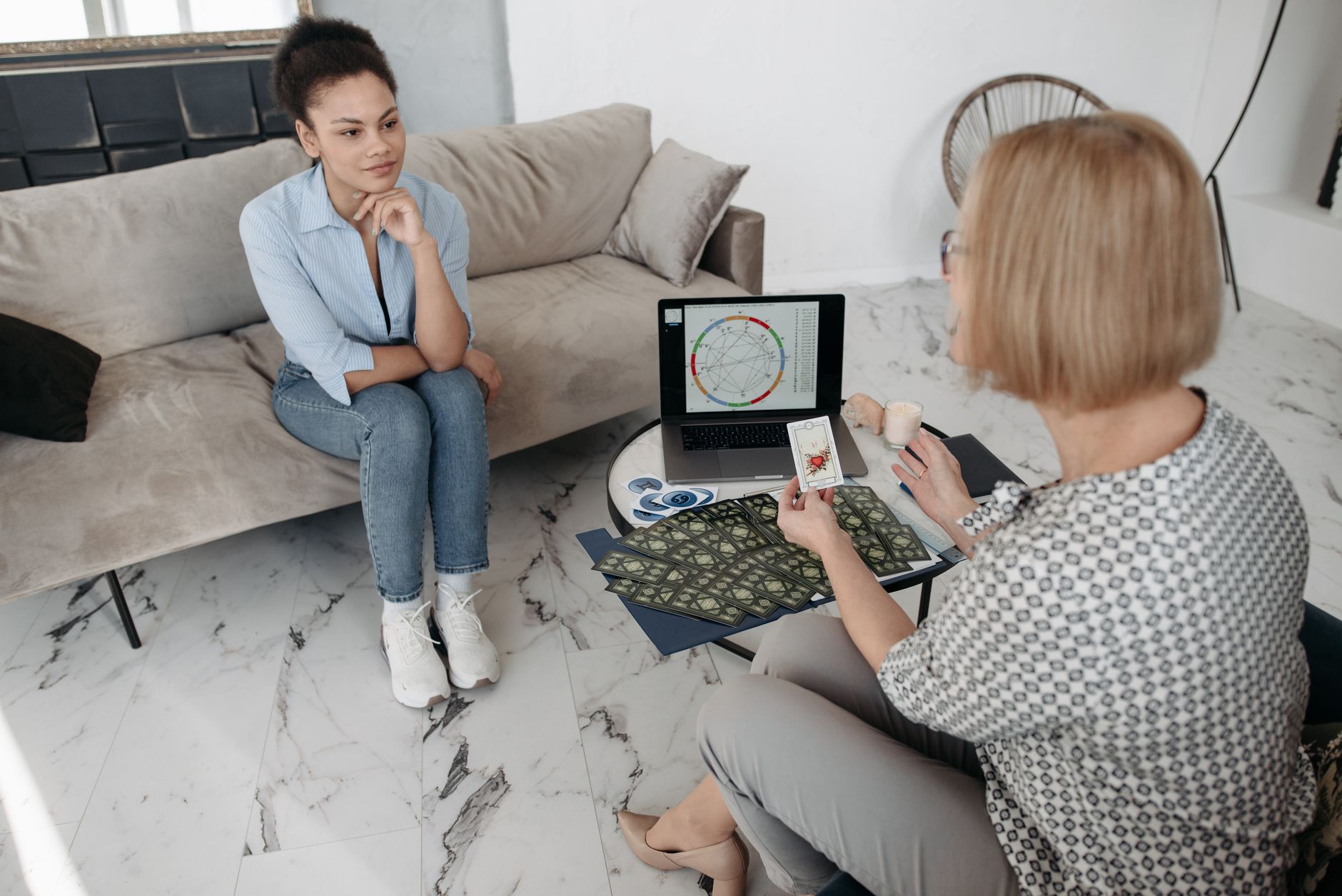
Know Your Doshas Before You Wed
Religious cermony in Gangtok
Dosha Analysis Service in Gangtok for Religious Ceremonies
Planning a wedding in Gangtok without a thorough Dosha Analysis Service is like building a home without checking the foundation. Nested in the misty Himalayan foothills, Gangtok's Hindu and Nepali-origin communities hold Vedic astrology as the cornerstone of every marriage ritual. A qualified Dosha Analysis Service examines both partners' Vedic birth chart analysis, flags planetary afflictions — Mangal, Nadi, Bhakoot, and Gana doshas among them — and prescribes kundali dosha remedies before a single wedding card is printed. With Happiffie, you connect with experienced pandits and Jyotish scholars across Gangtok who combine traditional janam patrika consultation with modern scheduling tools, ensuring your auspicious muhurat selection aligns perfectly with celestial windows.
Quick Answer
A Dosha Analysis Service is a Vedic astrology consultation that examines both partners' birth charts to identify planetary afflictions — such as Mangal Dosha or Nadi Dosha — that may affect marital compatibility or harmony. A certified Jyotishi reviews the janam patrika, scores compatibility across 36 gunas, and recommends specific rituals, gemstones, or puja-based kundali dosha remedies. In Gangtok, this service typically costs ₹1,500–₹8,000 depending on depth and pandit credentials.
What Does a Dosha Analysis Service Actually Cover?
A professional Dosha Analysis Service goes far beyond a quick online compatibility score. The Jyotishi begins with a Vedic birth chart analysis for both individuals, using precise birth time, date, and place to cast the Lagna (ascendant) and navamsha charts. From there, the analysis checks all eight key Ashtakoot categories — Varna, Vashya, Tara, Yoni, Graha Maitri, Gana, Bhakoot, and Nadi — assigning points out of 36. Doshas flagged during this review, particularly Mangal Dosha (which affects roughly one in four charts), are then assessed for severity. The pandit will also perform a natal chart defect assessment looking at the seventh and eighth house afflictions that specifically govern marriage longevity and spousal health. The final report includes prescribed kundali dosha remedies such as Mangal Shanti puja, Kumbh Vivah, gemstone recommendations, or specific charitable acts. Gangtok pandits often incorporate local Sikkimese tantric traditions alongside mainstream Vedic protocols, making the service particularly holistic for couples from mixed regional backgrounds.
Why Gangtok Families Prioritise Dosha Checks Before Any Other Wedding Step
In Gangtok's predominantly Nepali-Hindu and Sikkimese Brahmin communities, consulting a Jyotishi for a Dosha Analysis Service is non-negotiable — it happens before the venue is booked or the caterer is shortlisted. This cultural priority stems from deeply rooted beliefs that planetary afflictions, left unaddressed, can lead to delays, health challenges, or discord in married life. Hindu wedding rituals Gangtok-style are layered: the Roka or engagement itself is timed based on the initial dosha report. Families in areas like Deorali, Tadong, and Lal Bazaar routinely travel to established Jyotish centres in MG Marg or consult hereditary family pandits who have served the same households for generations. Because Sikkim sits close to Nepal, Tibetan Buddhist astrological traditions sometimes complement Vedic readings, giving Gangtok's Dosha Analysis Service a uniquely syncretic character. Couples from outside Sikkim who are marrying into local families are expected to present their janam patrika well in advance, making early consultation critical.
How Much Does a Dosha Analysis Service Cost in Gangtok?
Pricing for a Dosha Analysis Service in Gangtok is genuinely tiered. A basic digital janam patrika consultation — where the pandit reviews pre-generated charts and gives a verbal report — starts at roughly ₹1,500 to ₹2,500. A mid-range session lasting 90 to 120 minutes, covering full Ashtakoot matching, Vedic birth chart analysis, and a written dosha report with remedy prescriptions, typically costs ₹3,000 to ₹5,000. Premium services, which include a natal chart defect assessment for extended family compatibility, multiple follow-up calls, and coordination with your wedding pandit for auspicious muhurat selection, can reach ₹6,000 to ₹8,000. If specific kundali dosha remedies such as Mangal Shanti puja or Navagraha homa are performed as part of the package, that adds ₹2,000 to ₹10,000 depending on the scale. Overall, a complete astrology-to-remedy package for a Gangtok wedding might total ₹8,000 to ₹18,000 — a small fraction of the overall wedding budget but arguably its most consequential spend.
Choosing the Right Pandit for Your Dosha Analysis Service in Gangtok
Not every astrologer offering a Dosha Analysis Service has equal credentials. Look for a Jyotishi with formal training from a recognised institution such as Bharatiya Vidya Bhavan or a state-accredited Sanskrit university. In Gangtok, many accomplished pandits are affiliated with temples along the main ridge — Thakurbari Temple and Ganesh Tok area have active Brahmin communities. Verify that the pandit can provide a Vedic birth chart analysis using classical software (Parashara or Jagannatha Hora) rather than generic online tools, as precision in ayanamsha selection matters significantly. Ask whether they specialise in pandit for religious ceremony work — some Jyotishis are purely predictive astrologers and will not coordinate with your wedding rituals. The best practitioners in Gangtok offer end-to-end service: dosha assessment, remedy prescription, and real-time availability to guide your janam patrika consultation right through to the actual wedding day muhurat. Happiffie's verified listings make it easy to filter by these qualifications.
What Are the Most Common Doshas Found in Gangtok Wedding Charts?
Across the Dosha Analysis Service bookings facilitated through Happiffie in Gangtok, Mangal Dosha and Nadi Dosha emerge as the most frequently identified afflictions. Mangal Dosha occurs when Mars (Mangal) sits in the 1st, 2nd, 4th, 7th, 8th, or 12th house of the Lagna or Moon chart. A natal chart defect assessment for Nadi Dosha focuses on the energy channels (nadis) — Aadi, Madhya, and Antya — and flags when both partners share the same nadi, as this is considered inauspicious for health and progeny. Bhakoot Dosha, arising from certain Moon-sign combinations, is the third most common finding. Gana Dosha — a mismatch between Dev, Manushya, and Rakshasa temperament categories — is flagged in roughly a quarter of assessments. The good news: every one of these has well-established kundali dosha remedies within Vedic tradition, and Gangtok's experienced pandits are adept at prescribing proportionate, practical solutions rather than alarming couples unnecessarily. Sikkimese wedding traditions also permit certain cultural rituals that serve as parallel remedial measures, adding local authenticity to the remedy process.
Dosha Analysis Service Options in Gangtok: Which Format Suits Your Needs?
Expert Recommendation
Best for couples from different regional traditions
Best for budget-conscious families
Best for families with strict traditional expectations
Best for destination weddings at Gangtok venues
Best for inter-caste or inter-community couples
Best for couples with missing birth-time records
How to Choose the Right Option
✅ Pre-booking Checklist
- Collect exact birth time, date, and place for both partners before the first consultation
- Verify the Jyotishi's formal Vedic astrology credentials or institutional affiliation
- Confirm whether kundali dosha remedies are included or priced separately
- Ask if the pandit can also handle auspicious muhurat selection for the wedding date
- Check the pandit's availability to perform any prescribed rituals before your target wedding window
- Request a written dosha report — not just a verbal summary — for family records
- Clarify whether the service covers both Lagna and Navamsha charts for a complete reading
- Book at least four to six months before your expected wedding date
🎯 Selection Criteria
- Formal Jyotish education from a recognised institution or guru lineage
- Experience with the specific dosha types common in your community (Mangal, Nadi, Gana)
- Ability to explain findings clearly to both families without causing unnecessary alarm
- Fluency in the local cultural context — understanding of Hindu wedding rituals Gangtok-style
- Transparent, itemised pricing for the Dosha Analysis Service and any follow-on remedies
- Positive references from recent clients available through the Happiffie platform
💰 Cost / Quality Factors
- Birth time accuracy — even 15-minute errors can alter dosha conclusions significantly
- Depth of analysis — number of houses, sub-charts, and Ashtakoot categories reviewed
- Pandit seniority and community reputation in Gangtok
- Inclusion of a written report versus verbal-only delivery
- Whether the package bundles auspicious muhurat selection with the dosha report
- Add-on puja or gemstone costs that may follow from the natal chart defect assessment findings
⚠️ Common Mistakes to Avoid
- Relying solely on free online kundali tools without a certified Jyotishi's review
- Booking the venue and caterer before completing the Dosha Analysis Service
- Providing approximate or incorrect birth times, which corrupt the entire chart
- Ignoring prescribed kundali dosha remedies due to cost or inconvenience
- Choosing a pandit based on lowest price alone without verifying credentials
- Waiting until one to two months before the wedding, leaving no time for remedy rituals
People Also Ask
Is a Dosha Analysis Service necessary even if we did a basic online kundali match?
How early before the wedding should we book a Dosha Analysis Service in Gangtok?
Can a Dosha Analysis Service be done online for Gangtok-based couples?
What documents or information do I need for a janam patrika consultation?
Are Sikkimese or Nepali-tradition doshas different from mainstream Hindu dosha analysis?
What happens if a severe dosha is found — does the wedding have to be cancelled?
Does the Dosha Analysis Service also help in selecting the wedding date?
How is a natal chart defect assessment different from standard compatibility matching?
Related Experiences on Happiffie
Hindu Wedding Rituals Explained
Sacred Journeys, Beautifully Adorned
All Wedding & Event Services
Venues in Gangtok
Discover Verified Vendors
Reverse Auction
Frequently Asked Questions
How long does a Dosha Analysis Service session typically take in Gangtok?
Can a Dosha Analysis Service be conducted in Nepali or Hindi in Gangtok?
Is Mangal Dosha always a serious problem, or can it be cancelled?
Do Sikkimese Buddhist families also use Dosha Analysis Services for weddings?
What is the difference between Vedic birth chart analysis and Western astrology for wedding compatibility?
Can I get a Dosha Analysis Service and the wedding muhurat confirmed by the same pandit?
What if both families' pandits give different dosha readings?
Are there any specific Gangtok temples where Mangal Shanti or Navagraha puja is performed as a dosha remedy?
Key Takeaways
- A Dosha Analysis Service in Gangtok covers Ashtakoot compatibility, house-based afflictions, and remedy prescriptions — it is far more comprehensive than online matching tools.
- The most common doshas found in Gangtok wedding charts are Mangal Dosha, Nadi Dosha, and Bhakoot Dosha — all have established Vedic remedies.
- Pricing ranges from ₹1,500 for a basic janam patrika consultation to ₹18,000 for a full assessment-plus-remedy package.
- Book at least four to six months before your wedding date to allow time for kundali dosha remedies and auspicious muhurat selection.
- Gangtok pandits bring a uniquely syncretic approach that blends mainstream Vedic methodology with Sikkimese wedding traditions.
- Always request a written dosha report and confirm birth time accuracy before the session begins.
- Happiffie's verified pandit listings let you filter by credential, language, and service scope so you find the right Jyotishi for your religious ceremony needs.
Book Your Dosha Analysis Service in Gangtok Today
Connect with Happiffie's verified Jyotishis and pandits — get your kundali reviewed, doshas addressed, and your perfect wedding muhurat confirmed before you book anything else.
Find a Pandit
Are you a Vendor? Grow Your Business with Happiffie!
- High intent verified leads
- Reverse auction opportunities
- AI business tools & insights
- Dedicated vendor dashboard
- Grow your business, your way
It's free & takes less than 2 minutes!