
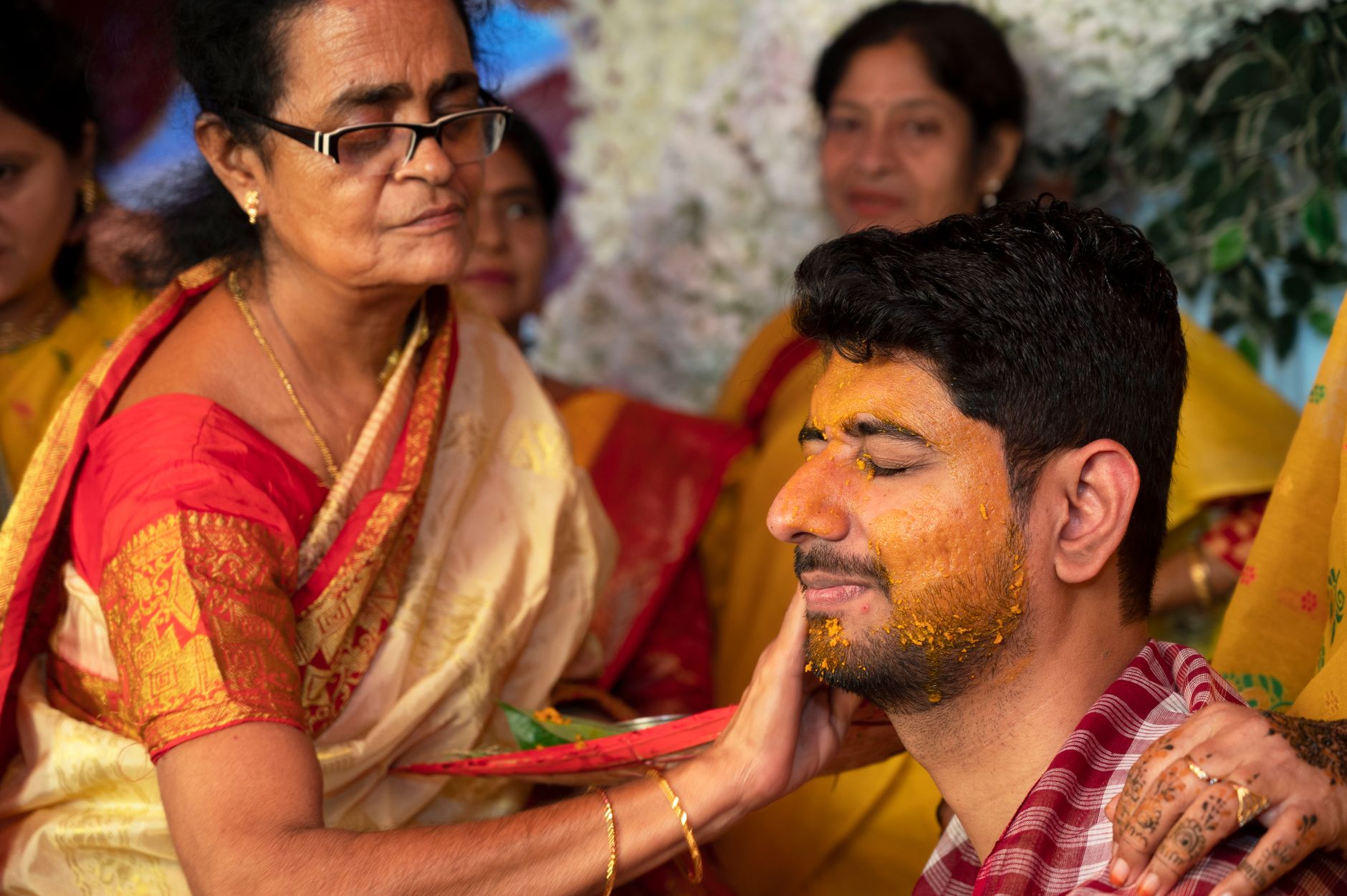
Sacred Mandapam Essentials, Gangtok
Religious cermony in Gangtok
Brahmin Kalyana Mandapam Ritual Items in Gangtok
Planning a traditional Brahmin wedding in the hills of Gangtok means far more than booking a scenic venue — it means ensuring every sacred detail is in place. Brahmin Kalyana Mandapam Ritual Items form the spiritual backbone of the ceremony, from the agni kund and mango-wood samidha to the brass kalash and doob grass. Securing authentic Vedic wedding ceremony essentials in a city like Gangtok, where specialist suppliers are limited, requires early planning and expert guidance. Whether you are arranging an intimate family gathering on MG Marg or a larger celebration near Rumtek, Happiffie helps you source the right items, connect with qualified pandits, and book a wedding venue with puja arrangements that honours every ritual with precision.
Quick Answer
Brahmin Kalyana Mandapam Ritual Items are the complete set of sacred objects required to consecrate a traditional Brahmin wedding pavilion. They include the agni kund (fire altar), samidha (sacred wood), kalash, doob grass, betel leaves, turmeric, kumkum, akshata, coconut, banana stems, mango leaves, silk vastram, and specific grains used during Saptapadi and other Vedic rites. In Gangtok, these items must typically be pre-ordered from Siliguri or Kolkata markets at least two to three weeks in advance.
What Are Brahmin Kalyana Mandapam Ritual Items and Why Do They Matter?
Brahmin Kalyana Mandapam Ritual Items are not mere decorative props — each object carries precise ritual significance rooted in Vedic scripture. The agni kund is the central fire altar around which the couple circles during Saptapadi, symbolising the witness of Agni, the fire deity. Samidha, typically dry mango or palash wood, fuels the sacred homa. The brass kalash filled with water, mango leaves, and a coconut represents divine abundance and is positioned at the mandapam's four cardinal points. Doob grass, turmeric paste, kumkum, and akshata (rice mixed with turmeric) are offered during specific mantras to invoke blessings. Banana stems and mango-leaf torans frame the mandapam entrance as symbols of fertility and prosperity. Without the correct traditional kalyana mandapam setup, a Brahmin priest cannot conduct the full sequence of rites — the Nandi, Vara Puja, Mangalsutra Dharana, and Saptapadi. In Gangtok's high-altitude context, certain items such as fresh banana stems and specific flowers may need refrigerated transport from the Siliguri foothills, making advance procurement essential.
Complete Checklist of Essential Ritual Items for a Gangtok Brahmin Wedding
A thorough Brahmin vivah ritual kit covers five broad categories. First, homa items: agni kund, samidha bundles, ghee (preferably cow ghee), havan samagri mix, sesame seeds, and barley grains. Second, kalash and vessel items: brass or copper kalash, shallow plates (thali), small deepam lamps, camphor, and dhoop sticks. Third, textile and leaf items: silk vastram for the bride and groom, betel leaves and areca nuts, doob grass, mango leaves, banana stems, and turmeric-dyed cloth for the mandapam pillars. Fourth, grain and fruit offerings: coconut, bananas, jaggery, raw rice, and kumkum. Fifth, decorative-ritual crossover items: flower garlands made from jasmine and marigold, turmeric paste bowls, and sandalwood paste. When sourcing Hindu marriage pooja samagri in Gangtok, check that brass vessels are untinned and that all grains are whole and unbroken, as cracked or husked grains are considered inauspicious in most Brahmin traditions. Engage your family pandit early to obtain a personalised samagri list specific to your sub-sect — Iyer, Iyengar, Smartha, or Telugu Brahmin traditions each carry slight variations.
Where Can You Source Ritual Items for a Brahmin Wedding in Gangtok?
Gangtok's market area around MG Marg and Lal Bazaar stocks basic puja items such as camphor, incense, kumkum, and small brass diyas suitable for daily worship. However, specialist Brahmin Kalyana Mandapam Ritual Items — including specific homa woods, large brass kalash sets, silk vastram, and bulk havan samagri — are rarely available in sufficient quantity locally. Most families and event planners source these from Siliguri's Bidhan Market, which is roughly three to four hours by road, or order online from Kolkata-based Vedic supply stores with a two-week lead time. For destination weddings at venues near Rumtek Monastery or in the Tadong locality, factor in transportation time and altitude-related storage needs — ghee and certain organic grains can spoil faster in humid hill conditions during the monsoon. Happiffie's curated vendor network includes suppliers who deliver pre-packed Brahmin vivah ritual kit boxes directly to Gangtok venues, reducing last-minute stress considerably. When selecting a pandit booking for Hindu wedding ceremonies in this region, ask whether the pandit travels with their own samagri supply or requires the family to arrange everything independently.
How Much Does Arranging Brahmin Kalyana Mandapam Ritual Items Cost in Gangtok?
Budgeting for Brahmin Kalyana Mandapam Ritual Items requires separating the cost of items from the cost of labour and logistics. A standard Vedic wedding ceremony essentials package covering all homa, kalash, textile, and offering items for a 150-200 guest wedding typically ranges from INR 18,000 to INR 35,000 when sourced from Siliguri suppliers. Premium packages using pure cow ghee, certified organic havan samagri, and handwoven silk vastram can reach INR 50,000 to INR 70,000. Transportation from Siliguri to Gangtok adds INR 2,000 to INR 5,000 depending on the courier or vehicle arrangement. If you choose a wedding venue with puja arrangements that includes an in-house samagri service, bundled pricing typically saves 15–20% compared to sourcing items independently. The traditional kalyana mandapam setup itself — covering bamboo or metal mandap framework, floral decoration, banana stems, and toran hanging — is usually costed separately by the decorator and runs between INR 25,000 and INR 80,000 in Gangtok, depending on the elaborateness of the floral work and the venue's own infrastructure. Always obtain itemised quotations and confirm whether GST is included.
How Should You Plan the Auspicious Muhurat and Ritual Sequence for a Gangtok Brahmin Wedding?
Selecting the auspicious wedding muhurat in Gangtok is the first step before finalising any Brahmin Kalyana Mandapam Ritual Items list, because the muhurat determines the exact timing of each sub-ritual and therefore the quantity and sequencing of samagri needed. A qualified Brahmin jyotishi or the officiating pandit will calculate the muhurat based on the couple's janma rashi, nakshatra, and the Panchanga calendar. In Gangtok, popular auspicious months include Margashirsha (November–December) and Vaishakha (April–May), though families choose dates year-round. Once the muhurat is fixed, the pandit will outline the ritual sequence: Nandi Shraddha, Ganapati Puja, Vara Puja, Kashi Yatra, Oonjal (swing ceremony in South Indian traditions), Mangalya Dharana, Saptapadi, and Grihapravesh blessings. Each stage requires specific Hindu marriage pooja samagri, so the samagri list must be drawn against the actual ritual sequence, not a generic template. South Indian style mandap decoration should also align with the ritual layout — the agni kund position, kalash placement, and seating orientation are ritual-driven, not purely aesthetic. Coordinating your decorator, pandit, and samagri supplier through a single platform like Happiffie ensures these elements remain aligned from planning through execution.
Brahmin Kalyana Mandapam Ritual Items: Setup Options Compared
Expert Recommendation
Best for Intimate Family Ceremonies (Under 75 Guests)
Best for Destination Weddings in the Gangtok Hills
Best for Large Celebrations (200+ Guests)
Best for Budget-Conscious Families
Best for Preserving Sub-Sect Traditions
Best for Modern Couples Blending Tradition and Style
How to Choose the Right Option
✅ Pre-booking Checklist
- Fix the auspicious wedding muhurat with a qualified jyotishi before finalising any samagri list
- Request a sub-sect-specific samagri list from your officiating pandit at least six weeks before the wedding
- Confirm whether your chosen Gangtok venue permits an open-flame agni kund indoors or requires an outdoor mandapam space
- Place orders for specialist items (samidha, large brass kalash, silk vastram) from Siliguri or Kolkata at least three weeks in advance
- Arrange refrigerated or insulated transport for perishables like banana stems, fresh flowers, and organic ghee
- Cross-check the supplier's samagri list against your pandit's requirements before payment
- Book a backup supply for critical items like ghee and samidha in case of transit delays on mountain roads
- Confirm GST inclusion and obtain itemised receipts for all ritual item purchases
🎯 Selection Criteria
- Ritual authenticity: Does the supplier understand Brahmin sub-sect requirements, not just generic Hindu puja needs?
- Supply reliability: Can the vendor guarantee delivery to Gangtok within the confirmed timeline?
- Item quality: Are brass vessels untinned, grains whole, and ghee certified pure?
- Pandit compatibility: Has the pandit reviewed and approved the samagri list before purchase?
- Venue compliance: Does the venue allow all required ritual elements, including open fire and large mandapam structures?
💰 Cost / Quality Factors
- Distance from supply source (Siliguri/Kolkata) directly increases logistics cost and risk
- Sub-sect complexity determines the length and specialisation of the samagri list
- Guest count affects quantity of havan samagri, number of kalash, and size of agni kund required
- Season and weather in Gangtok affect perishable item viability — monsoon months require extra care
- Venue type (hotel ballroom, open garden, heritage property) determines structural mandapam requirements and fire safety clearance
⚠️ Common Mistakes to Avoid
- Ordering a generic Hindu marriage pooja samagri list without sub-sect customisation from the pandit
- Underestimating Gangtok's supply limitations and assuming all items are locally available
- Confusing decorative mandap props with ritual mandapam items — both are needed but serve entirely different functions
- Booking the pandit after sourcing samagri, leading to mismatched item lists and last-minute replacements
- Ignoring venue fire safety regulations, which can prevent the agni kund from being lit indoors
- Failing to account for mountain road delays when scheduling Siliguri deliveries close to the wedding date
People Also Ask
What are the most important Brahmin Kalyana Mandapam Ritual Items I must not forget?
Can I get all puja samagri for a Brahmin wedding locally in Gangtok?
How early should I book a pandit for a Brahmin wedding in Gangtok?
Is a South Indian style mandap decoration different from a North Indian setup in terms of ritual items?
What is the approximate cost of a complete Brahmin vivah ritual kit in Gangtok?
What does the traditional kalyana mandapam setup look like structurally?
Do wedding venues in Gangtok typically provide puja arrangements for Brahmin ceremonies?
What common mistakes do families make when arranging Vedic wedding ceremony essentials?
Related Experiences on Happiffie
Karnataka Wedding Rituals in Jaipur
Sacred Temple Weddings in Delhi
Traditional Kalyana Decor in Coimbatore
Complete Ritual Samagri Kits, Mysore
South Indian Bridal Looks in Patna
Book Your Perfect Wedding Choultry
Intimate Wedding Venues Raipur
Frequently Asked Questions
What exactly are Brahmin Kalyana Mandapam Ritual Items, and are they different from regular puja items?
Can a Brahmin wedding in Gangtok be conducted without all the traditional ritual items if some are unavailable?
Which Gangtok neighbourhoods are best suited for a traditional Brahmin wedding with a full mandapam setup?
How do I calculate the quantity of havan samagri needed for my Gangtok Brahmin wedding?
Is there a difference in Brahmin Kalyana Mandapam Ritual Items between Iyer, Iyengar, and Telugu Brahmin traditions?
Can Happiffie help me find a pandit in Gangtok who also supplies ritual items for a Brahmin wedding?
What is the best time of year to plan a Brahmin wedding in Gangtok considering both muhurat and logistics?
What fire safety rules should I check with a Gangtok venue before confirming a Brahmin wedding with a homa?
Key Takeaways
- Brahmin Kalyana Mandapam Ritual Items are ritually mandated sacred objects — not décor — and must align with your specific Brahmin sub-sect's Vedic requirements.
- Gangtok has limited local availability for specialist items; source from Siliguri or Kolkata with at least two to three weeks' lead time.
- A complete Brahmin vivah ritual kit for a mid-size wedding costs INR 18,000–35,000 for standard quality and up to INR 70,000 for premium organic options.
- Always obtain a personalised samagri list from your officiating pandit before purchasing any Vedic wedding ceremony essentials.
- Choosing a wedding venue with puja arrangements can reduce coordination complexity and save 15–20% on bundled packages.
- The auspicious wedding muhurat must be fixed first, as it determines the ritual sequence and therefore the complete samagri requirement.
- A hybrid sourcing strategy — specialist kit delivered from Siliguri plus locally sourced basics — offers the best balance of quality, cost, and convenience in Gangtok.
- Venue fire safety clearance for the agni kund must be confirmed in writing well before the wedding day.
Plan Your Brahmin Wedding in Gangtok with Confidence
From ritual item sourcing to pandit booking and mandapam setup, Happiffie connects you with trusted vendors across Gangtok and the Siliguri corridor — so every sacred detail is in place on your most auspicious day.
Explore Vendors Now
Are you a Vendor? Grow Your Business with Happiffie!
- High intent verified leads
- Reverse auction opportunities
- AI business tools & insights
- Dedicated vendor dashboard
- Grow your business, your way
It's free & takes less than 2 minutes!