
Sacred Homam Music in Gangtok
Religious cermony in Gangtok
Homam Devotional Music in Gangtok for Sacred Rituals
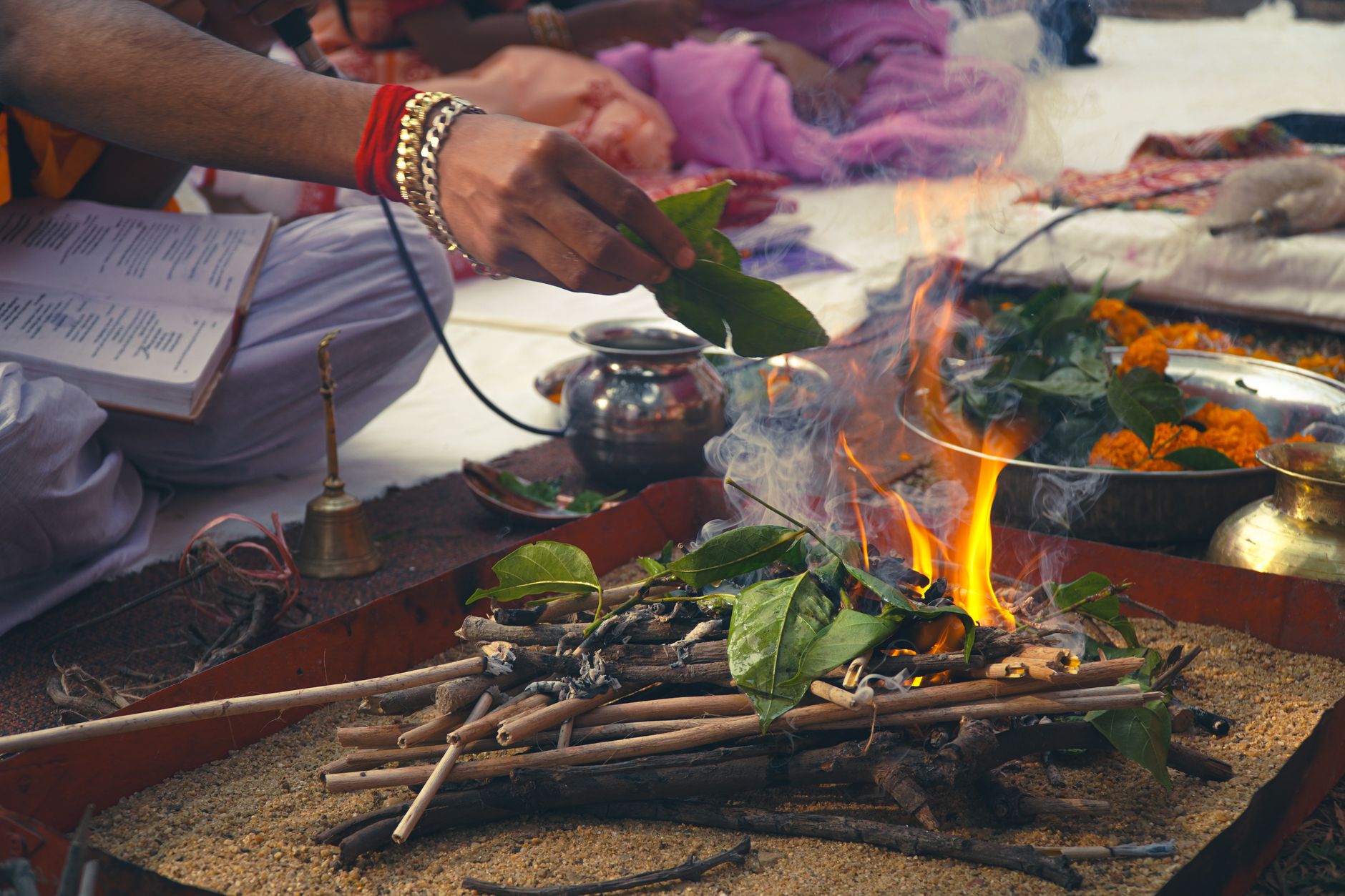
Planning a religious ceremony in Gangtok takes more than just a venue and a pandit — the soul of every homam lies in the devotional soundscape that accompanies the sacred fire. Homam Devotional Music sets the spiritual tone from the very first invocation, filling the space with Vedic chanting for homam, devotional hymns, and rhythmic beats that elevate every ritual moment. Whether you are organising a Ganapathi Homam at a hilltop residence in Tadong, a Navagraha Homam at a dharamshala near MG Marg, or a grand Sudarshana Homam for a community gathering, the right musical accompaniment transforms a ceremony into a transcendent experience. Happiffie connects Gangtok families with verified, experienced artists who deliver authentic pooja arrangement services alongside traditional ritual ambiance for every occasion.
Quick Answer
Homam Devotional Music refers to the structured devotional sound — including Vedic chanting, nadaswaram, mridangam, and bhajan singing — performed during a homam or yagna to enhance the spiritual potency of the fire ritual. In Gangtok, families book such services for ceremonies ranging from intimate home pujas to large community yagnas, with artist packages typically ranging from INR 3,000 to INR 25,000 depending on ensemble size and ritual duration.
What Is Homam Devotional Music and Why Does It Matter?
Homam Devotional Music is the purposefully selected ensemble of chants, instruments, and hymns performed in parallel with the sacred fire ritual. The Vedic tradition holds that sound — specifically Sanskrit mantra recitation — amplifies the yajna's energy, purifies the space, and invites divine presence. In Gangtok, where both Hindu and syncretic communities observe fire rituals across seasons, this musical layer is not decorative; it is considered structurally essential to the ceremony's efficacy. A well-coordinated musical ensemble ensures that the timing of each chant aligns with the ahuti (offering) phases, the sankalpam, and the purnahuti. Artists trained in devotional hymns for yagna understand this liturgical sequencing, which is why choosing generic background music is never a suitable substitute. Families who have experienced properly performed Homam Devotional Music consistently describe the atmosphere as noticeably more focused, meditative, and emotionally resonant.
Types of Musical Arrangements for a Gangtok Homam
The musical setup for a homam in Gangtok varies by tradition, space, and budget. The most traditional format involves a homam pandit with music support — meaning the officiating pandit himself leads the Sanskrit mantra recitation while a small ensemble of one or two musicians accompanies on instruments like the mridangam or tabla. A step above this is a dedicated devotional choir that handles bhajan singing and nadaswaram, allowing the pandit to focus entirely on ritual actions. For larger Gangtok community events held at venues near Enchey Monastery Road or Deorali, full ensembles with shehnai, conch shell (shankha), and cymbals are engaged. Families observing Sudarshana or Mrityunjaya Homam often prefer continuous chanting loops supported by a two-to-four member music group. Budget-conscious households in areas like Syari or Lal Bazaar typically opt for a single skilled vocalist who performs sacred fire ritual music live throughout the ceremony.
How Much Does Homam Devotional Music Cost in Gangtok?
Pricing for Homam Devotional Music in Gangtok follows a tiered structure based on ensemble size, ritual duration, and artist experience. A solo vocalist or single-instrument accompanist for a one-to-two hour home puja typically costs INR 3,000 to INR 6,000. A two-to-three member group offering Vedic chanting for homam alongside instruments ranges from INR 7,000 to INR 14,000. Full ensembles for extended community yagnas — sometimes lasting four to six hours — can range from INR 15,000 to INR 25,000 or more. Travel surcharges may apply for ceremonies in areas farther from Gangtok's town centre, such as Rumtek or Ranka. Many pooja arrangement services providers on Happiffie bundle the music component with pandit booking and floral decoration, offering composite packages that represent better value than booking each element separately. Always clarify whether the quoted price includes travel, setup time, and post-ceremony dismantling.
Choosing the Right Artists for Sacred Fire Ritual Music
The selection of artists for sacred fire ritual music should be guided by liturgical compatibility first and budget second. Verify that the musicians have prior experience with the specific homam you are performing — a Lakshmi Kubera Homam has different chanting sequences from a Gayatri Homam, and untrained musicians can disrupt the ritual flow. Ask for audio samples or references from previous ceremonies in Gangtok. Consider traditional ritual ambiance requirements: some families prefer an all-acoustic setup to maintain sanctity, while others in modern apartments near Tibet Road are comfortable with a discreet amplification system for larger gatherings. Ensure the artists arrive at least 30 minutes before the muhurtam to tune instruments, coordinate with the pandit, and understand the ceremony's stage-wise flow. On Happiffie, each listed artist's profile includes their ritual specialisation, enabling you to match devotional hymns for yagna with the precise homam tradition your family follows.
What Should You Arrange Alongside Homam Devotional Music?
Homam Devotional Music works best when the surrounding ceremony elements are equally well-coordinated. Confirm your pandit's schedule first, then book music artists for the same time window — a mismatch in availability is the most common planning error. For religious ceremony in Gangtok, especially during auspicious months like Shravan or Karthika, demand for both pandits and musicians spikes significantly, so book at least three to four weeks in advance. Coordinate the seating layout so that the music ensemble is positioned to the right or behind the homa kunda (fire pit), which is considered auspicious in most Vedic traditions. Arrange for a stable power source if amplification is needed. Discuss with your pooja arrangement services provider whether items like the puja samagri, ghee, and wood (samidha) are bundled with the package. Finally, inform your housing society or venue manager in Gangtok about the ceremony's sound levels, as some residential complexes near NH-10 have noise guidelines that apply even to religious events.
Homam Devotional Music Setup Options Compared for Gangtok Ceremonies
Expert Recommendation
Best for Intimate Home Ceremonies
Best for Community Yagnas
Best for Budget-Conscious Families
Best for Traditional Ritual Ambiance
Best for Outdoor and Destination Homams
Best for Modern Families Seeking Flexibility
How to Choose the Right Option
✅ Pre-booking Checklist
- Confirm the specific homam type with your pandit before briefing music artists on chanting requirements
- Verify that the musician has performed Vedic chanting for homam matching your ritual tradition (e.g., Smartha, Vaishnava, Shaiva)
- Book at least 3 weeks in advance, or 5 weeks during peak religious seasons in Gangtok
- Clarify whether travel charges apply for locations outside central Gangtok
- Arrange a 30-minute pre-ceremony coordination session between the pandit and music ensemble
- Confirm whether the venue permits amplification and communicate this to the artist during booking
- Discuss total ceremony duration and agree on a per-hour extension rate in case the ritual runs longer
- Ensure the music package includes setup and dismantling time in the quoted price
🎯 Selection Criteria
- Liturgical expertise: artist must know the specific homam's chanting sequence and stage-wise structure
- Experience with religious ceremony in Gangtok's local venues, including indoor apartments and outdoor grounds
- Acoustic or amplified capability matching your venue and guest count
- Availability confirmation for your exact muhurtam date and time
- Clear pricing with no hidden charges for travel, extra hours, or equipment
💰 Cost / Quality Factors
- Ensemble size directly impacts cost — each additional musician adds INR 2,000 to INR 5,000 to the package
- Ceremony duration affects pricing; extended yagnas beyond 3 hours typically attract an hourly extension fee
- Artist experience level — senior musicians with 10+ years in sacred fire ritual music command higher rates
- Location surcharge applies for venues beyond 10 km from Gangtok town centre
- Bundled packages (music + pandit + samagri) offer 15-25% savings compared to individual bookings
⚠️ Common Mistakes to Avoid
- Booking music artists without confirming they know your specific homam tradition — generic devotional singers may disrupt the ritual sequence
- Ignoring venue noise rules and setting up amplified equipment without prior clearance in Gangtok residential areas
- Forgetting to allocate setup time — artists need at least 30 minutes before the muhurtam to tune and coordinate
- Choosing the cheapest option without verifying Sanskrit mantra recitation competency through audio samples or references
- Not informing the music ensemble about the ceremony's expected duration, leading to mid-ritual breaks
- Booking too late during auspicious months like Shravan, when Gangtok pandits and musicians are fully committed weeks ahead
People Also Ask
What kind of music is played during a homam?
Can I book Homam Devotional Music separately from the pandit in Gangtok?
How long does a Homam Devotional Music session typically last?
Is amplification allowed for religious ceremony in Gangtok residential areas?
Which homams in Gangtok most commonly use devotional music?
What is the difference between homam music and regular bhajan singing?
How far in advance should I book Homam Devotional Music in Gangtok?
Can Homam Devotional Music be arranged for an outdoor homam near Gangtok?
Related Experiences on Happiffie
Delhi's Finest Wedding Musical Rituals
Sacred Journeys, Beautifully Adorned
Sacred Prasad for Every Puja in Lucknow
Authentic Marwari Ritual Kits, Varanasi
All Wedding & Event Services
Venues in Gangtok
Frequently Asked Questions
What is Homam Devotional Music and is it mandatory for a homam in Gangtok?
Which instruments are typically used in Homam Devotional Music in Gangtok?
How do I find a reliable homam pandit with music in Gangtok through Happiffie?
Can Homam Devotional Music be performed in a small Gangtok apartment?
What is the typical duration of Homam Devotional Music for a standard homam?
Are there local artists in Gangtok who specialise in Sanskrit mantra recitation for homams?
Does Happiffie offer bundled packages combining Homam Devotional Music with other pooja arrangement services in Gangtok?
What should I tell the music artists to prepare them for the homam in Gangtok?
Key Takeaways
- Homam Devotional Music is a liturgically structured service — not background music — designed to align with each phase of the fire ritual for maximum spiritual efficacy.
- In Gangtok, pricing ranges from INR 3,000 for a solo vocalist to INR 25,000+ for a full ensemble at a community yagna, depending on ensemble size and duration.
- Always verify that artists have specific experience in Vedic chanting for homam matching your ritual tradition before booking.
- Book at least 3-5 weeks in advance during peak religious seasons such as Shravan, Navratri, and Karthika when demand in Gangtok is highest.
- Bundled pooja arrangement services that include music, pandit, and samagri typically offer better value and superior ritual coordination than piecemeal bookings.
- Outdoor and destination homams near Rumtek or Ranka require additional logistical planning, including acoustic instrument suitability and travel arrangements.
- A homam pandit with music support is the most cost-efficient option for small home ceremonies where budget and space are limited.
- Traditional ritual ambiance is best achieved with an acoustic-only ensemble — avoid recorded playback, which most pandits consider liturgically inadequate.
Book Homam Devotional Music in Gangtok
Connect with verified artists for authentic Vedic chanting, sacred hymns, and complete puja music arrangements — all in one place on Happiffie.
Get Free Quotes
Are you a Vendor? Grow Your Business with Happiffie!
- High intent verified leads
- Reverse auction opportunities
- AI business tools & insights
- Dedicated vendor dashboard
- Grow your business, your way
It's free & takes less than 2 minutes!