
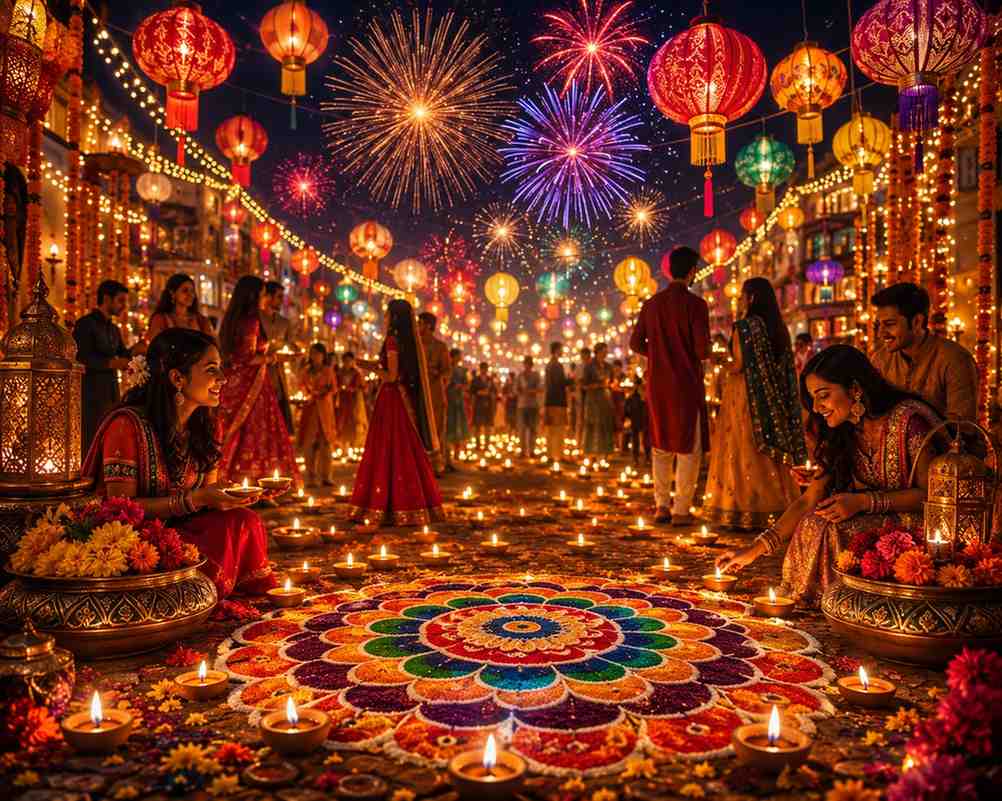
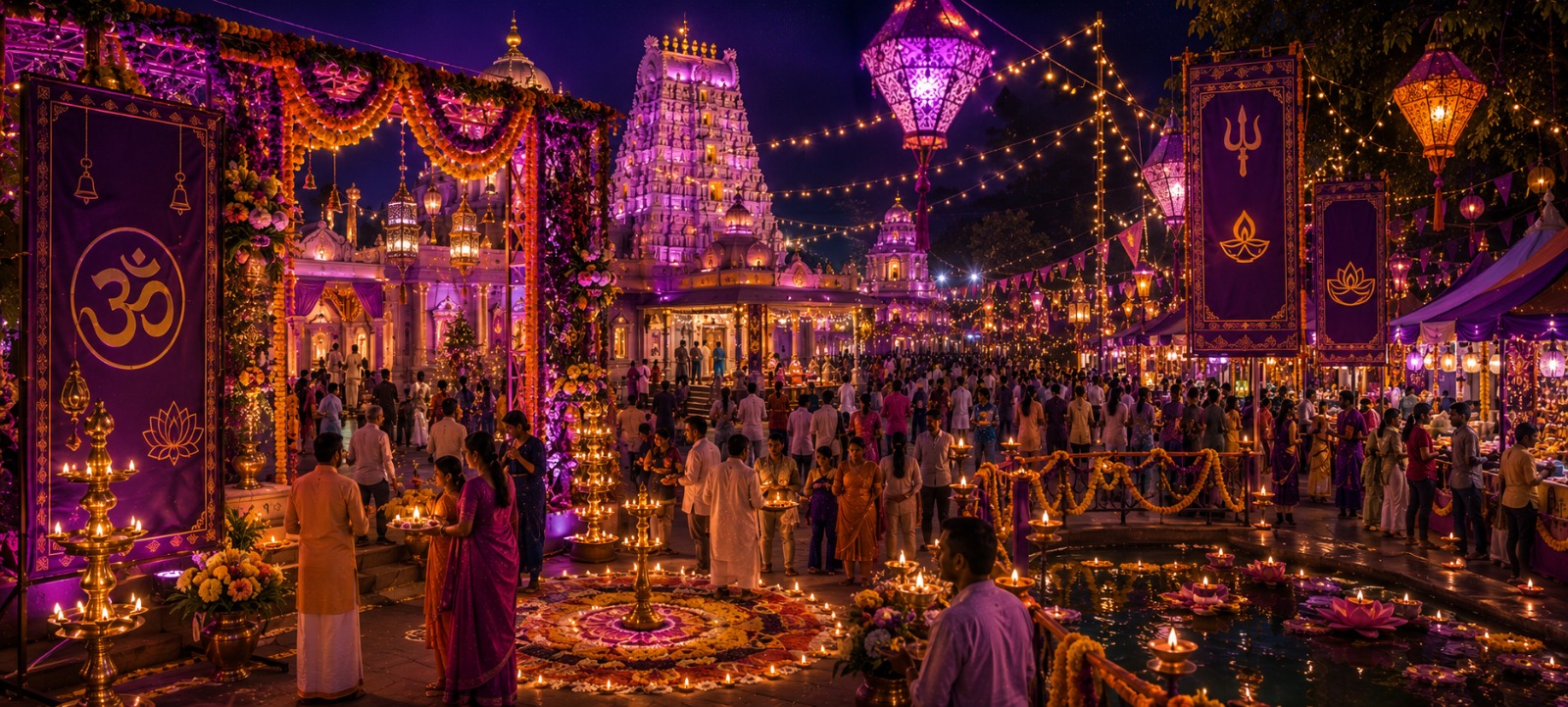
The ReligiousFestival
A Religious Spiritual Devotional Celebration brings communities together through devotion, rituals, and spiritual togetherness.
2
Explore Other Festival celebrations
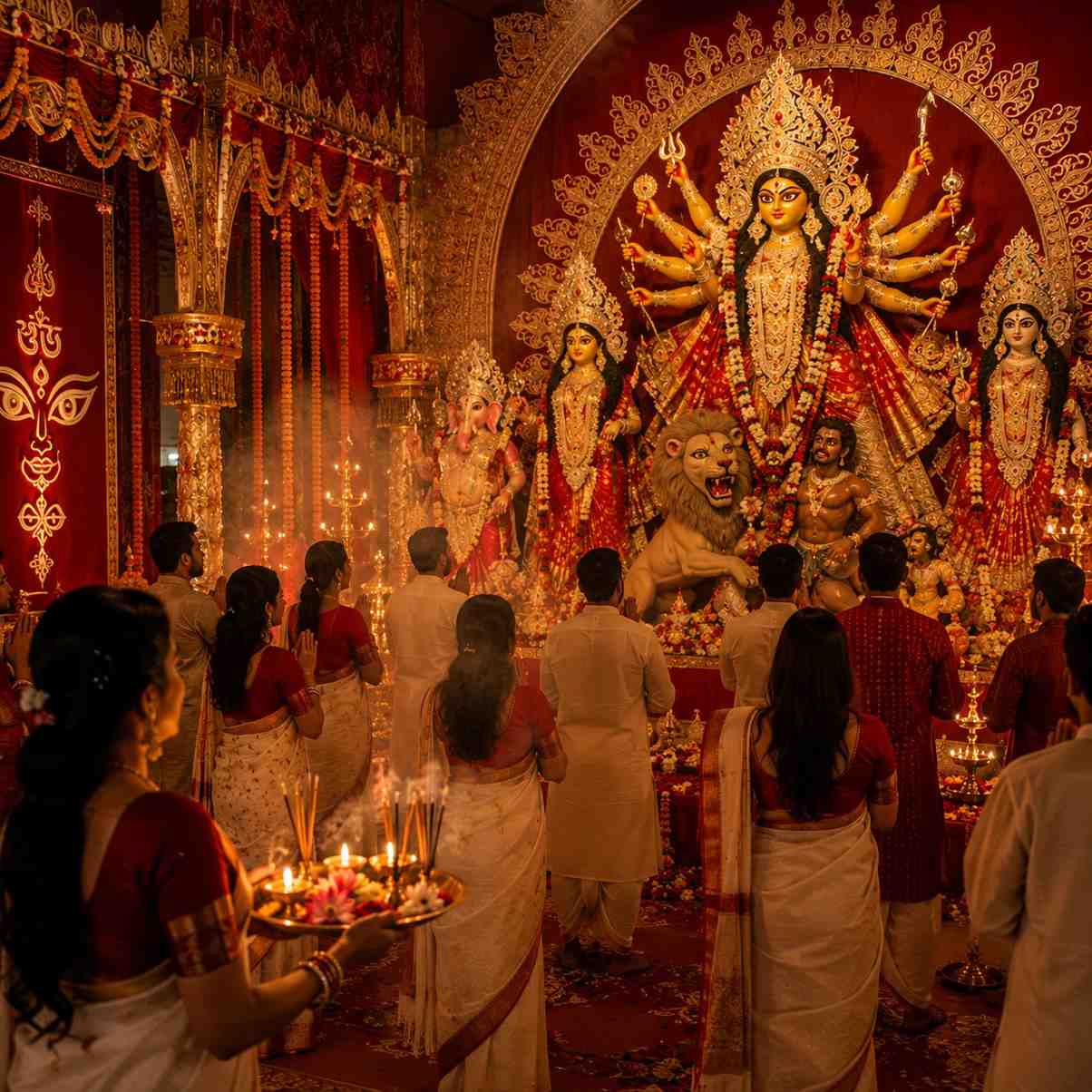
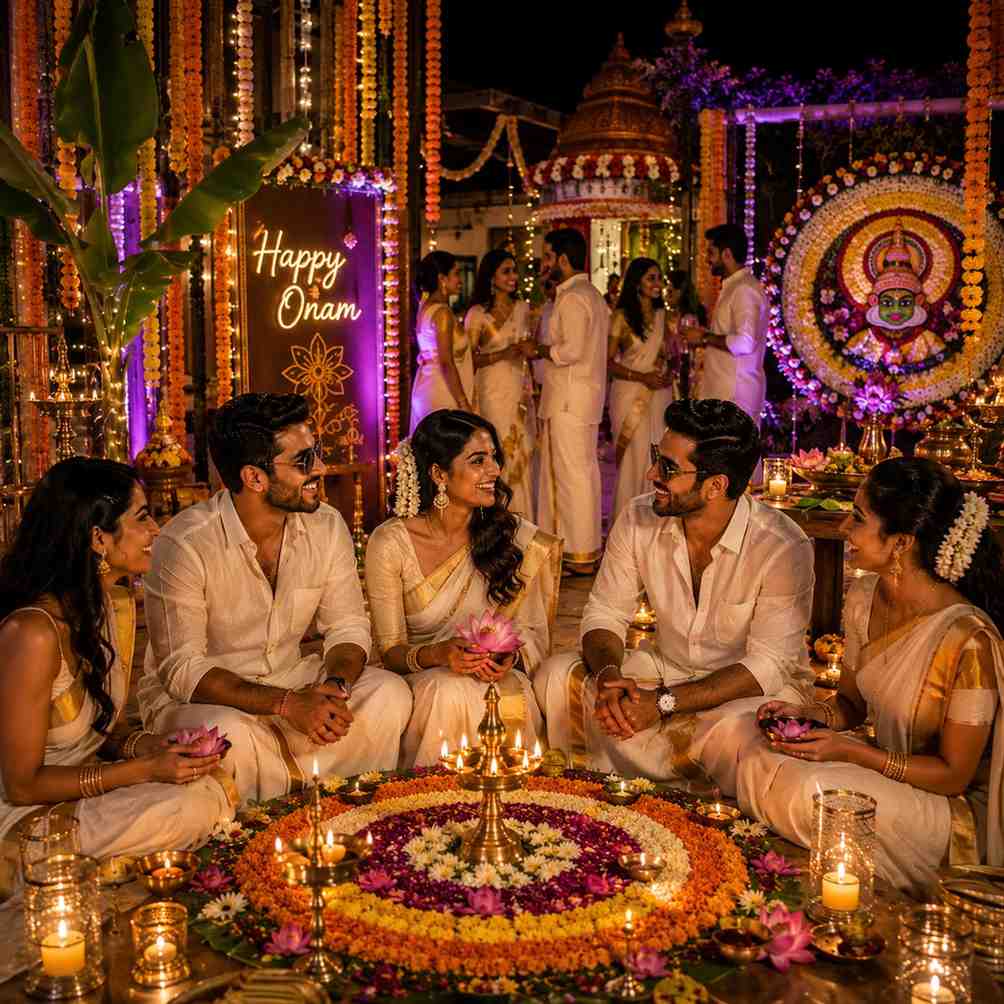
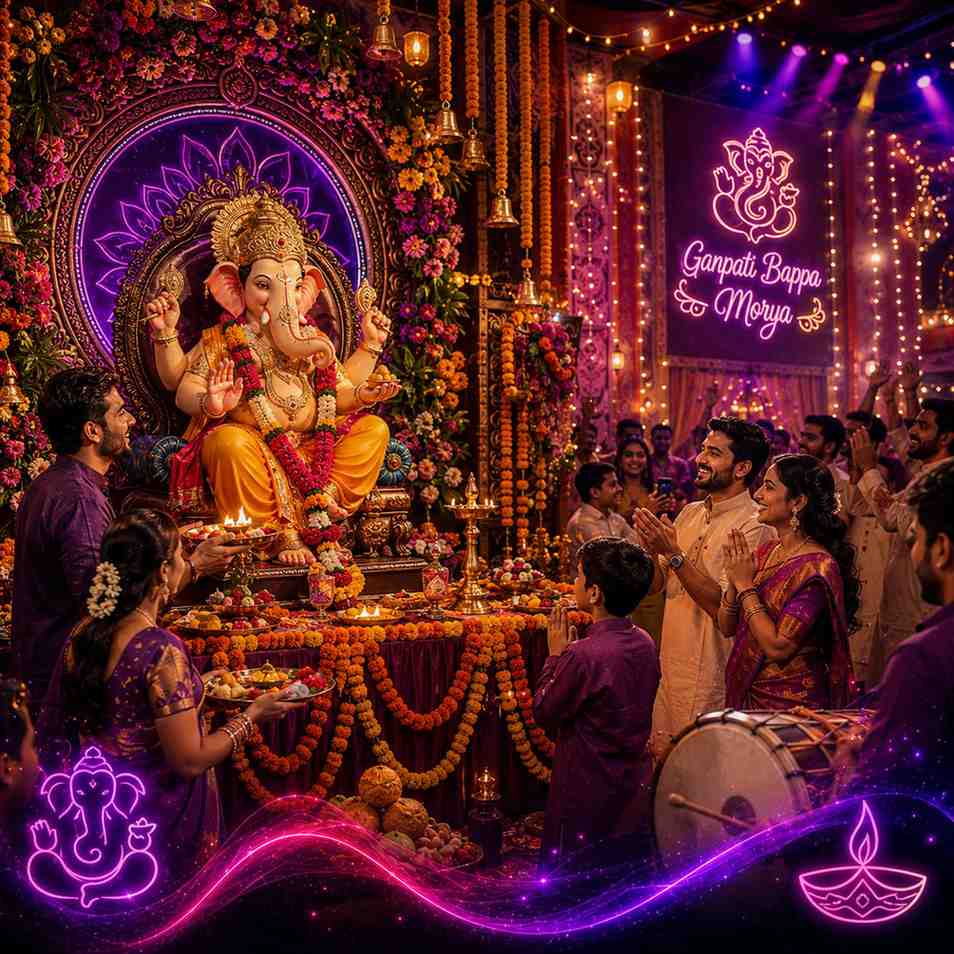
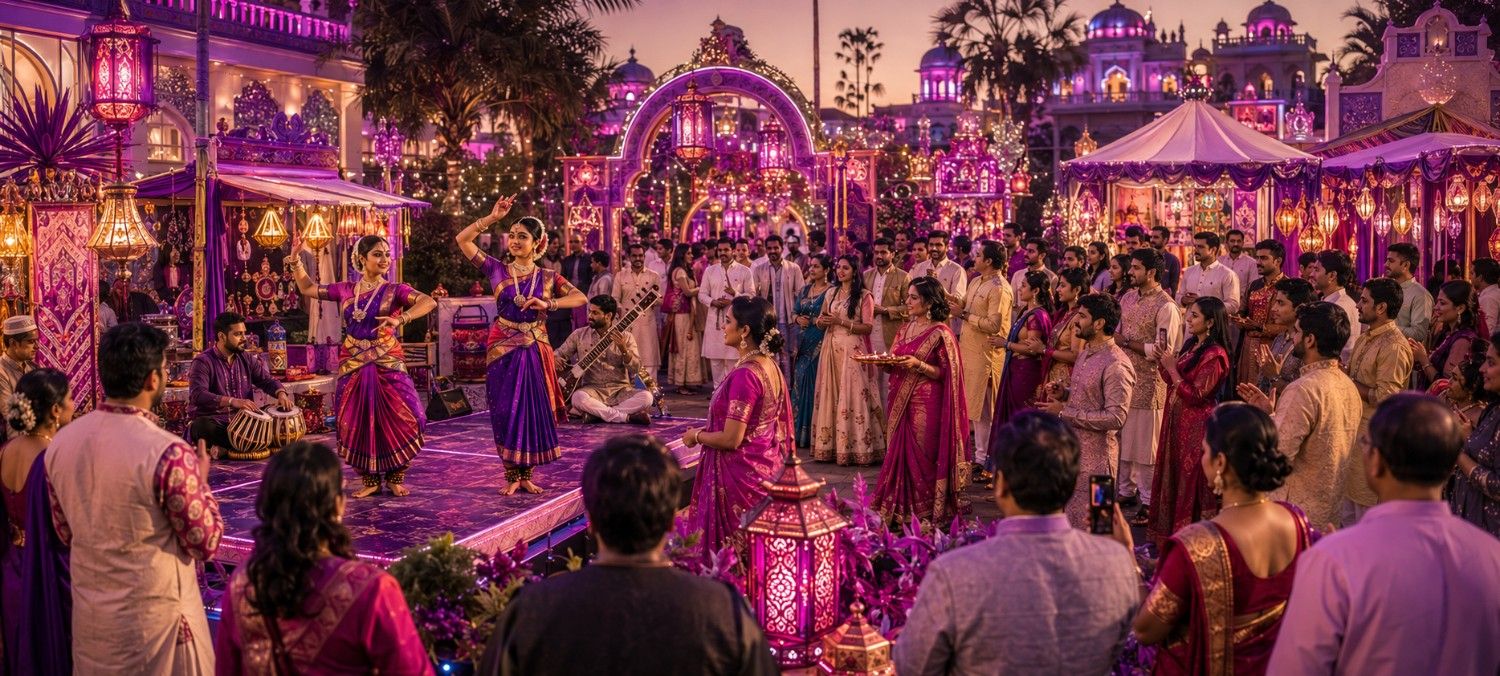
3
Explore Styles Celebrate By Style
4
View All Cities Popular Cities
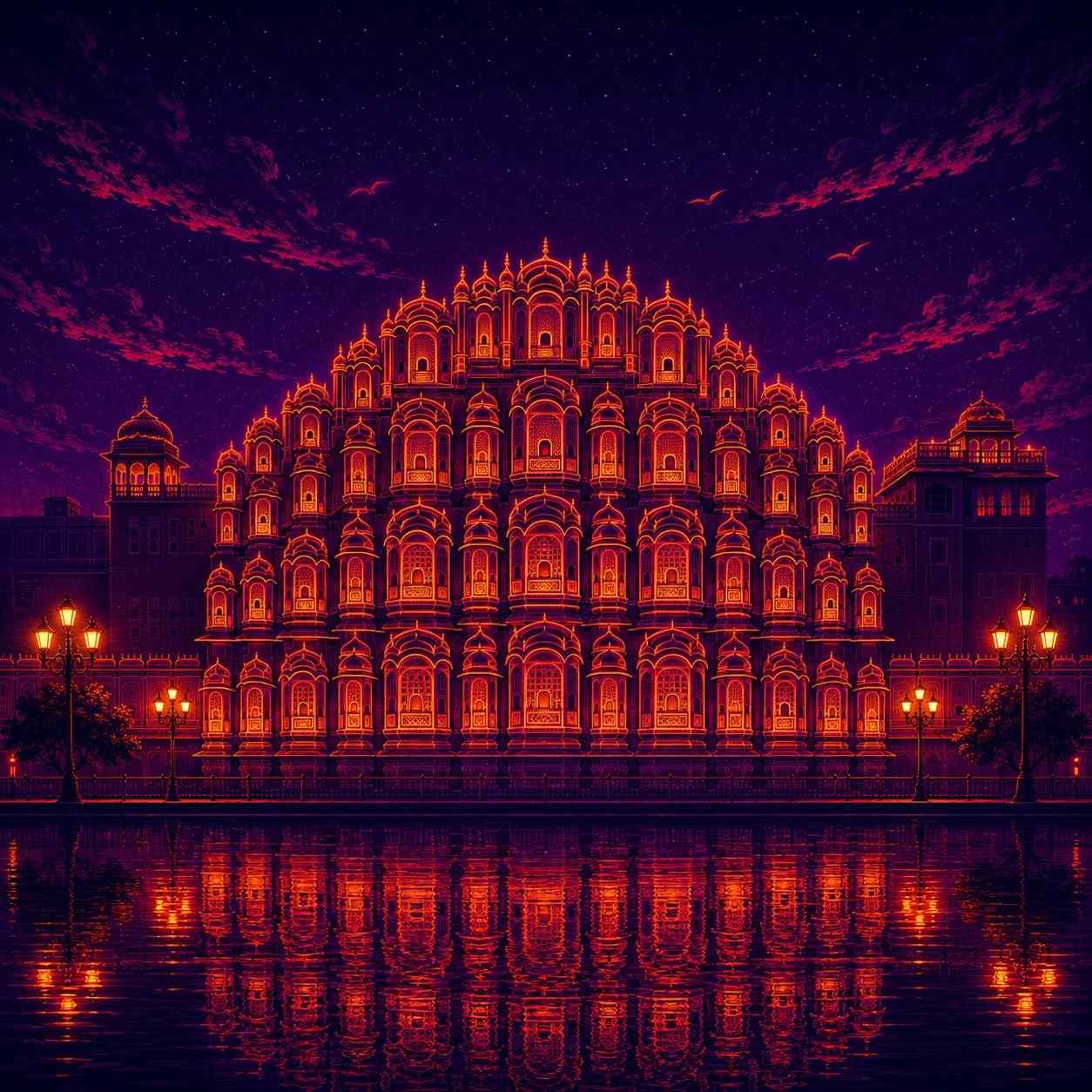
Jaipur
300+ Celebrations Hosted
Royal Grandeur in Pink

Goa
350+ Celebrations Hosted
Where Celebrations Meet Sunshine
Chennai
500+ Celebrations Hosted
Tradition Meets Coastal Elegance
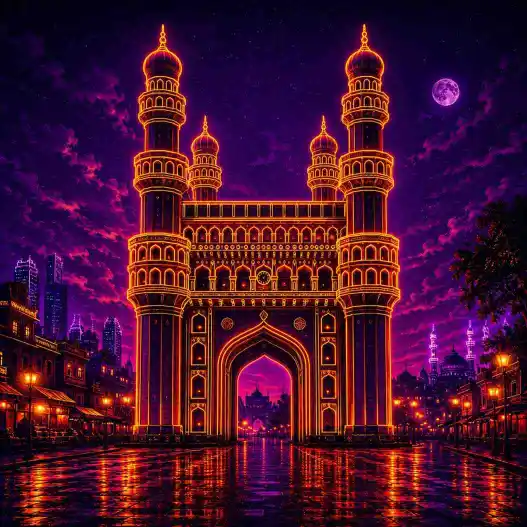
Hyderabad
400+ Celebrations Hosted
Heritage, Grandeur and Warmth

Kochi
250+ Celebrations Hosted
Where Heritage Meets Backwaters

Mumbai
600+ Celebrations Hosted
Bold Energy, Endless Celebrations

Bengaluru
450+ Celebrations Hosted
Modern Spirit, Creative Celebrations

Pune
350+ Celebrations Hosted
Culture, Charm and Celebration

Delhi
550+ Celebrations Hosted
Where History Meets Grandeur
Coimbatore
200+ Celebrations Hosted
Tradition Rooted in Tranquility

Kolkata
300+ Celebrations Hosted
Culture, Emotion and Celebration

Ahmedabad
200+ Celebrations Hosted
Tradition with Vibrant Energy
5
View All Popular Experiences
6
Festival Snapshot™
30+
Festival Types
500+
Festival Experiences
2000+
Celebration Venues
1500+
Event Partners
50+
Cities
1000+
Festivals Celebrated
12
Related Celebration Universes
Explore more ways to celebrate life.



Ready to Plan Your Religious Festival?
Hiya & Hanu are here to help you create unforgettable moments with the perfect venues, experiences, and trusted event partners—all in one place.

◆
Planning a Meaningful Religious Spiritual Devotional Celebration for Families
◆A religious spiritual occasion carries a weight that goes far beyond decor and guest lists. It is a moment where families gather to honour tradition, seek blessings, and reconnect with the values that ground them. Whether you are organising a small home puja or a large gathering inside a temple hall, the intention behind the event matters as much as the execution. At Happiffie, we understand that this kind of occasion is not simply another entry on the events calendar; it is a deeply personal expression of faith that deserves thoughtful, respectful planning.
This guide walks you through everything involved in organising temple festivities, community prayer gatherings, and other forms of spiritual observance, so that your event feels authentic, well-organised and fulfilling for every guest who attends.
What Is a Religious Spiritual Devotional Celebration?
This kind of gathering refers to any organised occasion centred around worship, prayer, ritual observance or the marking of a significant date in a faith calendar. These occasions can range from intimate family functions to large public gatherings that draw hundreds of devotees. Unlike purely social events, this kind of gathering means every decision, from the seating arrangement to the timing of rituals, is guided by tradition and reverence rather than convenience alone.
In many South Asian households, such an occasion marks important milestones such as a griha pravesh, a naming ceremony, an annual temple festival, or a special gathering held to seek blessings for a new venture. The format varies by community and faith, but the underlying purpose remains consistent: bringing people together in a shared act of devotion.
Why Families Choose to Organise Temple Festivities
These gatherings hold a special place in community life. They are not only acts of worship but also opportunities for extended families, neighbours and friends to come together, share a meal, and participate in collective prayer. Many families choose to sponsor or host such events during auspicious periods of the calendar, believing that communal worship amplifies the spiritual merit of the occasion.
Organising these gatherings also allows families to give back to their community. Sponsoring a havan, an aarti, or a full day of prayers at a local temple is often seen as an act of gratitude, particularly after a personal milestone such as a wedding, the birth of a child, or a business success. These gatherings frequently include a communal meal or prasad distribution, reinforcing the sense of shared blessing that defines the occasion.
The Significance of Divine Blessings in Devotional Gatherings
At the heart of nearly every such occasion lies the pursuit of divine blessings. Families invite priests or spiritual leaders to conduct rituals believed to invoke protection, prosperity and wellbeing. The specific rituals performed vary considerably depending on faith tradition, region and family custom, but common elements include chanting, offerings of flowers and fruit, the lighting of lamps, and structured prayer sequences.
Many hosts also choose to formalise the moment when blessings are sought by inviting elders or respected community members to bless the family publicly. This adds a layer of communal witness to the private act of devotion, strengthening the emotional resonance of the event for everyone present.
Understanding the Worship Assembly Format
This kind of gathering typically follows a structured order of proceedings, even when the tone remains warm and informal. Guests are usually welcomed with a short briefing on what to expect, followed by the core ritual segment, communal chanting or bhajans, and finally a shared meal. Understanding this flow is essential for anyone planning this kind of event, since this segment often dictates the layout of the venue, the seating direction relative to the deity or altar, and the timing of the entire event.
For larger gatherings, this format may include multiple priests, a sound system for chanting, and designated areas for different rituals to run concurrently. Smaller home-based gatherings are more intimate but still benefit from careful planning around timing, since many rituals must be performed during specific auspicious windows known as muhurat.
Key Planning Considerations for a Devotional Celebration
Selecting the right venue: Whether you host at home, in a community hall or within temple premises, the venue must accommodate the specific ritual requirements of your event, including space for a havan kund, an altar, or a designated gathering area.
Coordinating with priests and officiants: Early coordination ensures your chosen priest is available and familiar with the specific rituals your family follows. This is particularly important for larger festivities involving multiple ceremonial stages.
Managing timing around auspicious periods: Many such occasions are scheduled according to the lunar calendar or specific auspicious dates. Confirming these dates early prevents last-minute clashes with venue or vendor availability.
Arranging prasad and catering: Food holds ritual significance in most devotional traditions. Whether it is a simple prasad distribution or a full community feast, catering needs to respect dietary customs such as satvik or vegetarian-only menus.
Décor that respects tradition: Floral garlands, rangoli, diyas and traditional motifs are common in these celebrations, and should be chosen to complement rather than overwhelm the spiritual atmosphere.
Sound and seating arrangements: For gatherings involving chanting or bhajans, good acoustics matter. Seating should also account for cultural norms, such as separating ritual space from general seating.
How Happiffie Supports Your Celebration Planning
Happiffie works with families across India to plan devotional celebrations that honour tradition while removing the logistical stress of event coordination. Our team assists with venue sourcing suited to larger celebrations or home-based gatherings, coordination with trusted priests and officiants, satvik catering arrangements, and décor that reflects the spiritual tone of the occasion.
We recognise that no two families approach such an event in exactly the same way. Some prefer an intimate, private gathering focused purely on ritual, while others want a larger celebration that doubles as a community event to receive blessings collectively. Whatever the scale, Happiffie tailors every element, from invitations to seating charts, to reflect your family's specific customs and expectations.
If you are planning larger festivities to mark a milestone, or a smaller worship assembly to seek blessings for a new chapter in life, our events team can help coordinate every detail so you can focus on the meaning of the occasion rather than the logistics behind it.
Who Typically Hosts These Celebrations
These occasions are hosted across a wide range of circumstances, including:
- Families marking a griha pravesh or new home blessing
- Individuals seeking blessings before starting a new business venture
- Communities organising annual devotional gatherings tied to a specific deity or festival
- Families hosting a gathering after recovery from illness or a significant life event
- Temples and religious trusts organising public celebrations during festival seasons
Regardless of scale, the common thread is a desire to mark a moment of significance through structured, respectful worship shared with others.
Making Every Celebration Meaningful for Every Guest
A well-planned event of this kind should feel welcoming to guests of varying ages and levels of religious familiarity. Providing a brief explanation of the rituals being performed, whether through a printed programme or a short verbal introduction, helps younger attendees and guests from different backgrounds feel included rather than like passive observers.
Comfortable seating, clear sightlines to the altar, and accessible restroom facilities all contribute to a smoother experience, particularly for elderly guests who may be attending multiple such gatherings across a festival season. Thoughtful touches, such as small return gifts or packets of prasad for guests to take home, are also common ways to extend the spirit of the occasion beyond the day itself.
Why Choose Happiffie for Your Devotional Celebration
Happiffie brings years of experience coordinating religious spiritual events across diverse communities and faith traditions. From sourcing suitable venues to arranging priests, satvik catering and traditional décor, our team manages the details so your family can focus on the spiritual significance of the day. We work with a trusted network of vendors familiar with the specific requirements of these gatherings, ensuring every ritual proceeds smoothly and every guest feels the intended sense of divine blessings.
If you are ready to begin planning your next devotional celebration, get in touch with the Happiffie events team today to discuss your requirements and receive a tailored proposal.
Frequently Asked Questions
1. What is included in a typical event of this kind?
Most gatherings include a core ritual segment led by a priest, communal chanting or prayers, a period focused on receiving divine blessings, and a shared meal or prasad distribution for guests.
2. How far in advance should I start planning temple festivities?
For smaller home-based events, four to six weeks is generally sufficient. Larger festivities involving multiple priests or a public worship assembly often require eight to ten weeks of preparation.
3. Can Happiffie help arrange priests for a religious spiritual devotional celebration?
Yes, Happiffie coordinates with trusted priests and officiants who are familiar with a range of regional and community-specific rituals, ensuring the occasion follows the correct customs.
4. What kind of catering is appropriate for temple festivities?
Satvik or vegetarian-only menus are standard for most such gatherings, as many devotional traditions avoid onion, garlic and non-vegetarian food during religious observances.
5. How is the venue chosen for a worship assembly?
Venue selection depends on guest count, ritual requirements and acoustics for chanting. Happiffie can suggest venues suited to both intimate gatherings and larger celebrations.
6. Do I need to follow a specific date to seek divine blessings?
Many families choose auspicious dates based on the lunar calendar, though this varies by tradition. Consulting your family priest early helps confirm the most suitable timing.
7. What décor is typically used in a religious spiritual devotional celebration?
Common décor includes floral garlands, rangoli, diyas, and traditional motifs that reflect the spiritual tone of the event without overshadowing the rituals themselves.
8. Can Happiffie manage large-scale public celebrations as well as smaller home events?
Yes, Happiffie supports events of every scale, from an intimate family worship assembly to large public temple festivities involving hundreds of devotees.
9. How much does it typically cost to organise this kind of event?
Costs depend on venue, catering, priest fees and décor. Happiffie provides a customised quote after understanding the scope and requirements of your specific devotional celebration.
10. How do I get started with Happiffie for my next event?
You can contact the Happiffie events team through our website to discuss your religious spiritual devotional celebration, after which we will propose a tailored plan covering venue, catering and ritual coordination.