
Religious Ceremony and Celebration ExperiencesSacred Moments, Perfectly Planned
Wedding Planning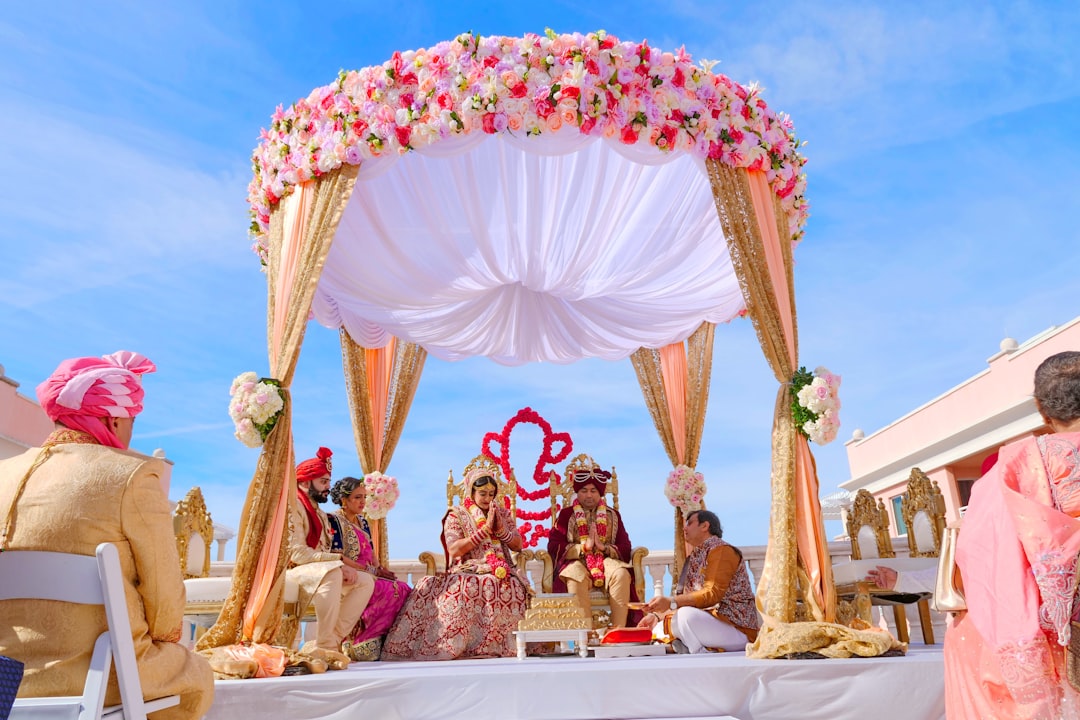
<p>India is home to one of the world's most diverse and vibrant landscapes of religious ceremony and celebration experiences. Whether you are planning a grand Hindu wedding with full Vedic rituals in Chennai, an intimate Nikah ceremony in Hyderabad, a Sikh Anand Karaj in Delhi, or a Christian church wedding in Bangalore, each tradition carries centuries of meaning, symbolism, and joy. The depth of India's religious celebrations is unmatched — and so is the complexity of planning them well.</p><p>Families across India invest deeply — emotionally and financially — in their religious ceremonies. A traditional South Indian Brahmin wedding in Chennai, for instance, may involve multiple sub-rituals across three days, requiring a skilled purohit (priest), a precisely timed muhurat, specific floral arrangements, and catering that adheres to strict dietary customs. In contrast, a contemporary Mumbai interfaith wedding might blend Christian vows with Hindu blessings, demanding a coordinator who can balance both traditions seamlessly. The key to a flawless sacred celebration experience lies in meticulous planning, deep cultural knowledge, and the right network of vendors.</p><p>One of the biggest challenges couples face when planning traditional Indian wedding rituals is coordinating the sheer number of moving parts. From booking the right pandit or priest months in advance to ensuring the mandap is constructed as per Vastu guidelines, from sourcing samagri (ritual ingredients) to managing the timing of multi-day ceremonies — every detail matters. Many families in Bangalore, Hyderabad, and Delhi are now turning to professional <a href="/professional-event-services-vendor-management-cost-booking-online">event planning and vendor management services</a> to bring all these elements together without stress.</p><p>The emotional resonance of a religious ceremony is amplified when every logistical detail is handled with care. Imagine the Saat Phere flowing without interruption because your decorator set up the sacred fire exactly on time, or the Mehendi ceremony unfolding beautifully because your caterer arrived two hours early with perfectly prepared snacks. These are the moments that define a truly memorable sacred celebration experience — and they don't happen by accident. They happen because someone planned them with precision and passion.</p>
<p>Understanding the cost structure of religious ceremony and celebration experiences in India is essential for realistic budget planning. Prices vary dramatically by city, tradition, and scale. In Mumbai and Delhi, a full Hindu wedding ceremony with pandit, floral mandap, samagri kit, and traditional décor can range from ₹2,50,000 to ₹8,00,000 or more for a large gathering. In Chennai and Hyderabad, similar packages may be available for ₹1,50,000 to ₹5,00,000 depending on the complexity of rituals and the reputation of the purohit. Christian church weddings in Bangalore typically range from ₹80,000 to ₹3,00,000 for the ceremony itself, excluding reception costs.</p><p>Sikh Anand Karaj ceremonies, often held at Gurudwaras, are known for their spiritual simplicity and community focus — but even these require careful coordination for the Ardas, Lavaan, and post-ceremony langar arrangements. Muslim Nikah ceremonies may involve a Qazi, specific contracts, and a Walima celebration that can span multiple days. Jain weddings follow unique Vivah Vidhi rituals, while Buddhist ceremonies incorporate meditation and chanting. Each of these sacred celebration events demands culturally sensitive planning and vendors who genuinely understand the traditions involved.</p><p>One often-overlooked aspect of planning traditional Indian wedding rituals is the vendor ecosystem that supports the ceremony itself. Beyond the priest or officiant, you need a decorator who understands sacred geometry for the mandap, a caterer who can prepare prasad and ritual sweets to exact specifications, a photographer who knows when NOT to use flash during certain rituals, and an audiovisual team that can amplify the mantras without distorting their sanctity. Platforms like Happiffie connect couples with <a href="/professional-event-services-vendor-management-cost-booking-online">verified vendors specialized in religious and cultural events</a> across India's major cities, making the search far less overwhelming.</p><p>Technology is transforming how families approach sacred ceremony planning. Digital platforms now allow couples to compare priests, decorators, and caterers side by side, read verified reviews, and even book through a transparent pricing system. Happiffie's innovative Reverse Auction model — where vendors bid for your event — ensures that families in Chennai, Mumbai, Bangalore, and beyond get the best possible pricing for their religious ceremony and celebration experience without compromising on quality. Explore <a href="/get-best-deal-price-event-service-package-maximum-discount-venue-booking">exclusive deals and pricing packages</a> to see how much you can save on your sacred celebration today.</p>
Planning Your Perfect Religious Ceremony in India
Watch our video about Religious Ceremony and Celebration Experiences — from traditional Hindu wedding rituals to interfaith celebrations, discover how Happiffie helps you plan every sacred moment with ease.
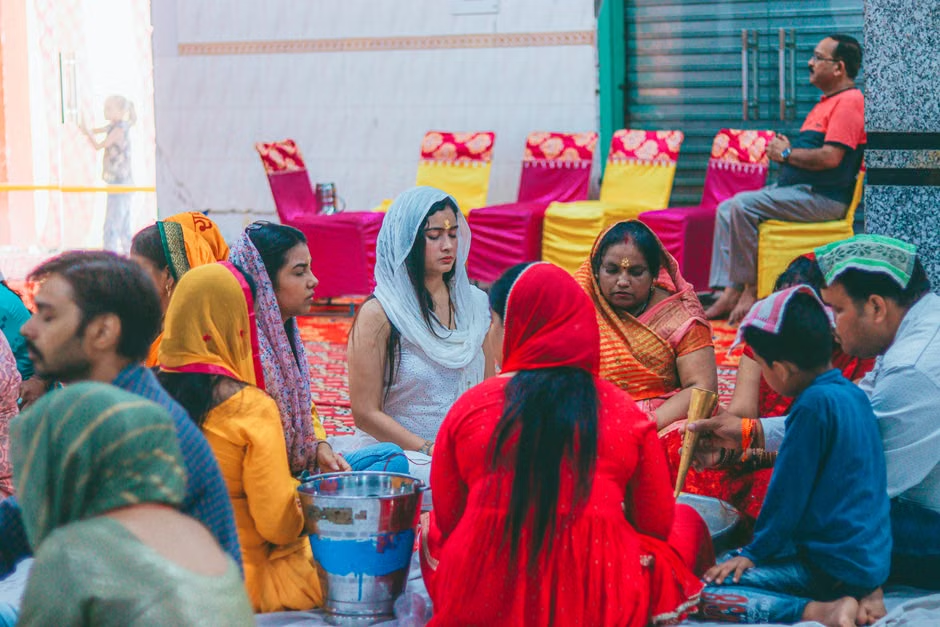
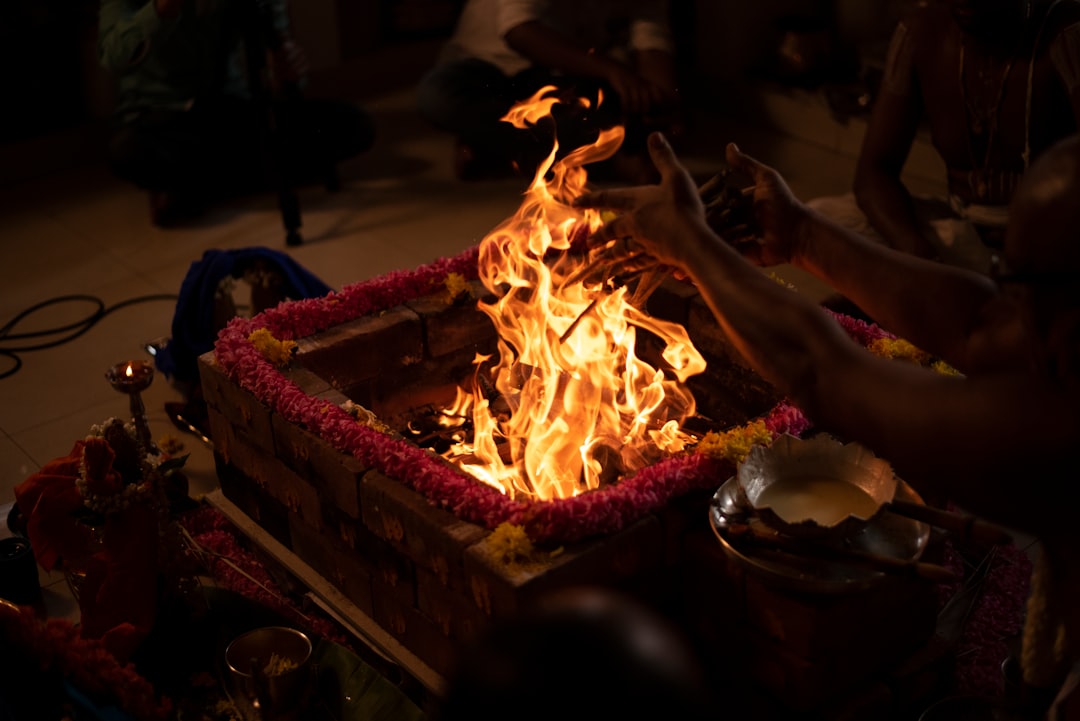
When planning traditional Indian wedding rituals, the choice of ceremony venue is as sacred as the ritual itself. For Hindu weddings, many families prefer dharamshalas, temple halls, or outdoor garden venues that can accommodate a proper mandap setup with a sacred fire pit (Havan Kund). In Chennai, several reputed marriage halls near Mylapore and T. Nagar are specifically designed for Brahmin wedding ceremonies with built-in spaces for priests and ritual arrangements. In Hyderabad, both traditional kalyana mandapams and five-star hotel ballrooms cater to elaborate Telugu and Telangana wedding ceremonies. For Muslim families planning a Nikah, mosques with attached community halls are the preferred choice in cities like Mumbai, Hyderabad, and Delhi — offering both spiritual sanctity and the space needed for a Walima reception. Sikh families in Delhi, Chandigarh, and Amritsar typically choose Gurudwara premises for the Anand Karaj, where the Guru Granth Sahib is present and the ceremony can unfold in its most authentic form. Christian couples in Bangalore, Chennai, and Goa often book church weddings up to a year in advance given high demand, especially for Christmas and Easter season celebrations. A crucial decision in planning any religious ceremony is selecting the officiant — the pandit, priest, Qazi, or Granthi. This person is the spiritual anchor of your ceremony, and their experience, clarity of pronunciation, and ability to explain rituals to guests can elevate the entire experience. Happiffie's vendor network includes verified and reviewed officiants across all major Indian cities. You can browse profiles, read family testimonials, and compare availability through our <a href="/professional-event-services-vendor-management-cost-booking-online">professional event services portal</a> — ensuring you find the right spiritual guide for your sacred day. Decoration for religious ceremonies requires a deep understanding of symbolism. The colors used in a South Indian Hindu wedding (red, yellow, white) carry specific ritual meanings and must align with the traditions of the community. Islamic wedding décor emphasizes elegance and modesty, often featuring intricate geometric patterns, soft lighting, and floral arrangements in white and gold. Christian weddings traditionally feature white flowers, candles, and altar arrangements that reflect purity and reverence. Working with a decorator who understands these nuances — rather than a generic decorator — makes an enormous difference to both the visual and spiritual quality of your sacred celebration experience.
Beyond the ceremony itself, the celebration experiences that surround a religious wedding are what make the entire event unforgettable. Pre-wedding rituals like Haldi, Mehendi, Sangeet, and Engagement ceremonies have evolved into full-scale celebrations in their own right, often requiring separate venue bookings, décor setups, catering arrangements, and entertainment planning. In Bangalore and Mumbai, it is increasingly common for families to book separate venues for each pre-wedding function, turning a single wedding into a multi-day religious and cultural festival. Catering for religious ceremonies demands special attention to tradition and dietary requirements. Brahmin weddings in South India require strictly sattvic food — no onion, garlic, or non-vegetarian items. Jain weddings follow even stricter dietary codes, while Muslim weddings require certified Halal catering. Many Hindu families observe specific ekadashi fasts during certain auspicious periods, requiring caterers to prepare fasting-friendly menus. Happiffie's network of specialized caterers — available through our <a href="/professional-event-services-vendor-management-cost-booking-online">vendor management platform</a> — includes experts in every regional cuisine and dietary requirement, ensuring your sacred feast is as memorable as the ceremony itself. Photography and videography for religious ceremonies require a unique skill set. A photographer covering a traditional Indian wedding ritual must know exactly when the key moments occur — the Saat Phere, the exchange of garlands (Jayamala), the Sindoor ceremony, the first look during a Christian wedding, or the Lavaan circumambulations at an Anand Karaj. Intrusive flash photography during these moments can be deeply disruptive. The best religious wedding photographers use ambient lighting, long lenses, and a documentary approach that captures the emotion and spirituality without disrupting the ritual flow. For couples looking to discover real sacred celebration events that have been successfully planned and executed, Happiffie's portfolio section offers genuine inspiration. Browse through <a href="/real-events-showcase-portfolio-success-stories">real event showcases and success stories</a> featuring Hindu, Muslim, Christian, and Sikh weddings from across India — complete with vendor credits, budget breakdowns, and couple testimonials. These real-world examples provide practical benchmarks and creative inspiration for your own religious ceremony planning journey, helping you make informed decisions with confidence.
The Rhythm of Sacred CelebrationsYour planning journey continues here
Planning a religious ceremony and celebration experience is not a single decision — it is a beautiful series of choices, each one adding a new layer of meaning to your sacred day. From the first muhurat consultation to the final vidaai or recessional, every step of the journey deserves attention, care, and expert support. Happiffie's blog and planning resources are designed to walk with you through every phase — offering expert tips on traditional Indian wedding rituals, budget guides for sacred celebration events, vendor comparisons, and real family stories that inspire and inform. Whether you are six months out or six weeks away, there is always something new to learn and plan. Keep exploring, keep asking questions, and trust that with the right support, your religious ceremony will be everything you have dreamed it would be.
Celebrate Every Sacred TraditionFeatured highlights from Happiffie's ceremony planning expertise
India's religious ceremony landscape is as diverse as it is beautiful. Happiffie is proud to support families across all faiths and traditions — bringing together the best vendors, the most beautiful venues, and the most experienced planners to create sacred celebration experiences that honor your heritage and exceed your expectations. Here are some of the most cherished ceremony highlights our platform has helped bring to life.
Traditional Hindu Vivah Ceremonies
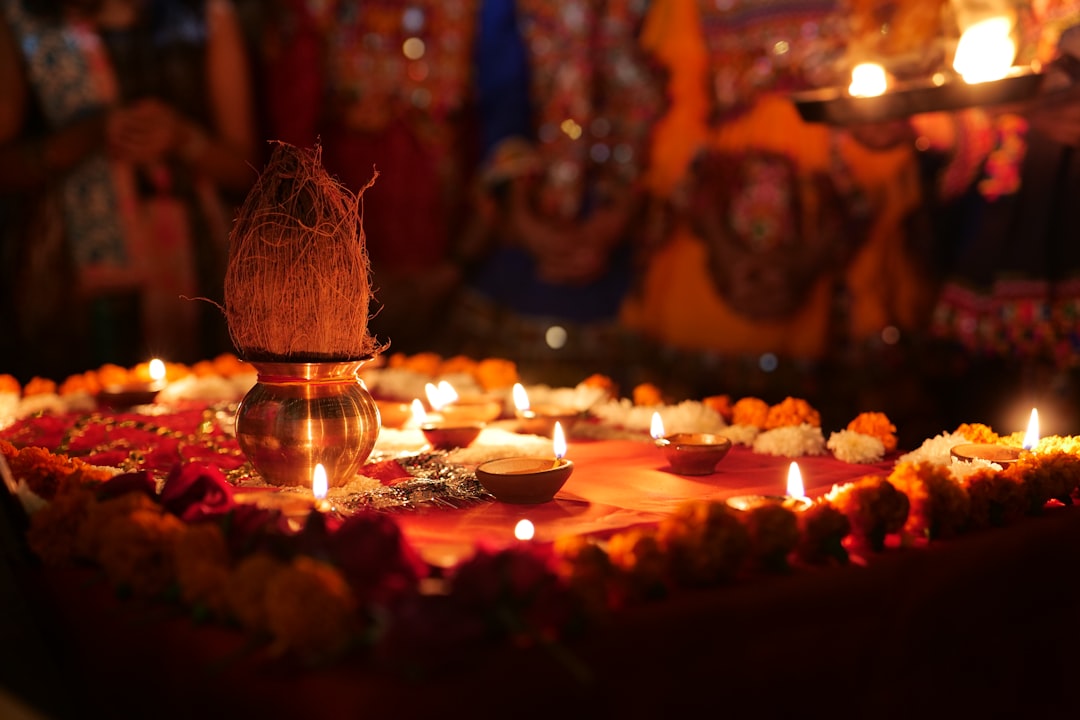
From the sacred Saat Phere and Kanyadan to the Sindoor ceremony and Vidaai, Happiffie's vetted pandits, mandap decorators, and ritual caterers ensure every moment of your Vedic wedding unfolds with spiritual integrity and visual grandeur — whether in Mumbai, Chennai, or Delhi.
Interfaith and Contemporary Sacred Celebrations
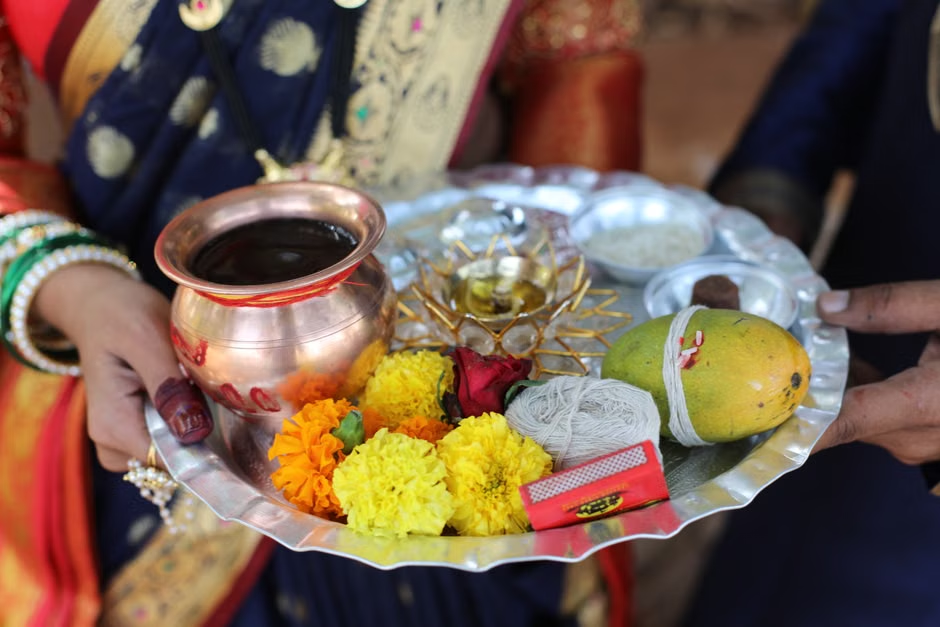
Modern Indian couples increasingly blend religious traditions into unique interfaith celebrations — combining Christian blessings with Hindu rituals, or incorporating both Nikah and civil ceremony elements. Happiffie's experienced coordinators and culturally fluent vendor network make these deeply personal sacred experiences possible.
Start Planning Your Religious Ceremony
Our team is here to guide you through every sacred step
Discover Sacred Ceremony CollectionsExplore Happiffie's curated religious celebration services
From mandap décor and ritual samagri to traditional bridal wear consultants and ceremony photography specialists, Happiffie's curated service collections bring together everything you need for an authentic and beautiful religious ceremony and celebration experience. Browse our vendor categories, compare packages, and book with confidence — knowing every service provider has been verified for quality and cultural competence.
Explore Our Services
Are you a Vendor? Grow Your Business with Happiffie!
- High intent verified leads
- Reverse auction opportunities
- AI business tools & insights
- Dedicated vendor dashboard
- Grow your business, your way
It's free & takes less than 2 minutes!