
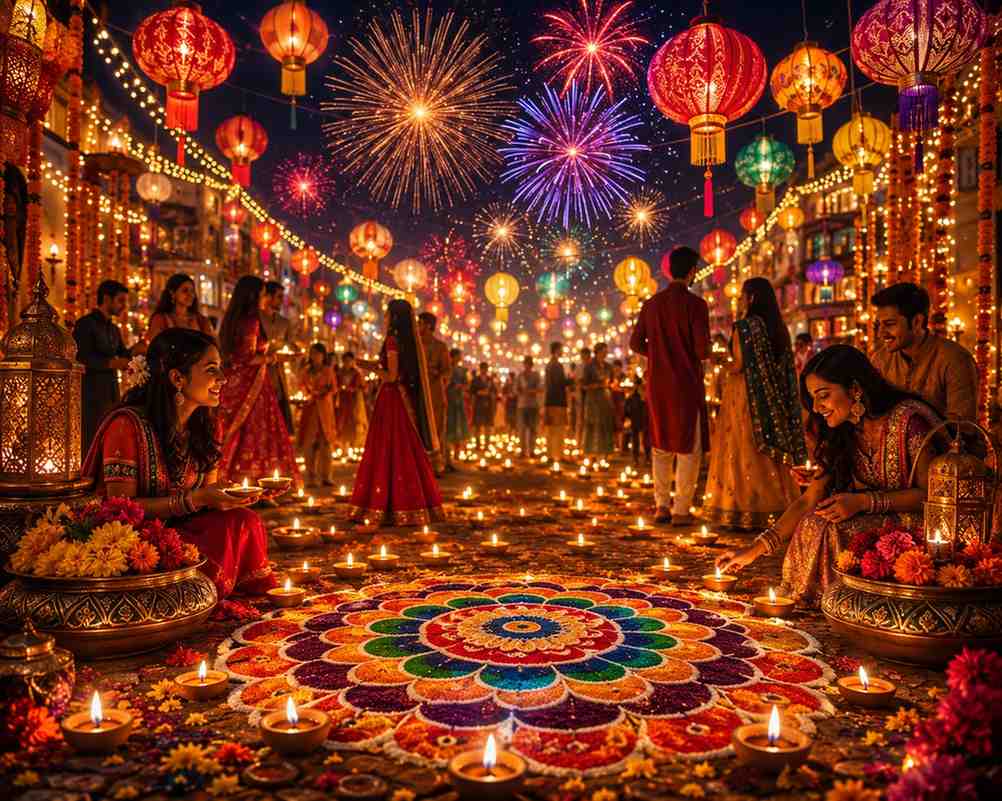
The CulturalHeritage Festival
Celebrate Cultural Heritage Traditions Celebrations with folk performances, rich customs, and meaningful community gatherings.
2
Explore Other Festival celebrations
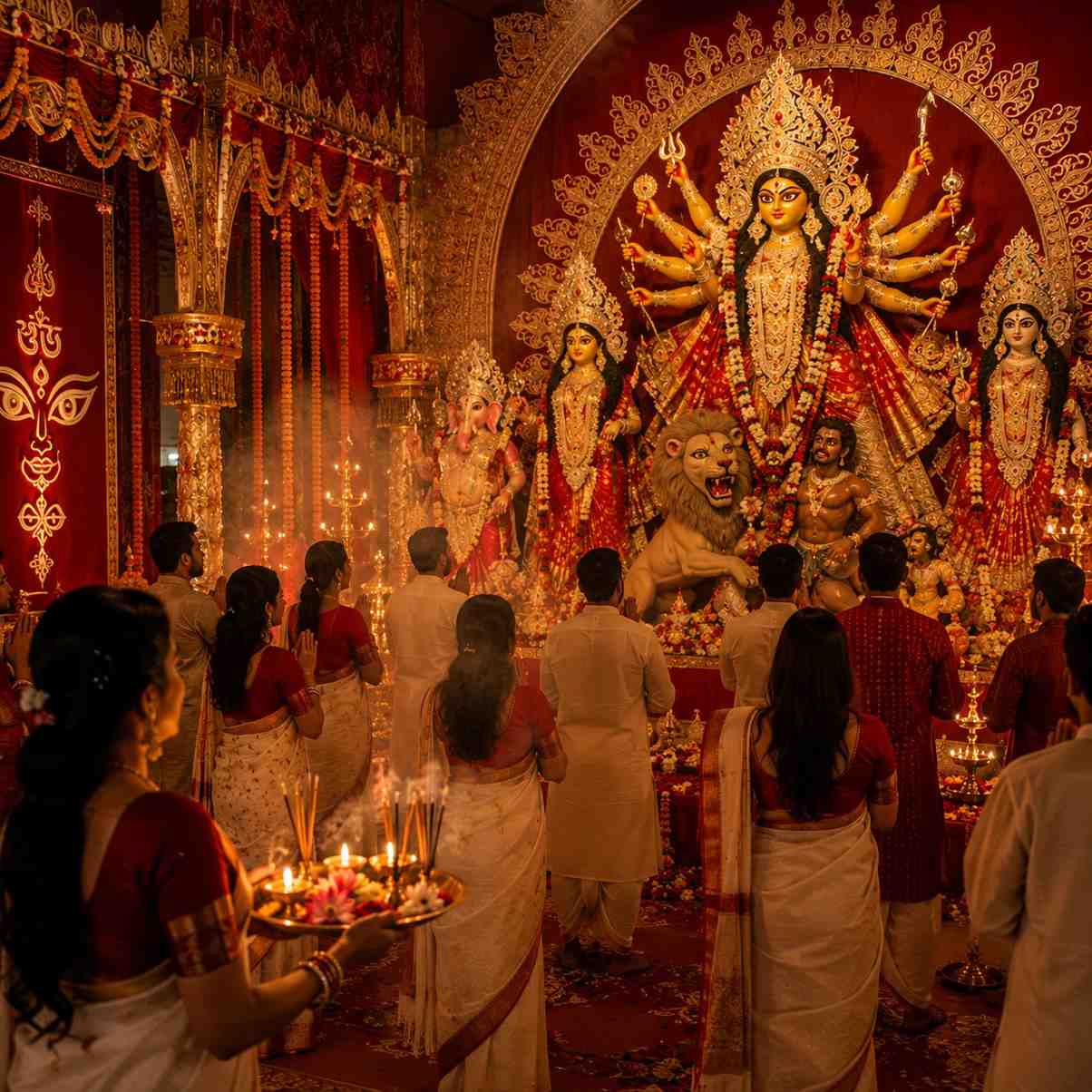
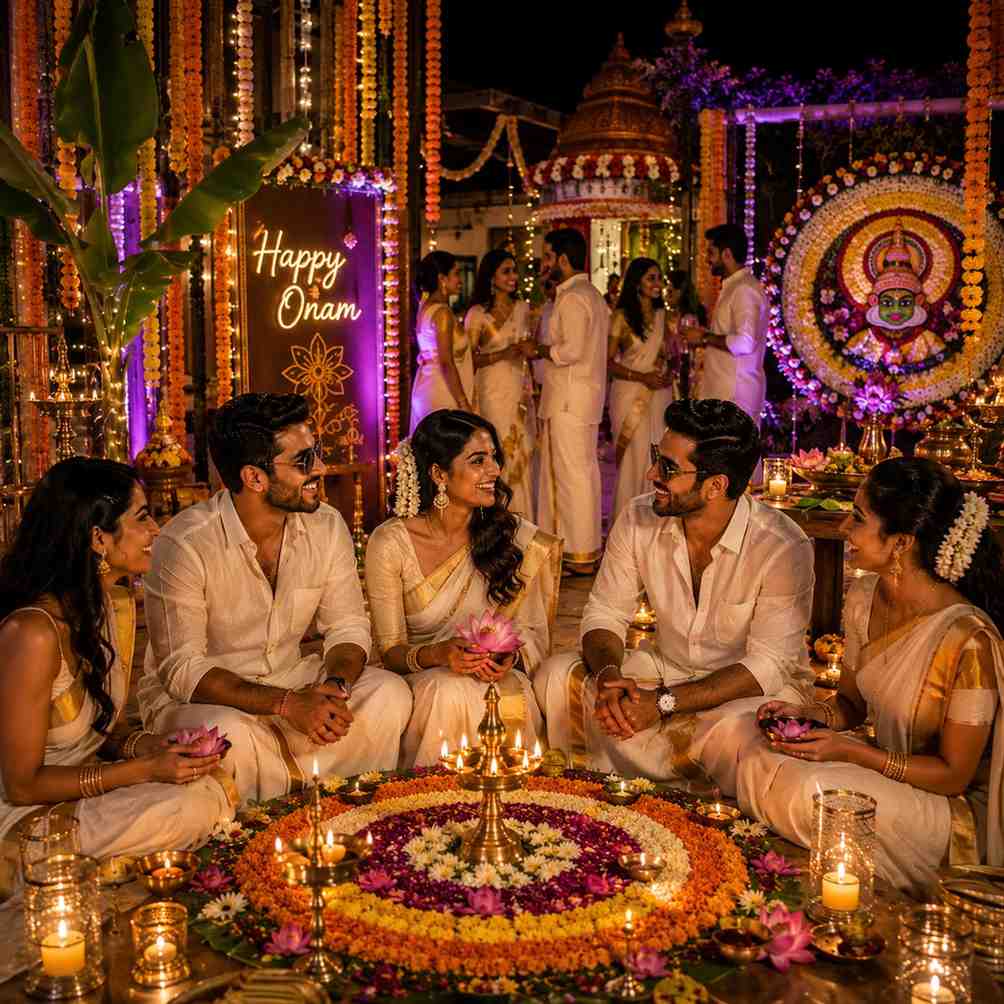
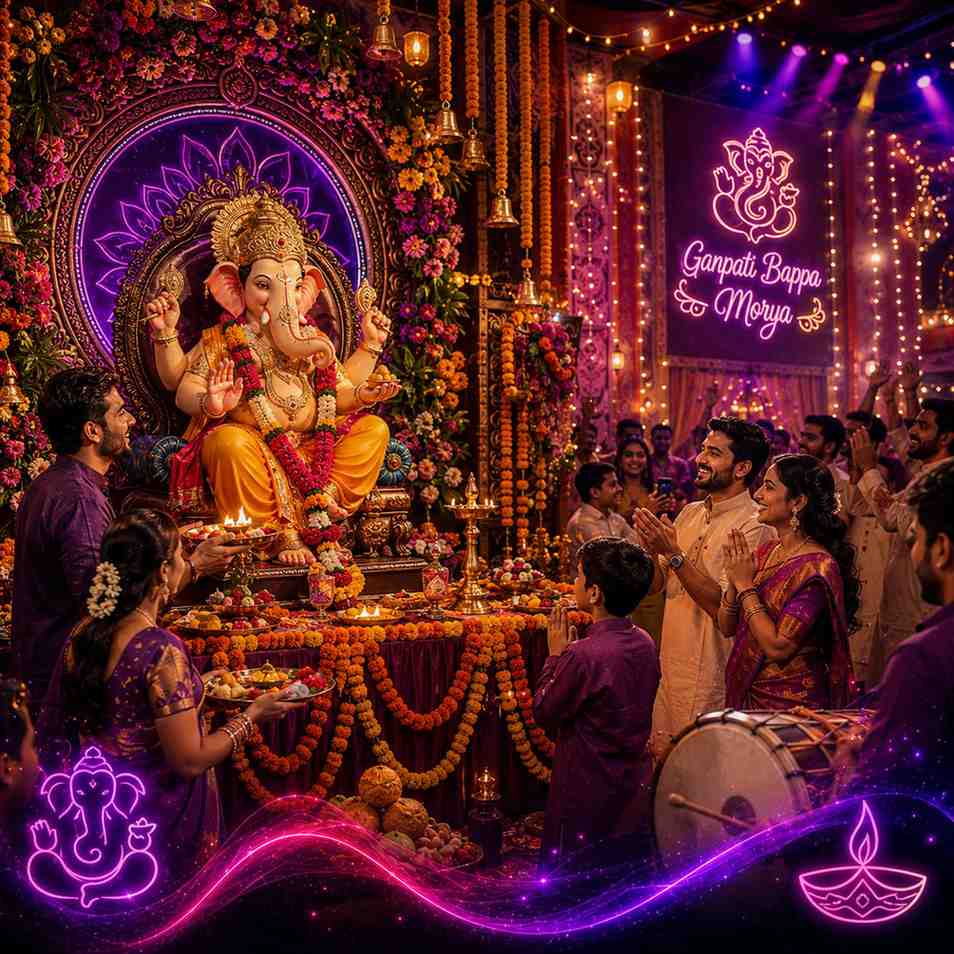
3
Explore Styles Celebrate By Style
4
View All Cities Popular Cities
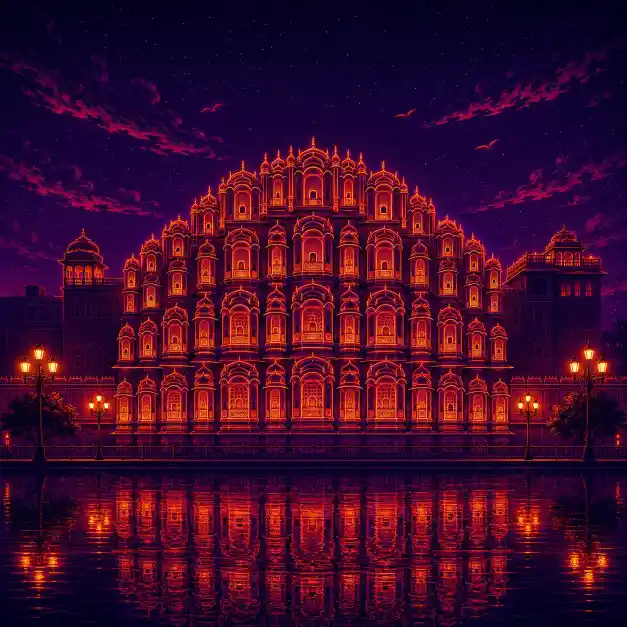
Jaipur
300+ Celebrations Hosted
Royal Grandeur in Pink

Goa
350+ Celebrations Hosted
Where Celebrations Meet Sunshine
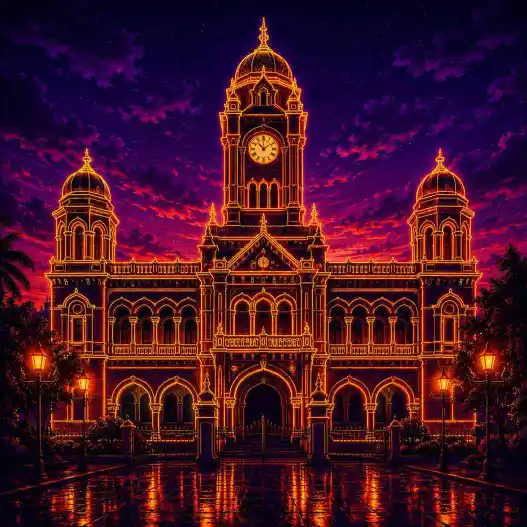
Chennai
500+ Celebrations Hosted
Tradition Meets Coastal Elegance
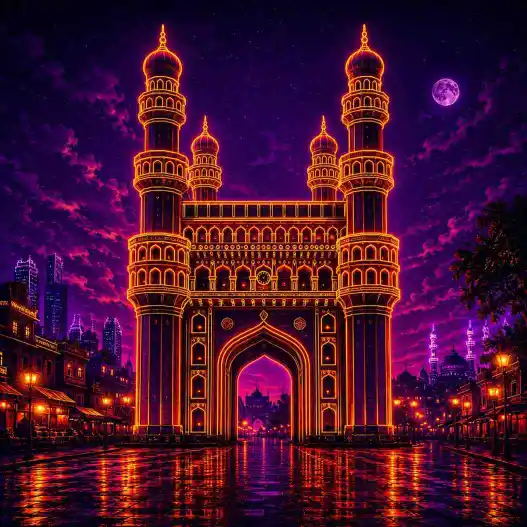
Hyderabad
400+ Celebrations Hosted
Heritage, Grandeur and Warmth
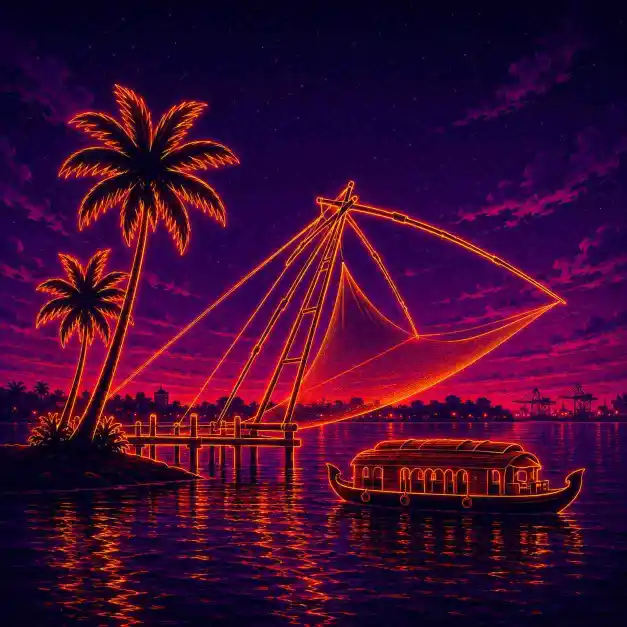
Kochi
250+ Celebrations Hosted
Where Heritage Meets Backwaters
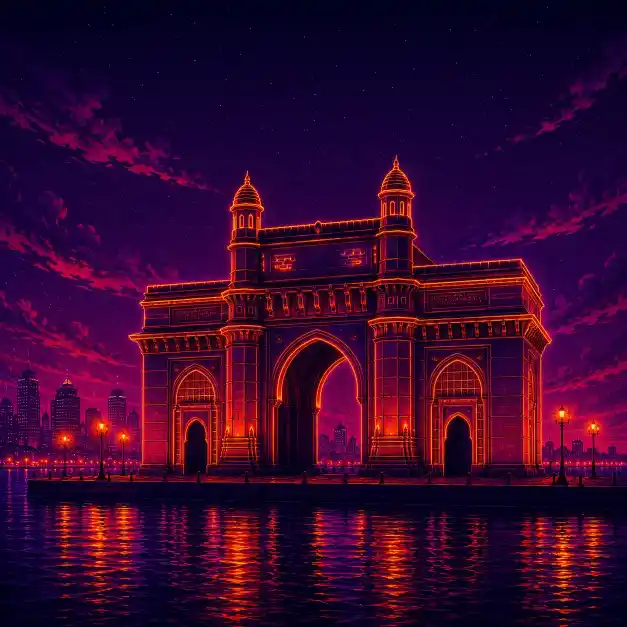
Mumbai
600+ Celebrations Hosted
Bold Energy, Endless Celebrations
Bengaluru
450+ Celebrations Hosted
Modern Spirit, Creative Celebrations
Pune
350+ Celebrations Hosted
Culture, Charm and Celebration
Delhi
550+ Celebrations Hosted
Where History Meets Grandeur
Coimbatore
200+ Celebrations Hosted
Tradition Rooted in Tranquility
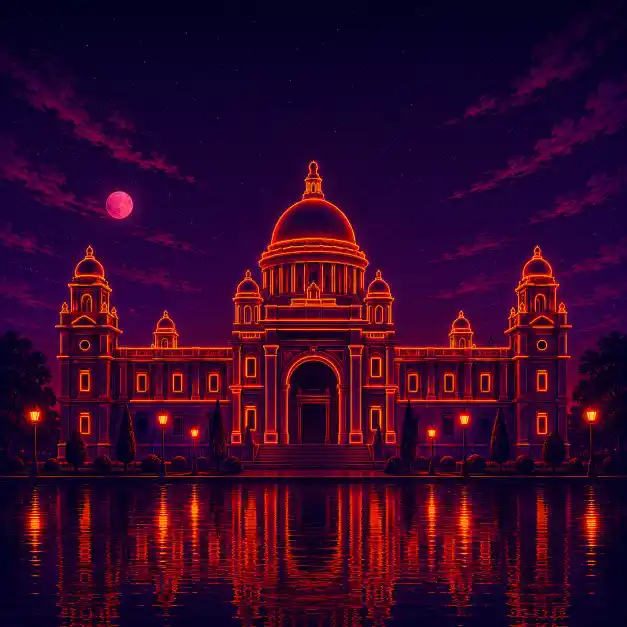
Kolkata
300+ Celebrations Hosted
Culture, Emotion and Celebration
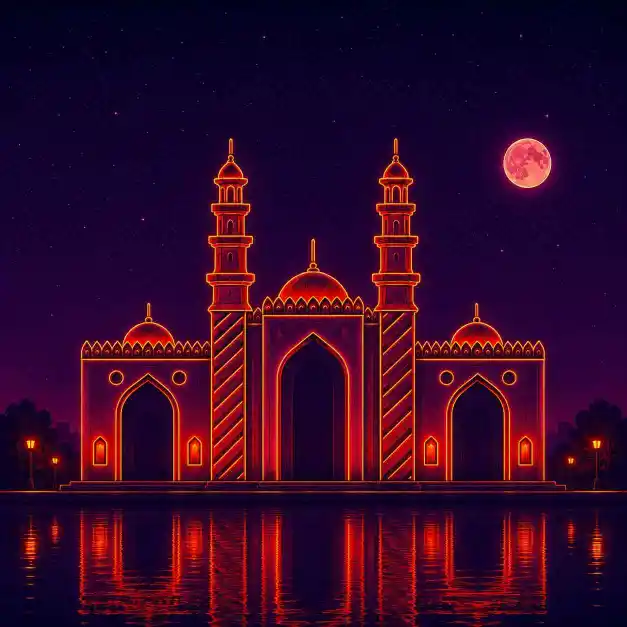
Ahmedabad
200+ Celebrations Hosted
Tradition with Vibrant Energy
5
View All Popular Experiences
6
Festival Snapshot™
30+
Festival Types
500+
Festival Experiences
2000+
Celebration Venues
1500+
Event Partners
50+
Cities
1000+
Festivals Celebrated
12
Related Celebration Universes
Explore more ways to celebrate life.


Ready to Plan Your Cultural Festival?
Hiya & Hanu are here to help you create unforgettable moments with the perfect venues, experiences, and trusted event partners—all in one place.

◆
Celebrating Cultural Heritage Traditions Through Vibrant Community Festivals
◆Every community carries within it a living archive of stories, rituals and customs passed down through generations, and there is no better way to honour this inheritance than through a dedicated celebration built around cultural heritage traditions. These gatherings do far more than entertain; they preserve identity, strengthen intergenerational bonds and give communities a public platform to express who they are. Whether organised by a cultural association, a diaspora group, a municipal body or a corporate CSR initiative, an event rooted in cultural heritage traditions creates a space where history becomes tangible, music becomes memory, and strangers become neighbours.
At Happiffie, we understand that planning such an occasion requires more than booking a hall and hiring performers. It demands genuine cultural sensitivity, careful sequencing of programme elements and an eye for authenticity that resonates with attendees of every age. This guide explores what makes celebrations of cultural heritage traditions successful, how folk performances and an ethnic carnival can be woven together, and why framing the occasion as a true unity event elevates it from a one-off gathering into something communities look forward to year after year.
Why Cultural Heritage Traditions Deserve Dedicated Celebrations
In an increasingly fast-paced, digitally saturated world, the risk of cultural erosion is real. Younger generations often grow up disconnected from the customs, dialects, crafts and rituals that shaped their grandparents' daily lives. A well-planned celebration built around cultural heritage traditions counters this drift by making heritage visible, participatory and joyful rather than something confined to textbooks or museum plaques.
These events also serve a quiet diplomatic function within diverse societies. When neighbourhoods, workplaces or civic bodies host a celebration honouring multiple communities' customs side by side, it signals respect and inclusion. Attendees leave not just entertained but educated, having witnessed traditions outside their own lived experience. This is precisely why so many organisations now treat such gatherings as a recurring fixture rather than an occasional novelty.
Building the Programme: Folk Performances as the Heart of the Event
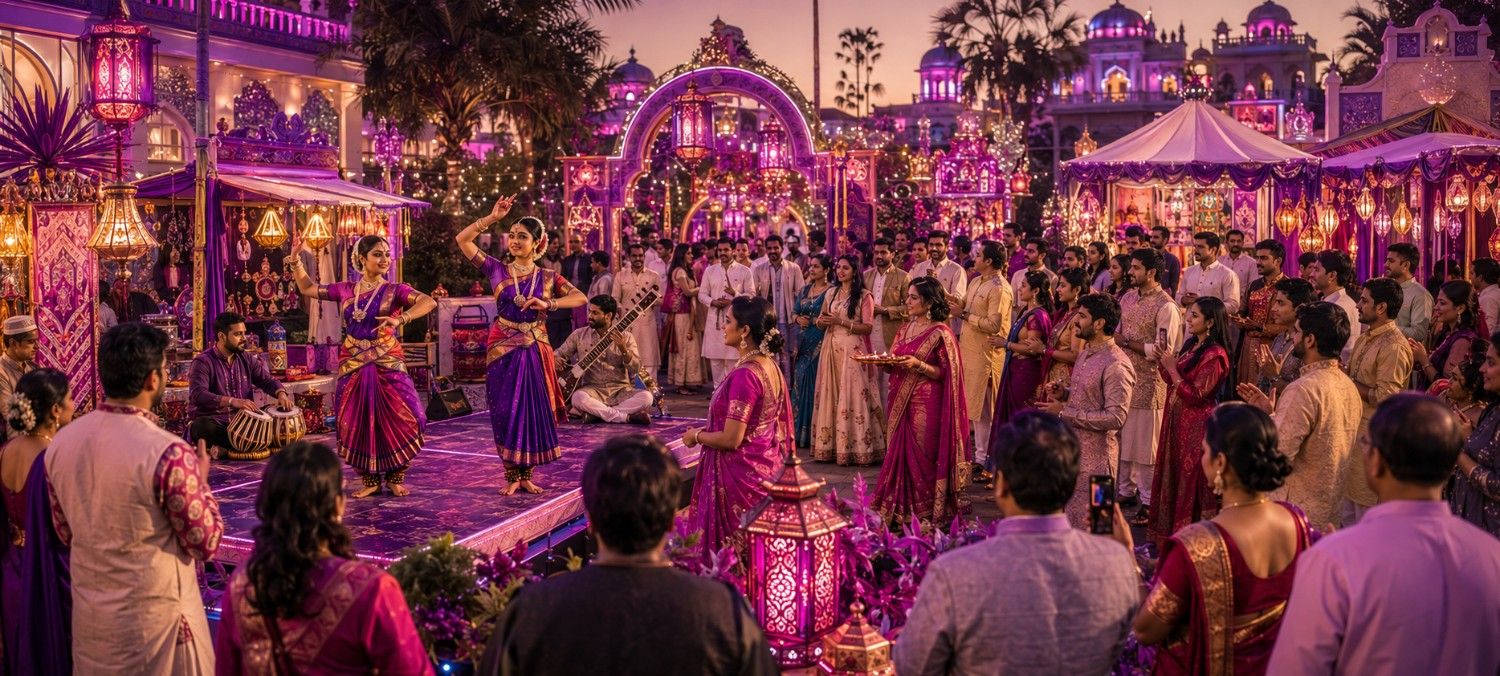
Nothing communicates the spirit of a community quite like live folk performances. Traditional dance forms, regional instrumental music, storytelling sessions and puppet theatre each carry centuries of meaning encoded in movement and melody. When curating a lineup, it helps to think in terms of variety and pacing rather than sheer volume.
A strong programme typically opens with a high-energy folk performance to draw the crowd in, transitions into quieter, narrative-driven acts such as folk ballads or oral storytelling, and builds back up towards a communal dance segment where the audience is invited to participate rather than merely watch. This rhythm keeps engagement high across a multi-hour event and avoids the fatigue that comes from stacking similar acts back to back.
Happiffie works with verified folk artists, regional dance troupes and traditional musicians to ensure every performance is authentic rather than a diluted, generic approximation. We also recommend including a brief spoken introduction before each act, explaining its origin and significance, since this context transforms passive viewing into genuine cultural learning.
Designing an Ethnic Carnival That Feels Immersive
While a stage programme anchors the event, an ethnic carnival extends the experience into every corner of the venue. Think of it as the difference between watching a culture and stepping inside it. Stalls offering handwoven textiles, traditional jewellery, regional street food and handmade crafts allow attendees to browse, taste and touch heritage rather than simply observe it from a seated audience.
Costume corners where guests can try on traditional attire for photographs, henna and face-painting booths reflecting regional art styles, and interactive craft demonstrations where artisans work live all add depth to an ethnic carnival. Lighting and décor matter enormously here; draped fabrics in traditional colour palettes, handcrafted lanterns and regionally inspired signage help the entire venue feel like a cohesive cultural journey rather than a scattered market.
Practical planning matters too. Stall layout should encourage natural footfall without bottlenecks, food stalls need adequate ventilation and waste management, and vendor selection should prioritise artisans and small businesses genuinely connected to the traditions being showcased, rather than generic event suppliers.
Framing It as a Unity Event
Perhaps the most important strategic decision in planning is how the occasion is framed publicly. Positioning the gathering as a unity event rather than a single-community festival broadens its appeal and its purpose. A unity event invites multiple communities to present their traditions under one roof, creating opportunities for cross-cultural exchange that a single-heritage celebration cannot offer.
This framing also matters for sponsorship and civic support. Local councils, corporate CSR budgets and cultural boards are often more inclined to back a unity event because it aligns with broader goals around social cohesion and inclusion. Practically, this might mean allocating separate performance slots to different community groups, ensuring the emcee acknowledges each tradition with equal weight, and designing the carnival zone so that no single culture's stalls dominate the physical space.
Planning Considerations for a Seamless Celebration
Successful celebrations of cultural heritage traditions rest on a handful of planning fundamentals that are easy to overlook amid the excitement of programming performances.
Venue selection: Look for spaces with both an open stage area and adjoining courtyard or hall space for the ethnic carnival stalls. Acoustics matter for folk performances involving traditional instruments, many of which are quieter than amplified modern music.
Community consultation: Before finalising the programme, consult representatives from each participating community. This avoids misrepresentation and ensures the folk performances and stalls reflect current, respectful practice rather than outdated or stereotyped depictions.
Scheduling and duration: A well-paced unity event typically runs four to six hours, allowing time for the stage programme, open carnival browsing and a closing communal segment such as a group dance or shared meal.
Accessibility: Ensure seating, pathways and signage accommodate elderly attendees and those with mobility needs, since heritage celebrations often draw a genuinely multigenerational crowd.
Budget allocation: Reserve a meaningful portion of the budget for authentic performers and artisans rather than concentrating spend solely on décor, since the credibility of the event rests on the people delivering the culture.
How Happiffie Brings These Celebrations to Life
Happiffie specialises in producing celebrations of cultural heritage traditions that feel genuine rather than performative. Our team manages every layer of execution, from sourcing verified folk performers and coordinating an authentic ethnic carnival vendor lineup to designing décor that reflects the specific communities being honoured. We work closely with cultural associations, corporate CSR teams and civic bodies to shape a unity event that resonates with its intended audience and leaves a lasting impression.
From initial concept and community consultation through to on-ground execution, sound and lighting management, and vendor coordination, Happiffie handles the details so organisers can focus on the bigger picture. If you are planning a celebration that brings folk performances, an ethnic carnival and the broader spirit of a unity event together, our team can help you build a programme rooted in respect and authenticity. Get in touch with Happiffie to start planning your next cultural celebration.
Frequently Asked Questions
1. What is the best way to structure a celebration of cultural heritage traditions?
Most successful events combine a stage programme featuring folk performances with an adjoining ethnic carnival zone for stalls, food and interactive experiences, closing with a communal activity that brings the whole audience together.
2. How many folk performances should be included in a single event?
Between four and six performances of varying pace and style usually works well for a half-day event, allowing enough variety without exhausting the audience.
3. What does an ethnic carnival typically include?
An ethnic carnival usually features artisan craft stalls, traditional food vendors, costume and photo corners, and live craft demonstrations, all designed to let guests experience culture hands-on rather than from a distance.
4. Why should an event be framed as a unity event rather than a single-culture festival?
A unity event invites multiple communities to participate together, broadening appeal, encouraging cross-cultural exchange and often making the occasion more attractive to sponsors and civic partners.
5. How far in advance should planning begin for a heritage celebration?
For a mid-sized celebration, eight to ten weeks is generally sufficient, though events involving multiple community groups or high-profile folk performances may need up to twelve weeks for proper coordination.
6. How much does it cost to organise this type of event?
Costs depend heavily on the number of performers, carnival vendors, venue size and décor scope. Happiffie provides a tailored quote once the scale and community involvement of the celebration are understood.
7. Can Happiffie help identify authentic folk performers?
Yes, Happiffie maintains relationships with verified folk artists and regional dance troupes and can curate a lineup appropriate to the specific traditions being celebrated.
8. What venue type suits a celebration of cultural heritage traditions?
Venues with a defined stage area plus adjoining open space for carnival stalls work best, ideally with good acoustics and outdoor access for food and craft vendors.
9. How can organisers avoid cultural misrepresentation?
Consulting community representatives during planning, briefing the emcee on correct terminology and pronunciation, and involving genuine practitioners rather than generic performers all help maintain authenticity.
10. Does Happiffie manage the entire event from planning to execution?
Yes, Happiffie offers end-to-end coordination, including performer sourcing, ethnic carnival vendor management, décor, logistics and on-ground execution for the full celebration.