
RamzanCelebration
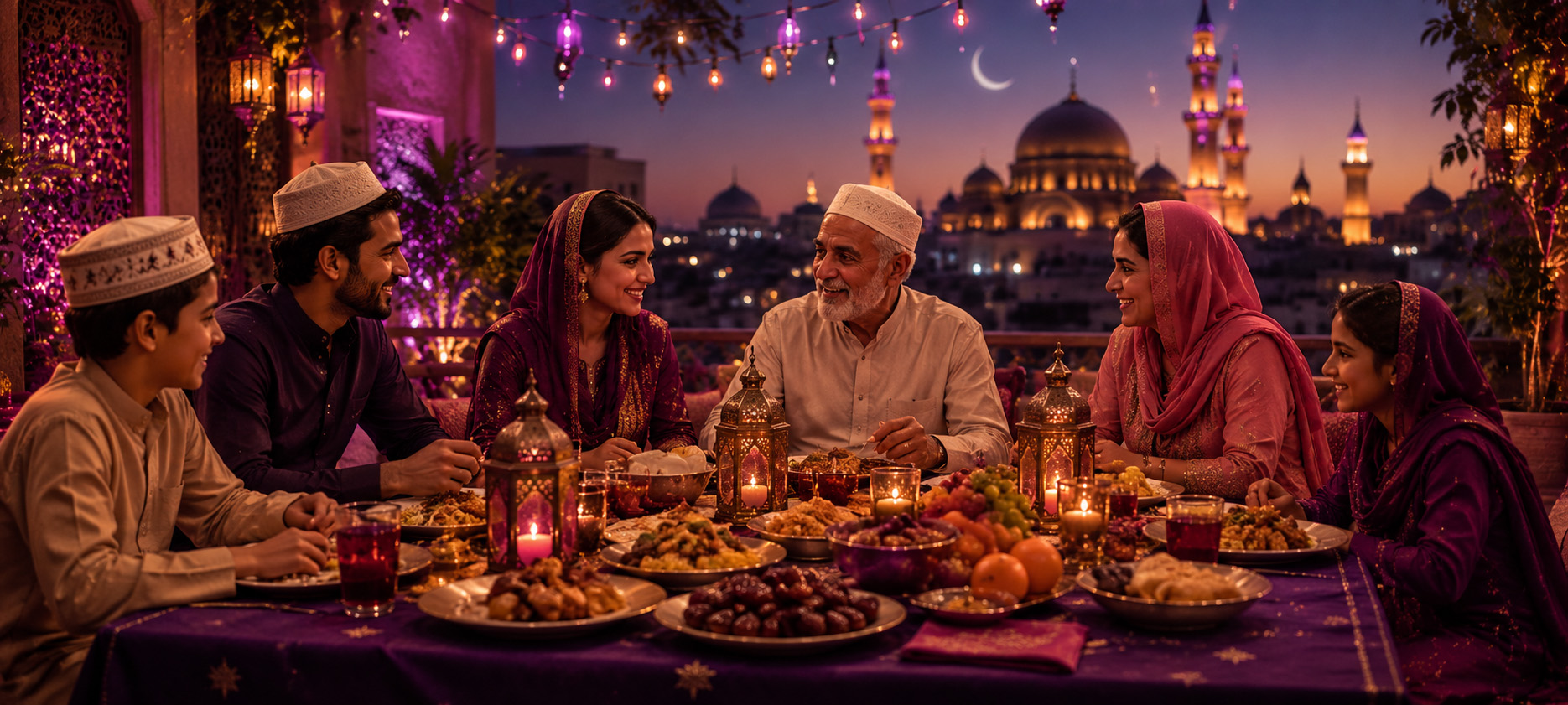
Discover the deep spiritual meaning behind Ramzan Iftar Namaz and how families across India come together each evening to break their fast.
2
Explore Other Festival celebrations
3
Explore Styles Celebrate By Style
4
View All Cities Popular Cities
Jaipur
300+ Celebrations Hosted
Royal Grandeur in Pink

Goa
350+ Celebrations Hosted
Where Celebrations Meet Sunshine
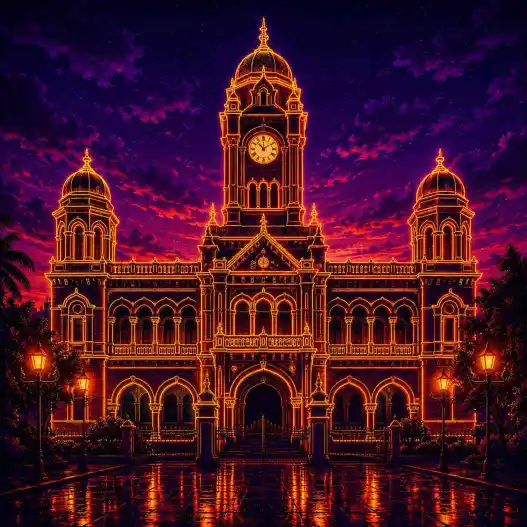
Chennai
500+ Celebrations Hosted
Tradition Meets Coastal Elegance
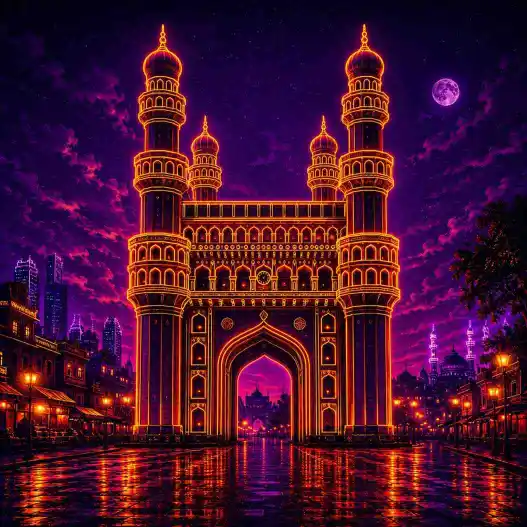
Hyderabad
400+ Celebrations Hosted
Heritage, Grandeur and Warmth

Kochi
250+ Celebrations Hosted
Where Heritage Meets Backwaters
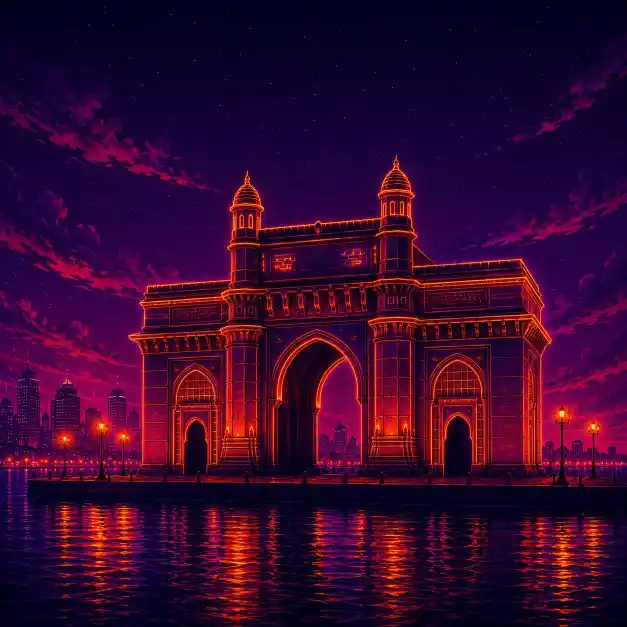
Mumbai
600+ Celebrations Hosted
Bold Energy, Endless Celebrations
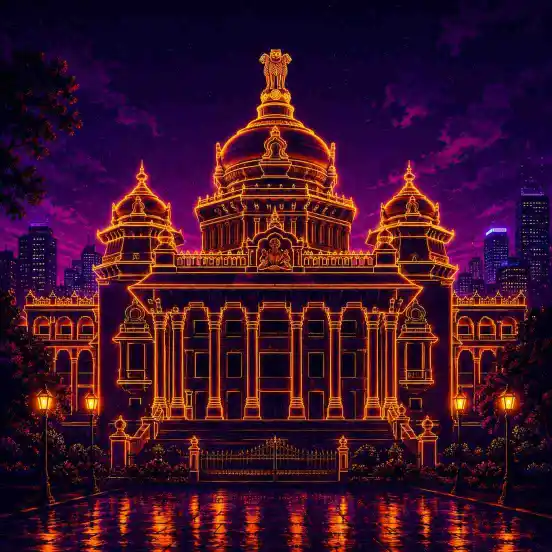
Bengaluru
450+ Celebrations Hosted
Modern Spirit, Creative Celebrations
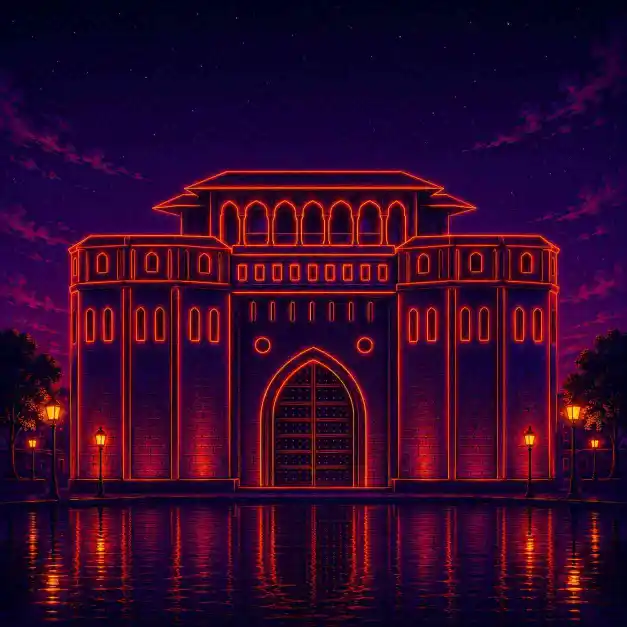
Pune
350+ Celebrations Hosted
Culture, Charm and Celebration
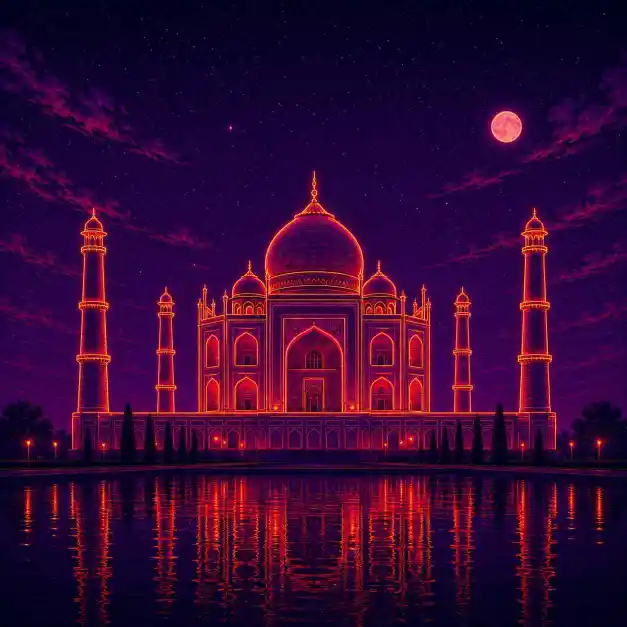
Delhi
550+ Celebrations Hosted
Where History Meets Grandeur
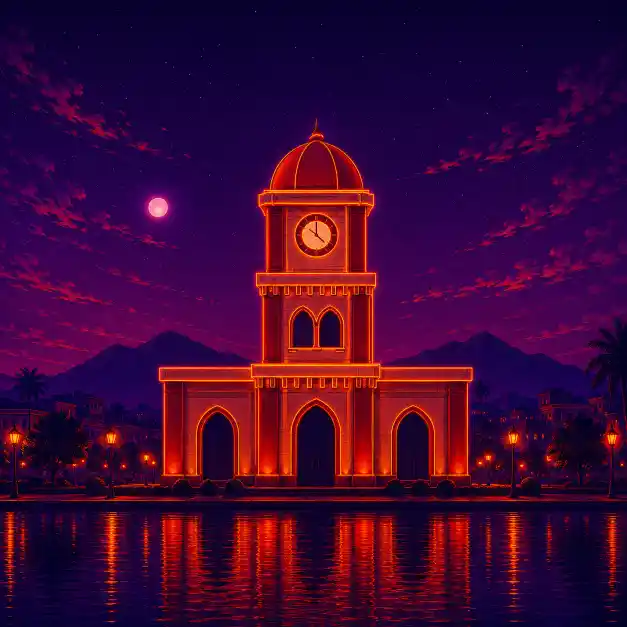
Coimbatore
200+ Celebrations Hosted
Tradition Rooted in Tranquility
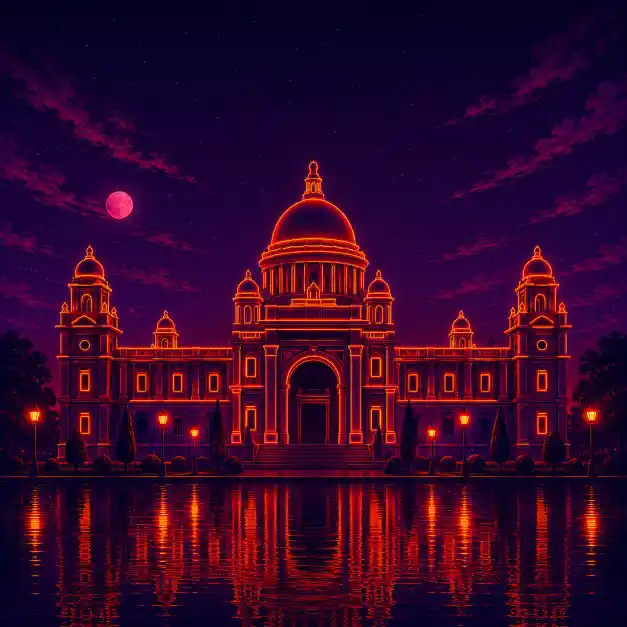
Kolkata
300+ Celebrations Hosted
Culture, Emotion and Celebration
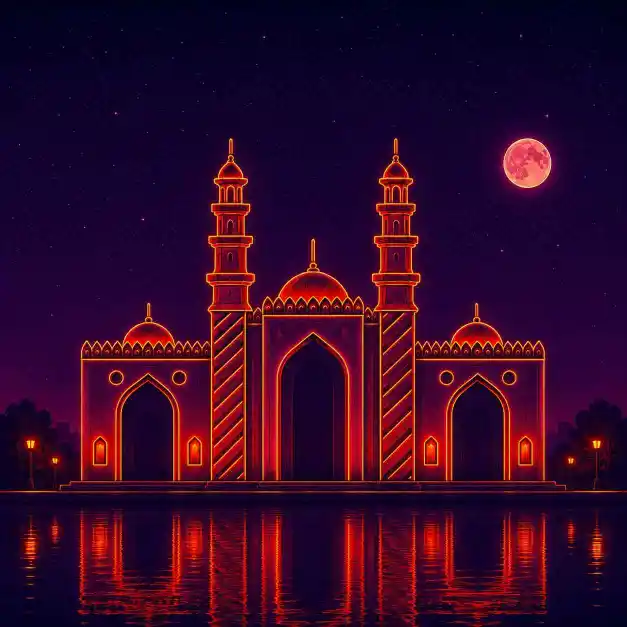
Ahmedabad
200+ Celebrations Hosted
Tradition with Vibrant Energy
5
View All Popular Experiences
6
Festival Snapshot™
30+
Festival Types
500+
Festival Experiences
2000+
Celebration Venues
1500+
Event Partners
50+
Cities
1000+
Festivals Celebrated
12
Related Celebration Universes
Explore more ways to celebrate life.



Ready to Plan Your Ramzan Celebration?
Hiya & Hanu are here to help you create unforgettable moments with the perfect venues, experiences, and trusted event partners—all in one place.

◆
Understanding Ramzan Iftar Namaz and Its Place in Ramadan Traditions
◆The month of Ramadan is one of quiet devotion, family togetherness and daily rituals that carry centuries of meaning. At the heart of each evening lies Ramzan Iftar Namaz, the prayer offered immediately after breaking the fast at sunset. For millions of Muslims, this moment is far more than a religious obligation; it is a daily reminder of gratitude, patience and community. At Happiffie, we understand how meaningful these gatherings are, and we help families, communities and organisations plan Iftar evenings that honour both faith and hospitality. This guide explores what Ramzan Iftar Namaz truly involves, how it connects to wider Ramadan fasting traditions, and how you can plan a memorable Iftar gathering that reflects the spirit of the season.
What Is Ramzan Iftar Namaz?
Ramzan Iftar Namaz refers to the Maghrib prayer performed shortly after the fast is broken at sunset during the holy month of Ramadan. Fasting Muslims abstain from food and drink from dawn until dusk, and the moment the sun sets, they traditionally break their fast with dates and water before proceeding to offer namaz. This sequence, breaking the fast first and then praying, follows a practice observed for generations and is considered both a spiritual and physical necessity after a long day of fasting.
The prayer itself carries deep significance because it marks the successful completion of another day's fast. Many mosques and community halls become full during this time, as worshippers gather to pray together in congregation. The atmosphere is one of collective relief, gratitude and renewed devotion, making Ramzan Iftar Namaz one of the most emotionally resonant moments of the Islamic calendar.
The Significance of Sehri Celebrations Before the Fast Begins
Before any discussion of Iftar can be complete, it helps to understand the role of Sehri celebrations, the pre-dawn meal that begins the day's fast. Families wake before sunrise to share a meal together, often accompanied by quiet reflection and prayer. Sehri celebrations set the tone for the entire day, providing the physical sustenance needed to endure hours without food or water while reinforcing the spiritual discipline central to Ramadan.
Many households treat Sehri as a time of togetherness, with parents waking children gently and preparing simple yet nourishing dishes. This daily rhythm, waking for Sehri and later gathering for Iftar, creates a structure that shapes the entire month, and it is within this rhythm that Ramzan Iftar Namaz finds its place as the evening counterpart to the morning meal.
How Ramadan Fasting Traditions Shape Daily Life
Ramadan fasting traditions extend well beyond abstaining from food. The month encourages increased prayer, charitable giving, self-reflection and community service. Fasting is intended to build empathy for those less fortunate, strengthen self-discipline and deepen one's connection to faith. These values are visible throughout the day, but they culminate powerfully each evening during Ramzan Iftar Namaz, when the physical relief of breaking the fast meets the spiritual relief of prayer.
Communities across India observe these traditions with local variations, yet the core elements remain consistent: a pre-dawn meal, a day of fasting, an evening prayer and a shared meal. Happiffie works with families and organisations to plan Iftar events that respect these traditions while creating a warm, welcoming environment for guests of all backgrounds.
Planning an Iftar Gathering That Honours Tradition
Hosting an Iftar gathering requires more thoughtful planning than a typical evening event, largely because of the precise timing involved. The fast must be broken at the exact moment of sunset, which means the schedule for the evening needs to be built around accurate Maghrib timings for your location.
Timing and prayer arrangements: Confirm the local sunset time and ensure a designated prayer area is available immediately after the fast is broken. Many hosts set up a separate quiet space so guests can perform Ramzan Iftar Namaz comfortably before moving to the dining area.
Food and refreshments: Traditionally, the fast is broken with dates and water, followed by a more substantial meal after prayer. Popular Iftar spreads often include fruit chaat, samosas, kebabs, biryani and traditional sweets, though menus vary widely by region and family preference.
Seating and space: Iftar gatherings often welcome guests of varying ages, so flexible seating arrangements that accommodate both floor seating and traditional dining work well. A clear separation between the prayer area and the dining space helps the evening flow smoothly.
Guest experience: Because guests arrive hungry after a full day of fasting, ensuring food is ready promptly at sunset is essential. A well-organised Iftar reflects care and hospitality, values central to the spirit of Ramadan.
Happiffie's event planning team can help coordinate venues, catering and logistics so that your Iftar gathering runs seamlessly from the moment the fast is broken through to the final course of the meal.
Eid Preparations and the Culmination of Ramadan
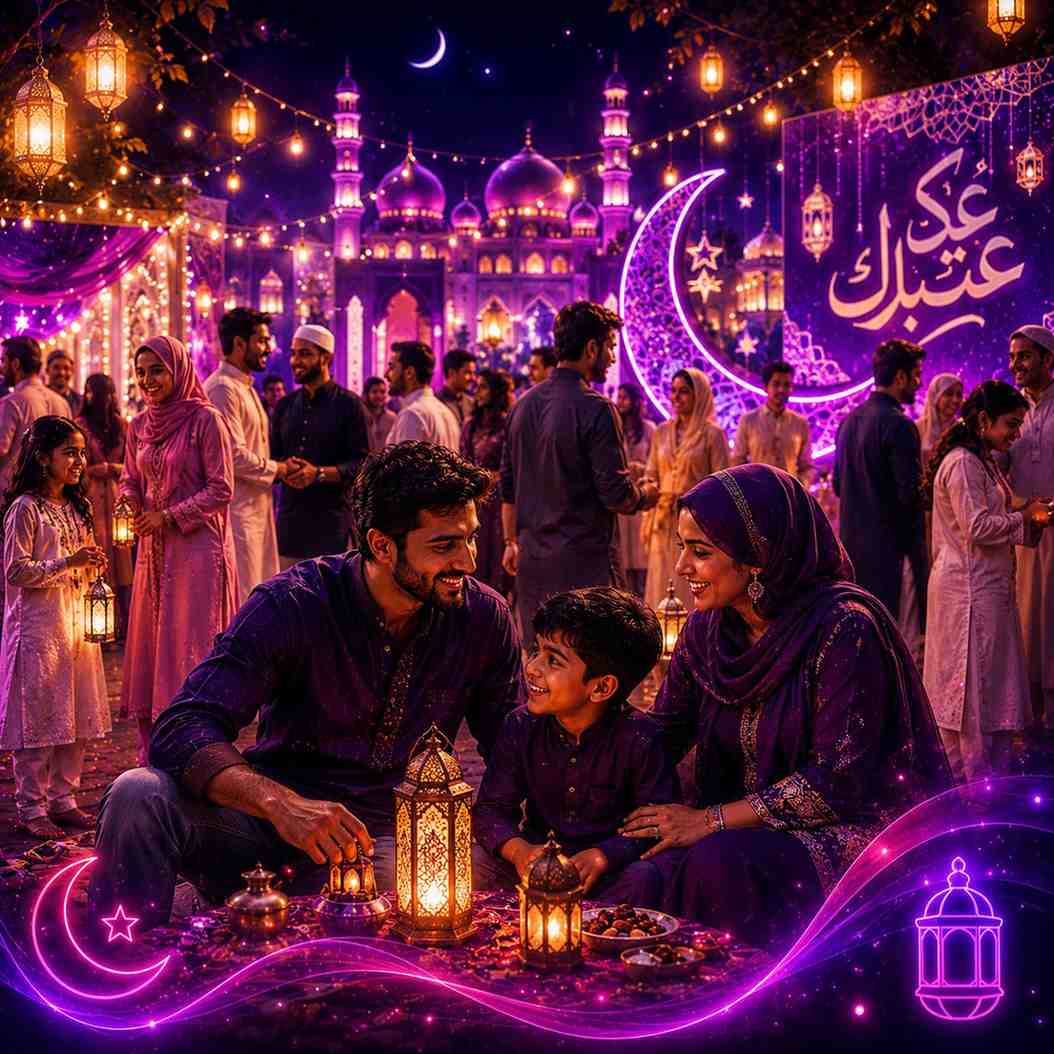
As the month draws to a close, attention naturally shifts toward Eid preparations, the joyous celebration marking the end of Ramadan. While Ramzan Iftar Namaz is observed daily throughout the month, Eid al-Fitr represents a single, significant day of celebration, complete with special prayers, new clothing, festive meals and family gatherings.
Many families use the final days of Ramadan to plan Eid preparations alongside their regular Iftar routines, shopping for gifts, arranging family visits and preparing traditional dishes for the celebration. This overlap between daily Iftar rituals and the anticipation of Eid creates a unique atmosphere during the last ten nights of Ramadan, often considered the most spiritually significant period of the month.
Islamic Culture and Heritage Reflected in Iftar Traditions
Islamic culture and heritage are woven throughout every aspect of Ramadan, and Iftar gatherings offer a particularly vivid expression of this heritage. Across different regions, families bring their own culinary traditions, prayer customs and community practices to the table, creating a rich tapestry of shared yet distinct observances.
Community Iftars, often hosted at mosques or public spaces, exemplify this heritage by welcoming people from all walks of life to break bread together. These events reflect the inclusive, generous spirit central to Islamic culture and heritage, where hospitality toward guests, regardless of their background, is considered a meaningful act of faith. Happiffie has supported numerous community and corporate Iftar events, helping organisers create spaces that genuinely reflect these values.
Key Elements of a Meaningful Iftar Event
Organising a successful Iftar gathering, whether for family, friends or a wider community, involves attention to several important details:
- Accurate sunset timing: Verify local Maghrib prayer times to ensure the fast is broken at the correct moment.
- Dedicated prayer space: Provide a clean, quiet area for guests to perform Ramzan Iftar Namaz without disruption.
- Traditional opening foods: Offer dates and water as the first items, following long-standing custom.
- Thoughtful menu planning: Balance traditional dishes with dietary considerations for all guests.
- Comfortable seating: Arrange seating that suits both family-style and formal dining preferences.
- Warm hospitality: Welcome guests generously, reflecting the spirit of generosity central to Ramadan.
Who Hosts Iftar Gatherings?
Iftar gatherings are hosted by a wide range of people and organisations, including:
- Families welcoming relatives and friends for a shared evening meal
- Mosques and community centres organising open Iftars for the wider public
- Corporate offices hosting Iftar events for employees and clients
- Charitable organisations arranging community Iftars for those in need
- Educational institutions bringing students and staff together during Ramadan
Regardless of scale, the underlying purpose remains the same: creating a space where the fast can be broken together, prayer can be observed with sincerity, and community bonds can be strengthened.
Why Choose Happiffie for Your Iftar Event
Happiffie brings years of event planning experience to Iftar gatherings of every size, from intimate family dinners to large community celebrations. We understand the importance of accurate timing around Ramzan Iftar Namaz, the need for authentic, well-prepared food, and the cultural sensitivity required to host an event that truly honours Ramadan fasting traditions. Our team coordinates venues, catering, prayer arrangements and guest logistics so that hosts can focus on what matters most: the spiritual and communal significance of the evening.
Whether you're planning a modest family Iftar, arranging Sehri celebrations for an early gathering, or preparing for Eid preparations at the end of the month, Happiffie is ready to support you with thoughtful, culturally respectful event planning. Get in touch with our team today to start planning an Iftar gathering that reflects the true spirit of Islamic culture and heritage.
Frequently Asked Questions
1. What is Ramzan Iftar Namaz?
Ramzan Iftar Namaz is the Maghrib prayer performed after the daily fast is broken at sunset during Ramadan, typically following the traditional practice of eating dates and drinking water first.
2. What time is Iftar prayer usually observed?
The timing follows local sunset hours and changes daily throughout Ramadan. It's best to confirm accurate Maghrib timings for your specific city or region each day.
3. What is traditionally eaten to break the fast before Ramzan Iftar Namaz?
Dates and water are the traditional items used to break the fast, following a practice observed for generations, before a fuller meal is served after prayer.
4. How are Sehri celebrations different from Iftar gatherings?
Sehri celebrations take place before dawn as the meal that begins the day's fast, while Iftar occurs at sunset to mark the end of the fast, followed by Ramzan Iftar Namaz.
5. How much does it cost to host a community Iftar event?
Costs vary depending on guest numbers, venue and catering choices. Happiffie provides tailored quotes based on your specific event requirements and scale.
6. How far in advance should I plan an Iftar gathering?
For a mid-sized Iftar, 3 to 4 weeks of planning is usually sufficient, though larger community events may benefit from 6 to 8 weeks of preparation.
7. Can Happiffie help arrange prayer space for Ramzan Iftar Namaz at an event?
Yes, Happiffie coordinates venue layouts that include a dedicated, quiet prayer area alongside the dining space, ensuring guests can observe Iftar prayer comfortably.
8. What role does Eid preparations play at the end of Ramadan?
Eid preparations mark the transition from daily fasting to celebration, involving special prayers, festive meals and family gatherings that follow the final day of Ramadan.
9. Does Happiffie manage catering for Iftar events?
Yes, Happiffie coordinates full event logistics, including catering, seating, décor and prayer arrangements, allowing hosts to focus on their guests rather than planning details.
10. How do I book Happiffie for an Iftar or Ramadan event?
You can reach out through the Happiffie website or contact our events team directly to discuss your requirements for a Ramzan Iftar Namaz gathering tailored to your needs.