
Ganesh Chaturthi Celebration
From sthapana to visarjan, plan a joyful Ganesh Chaturthi celebration rooted in devotion, tradition and togetherness.
2
Explore Other Festival celebrations

3
Explore Styles Celebrate By Style
4
View All Cities Popular Cities
Jaipur
300+ Celebrations Hosted
Royal Grandeur in Pink

Goa
350+ Celebrations Hosted
Where Celebrations Meet Sunshine
Chennai
500+ Celebrations Hosted
Tradition Meets Coastal Elegance
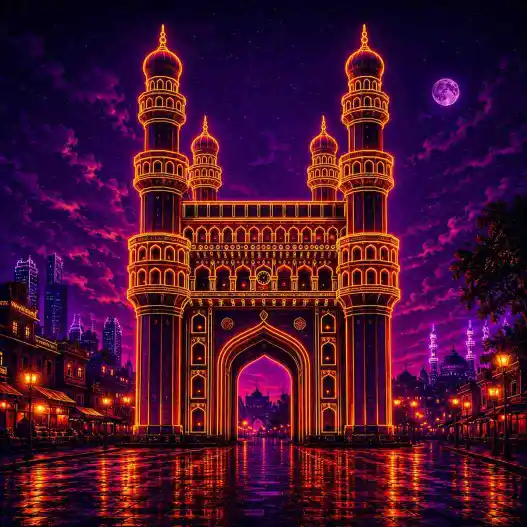
Hyderabad
400+ Celebrations Hosted
Heritage, Grandeur and Warmth

Kochi
250+ Celebrations Hosted
Where Heritage Meets Backwaters
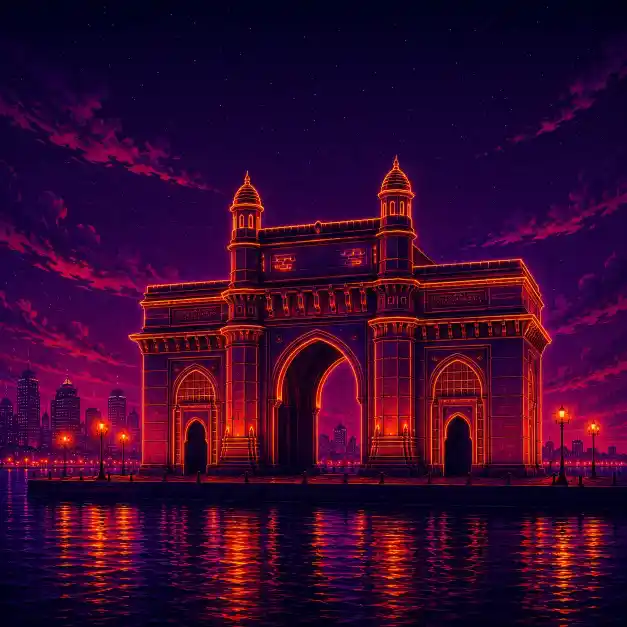
Mumbai
600+ Celebrations Hosted
Bold Energy, Endless Celebrations
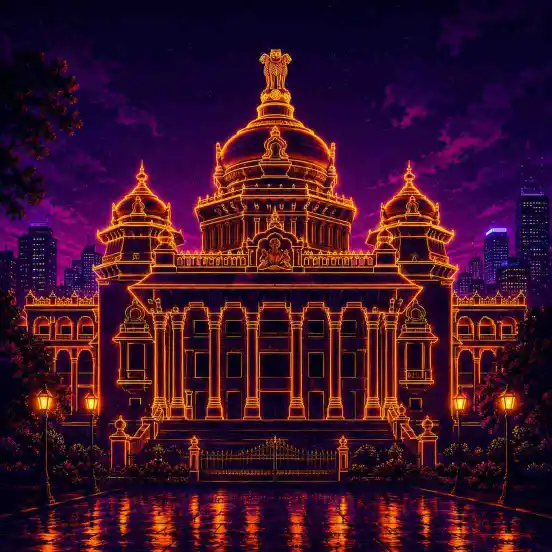
Bengaluru
450+ Celebrations Hosted
Modern Spirit, Creative Celebrations
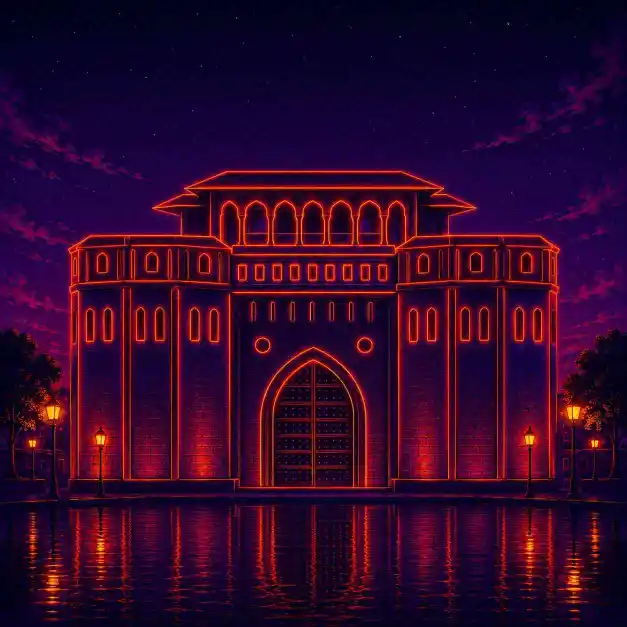
Pune
350+ Celebrations Hosted
Culture, Charm and Celebration
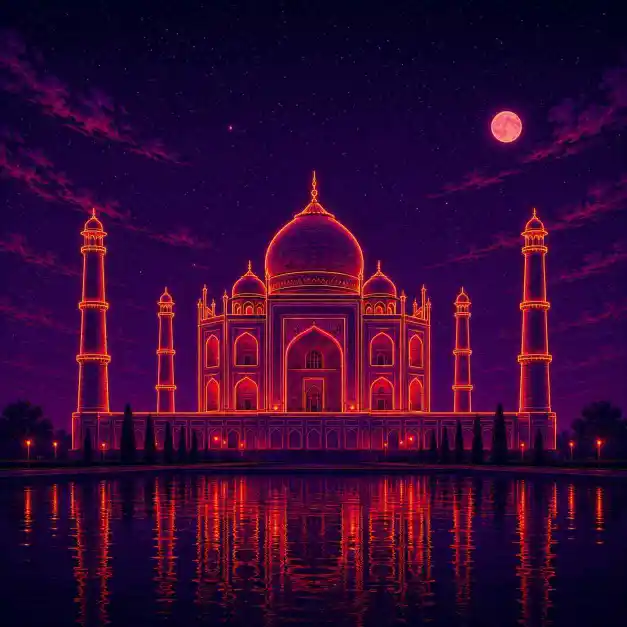
Delhi
550+ Celebrations Hosted
Where History Meets Grandeur
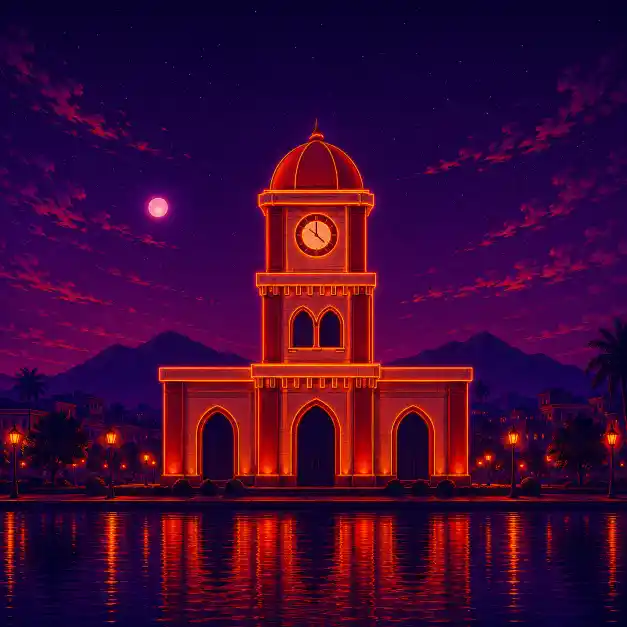
Coimbatore
200+ Celebrations Hosted
Tradition Rooted in Tranquility
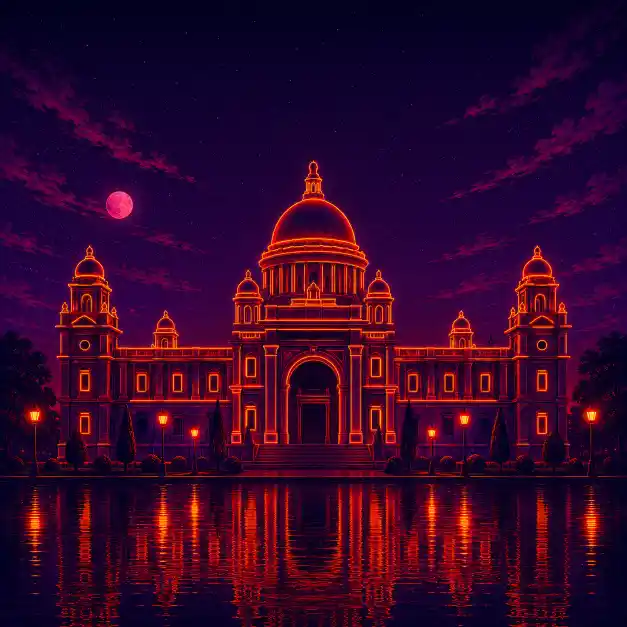
Kolkata
300+ Celebrations Hosted
Culture, Emotion and Celebration
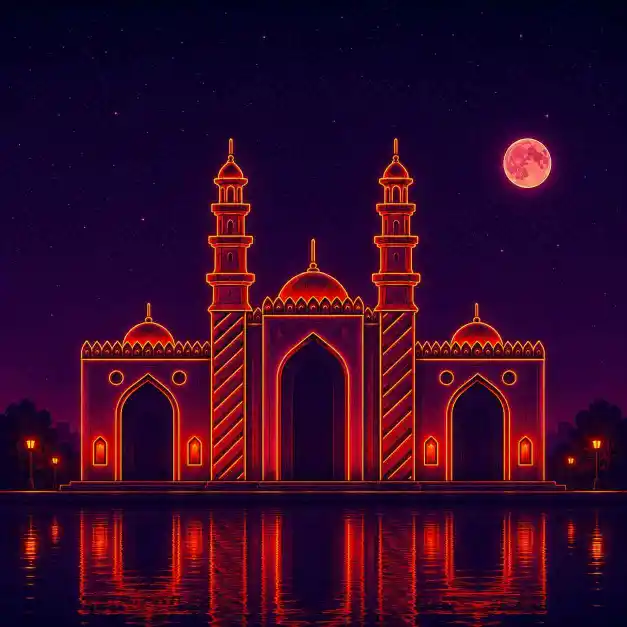
Ahmedabad
200+ Celebrations Hosted
Tradition with Vibrant Energy
5
View All Popular Experiences
6
Festival Snapshot™
30+
Festival Types
500+
Festival Experiences
2000+
Celebration Venues
1500+
Event Partners
50+
Cities
1000+
Festivals Celebrated
12
Related Celebration Universes
Explore more ways to celebrate life.


Ready to Plan Your Ganesh Chaturthi Celebration?
Hiya & Hanu are here to help you create unforgettable moments with the perfect venues, experiences, and trusted event partners—all in one place.

◆
How to Plan a Meaningful Ganesh Chaturthi Celebration at Home This Year
◆Every year, as the monsoon clouds begin to thin and the air carries a hint of festive anticipation, homes and streets across India prepare to welcome Lord Ganesha. A Ganesh Chaturthi celebration is far more than a religious observance; it is a ten-day expression of devotion, community spirit and cultural pride that brings families together in ways few other festivals do. Whether you're setting up a modest home altar or organising a grand community pandal, understanding the rituals, timing and traditions behind this festival helps you celebrate with genuine meaning rather than simply going through the motions. This guide walks through the essentials of Vinayaka puja, the significance of modak, the emotional journey of visarjan, and how the festival is known and honoured differently as Chavithi in parts of South India, so you can plan a celebration that feels authentic to your family and community.
Understanding the Significance of Ganesh Chaturthi
Ganesh Chaturthi marks the birth of Lord Ganesha, the elephant-headed deity revered as the remover of obstacles and the god of new beginnings. The festival typically falls in the Hindu month of Bhadrapada, usually between August and September, and continues for ten or eleven days before culminating in visarjan. During this period, an idol of Ganesha is installed in homes or public spaces, worshipped daily with elaborate rituals, and eventually immersed in water as a symbolic gesture of the cycle of creation and dissolution.
What makes a Ganesh Chaturthi celebration particularly special is its blend of solemn devotion and joyful community participation. Unlike festivals confined largely to private worship, this occasion spills out onto streets, with public pandals, cultural performances, and processions drawing entire neighbourhoods into a shared experience. In Maharashtra, the festival takes on a particularly grand scale, while in Andhra Pradesh and Telangana, it is widely celebrated as Chavithi, carrying its own distinct regional customs and culinary traditions.
Preparing for Vinayaka Puja at Home
The heart of any Ganesh Chaturthi celebration lies in the Vinayaka puja performed each day the idol resides in the home. Preparation begins well before the festival with selecting an appropriate idol, ideally an eco-friendly one made from natural clay rather than plaster of Paris, which dissolves harmlessly during immersion without harming water bodies.
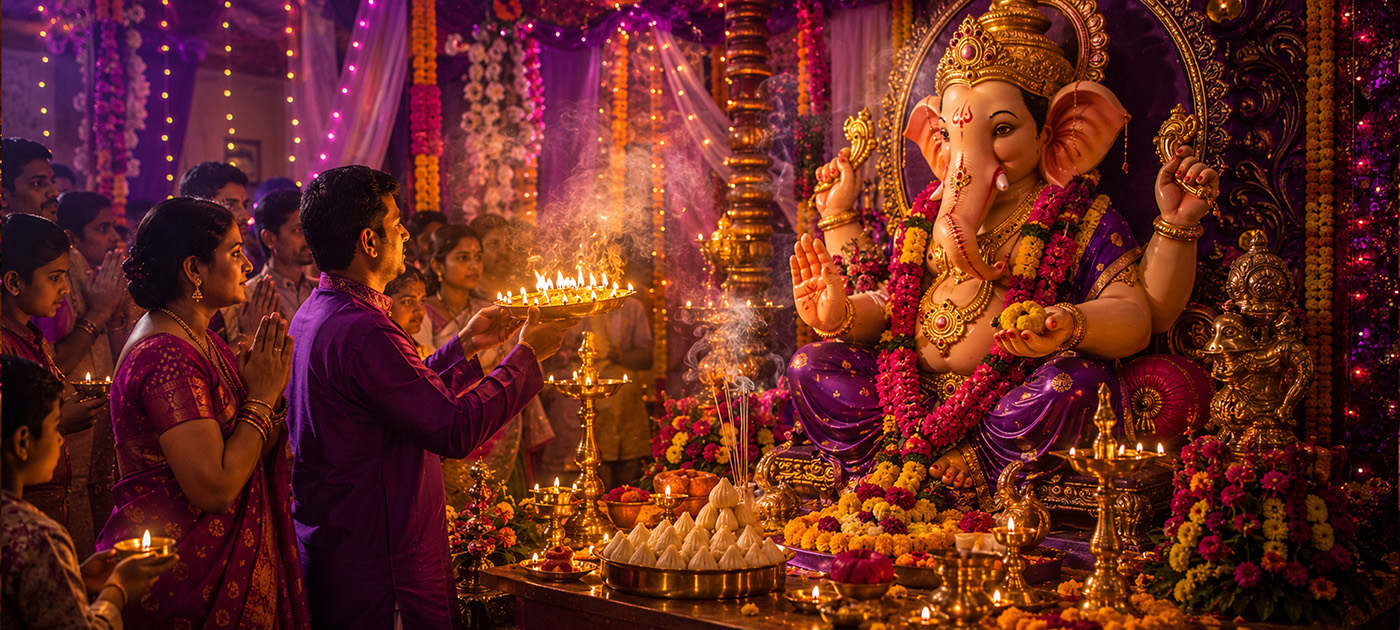
On the day of sthapana, the idol is installed at an auspicious hour, often determined by consulting a panchang or local priest. The space is cleaned thoroughly, decorated with fresh flowers, mango leaves and rangoli, and a small mandap or platform is arranged to hold the idol. Daily rituals typically include:
- Morning aarti with diyas, incense and devotional songs to invoke blessings
- Offering of flowers and durva grass, considered especially dear to Ganesha
- Chanting of mantras such as the Ganesh Atharvashirsha or simple invocations
- Evening aarti performed with the family gathered around the idol
Families performing Vinayaka puja at home often find that involving children in daily rituals, from lighting the lamp to helping arrange the offerings, creates lasting memories and a genuine connection to tradition. If you're hosting guests during the festival, Happiffie's event planning services can help arrange décor, seating and catering so the focus remains on devotion rather than logistics.
The Role of Modak in the Festivities
No Ganesh Chaturthi celebration feels complete without modak, the sweet steamed or fried dumpling believed to be Lord Ganesha's favourite offering. Made typically from a rice flour or wheat flour outer casing filled with a mixture of jaggery, grated coconut and cardamom, modak carries deep symbolic meaning, representing the sweetness of devotion and the reward of spiritual effort.
Preparing modak at home is often a family affair, with recipes passed down through generations. While the traditional ukadiche modak, steamed and delicately pleated, remains the most popular offering in Maharashtra, other regional variations exist, including fried versions and those made with khoya or dry fruits. Offering twenty-one modaks, a number considered especially auspicious, is a common practice during the main puja days.
Beyond the religious significance, modak has become a centrepiece of festive hospitality, with many families preparing extra batches to share with neighbours and visiting relatives. If cooking isn't your strength, several caterers now specialise in authentic festival sweets, and Happiffie can connect you with trusted vendors who prepare fresh, traditional modak for your celebration.
Chavithi Traditions in South India
While the broader festival is widely known as Ganesh Chaturthi, communities in Andhra Pradesh, Telangana and parts of Karnataka celebrate it as Chavithi, a term derived from the fourth day of the lunar fortnight on which the festival falls. Chavithi carries its own distinctive flavour, blending devotion with regional culinary and cultural practices that differ subtly from celebrations elsewhere in the country.
A hallmark of Chavithi celebrations is the preparation of kudumulu, a steamed rice flour dumpling similar in spirit to modak but shaped and prepared according to local custom, alongside undrallu and other traditional offerings. Vinayaka Chavithi pooja often incorporates the worship of twenty-one varieties of leaves, known as patra puja, each carrying medicinal and symbolic significance. Community pandals in cities like Hyderabad and Vijayawada draw large crowds, with cultural programmes, competitions and processions forming an integral part of the celebration.
Understanding these regional variations enriches the broader appreciation of a Ganesh Chaturthi celebration, showing how a single festival adapts beautifully to different linguistic and cultural landscapes while retaining its core spiritual purpose.
Decorating for the Festival
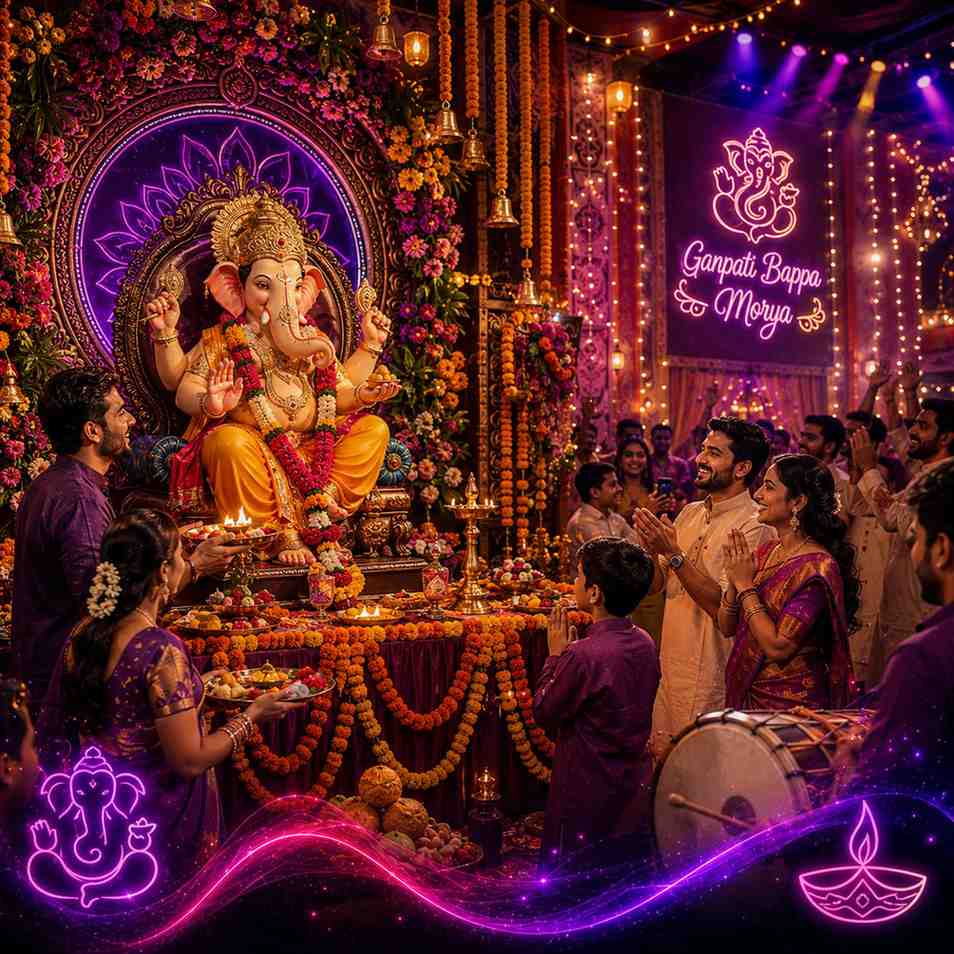
Décor plays a significant role in setting the mood for a Ganesh Chaturthi celebration, whether at home or in a larger public setting. Traditional elements such as banana leaf backdrops, marigold garlands, coconut leaf torans and clay diyas remain popular, while contemporary celebrations increasingly incorporate eco-conscious materials like recycled paper, cloth buntings and sustainable lighting.
For those hosting larger gatherings, thoughtful mandap design can transform a simple living room or community hall into an immersive festive space. Popular themes include recreations of natural landscapes, traditional Maharashtrian wadas, or minimalist contemporary setups using sustainable materials. Happiffie's décor specialists work with families and organising committees to design mandaps that balance tradition with practicality, ensuring the space feels sacred without becoming overwhelming to manage across ten days.
Planning the Visarjan Ceremony
The visarjan, or immersion ceremony, marks the emotional culmination of the festival, symbolising Ganesha's return to his celestial abode after blessing devotees for the duration of his stay. Depending on family tradition, visarjan may take place on the third, fifth, seventh or, most commonly, the eleventh day, known as Anant Chaturdashi.
Planning a respectful and safe visarjan requires some forethought:
- Choose eco-friendly idols made from natural clay and biodegradable colours to minimise environmental impact
- Identify designated immersion points set up by local municipal authorities, which often include artificial ponds for safer, more sustainable disposal
- Arrange transport in advance, particularly for larger idols, as roads become congested during peak visarjan processions
- Involve the whole family in the farewell aarti before immersion, as this final ritual carries significant emotional weight
Many communities now organise collective visarjan processions with music, dance and devotional chanting, turning what could be a solemn farewell into a joyous send-off. If you're organising a community-level visarjan procession, professional event coordination can help manage permits, safety arrangements and logistics smoothly.
Sustainable Celebrations for a Greener Festival
Environmental awareness has reshaped how many families approach their Ganesh Chaturthi celebration in recent years. Traditional plaster of Paris idols, painted with chemical colours, contribute significantly to water pollution when immersed in rivers and lakes. As a result, eco-friendly alternatives have gained strong popularity, including idols made from natural clay, turmeric, or even planted seeds that can later be grown into trees.
Choosing sustainable decorations, minimising single-use plastics during festivities, and opting for artificial immersion tanks over natural water bodies are all practical steps families can take. Many housing societies and community groups now organise collective eco-friendly visarjan drives, allowing residents to immerse idols responsibly while still preserving the festive spirit of the occasion.
Planning Checklist for Your Celebration
If you're preparing to host your own festivities this year, consider these planning essentials:
- Book your idol early: Eco-friendly clay idols are in high demand closer to the festival, so order well in advance
- Confirm your sthapana muhurat: Consult a priest or panchang for the most auspicious installation time
- Plan your daily puja routine: Decide who will lead rituals and gather all necessary items beforehand
- Arrange modak and prasad: Whether homemade or catered, plan quantities based on expected guests
- Coordinate décor and mandap setup: Book décor services early if hosting a larger gathering
- Finalise visarjan logistics: Identify your immersion point and arrange transport in advance
Happiffie supports families and community groups through every stage of festival planning, from décor and catering to full event coordination, ensuring your Ganesh Chaturthi celebration runs smoothly from sthapana through to visarjan.
Why Plan Your Festival With Happiffie
Organising a memorable Ganesh Chaturthi celebration involves balancing devotion with practical planning, and Happiffie brings genuine expertise to both. Our team works with trusted vendors for eco-friendly idols, authentic modak and festive catering, alongside experienced décor specialists who understand the cultural nuances of both traditional Ganesh Chaturthi and regional Chavithi celebrations. Whether you need help with a home puja setup or full-scale community event management, we tailor our services to reflect your family's traditions and your community's expectations.
Get in touch with our team today to start planning a Ganesh Chaturthi celebration that honours tradition while giving you the freedom to enjoy every moment with your loved ones.
Frequently Asked Questions
1. What is the correct date for Ganesh Chaturthi celebration this year?
The date changes annually based on the Hindu lunar calendar, typically falling between late August and mid-September. It's best to check a current panchang or reliable festival calendar closer to the time for the exact sthapana date.
2. How long does the Ganesh Chaturthi celebration last?
The festival traditionally spans ten to eleven days, beginning with the idol's installation and concluding with visarjan on Anant Chaturdashi, though many families choose shorter durations of one and a half, three, five or seven days.
3. What is the difference between Ganesh Chaturthi and Chavithi?
They refer to the same festival celebrating Lord Ganesha's birth; Chavithi is simply the name used predominantly in Andhra Pradesh and Telangana, with some regional differences in rituals and traditional food offerings like kudumulu.
4. Why is modak offered during the festival?
Modak is considered Lord Ganesha's favourite sweet, symbolising the sweetness of devotion and spiritual reward. Offering it during Vinayaka puja is a deeply rooted tradition believed to please the deity.
5. What type of idol should I choose for an eco-friendly celebration?
Natural clay idols painted with organic, water-soluble colours are the most environmentally responsible choice, as they dissolve safely during visarjan without polluting water bodies, unlike plaster of Paris idols.
6. Can Happiffie help organise a community Ganesh Chaturthi celebration?
Yes, Happiffie provides end-to-end event planning for both home and community celebrations, including mandap décor, catering, cultural programme coordination and visarjan logistics.
7. What items are needed for daily Vinayaka puja at home?
Essential items include the idol, flowers, durva grass, incense, diyas, fruits, modak or other sweets, and a small platform or mandap for the idol, along with any specific items your family tradition includes.
8. Is it necessary to immerse the idol in a natural water body?
No, and increasingly it's discouraged. Many municipalities now provide artificial immersion tanks, which are a safer and more sustainable alternative that still fulfils the ritual significance of visarjan.
9. How much does it cost to organise a professional Ganesh Chaturthi celebration?
Costs vary widely depending on scale, décor complexity, catering needs and whether it's a home setup or large community event. Happiffie provides customised quotes based on your specific requirements.
10. How far in advance should I start planning my festival celebration?
For home celebrations, two to three weeks is usually sufficient, but community-level Ganesh Chaturthi celebrations with large mandaps and processions benefit from six to eight weeks of advance planning.