
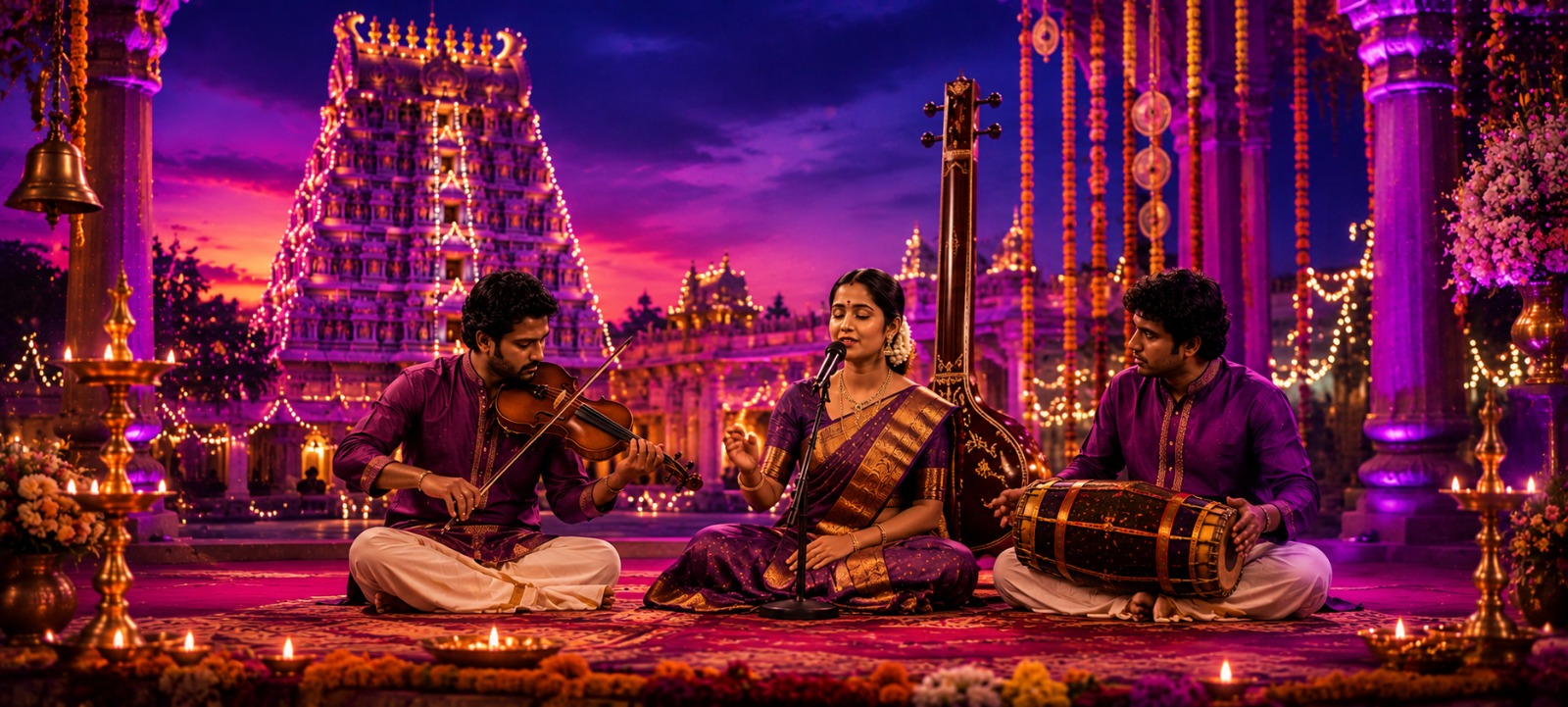
The Classical Music Festival
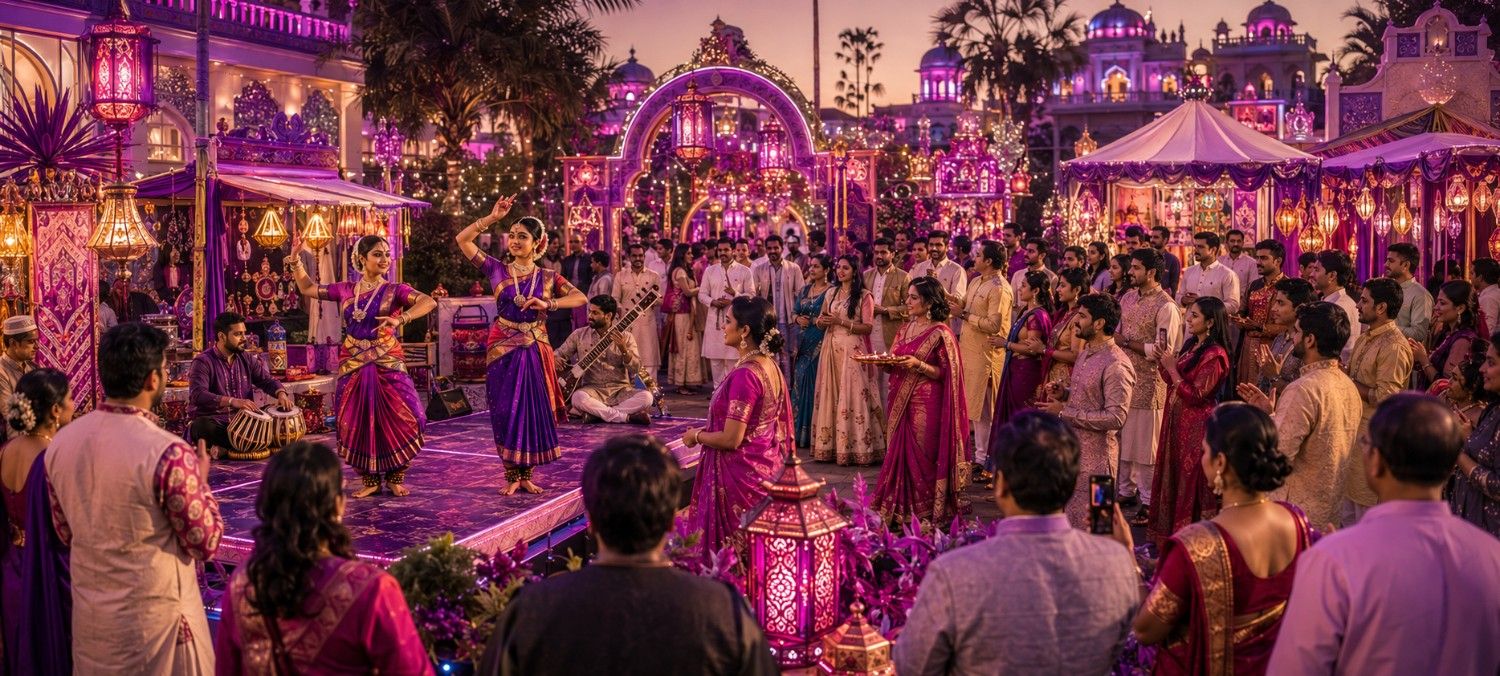
Experience a Classical Carnatic Hindustani Fete filled with captivating ragas and unforgettable live performances.
2
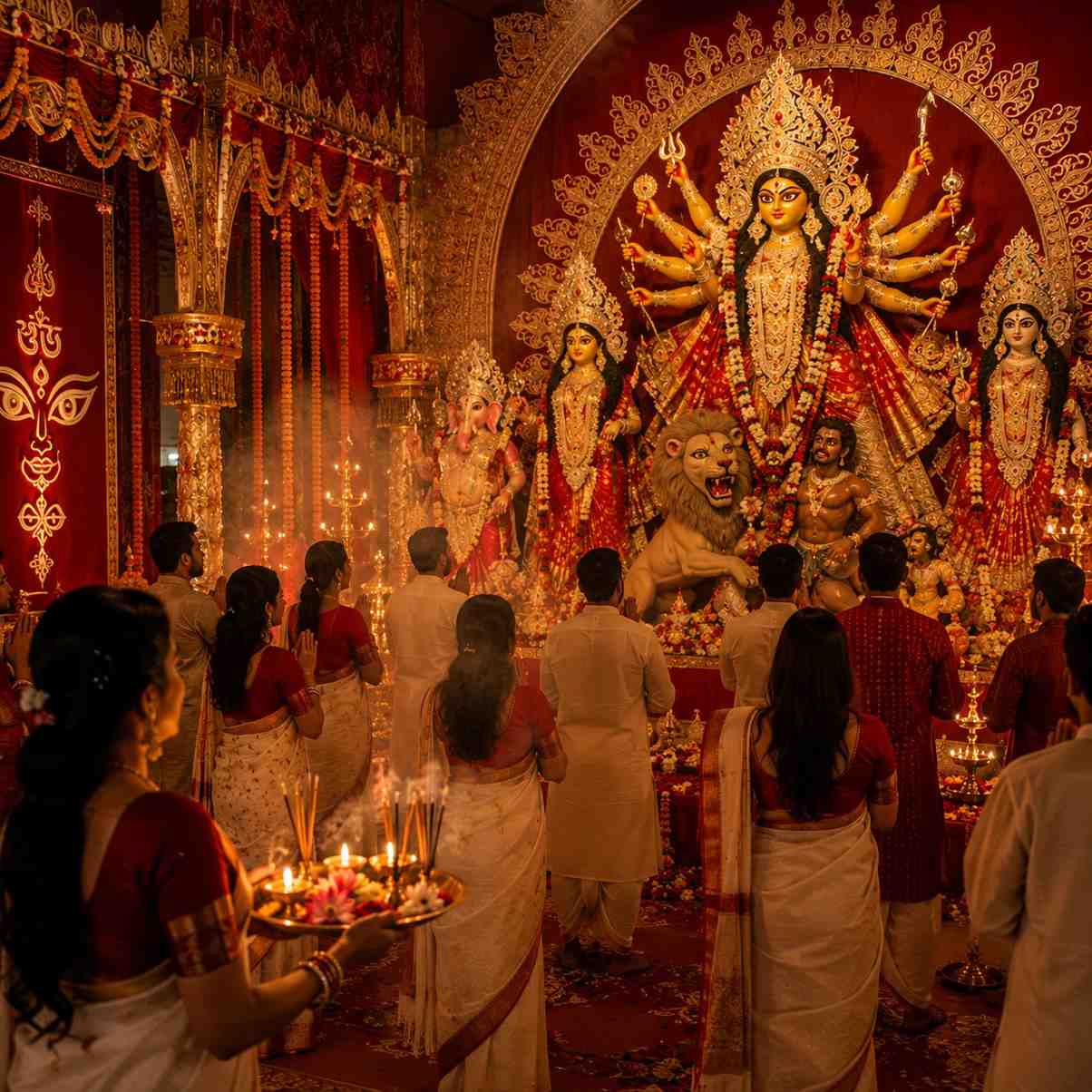
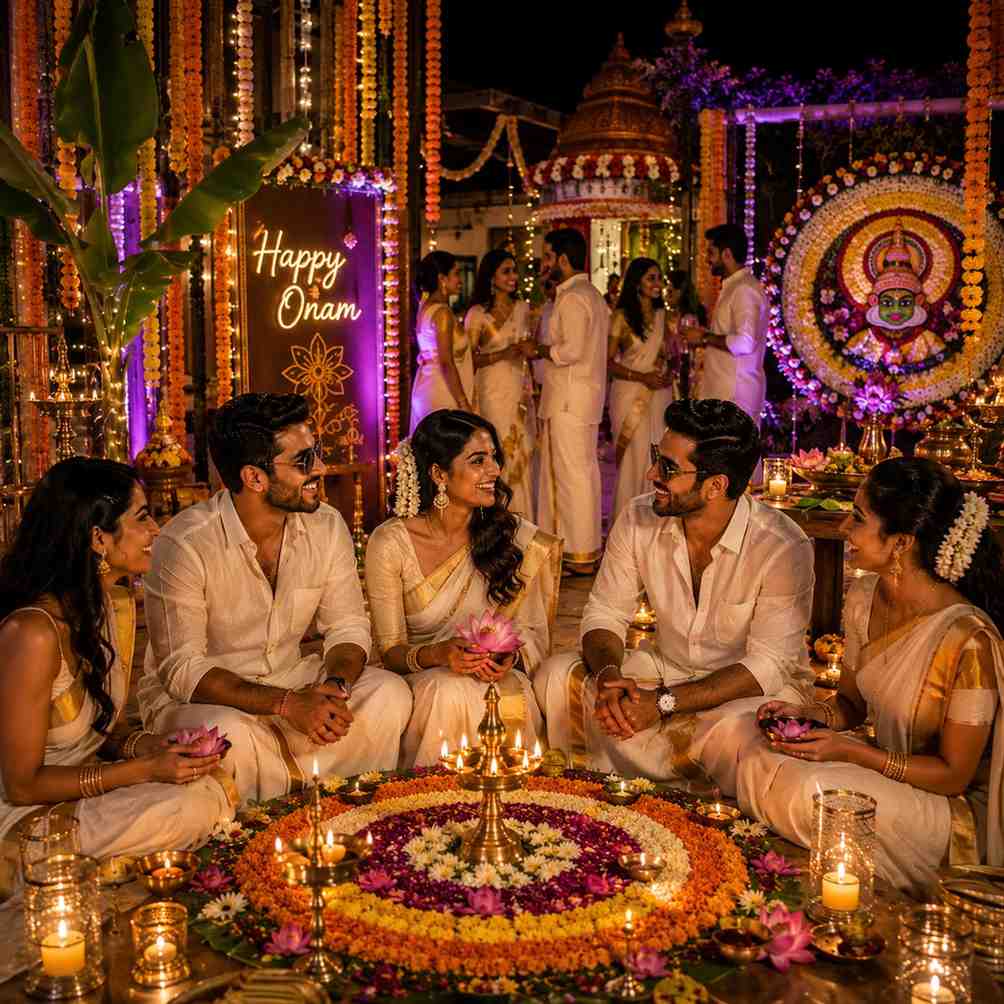
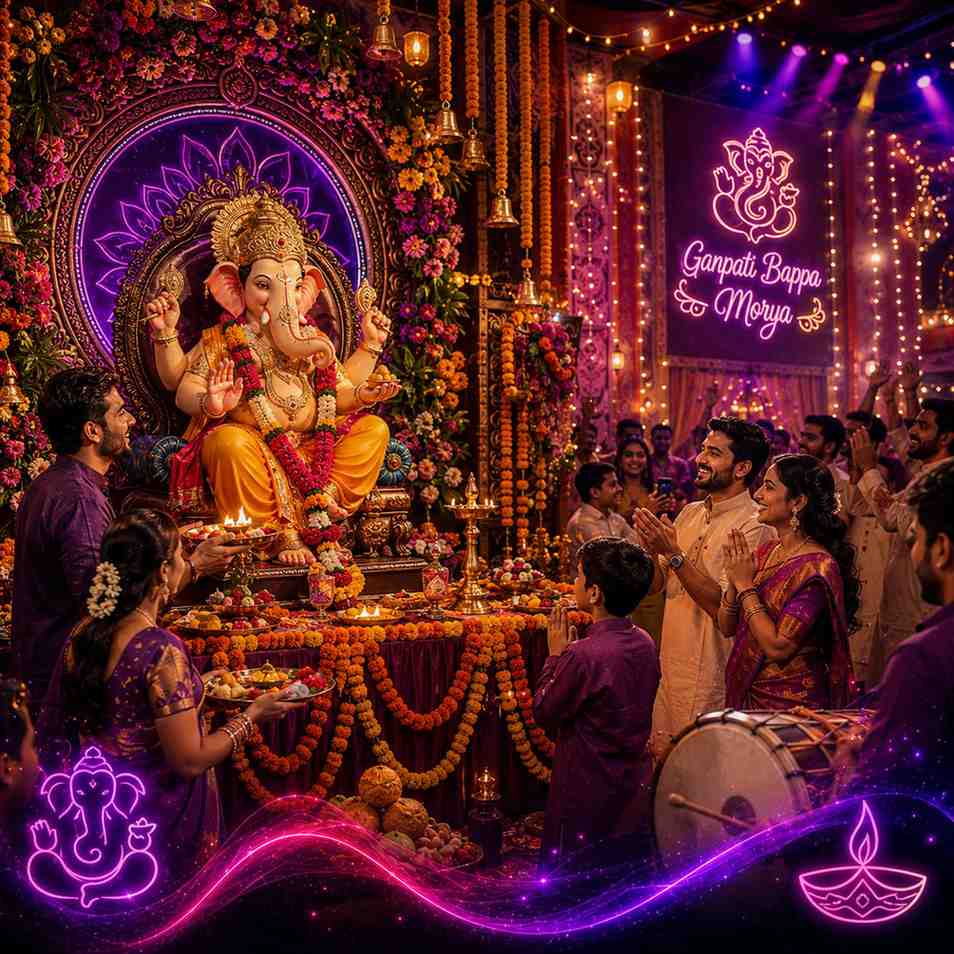
Explore Other Festival celebrations
3
Explore Styles Celebrate By Style
4
View All Cities Popular Cities
Jaipur
300+ Celebrations Hosted
Royal Grandeur in Pink

Goa
350+ Celebrations Hosted
Where Celebrations Meet Sunshine
Chennai
500+ Celebrations Hosted
Tradition Meets Coastal Elegance
Hyderabad
400+ Celebrations Hosted
Heritage, Grandeur and Warmth

kochi
250+ Celebrations Hosted
Where Heritage Meets Backwaters

Mumbai
600+ Celebrations Hosted
Bold Energy, Endless Celebrations

Bengaluru
450+ Celebrations Hosted
Modern Spirit, Creative Celebrations

Pune
350+ Celebrations Hosted
Culture, Charm and Celebration

Delhi
550+ Celebrations Hosted
Where History Meets Grandeur
Coimbatore
200+ Celebrations Hosted
Tradition Rooted in Tranquility
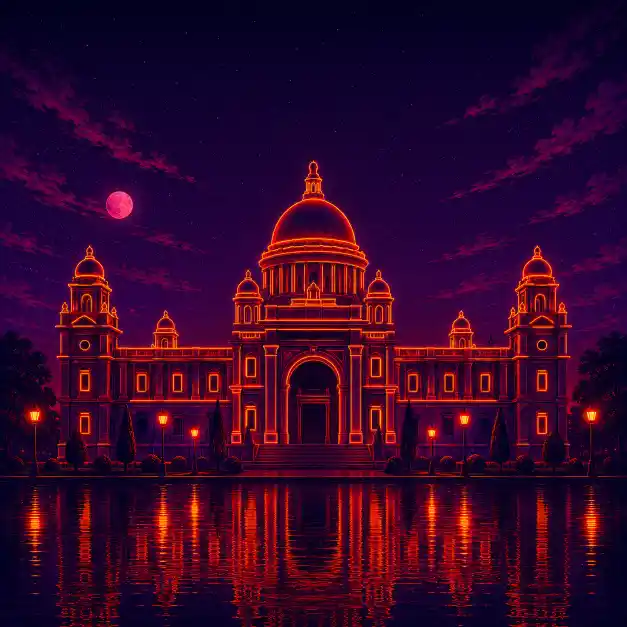
Kolkata
300+ Celebrations Hosted
Culture, Emotion and Celebration

Ahmedabad
200+ Celebrations Hosted
Tradition with Vibrant Energy
5
View All Popular Experiences
6
Festival Snapshot™
30+
Festival Types
500+
Festival Experiences
2000+
Celebration Venues
1500+
Event Partners
50+
Cities
1000+
Festivals Celebrated
12
Related Celebration Universes
Explore more ways to celebrate life.


Ready to Plan Your Classical Music Festival?
Hiya & Hanu are here to help you create unforgettable moments with the perfect venues, experiences, and trusted event partners—all in one place.

◆
A Cultural Fete Featuring Classical Carnatic and Hindustani Fete Music
◆Some corporate gatherings are remembered for their agenda; others are remembered for the moment a flute took over the room and every conversation quietened. That second kind of memory is what a Classical Carnatic, Hindustani Fete brings to a business calendar. This event format places India's two great classical traditions at the centre of a corporate or cultural occasion, alongside a live flute ensemble performing sacred ragas that carry centuries of musical heritage into a modern venue.
At Happiffie, we plan these fetes for companies, cultural societies and private hosts who want an evening defined by musical excellence rather than generic entertainment. Whether the goal is client appreciation, an annual cultural celebration, or a distinguished addition to a leadership offsite, this format offers something rare in corporate event planning: genuine artistic depth that guests actually talk about afterwards. This guide explains what it involves, how to plan one successfully, and why Happiffie is a trusted partner for organisations across India seeking a refined, culturally rich event.
What Does This Cultural Fete Involve?
A Classical Carnatic, Hindustani Fete is a curated event built around live performances of India's two principal classical music systems. Carnatic music, associated primarily with South India, and Hindustani music, rooted in the northern tradition, each bring distinct scales, rhythmic structures and performance styles. Bringing both together in a single evening allows an audience to experience the full breadth of Indian classical heritage, rather than choosing one tradition over the other.
Unlike a typical corporate concert or background music arrangement, the focus here is on showcasing serious musicianship. This ensemble of wind musicians often anchors the programme, since the flute carries melodic lines central to both traditions with equal fluency. Vocalists, veena or sitar accompanists, and percussionists on mridangam or tabla may join depending on the scale of the event, but the emphasis throughout remains on genuine skill rather than spectacle.
Why Organisations Choose This Kind of Evening
Corporate hosts increasingly look beyond conventional entertainment when planning flagship events, and pairing Hindustani and Carnatic performances answers that search for something more meaningful. For companies with roots in, or strong ties to, South Asian markets, hosting this kind of fete signals respect for tradition and an understanding of the audiences and communities they serve.
Beyond cultural signalling, there is a practical business case. A programme centred on sacred ragas creates a calm, attentive atmosphere that suits investor evenings, annual functions, and gatherings where meaningful conversation matters more than loud entertainment. Guests tend to stay engaged for the full performance rather than drifting toward the bar, and the shared experience of live classical music gives attendees something substantive to discuss during networking segments.
For cultural organisations, temples, and community associations, this format also serves an educational purpose, introducing younger audiences to ragas and performance traditions that might otherwise only be experienced within family or religious settings.
The Role of a Flute Ensemble in the Programme
The flute holds a special place in both Carnatic and Hindustani repertoires, and dedicated wind musicians are often the centrepiece of the evening. In Carnatic music, the bamboo flute or venu carries intricate, fast-moving melodic phrases with remarkable agility. In Hindustani music, the bansuri is associated with slower, more meditative alap sections that build gradually before flowering into rhythmic passages.
Skilled performers can move between both styles within a single programme, giving the audience a genuine sense of how the two traditions differ and where they overlap. Happiffie works with experienced musicians who understand this dual repertoire, ensuring every performance delivers real musical excellence rather than a diluted, crowd-pleasing set list.
When planning this segment, consider the acoustic requirements of the venue early. Wind instruments carry differently depending on ceiling height, soft furnishings and audience seating, so a soundcheck with the specific ensemble is essential rather than optional.
Key Elements of a Successful Classical Fete
Producing an evening that genuinely delivers on its promise involves more planning than simply booking musicians and setting up chairs. Several elements need to work together.
Venue acoustics and layout: A room with generous height and minimal hard reflective surfaces tends to support classical instruments better than a shallow, carpeted conference hall. Seating arranged in a semicircle or gentle curve around the performers helps sightlines and keeps the audience close to the sound.
Artist selection and repertoire planning: Not every performer trained in Carnatic music can comfortably cross into Hindustani repertoire, and vice versa. Happiffie's programming team works with artists who either specialise in crossover performance or can be paired thoughtfully, so the evening moves naturally between traditions rather than feeling like two disconnected sets.
Sound and lighting: Classical instruments, particularly the flute and veena, require sensitive microphone placement rather than heavy amplification. Lighting should be warm and understated, supporting the mood of the sacred ragas being performed rather than competing for attention.
Programme sequencing: A thoughtful evening typically opens with an invocatory piece, moves through a mix of ragas suited to the time of evening, and closes with a livelier, rhythmically driven piece that sends guests off on a high note.
Guest experience touches: Printed or digital programme notes explaining the ragas being performed add considerable value, particularly for audiences less familiar with classical structures. This small addition consistently increases guest engagement and appreciation.
Building Cultural Value Through Curated Events
The lasting value of a Classical Carnatic, Hindustani Fete goes beyond the evening itself. For businesses, hosting this kind of event builds a reputation for thoughtfulness and cultural sensitivity that pays dividends in client and community relationships over time. For cultural or religious organisations, a well-produced fete strengthens ties within the community and can become an anticipated annual fixture.
Happiffie's event planning team helps clients think beyond the performance slot itself, considering how the fete fits within a broader hospitality experience, from the welcome reception through to post-performance networking, so the musical programme feels integrated rather than bolted on.
Planning Checklist for Your Event
If you are preparing to host your own fete, consider the following planning essentials:
- Define your objective: Is this a client appreciation evening, an internal cultural celebration, or a public community gathering? Your objective shapes artist selection and guest numbers.
- Choose your musical balance: Decide how much programme time is dedicated to Carnatic pieces, Hindustani pieces, and the wind instrument segment specifically.
- Select an appropriate venue: Prioritise acoustic quality and audience sightlines over sheer capacity.
- Confirm artist availability early: Accomplished classical musicians often book several months ahead, particularly during the wedding and festival season.
- Plan the guest journey: Include a welcome period, a clearly signposted seated performance segment, and a relaxed close.
- Prepare guest materials: Programme notes on the ragas being performed add meaningful context for the audience.
Happiffie supports clients at every stage of this process, from artist sourcing to on-ground event execution, ensuring your evening runs smoothly from the first note to the final bow.
Who Benefits from This Kind of Event?
This format suits a wide range of hosts, including:
- Corporates seeking a refined, culturally resonant client or investor event
- Cultural societies and temple trusts hosting recurring community celebrations
- Educational institutions introducing students to classical Indian music traditions
- Private hosts marking significant family milestones with an artistic centrepiece
- Organisations wanting a distinguished alternative to conventional corporate entertainment
Regardless of the host or occasion, the underlying appeal remains consistent: a live performance built around genuine artistry leaves a stronger, longer-lasting impression than standard event entertainment.
Why Choose Happiffie for This Event
Happiffie brings genuine expertise in cultural and classical event planning to every Classical Carnatic, Hindustani Fete we organise, handling everything from artist sourcing and repertoire planning to venue acoustics, sound engineering and on-the-day coordination. Our team understands the nuances that separate a forgettable background performance from an evening built on real musical excellence, and we work with a trusted network of Carnatic and Hindustani musicians, including specialist wind musicians, to ensure every programme reflects the calibre your event deserves.
If your goal is to host an evening guests remember for years, celebrate sacred ragas with authenticity, or bring together the finest of both classical traditions in one programme, Happiffie is ready to help you plan it. Get in touch with our team today to start designing your next classical cultural event.
Frequently Asked Questions
1. What is the difference between Carnatic and Hindustani classical music?
Carnatic music is primarily associated with South India and tends to feature fixed compositions with intricate rhythmic variations, while Hindustani music, rooted in the northern tradition, places greater emphasis on extended improvisation within a raga. A Classical Carnatic, Hindustani Fete brings both styles together in a single programme.
2. How many musicians are needed for a flute ensemble performance?
A flute ensemble can range from a solo performer with tabla or mridangam accompaniment to a larger group of four or five musicians, depending on the scale and formality of the event.
3. How much does it cost to host an event like this?
Costs vary based on artist calibre, ensemble size, venue and technical requirements. Happiffie provides a customised quote once we understand your event scope, guest count and musical preferences.
4. What is the ideal venue type for this kind of event?
Venues with good natural acoustics, adequate ceiling height and flexible seating tend to work best, allowing sacred ragas performed live to carry clearly without excessive amplification.
5. How far in advance should I book a flute ensemble or classical artists?
For a mid-sized fete, 6 to 8 weeks is generally sufficient, though accomplished classical musicians are often booked further ahead during festival and wedding season, so earlier enquiries are recommended.
6. Can Happiffie help design a programme that includes both Carnatic and Hindustani pieces?
Yes, Happiffie works with artists experienced in both traditions to build a Classical Carnatic, Hindustani Fete programme that moves naturally between repertoires, ensuring musical excellence throughout.
7. Is this format suitable for corporate events?
Yes, a Hindustani Fete paired with Carnatic performances is increasingly popular for client appreciation evenings, investor functions and leadership offsites where hosts want an event defined by cultural depth rather than conventional entertainment.
8. What time of day works best for this kind of fete?
Evening performances tend to suit the reflective mood of many ragas particularly well, though morning or afternoon programmes can be arranged for religious or community occasions following traditional performance timings.
9. Does Happiffie provide end-to-end event management for classical fetes?
Yes, Happiffie manages the entire process, including artist sourcing, venue selection, sound engineering, seating design and on-site coordination, allowing hosts to focus on their guests rather than logistics.
10. How do I book Happiffie for a Classical Carnatic, Hindustani Fete?
You can reach out through the Happiffie website or contact our events team directly to discuss your requirements, after which we will propose a tailored programme for your event.