
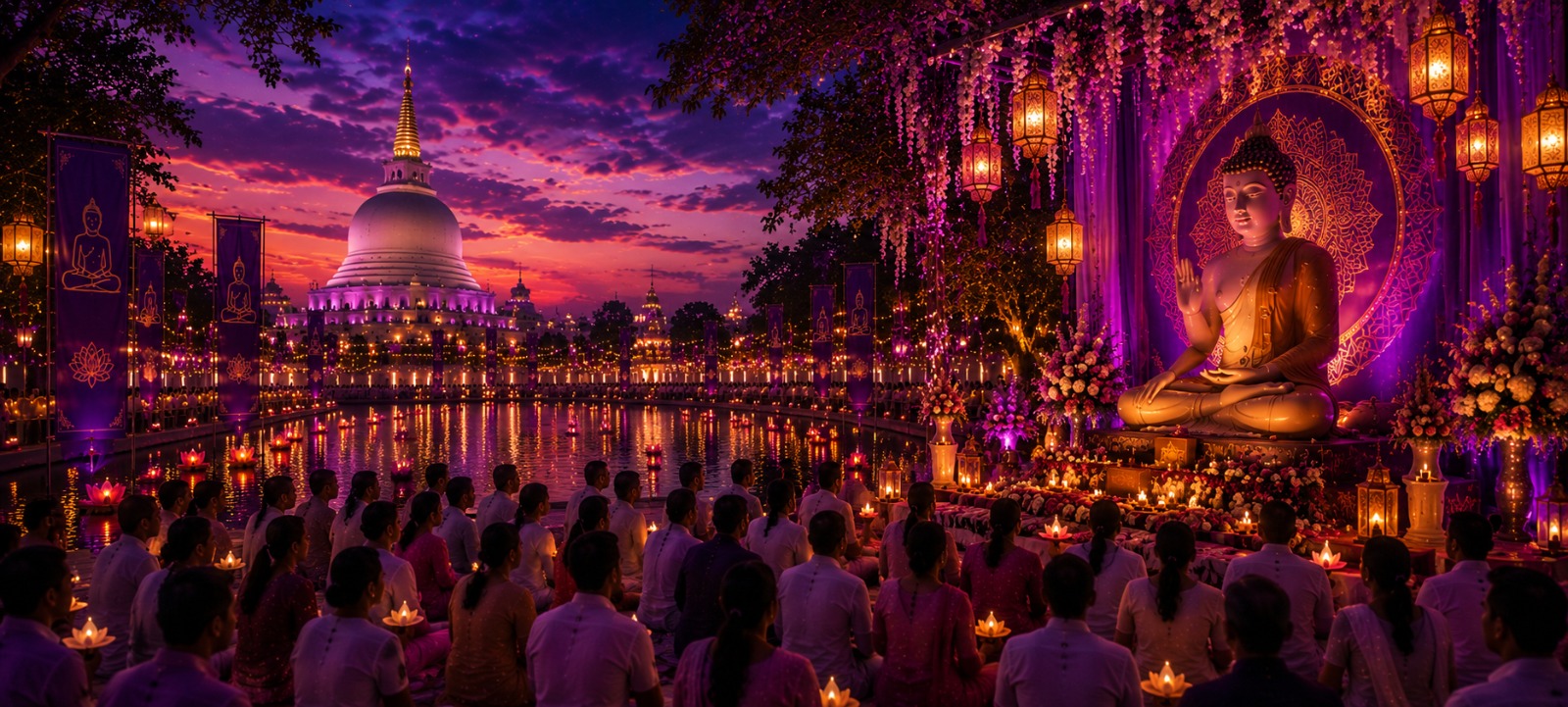
Buddha PurnimaVesak Celebrations
Honor Lord Buddha through peaceful meditation, devotional prayers, spiritual gatherings, and timeless Buddhist traditions that inspire wisdom, compassion, and inner peace.
2
Explore Other Festival celebrations
3
Explore Styles Celebrate By Style
4
View All Cities Popular Cities
Jaipur
300+ Celebrations Hosted
Royal Grandeur in Pink

Goa
350+ Celebrations Hosted
Where Celebrations Meet Sunshine
Chennai
500+ Celebrations Hosted
Tradition Meets Coastal Elegance
Hyderabad
400+ Celebrations Hosted
Heritage, Grandeur and Warmth

Kochi
250+ Celebrations Hosted
Where Heritage Meets Backwaters
Mumbai
600+ Celebrations Hosted
Bold Energy, Endless Celebrations
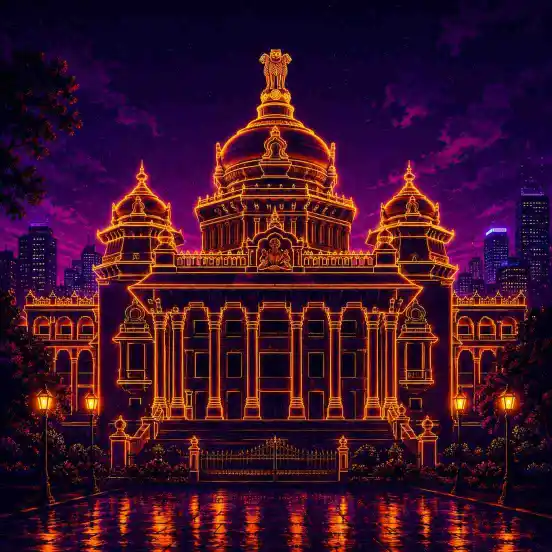
Bengaluru
450+ Celebrations Hosted
Modern Spirit, Creative Celebrations
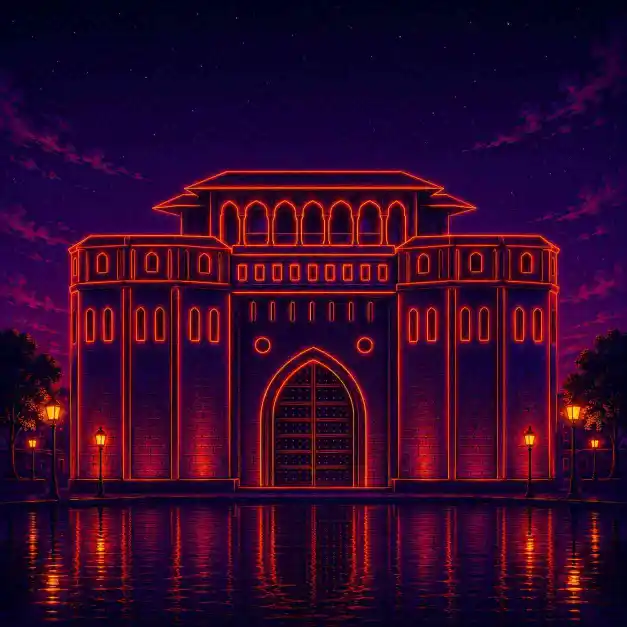
Pune
350+ Celebrations Hosted
Culture, Charm and Celebration

Delhi
550+ Celebrations Hosted
Where History Meets Grandeur
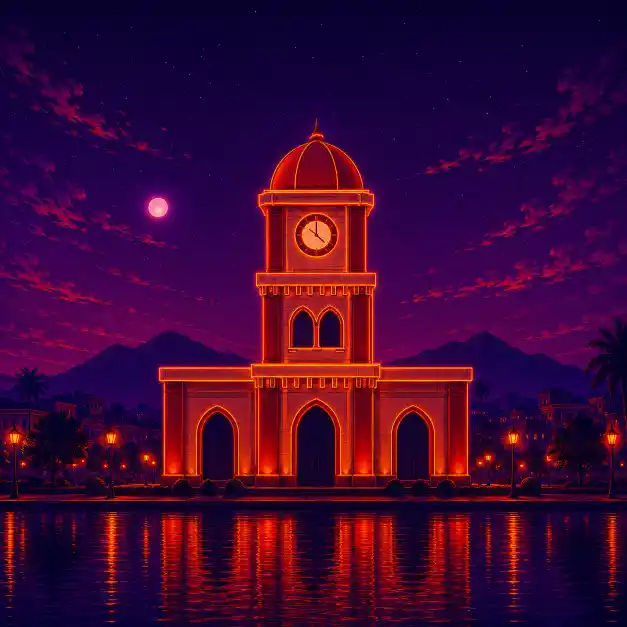
Coimbatore
200+ Celebrations Hosted
Tradition Rooted in Tranquility
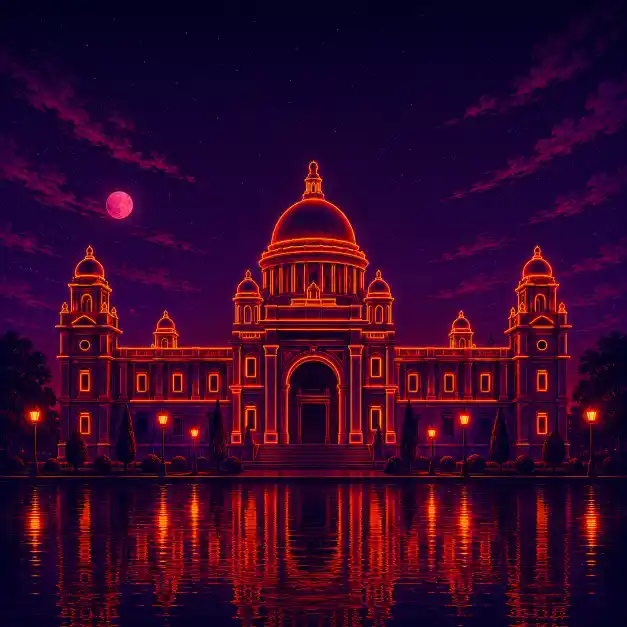
Kolkata
300+ Celebrations Hosted
Culture, Emotion and Celebration

Ahmedabad
200+ Celebrations Hosted
Tradition with Vibrant Energy
5
View All Popular Experiences
6
Festival Snapshot™
30+
Festival Types
500+
Festival Experiences
2000+
Celebration Venues
1500+
Event Partners
50+
Cities
1000+
Festivals Celebrated
12
Related Celebration Universes
Explore more ways to celebrate life.


Ready to Plan Your Buddha Purnima Celebration?
Hiya & Hanu are here to help you create unforgettable moments with the perfect venues, experiences, and trusted event partners—all in one place.

◆
Buddha Purnima (Vesak) Celebrations – Celebrate Peace, Compassion & Spiritual Enlightenment
◆Buddha Purnima, also known as Vesak, Buddha Jayanti, or Buddha Day, is one of the most sacred festivals observed by Buddhists around the world. The occasion commemorates the birth, enlightenment (Nirvana), and Mahaparinirvana of Gautama Buddha, making it a day of immense spiritual significance. Celebrated with meditation, prayers, acts of kindness, temple visits, cultural programs, and charitable activities, Buddha Purnima inspires people to embrace peace, compassion, wisdom, and mindfulness.
Whether you are organizing a temple gathering, a community prayer, a meditation retreat, a cultural celebration, or a family observance, Happiffie helps you discover venues, event services, decorations, catering, photography, cultural performers, volunteers, and everything required to plan a meaningful Buddha Purnima celebration.
What is Buddha Purnima (Vesak)?
Buddha Purnima is the most important festival in Buddhism and is celebrated on the full moon day of the Vaisakha month according to the lunar calendar. The day is believed to mark three significant events in the life of Lord Buddha:
- Birth of Siddhartha Gautama
- Attainment of Enlightenment under the Bodhi Tree
- Mahaparinirvana (Final Liberation)
Because all three events are traditionally associated with the same full moon day, Buddha Purnima is regarded as a symbol of the complete spiritual journey—from birth to awakening and ultimately liberation.
Across India and many other countries, devotees gather at monasteries and Buddhist temples to offer flowers, incense, candles, prayers, and meditation as expressions of gratitude and devotion.
Why is Buddha Purnima Celebrated?
Buddha Purnima is celebrated to honor the timeless teachings of Lord Buddha that continue to guide millions of people across the world. His philosophy emphasizes compassion, wisdom, mindfulness, kindness, equality, and non-violence.
Unlike festivals centered on material celebrations, Buddha Purnima encourages people to look inward and cultivate inner peace. The day reminds us that true happiness comes through understanding, compassion, and living a life free from greed, hatred, and ignorance.
For many communities, Buddha Purnima is also an opportunity to strengthen relationships through charitable work, community service, meditation sessions, and peaceful gatherings that promote harmony among people of all backgrounds.
Historical Significance of Vesak
More than 2,500 years ago, Prince Siddhartha Gautama renounced his royal life in search of the truth behind human suffering. After years of meditation and spiritual practice, he attained enlightenment beneath the sacred Bodhi Tree in Bodh Gaya, India, becoming the Buddha, meaning "The Enlightened One."
His teachings, known as the Dharma, spread throughout Asia and eventually across the world. Today, Buddhism is practiced by millions of followers in countries including India, Sri Lanka, Nepal, Thailand, Myanmar, Bhutan, Cambodia, Laos, Vietnam, Japan, South Korea, China, and many Western nations.
The United Nations officially recognizes Vesak as an international day of observance, highlighting its universal message of peace, compassion, and respect for humanity.
Spiritual Meaning of Buddha Purnima
The essence of Buddha Purnima extends far beyond rituals. It serves as a reminder that every individual has the ability to overcome suffering through wisdom, ethical living, and mindful awareness.
Many devotees spend the day practicing:
- Meditation
- Mindfulness
- Silent reflection
- Chanting Buddhist scriptures
- Offering food to monks
- Visiting temples
- Charity and donations
- Releasing birds or animals (where ethically appropriate)
- Planting trees
- Feeding the needy
These practices symbolize generosity, compassion, gratitude, and respect for all living beings.
Traditional Buddha Purnima Rituals
Although customs vary across countries and Buddhist traditions, several rituals remain common during Buddha Purnima celebrations.
Temple Visits
Families visit Buddhist temples early in the morning to participate in prayer ceremonies, listen to sermons, chant sacred scriptures, and receive blessings from monks.
Meditation Sessions
Guided meditation programs are organized in monasteries, meditation centers, and community halls. These sessions help devotees cultivate inner calm, awareness, and compassion.
Offering Flowers and Lamps
Fresh flowers, lotus blossoms, candles, incense sticks, and butter lamps are offered before Buddha statues. Flowers symbolize the impermanence of life, while light represents wisdom overcoming ignorance.
Acts of Charity
Many devotees distribute food, clothing, books, and essential supplies to those in need. Acts of kindness are considered one of the highest forms of worship on Buddha Purnima.
Community Gatherings
Communities organize spiritual lectures, children's storytelling sessions, Buddhist cultural performances, mindfulness workshops, and group meditation events to spread the teachings of Lord Buddha.
Buddha Purnima Celebrations Across India
India is home to several sacred Buddhist sites, making Buddha Purnima one of the most important spiritual observances in the country.
Bodh Gaya
The Mahabodhi Temple becomes the center of global celebrations as thousands of pilgrims gather beneath the Bodhi Tree where Buddha attained enlightenment.
Sarnath
The place where Buddha delivered his first sermon hosts prayer meetings, cultural programs, and meditation retreats.
Kushinagar
Devotees visit Kushinagar to remember Buddha's Mahaparinirvana through peaceful ceremonies and devotional gatherings.
Rajgir
Rajgir attracts monks, scholars, and pilgrims who participate in Buddhist teachings and meditation sessions.
Ladakh, Himachal Pradesh & Sikkim
Monasteries organize colorful processions, chanting ceremonies, masked dances, and traditional rituals reflecting Himalayan Buddhist culture.
Plan a Meaningful Buddha Purnima Celebration with Happiffie
Whether you're organizing a private family observance or a large community event, thoughtful planning helps create a peaceful and memorable experience.
With Happiffie, you can discover trusted professionals and services for:
- Meditation halls
- Community venues
- Buddhist cultural performers
- Traditional decorations
- Floral arrangements
- Vegetarian catering
- Photography & videography
- Sound systems
- Event volunteers
- Guest management
- Digital invitations
- Live streaming
- Accommodation for guests
- Transportation services
- Charity event coordination
Instead of coordinating multiple vendors separately, Happiffie brings everything together on one intelligent celebration platform, making planning simple, organized, and stress-free.