
The Art ExhibitionFestival
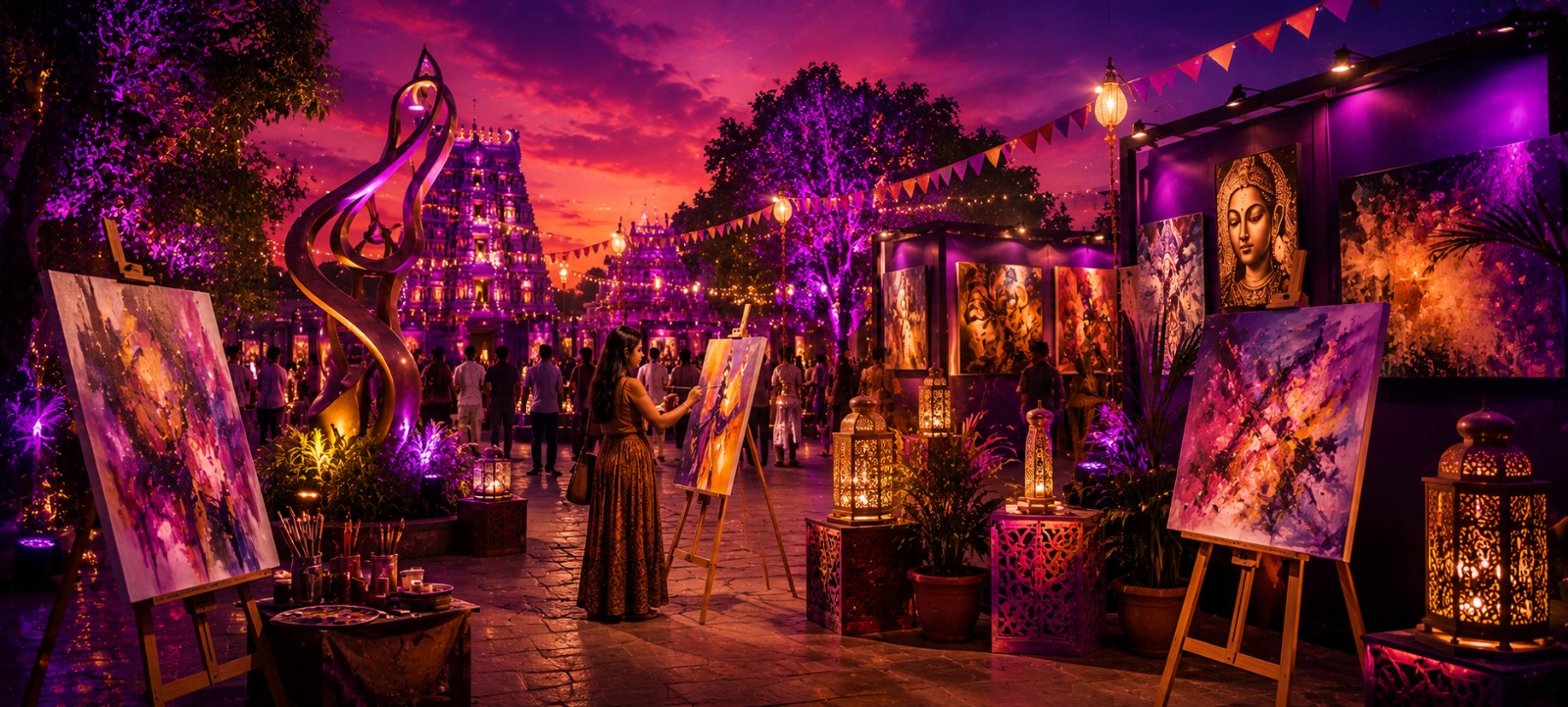
Explore an Art Exhibition Display Gathering featuring curated artworks, creative expression, and memorable cultural experiences.
2
Explore Other Festival celebrations
3
Explore Styles Celebrate By Style
4
View All Cities Popular Cities
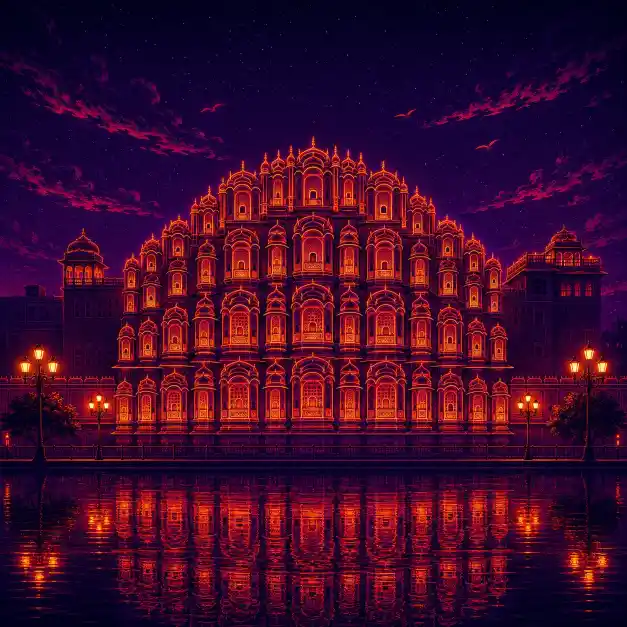
Jaipur
300+ Celebrations Hosted
Royal Grandeur in Pink

Goa
350+ Celebrations Hosted
Where Celebrations Meet Sunshine
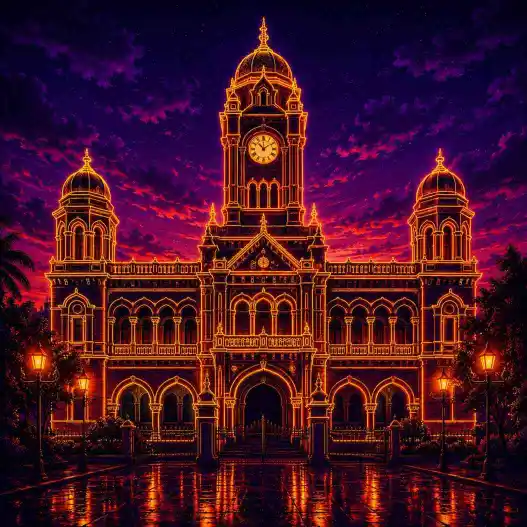
Chennai
500+ Celebrations Hosted
Tradition Meets Coastal Elegance
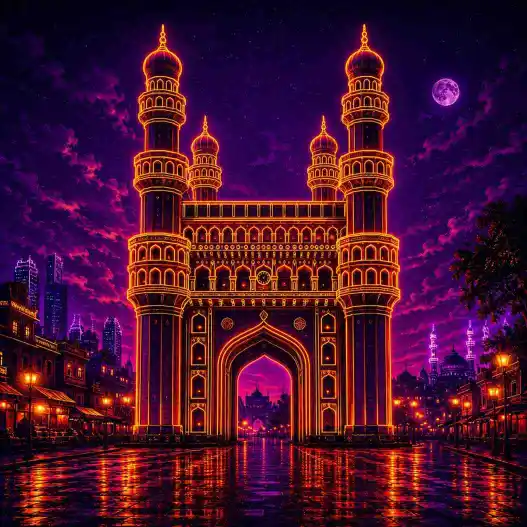
Hyderabad
400+ Celebrations Hosted
Heritage, Grandeur and Warmth
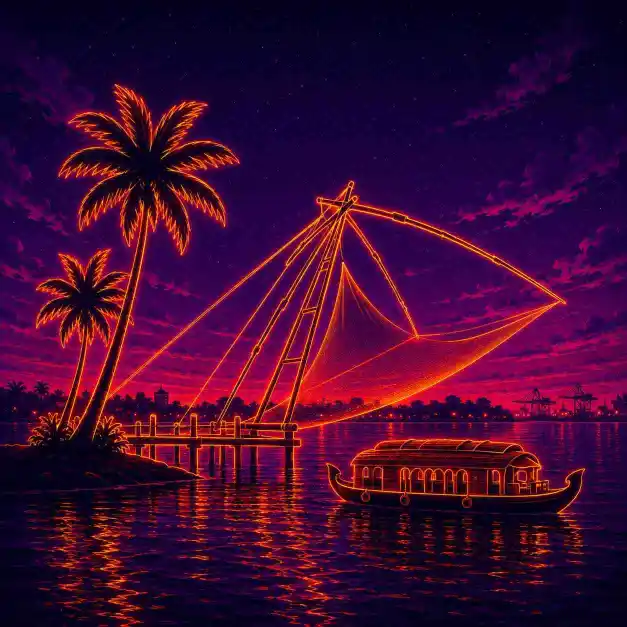
Kochi
250+ Celebrations Hosted
Where Heritage Meets Backwaters
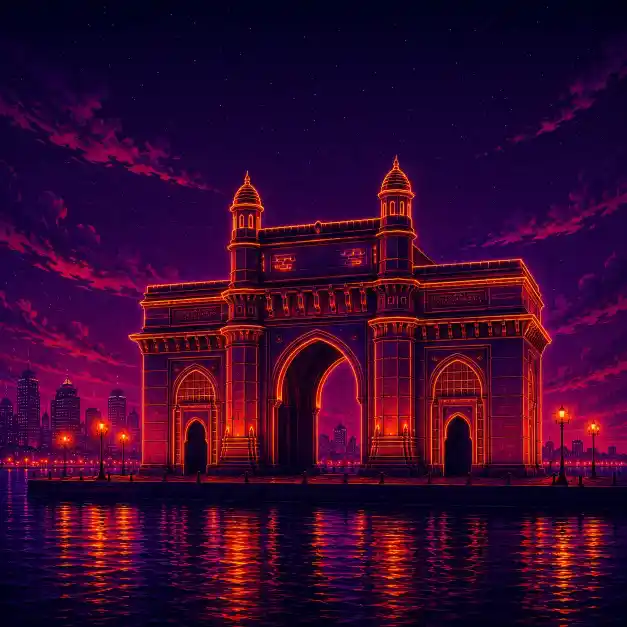
Mumbai
600+ Celebrations Hosted
Bold Energy, Endless Celebrations
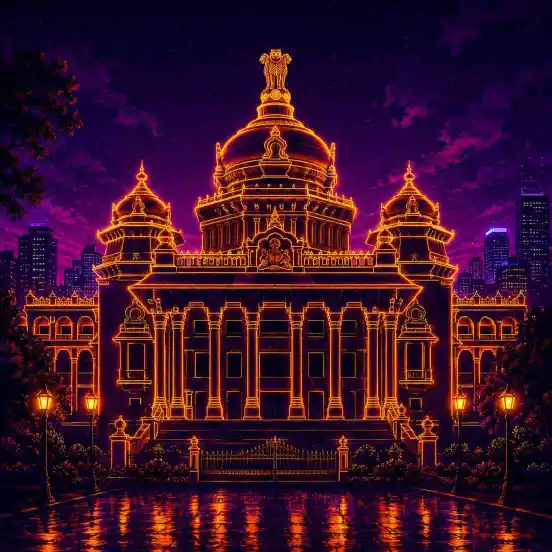
Bengaluru
450+ Celebrations Hosted
Modern Spirit, Creative Celebrations
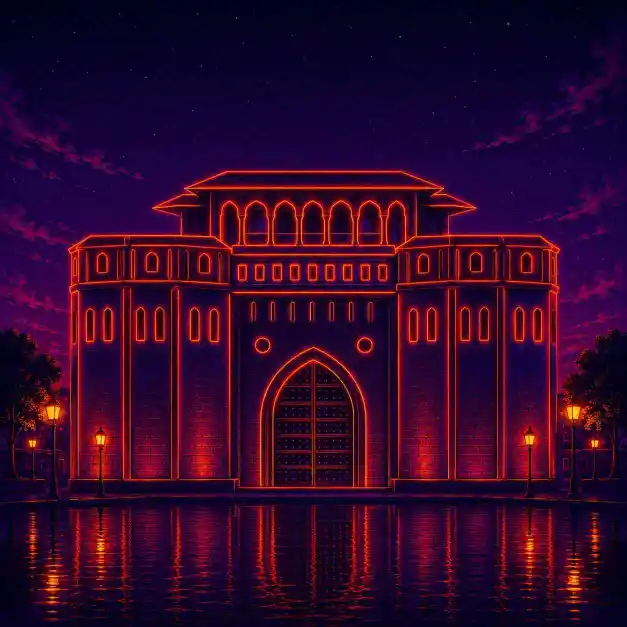
Pune
350+ Celebrations Hosted
Culture, Charm and Celebration
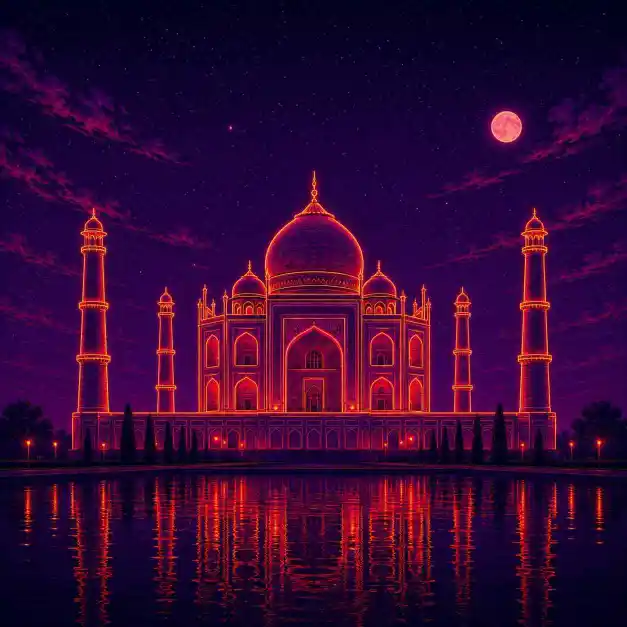
Delhi
550+ Celebrations Hosted
Where History Meets Grandeur
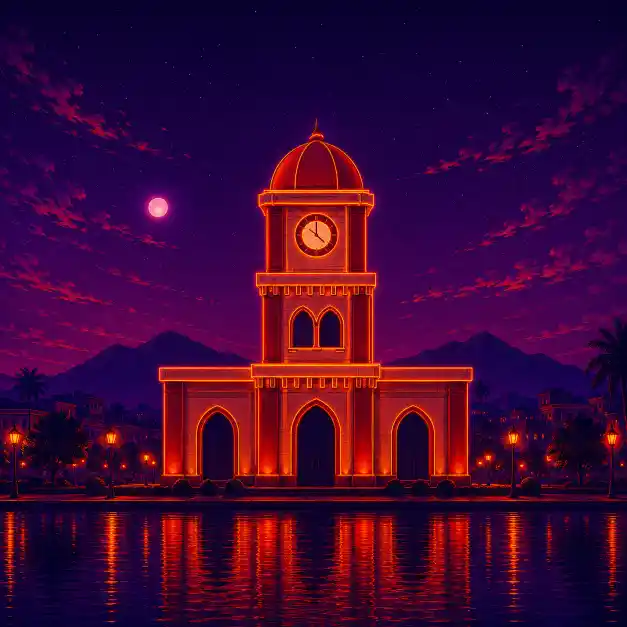
Coimbatore
200+ Celebrations Hosted
Tradition Rooted in Tranquility
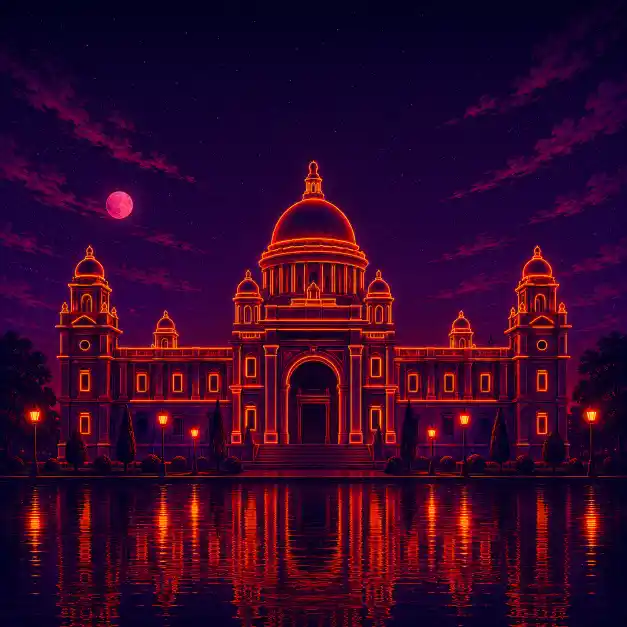
Kolkata
300+ Celebrations Hosted
Culture, Emotion and Celebration
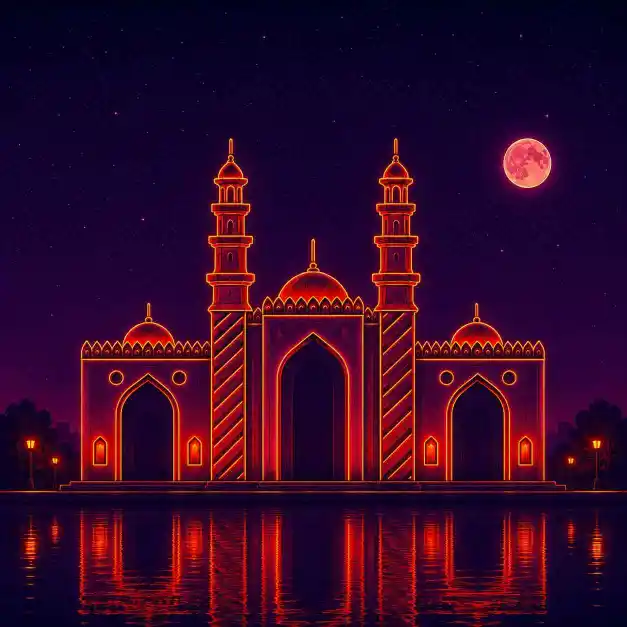
Ahmedabad
200+ Celebrations Hosted
Tradition with Vibrant Energy
5
View All Popular Experiences
6
Festival Snapshot™
30+
Festival Types
500+
Festival Experiences
2000+
Celebration Venues
1500+
Event Partners
50+
Cities
1000+
Festivals Celebrated
12
Related Celebration Universes
Explore more ways to celebrate life.


Ready to Plan Your Art Festival?
Hiya & Hanu are here to help you create unforgettable moments with the perfect venues, experiences, and trusted event partners—all in one place.

◆
Bringing a Painting Gallery to Life Through a Well-Curated Art Exhibition
◆Few events carry the quiet drama of walking into a room where every wall tells a different story. An art exhibition is never just about hanging canvases; it's about pacing a visitor's journey, framing conversation around a body of work, and giving artists a stage that matches the ambition of what they've created. Whether it's a solo debut, a group showcase, or a retrospective spanning decades, the success of any display gathering hinges on details most guests never consciously notice lighting temperature, wall spacing, the flow between rooms but absolutely feel.
At Happiffie, we treat every art exhibition as a design problem as much as a logistics one. Getting a painting gallery to feel considered rather than cluttered, and turning a straightforward hang into a genuine visual journey, takes planning that starts weeks before the first frame goes up. This guide walks through what makes these events work, how to plan one properly, and why art professionals across India increasingly bring Happiffie in to handle the details around their canvas works.
What Makes an Art Exhibition Different From a Standard Gallery Show
An art exhibition is a curated presentation of artwork, typically built around a theme, artist, medium, or period, and designed to guide visitors through a deliberate sequence rather than a random scatter of pieces. Unlike a permanent gallery hang, an exhibition usually runs for a defined window days or weeks and carries an opening event where collectors, critics, press and the artist's wider circle gather in one room.
The distinction matters because it changes the planning brief. A display gathering with a fixed end date needs marketing momentum, a clear opening night, and often a closing event too. Every choice, from the order pieces appear in to the colour of the walls behind them, exists to support how the work is read and felt by the people walking through.
Choosing the Right Venue for Your Painting Gallery
Venue selection shapes everything that follows. A painting gallery space needs consistent, controllable lighting natural light is beautiful but unpredictable, and most professional hangs favour adjustable spotlighting that can be angled to reduce glare on varnished or glossy pieces. Wall colour matters too; neutral tones let colour-heavy work breathe, while darker walls can dramatise more minimal or monochrome pieces.
Floor plan flow is just as important as the walls themselves. Visitors should be able to move through the space in a natural sequence, ideally one that mirrors the narrative or chronology behind the canvas works on display. Tight corners and dead-end alcoves interrupt that flow and often get skipped entirely by guests moving through quickly. Happiffie works with a network of gallery spaces, converted warehouses, hotel function rooms and dedicated exhibition venues, matching the space to the scale and mood of each art exhibition.
Designing the Visual Journey Through the Space
A visual journey isn't a decorative flourish it's the backbone of how an exhibition actually communicates. Curators typically sequence work by theme, chronology or emotional arc, using transitions between sections to signal a shift in mood or subject matter. Spacing between pieces gives each canvas room to be seen individually rather than competing for attention with its neighbour.
Wayfinding also plays a quiet role here. Clear signage, subtle floor markers or simply the architecture of the room itself can nudge visitors along the intended path without feeling instructive. For larger display gathering events with multiple artists or mediums, zoning the space into distinct sections separated by lighting changes or partition walls helps visitors mentally reset between different bodies of work.
Lighting, Framing and Presentation Details
Presentation quality often determines whether an exhibition reads as professional or amateur, regardless of how strong the work itself is. Track lighting with adjustable heads remains the industry standard, allowing each piece to be lit individually rather than relying on flat ambient light across the whole room. Colour temperature should stay consistent throughout to avoid pieces appearing warmer or cooler depending on where they're hung.
Framing choices for canvas works deserve equal thought. Uniform framing across a collection creates cohesion, while deliberately mismatched frames can work for a more eclectic, multi-artist show. Labels should be legible, positioned at consistent height, and include enough context title, medium, year, price if applicable without cluttering the wall.
Planning the Opening Night
The opening is where an art exhibition earns its reputation. Timing matters: early evening slots, typically 6 pm to 9 pm, tend to draw the strongest turnout without competing with dinner plans. Catering should stay light and easy to manage while holding a glass, canapés and finger food work better than anything requiring cutlery, since guests are moving between pieces rather than sitting.
Guest list curation deserves real attention here too. A strong opening night blends collectors, press, fellow artists and the artist's personal network, creating a room with genuine energy rather than a quiet walkthrough. Many organisers schedule a short welcome address or artist talk 30 to 45 minutes into the evening, once most guests have arrived, giving the room a natural focal moment before conversation resumes.
Marketing and Promoting Your Display Gathering
Even the most beautifully hung show underperforms without proper promotion. A display gathering benefits from a staged marketing approach: save-the-date announcements several weeks out, followed by formal invitations, then a final reminder push in the days before opening. Social media previews of individual pieces ahead of the event build anticipation without giving away the full experience.
Press outreach, where relevant, works best when pitched at least three weeks ahead, giving arts journalists and local publications time to consider coverage. Partnering with complementary brands or venues can also extend reach organically, particularly for group shows where multiple artists bring their own audiences to the same room.
Budgeting for an Art Exhibition
Costs vary widely depending on scale, venue and duration, but the major line items stay consistent: venue hire, lighting and AV, framing and installation, catering, printed materials such as catalogues and invitations, and staffing for the opening night itself. Smaller solo shows in a rented gallery space can run considerably leaner than a multi-artist retrospective in a premium venue with extended run dates.
Happiffie helps clients build realistic budgets early, ensuring the ambition of the art exhibition matches the resources available, and flagging where spending genuinely improves the guest experience versus where it's easy to overspend on details few people will notice.
Who Typically Hosts These Events
Display gathering events of this kind attract a fairly broad range of organisers, including:
- Independent artists launching a solo debut or new body of work
- Established galleries hosting rotating group shows
- Corporate clients using art as a brand or CSR initiative
- Art collectives and cooperatives showcasing emerging talent
- Educational institutions presenting student or alumni work
Each of these briefs comes with a different scale and tone, but the underlying planning principles around flow, lighting and guest experience stay largely the same.
Why Choose Happiffie for Your Next Painting Gallery Event
Happiffie brings hands-on experience coordinating art exhibition events end to end, from sourcing the right venue and managing lighting and installation through to guest curation and on-the-night execution. We understand that a painting gallery hang is as much about pacing and presentation as it is about the artwork itself, which is why we work closely with artists and organisers to build a visual journey that genuinely reflects the collection on display.
Whether you're planning an intimate solo show or a larger display gathering featuring multiple artists and mediums, our team handles the details that let the canvas works speak for themselves. Get in touch with Happiffie's events team today to start planning your next exhibition.
Frequently Asked Questions
1. How far in advance should I start planning an art exhibition?
Most solo or small group shows need 8 to 10 weeks of lead time, while larger exhibitions with multiple artists or extended run dates often require 12 to 16 weeks for proper venue booking, marketing and installation planning.
2. What's the ideal venue size for a painting gallery show?
This depends on the number of pieces and expected footfall, but most mid-sized shows work well in spaces between 1,500 and 3,000 square feet, allowing comfortable spacing between canvases without the room feeling sparse.
3. How many pieces should be included in a display gathering?
There's no fixed number, though most curated shows sit somewhere between 20 and 40 pieces, enough to build a coherent visual journey without overwhelming visitors or diluting attention on standout work.
4. Does Happiffie help with framing and installation for canvas works?
Yes, Happiffie coordinates with framing specialists and installation teams to ensure every piece is presented consistently and hung securely, matching the overall design language of the exhibition.
5. What's the typical cost of hosting an art exhibition?
Costs depend heavily on venue, duration and scale, ranging from modest budgets for a single-evening show to significantly more for multi-week exhibitions with premium venues. Happiffie provides tailored quotes based on your specific brief.
6. Should I hire a curator for a group show?
For exhibitions involving multiple artists or mediums, a curator adds real value by shaping the sequencing and narrative flow, ensuring the display gathering reads as cohesive rather than disjointed.
7. What catering works best for an exhibition opening night?
Light, easy-to-hold canapés and a simple drinks service tend to work best, since guests are typically standing and moving between pieces rather than seated for a formal meal.
8. How does lighting affect a painting gallery presentation?
Lighting shapes how colour, texture and detail read from a distance, and inconsistent lighting can make even strong work look flat. Adjustable track lighting with consistent colour temperature is generally recommended.
9. Can Happiffie manage press and marketing for an art exhibition?
Happiffie can coordinate invitation design, save-the-date scheduling and promotional timelines, and can advise on press outreach timing to help maximise turnout and coverage for your event.
10. How do I book Happiffie for my next display gathering?
You can get in touch through the Happiffie website or contact our events team directly with your artist details, venue preferences and timeline, and we'll put together a tailored plan for your exhibition.