

Explore All Religious Ceremonies
Discover traditional rituals, wedding ceremonies, spiritual occasions and meaningful cultural celebrations in Chennai, with trusted services to honour every tradition.
Give Thoughtfully,
Celebrate with Happiffie
From personalised gifts and curated collections to thoughtful presents for every occasion, Happiffie helps you discover gifting options that make celebrations more meaningful and memorable.
- Thoughtful Gift DiscoveryFind gifting options suited to every celebration and occasion
- Personalised GiftingDiscover customised gifts made to create meaningful moments
- Trusted Gift ProvidersConnect with reliable gifting professionals and service providers
Popular Religious Ceremonies
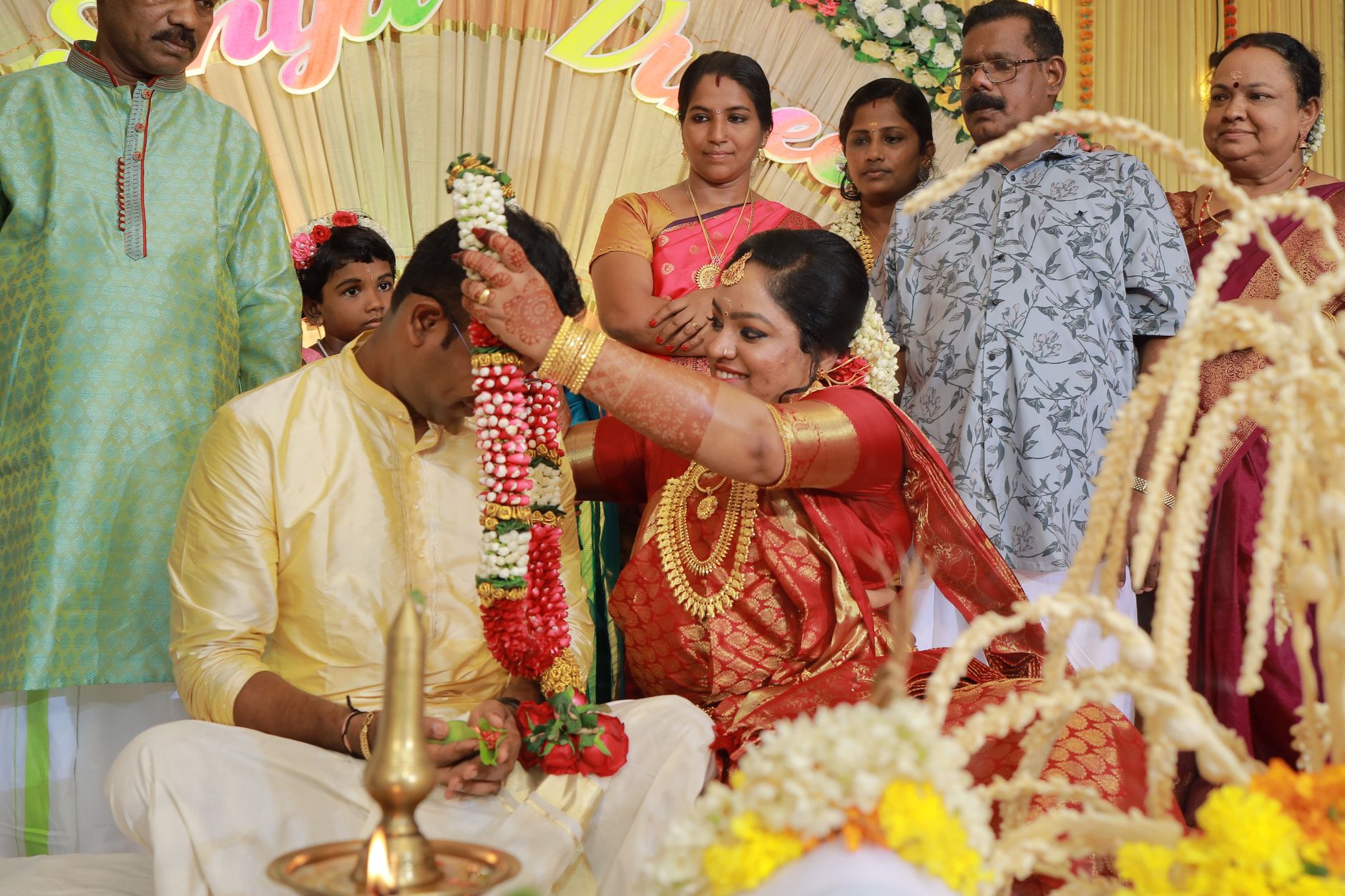 Authentic Malayalam Wedding Ritual Styling
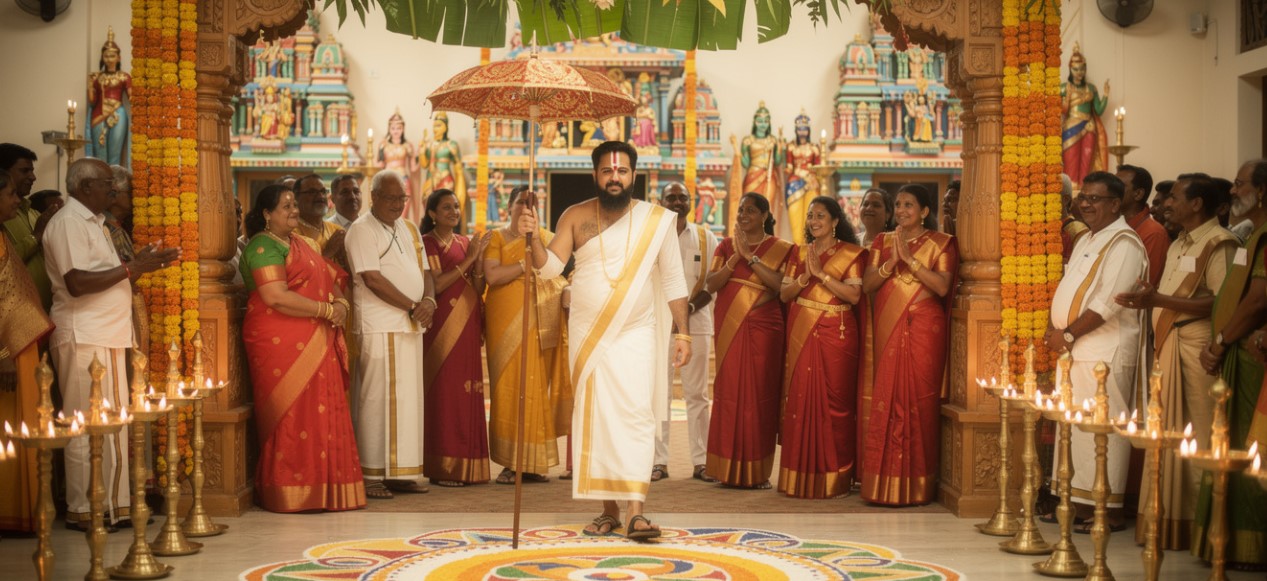 Authentic Tamil Wedding Kasi Yatra Setup
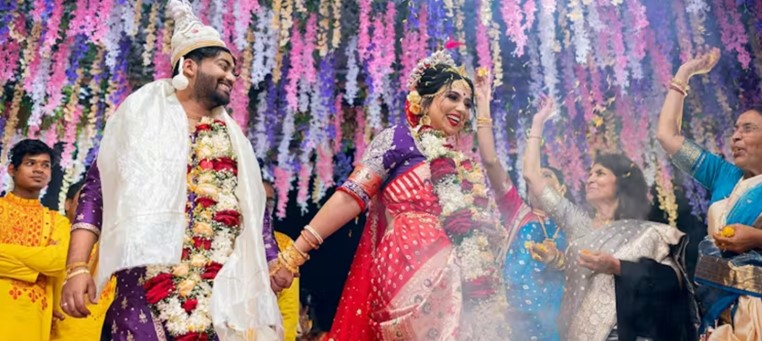 Ceremony Consultation & Spiritual Guidance
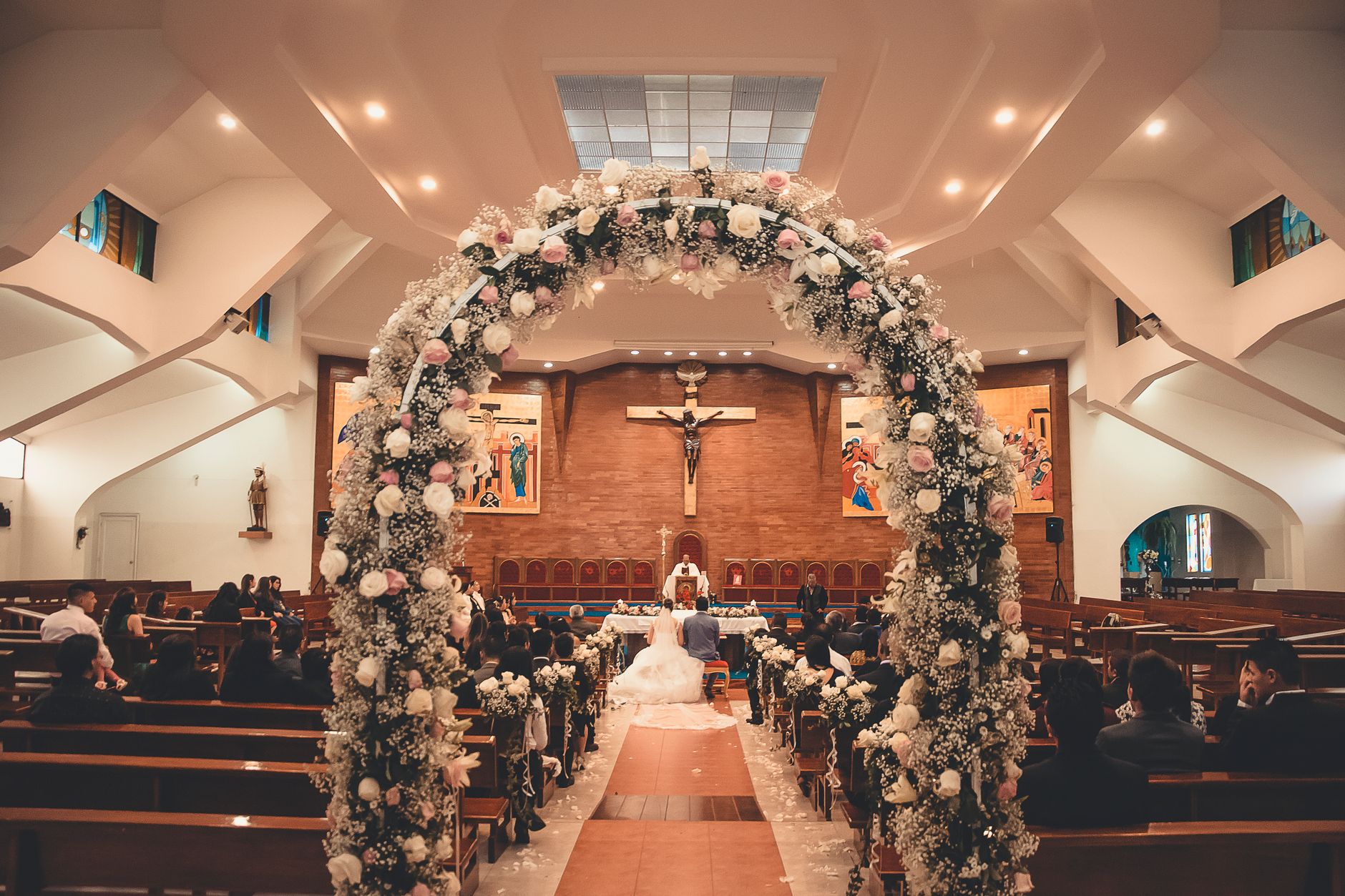 Certified Christian Wedding Ceremony Officiants
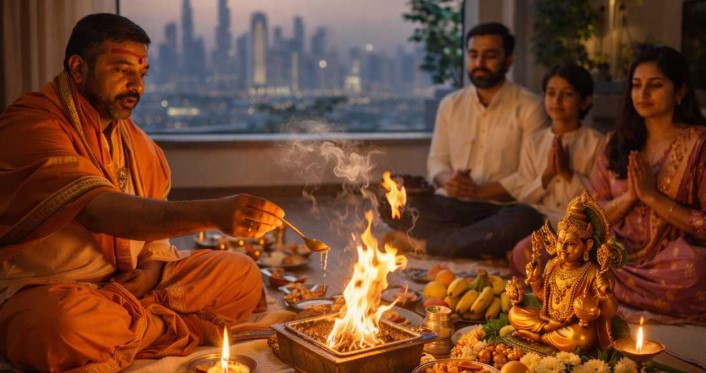 Certified Pandit & Priest Booking Services
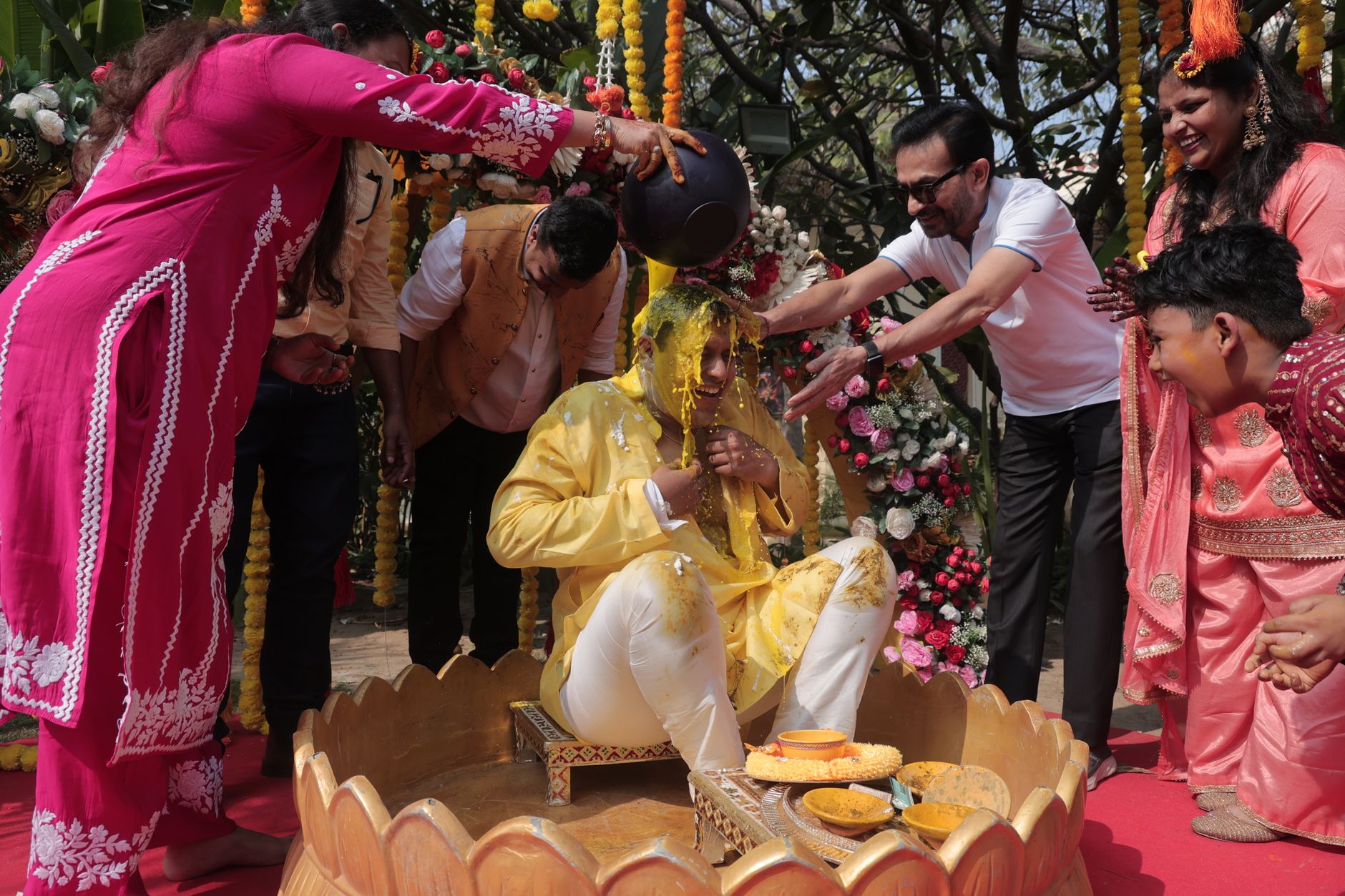 Complete Telugu Wedding Mangalasnanam Items
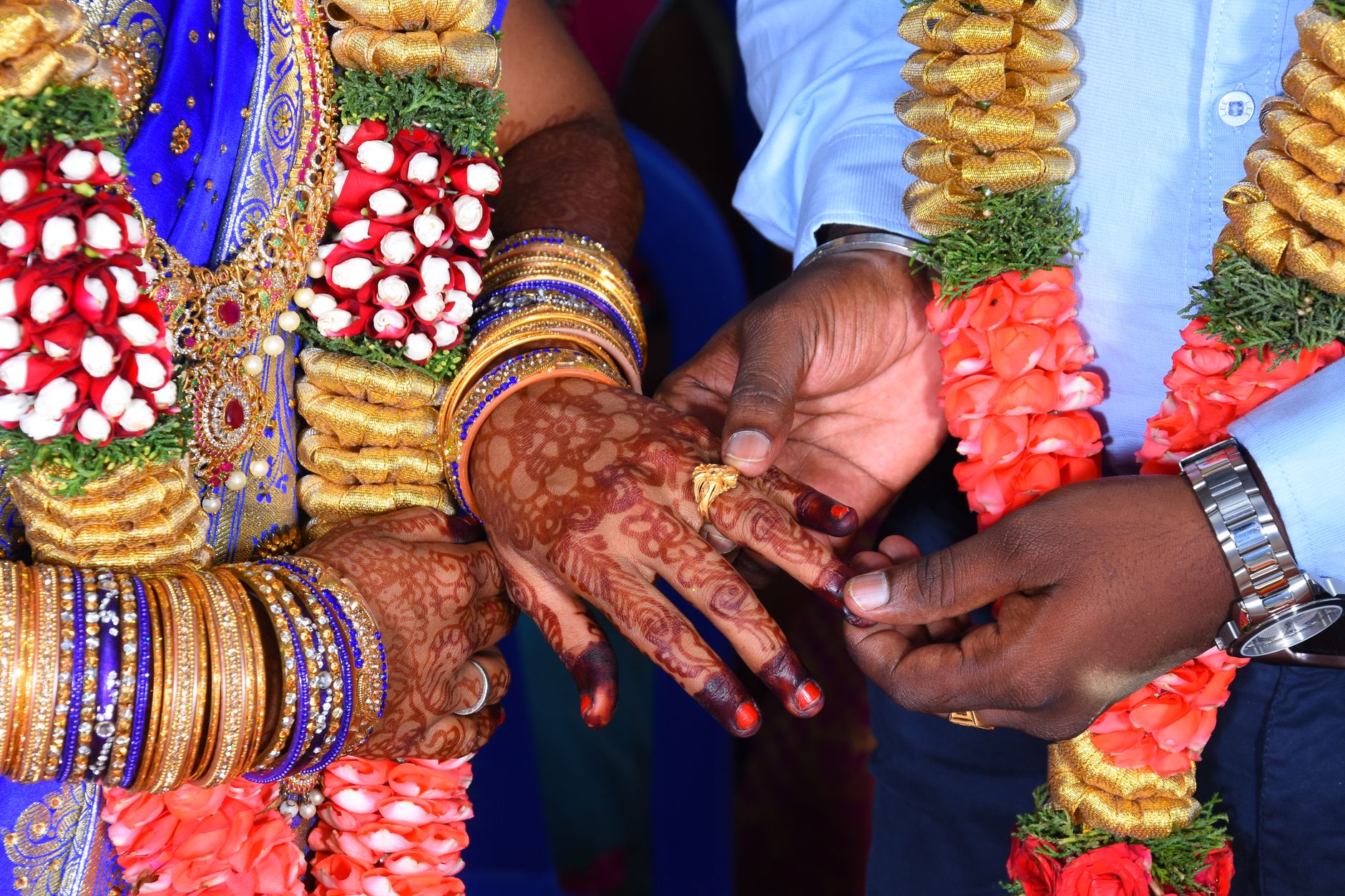 Decorative Brahmin Wedding Paruppu Thengai
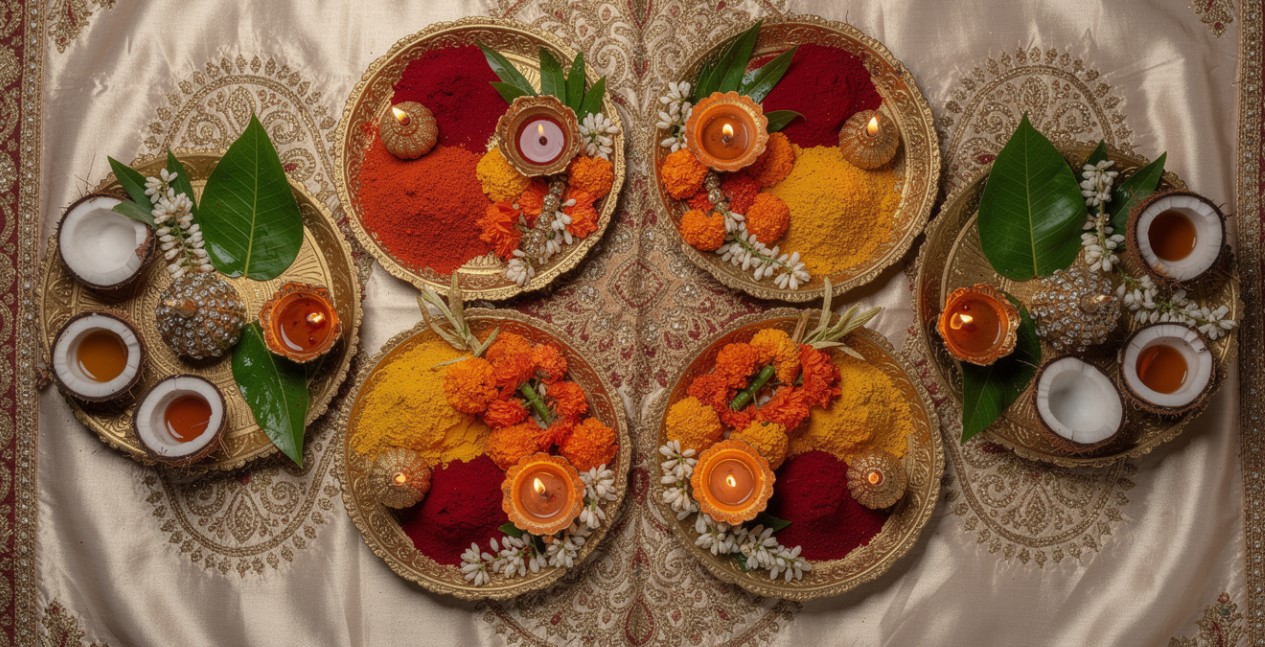 Decorative Tamil Wedding Aarthi Plates
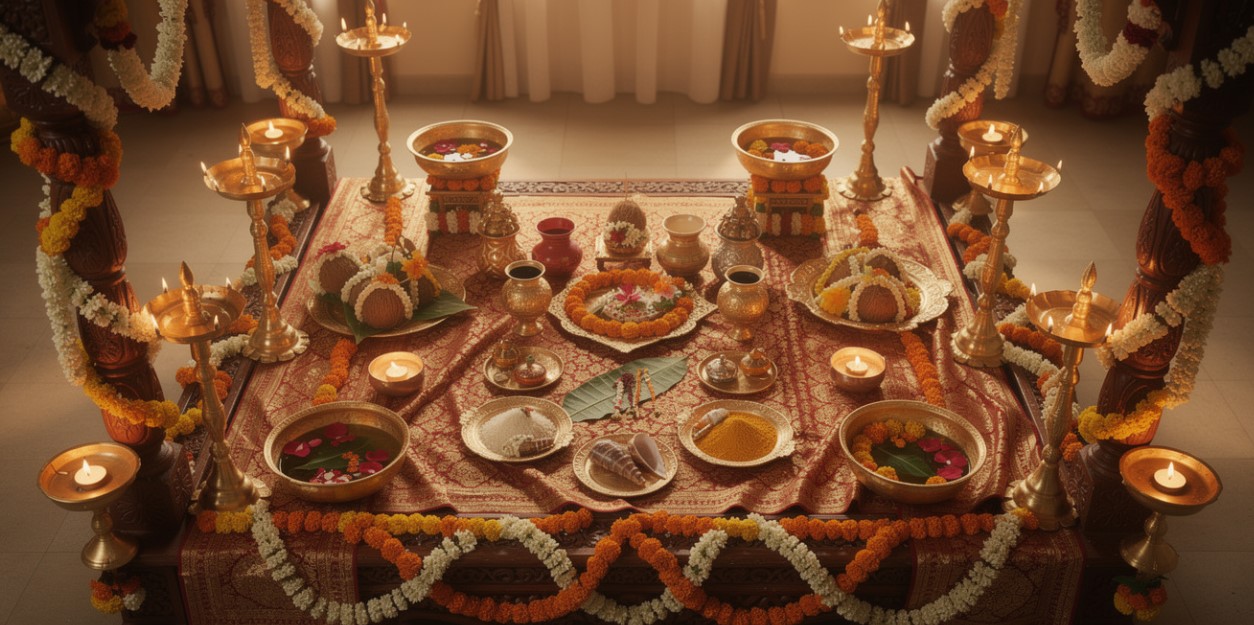 Decorative Telugu Wedding Addutera Setup
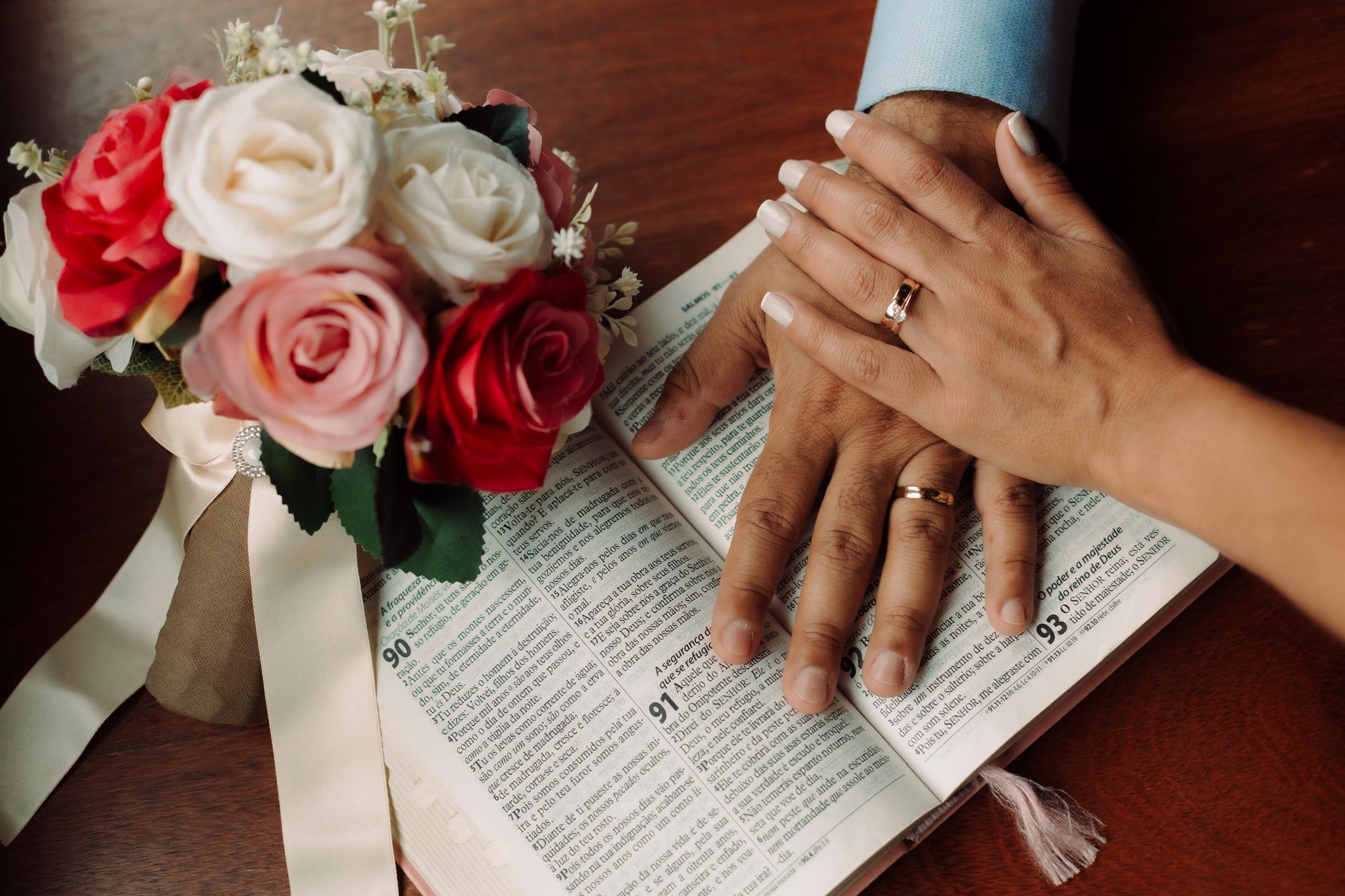 Designer Christian Wedding Ring Platters
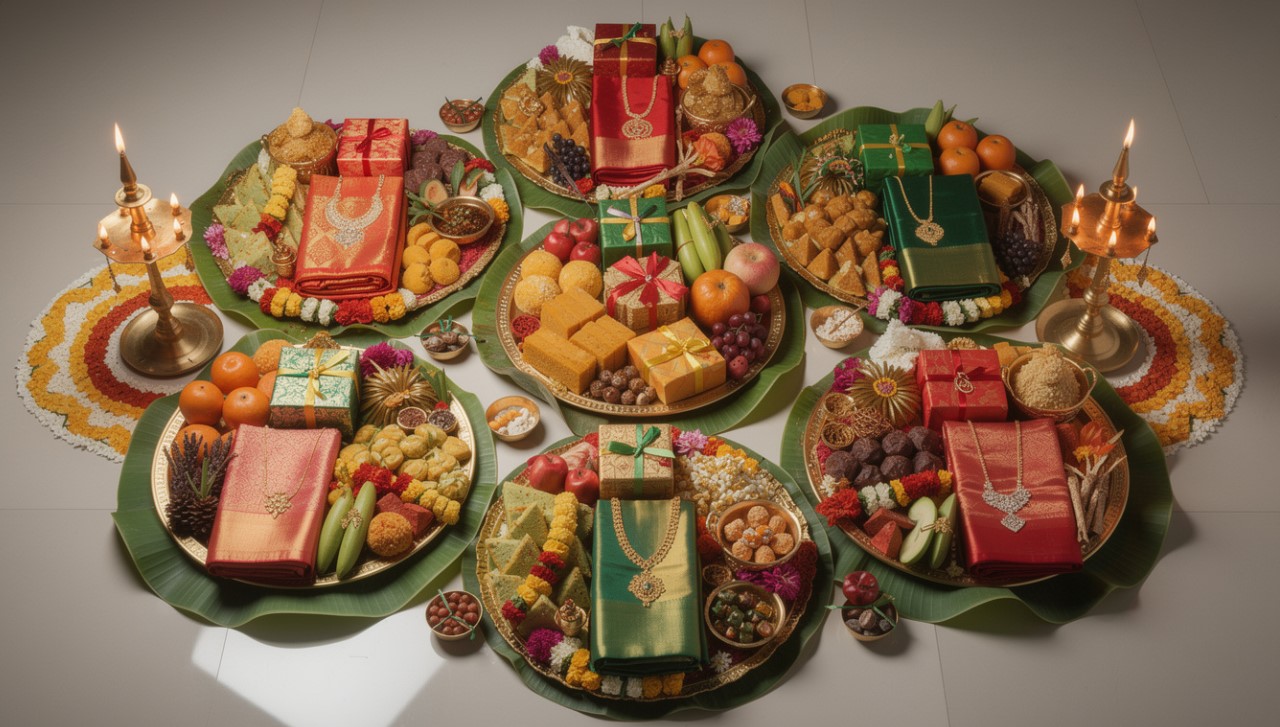 Designer Tamil Engagement & Wedding Seer Plate Arrangements
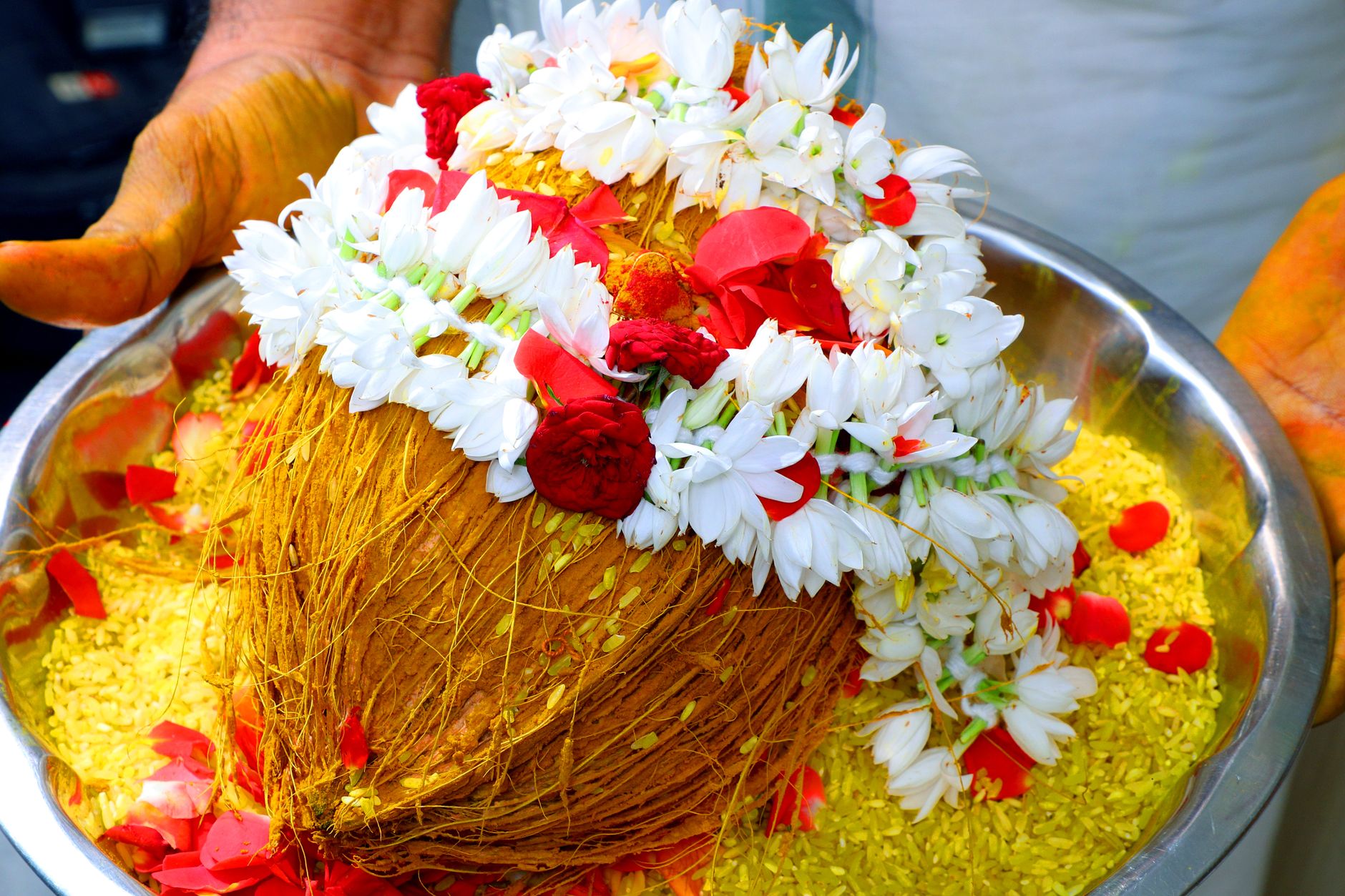 Designer Telugu Wedding Pelli Butta Setup
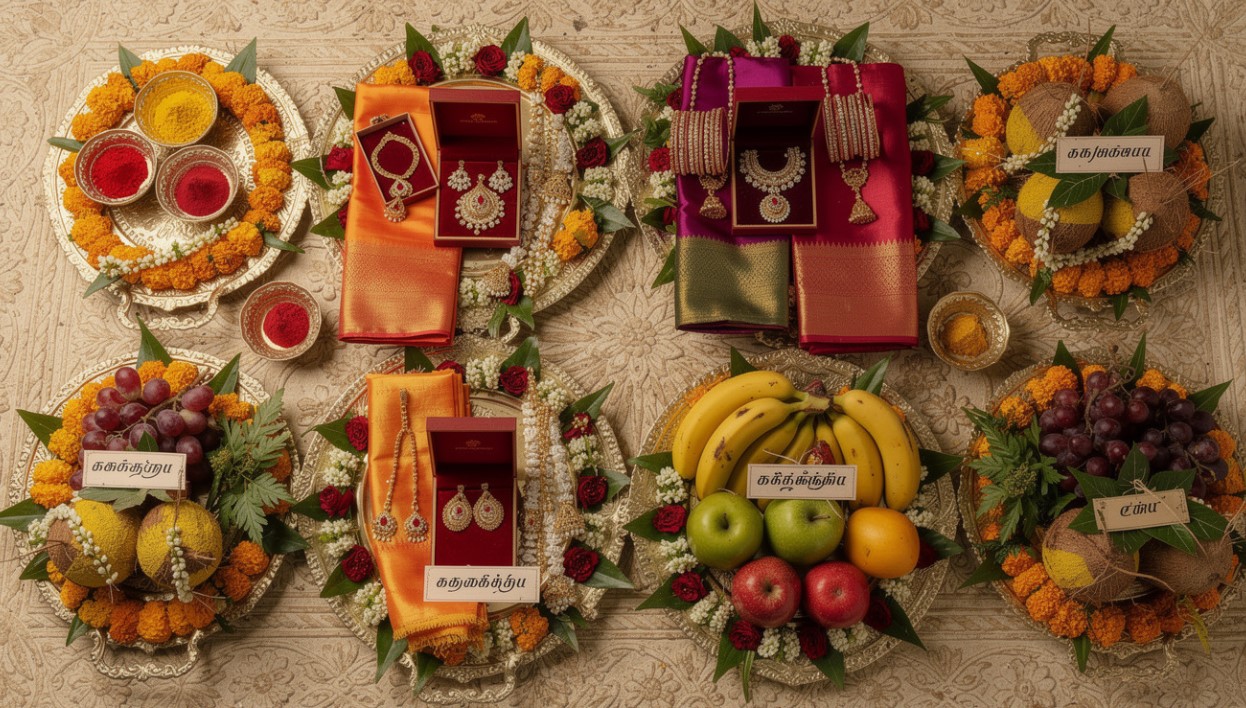 Designer Telugu Wedding Seer Plate Displays
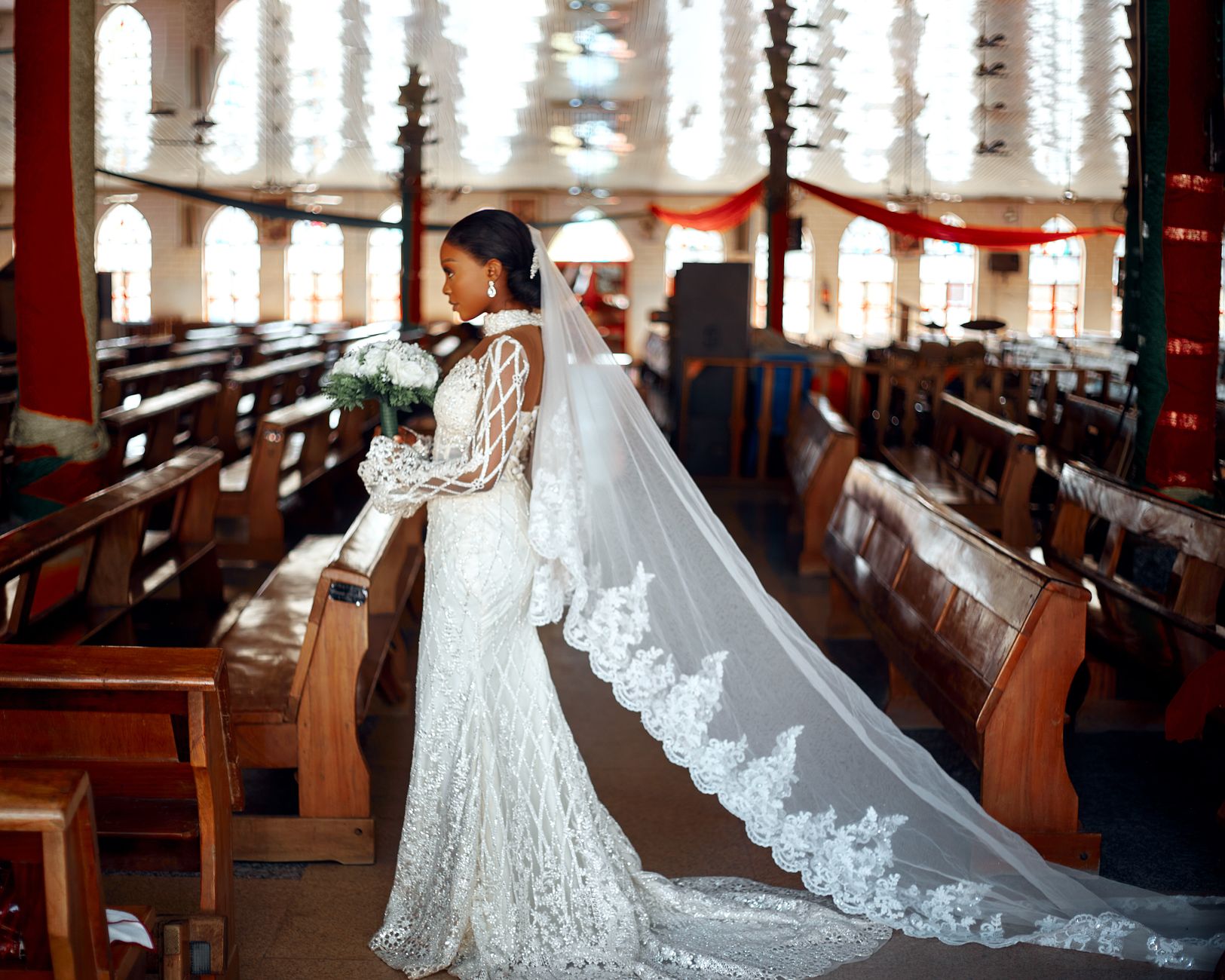 Elegant Christian Wedding Floral Bouquets
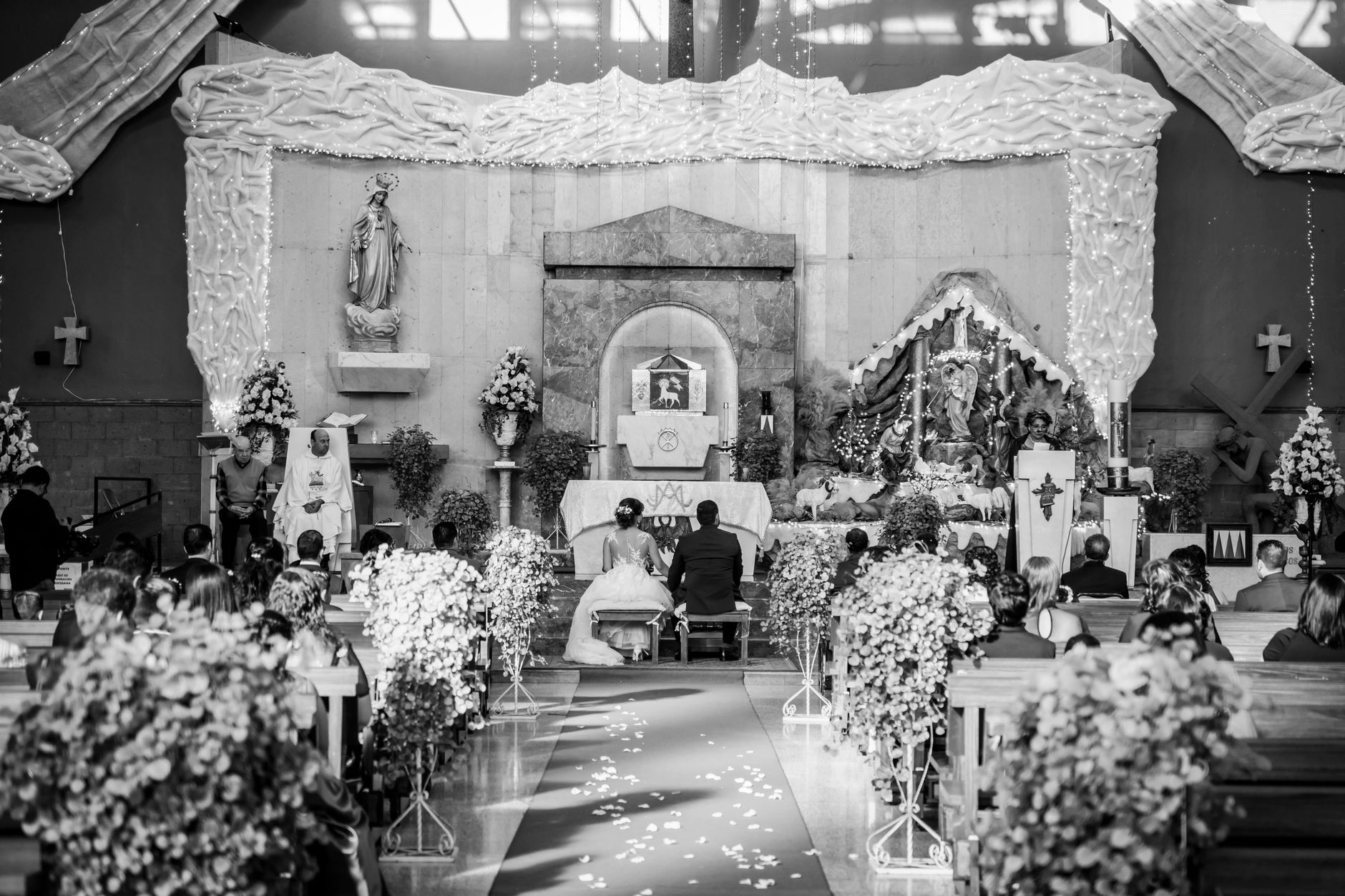 Elegant Christian Wedding Flower Basket Arrangements
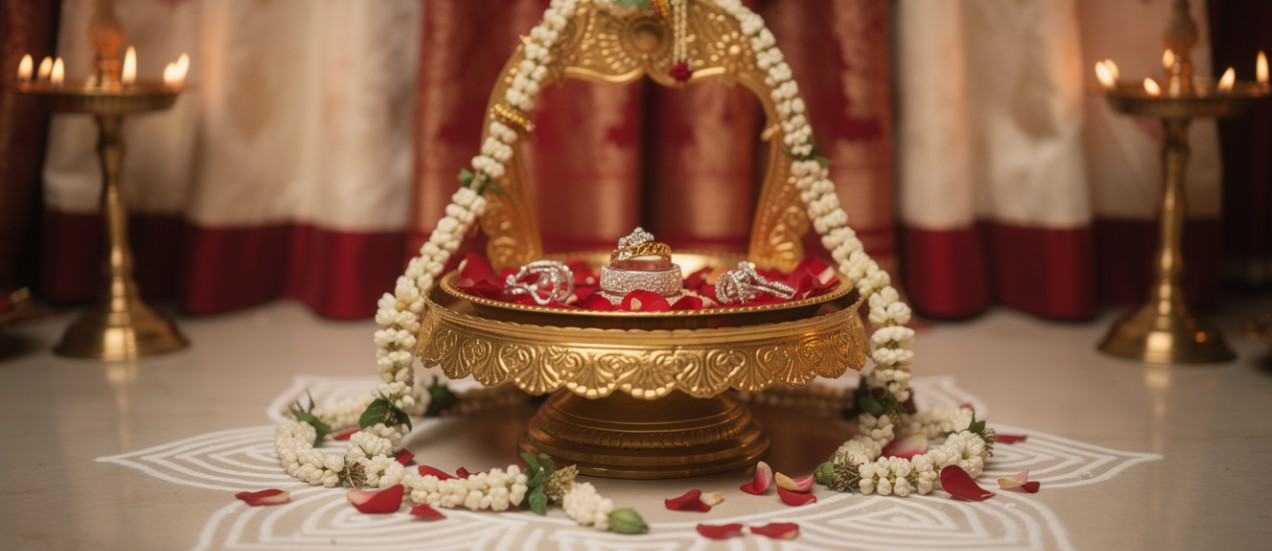 Elegant Tamil Wedding Ring Ceremony Plates
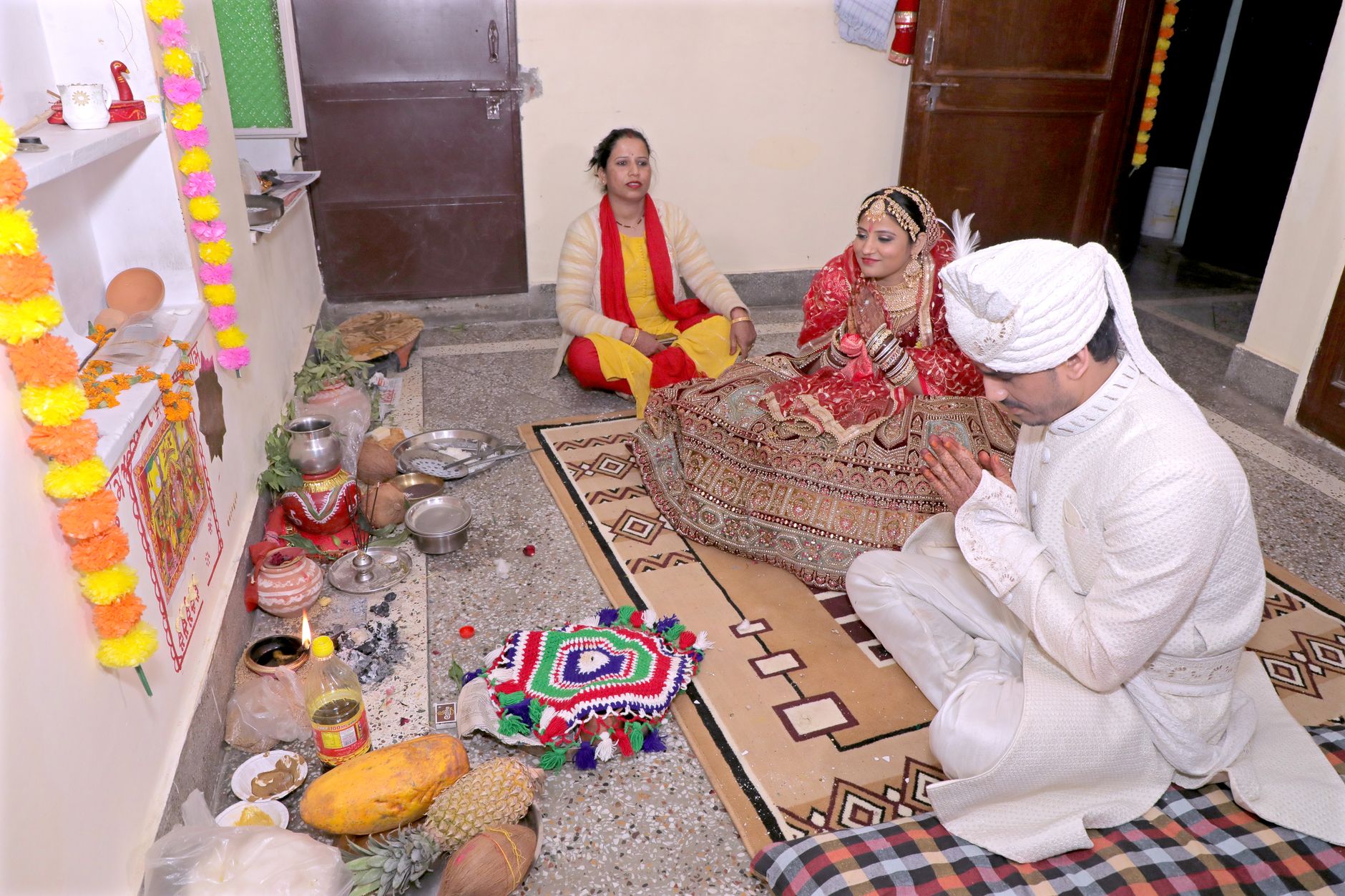 Experienced Astrology & Muhurat Guidance
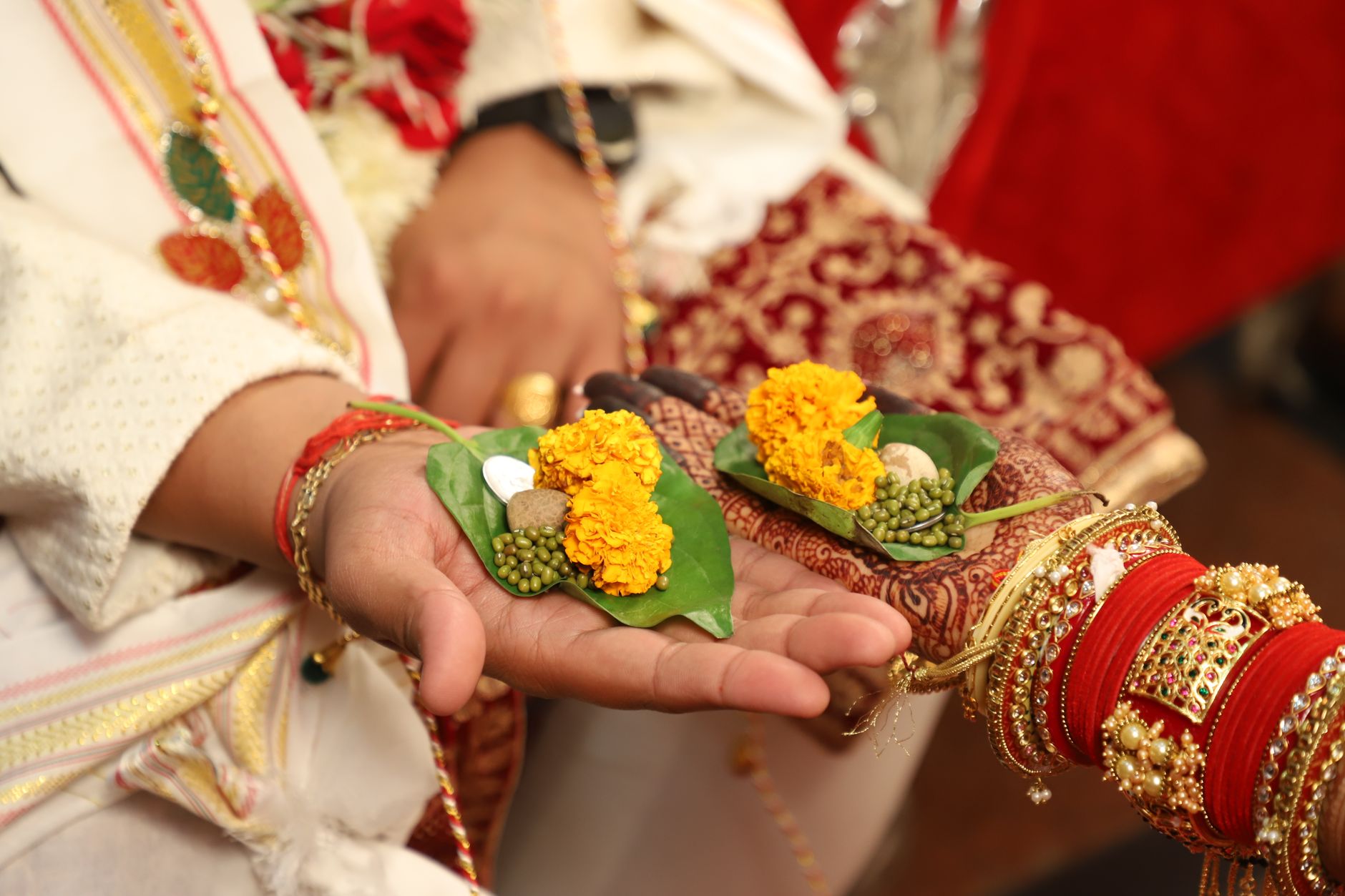 Gujarati Marriage Ritual Supplies
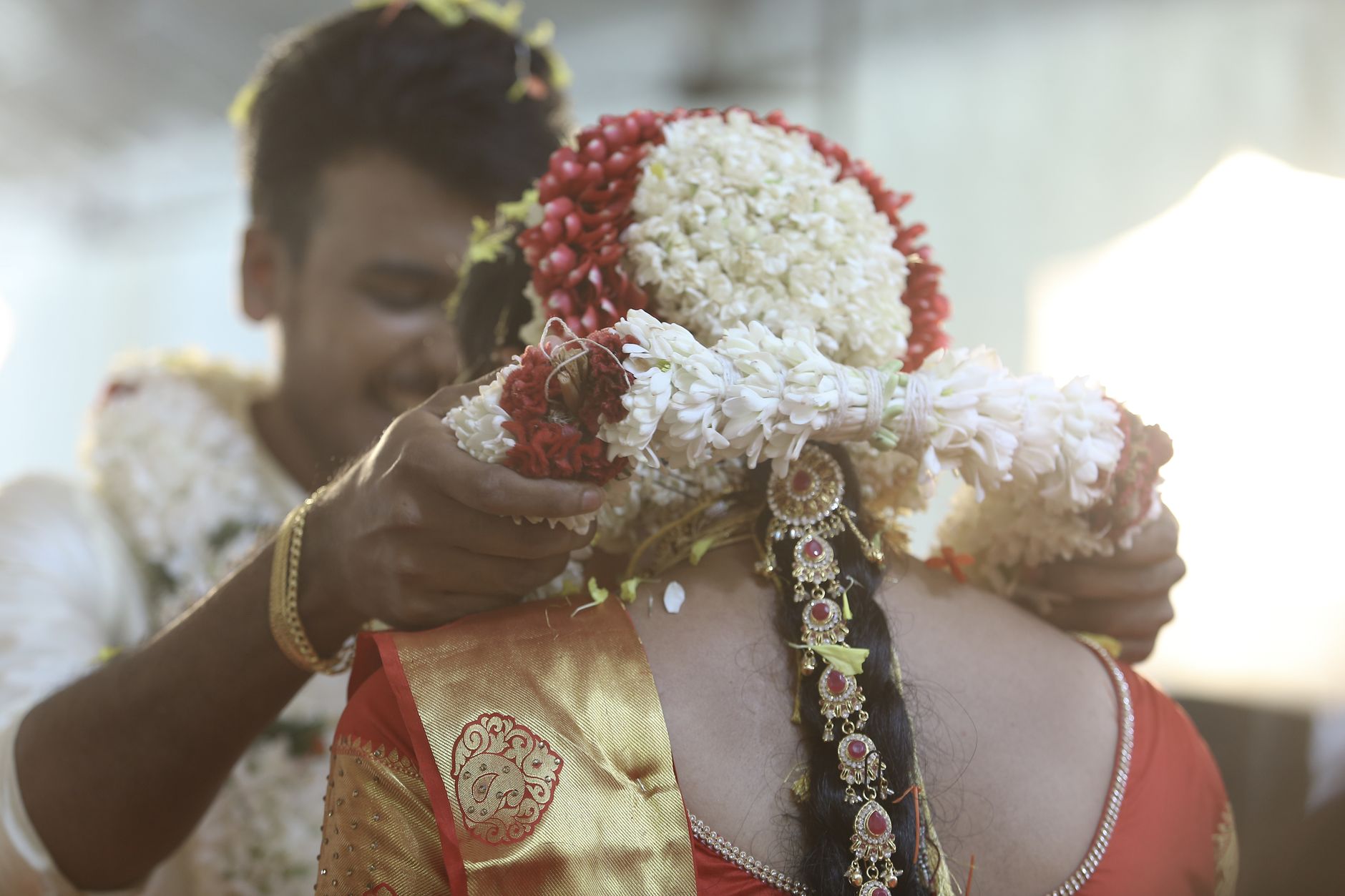 Heritage Malayalam Wedding Umbrella Collections
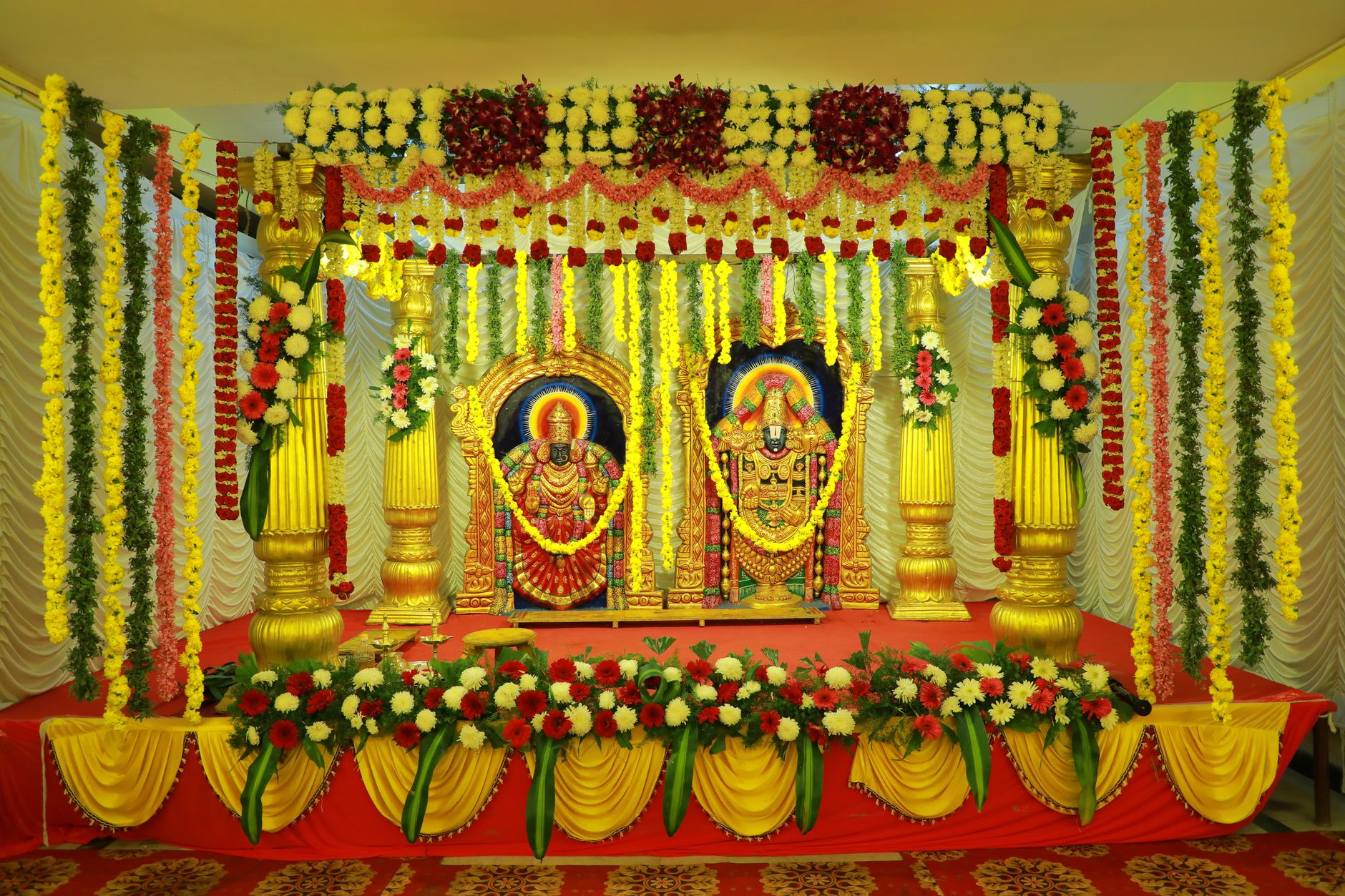 Hindu Wedding Rituals Explained
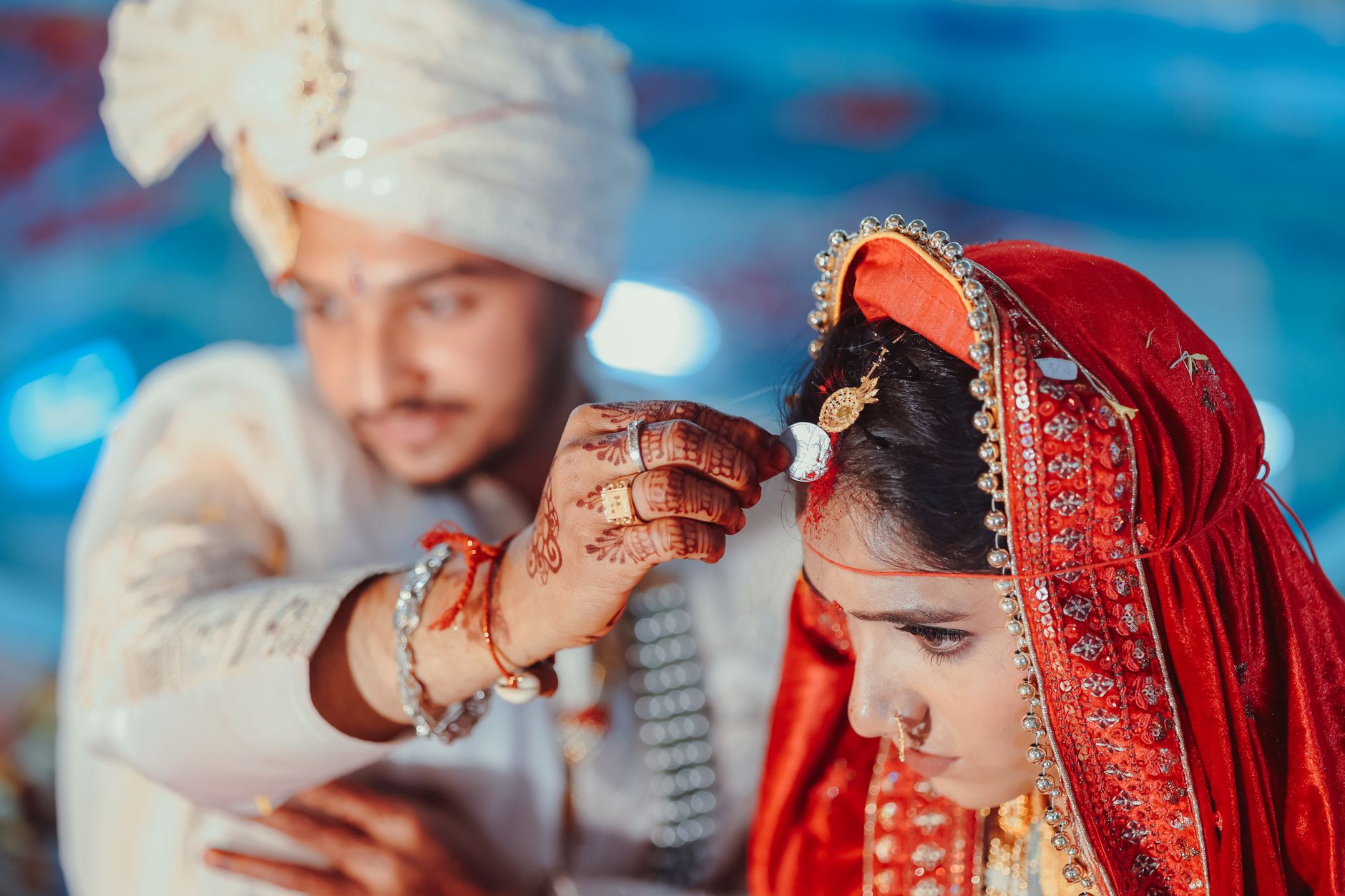 Jain Vivah Samagri
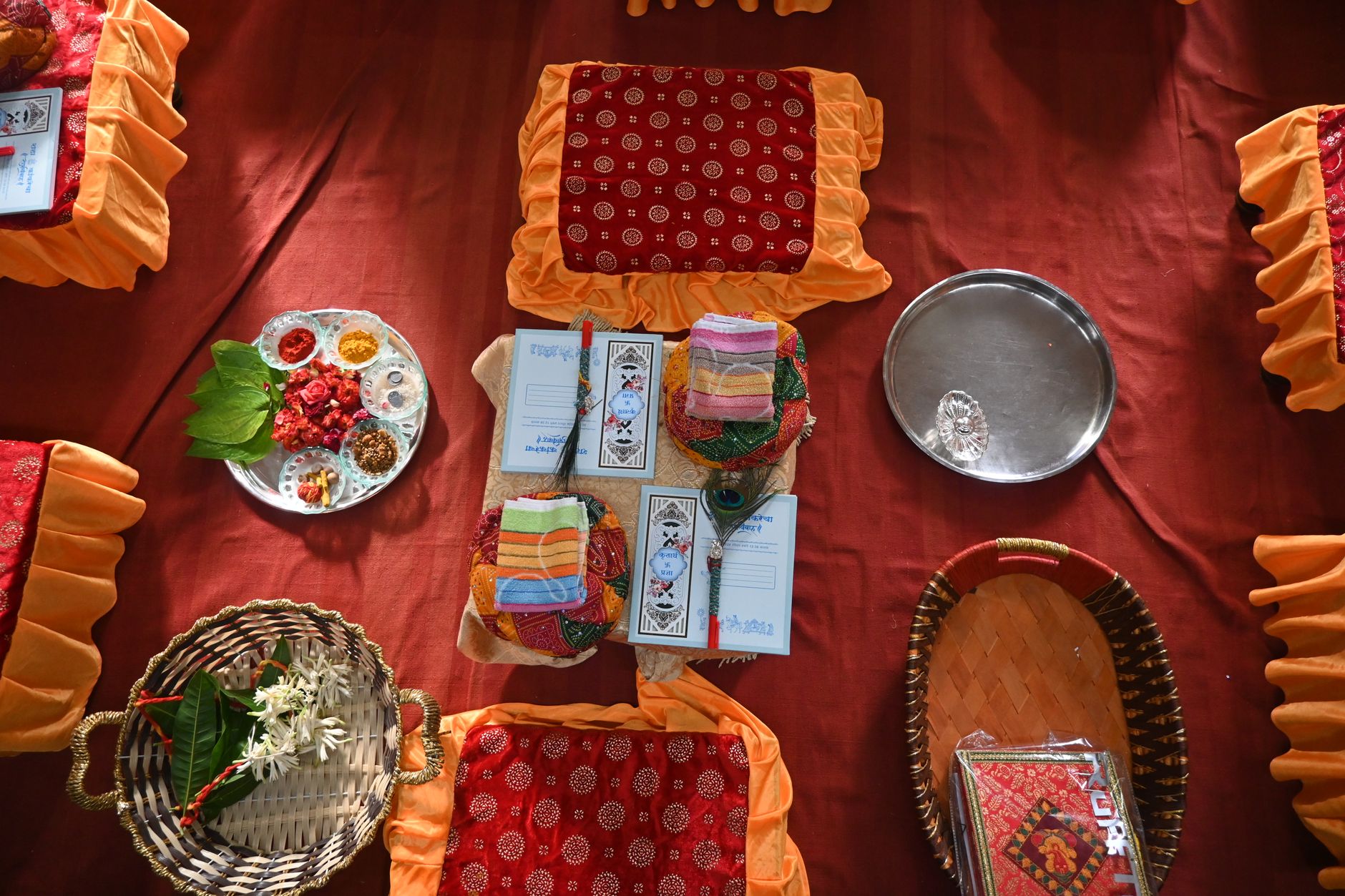 Kannada Marriage Ritual Supplies
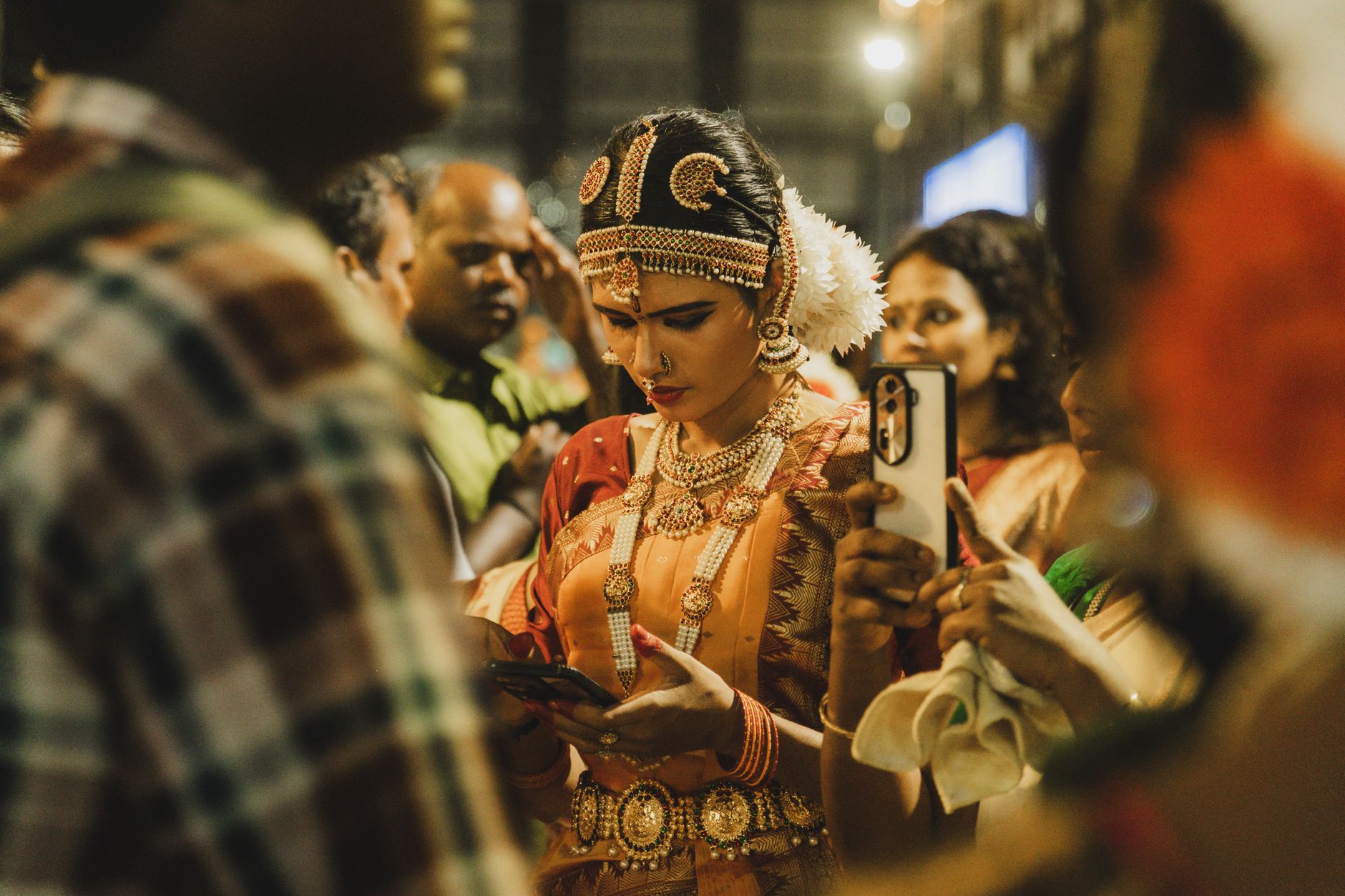 Kerala Wedding Pooja Items
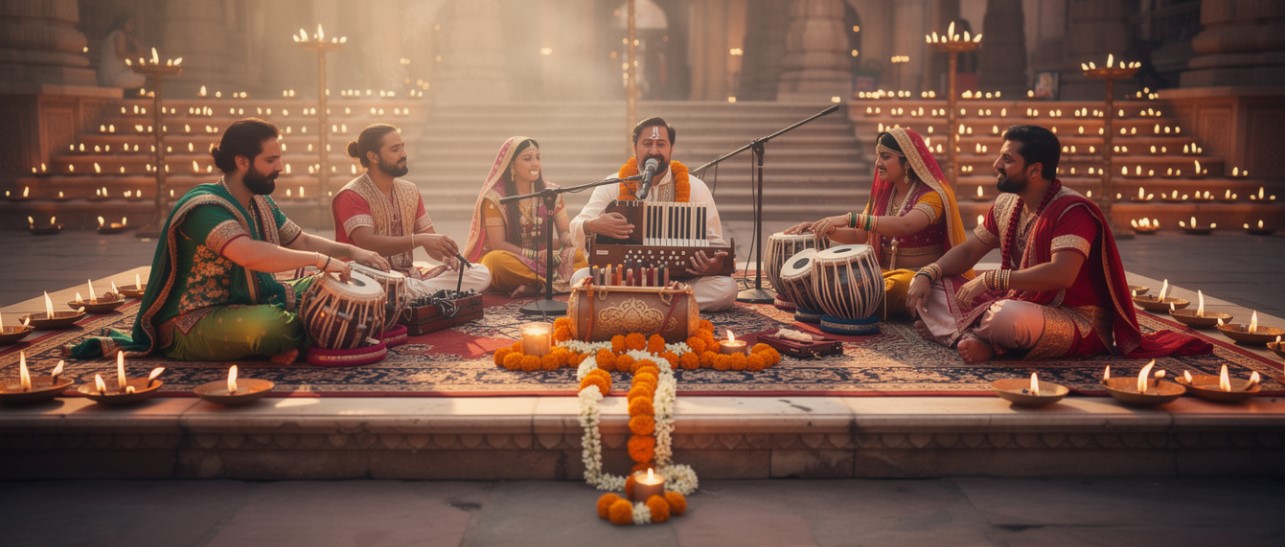 Live Spiritual Music & Bhajan Performances
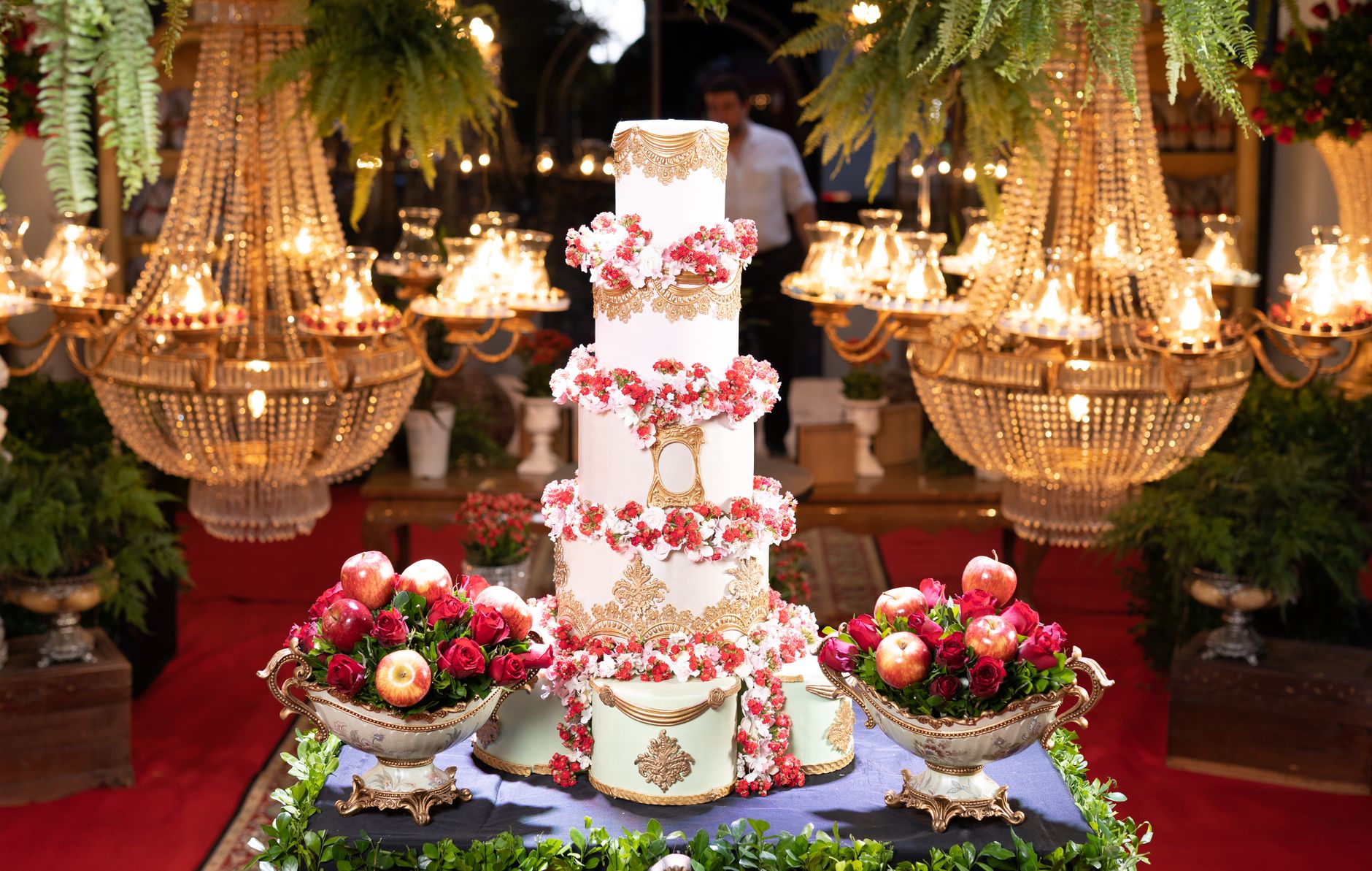 Luxury Christian Wedding Celebration Cakes
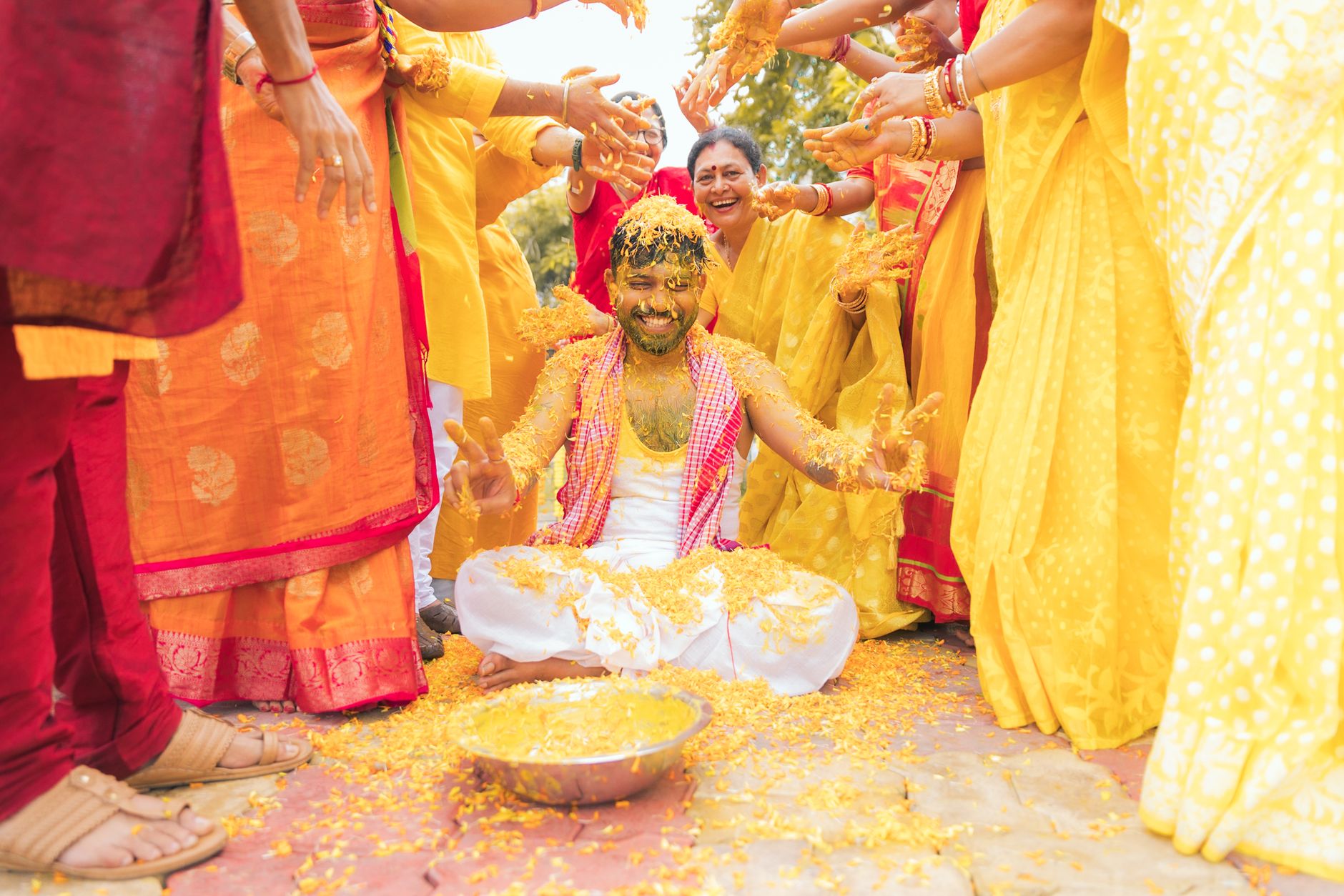 Marwari Marriage Ritual Supplies
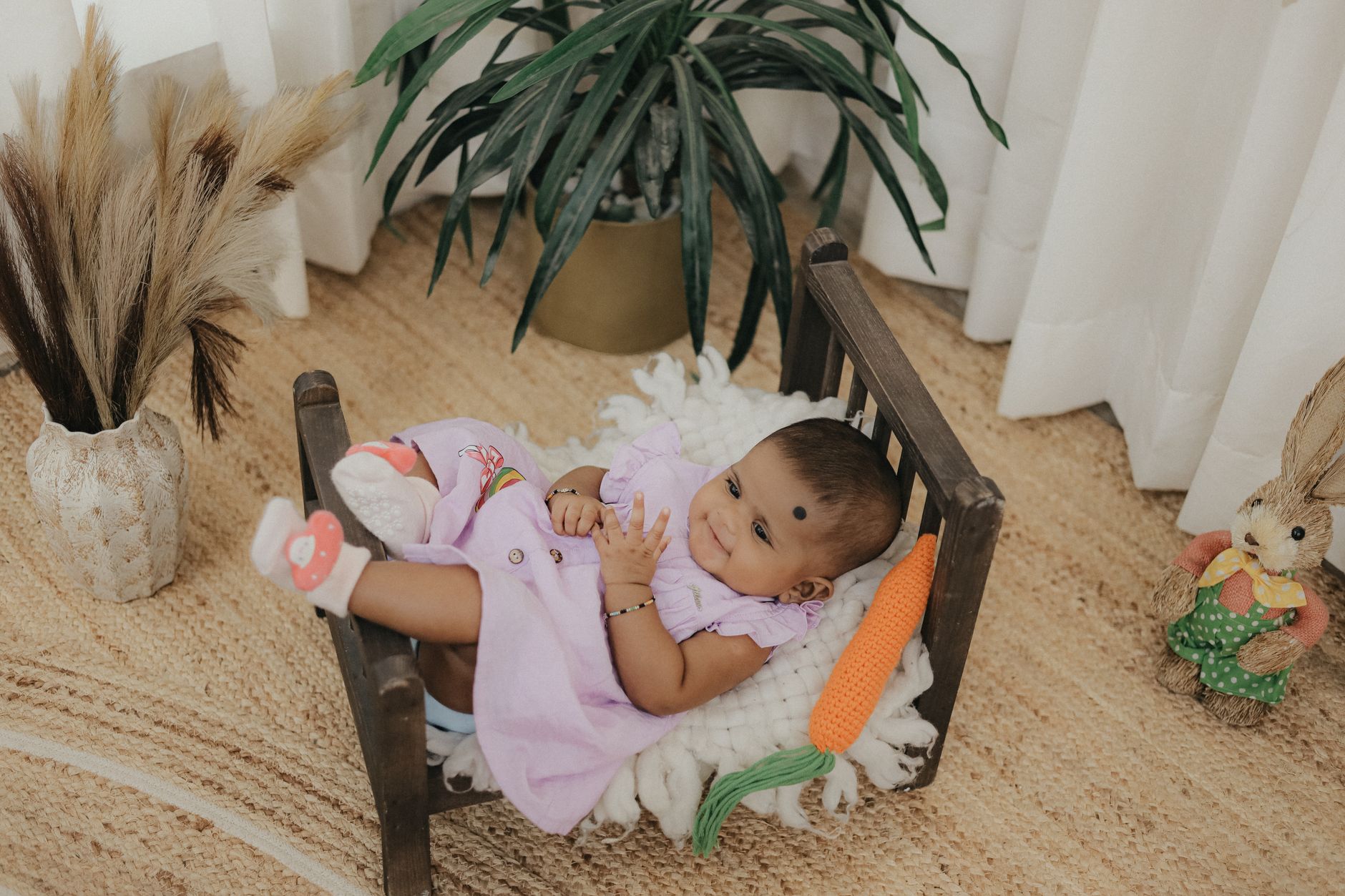 Naming Ceremony Cradle
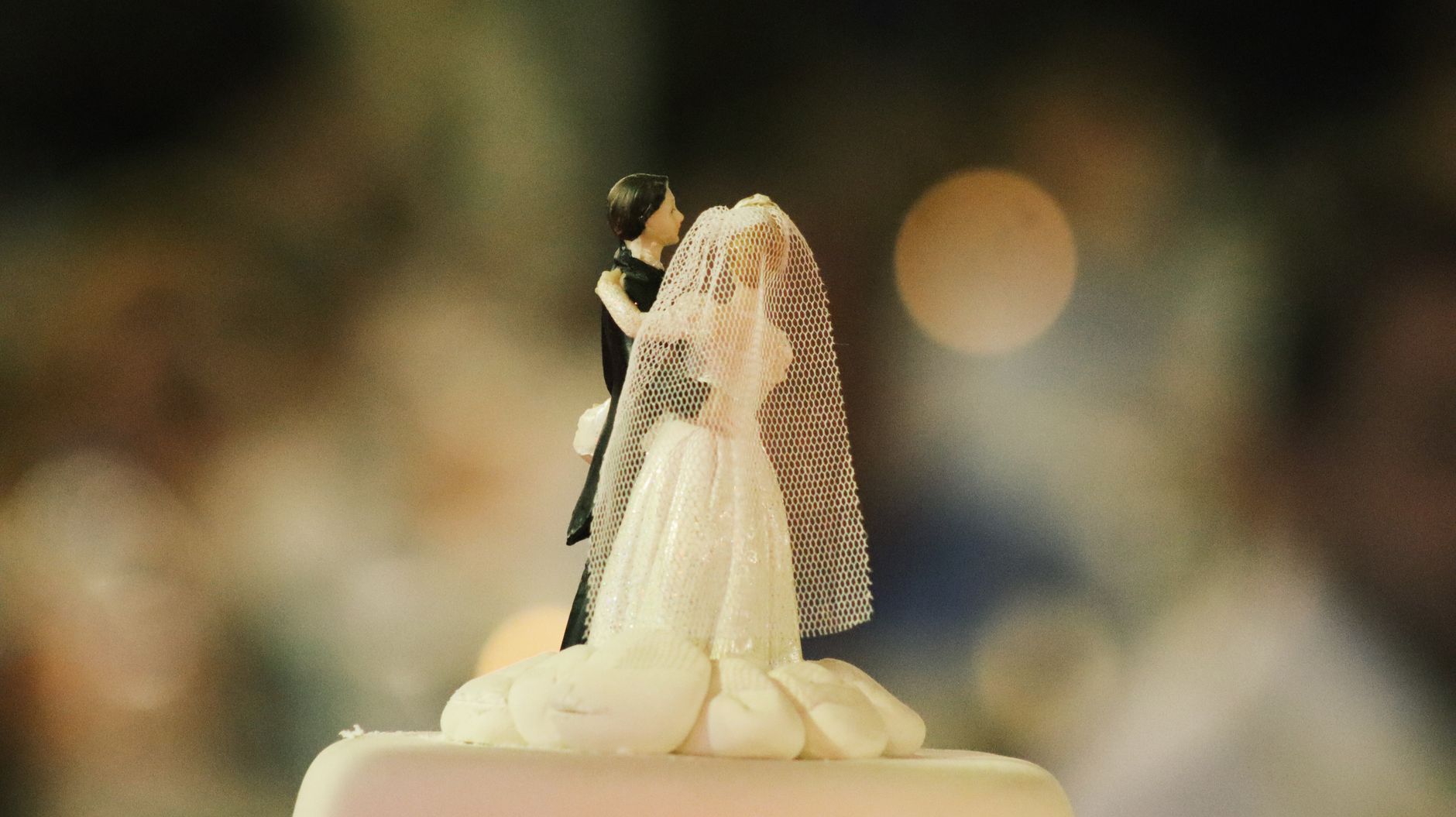 Personalized Christian Wedding Cake Toppers
 Premium Christian Wedding Car Decoration Services
 Premium Christian Wedding Champagne Collection for Toast
 Premium Christian Wedding Favor Collections
- 400+Curated Events
- 6Event Universes
- 1000+Verified Vendors
- 70+Locations
- 24/7Customer Support


Not sure which packages fits your celebration?
Let Hiya & Hanu help you find the perfect match!
Explore Celebration Packages- AI-Powered MatchingSmart suggestions for you
- Budget OptimizerGet the best experiences in your budget
- End-to-End SupportWe are with you at every step
Serving Celebrations across 75+ locations in India
Signature Religious Ceremonies for Meaningful Personalised Family Celebrations
◆Creating a Personal Experience Around Religious Traditions
Signature religious ceremonies bring together faith, family traditions and carefully considered event details to create occasions that feel personal and memorable. While many religious functions follow established customs, the way each family celebrates can be shaped around its values, preferences, guest list and venue. Thoughtful planning helps preserve the significance of the occasion while creating a comfortable experience for everyone attending.
The appeal of signature religious ceremonies lies in their balance between tradition and individuality. Families can maintain important rituals while selecting suitable décor, seating, catering, music, photography and venue arrangements. The result is an event that feels respectful of cultural practices without becoming unnecessarily complicated.
Planning should begin with the purpose of the ceremony. A family gathering, blessing, religious milestone, traditional ritual or spiritual celebration may each require a different approach. Understanding the purpose makes it easier to select the right services, coordinate suppliers and create an event atmosphere that supports the meaning of the occasion.
Why Signature Religious Ceremonies Feel More Personal
A signature ceremony is not simply about adding decorative elements to a traditional function. It is about understanding which details matter most to the family and giving them appropriate attention. Religious customs may determine the ceremony schedule, rituals, prayers, offerings, attire or participation of specific family members.
At the same time, families may have their own preferences regarding the venue, colour palette, floral arrangements, guest comfort and reception activities. These choices can be incorporated without distracting from the central religious purpose.
Signature religious ceremonies can therefore be planned around a clear combination of tradition, personal preferences and practical organisation. This approach is especially useful when several generations are attending because older family members can help preserve customs while younger guests can enjoy a more comfortable and contemporary event environment.
Planning Signature Religious Ceremonies With Care
Successful signature religious ceremonies usually begin several weeks ahead, particularly when the occasion involves a popular venue, specialist religious professional or larger guest list. The first step is to confirm the ceremony date, timings and essential traditions.
Families should then identify the people responsible for conducting or supporting the religious elements. Depending on the tradition, this may include priests, officiants, elders or other knowledgeable members of the community.
Venue selection should also be considered carefully. Some ceremonies are better suited to places of worship, while others may take place at home, community halls, function venues or outdoor spaces. Accessibility, seating, parking, facilities and privacy can all influence the experience.
The planning process should also allow enough time for decoration, catering, photography and guest arrangements. A clear schedule helps each service provider understand when their work is required and reduces unnecessary last-minute changes.
Choosing a Venue That Supports the Occasion
The right venue should complement the religious purpose of the ceremony rather than compete with it. Signature religious ceremonies can take place in many settings, depending on the customs involved and the number of guests.
Homes can provide a familiar and intimate atmosphere for smaller gatherings. Community halls may offer greater seating capacity and practical facilities. Dedicated event venues can be useful when families require catering, decoration, parking and guest services in one location.
When comparing sacred event venues, consider the space required for rituals, seating arrangements, guest movement and ceremonial activities. Families should also check whether the venue permits specific religious practices, floral arrangements, candles, music or other requirements.
A well-chosen venue allows the ceremony to flow naturally from one stage to another while keeping guests comfortable throughout the occasion.
Designing Meaningful Ceremony Décor
Decoration should enhance the atmosphere while respecting the traditions of the event. Religious ceremony decorations can include flowers, traditional fabrics, entrance arrangements, backdrop designs, lamps, seating décor and other culturally appropriate details.
For signature religious ceremonies, the décor can be personalised around the family's preferred colours, flowers or traditional motifs. However, visual styling should remain balanced so that important ceremonial areas remain clear and accessible.
Floral arrangements are often particularly effective because they add warmth without overwhelming the setting. Seasonal flowers can also provide an attractive and practical option when the event has a defined colour scheme.
The entrance, ceremonial area and guest seating should be considered together so that the overall design feels coordinated. Lighting can also improve the atmosphere, particularly for ceremonies that continue into the evening.
Coordinating Religious Services and Event Suppliers
Reliable coordination is essential when several suppliers are involved. Religious event organisers can help families manage practical details while keeping the ceremony schedule on track.
Priest and officiant services should be confirmed early where applicable. Families should communicate the ceremony timings, expected guest numbers and any specific requirements in advance.
Other suppliers may include decorators, caterers, photographers, florists, venue teams and entertainment professionals. Each supplier should understand their arrival time, setup requirements and responsibilities.
A central event plan can make this coordination much easier. It should include venue details, supplier contacts, setup timings, ceremony timings and important family responsibilities.
This level of organisation is particularly valuable when the ceremony includes multiple stages or when guests are travelling from different locations.
Making the Guest Experience Comfortable
Religious occasions can involve guests of different ages, so comfort should be considered alongside tradition. Seating should provide appropriate support for older guests, while clear pathways can make movement easier for everyone.
Families should also consider refreshments, drinking water, washroom access, parking and weather conditions where relevant. If the ceremony is held outdoors, shade and alternative arrangements may be useful.
For larger signature religious ceremonies, clear signage can help guests understand where to go. A simple welcome area can also make the arrival experience more organised.
Guest communication is another important consideration. Invitations should clearly mention the date, venue, timing and any relevant dress or participation guidance. Providing useful information in advance can help guests feel prepared.
Adding Personal Details Without Losing Tradition
Personalisation works best when it supports the meaning of the occasion. Families may choose particular flowers associated with their traditions, display meaningful family photographs or incorporate heirloom items where appropriate.
Music can also contribute to the atmosphere, provided it is suitable for the ceremony. Cultural performances or carefully selected entertainment may be considered for the social part of the event rather than the central religious proceedings.
Photography should focus on meaningful moments without disrupting the ceremony. Discussing important timings with the photographer beforehand helps ensure that key memories are captured respectfully.
These details can make signature religious ceremonies feel distinctive while keeping the central traditions at the heart of the celebration.
Managing the Budget Effectively
A thoughtful budget does not have to reduce the quality or meaning of a religious celebration. Families can prioritise spending according to what matters most.
Essential religious services and venue costs should generally be confirmed first. The remaining budget can then be allocated across décor, catering, photography, flowers, guest arrangements and additional services.
Comparing supplier packages can help families identify where they can achieve value without compromising important requirements. It is also useful to clarify setup charges, delivery costs, overtime fees and additional service charges before confirming suppliers.
Signature religious ceremonies can be adapted to different budgets because personalisation does not always require expensive additions. Meaningful choices, thoughtful organisation and suitable suppliers can often create a memorable experience without unnecessary expenditure.
Preparing a Clear Ceremony Timeline
A detailed timeline helps keep the occasion organised. It should begin with supplier arrival and venue preparation before moving into guest arrival, religious proceedings, photographs, refreshments and any social activities.
The timeline should allow some flexibility because religious ceremonies may occasionally take longer than expected. Building small time allowances between stages can prevent delays from affecting the entire event.
Family members responsible for important tasks should also understand the schedule. Assigning responsibilities in advance reduces confusion on the day.
For larger events, one person or an event coordinator can oversee suppliers and respond to practical questions. This allows family members to focus more fully on participating in the occasion.
Finding Support for a Signature Celebration
Planning a religious occasion can involve many decisions, from choosing the venue and arranging traditional services to coordinating decoration and guest facilities. Professional support can simplify these tasks while allowing families to retain control over the ceremony.
Happiffie can help families explore suitable event services and planning options based on the type of celebration they are organising. Whether the requirement involves decoration, venue coordination, religious services, photography or other event support, comparing relevant professionals can make the planning process more manageable.
The most successful signature religious ceremonies combine meaningful traditions with careful preparation. When the ceremony, venue, décor, suppliers and guest arrangements work together, the occasion becomes easier to manage and more enjoyable for everyone.
Making the Occasion Memorable
A religious ceremony becomes memorable through meaningful details rather than unnecessary complexity. The presence of family, the continuation of traditions and the shared experience of an important milestone are often the most valuable aspects of the occasion.
Signature religious ceremonies provide an opportunity to honour established customs while creating an experience that reflects the individual family. Thoughtful venue selection, appropriate decoration, dependable suppliers and clear coordination can all contribute to a successful event.
With early planning and careful attention to detail, families can create a celebration that feels respectful, welcoming and genuinely personal. The focus remains on the significance of the ceremony while every supporting element is arranged to make the day comfortable and memorable.
Frequently Asked Questions
1. What are signature religious ceremonies?
Signature religious ceremonies are personalised religious occasions that combine established traditions with carefully selected event details such as venue, décor, services, catering and guest arrangements.
2. How early should a religious ceremony be planned?
Ideally, planning should begin several weeks or months in advance, depending on the ceremony size, venue availability, religious requirements and number of suppliers involved.
3. How can I personalise a religious ceremony?
Personalisation can include suitable flowers, colour themes, family traditions, meaningful décor, music, photography and guest arrangements while maintaining the essential religious customs.
4. What venues are suitable for religious ceremonies?
Suitable venues can include places of worship, private homes, community halls and event venues. The best option depends on the religious requirements, guest numbers and ceremony format.
5. What decoration works well for a religious ceremony?
Flowers, traditional fabrics, coordinated backdrops, entrance arrangements and culturally appropriate decorative elements can create a welcoming atmosphere without distracting from the ceremony.
6. Should religious services be booked in advance?
Yes. Priest and officiant services should generally be confirmed early, particularly for ceremonies held during busy periods or on popular dates.
7. How can families manage the ceremony budget?
Families can prioritise essential religious and venue requirements first, then allocate the remaining budget towards décor, catering, photography and additional event services.
8. Can professional event organisers help with religious celebrations?
Yes. Event professionals can assist with venue coordination, supplier management, decoration, schedules and guest arrangements while families retain control over the important religious elements.
9. How can I make guests comfortable during a religious ceremony?
Consider seating, accessibility, parking, refreshments, washroom facilities, weather conditions and clear arrival information, especially when older guests or children are attending.
10. Where can I find services for signature religious ceremonies?
Families can explore suitable religious ceremony services, event professionals, venues, decorators and other suppliers through event planning platforms such as Happiffie.